18 Haunted Locations With Documented Evidence
Ghost stories usually rely on whispered tales and secondhand accounts, but some haunted places offer something more concrete. These locations come with documented incidents, recorded phenomena, and evidence that goes beyond folklore.
From abandoned asylums with detailed medical records to historic hotels with police reports, these 18 places have built their reputations on more than just legend.
Eastern State Penitentiary
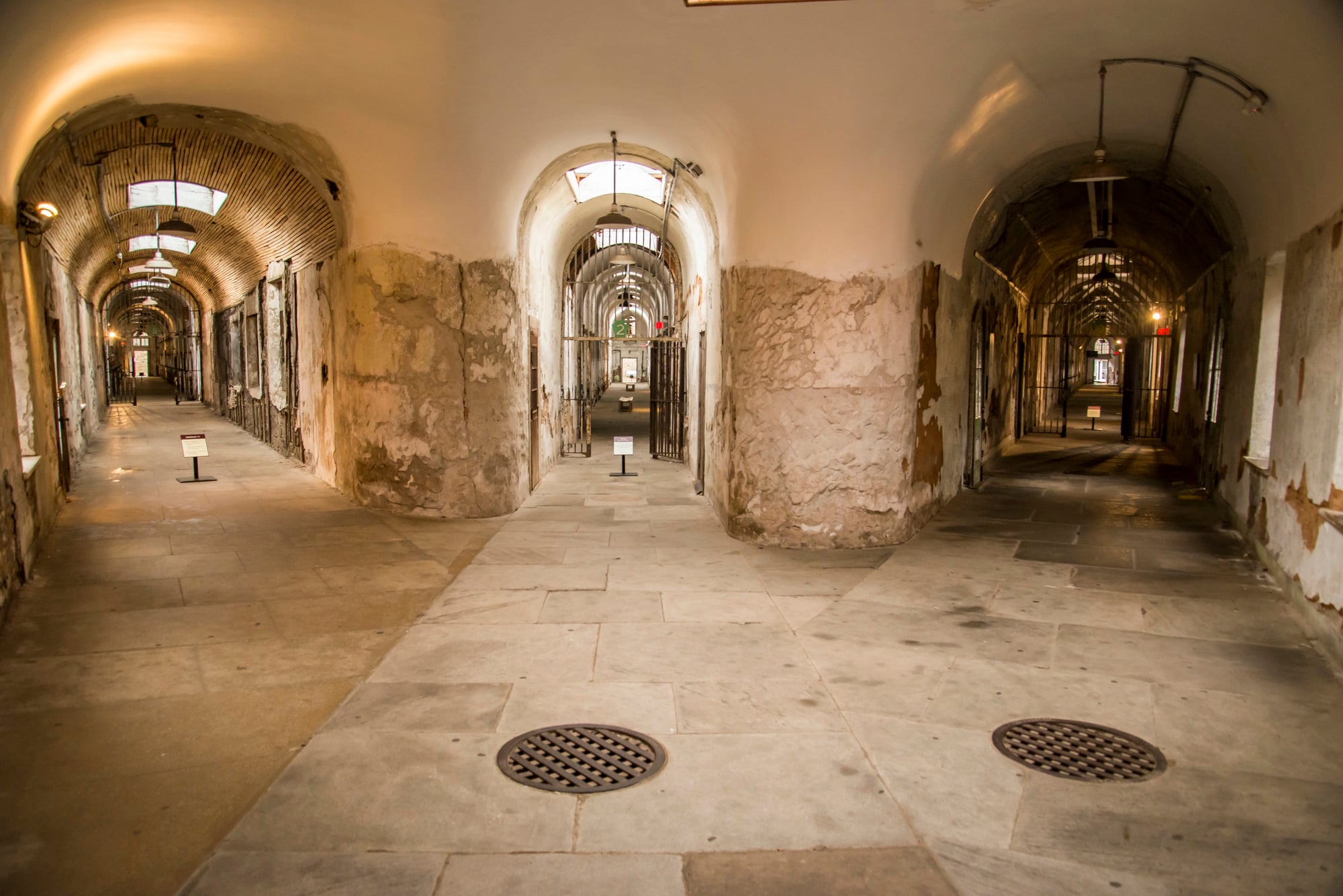
The crumbling cellblocks tell their own story. Built in 1829, this Philadelphia prison housed some of America’s most notorious criminals until its closure in 1971.
Guards documented unexplained sounds, temperature drops, and equipment malfunctions in their daily logs throughout the facility’s final decades.
The Stanley Hotel
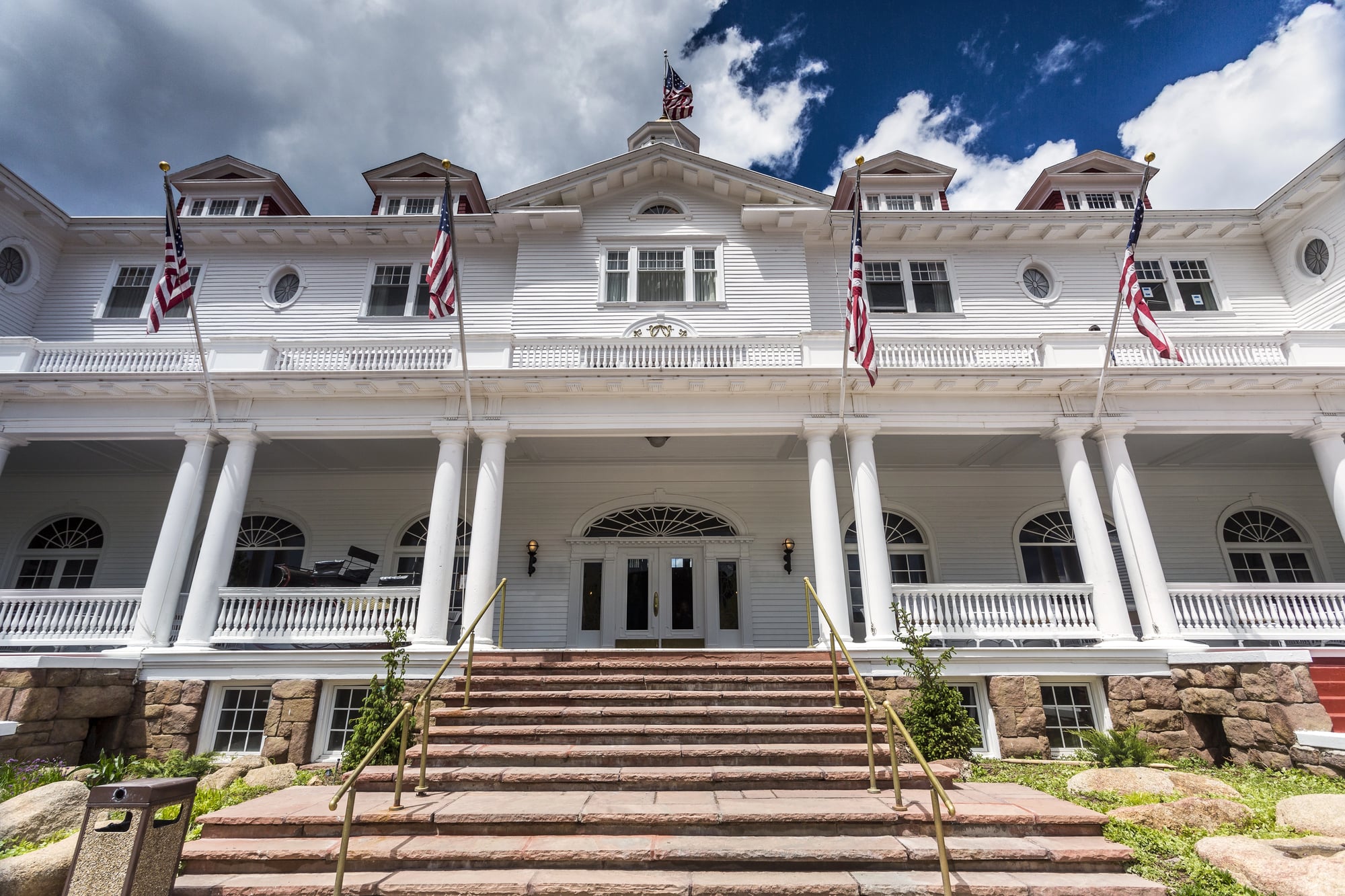
Stephen King stayed in room 217 and left with inspiration for “The Shining.” But the Estes Park hotel’s documented incidents started decades before King’s visit.
Staff reports from the early-to-mid 20th century onward detail piano music from empty ballrooms, elevator calls to vacant floors, and guest complaints about children running in hallways.
Poveglia Island
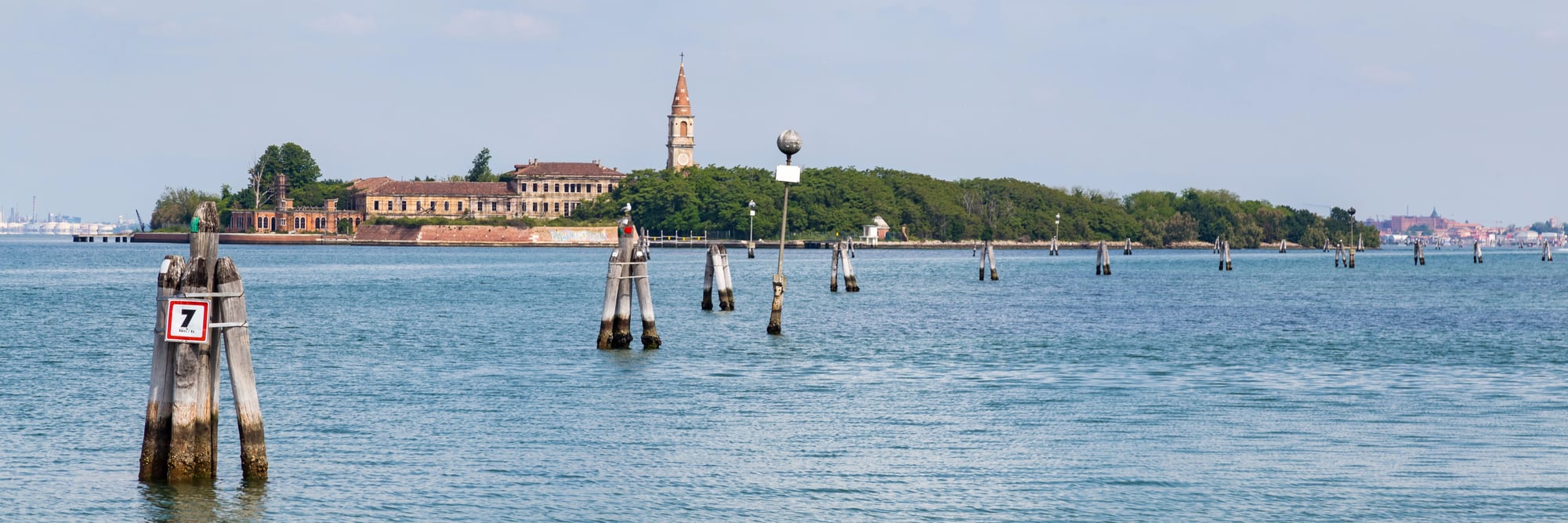
Medical records don’t lie, and Poveglia’s are particularly grim. This small Italian island served as a plague quarantine station, then a mental hospital until 1968.
Hospital documentation includes staff reports of unexplained patient agitation, equipment failures, and what administrators termed “environmental disturbances” that occurred with statistical regularity.
The soil itself tells the story — archaeological surveys confirm human ash content of over 50%.
Waverly Hills Sanatorium
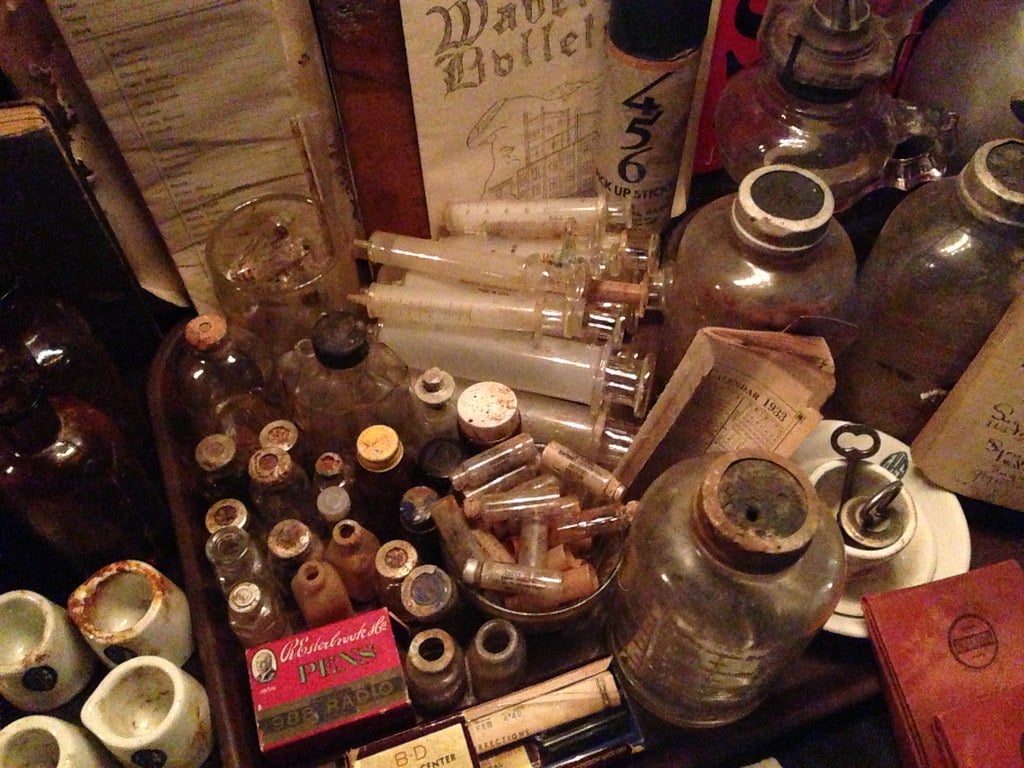
Tuberculosis killed thousands here between 1910 and 1961, and the medical records survived the building’s abandonment. Patient logs document not just deaths, but staff observations of temperature anomalies in specific rooms, recurring equipment malfunctions, and what nurses described as “patient distress responses to unseen stimuli.”
(These reports appeared in medical charts with concerning frequency, particularly in the building’s final operational years.) So when modern paranormal investigators arrive with their instruments, they’re often measuring the same phenomena that frustrated medical equipment decades earlier — which is saying something about consistency.
Gettysburg Battlefield
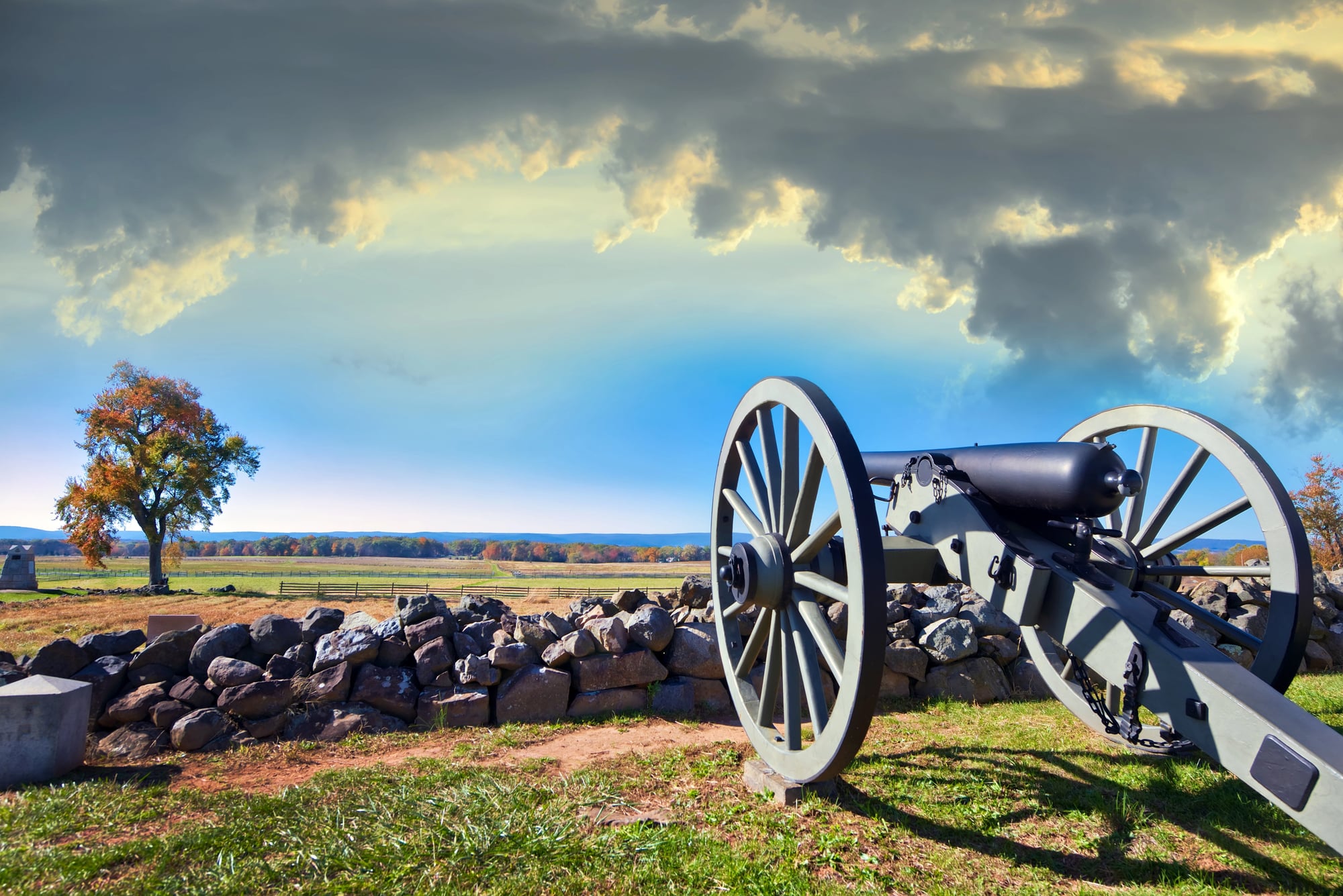
Three days in July 1863 left detailed records. Military historians documented not just the battle itself, but decades of subsequent reports from park rangers, maintenance staff, and visitors.
National Park Service incident reports include photographic evidence of period-dressed figures in restricted areas, electromagnetic anomalies measured by survey equipment, and acoustic phenomena that recording equipment captures but can’t explain.
The Tower of London
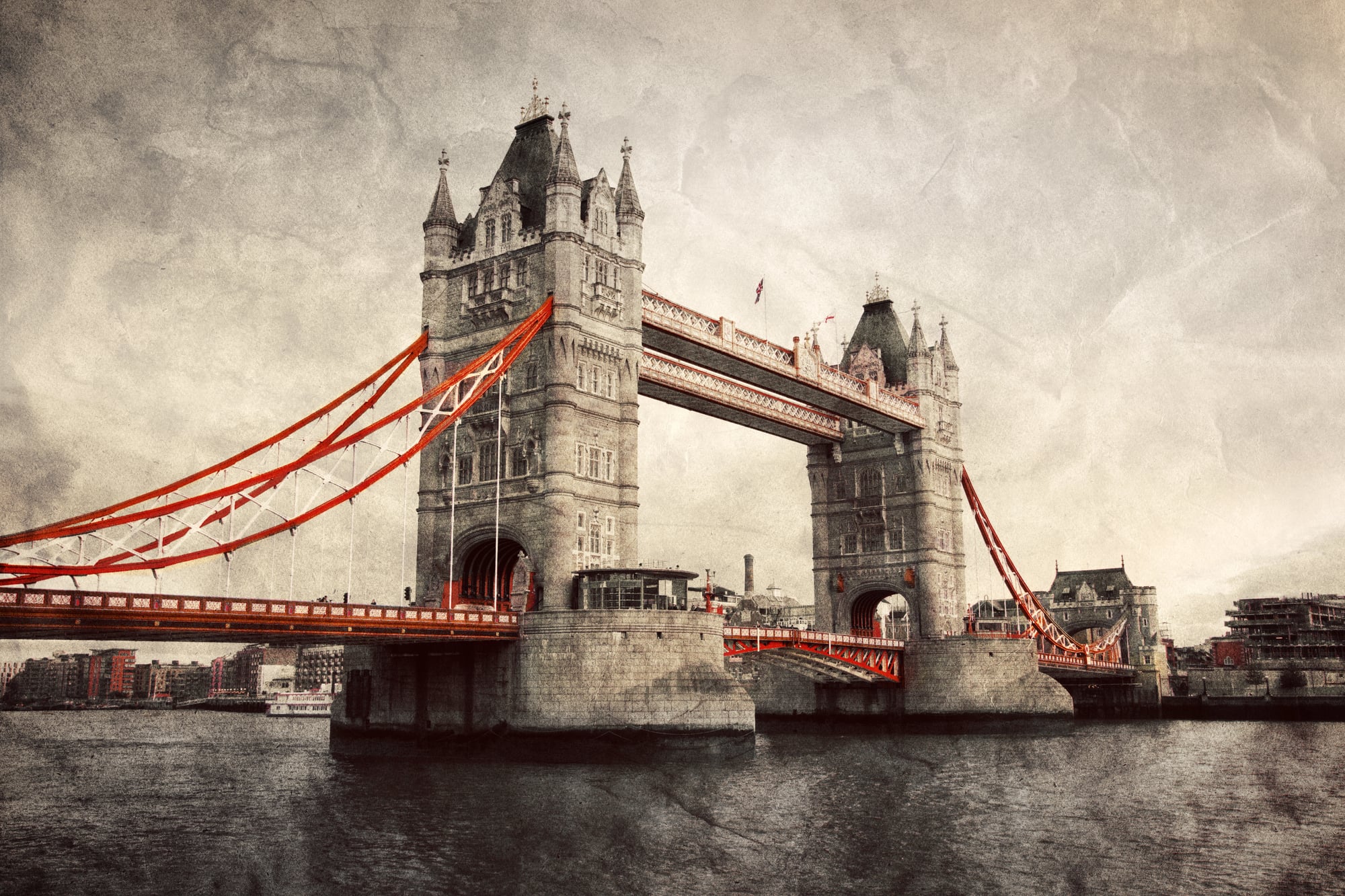
Nine hundred years of executions create a paper trail that’s hard to dismiss. Royal records, guard logs, and visitor accounts form an unbroken chain of documentation spanning centuries.
The most compelling evidence sits in the Crown Archives: detailed descriptions of recurring phenomena witnessed by multiple guards, often decades apart, describing identical experiences in specific locations.
Modern security systems add another layer — surveillance footage that captures temperature variations and electromagnetic spikes that correlate with historical accounts.
Eastern State Hospital
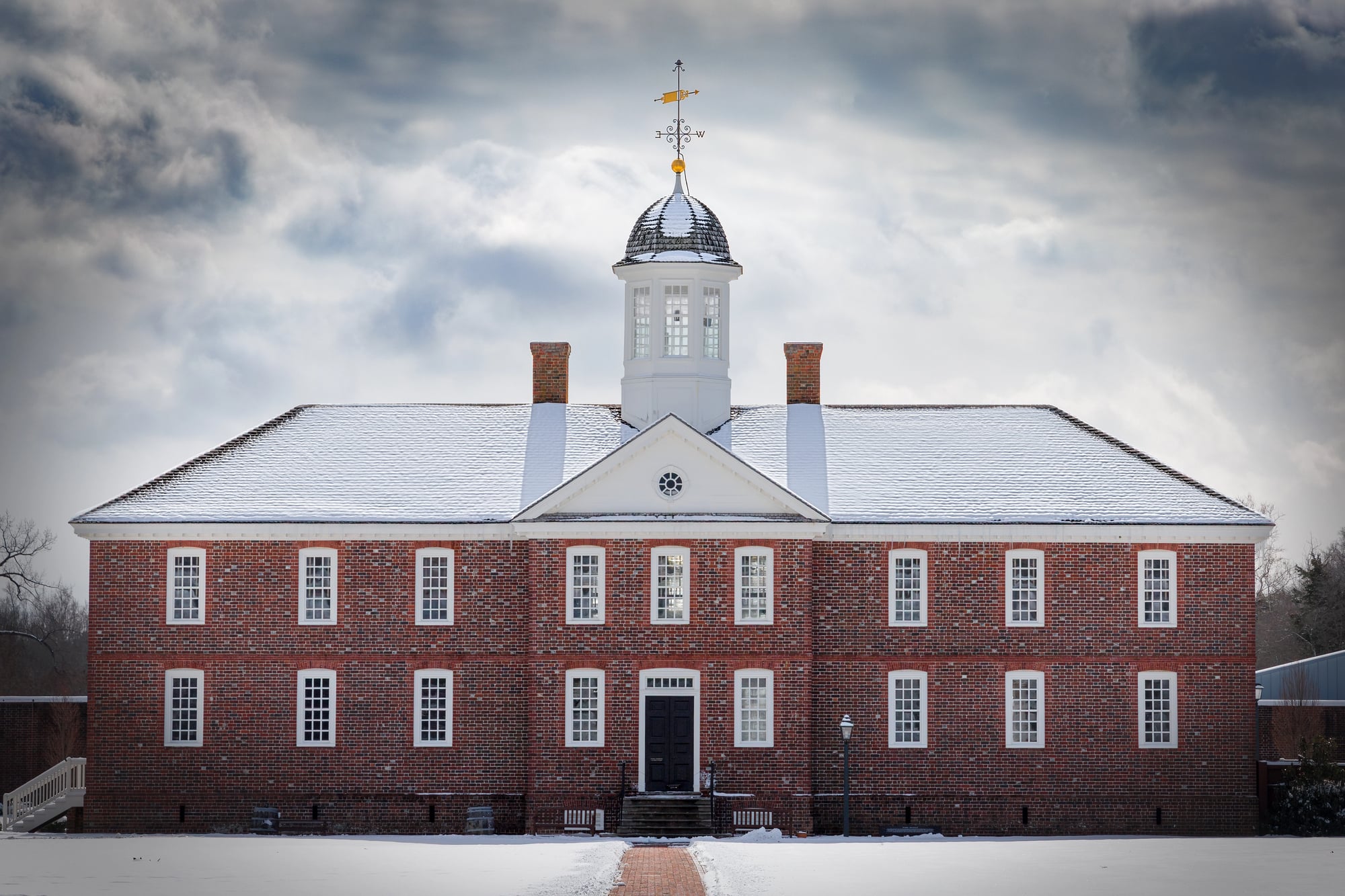
Virginia’s first public mental institution opened in 1773 and operated until 2013, creating an extensive archive of medical records and staff reports. Administrative documents detail recurring incidents in specific wards: patient agitation patterns that followed no medical logic, equipment failures that repair technicians couldn’t explain, and staff observations that administrators struggled to categorize.
The hospital’s transition to modern psychiatric care in the 1960s brought new documentation methods, but the unexplained incidents continued with remarkable consistency.
The Queen Mary

Ship logs make reliable witnesses. The retired ocean liner’s records from her active years (1936-1967) document unexplained mechanical failures, crew reports of impossible sightings, and passenger complaints that follow consistent patterns.
Since becoming a hotel in 1971, the documentation has only grown more detailed. Guest services maintains files of room-specific incidents, security footage captures recurring anomalies, and maintenance records show equipment failures that cluster around particular areas of the ship.
Alcatraz Federal Penitentiary
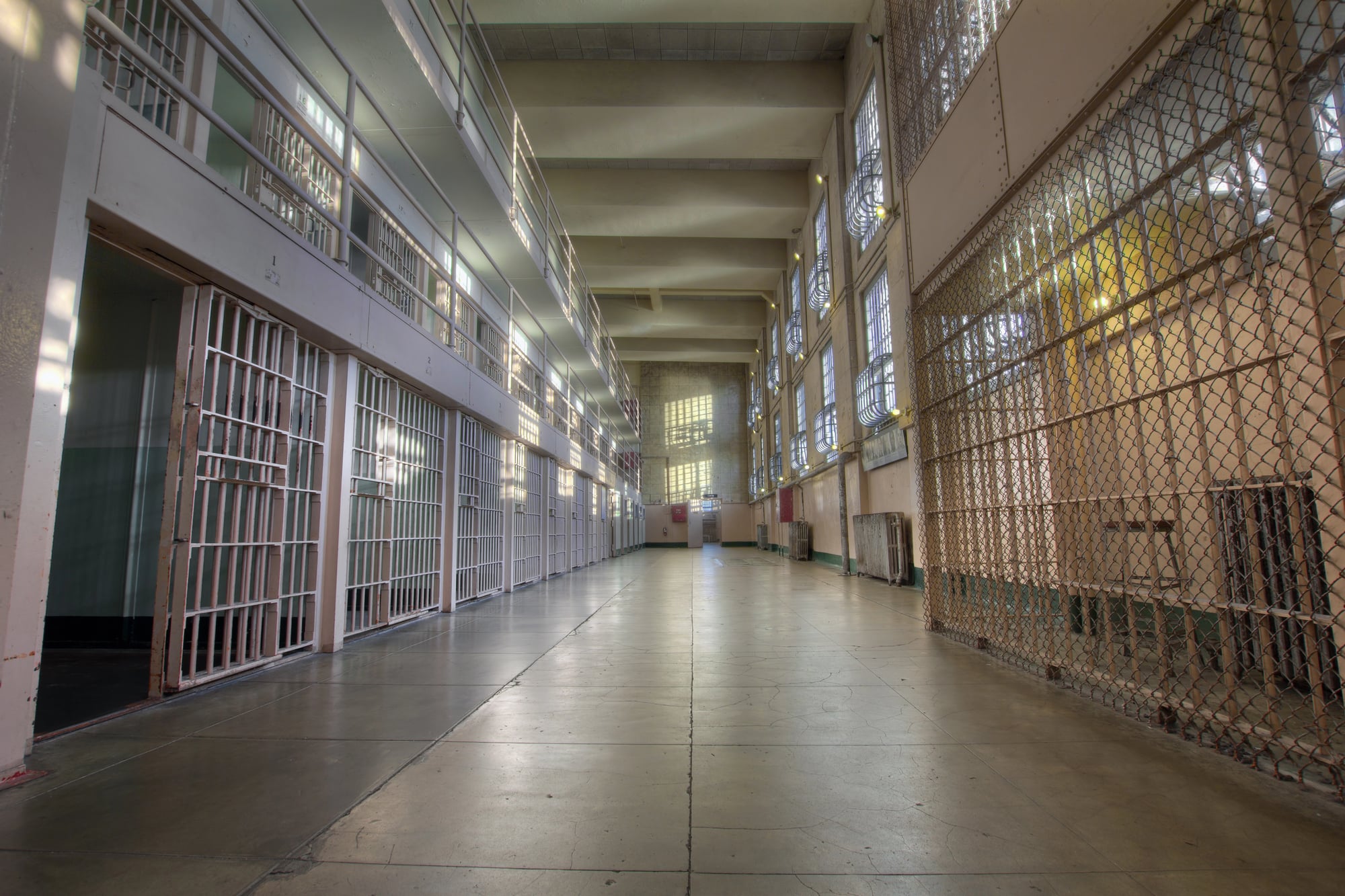
Prison records reveal more than just criminal history. Guard reports from the facility’s operational history include detailed accounts of phenomena that corrections officers documented.
Any purported audio recordings and modern analysis claims require independent verification.
Château de Brissac
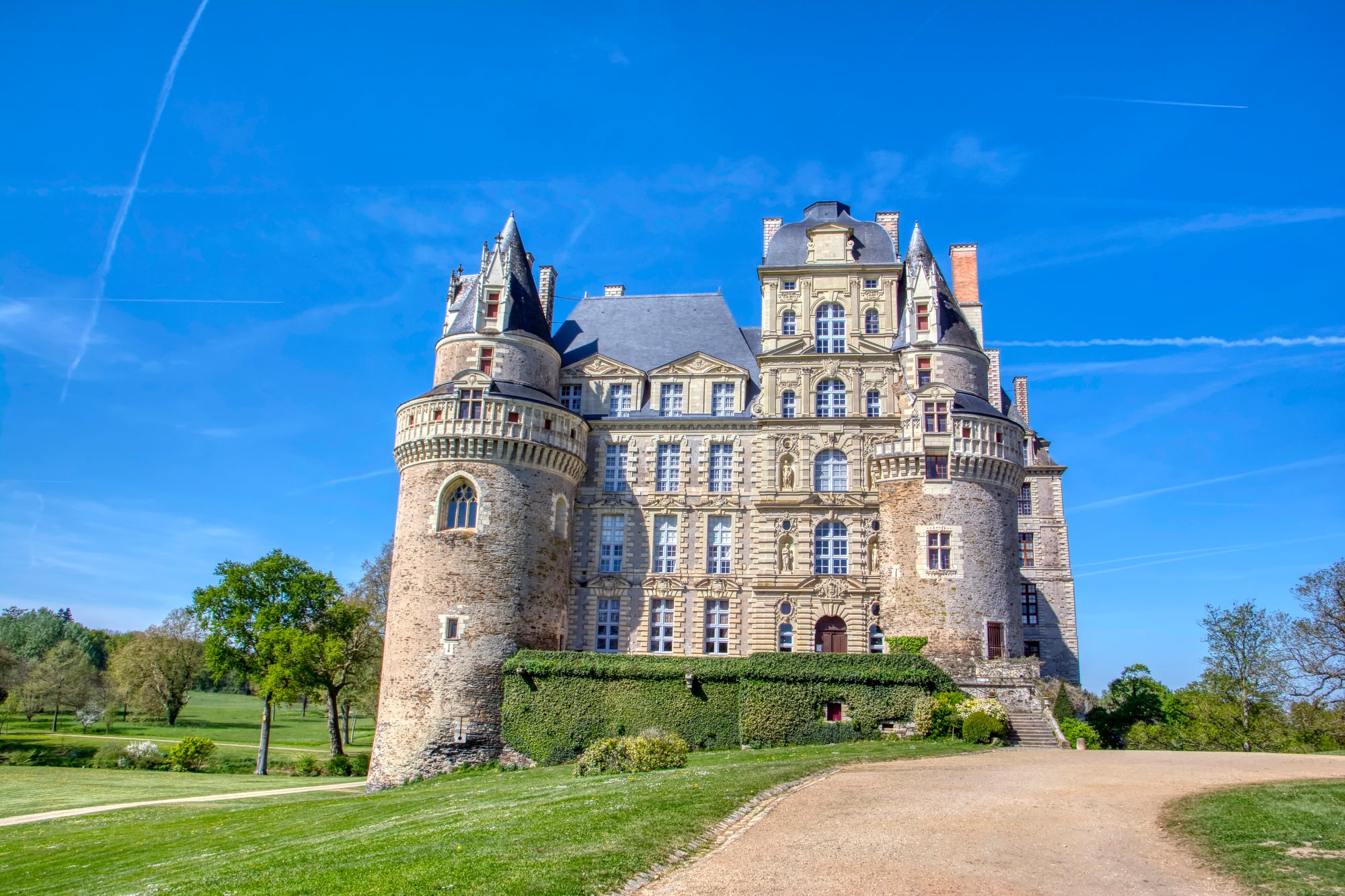
French aristocracy keeps meticulous records, and the Brissac family archives span seven centuries. Guest books, household staff reports, and family correspondence document encounters with “La Dame Verte” — the Green Lady — dating back to the 15th century.
What makes these accounts remarkable is their consistency across generations: descriptions of the same figure, in the same locations, wearing the same distinctive dress, reported by witnesses who had no access to previous accounts.
Modern documentation includes photographs that capture unexplained figures and electromagnetic readings that spike in historically active areas.
The Ancient Ram Inn
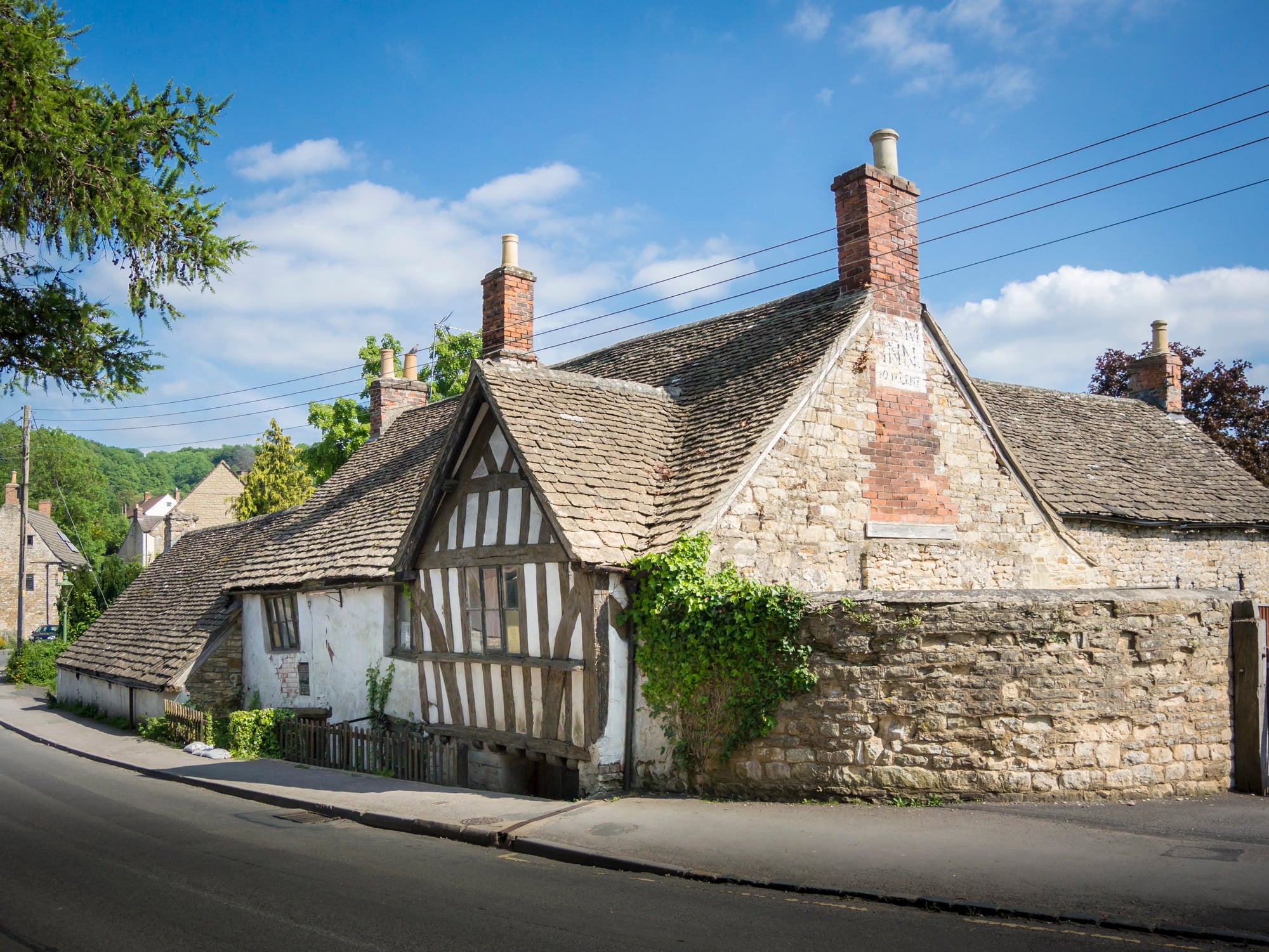
Wiltshire’s oldest house sits on ground that archaeological surveys confirm was used for ancient burials, and the building’s 12th-century construction incorporated stones from even older structures.
(Current owner John Humphries has maintained detailed logs of incidents since purchasing the property in 1968, creating four decades of documented phenomena.) His records include photographs of unexplained marks appearing on walls overnight, audio recordings of sounds that acoustic analysis can’t source, and temperature readings that fluctuate independent of weather or heating systems.
And yet the most compelling evidence might be the artifacts — human remains discovered during renovations that corroborate historical accounts of the site’s pre-Christian significance.
Pennhurst State School
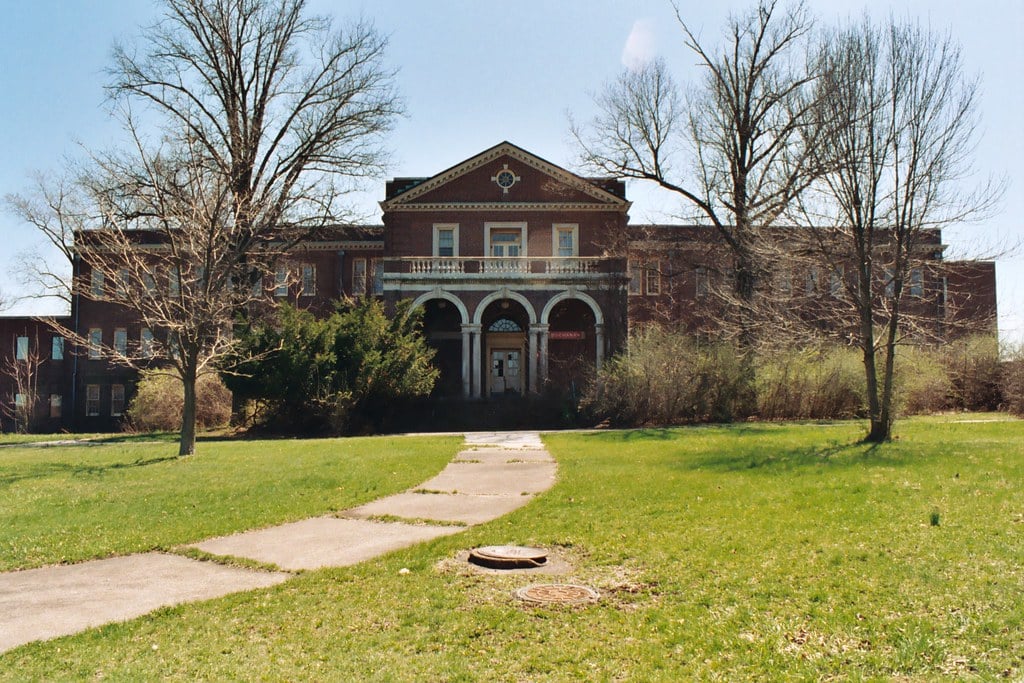
Institutional records tell a story that doesn’t end with the facility’s 1987 closure. This Pennsylvania developmental center’s archives document decades of staff reports describing unexplained incidents in specific buildings, particularly the dormitories and administrative wings.
Medical records show patient behavioral patterns that administrators couldn’t explain through standard psychological models. Modern investigations have correlated these historical accounts with measurable phenomena — electromagnetic anomalies that occur in the same locations where staff documented temperature drops decades earlier.
The Myrtles Plantation
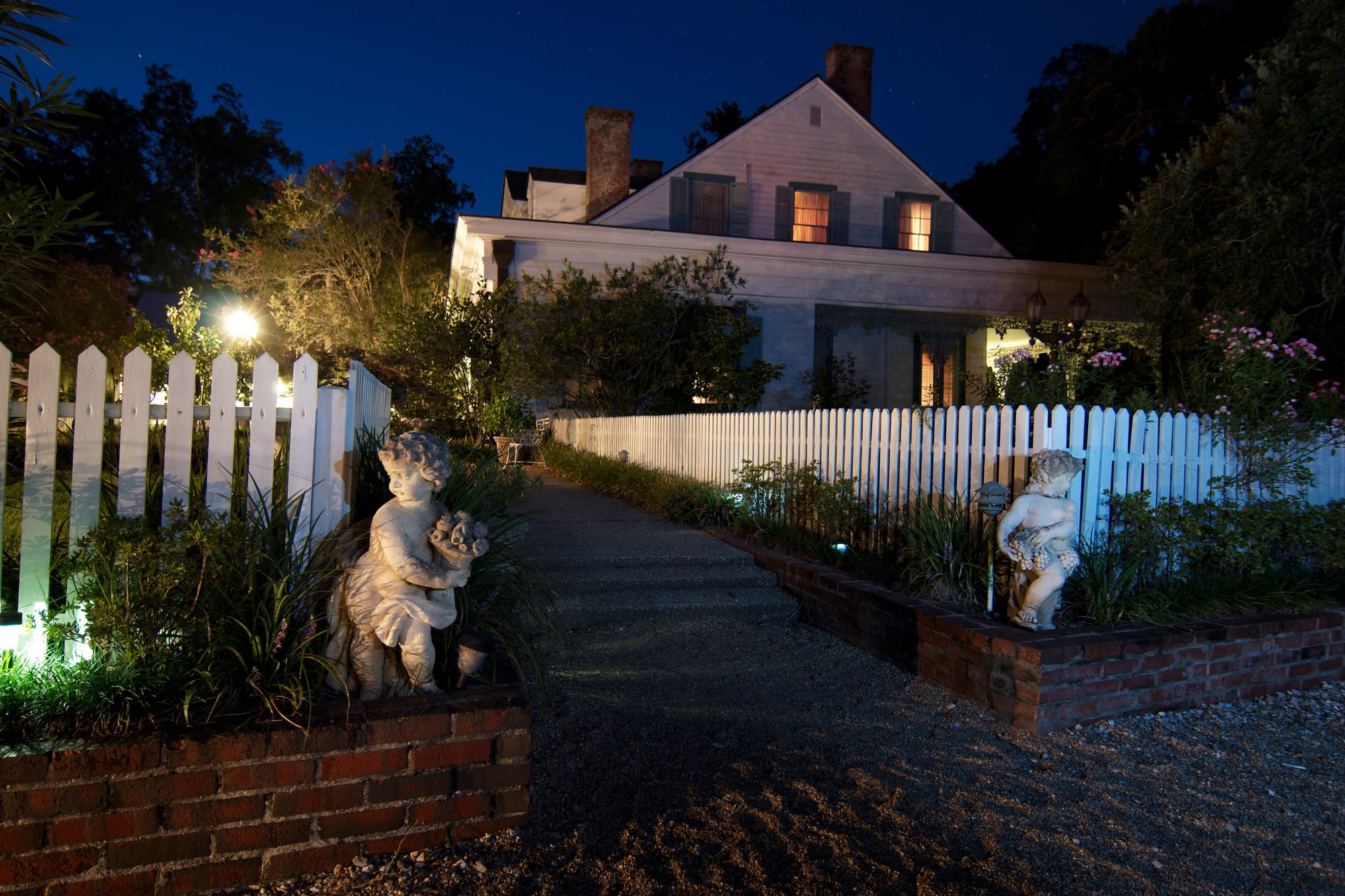
Louisiana’s antebellum mansion comes with documentation that spans two centuries. Property records, family correspondence, and local newspaper accounts create a consistent narrative of unexplained events.
What sets the Myrtles apart is the photographic evidence — images dating back to the early 1900s that capture unexplained figures, often in the same locations where contemporary accounts described encounters.
Modern digital photography continues to produce similar results, suggesting the phenomena transcend the limitations of specific camera technology.
Rolling Hills Asylum
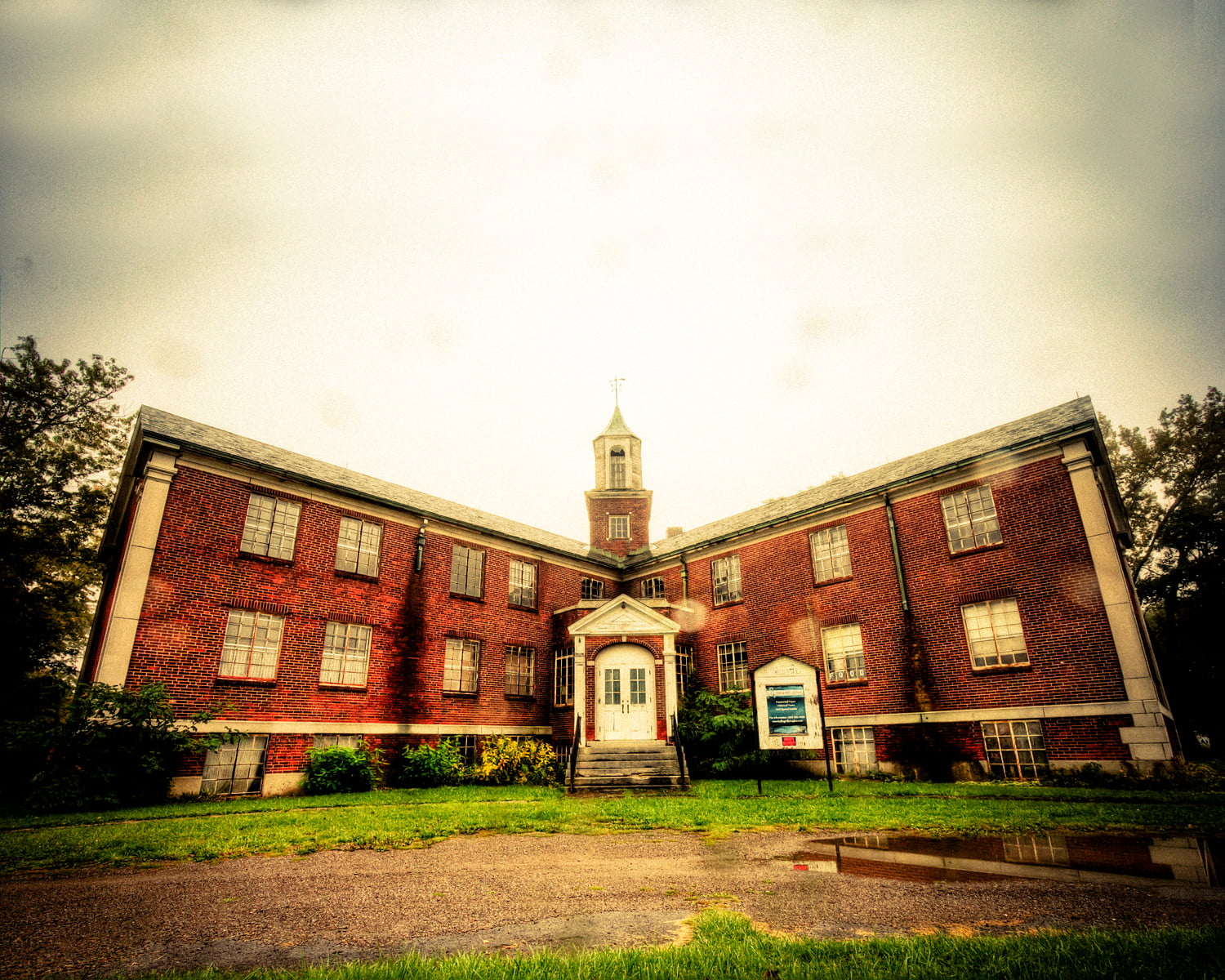
This former poorhouse and nursing home in East Bethany, New York, closed in 1974 but left behind extensive administrative records. Staff reports from the facility’s final decades document recurring incidents in specific areas: equipment failures that maintenance couldn’t resolve, patient behavioral changes that medical staff couldn’t explain, and environmental anomalies that administrators struggled to categorize.
Temperature logs show unexplained fluctuations, work orders reveal recurring electrical problems in rooms with no obvious faults, and incident reports describe phenomena that multiple witnesses observed simultaneously.
Bachelor’s Grove Cemetery
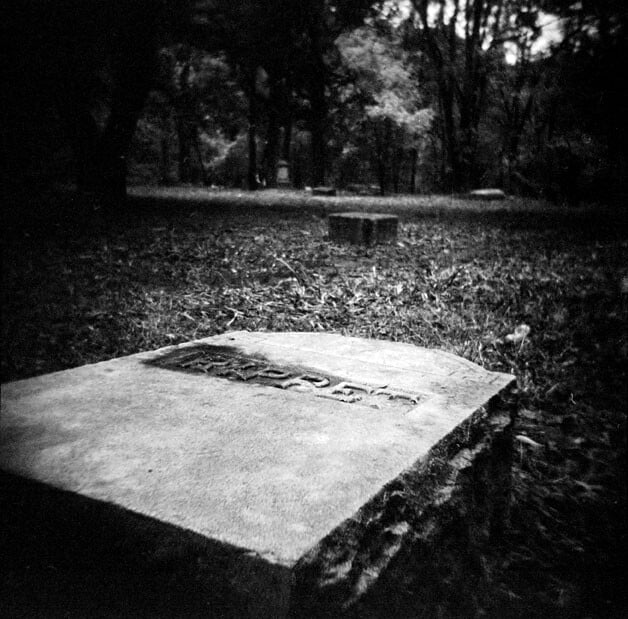
Cook County’s most infamous cemetery closed to new burials in 1965, but Chicago Police Department records document ongoing incidents at the site. Official reports include photographs taken by officers responding to calls, electromagnetic readings recorded during investigations, and witness statements from multiple unrelated incidents.
The documentation extends beyond police files — the cemetery’s caretaker records show maintenance equipment failures, groundskeeping logs note unexplained landscape changes, and visitor reports filed with the Forest Preserve District describe consistent phenomena spanning decades.
The Ohio State Reformatory
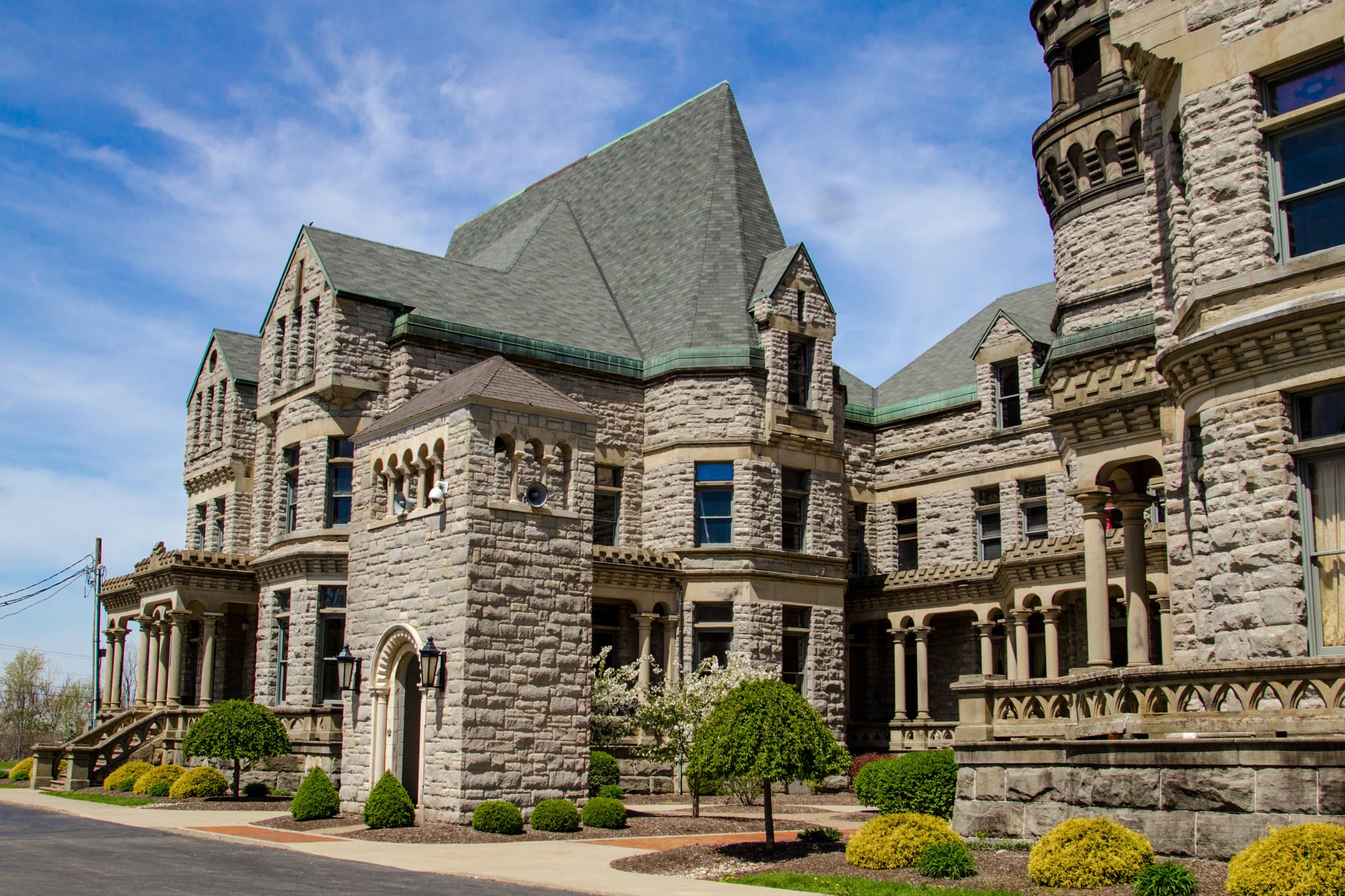
Mansfield’s imposing prison operated from 1896 to 1990, creating nearly a century of institutional records. Administrative documents detail recurring phenomena that prison officials couldn’t explain through standard operational procedures: cell doors found open despite security protocols, temperature variations that the building’s systems couldn’t account for, and inmate reports that showed consistent patterns across different time periods.
Modern investigations have used the original blueprints and administrative records to correlate historical accounts with measurable electromagnetic anomalies in the same locations.
Port Arthur Historic Site
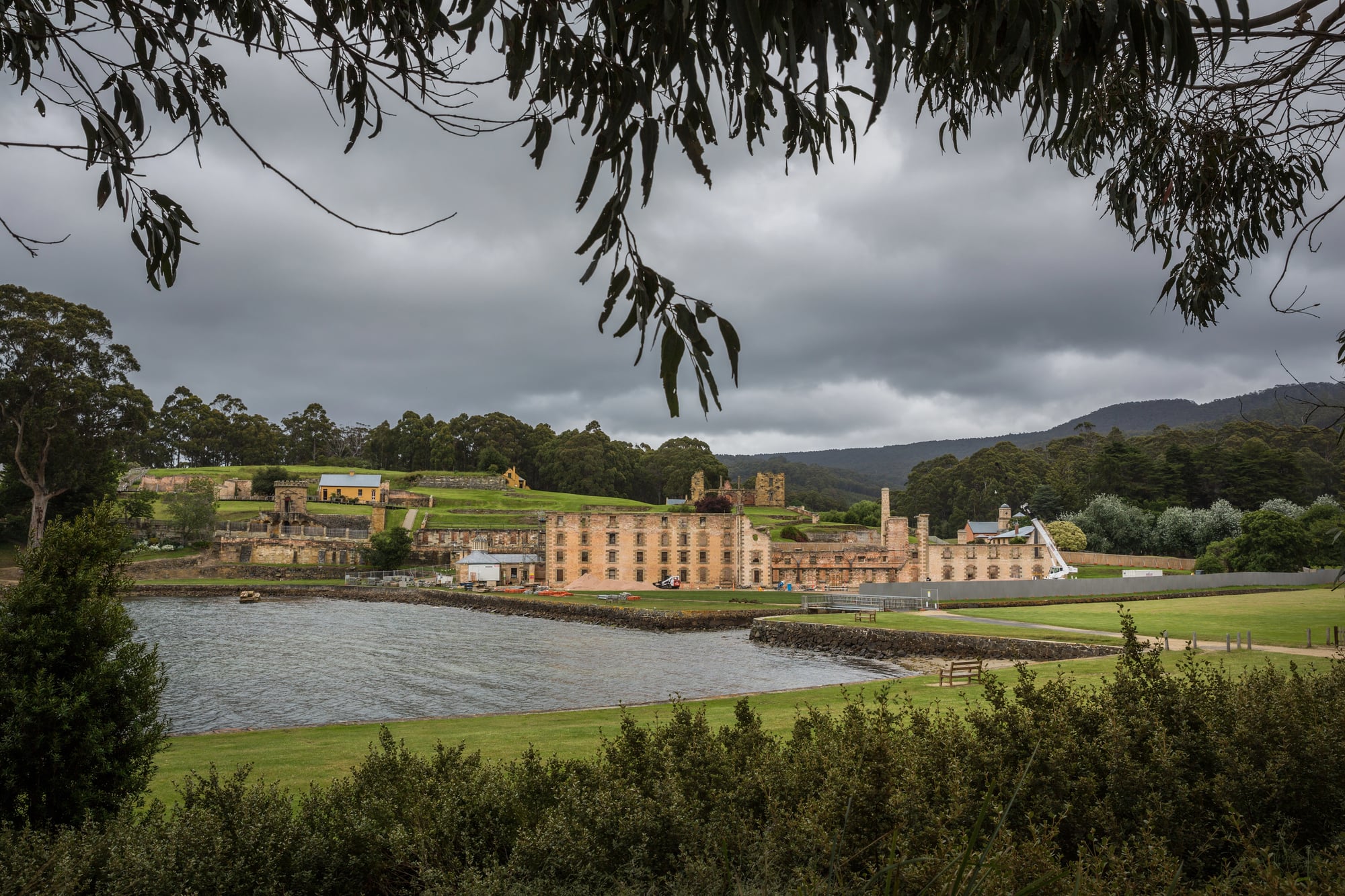
Tasmania’s former penal colony maintains extensive archives that document both its operational period (1830-1877) and the decades that followed. Guard records, administrative correspondence, and visitor accounts describe encounters that follow consistent patterns.
Archaeological surveys confirm the historical accuracy of these accounts while revealing additional details about the site’s most active areas. Modern documentation includes thermal imaging that captures unexplained heat signatures and acoustic equipment that records sounds correlating with historical descriptions of the same phenomena.
Aradale Mental Hospital
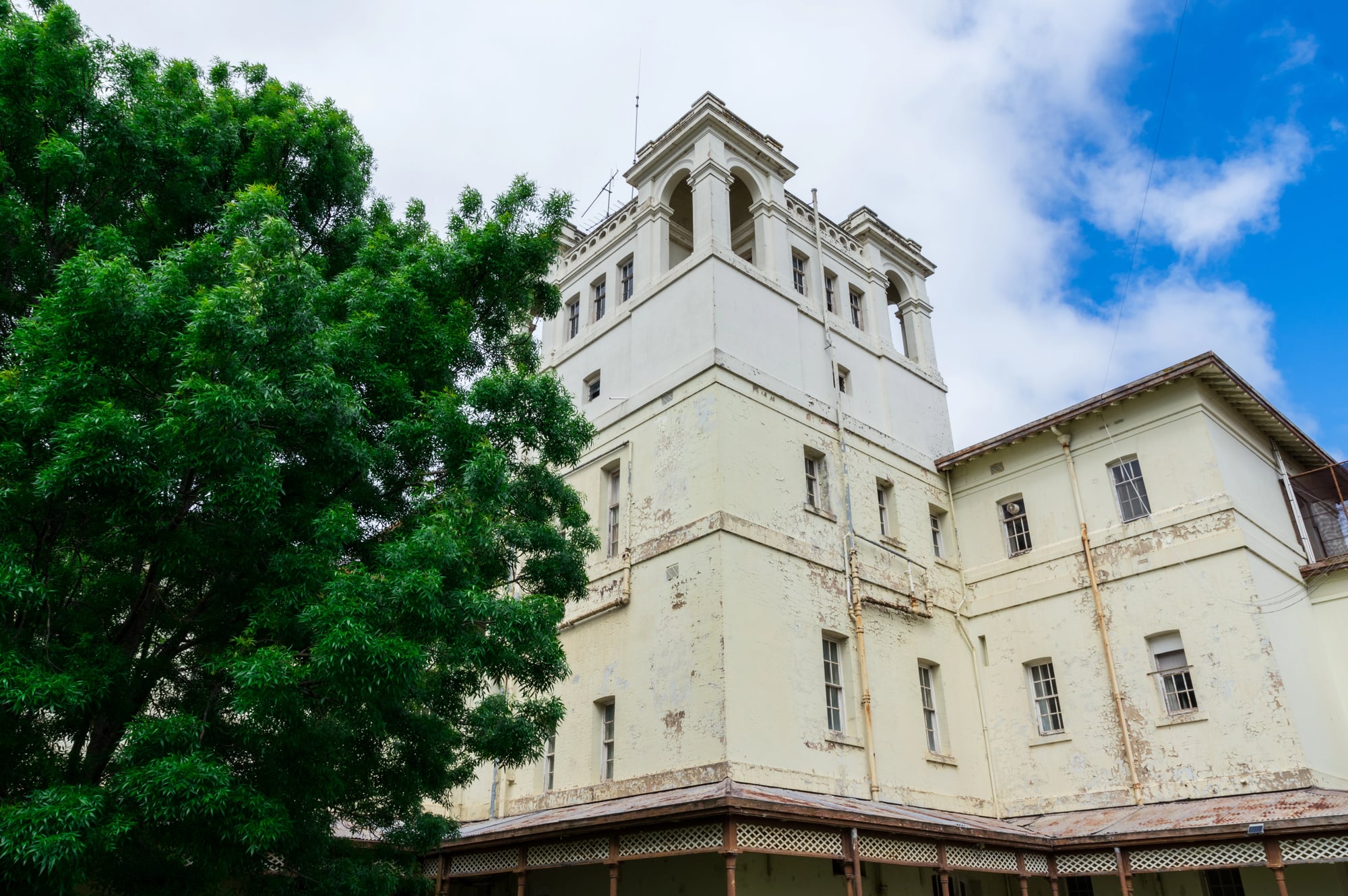
Victoria’s largest mental institution operated from 1867 to 1998, creating over a century of medical and administrative records. Patient files, staff reports, and facility maintenance logs document unexplained incidents that administrators catalogued but couldn’t resolve.
The hospital’s transition through different treatment eras provides a unique perspective — the same phenomena appear in records spanning electroshock therapy, psychopharmacology, and modern psychiatric care, suggesting the incidents transcend changes in medical practice or institutional philosophy.
Beyond The Evidence
Documentation doesn’t prove anything supernatural, but it does something more important — it establishes patterns that can’t be easily dismissed. These 18 locations share a common thread: their haunted reputations rest on recorded incidents, archived reports, and measurable phenomena that extend far beyond ghost stories.
Whether the evidence points to paranormal activity or simply unexplained natural phenomena, these places have earned their reputations through consistency, not just folklore.
More from Go2Tutors!

- The Romanov Crown Jewels and Their Tragic Fate
- 13 Historical Mysteries That Science Still Can’t Solve
- Famous Hoaxes That Fooled the World for Years
- 15 Child Stars with Tragic Adult Lives
- 16 Famous Jewelry Pieces in History
Like Go2Tutors’s content? Follow us on MSN.



