Why Certain Colors Were Once Considered Dangerous or Illegal
Colors carry history. Some hues were illegal because they signified power and rebellion.
Others were genuinely toxic, turning people’s skin green or poisoning entire families. A few were condemned because they challenged religious and social hierarchies, making a color choice a political act.
The history of pigment and dye is the history of human ambition, obsession, and the occasional willingness to accept serious health consequences for aesthetics.
Many colors we now consider safe and ordinary once inspired fear, legislation, and conspiracy. Below are twenty entries exploring the dangerous, illegal, and politically contentious colors of history.
Purple Was Illegal for Commoners

For centuries in ancient Rome, purple dye extracted from murex snails was so rare and expensive that wearing purple was legally restricted to royalty and nobility. The dye required crushing thousands of snails to produce small quantities of purple pigment, making it prohibitively expensive.
Laws explicitly banned non-nobles from wearing purple, with penalties including execution in some cases. The rarity and cost made purple a marker of absolute power—one that couldn’t be purchased, only inherited or granted.
Arsenic Green Was Literally Poisonous

In the 19th century, arsenic-based green pigments were enormously popular for wallpaper, clothing dyes, and paints because they created vivid, lasting green. Arsenic trioxide is extremely toxic, and as people moved around, lived in homes, and wore clothes containing the pigment, they inhaled and ingested arsenic dust.
The cumulative exposure caused poisoning with symptoms including nausea, headaches, and in severe cases, paralysis and death. Thousands of people were sickened by their home decor before the connection was fully understood.
Vermillion Required Mercury and Caused Madness

Vermillion, a brilliant red pigment made from mercury sulfide, was prized by artists and luxury goods manufacturers. Workers in vermillion production suffered severe mercury poisoning, developing tremors, psychological changes, and neurological damage.
Frequent exposure caused “mad hatter” syndrome (the source of the “mad as a hatter” expression came from hat makers who used mercury in felt production). Artists using vermillion in paintings sometimes suffered neurological effects.
Lead White Made Painters Sick for Centuries

Before zinc oxide and titanium dioxide became available, lead white was the primary white pigment for oil paintings and cosmetics. Lead is neurotoxic and accumulates in the body.
Artists who worked extensively with lead white suffered tremors, paralysis, and cognitive decline. Female painters often applied lead white makeup daily, leading to chronic poisoning.
Countless artists including Caravaggio and Rubens likely suffered from lead exposure, yet the pigment’s superiority for certain applications kept it in use despite known health risks.
Indigo Dye Was Worth More Than Gold

Blue indigo dye, extracted from indigo plants, was so valuable during the medieval and early modern periods that it was worth more than gold by weight in 15th-century Europe. The dye required complex fermentation and processing, and monopolies on indigo production were fiercely protected.
Colonial powers fought wars partly to control indigo production and trade. By the 17th century, Indian indigo had become one of the most valuable trade commodities in the world.
The color blue, now common and cheap, was once literally more precious than precious metals.
Aniline Dyes Caused Mass Poisoning
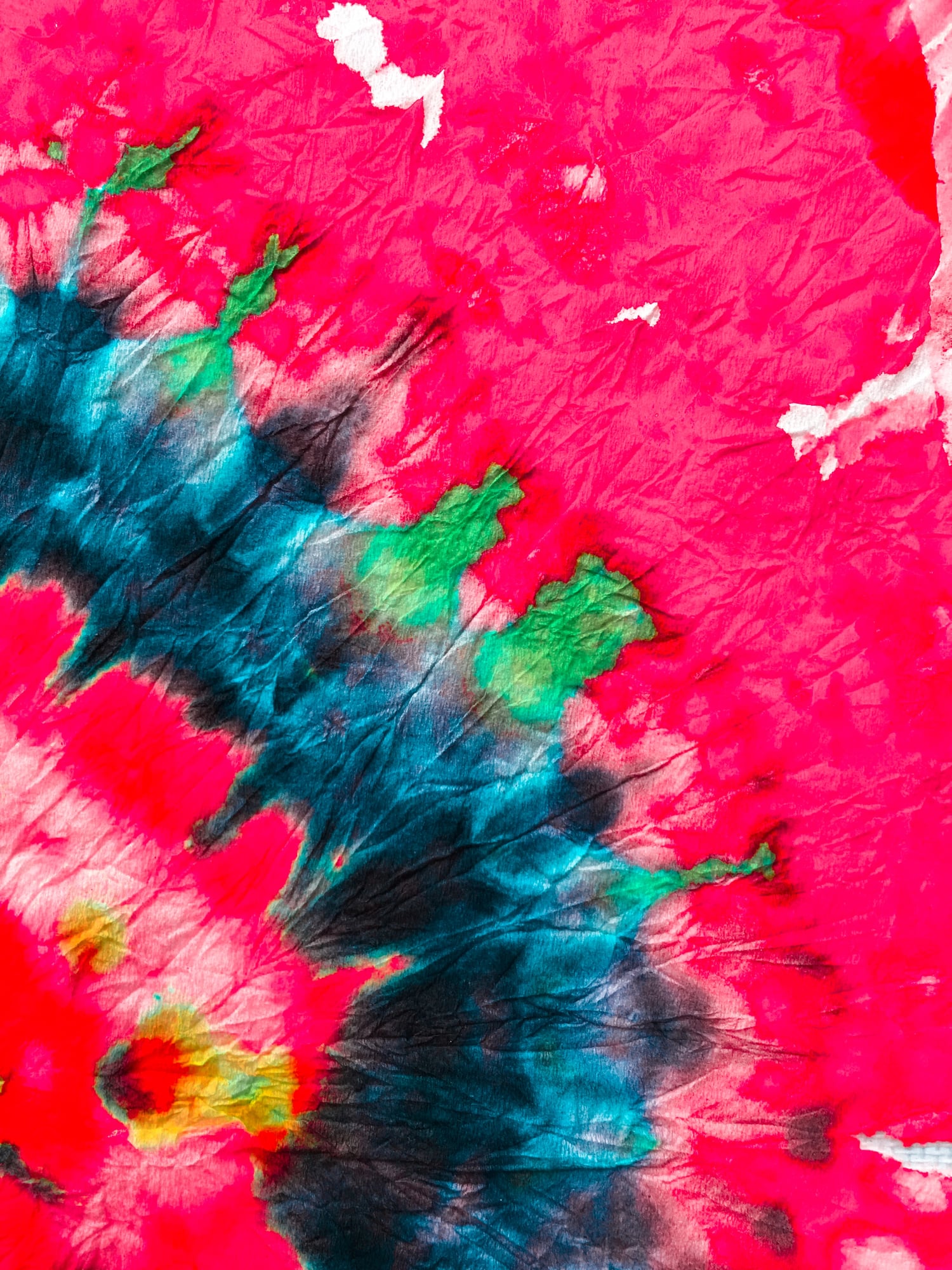
When synthetic aniline dyes were first developed in the 19th century, they revolutionized the textile industry by producing vivid, permanent colors cheaply. However, many aniline dyes contained carcinogenic compounds.
Factory workers dipping textiles in aniline baths developed bladder cancer in epidemic numbers. The cancer latency period (years between exposure and development) initially obscured the connection, but eventually the pattern became impossible to ignore.
Some aniline dyes had to be completely banned, others reformulated.
Radium Paint Was Radioactive Death

In the early 20th century, radium paint was used on watch faces and clock hands to make them glow in the dark—a stunning innovation. Radium’s radioactivity was not fully understood, and manufacturers didn’t protect workers.
Hundreds of young women hired to paint watch dials would lick their paintbrushes to achieve a fine point, ingesting radium daily. They developed radiation sickness, bone cancer, and anemia.
The necrosis of the jaw—where the face literally rotted away—became the signature disease of radium exposure. The manufacturers knew about the dangers but concealed them.
Royal Purple Symbolized Revolution
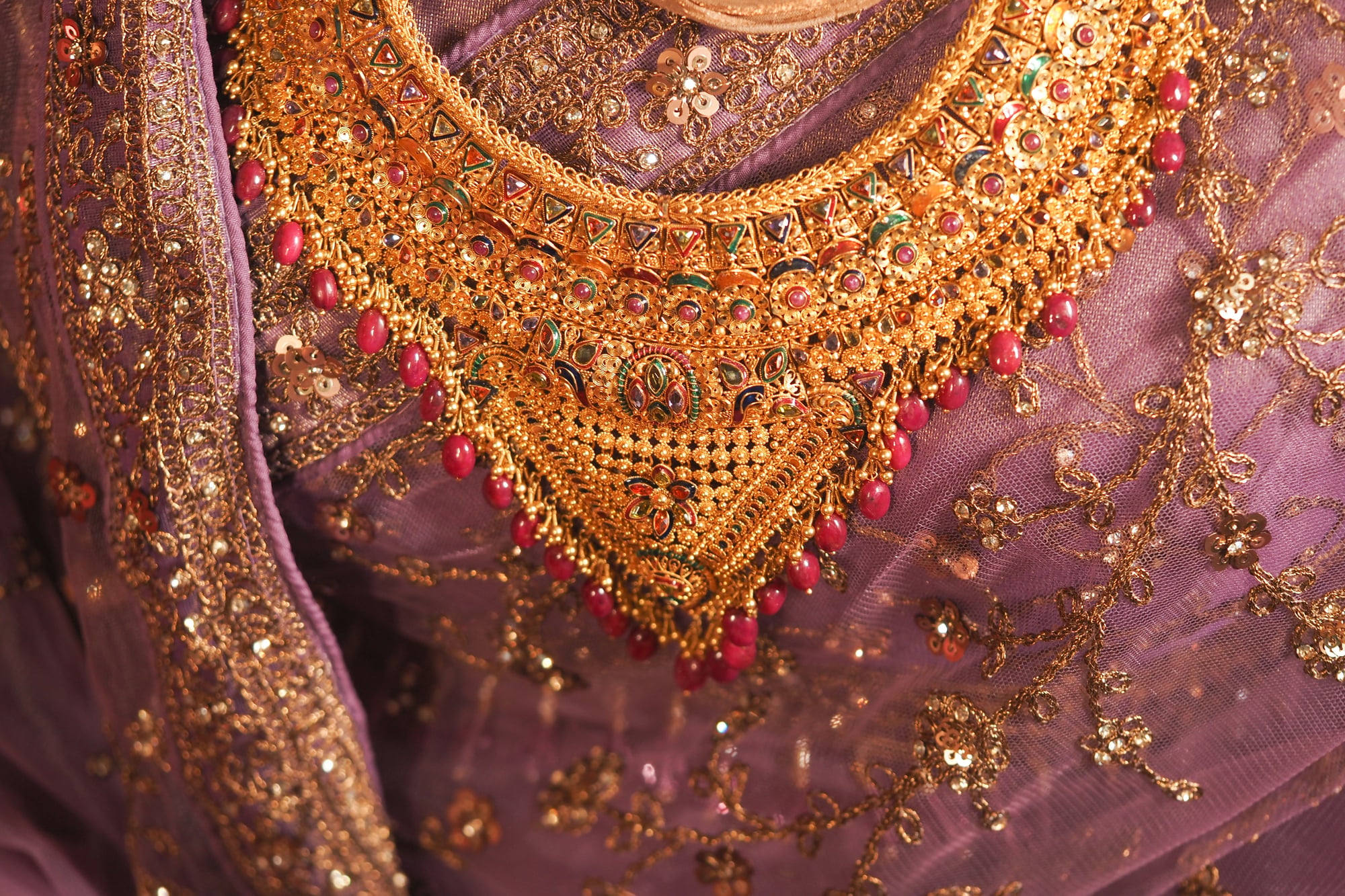
During French colonial rule in some regions, royal purple—associated exclusively with nobility and monarchy—became so politically loaded that wearing it without explicit permission was considered sedition. Sumptuary laws regulated dress color, with certain shades restricted to certain classes.
Revolution meant the rejection of these laws and the assertion that any person, regardless of class, could wear any color. Color became a political statement—wearing forbidden colors was an act of rebellion.
Pink Was Once for Boys, Blue for Girls

The gender coding of colors that seems natural and immutable today was actually the reverse a century ago. In the early 20th century, pink was considered a bold, strong color suited for boys (being a dilute red, representing strength).
Blue was considered a more delicate, feminine color and was recommended for girls’ nurseries. This gendered color assignment switched in the 1940s-1950s, becoming the opposite of what we now consider natural.
The reversal happened due to marketing decisions by clothing manufacturers who noticed opportunities to expand markets by selling more clothing in two colors instead of one.
Chinese Imperial Yellow Was Reserved for Emperors

In imperial China, the yellow-gold color used in official robes, palace buildings, and imperial regalia was legally restricted to the emperor. Other government officials and nobility were allowed to wear specific colors based on rank, but imperial yellow was exclusively reserved.
Wearing this specific shade of yellow without authorization could result in severe punishment. The restriction was so strict that common people generally avoided the color entirely to prevent any suspicion of challenge to imperial authority.
Logwood Dye Created Fraudulent Black Textiles

Logwood dye, extracted from a tropical tree, created beautiful black on textiles but was chemically unstable. Textiles dyed with logwood would fade rapidly or turn sickly brown with wear.
Unscrupulous dyers would use logwood to create cheaply-made black cloth that appeared high quality but deteriorated quickly. This became such a problem that logwood was actually banned in several European regions to protect consumers from fraud.
The ban was as much about stopping economic deception as about the dye itself.
Tyrian Purple Came from Snail Murder

The creation of Tyrian purple required crushing about 12,000 tiny murex snails to produce just one gram of dye. A single robe required thousands of grams—meaning hundreds of thousands of snails died in the production process.
Entire snail populations near Phoenician dye centers were decimated. The ecological cost of producing the most prestigious color in the ancient world was staggering, but the value of purple ensured that snails were hunted to near-extinction in some regions.
Chrome Yellow Poisoned Manufacturers

Chrome yellow, a bright yellow pigment made from lead chromate, was popular for paints and ceramics in the 19th and early 20th centuries. Workers in chrome yellow production suffered serious poisoning from chromium exposure, developing lung disease and cancer.
The pigment was known to be toxic, but the beauty and persistence of the color ensured manufacturers continued use. Protective equipment was minimal, and many workers died or became disabled as a result.
Regulations eventually restricted chrome yellow’s use, but only after widespread harm.
Red Dye Required Dead Insects

Carmine and cochineal red dyes were extracted from the cochineal insect, requiring the insects to be harvested, dried, and crushed. While the dye itself was natural and relatively stable, the supply chain was unstable and dependent on remote colonial production.
The color became symbolic of global trade and colonial exploitation—indigenous peoples were forced to farm cochineal insects in massive quantities for European and North American fashion industries. The beauty of red cochineal represented colonial labor hierarchies.
Prussian Blue Was Industrial Accident

Prussian blue, an intense deep blue pigment, was discovered accidentally in the 18th century as a byproduct of industrial dye production. It became incredibly popular for textiles and paints and remains one of the most stable blue pigments ever created.
Paradoxically, it’s one of the few pigments that’s actually non-toxic—it’s so stable that the body simply excretes it if ingested. Yet it took decades for manufacturers to accept this fact and stop treating it as dangerous.
Mauve Was Synthetic and Contaminated

When the first synthetic organic dye, mauve, was discovered in 1856, it revolutionized the textile industry. Mauve required less labor than natural dyes and could be produced consistently.
However, early mauve dyes contained toxic contaminants from the manufacturing process. Workers exposed to industrial mauve production developed respiratory disease and cancer.
As manufacturing techniques improved, pure mauve became safe, but the early industrial era of synthetic dyes came with serious health consequences for workers.
Gold Leaf Symbolized Divine Status

Gold leaf, used in religious manuscripts, religious objects, and royal regalia, represented divine light and heavenly status. In medieval Europe, the use of gold in art was restricted by church authority and guild regulations.
Only officially sanctioned religious art could use gold. The restriction was partly practical (gold was expensive) but also symbolic—controlling who could use gold meant controlling who could create sacred objects.
Gold color became an expression of religious and political power.
The Purple Dye Industry Created Global Supply Chains

The murex snail purple dye industry, based primarily in Phoenicia, created one of the ancient world’s first complex global supply chains. Murex snails were harvested on Mediterranean coasts.
The resulting purple fabric was traded across Europe, Asia, and Africa. Merchants developed entire trade networks around this single color.
The purple trade connected distant civilizations and created wealth concentrated in specific regions.
Cobalt Blue Required Mining Devastation

Cobalt blue pigments required mining cobalt ore, which caused severe pollution and health problems for miners. Cobalt dust causes chronic respiratory disease and can cause carcinogenic effects with long-term exposure.
The mining regions suffered environmental degradation from uncontrolled ore extraction. Modern cobalt mining, particularly in Africa, continues to damage ecosystems and harm miners despite improved regulations.
The history of cobalt blue is a history of extraction, pollution, and externalized harm.
Color as Currency of Power

Throughout history, the regulation of color has been less about aesthetics and more about control. Restricting who could wear purple, gold, or imperial yellow was a method of cementing hierarchies—making visible through fabric the invisible structures of power.
When those restrictions broke down, it wasn’t primarily because the colors themselves changed but because the political systems enforcing access to them collapsed or faced serious resistance.
What links these stories is not the pigments themselves but the human impulse to monopolize, to legislate, to extract, and to poison for beauty. Color became a currency, a weapon, a risk, and a rebellion all at once.
The lesson isn’t that we should fear color but rather that we should remember the cost of making certain ones available—and that some of the most ordinary and accessible hues we take for granted were once guarded as fiercely as empires themselves.
More from Go2Tutors!

- The Romanov Crown Jewels and Their Tragic Fate
- 13 Historical Mysteries That Science Still Can’t Solve
- Famous Hoaxes That Fooled the World for Years
- 15 Child Stars with Tragic Adult Lives
- 16 Famous Jewelry Pieces in History
Like Go2Tutors’s content? Follow us on MSN.



