Why Certain History Textbooks in Different Countries Tell Completely Opposite Stories
History textbooks are rarely neutral documents. They are written by people embedded in national contexts, shaped by political pressures, and designed to instill particular values in students.
When the same historical event is taught in two countries, especially countries that were enemies or competitors, the versions can diverge so completely that readers might question whether they are studying the same incident at all.
World War II Origins
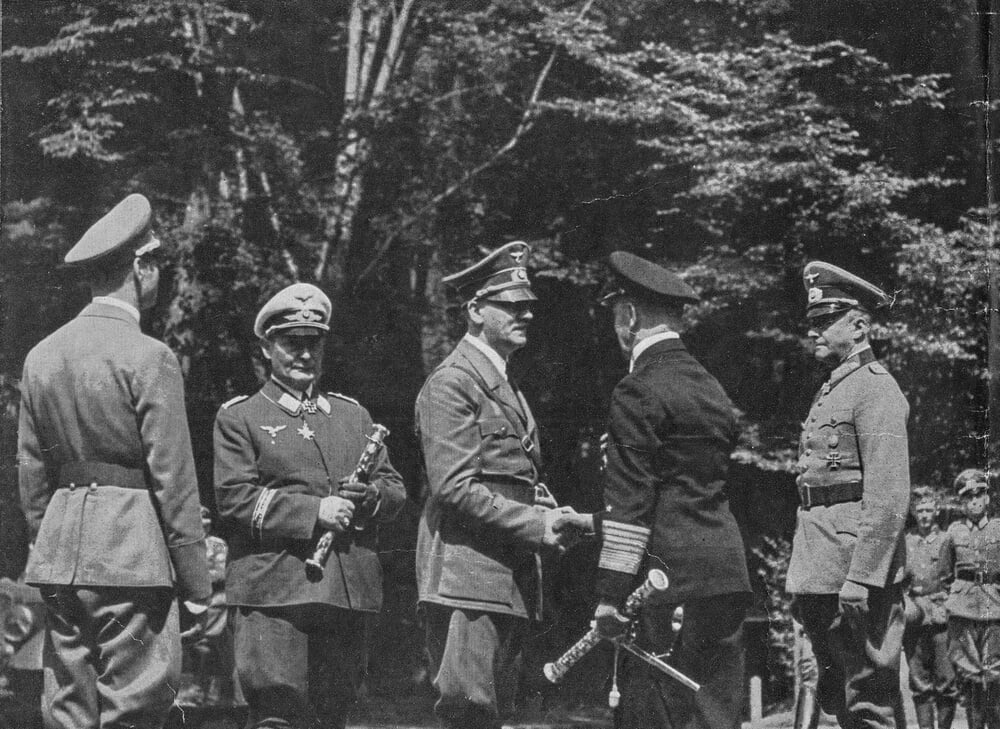
American and British textbooks generally date World War II from Hitler’s invasion of Poland in 1939. Soviet textbooks date it from the German invasion of Russia in 1941.
Chinese textbooks often emphasize that World War II began when Japan invaded Manchuria in 1931, viewing East Asian conflict as inseparable from the larger war.
The Scramble for Africa
Western European textbooks frame colonization as spreading civilization and technology. African textbooks emphasize resource extraction, cultural destruction, and exploitation.
The same colonial period is simultaneously described as development and as devastation.
The Russian Revolution
Russian Federation textbooks present the 1917 revolution as a necessary correction to an unjust system. Ukrainian textbooks often emphasize Soviet occupation and suppression of Ukrainian nationalism.
The same event creates different national narratives.
The Atomic Bombing of Japan
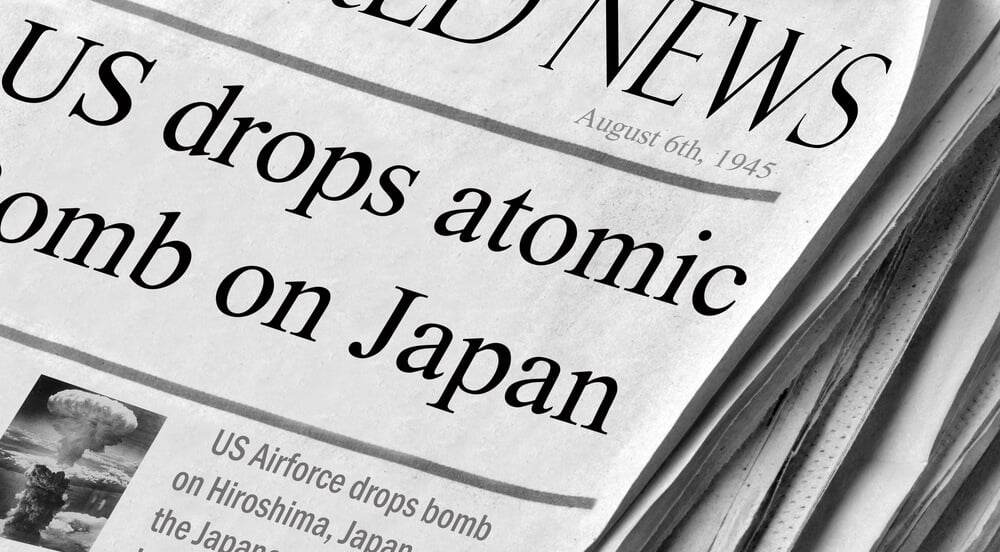
Japanese textbooks present Hiroshima and Nagasaki as unprovoked acts of mass civilian murder. American textbooks typically present them as tragic but necessary actions that prevented even higher casualties from a mainland invasion.
The Korean War
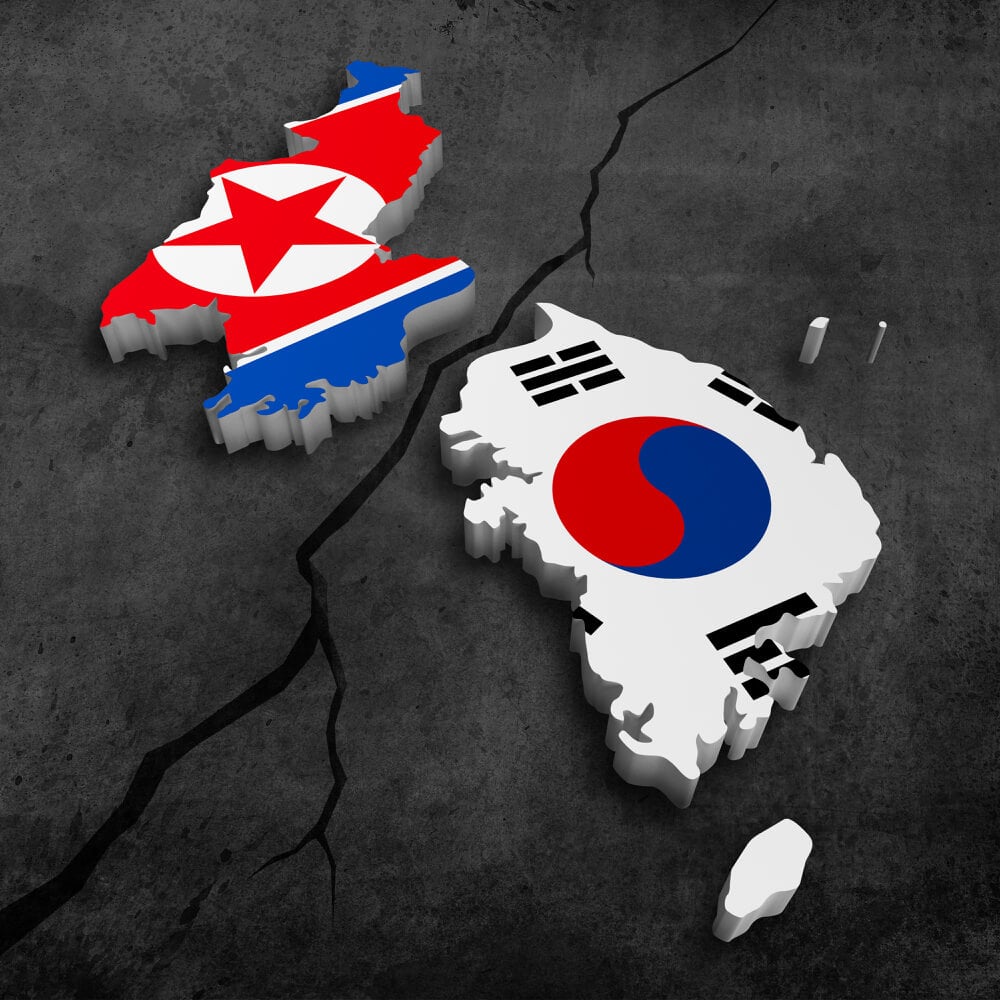
North Korean textbooks describe a necessary defense against American invasion. South Korean textbooks describe the North Korean army’s unprovoked invasion of the South.
The same war is simultaneously framed as defense and aggression.
The Partition of India
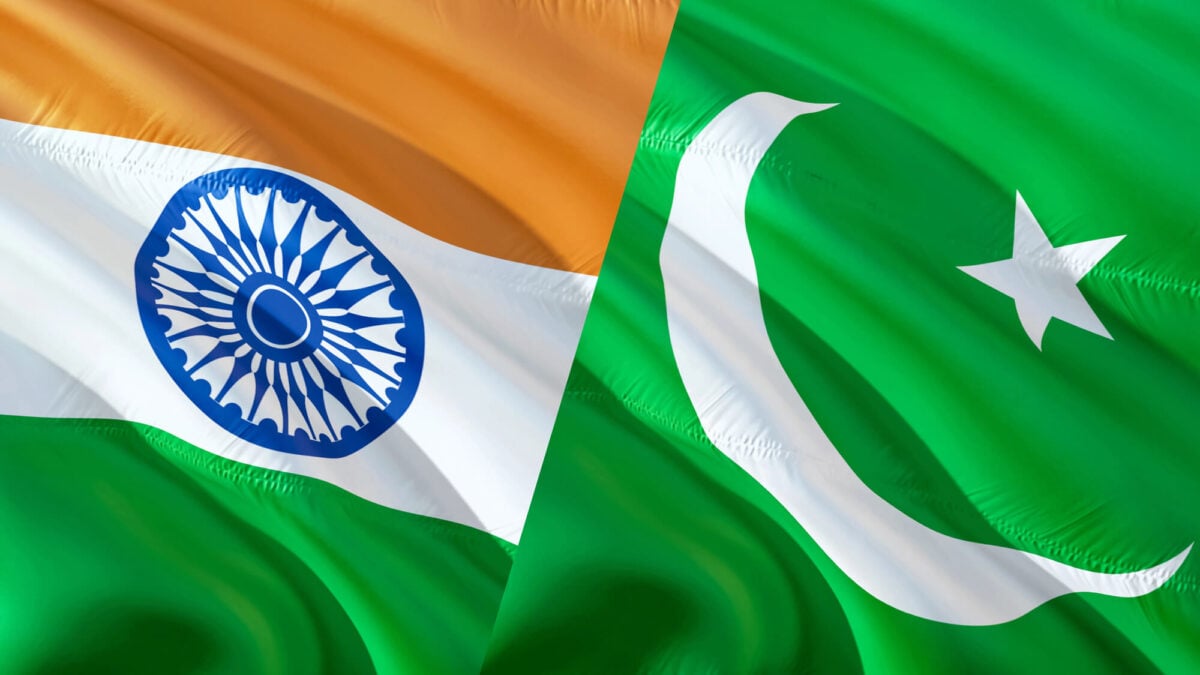
Indian textbooks emphasize the trauma of partition and blame British colonial policy. Pakistani textbooks frame partition as liberation and self-determination.
The same political event is experienced as loss in one country and gain in another.
The Israeli-Palestinian Conflict
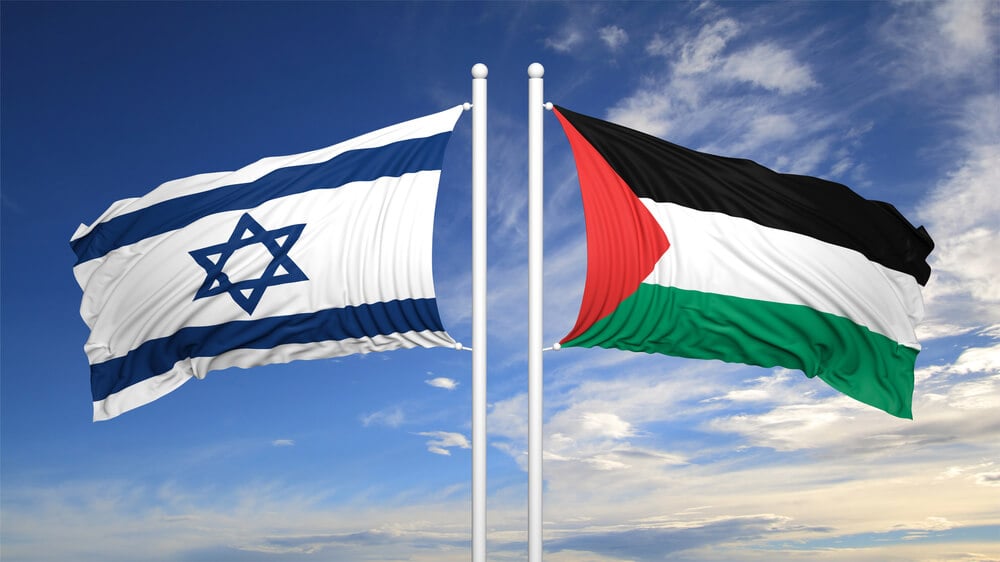
Israeli textbooks emphasize Jewish historical ties to the land and Arab aggression against Israel. Palestinian textbooks emphasize Nakba (catastrophe) and colonial displacement.
Students in neighboring countries learn mutually incompatible versions of the same period.
The Vietnam War
American textbooks often frame it as a necessary fight against communist expansion. Vietnamese textbooks frame it as liberation from colonial and imperial interference.
The war’s purpose and outcome are described completely differently.
The Crusades
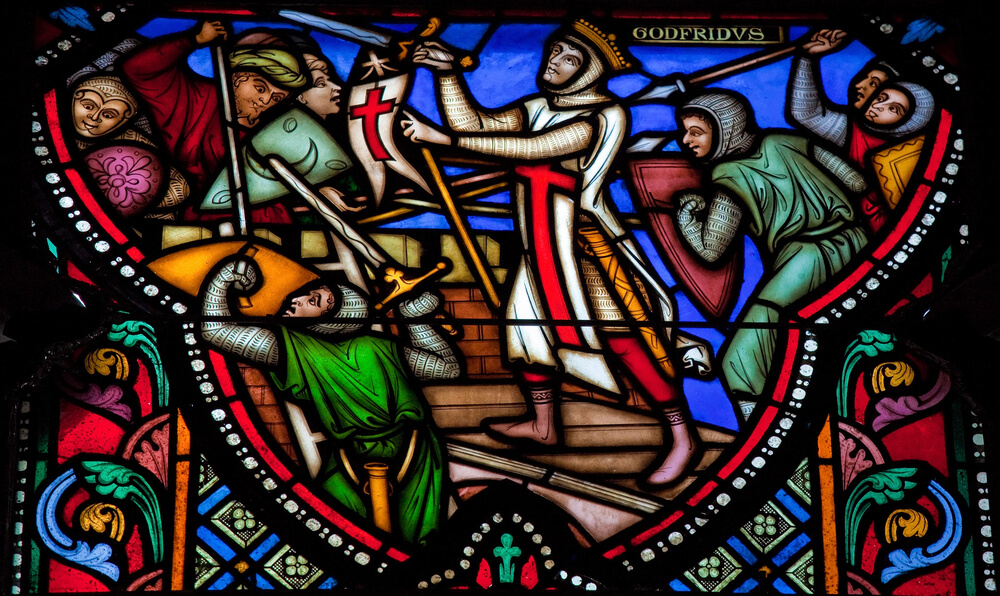
Western European textbooks sometimes frame the Crusades as religious expeditions. Middle Eastern textbooks frame them as invasions and military occupations.
The same military campaigns are either holy wars or imperialism depending on textbook origin.
The Armenian Genocide
Armenian textbooks and Turkish textbooks fundamentally disagree on whether the 1915 killings constitute genocide. The same historical event is either systematically denied or treated as historical fact depending on national affiliation.
The Slave Trade

African textbooks emphasize the horrors of the Atlantic slave trade and its ongoing effects. European textbooks sometimes minimize slave trade significance or emphasize European abolition efforts.
The same economic system is either central to understanding modern inequality or a historical regret.
The Colonial Period in Congo
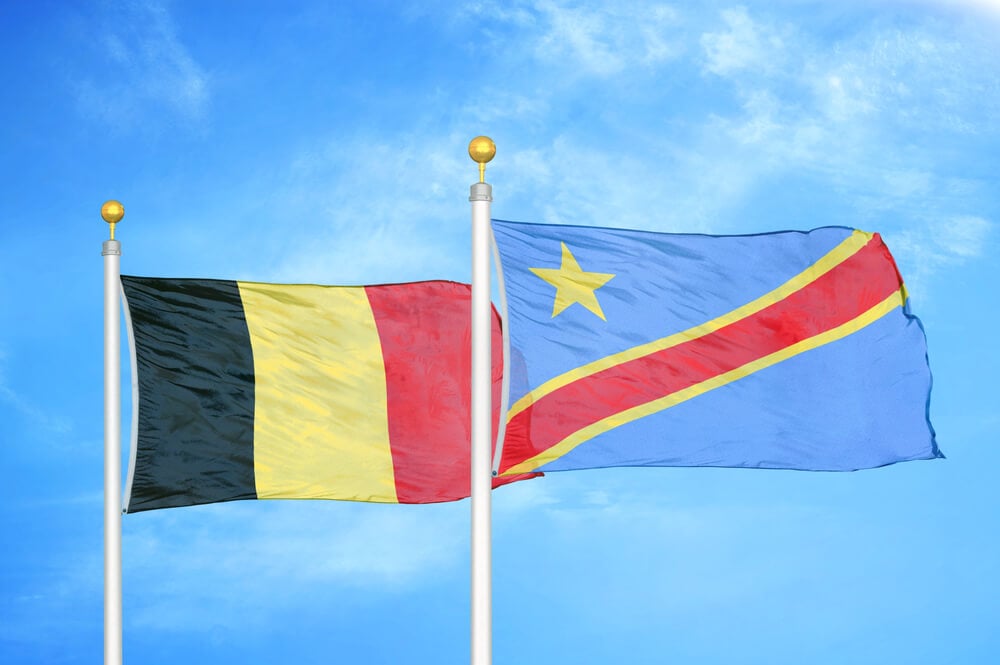
Belgian textbooks of earlier eras presented the Congo as a civilizing enterprise. Congolese textbooks present it as brutal exploitation and resource theft.
The same period is either development or devastation.
The American Civil War
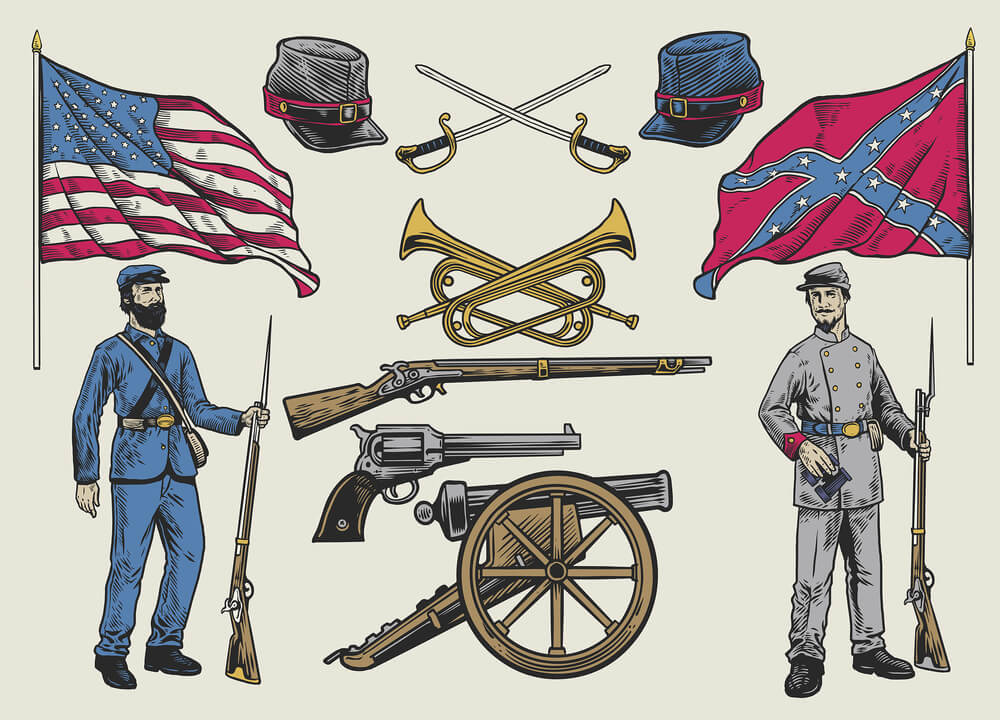
American Northern textbooks present the war as liberation of enslaved people. Southern textbooks sometimes present it as invasion and economic destruction.
The same conflict is either abolition or invasion.
British Colonial India
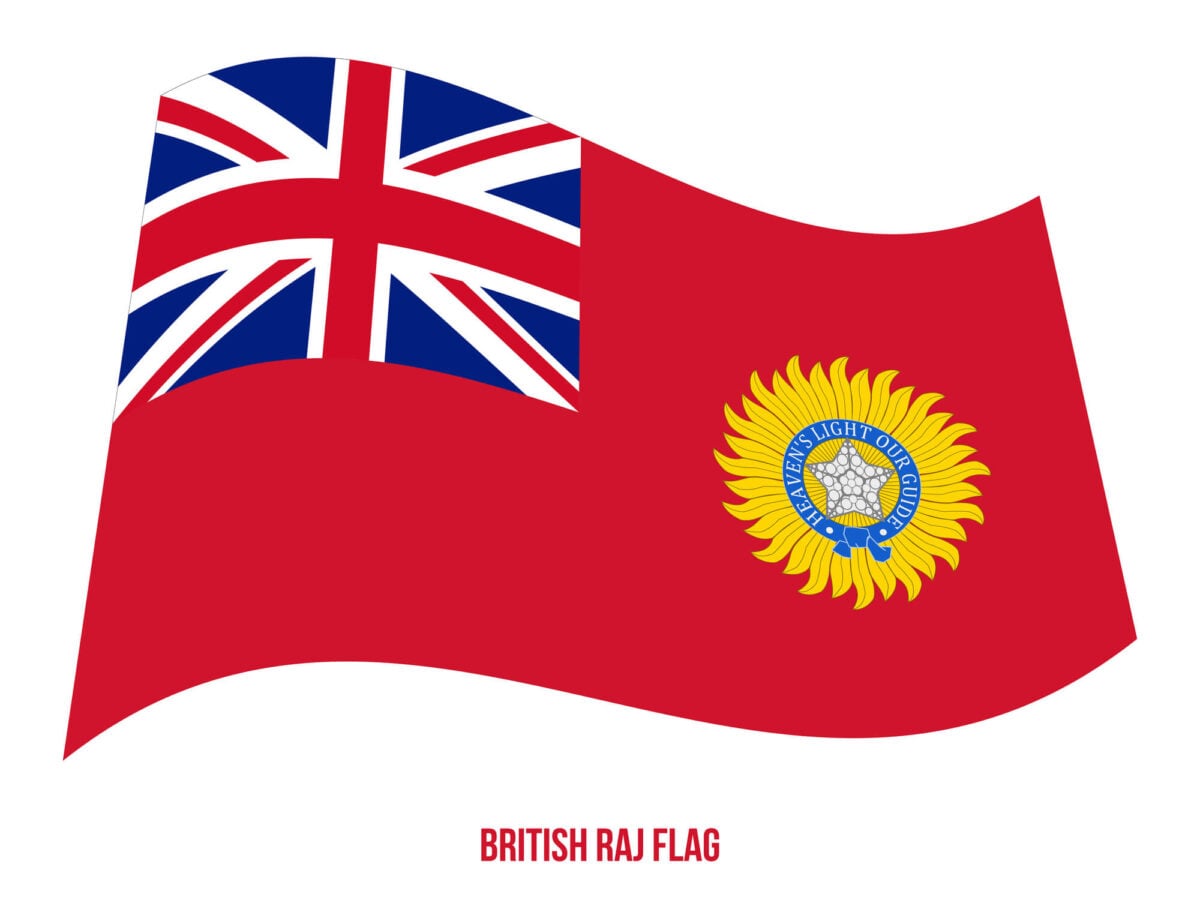
British textbooks presented colonial rule as administration and development. Indian textbooks present it as exploitation and suppression of local industries.
The same rule period is either beneficial governance or colonial extraction.
The Ottoman Empire
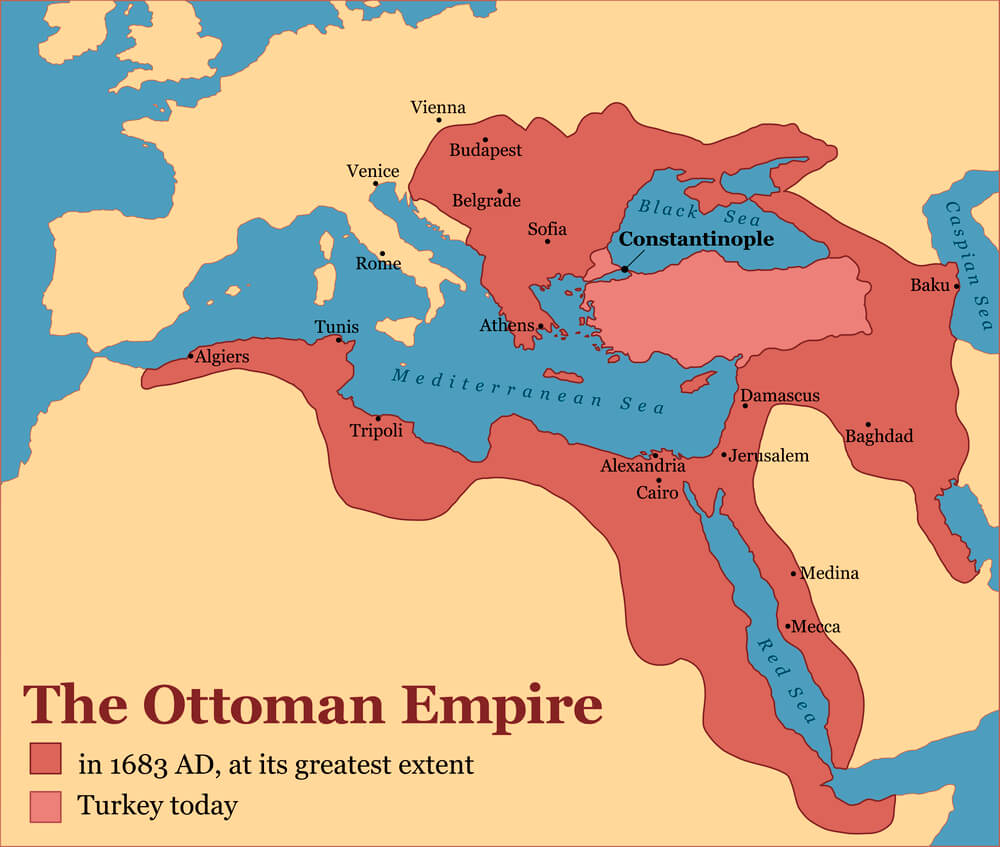
Turkish textbooks present Ottoman rule as stable administration. Greek and Armenian textbooks present Ottoman rule as foreign occupation and cultural suppression.
The same empire is either stabilizing or oppressive.
The Spanish Conquest of America
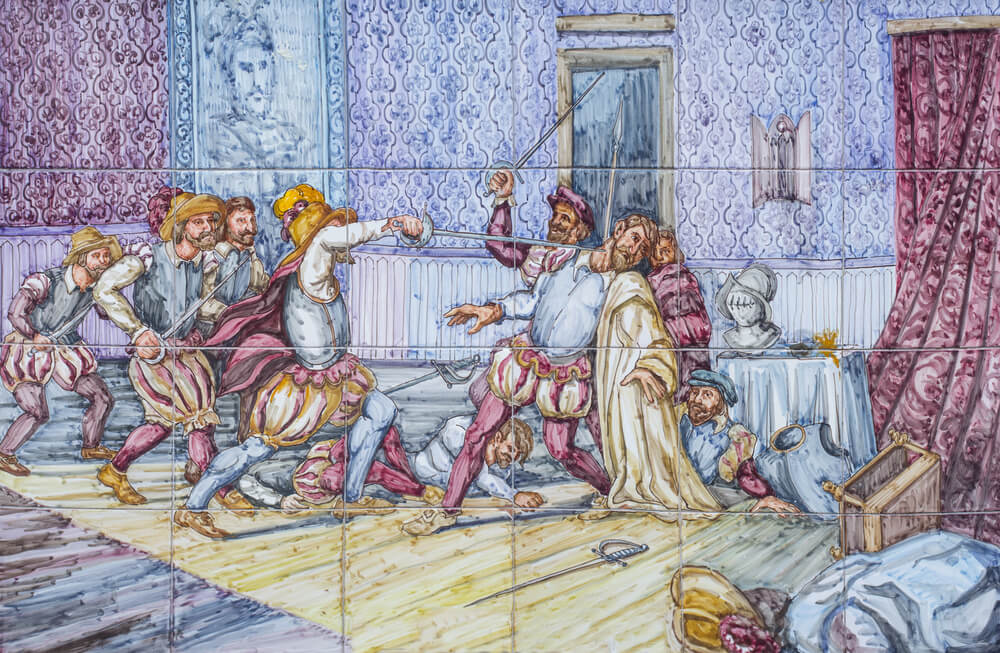
Spanish textbooks sometimes emphasize discovery and cultural exchange. Latin American textbooks emphasize conquest, disease, and cultural destruction.
The same event is either discovery or invasion.
The French Revolution
French textbooks celebrate it as liberation and enlightenment. Some European textbooks emphasize its violence and instability.
The same revolution is either progress or chaos depending on perspective.
The Cold War
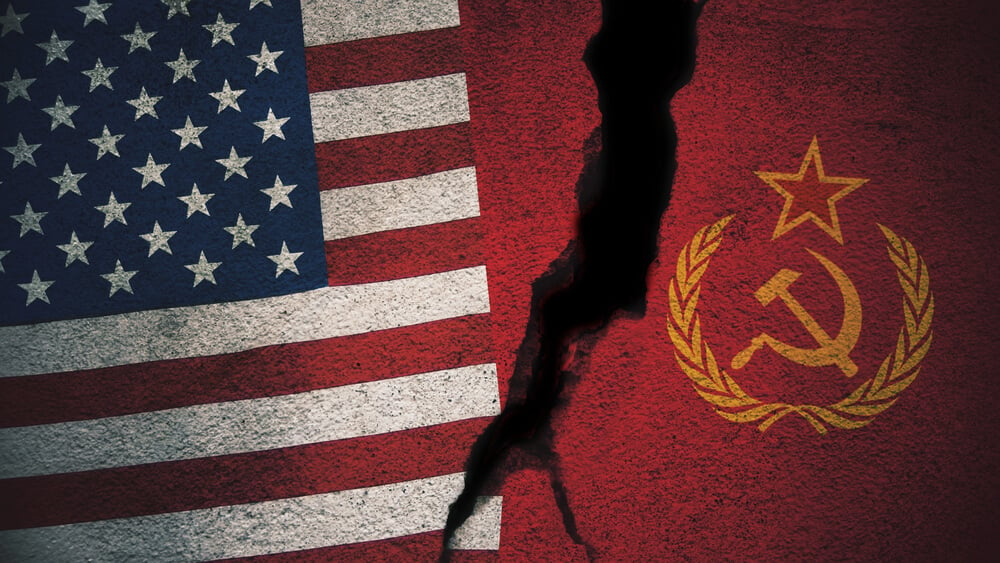
American textbooks present Soviet expansionism as the primary cause. Russian textbooks present American imperialism as the cause.
Each country’s aggression is framed as response to the other’s initiation.
The Fall of the Berlin Wall

Western textbooks present it as victory over communism. Some Eastern European textbooks present it as liberation.
Others present it as humiliation and loss of status.
The Franco-Prussian War
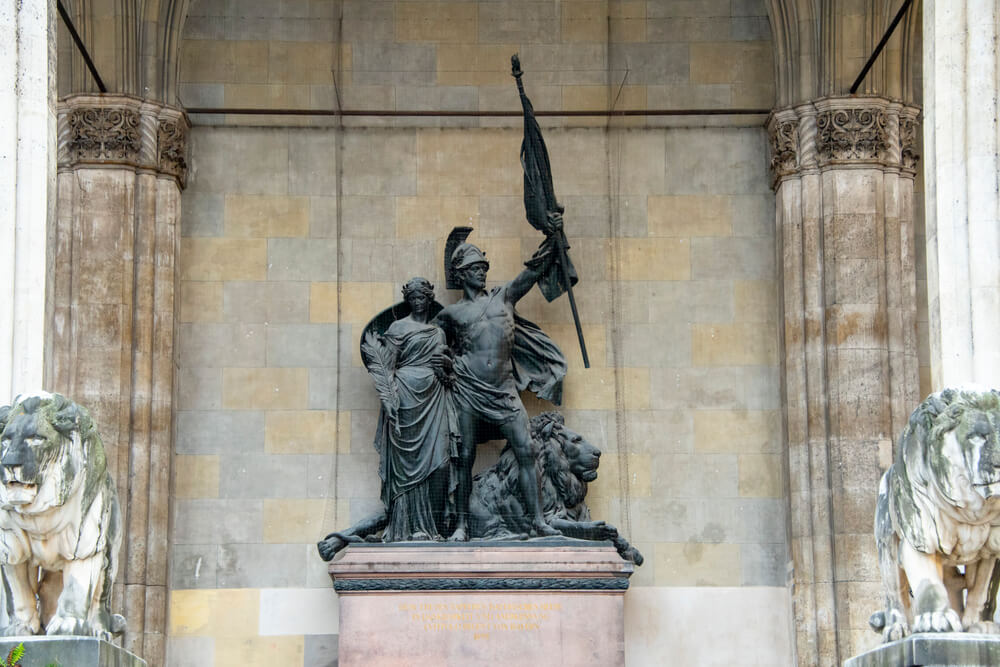
French textbooks emphasize German aggression and French honor. German textbooks frame French provocation and necessary German victory.
The same war is either invasion or justified response.
The Boxer Rebellion
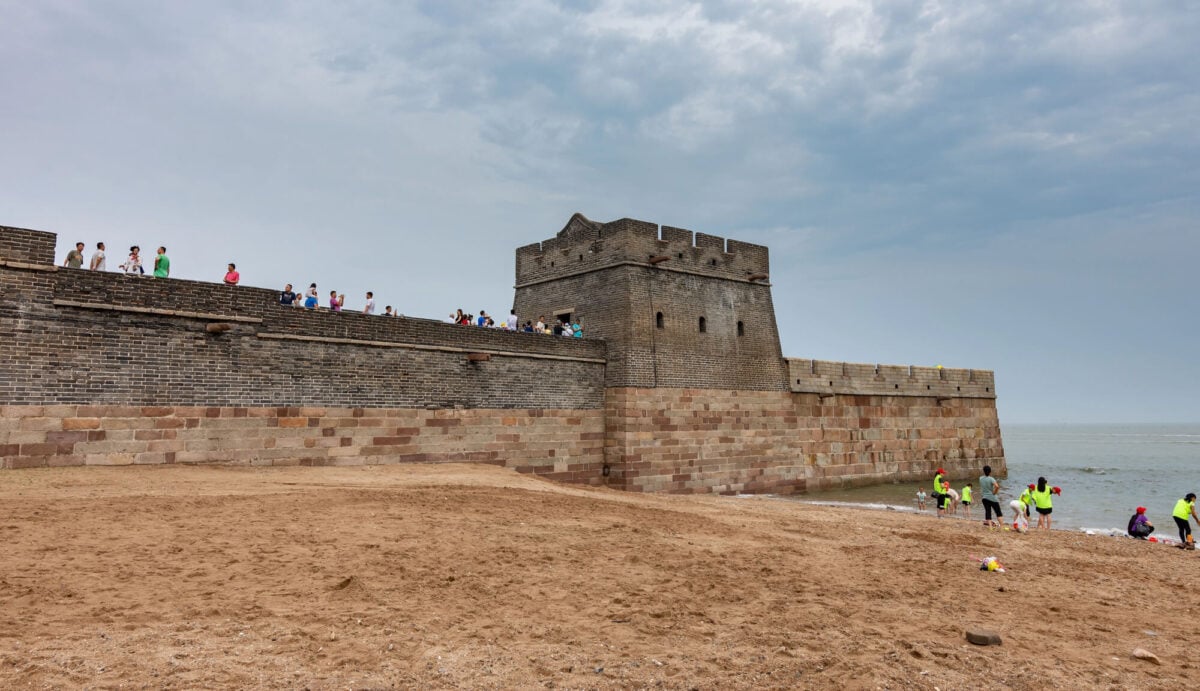
Western textbooks present it as xenophobic resistance to progress. Chinese textbooks present it as heroic resistance to foreign exploitation and colonial powers.
The Japanese Occupation of Korea
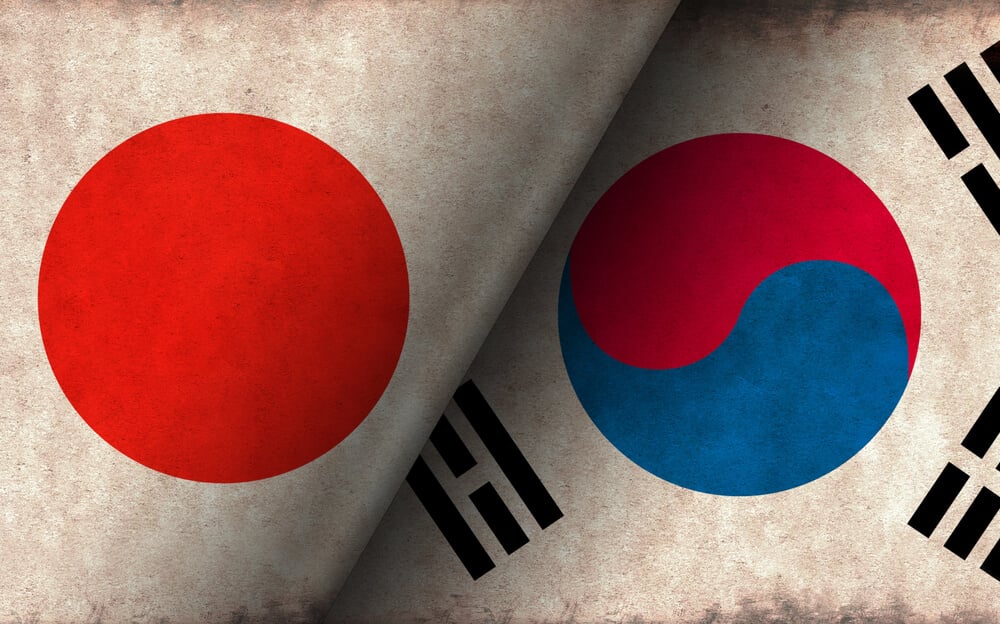
Japanese textbooks sometimes present Japanese rule as modernization. Korean textbooks present it as brutal occupation and cultural suppression.
The Meiji Restoration
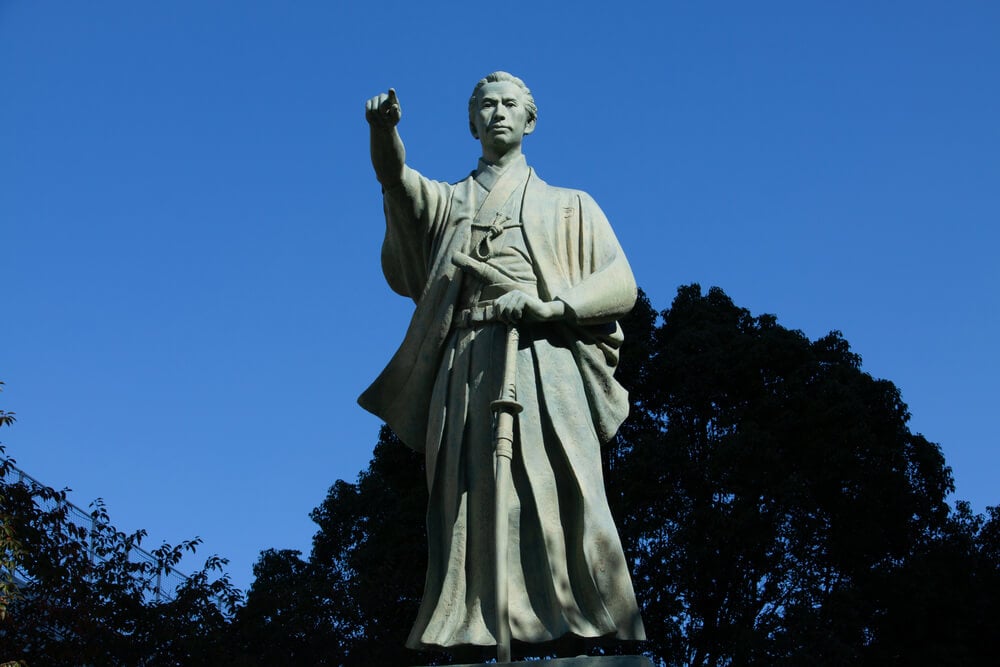
Japanese textbooks celebrate rapid modernization. Ainu and Okinawan textbooks emphasize cultural suppression and resource extraction from indigenous territories.
The Independence of Latin America
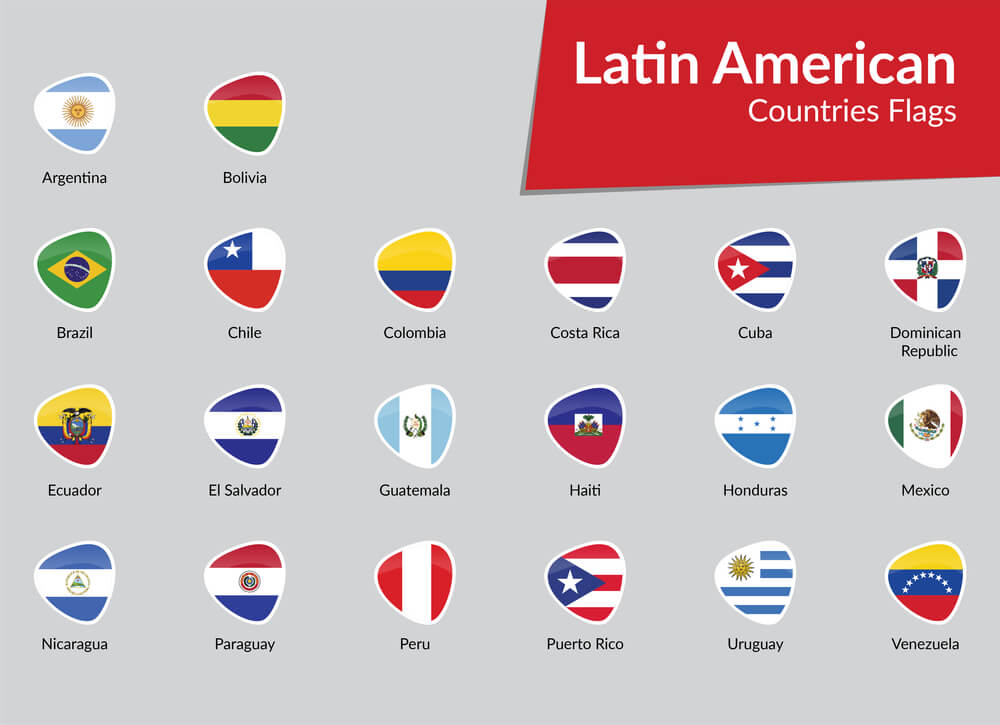
Latin American textbooks emphasize liberation from Spanish rule. Spanish textbooks sometimes present it as loss and chaos.
The same independence is either freedom or separation depending on perspective.
The True National Story
Every nation creates official narratives that its children learn. These narratives are not false—they are selective, emphasizing events that shaped national identity while minimizing or reframing uncomfortable truths.
The same history lesson produces different truths depending on which textbook you open.
More from Go2Tutors!

- The Romanov Crown Jewels and Their Tragic Fate
- 13 Historical Mysteries That Science Still Can’t Solve
- Famous Hoaxes That Fooled the World for Years
- 15 Child Stars with Tragic Adult Lives
- 16 Famous Jewelry Pieces in History
Like Go2Tutors’s content? Follow us on MSN.