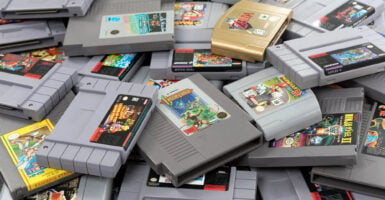
15 Unexpected Benefits of Playing Video Games
Video games catch serious criticism. Parents think they damage brains.
Teachers blame them for distracted students. Doctors worry about violence and isolation.
Turns out they might all be wrong. Recent studies show gaming could actually be fantastic brain exercise.
Surgeons who game perform better in surgery. Kids score higher on intelligence tests.
The research keeps stacking up in favor of gaming. What matters isn’t whether you play games.
What matters is which games you pick and how you approach them. Here’s a list of benefits that’ll probably surprise you.
Enhanced Memory Performance

Players beat non-players on memory tests consistently. Those who game regularly complete memory tasks 17% faster.
Older adults playing puzzle games match twenty-somethings on working memory tests. Each gaming session exercises your brain hard.
Game mechanics, character positions, strategic details – your memory processes tons of information constantly.
Improved Surgical Skills

Surgeons who played games three hours weekly made 32% fewer errors during practice operations. Young gaming surgeons even outperformed experienced veterans.
Video game hand precision and quick decisions translate directly to operating rooms. Lives depend on steady hands and fast thinking.
Faster Decision-Making Abilities
Action players make choices 25% quicker than others while staying equally accurate. Battle scenarios work like simulators for real-world decisions.
Constant path choices and threat responses train your brain for rapid information processing.
Boosted IQ Scores

Gaming kids gained an extra 2.5 IQ points over typical increases. Reading comprehension, spatial processing, memory, and flexible thinking all improved.
Researchers studied almost 10,000 children for this finding. Gaming’s mental demands literally make people smarter.
TV and social media? No similar effects found.
Better Attention and Focus

Three-hour daily gamers outperformed non-gamers on attention tests. Regular players finished focus tasks 12.7% faster.
Games demand unwavering concentration. You filter noise while tracking multiple elements.
Attention training disguised as entertainment.
Enhanced Problem-Solving Skills

Strategy games boost real-world problem-solving and strategic thinking abilities. Every level presents challenges requiring critical analysis, adaptation, creative solutions under time pressure.
Boss battles, resource management, puzzle sequences – each trains different problem-solving muscles.
Improved Vision and Visual Processing

Ten gaming weeks improved gray-shade discrimination abilities. Players exercising their weaker eye showed significant improvement.
Brain scans revealed more efficient visual processing in gamers. Less mental effort needed for identical visual tasks.
Moderate gaming might actually improve eyesight rather than damage it.
Strengthened Social Connections

Researchers examined 5,800 game messages. Emotional messages outnumbered task messages 3-to-1.
Positive communication happened 2.6 times more than negative. Multiplayer experiences develop communication, teamwork, leadership that transfers to real life.
Gaming communities create genuine friendships and social networks.
Enhanced Teamwork Abilities

Cooperative players scored highest on teamwork evaluations. Competitive players scored lowest.
Team-based games teach effective communication, shared responsibilities, and collective goal achievement. Modern games often require collaboration for completion.
Perfect workplace teamwork practice.
Better Multitasking Performance

Fifty action-gaming hours significantly improved pilot-simulation multitasking tests. Expert players excel at switching tasks, tracking objects, managing multiple demanding activities.
Health bars, inventory systems, enemy positions – you juggle information streams constantly. Your brain adapts to handle complexity efficiently.
Increased Mental Flexibility

Players demonstrate superior mental rotation and task-switching abilities. 3D environments might stimulate hippocampus regions, improving spatial thinking and cognitive adaptability.
Games constantly change rules and challenges. You develop mental agility through repeated strategy adjustments and creative problem approaches.
Enhanced Learning Motivation

Historical games spark genuine curiosity about cultures and time periods. Gaming provides immediate feedback while creating engaging educational experiences.
Play-based learning feels natural. Students explore subjects deeper when discovery feels rewarding rather than forced.
Improved Reading Skills

Dyslexic children showed reading improvement after action games requiring intense focus and environmental changes. Young players push themselves through instructions, storylines, text information.
Game progress depends on comprehension. Reading challenges become obstacles to overcome rather than boring assignments.
Better Physical Coordination

Full-body gaming increases physical activity and encourages real sports practice. Brain imaging showed reduced activation in coordination areas among gamers.
Repeated practice made their brains more efficient. Gaming improves actual coordination and reaction speeds.
Increased Well-Being and Mental Health

Studies using actual play data (not surveys) found positive links between gaming time and well-being. Players enjoying games genuinely reported better overall mental health, especially when games satisfied competence and social needs.
Thoughtful gaming provides real happiness and stress relief benefits.
The Bigger Picture

Research demolished the brain-rot myth completely. Gaming enhances perception, decision-making, social skills, and cognitive abilities across the board.
Entertainment evolved into legitimate tools for mental development and skill building. Success requires balance and smart game choices.
Whether you’re a concerned parent or curious adult, science supports the idea that quality gaming time benefits your brain significantly.
More from Go2Tutors!

- The Romanov Crown Jewels and Their Tragic Fate
- 13 Historical Mysteries That Science Still Can’t Solve
- Famous Hoaxes That Fooled the World for Years
- 15 Child Stars with Tragic Adult Lives
- 16 Famous Jewelry Pieces in History
Like Go2Tutors’s content? Follow us on MSN.