Why Gen Alpha is Growing Up Faster
If you spend any time around kids born after 2010, you’ll notice something unsettling: they don’t really seem like kids. They’re discussing skincare routines at age eight, analyzing social media algorithms at ten, and expressing anxiety about college admissions before they’ve finished elementary school.
Gen Alpha—roughly kids born between 2010 and 2024—is experiencing a compressed childhood that would be unrecognizable to any previous generation. It’s not just that they’re “mature for their age” in the way parents have always said about their clever children.
Something fundamentally different is happening. Let’s look at why childhood is disappearing faster than ever before.
Smartphones From Birth

Gen Alpha is the first generation that literally cannot remember a world without smartphones. While Millennials and Gen Z adopted technology during childhood or adolescence, Alpha was handed an iPad before they could walk.
By age two, many are swiping through apps with more dexterity than their grandparents. This isn’t inherently bad, but it does mean their cognitive development is wired differently from the start.
They’re processing enormous amounts of information and stimulation from infancy. The alphabet gets learned through YouTube videos, not books (or at least, not just books).
Their attention spans are shaped by rapid-cut content designed by algorithms to be maximally engaging, which means reality—slow, boring, analog reality—can feel understimulating by comparison.
The Algorithm Knows Them Better Than They Know Themselves

Here’s something wild: Gen Alpha kids are growing up with recommendation algorithms that are terrifyingly good at predicting what they want. TikTok’s For You Page doesn’t just show them random content—it learns their preferences faster than they develop those preferences themselves, then feeds them an endless stream of perfectly calibrated dopamine hits.
This means they’re being subtly shaped by machine learning systems designed by adults for profit maximization. They’re not discovering their interests organically through exploration and boredom; they’re having interests suggested to them based on engagement metrics.
It’s like growing up with a super-intelligent friend who knows exactly what you want to see but has a financial incentive to keep you scrolling. And these algorithms don’t care that they’re children.
A ten-year-old expressing curiosity about beauty standards will get fed content about makeup, skincare, body image, and cosmetic procedures—the same content that would be served to a twenty-five-year-old. The algorithm can’t distinguish between childhood curiosity and adult interest, so it treats them the same.
They’ve Seen Everything Already

Previous generations had their exposure to mature content somewhat gated by physical access—you had to sneak your older sibling’s magazine or find a way to watch R-rated movies. Gen Alpha has the entire internet in their pocket (or their parent’s pocket, at least until they get their own phone around age ten, which is the average now, and that’s depressing).
By the time they’re twelve, many have been exposed to graphic violence, explicit content, conspiracy theories, political extremism, and every possible form of human behavior, both beautiful and depraved. And not just exposed—these things exist in their regular content feeds, mixed in with videos of dogs and slime tutorials.
There’s no clear boundary between child-appropriate and adult content anymore, it all just exists in the same digital space.
Financial Anxiety By Osmosis

Gen Alpha is growing up during some serious economic turbulence. Their parents—mostly Millennials—are often financially stressed in ways that are hard to hide from observant kids.
They hear conversations about rent increases, see parents working from home at all hours, pick up on tension about money even when parents try to shield them. But beyond just absorbing household stress, these kids are also exposed to constant economic discourse online.
They’re scrolling through content about housing crises, student debt, inflation, job market instability. They know about these things years before they’re personally affected by them.
An eight-year-old shouldn’t have opinions about the Federal Reserve, but some of them do (which is either impressive or deeply concerning, depending on your perspective).
Skincare Routines at Sephora

Walk into any Sephora and you’ll see them: groups of ten-year-old girls testing anti-aging serums and discussing retinol. Gen Alpha has adopted elaborate beauty routines that would seem excessive for adults, let alone children.
The “clean girl aesthetic,” skin cycling, slugging—these are concepts that children are now fluent in. Part of this is influencer culture. Beauty influencers don’t typically market themselves specifically to children, but children are watching anyway, and brands have noticed.
Drunk Elephant, Glow Recipe, and similar brands have become status symbols for elementary schoolers. Parents are spending hundreds of dollars on skincare products for children whose skin is literally perfect already because that’s what their skin does at that age—it’s perfect without help.
The Therapy Generation

Mental health awareness has exploded in the last decade (which is mostly good), but it’s created an interesting dynamic for Gen Alpha. These kids are growing up with therapy-speak as their native language.
They’re discussing boundaries, trauma, triggers, and emotional regulation in ways that previous generations didn’t encounter until adulthood, if ever. Fifth graders are identifying their attachment styles.
Middle schoolers are diagnosing themselves with depression and anxiety based on TikTok videos. Again, mental health awareness is genuinely positive, but there’s something surreal about watching children medicalize normal childhood emotions because they’ve been exposed to psychological content designed for adults.
Sometimes sadness is just sadness, not a depressive episode requiring intervention (though sometimes it is, and the increased awareness means more kids get help when they need it, so it’s complicated).
Academic Pressure Has Metastasized

The college admissions process has become so absurdly competitive that it’s now affecting children who are over a decade away from applying. Parents are strategizing about extracurriculars, test prep, and “building a narrative” for kindergarteners.
The idea that childhood should include unstructured play and exploration has been replaced by the concept of childhood as preparation for college applications. Gen Alpha kids are being enrolled in coding camps, Mandarin lessons, competitive robotics, travel soccer, debate club, and volunteer work—not because they expressed interest in these things, but because they look good on a future resume.
They’re being optimized for achievement from age five. It’s exhausting just to think about, let alone live through.
Climate Anxiety Is Real For Them

Previous generations learned about environmental issues in school but didn’t really internalize existential dread about planetary collapse until adulthood, if at all. Gen Alpha is different.
These kids are growing up with climate change as an ever-present background crisis that adults openly discuss as potentially civilization-ending. They’re doing active shooter drills and learning about climate refugees in elementary school.
They’re aware that the world they’re inheriting is, to put it mildly, pretty messed up, and they’re being told this by the adults who messed it up. That’s a heavy psychological burden to carry when you’re still losing baby teeth.
Parasocial Relationships As Primary Socialization
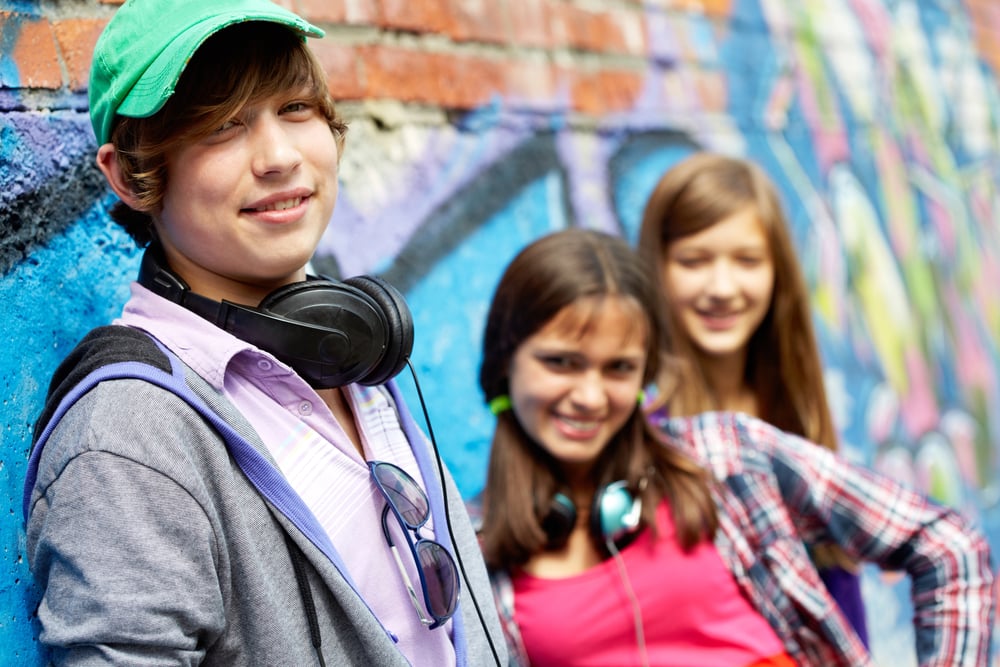
Gen Alpha’s social development increasingly happens through screens rather than face-to-face interaction, their friendships are often maintained through gaming platforms and messaging apps rather than physical hangouts (partially because parents are too anxious to let them roam freely, which previous generations did). But beyond peer relationships, they’re also developing intense parasocial relationships with influencers and content creators.
They know YouTubers and streamers better than they know their own extended family. They feel personally connected to people who don’t know they exist and never will.
This isn’t necessarily unhealthy, but it is new, and we don’t really know what it does to a developing brain to have so many one-sided intimate relationships with strangers.
They’re Consumers Before They’re Citizens

Brand awareness and consumer identity start younger than ever. Gen Alpha kids have strong opinions about brands—not just toys and snacks, but fashion labels, tech companies, and lifestyle brands.
They understand marketing and influencer sponsorships. They’re savvy about capitalism in ways that would be sophisticated for teenagers but is standard for them.
Stanley cups, Lululemon, Nike, Apple—these aren’t just products, they’re identity markers that children are fluent in. They’re being socialized into consumer culture before they’re socialized into civic culture (do they know more about sneaker drops or how local government works? yeah, that’s what I thought).
The Performance of Childhood

Social media has turned childhood into a performance. Gen Alpha is the most documented generation in history—their parents have been posting photos of them since birth (with or without their consent, which is its own ethical nightmare).
Many are now creating their own content, performing versions of childhood for an audience. This creates a weird recursive loop where they’re experiencing childhood while simultaneously watching themselves experience childhood and curating that experience for external validation.
They’re not just living moments; they’re thinking about how those moments will look as content. That’s a level of self-consciousness that seems incompatible with actual childhood.
Earlier Puberty, Longer Adolescence
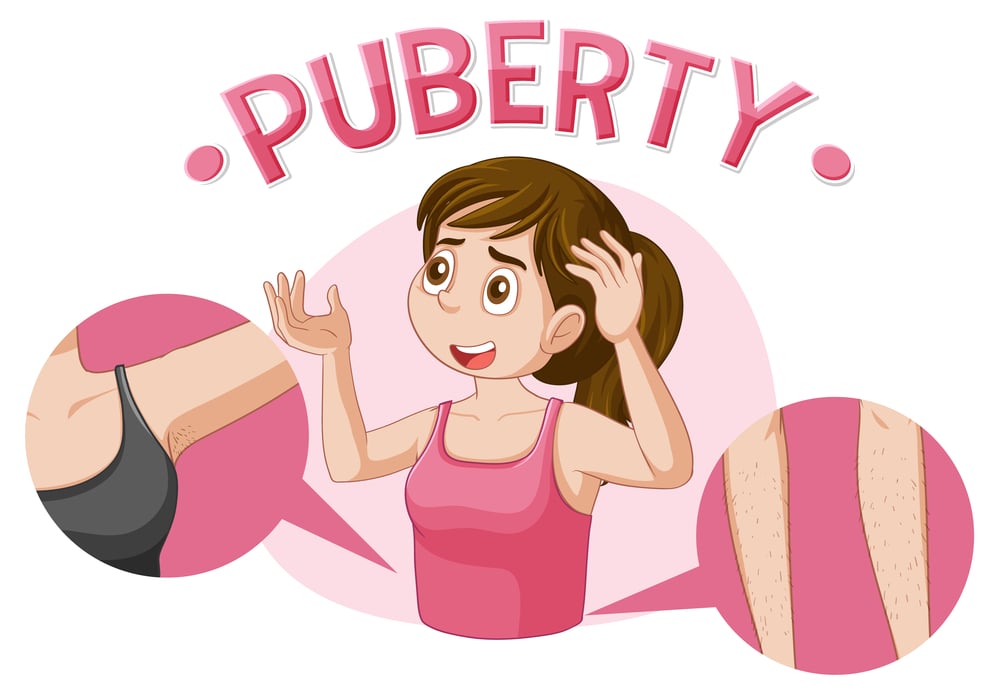
There’s also some evidence that physical puberty is starting earlier than in previous generations (though the research is still developing and somewhat controversial). Whether it’s environmental factors, nutrition, stress, or something else, some kids are entering puberty as early as age eight or nine now.
But while physical development might be accelerating, social and economic adolescence is extending longer. They’re biologically maturing faster while simultaneously facing a world where achieving traditional adult milestones (financial independence, home ownership, starting a family) is increasingly delayed.
They’re stuck in this weird liminal space for longer than any previous generation.
When Everyone Grows Up Too Fast, What Gets Lost?

The compression of childhood isn’t happening in a vacuum—it’s a response to genuine changes in how society functions. Technology exists. Economic instability is real. Climate change is happening.
We can’t just pretend these things away and recreate some idealized 1950s childhood that probably wasn’t that great for most kids anyway. But there’s something that gets lost when children don’t get to be children, when they’re forced to develop adult consciousness before they’ve finished developing child consciousness.
Imagination, play, boredom, wonder—these aren’t luxuries, they’re developmental necessities. And Gen Alpha is getting less of them than any generation before.
Whether that matters, and how much it matters, is something we won’t fully understand until they’re adults themselves, looking back at a childhood that might not feel like childhood at all.
More from Go2Tutors!

- The Romanov Crown Jewels and Their Tragic Fate
- 13 Historical Mysteries That Science Still Can’t Solve
- Famous Hoaxes That Fooled the World for Years
- 15 Child Stars with Tragic Adult Lives
- 16 Famous Jewelry Pieces in History
Like Go2Tutors’s content? Follow us on MSN.



