Why Handwritten Letters Carried a Weight That Texts Will Never Match
There’s a reason people kept letters in shoeboxes under the bed for decades. Not filed away neatly, not archived in a folder — shoved under the bed, where you’d pull them out on a bad night and read them again.
Nobody does that with a text thread. The comparison isn’t even close, and it never was.
Something was always different about a letter: the effort behind it, the physical fact of it, the way it arrived smelling faintly of someone else’s house. What follows is an honest look at what made handwritten letters irreplaceable — and why no notification ping will ever come close.
The Physical Object Itself
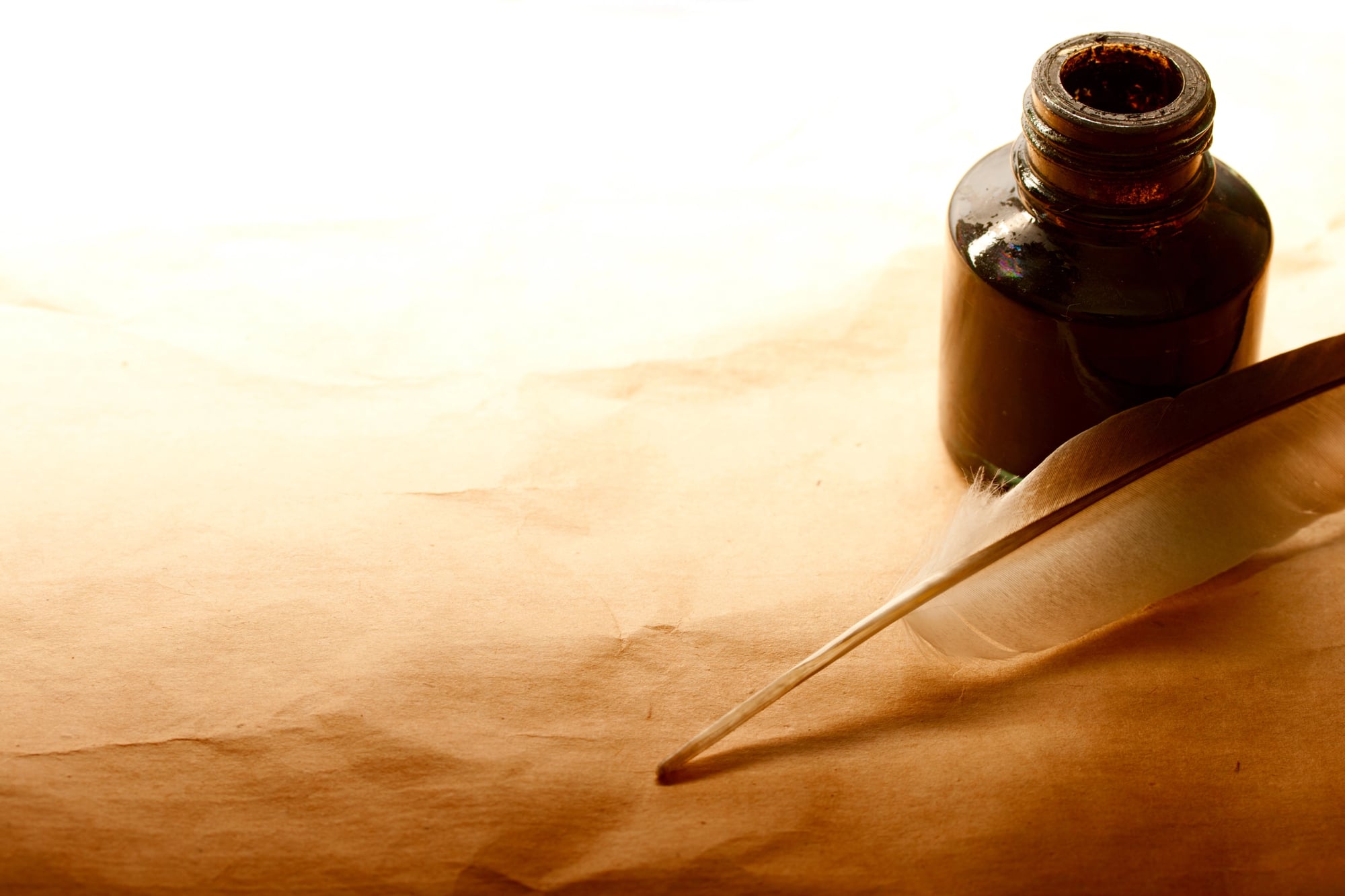
A letter is a thing you can hold. That sounds obvious until you realize how radical it is — that someone’s handwriting, pressure, and choice of paper became an artifact that outlasted the moment it was written.
The object and the message were inseparable.
The Irreversibility of Ink
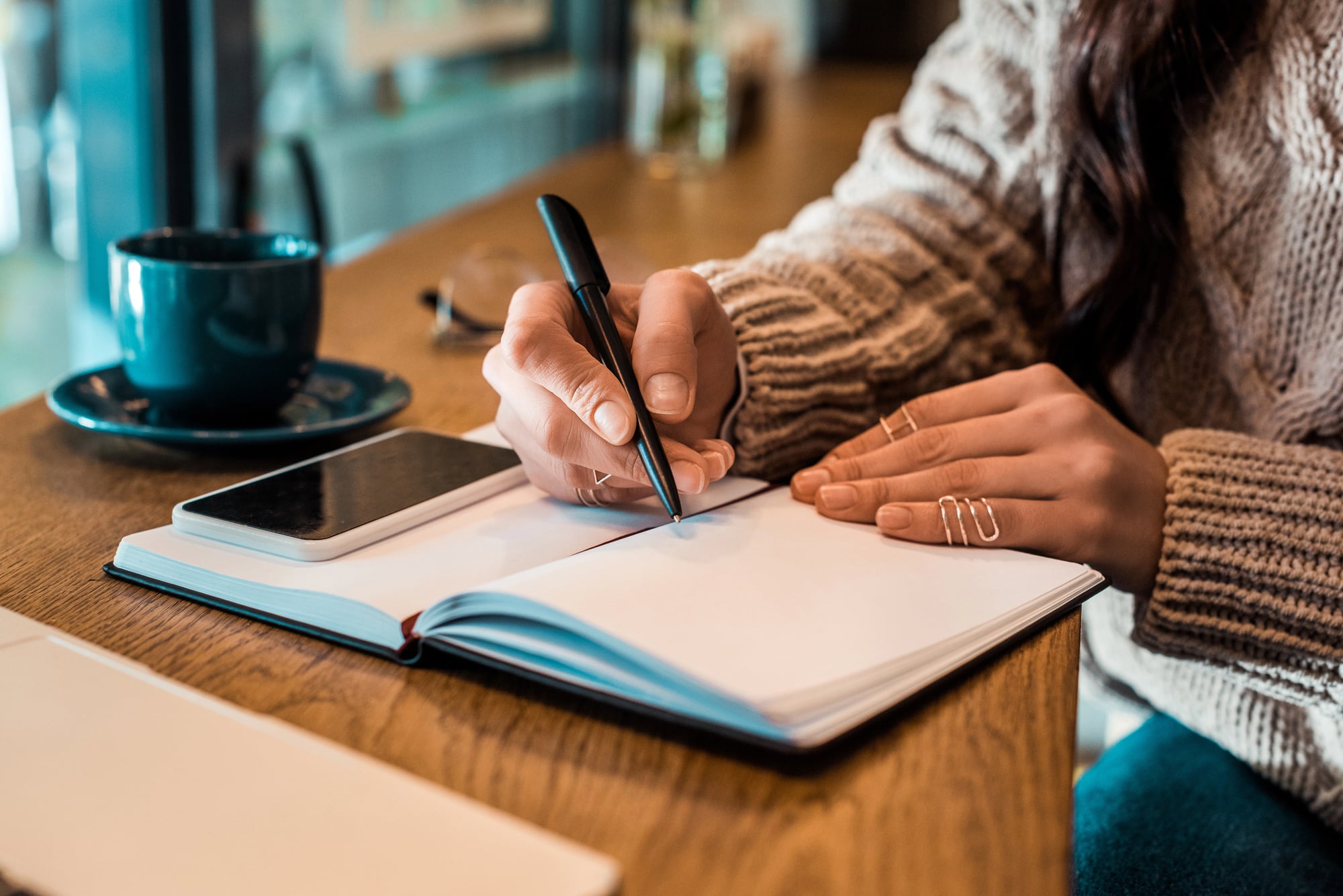
Writing in pen means committing. There’s no unsend button, no edit history, no quiet revision at 2 a.m. after rereading something and cringing — what went down stayed down, crossed out maybe, but never gone.
That permanence made people choose their words with a kind of gravity that a blinking cursor simply doesn’t demand.
The Time It Took

Sending a letter wasn’t instantaneous, and that gap did something important — it built anticipation, yes, but it also gave meaning a chance to settle before it left the room. The days between writing and receiving weren’t dead air; they were part of the communication itself, a slow exhale that digital messaging abolished without asking whether it should.
And something quiet was lost when that gap closed.
What Handwriting Revealed
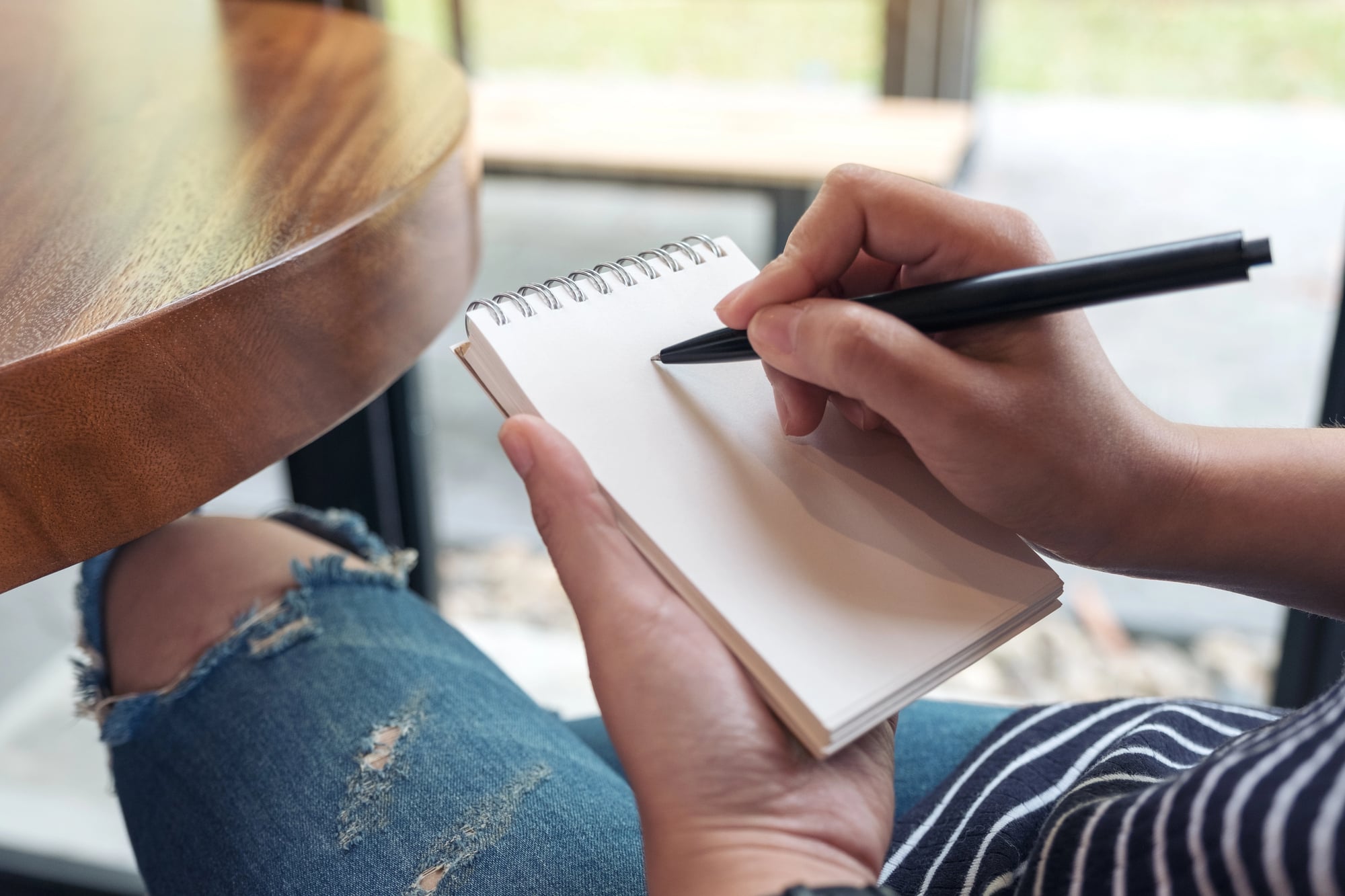
Handwriting is an accidental self-portrait. The way someone forms their letters, the slant, the pressure, whether the lines drift upward with optimism or sag under some unnamed weight — none of that is performed, none of it is chosen, and all of it lands.
A text in Helvetica tells you nothing about the person who wrote it.
The Ritual of Sitting Down to Write

Writing a letter required stillness, and stillness required intention. You couldn’t dash one off while watching TV or waiting for a light to change — it demanded a chair, a surface, and the kind of focused attention that modern life treats as a luxury.
That attention was legible in the finished letter; you could feel it.
The Intimacy of Being Addressed by Name

There’s something about seeing your name written in someone else’s handwriting at the top of a page — not auto-populated, not formatted, but actually written — that registers differently than any salutation a phone screen has ever produced. It signals: this was for you, specifically, no one else.
Digital communication rarely makes that distinction feel real, even when it technically is.
The Selection of Words Under Pressure

When paper and ink were the medium, vocabulary had to carry more weight because there was no tone indicator, no emoji to soften or sharpen a phrase. Writers reached for precise language not out of pretension but necessity — the wrong word couldn’t be walked back with a laughing face.
Turns out constraint produces clarity, and clarity produces writing worth keeping.
How Letters Held Silence Differently

A handwritten letter — unlike a message thread — could sit quietly in a pocket for a week, waiting to be read at the right moment rather than demanding immediate response. It made no sound, sent no alerts, turned no one’s wrist over in a meeting.
The patience built into the format was, it turns out, a form of respect.
The Envelope as a Signal

Before a single word was read, the envelope told you something. The handwriting on the outside, whether a stamp was crooked or perfectly aligned, whether the return address was written in haste or with care — all of it was data, all of it was feeling.
The letter announced itself before it opened, which is something no push notification has ever managed.
The Social Weight of Putting It in the Mail

Dropping a letter in a mailbox was a small act of surrender — once it left your hand, it was gone, beyond recall, officially on its way. That committed quality lent letters a different emotional register than a text, which can be deleted from both sides of a conversation before anyone’s the wiser.
Committing to the mail was a mild but genuine act of courage.
Letters as Proof of Presence

A handwritten letter is evidence that someone sat somewhere and thought about you hard enough to fill a page. Not a photo, not a reaction, not three dots appearing and then vanishing — actual sustained thought, directed entirely at one person, written down.
That kind of presence is rare, and people understood it as rare, which is why they kept the letters.
The Vulnerability of Bad Handwriting

Bad handwriting in a letter never embarrassed people the way it would have in a formal document, because everyone understood you weren’t trying to impress anyone — you were trying to reach someone. The rawness of imperfect letters (misspelled words left uncorrected, ink smudged by a hurrying palm) communicated something that polished typography cannot: this came from a human, not a process.
The Weight of Distance

Long-distance relationships — between soldiers and their families, between immigrants and the countries they left behind, between friends separated by circumstance — were sustained almost entirely by letters, and the distance made each one land harder. A letter crossing an ocean carried the ocean in it somehow: the time, the miles, the fact that someone on the other end was waiting.
That weight doesn’t compress into a message bubble.
How Rereading Changed the Meaning

Texts get scrolled past. Letters got read again — sometimes years later, in different emotional weather, with different eyes.
The fixed object allowed for a rereading that digital messages rarely invite, partly because of format and partly because a text is already a kind of shorthand, never quite the whole thought. Letters were written to be returned to, and they were.
The Legacy Letters Left Behind

People found out who their grandparents really were by reading their letters. Not their social media bios, not a comment thread — actual letters, written in their actual voices, about actual fears and joys that no one had packaged for an audience.
That’s what letters left behind: a legible interior life, available to anyone who found the shoebox.
What Was Lost When Letters Stopped

The death of letter-writing didn’t just change how people communicated — it quietly changed what people were willing to say to each other. The effort of a letter gave people permission to go deep, to linger on a feeling, to write a sentence they’d never say out loud.
Without that container, a lot of honest language had nowhere to go, and so it went unsaid. That’s not a small thing.
Still Worth Doing

Writing a letter by hand in 2024 is a mildly eccentric act, which is exactly why it lands the way it does. The person who receives one knows immediately that it wasn’t convenient, wasn’t fast, and wasn’t automatic — and that inconvenience is the whole point.
Some forms of meaning require friction to exist at all.
What the Shoebox Actually Meant

The people who kept letters in shoeboxes weren’t being sentimental in any soft sense — they were being accurate. They understood, without articulating it, that these objects were irreplaceable, that no copy existed, that the person who wrote them had handed over something that couldn’t be retrieved.
A shoebox full of letters is an archive of trust. Nobody has ever said that about their inbox.
More from Go2Tutors!

- The Romanov Crown Jewels and Their Tragic Fate
- 13 Historical Mysteries That Science Still Can’t Solve
- Famous Hoaxes That Fooled the World for Years
- 15 Child Stars with Tragic Adult Lives
- 16 Famous Jewelry Pieces in History
Like Go2Tutors’s content? Follow us on MSN.



