28 Weekend Chores That Built Character Whether Kids Wanted Them To or Not
Saturday morning arrived with a specific dread when the chore list was involved. There was no logic you could deploy against it.
It didn’t matter that your friends were presumably free, or that the weather was good, or that you had plans that required a different allocation of your morning. The chores were the chores, and whoever had decided that children needed to earn their weekends had apparently consulted no children on the matter.
The curious thing is that almost every adult who grew up doing weekend chores describes them — in retrospect, which is crucial — as formative. Not enjoyable. Not fair. Formative.
The case for making children do physical work around the house was always about building something in them rather than actually needing the help, and on that count, it largely succeeded.
Mowing the Lawn
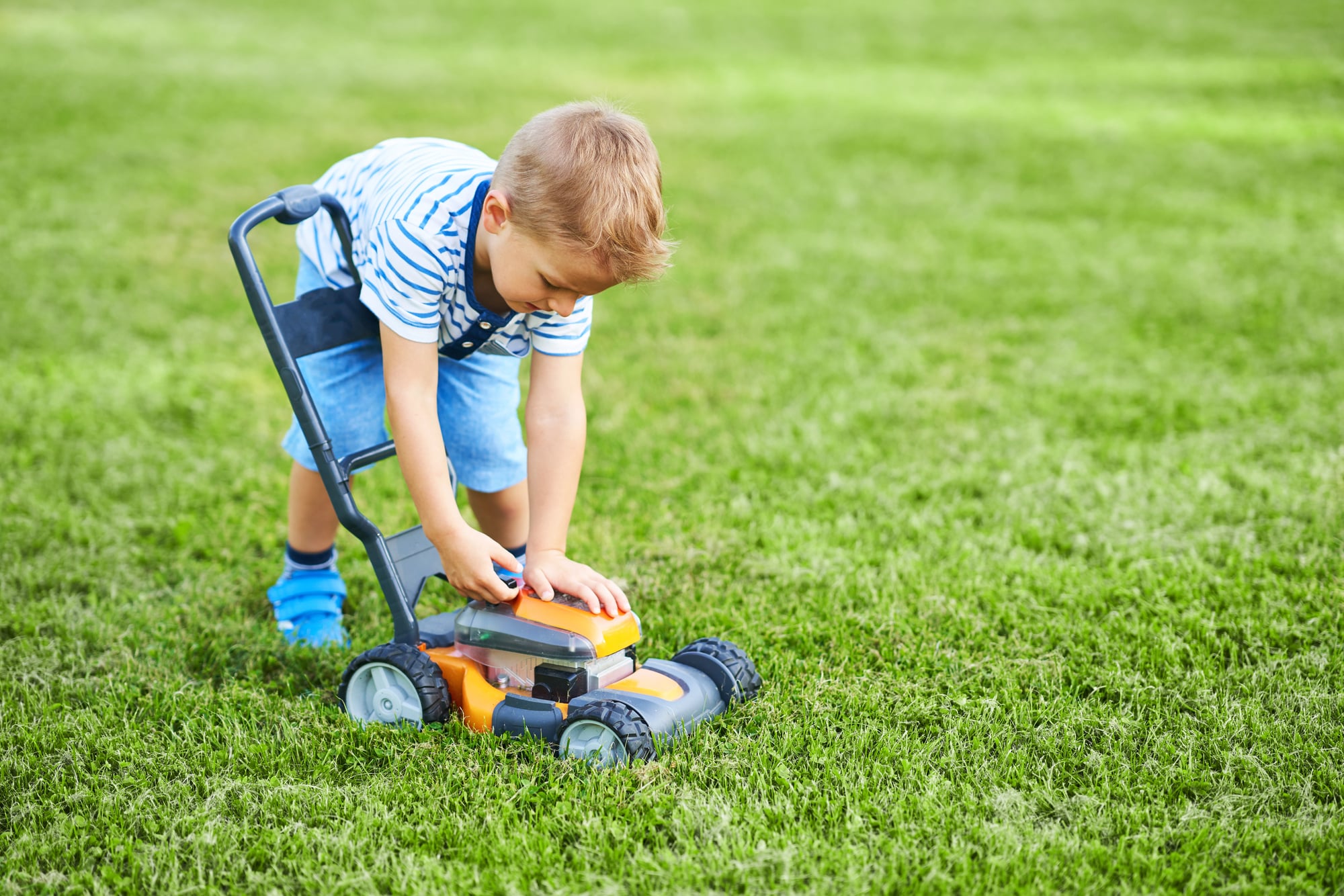
The gas mower started with a pull cord and made a sound that meant you were now committed to the next two hours. Older mowers required navigating around obstacles — trees, garden hoses, uneven patches — while keeping the lines straight in a way that the neighbors, who were definitely watching, would judge.
In the heat of July, this particular chore occupied the same moral category as hard labor. The lawn looked good afterward, which was the point, even if it remained difficult to care about that while actually doing it.
Raking Leaves
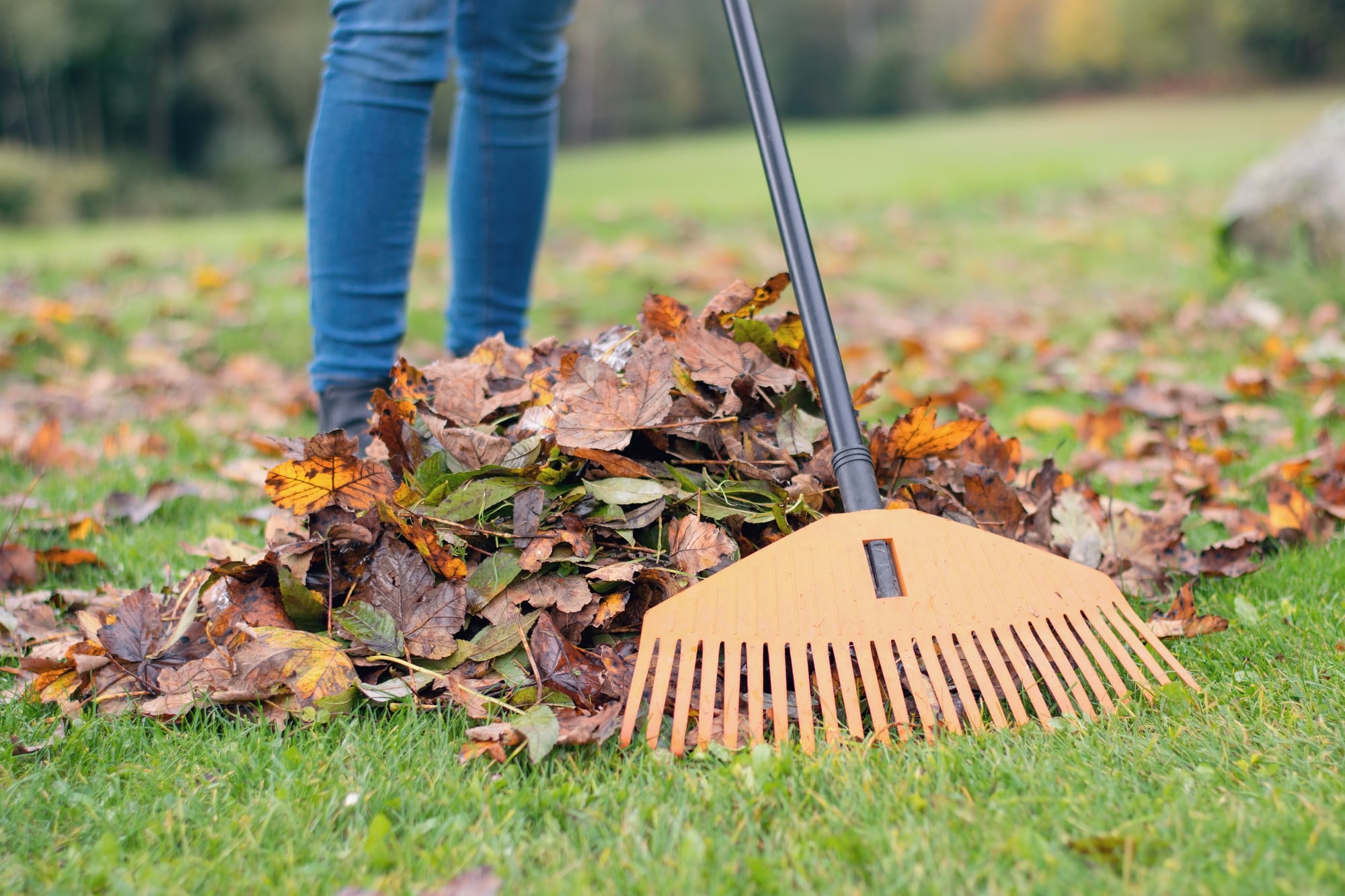
Autumn weekends had a particular shape in houses with trees. The rake came out, the leaf bags appeared, and the goal was to persuade the entire yard’s worth of leaves into those bags before nightfall or before the wind arrived, whichever came first.
Younger siblings who jumped into the finished pile and scattered a morning’s work were expressing their developmental stage in the most precise way possible. The leaves were eventually re-raked. The character built included patience.
Washing Dishes by Hand
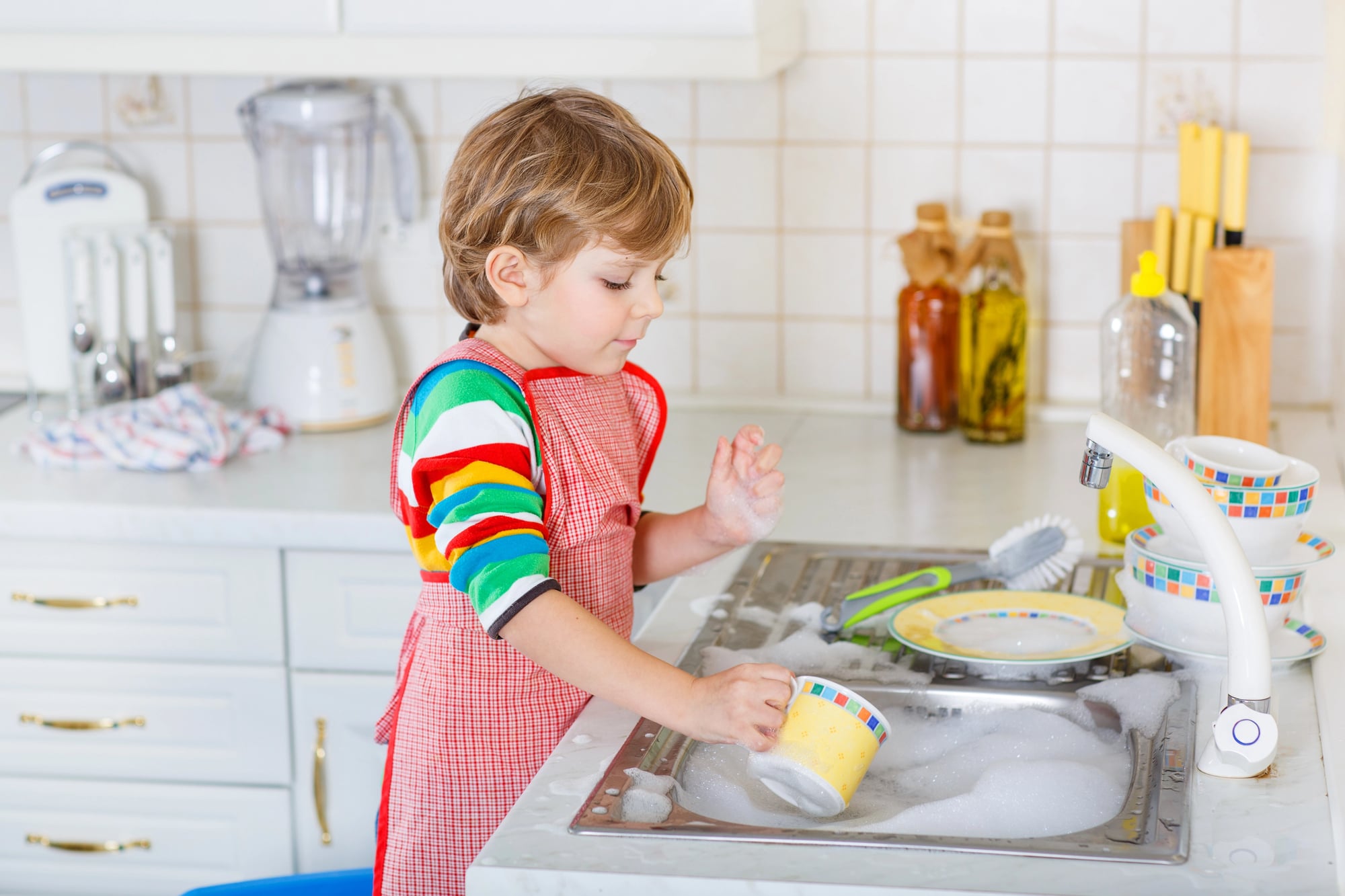
Before dishwashers were universal household appliances, washing up after dinner was a rotating assignment, sometimes shared in a production line: one person washing, one rinsing, one drying and putting away. Leaving spots on glasses required the whole sequence to be repeated.
The hot soapy water, the stack of plates that didn’t seem to get shorter for the first several minutes, the single enormous roasting pan that was just structurally difficult — all of it was a twenty-minute daily lesson in the relationship between mess and effort.
Vacuuming
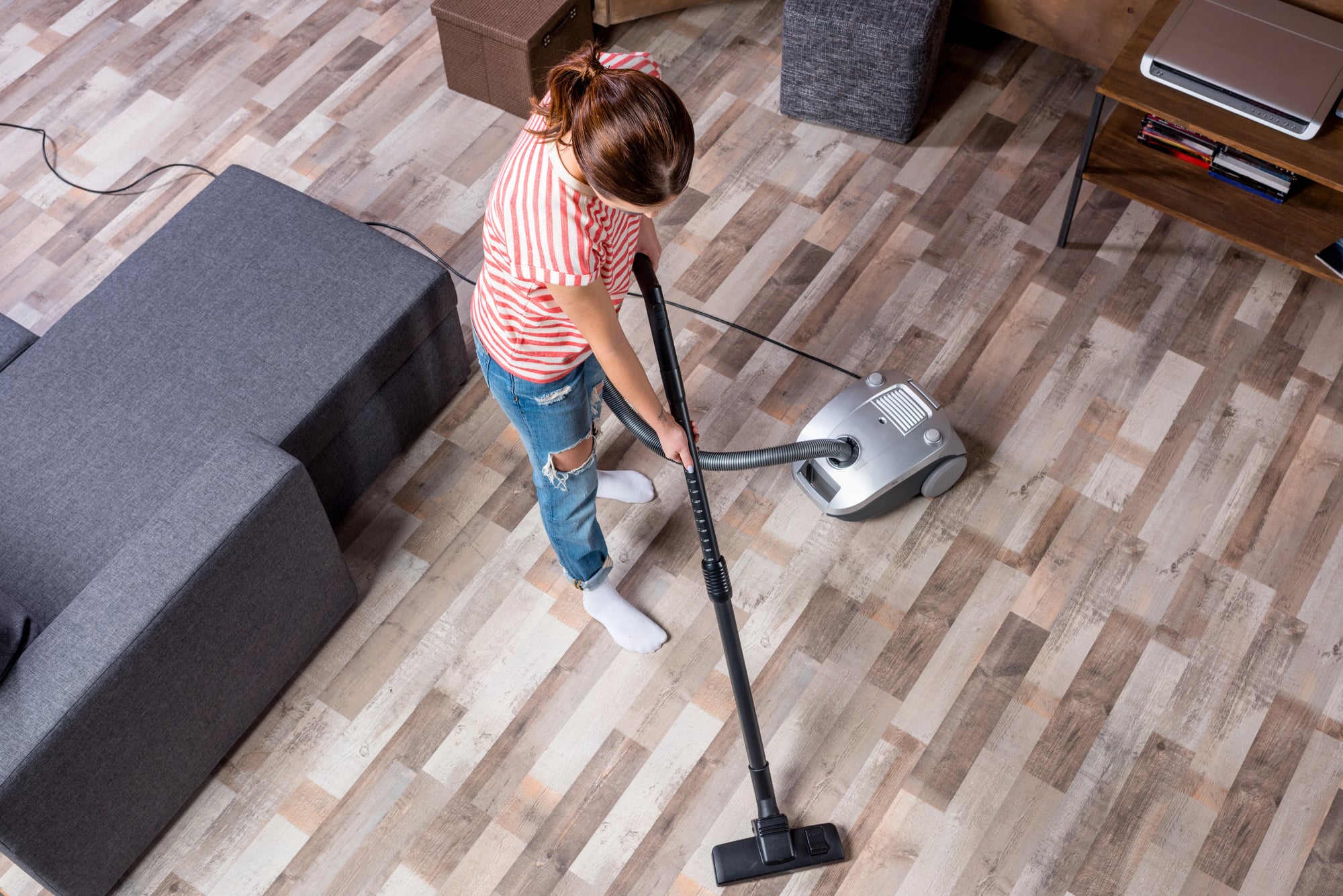
Not the quick pass that satisfies modern standards. The moving of furniture to vacuum underneath. Attachment changes for corners and upholstery.
Multiple passes in high-traffic areas to get it properly done. The vacuum cleaner of the 1970s and 80s was a heavy machine with a bag that needed emptying at a specific threshold and made a sound that communicated the size of the house in real time. Kids assigned to this knew the floor plan by sonic memory.
Washing the Family Car
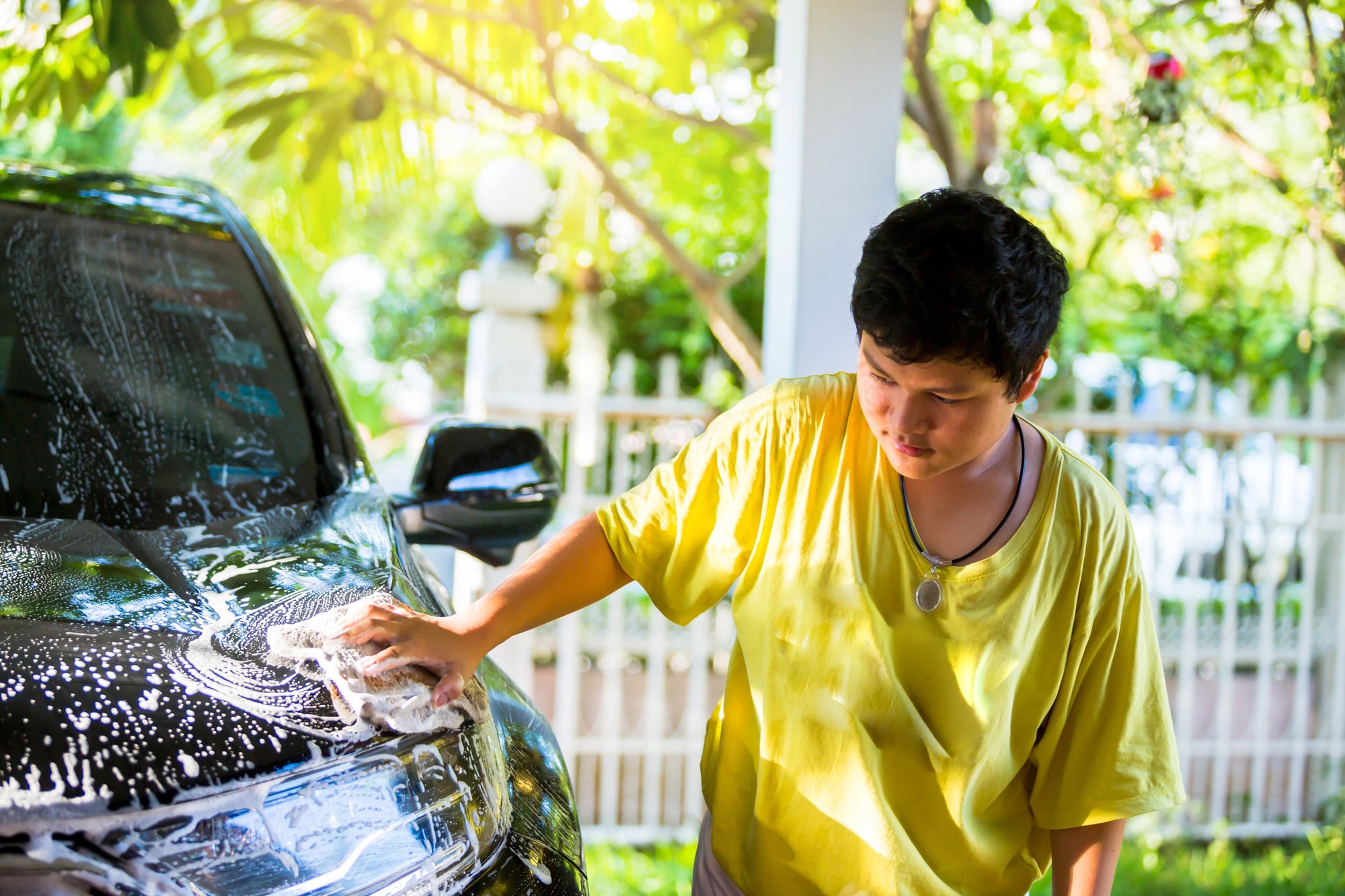
The bucket, the soap, the garden hose, and the specific requirement not to leave water spots. Washing the car was an outdoor chore, which meant it could be enjoyable in theory — it was outside, it involved water, it was warmer than indoors in summer.
In practice it was grinding. The car had many surfaces and the chamois leather needed to be wrung out between each pass and the chrome required separate attention and someone always pointed out the spots you’d missed.
Cleaning the Bathroom

Scrubbing the bath, the sink, and the toilet — in that order, for logical reasons — with specific products that came out of the cabinet under the sink. The grout between tiles required a brush.
The mirror required a different cloth than the surfaces. The toilet required a specific relationship with dignity and hygiene that children doing this chore for the first time negotiated in real time. Very few children found this enjoyable. All of them knew how to clean a bathroom by age twelve.
Taking Out the Rubbish

Rubbish day had a specific logic: the bins had to be out before the collection truck arrived, which meant whoever had this chore needed to understand that the job didn’t wait for you to feel like doing it. The rubbish collection schedule was the first recurring deadline most children encountered that had genuine consequences for failure.
Coming home to discover the bins hadn’t been emptied because you’d forgotten was not recoverable.
Ironing

Some households assigned ironing to children old enough to be trusted with the iron, which was not particularly old. Shirts had to be ironed in a specific sequence — collar, then shoulders, then sleeves, then body.
The steam iron left burns on fabric if you paused too long. Pressing creases into the right places required more skill than was initially apparent. This was the chore with the highest immediate consequence for error — a badly ironed shirt looked worse than an unironed one — which made it oddly educational.
Cleaning Windows
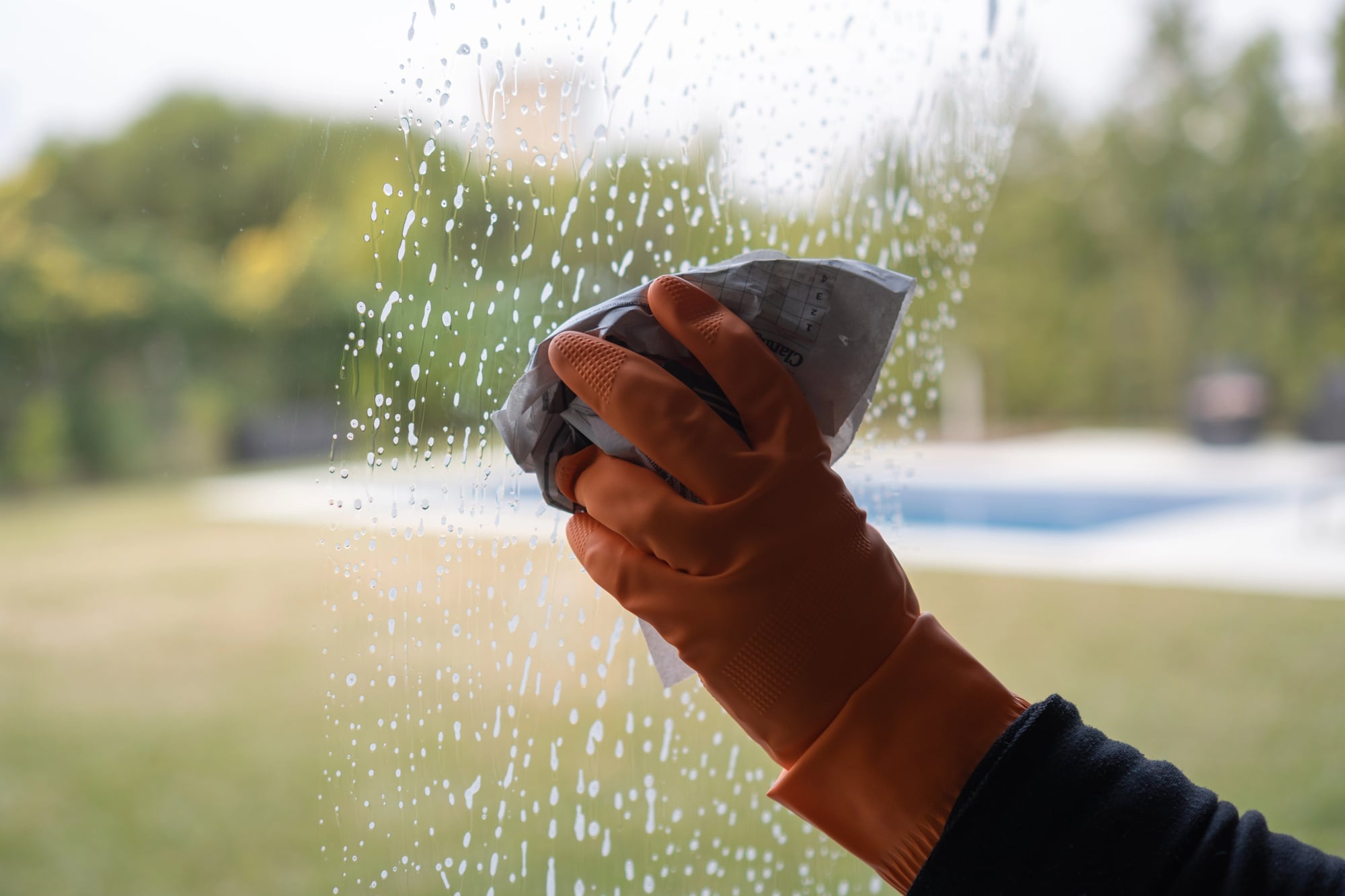
The squeegee technique, or the newspaper-and-vinegar method, or the brand-name spray with paper towels that still left streaks. Window cleaning was the chore that revealed how much more difficult a simple task was than it appeared.
Getting windows genuinely clean required technique that took time to acquire. Until you had it, the window looked slightly worse than before you started, which was a specific discouraging experience that happened on almost every first attempt.
Polishing Shoes
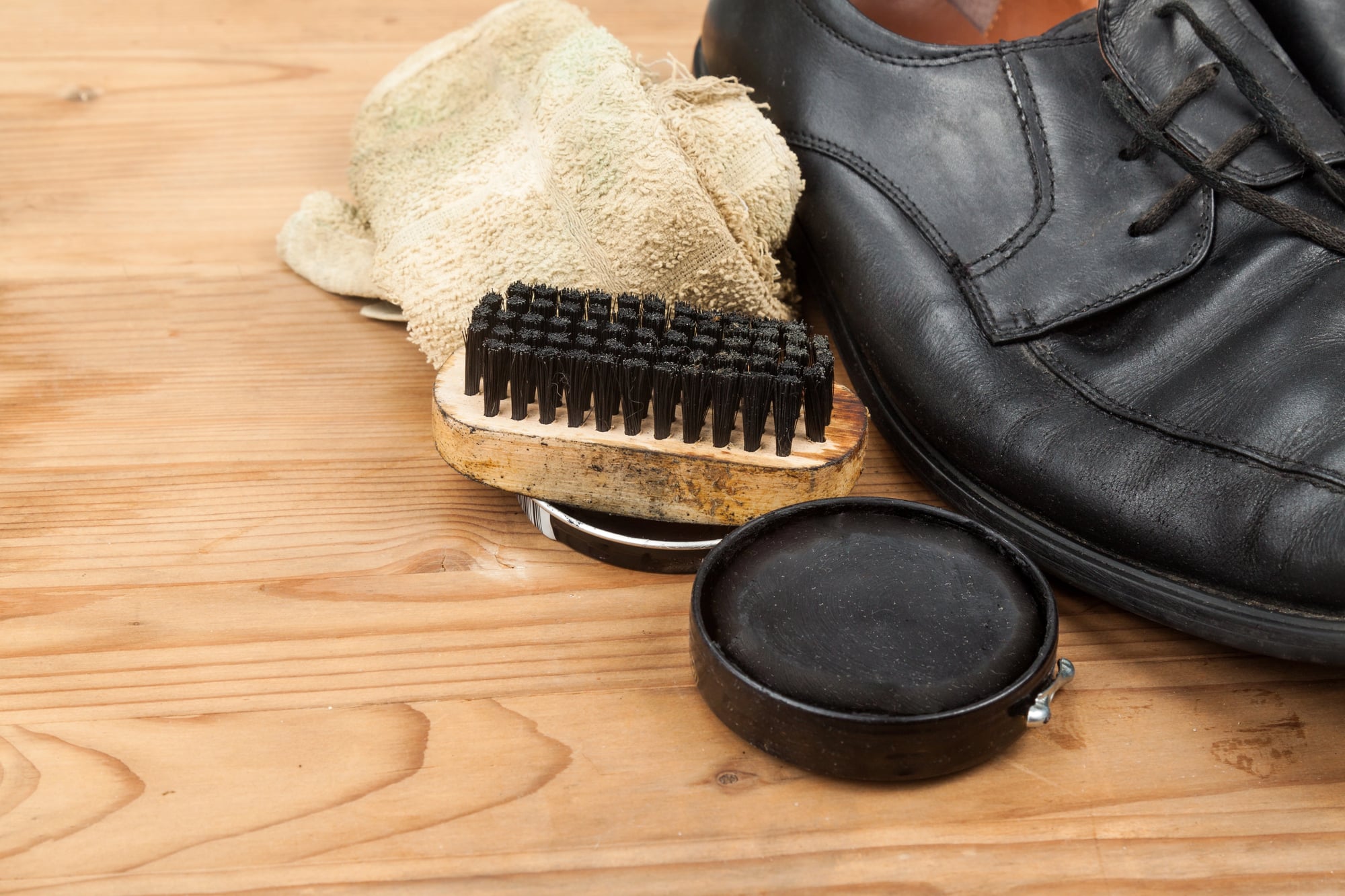
Sunday shoes, school shoes, any leather shoe that had dulled — the tin of polish, the applicator brush, the buffing cloth, the specific smell of shoe polish that thirty years of neurological science later cannot shake from the memory. This chore had a clear output: shoes that shone versus shoes that didn’t.
The standard was obvious. The process was repetitive and required patience. It was perhaps the most meditative chore on this list and the one most likely to produce genuine quiet.
Making Your Bed

Properly. Hospital corners and a flat surface and pillows arranged rather than dumped.
The bed was the first thing made every morning in organized households, and inspections — formal or casual — happened. A bed that wasn’t made represented something in the house that wasn’t right, and a well-made bed was proof of order extending from a specific location outward into the day. Many adults who were required to make their beds as children still make their beds every morning without considering why.
Weeding the Garden
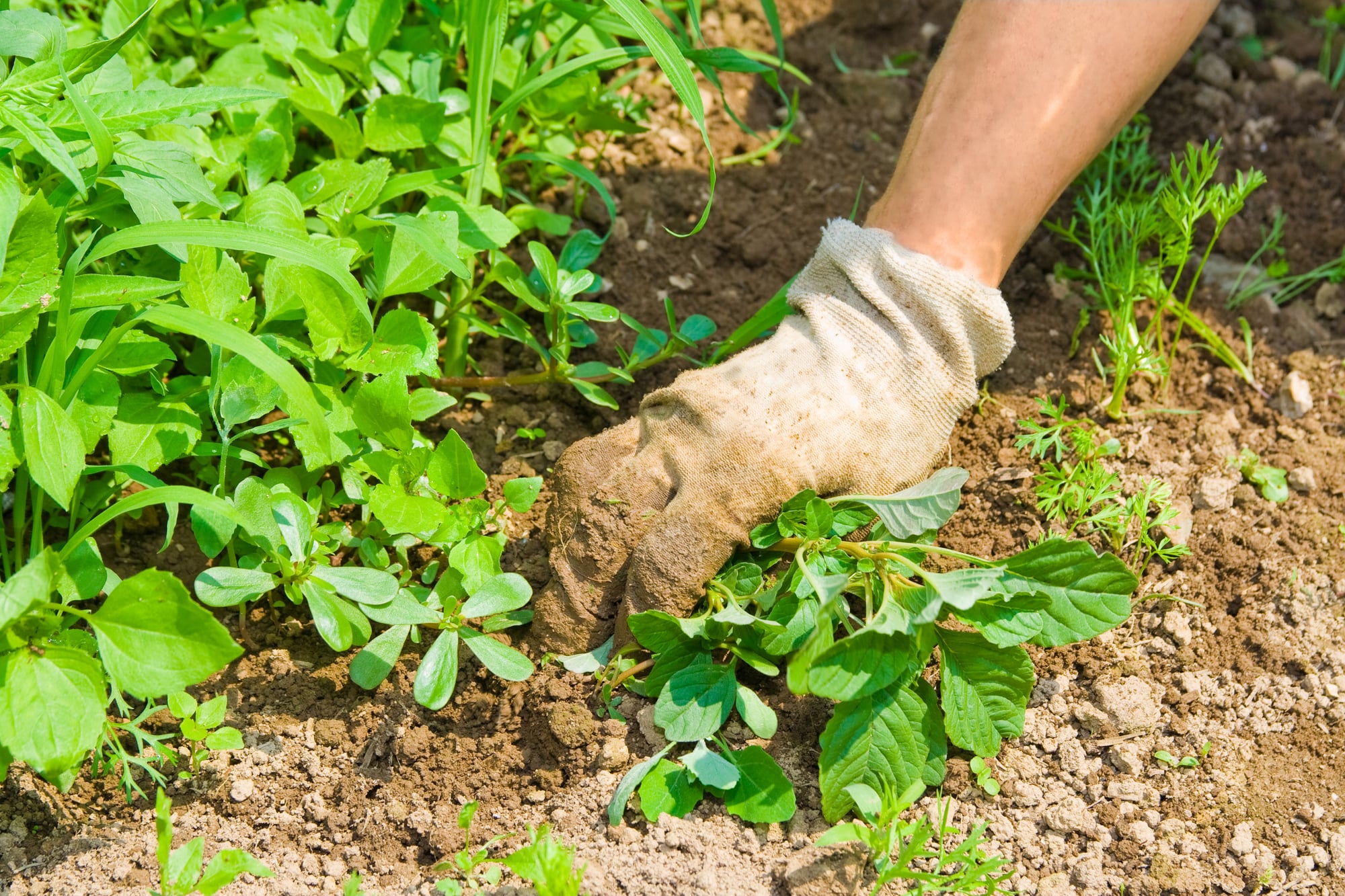
The difference between a weed and a plant was not always obvious to children assigned to this task, which produced occasional tragedies involving valued seedlings and a lot of careful clarification on second assignments. Weeding was physical work that required getting close to the ground, often in heat, and produced a visible difference in the garden’s appearance that wasn’t acknowledged with the enthusiasm the work seemed to merit.
The lesson about repetitive maintenance — that you had to do it again next weekend, and the weekend after — arrived quietly.
Mopping the Floor

After sweeping, which was the prerequisite. The mop bucket needed to be filled to a specific level with hot water and the right amount of cleaner.
The mop needed to be wrung properly or the floor just moved the dirt around. The floor needed to dry before anyone walked on it, which required communicating this fact to everyone in the house and enforcing it, which was its own separate negotiation. Adults who grew up in houses with hard floors know more about mopping than they’ve ever needed to apply professionally.
Washing the Dog

The dog did not enjoy this and made its opinion known in ways that made the task physically challenging from the first moment. Getting the dog into the bath, applying the shampoo before the escape happened, rinsing thoroughly, surviving the shake-dry that immediately followed — all of this in a bathroom that ended up significantly wetter than the dog.
This was the chore that seemed to offer the most narrative interest before it started and the most exhaustion after.
Putting Away Laundry
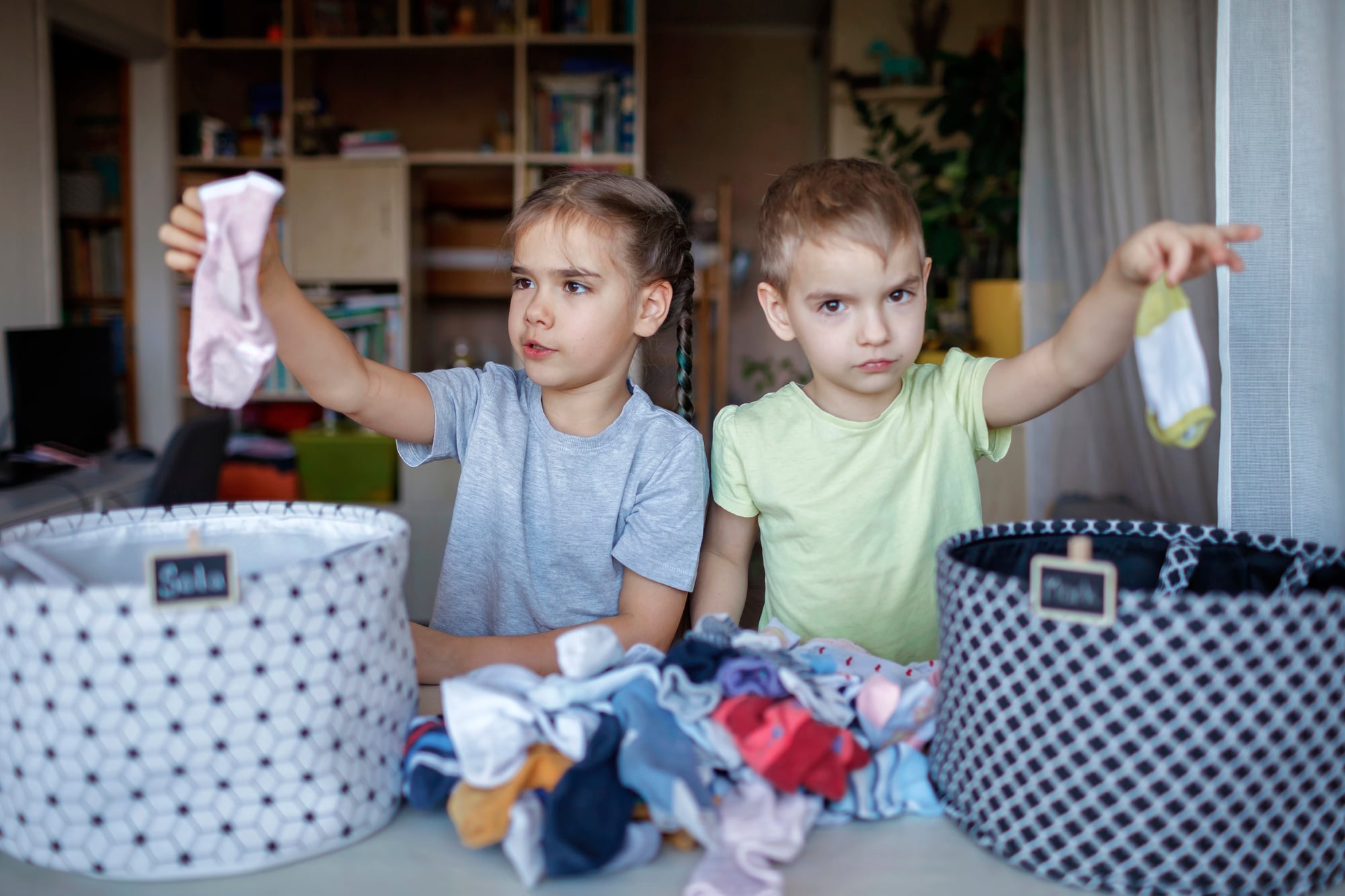
Not folding it — though that too — but specifically taking the folded, clean pile from wherever it had landed and returning each item to its correct drawer, shelf, or hanging position. This chore required knowing where things went, which assumed familiarity with the organizational system that adults found obvious and children found arbitrary.
Everything had a place, and the place mattered, and learning where the place was happened partly through this chore and partly through being told to go look for something.
Wiping Down Kitchen Surfaces

After the cooking was done, before dinner, or after dinner — depending on the household. The counters, the stovetop, the fronts of the appliances.
A damp cloth that needed wringing at appropriate intervals. Spots where food had dried required pressure and patience. Kids assigned to this developed opinions about the layout of the kitchen they’ve never shared with anyone because they were never asked. The stovetop was always the worst part.
Clearing the Table

Not just carrying plates. The full clearing: leftover food to the refrigerator or bin, condiments returned to the correct locations, crumbs addressed, tablecloth shaken or wiped if it was a cloth.
The clearing of a table that seated six people after a Sunday roast was a project. The reward for completing it quickly was occasionally the first pick of dessert, which made it the chore with the most reliable motivation structure.
Tidying Up Common Areas
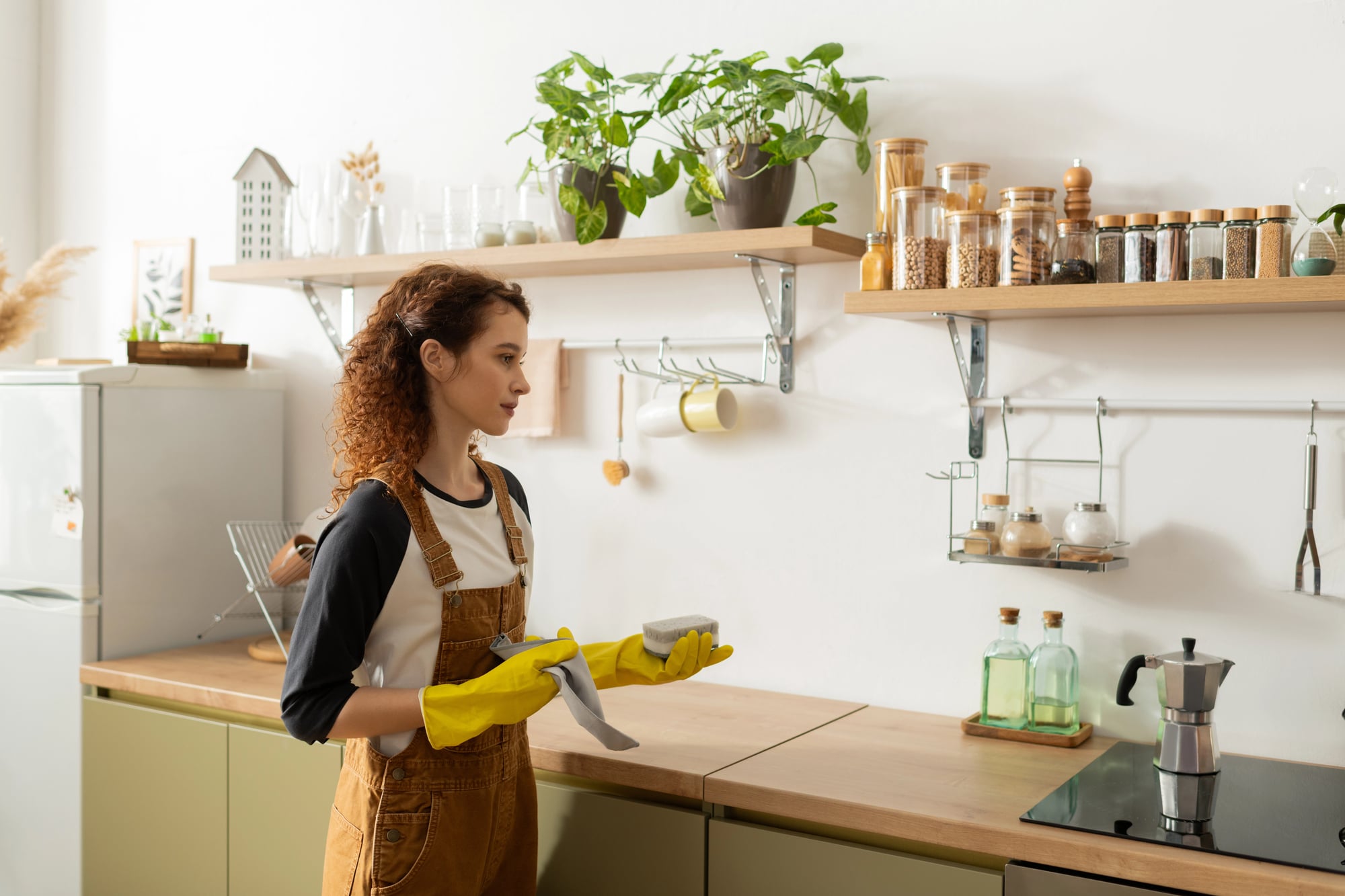
The general mandate to tidy the living room or the hallway or whatever space had accumulated the evidence of the week’s living. This was less focused than other chores because the task boundaries were unclear — tidy until it looks right required judgment about what “right” looked like.
Children who asked for specifications were occasionally given them. More often they were told to use common sense, which was a lesson in reading standards without being told what the standards were.
Helping with Grocery Shopping

Not exciting enough to be a treat, structured enough to be a chore. Pushing the cart, holding the list, finding items in aisles, carrying bags from the car.
Children who regularly helped with grocery shopping knew the layout of the local supermarket better than some of the staff, understood the relationship between what the family ate and what it cost, and developed the specific life skill of navigating a shop without requiring assistance. This was a chore disguised as an errand and a lesson disguised as a chore.
Shoveling Snow

Seasonal and regional, but for families in the relevant climates, shoveling snow was the winter equivalent of mowing the lawn — a physical outdoor chore with clear completion criteria and neighbors who were assessing your results. The driveway and path needed to be clear before anyone could get to work or school.
Speed mattered. Return trips were sometimes required when it kept falling. Kids who shoveled understood something about work that had to be done regardless of conditions, which is a different understanding than the kind you get from work that waits for you.
Dusting

Every surface, in sequence, with a cloth that needed shaking out periodically. The dust didn’t go anywhere permanently — this was understood even at the age of eight — but the surfaces looked different afterward and the air smelled less settled.
The most tedious chore on this list because it left the least visible improvement for the most concentrated effort. Adults who grew up dusting regularly have strong opinions about dust that they’ve kept to themselves for years.
Hanging Out Laundry
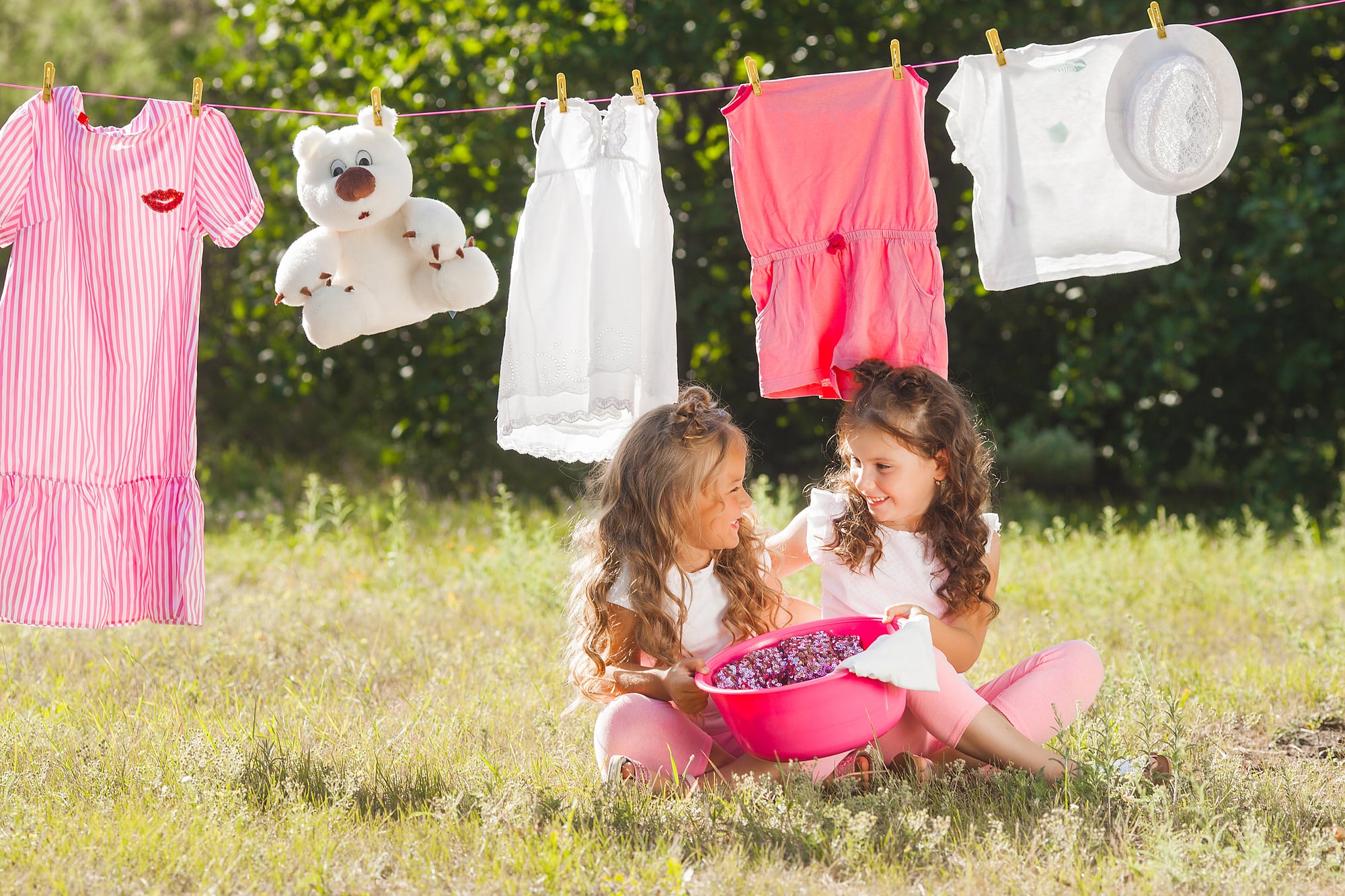
In houses without tumble dryers, or in seasons when the dryer was deemed unnecessary, wet laundry went outside on a line. This required knowing how to read a weather forecast with enough accuracy to commit a load of washing to the outdoors for six hours.
Pegging items correctly — shirts by the shoulders, towels evenly distributed for drying — was a system that children absorbed through observation before application. Bringing it back in dry and taking it in before rain required monitoring the sky the way farmers monitor it, briefly but seriously.
Cleaning Up After Pets
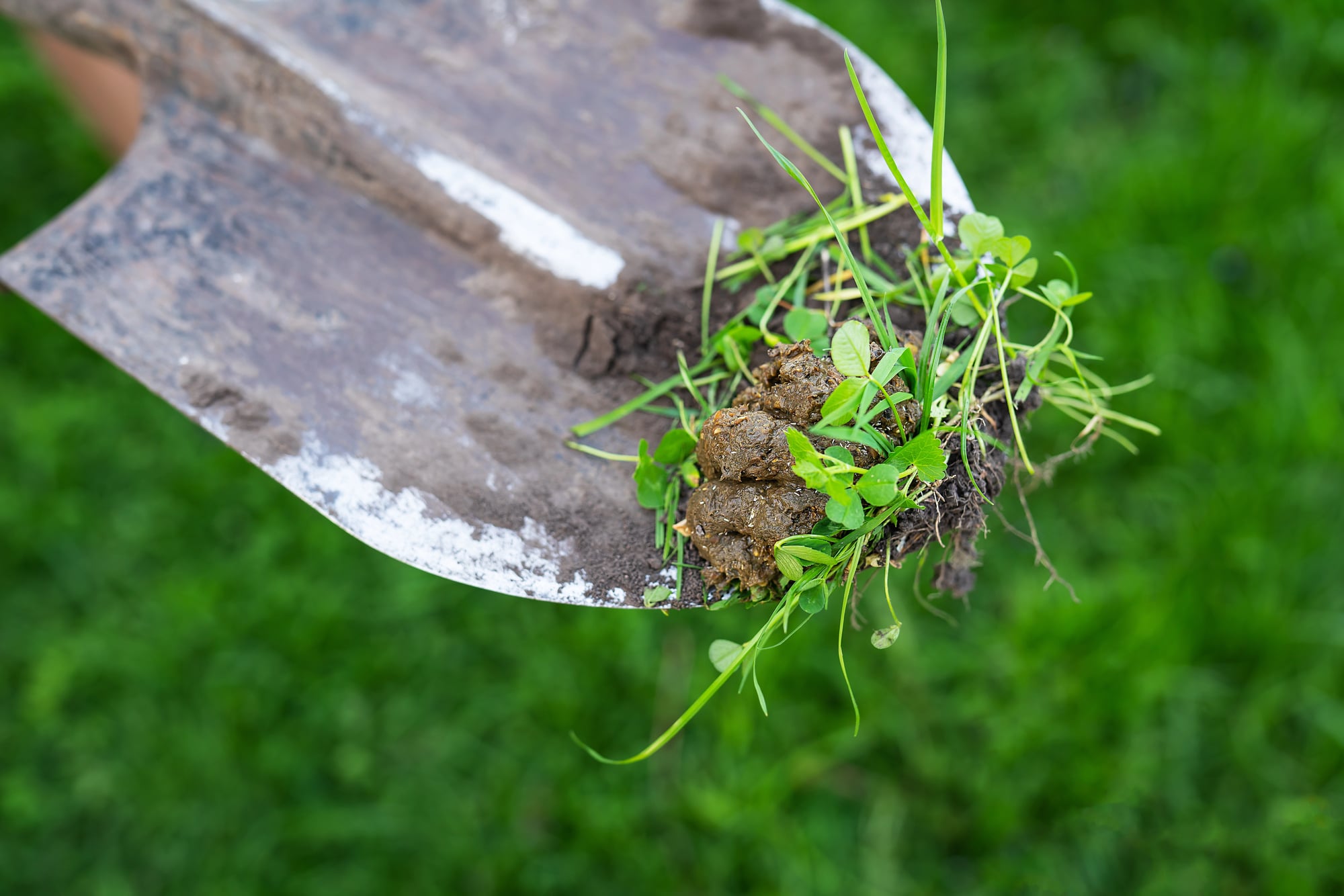
Feeding, watering, and cleaning after the pet the child had campaigned aggressively for was the most direct possible lesson in the gap between wanting something and managing something. The enthusiasm for the pet was genuine and the enthusiasm for the maintenance was not, and both were real.
The pet needed its water changed, its cage or bowl cleaned, its living space maintained whether or not that weekend had other plans. Most children who did this chore became more considerate pet owners as adults.
Washing Pots and Pans
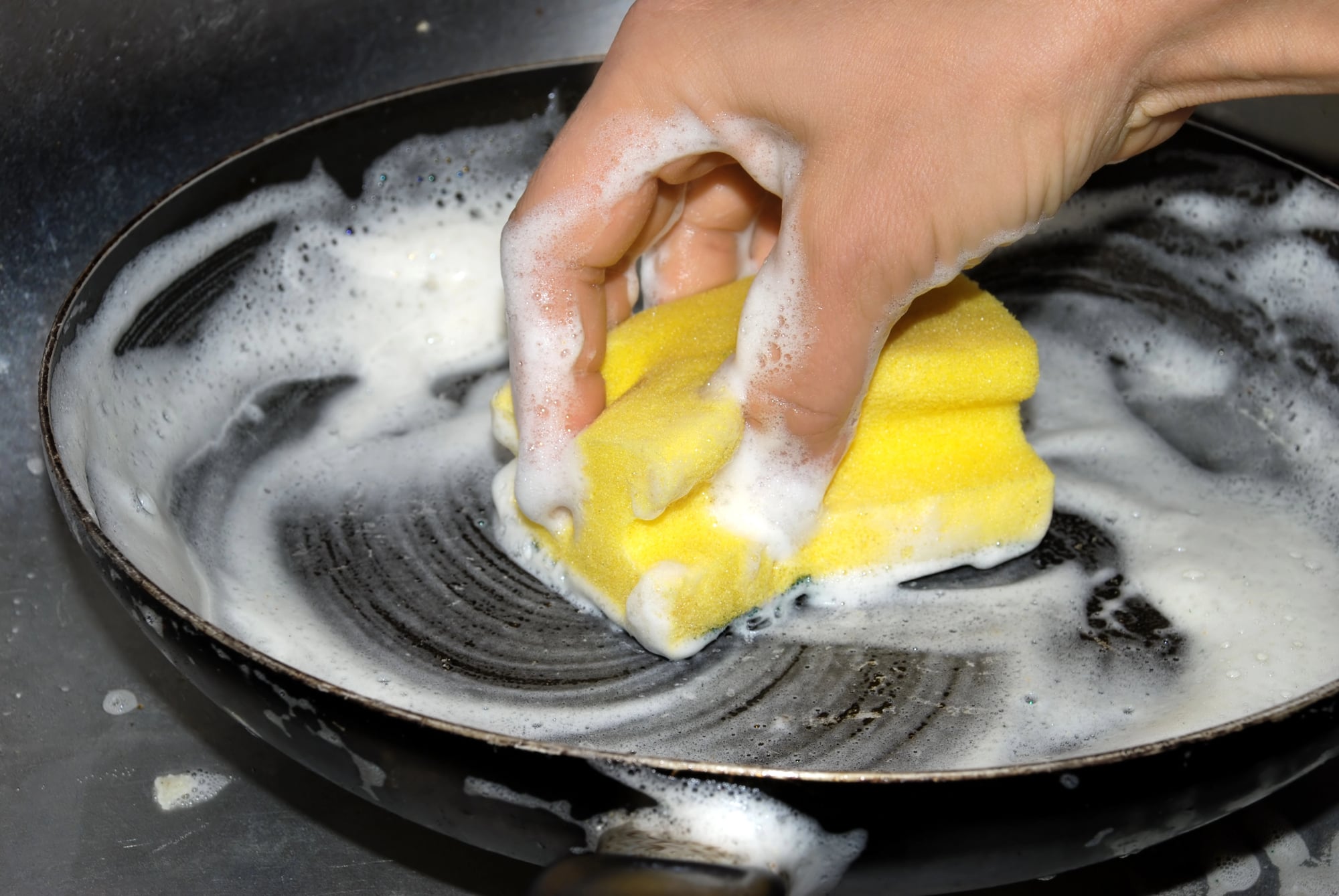
The extension of washing dishes that nobody wanted, because the pots had things stuck to them. The large stockpot from the pasta, the baking tray from the roast, the frying pan with the residue from whatever had been cooked at high heat.
These required soaking, or scrubbing, or both, and resisted the efficient system that made the plates manageable. The pot was always the thing left at the end. The child who did this chore without complaint had either learned something about accepting the worst part first, or had given up caring about the order entirely.
Helping Paint or Touch Up Walls

When walls got painted — a regular event in active households — children old enough to manage a brush were given sections to prime or fill or roll. This was not a chore in the recurring sense but rather the periodic large-project equivalent, which made it feel different even when it was equally unasked-for.
The outcome was visible and lasting and the child’s contribution was traceable in it. Years later, looking at a wall, some adults can still identify their section.
Organising the Pantry or Cupboards

Before online grocery management and inventory apps, the pantry needed a human being to look at it and understand what was in it. Reorganizing the cupboards — pulling everything out, checking dates, grouping categories, putting it all back in a logical order — was a chore assigned to children who needed something to do and parents who needed it done.
The outcome was a pantry that made sense for several weeks before entropy reclaimed it.
Splitting or Stacking Firewood
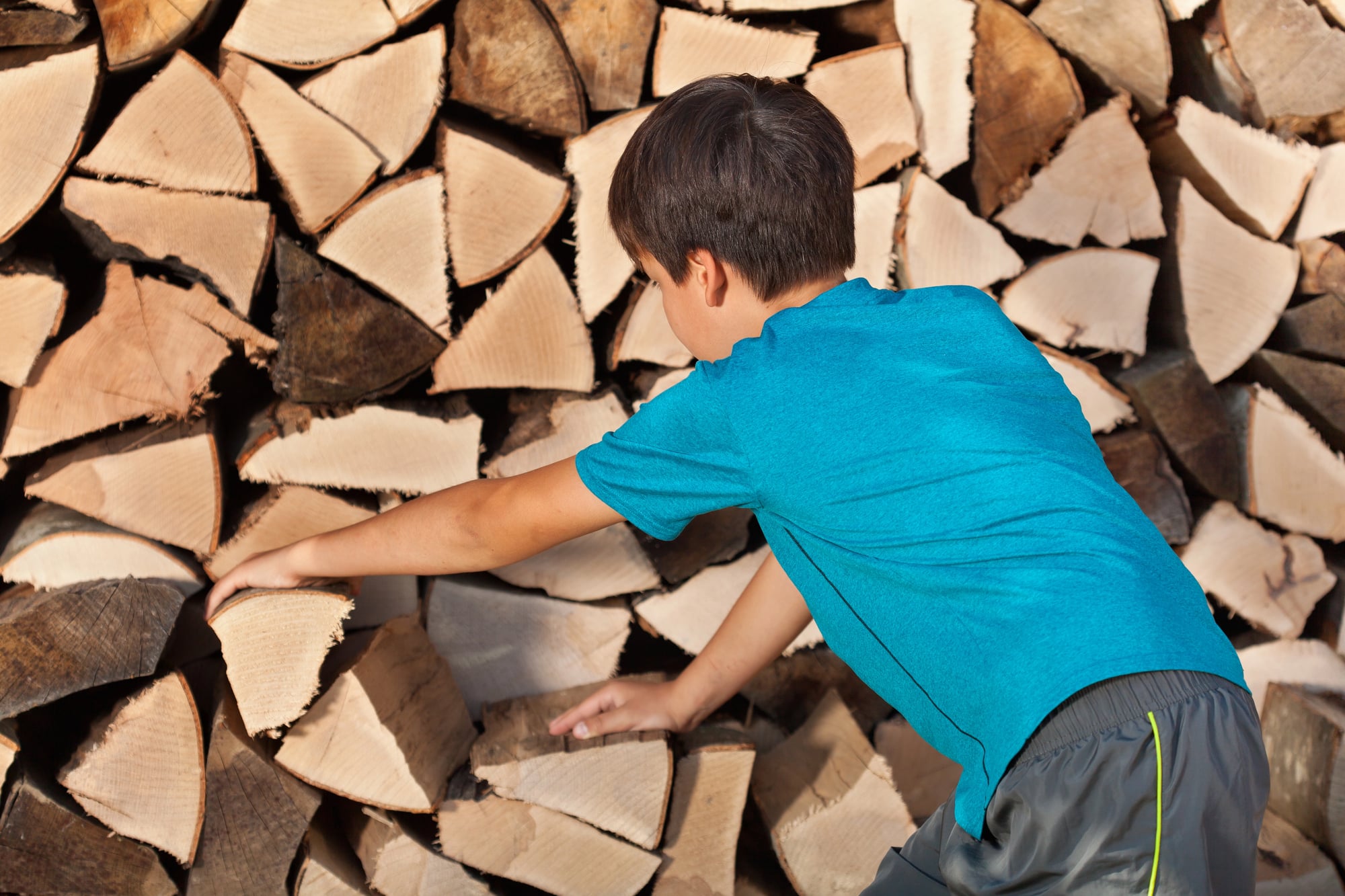
In houses that used fireplaces for heating, this was a cold-season chore with genuine urgency behind it. The wood needed to be stacked in a way that allowed drying and airflow and kept it covered from rain.
In older households, axe-splitting was part of this; in others, the delivery was pre-split and the job was just stacking. Either version was physical outdoor work in October that produced an immediate, tangible, warmer result.
Helping with Minor Home Repairs

Holding the torch while the parent fixed the plumbing under the sink, handing tools on request, steadying a ladder, painting a fence section, applying spackle to a small wall patch. These weren’t solo assignments but participation in the maintenance systems that kept a house functional.
Children who regularly assisted with this kind of work grew up understanding that houses required ongoing effort and that the effort could be learned. They also grew up knowing which end of a screwdriver did the work.
What the Chore List Actually Produced
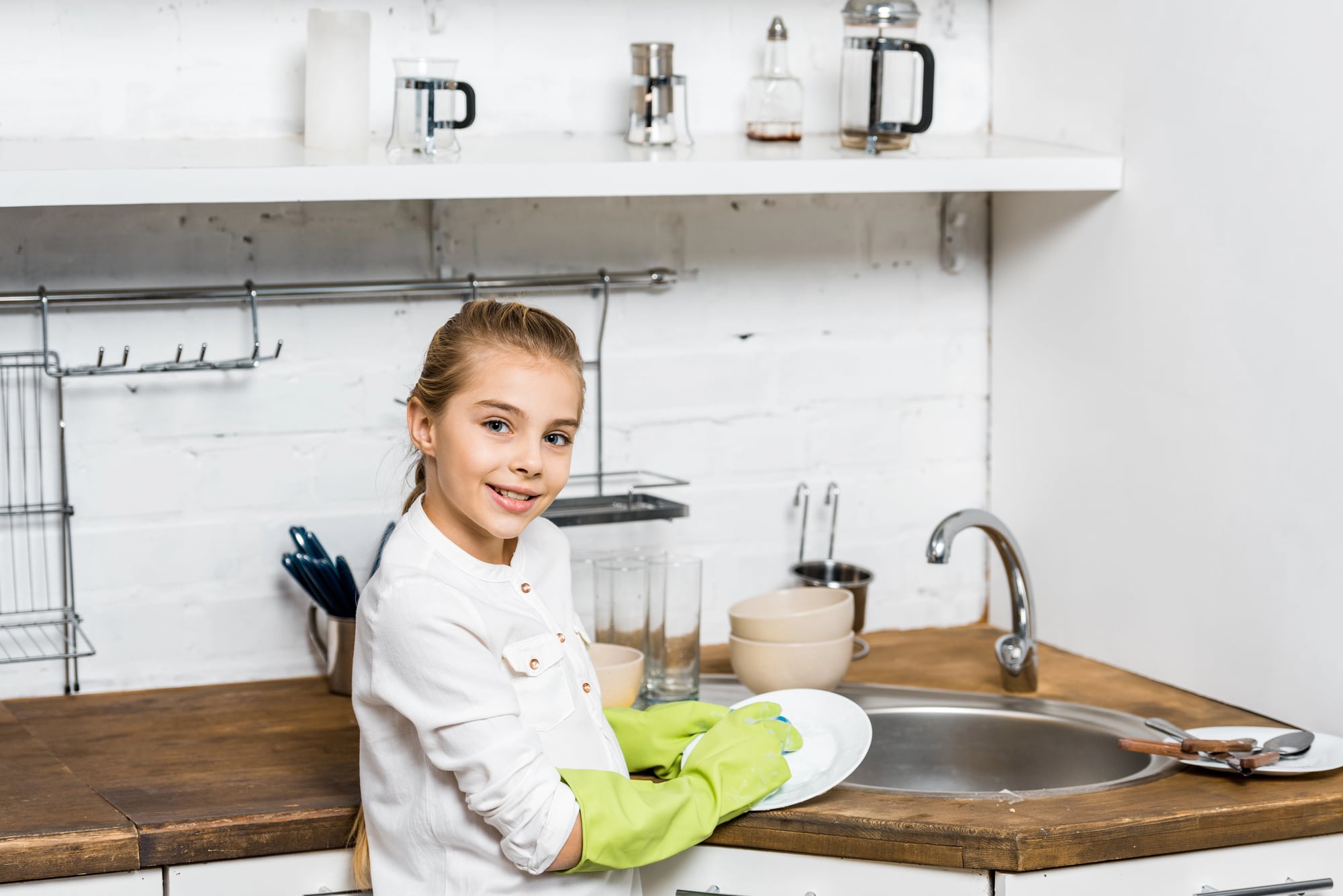
Nobody enjoyed Saturday chores at the time. That’s the point — or part of it. The chores weren’t designed to be enjoyed.
They were designed to get things done and, in doing so, to demonstrate something about the relationship between effort and outcome that couldn’t be explained from across a room. The lawn looked better because someone mowed it. The dishes were clean because someone washed them. The house ran because people inside it maintained it, and the children were part of the people. That’s a lesson with a very long shelf life, and it arrived in a bucket with a mop and a minimum number of explanations.
More from Go2Tutors!

- The Romanov Crown Jewels and Their Tragic Fate
- 13 Historical Mysteries That Science Still Can’t Solve
- Famous Hoaxes That Fooled the World for Years
- 15 Child Stars with Tragic Adult Lives
- 16 Famous Jewelry Pieces in History
Like Go2Tutors’s content? Follow us on MSN.



