Interesting Facts About Sushi and Its History
Sushi is everywhere now. You’ll find it in airports, grocery stores, strip malls, and five-star restaurants.
But the version most people know today—the neat little rice-and-fish packages served with soy sauce and wasabi—is actually a pretty recent invention. The real story of sushi goes back well over a thousand years, and it’s a lot stranger and more interesting than most people expect.
It Didn’t Start as a Way to Eat Fish
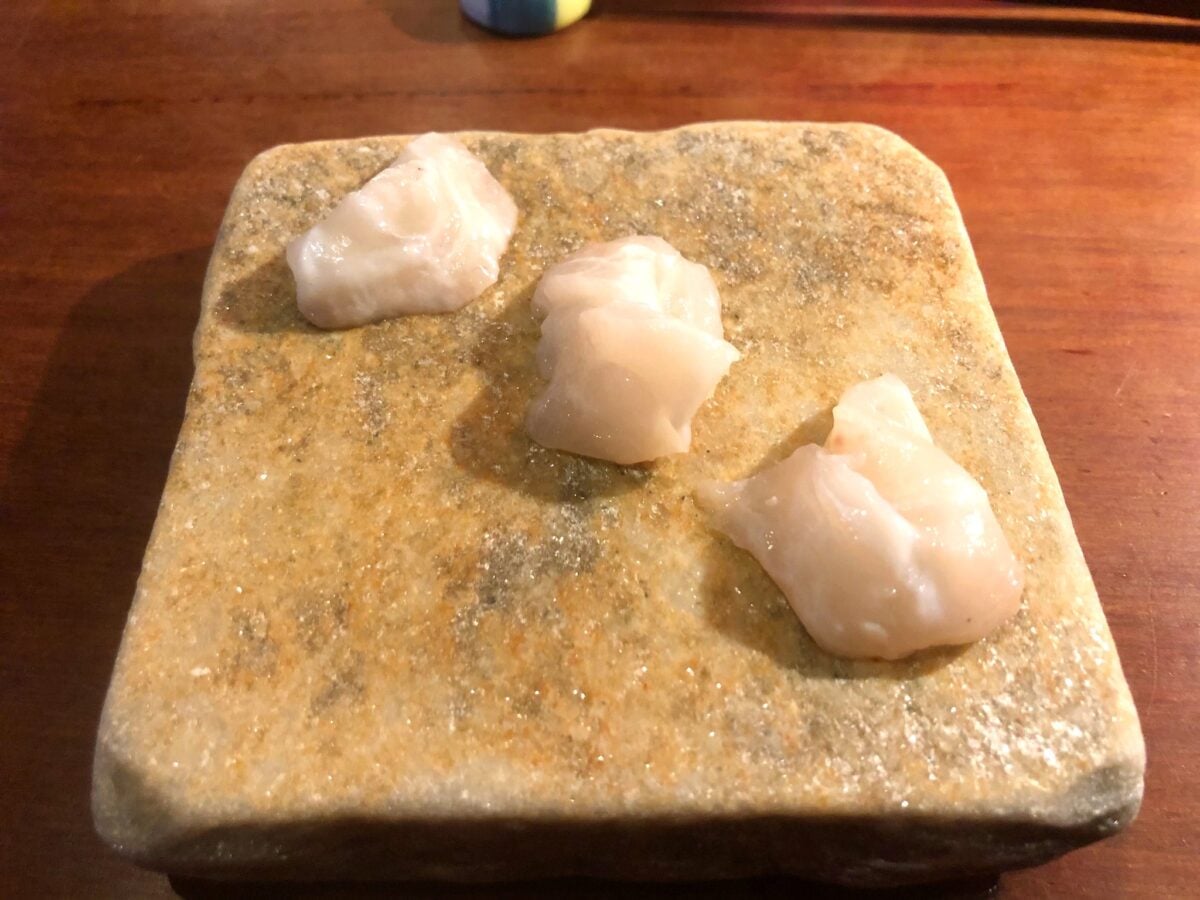
The original purpose of sushi had nothing to do with eating fish raw or even enjoying a meal. It was a preservation method.
People in Southeast Asia and later Japan would pack fish in fermented rice to keep it from spoiling. The rice wasn’t eaten—it was just a tool.
After months of fermentation, the fish was edible. The rice got thrown out.
This ancient form is called narezushi, and it’s still made in certain parts of Japan today. The taste is aggressively sour and pungent—nothing like what you’d get at a modern sushi bar.
The Rice Actually Came First
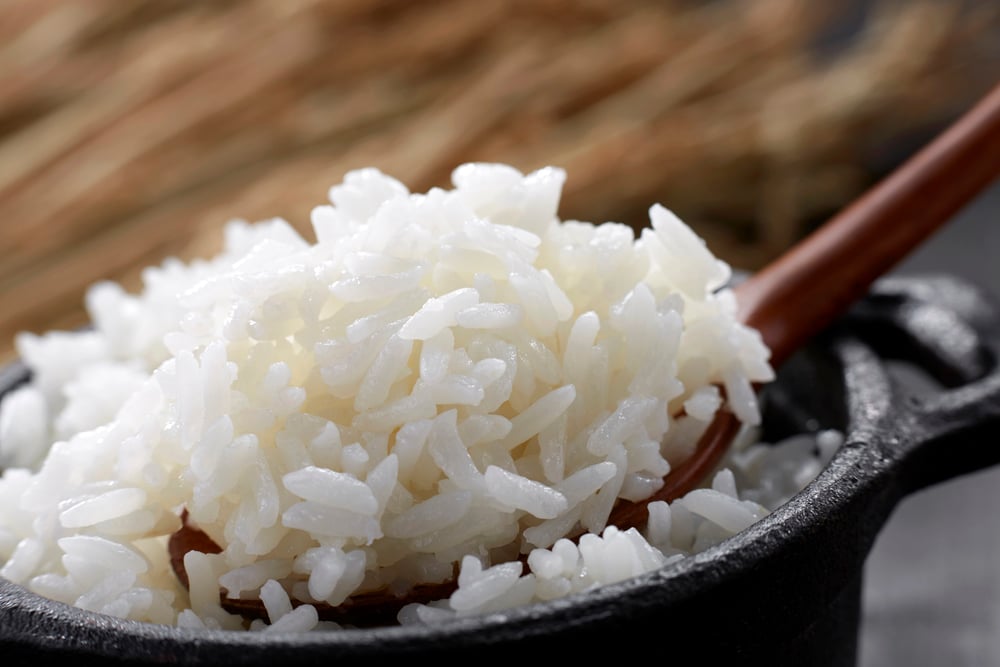
For most of sushi’s early history, rice was just packaging. It took several centuries before someone thought to eat the rice alongside the fish.
When that shift happened, around the Muromachi period (roughly the 14th to 16th centuries), fermentation times started getting shorter. The rice still had a sour flavor, but people were starting to actually eat it.
This middle version—where the fish was fermented but the rice was kept—is called namanare. It was the bridge between ancient preservation food and something you might actually want to order at a restaurant.
Vinegar Changed Everything
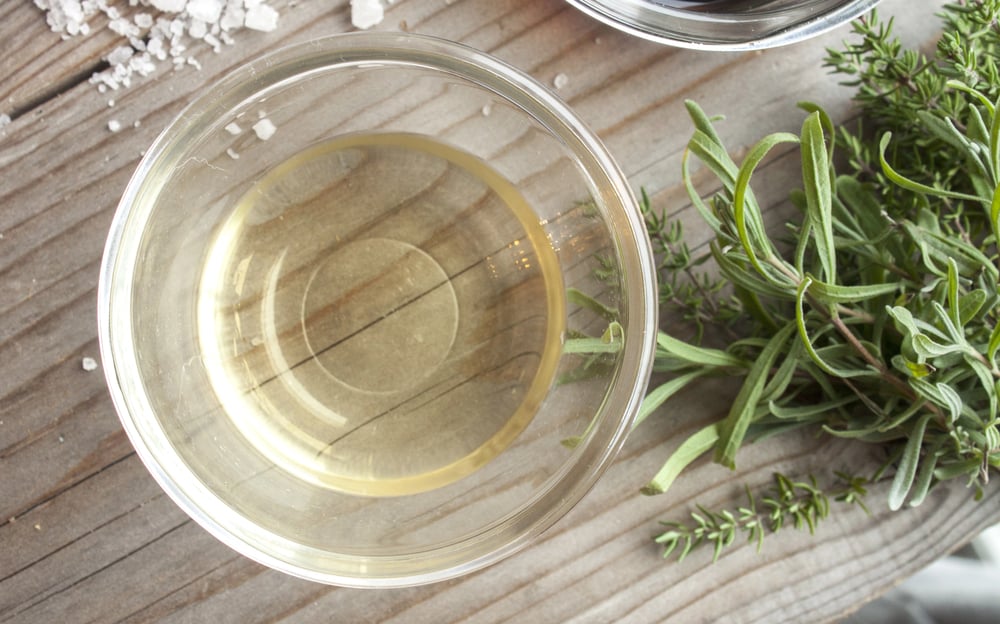
A sudden shift took place once chefs left out fermentation and poured rice vinegar straight into the grains. That sharp taste everyone knows came through – no long wait needed.
What used to take weeks now unfolded within hours, turning an aged method into quick craft. Faster to prepare, hayazushi caught on across Japan when Edo ruled the era.
It shaped what most now see as classic sushi.
Tokyo Claims More Sushi Roots Than Kyoto

Out on Japan’s food map, Kyoto holds many old kitchen customs close. Yet the hand-pressed sushi we know now?
That story begins in Edo – today’s Tokyo – before the name ever changes. Big crowds filled its docks back then, ships unloading daily.
Fish pulled straight from the bay flooded markets, easy to find, light on cost. Folks along the waterfront began serving warm rice with fresh catch laid on top.
Quick meals meant eating while propped near a counter. Nothing fancy – no sticks, no rituals.
They named it Edomae sushi: “before Edo,” which grew into what now sits on your plate. That bite? It came from there.
Raw Fish Wasn’t Always Common
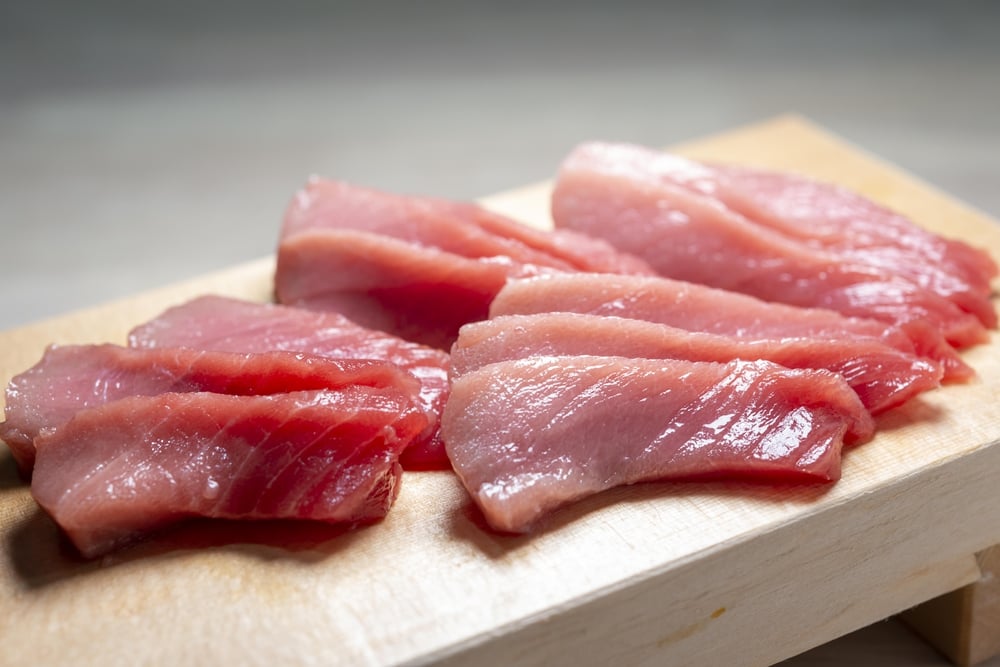
Sushi began long before anyone thought about serving fish uncooked. Fermented seafood was once tucked into early forms.
Over time, people turned to pieces soaked in brine or left to rest in marinades. Sometimes heat played a role too.
Only when cold storage arrived did biting into untouched, fresh-cut slices become common.
Fish like tuna sit at the top of today’s sushi menus, though back in Edo times they’d have been tossed aside.
Spoilage scared people off – too much oil meant a short shelf life. Cold storage shifted tastes without asking.
Suddenly, what once went ignored became the catch everyone wanted.
The Wasabi You Eat Might Not Be Real
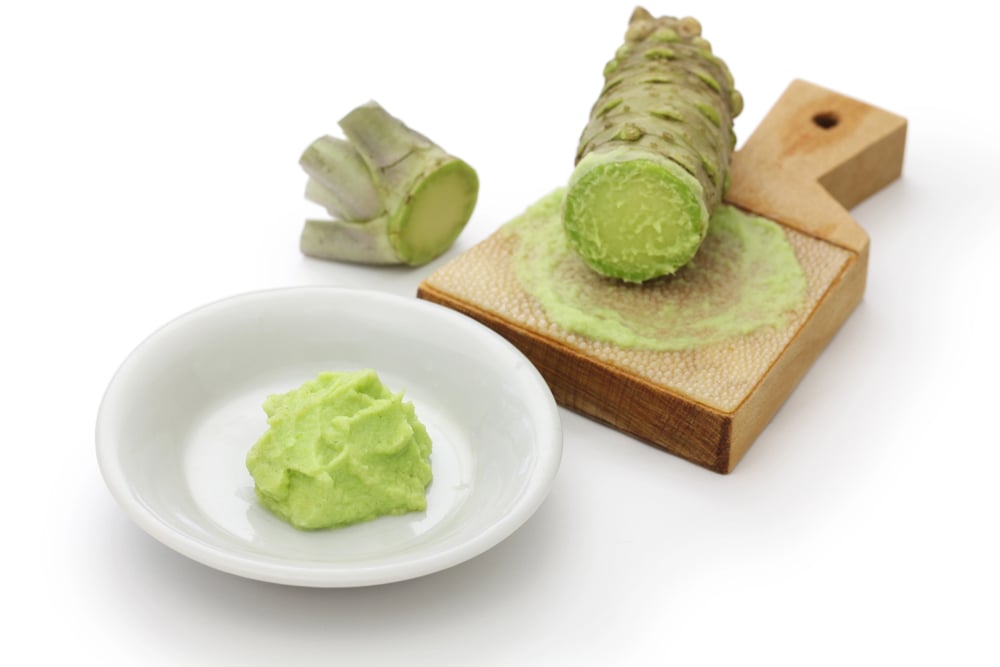
Far from common belief, true wasabi comes from a plant called Wasabia japonica – one tough specimen to raise. Cold, crystal-clear flowing water? Absolutely necessary.
On top of that, shade, steady temperatures, and patient care shape its growth. So delicate are these needs that few farmers attempt it.
Price climbs fast when supply runs thin. Grated roots lose punch within minutes, vanishing into mildness.
Freshness slips away like mist at sunrise. Out there beyond Japan – often within it too – the stuff spooned on sushi isn’t real.
Horseradish forms its base, mixed with mustard, tinted green by dye. Similar kick? Sure.
Yet the taste strays far from authentic. True wasabi brings gentler fire, layered and brief, vanishing fast instead of clinging.
Sushi Chefs Spend Years Mastering Rice
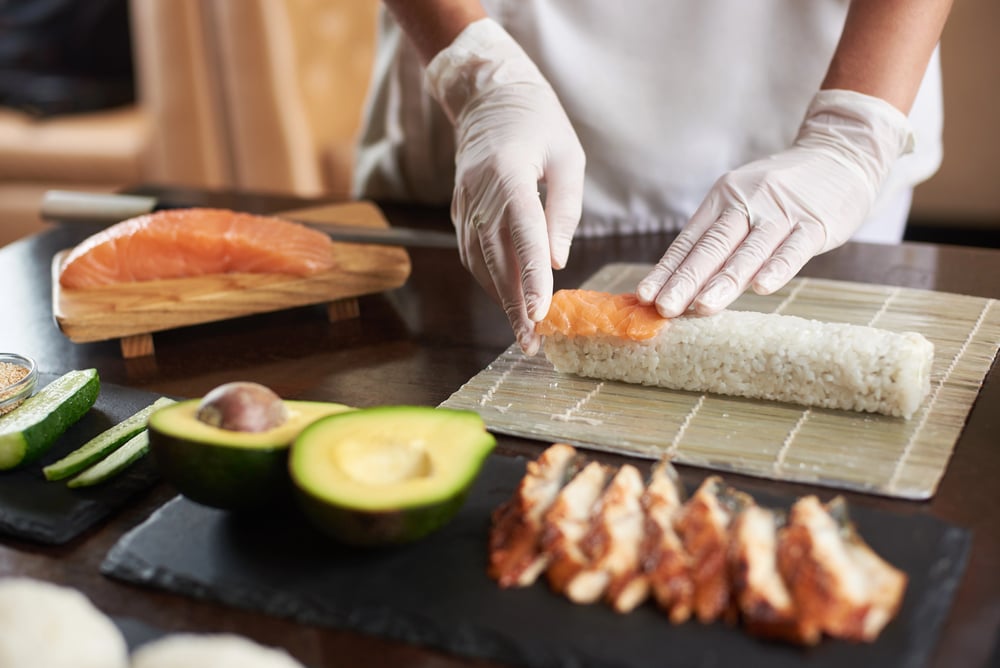
While most people watch the fish, it is actually rice that demands endless hours from sushi masters learning their craft. Right warmth, correct mix of vinegar, proper feel – these details make up a skill treated like high art.
In old-style Tokyo sushi spots, trainees might boil grains day after day for over twenty-four months without ever handling seafood. Fresh off the serving tray, the rice should feel close to skin warmth; any warmer or cooler shifts how it tastes and feels.
Watching each batch closely, an experienced hand keeps track during every part of the meal.
California Rolls Were Created to Get Around an Ingredient Problem
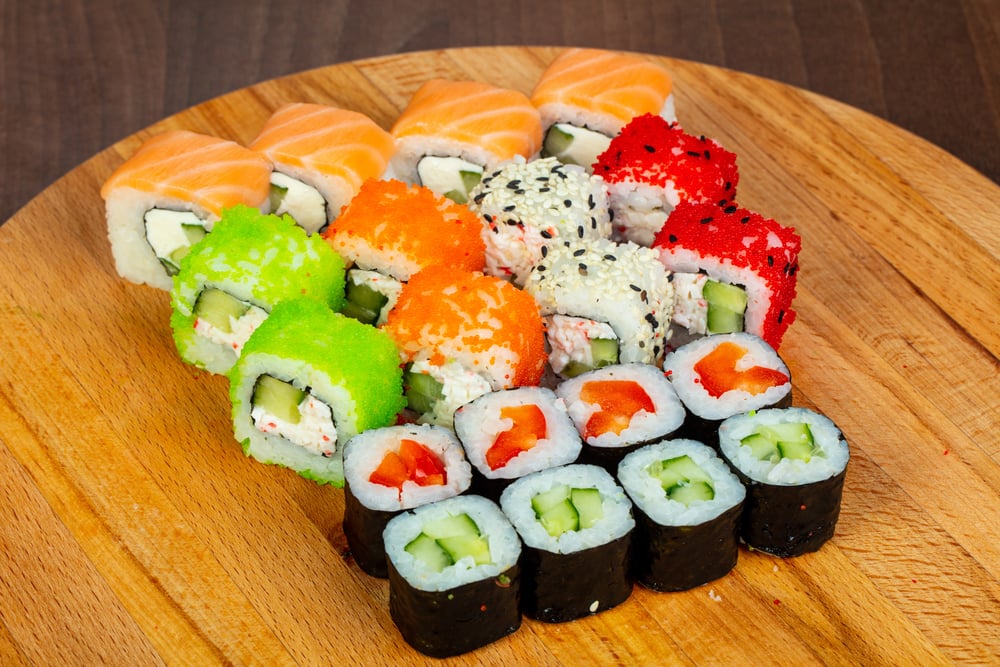
When Japanese chefs started working in Los Angeles in the 1960s and 70s, they ran into a problem: American customers weren’t interested in eating raw fish. At the same time, the Japanese sea urchin that traditionally topped certain rolls wasn’t available in California.
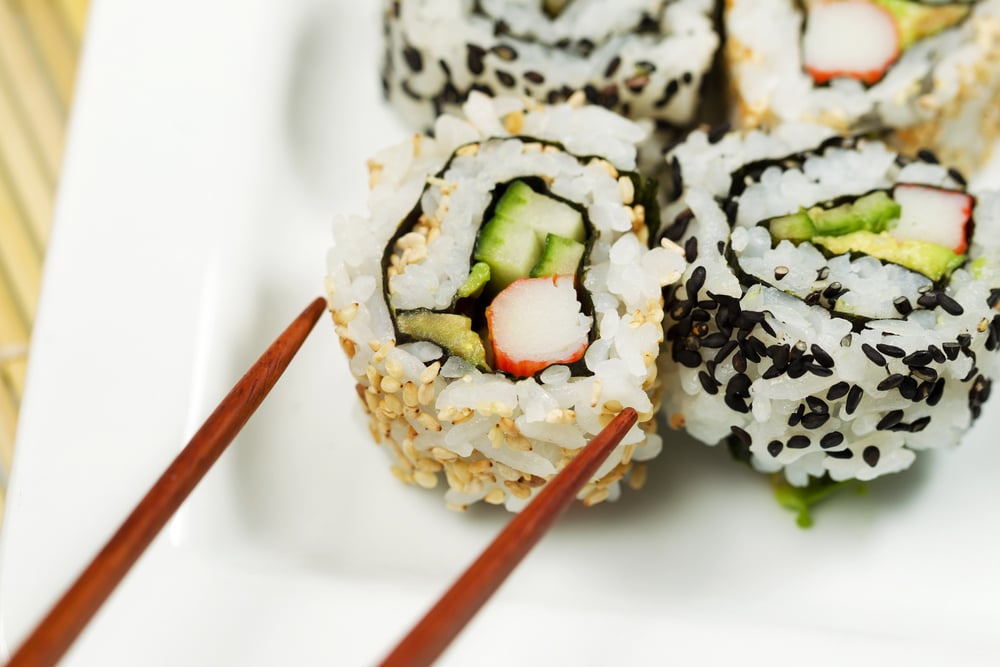
The solution was the California roll—crab (or imitation crab), avocado, and cucumber, often made inside-out so the rice faced outward. It was designed specifically for Western palates and ended up being the sushi that introduced millions of people to the format for the first time.
It’s one of the most consequential culinary inventions of the 20th century, even if it doesn’t look impressive on a menu.
Sushi Traveled to America Through an Unlikely Path
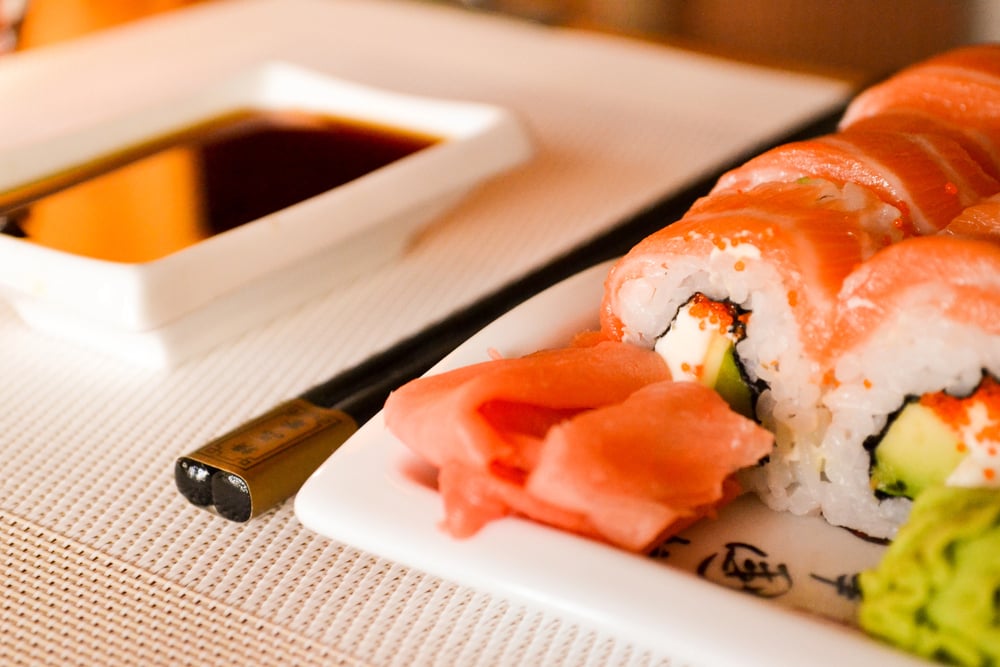
The first sushi restaurant in the United States opened in Little Tokyo in Los Angeles in 1966. For years, sushi stayed within Japanese-American communities and wasn’t widely known to mainstream American diners.
The shift started happening in the 1980s as Japanese business culture became more visible in the U.S. and executives started taking clients to sushi restaurants. From there, it spread through major coastal cities before eventually becoming the mainstream staple it is today.
There Are Rules About Soy Sauce That Most People Ignore
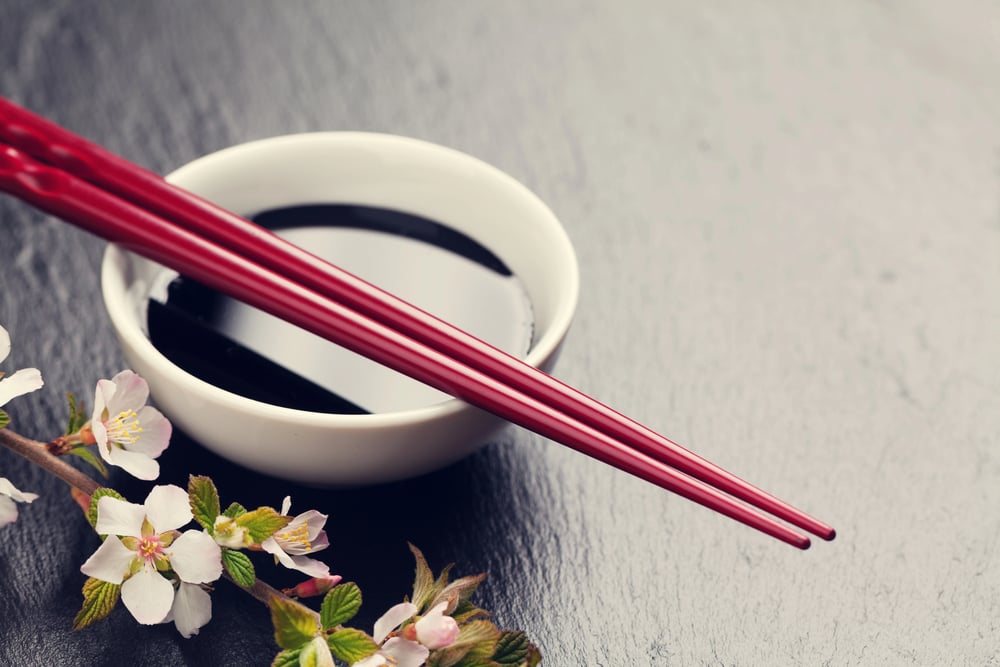
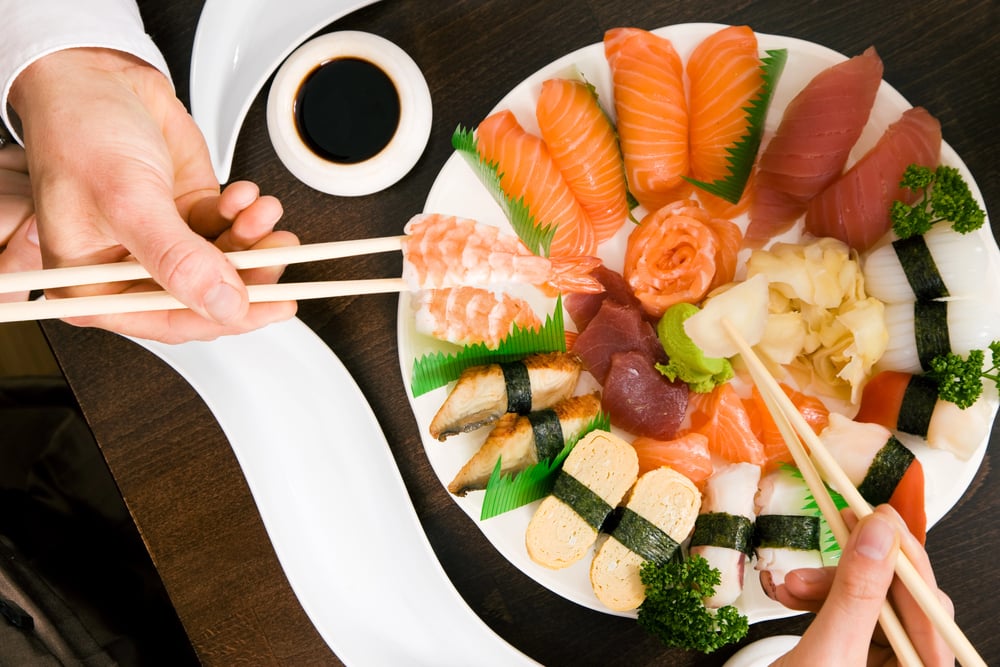
At a traditional sushi bar, dipping rice-side-down into soy sauce is considered the correct approach. The rice absorbs too much liquid otherwise and falls apart, and it throws off the flavor balance the chef worked to create.
Some nigiri pieces are meant to be eaten without any additional soy sauce at all—the chef has already seasoned them. Most people in Western countries do the opposite without realizing it, soaking the rice in a pool of soy sauce.
Neither the fish nor the rice ends up tasting the way it was intended.
Conveyor Belt Sushi Was Invented Because of a Beer Factory
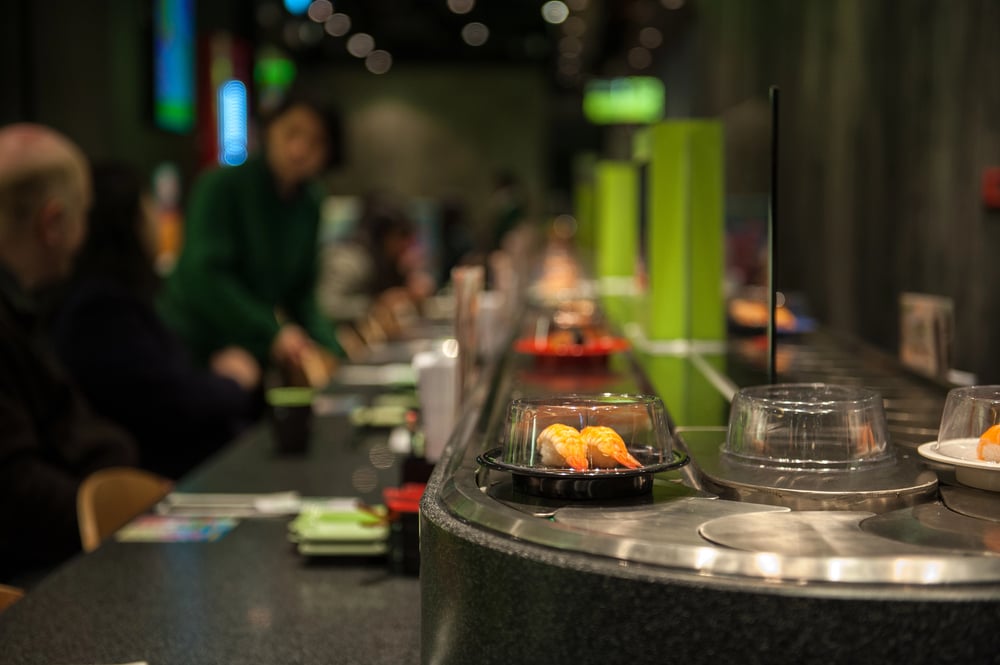
Yoshiaki Shiraishi opened the first kaiten-zushi (conveyor belt sushi) restaurant in Osaka in 1958. He got the idea from watching beer bottles move along a conveyor belt during a factory tour.
The system let him serve more customers with fewer staff, and prices stayed low because chefs didn’t have to stop and interact with each table. Conveyor belt sushi is now a massive industry in Japan, with some chains operating hundreds of locations and using sophisticated technology to track which plates have been on the belt too long and need to be removed.
The Most Expensive Sushi in the World Costs What a Car Costs
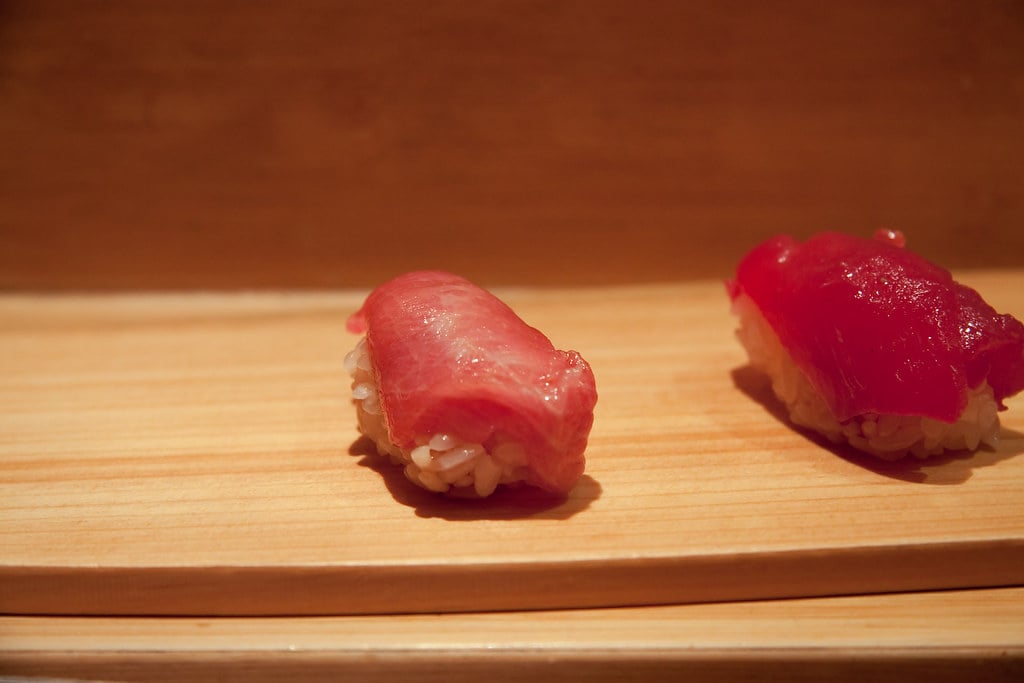
Fancy sushi spots sometimes charge a small fortune just for one meal, when chefs pick every bite themselves. Years stretch out ahead before your name reaches the top at Tokyo’s tightest reservations.
One reason prices rise? The ingredients matter a lot. Think bluefin tuna – especially otoro, that rich slice from the belly.
That part fetches wild amounts at Toyosu Market in Tokyo. Early each year, auction bids there grab news attention.
Back in one winter, just one fish went for more than three million bucks.
Sushi Comes With Ginger Etiquette
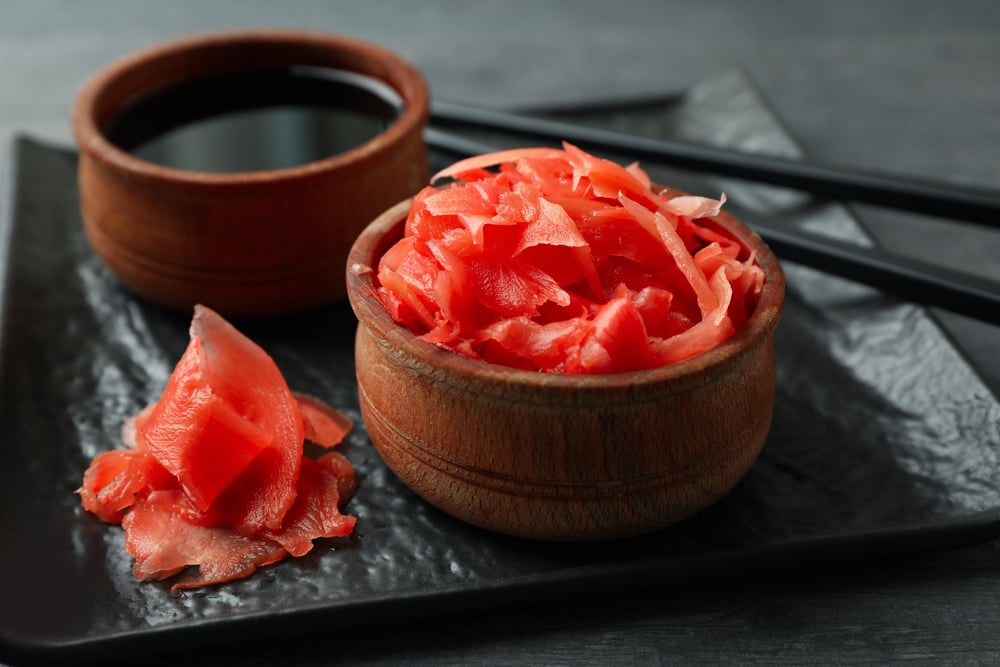
Sitting next to your sushi, that pinkish slice of pickled ginger? Not there to stack like a sandwich. Between bites of tuna and salmon it resets your mouth, keeps tastes from mixing up.
Slapping it right onto the roll – like cheese on toast – isn’t how they do things where sushi rules matter. Tradition treats it as a breather, not an ingredient.
Funny how rules shift depending on where you sit. A strict Tokyo master may frown at what a local joint welcomes without thought.
Tradition bends when location changes. One person’s must-do is another’s doesn’t matter.
Sushi Maintains Its Identity Across Borders
Dishes often twist into something wild once they cross borders. Local tastes nudge them, new groceries reshape them, routines adjust them – soon enough, little remains of what started it all.
Take sushi. Sure, it shifted; the California roll proves that much. Yet somehow, its skeleton held firm everywhere it landed.
Think rice. Fish. Seaweed. Careful hands.
That base didn’t waver, no matter how far it wandered.
Something Once Left Over
A quiet truth hides in how sushi began. Not meant for fame, it answered hunger first – fish spoils fast, so people found a way to slow decay.
Fermenting rice did the job. Nobody dreamed of delicate rolls on bamboo mats.
No visions of chefs trained for decades. The future wasn’t planned at all.
Out here now sits a complex tradition, full of precise rules, special words, routines, even tuna sold for fortunes – yet it began in something plain. Salted fish tucked into leftover rice by farmers, by fishermen, simply trying to save what would spoil.
That gap – from muddy fields and wooden boats to a seat at an elite Tokyo restaurant holding three Michelin stars – feels vast. Still somehow narrow.
More from Go2Tutors!

- The Romanov Crown Jewels and Their Tragic Fate
- 13 Historical Mysteries That Science Still Can’t Solve
- Famous Hoaxes That Fooled the World for Years
- 15 Child Stars with Tragic Adult Lives
- 16 Famous Jewelry Pieces in History
Like Go2Tutors’s content? Follow us on MSN.



