Why the First Day of School Outfit Used to Be a Family-Wide Event
There was a time when the first day of school meant more than just a new backpack and a slightly nervous stomach. The outfit was a production — a real one, with opinions from grandmothers, receipts from department stores, and arguments about whether the shoes were practical enough or just too stiff to survive a full day.
It wasn’t shopping. It was an event. And somewhere between fast fashion and one-click ordering, that whole ritual quietly disappeared, which is worth pausing on, because what got lost wasn’t just a shopping trip.
The Department Store as a Destination
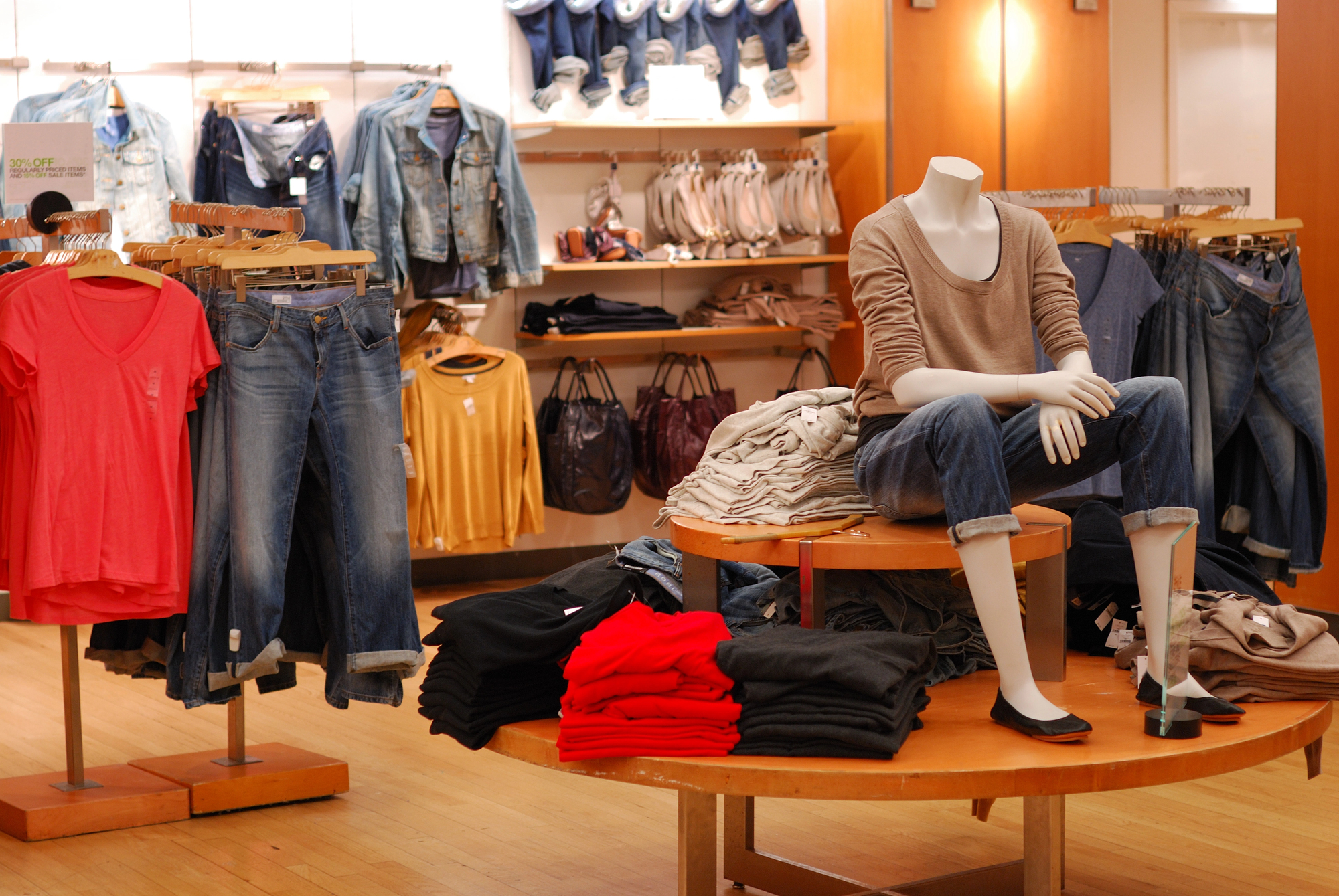
Going to the department store for back-to-school clothes wasn’t a chore — it was a field trip with a purpose. Families dressed for it, sometimes, arriving at places like Sears or JCPenney the way you’d arrive somewhere that mattered.
The experience itself carried a kind of gravity that a browser tab simply cannot replicate.
When Clothes Were Actually an Investment

Children’s clothing used to cost real money relative to family income, which meant every purchase was considered carefully, turned over in the hands, checked at the seams. A pair of school trousers wasn’t grabbed off a rack in thirty seconds — it was evaluated.
So the first-day outfit carried weight because it had literally cost something to acquire.
The Grandmother Factor

No one had stronger opinions about a child’s school clothes than a grandmother, and that’s not a generalization — that’s a documented family experience shared across generations. She knew which fabrics held up, which colors photographed well on the front porch, and which shoes would destroy a child’s feet before lunch.
Her presence at the shopping trip was less optional than it appeared.
September as a Cultural Reset

The first day of school used to function as a kind of personal new year — a clean break from summer, a chance to appear as a slightly improved or at least newly outfitted version of yourself. That idea (which sounds small but wasn’t, not really, not to a nine-year-old who’d spent all summer being ignored by a particular classmate) gave the outfit a significance that stretched well beyond the clothes themselves.
What you wore was a statement about who you intended to be this year. And everyone in the family understood the assignment.
The Front Porch Photo Ritual

The photograph on the front porch before the bus arrived wasn’t just documentation — it was the closing ceremony of the whole preparation. You stood there in the new clothes, holding the new bag, squinting into the morning light, and the photo confirmed that the effort had been real.
It got mailed to relatives. Sometimes it ended up in a frame.
When Fabric Quality Meant Something to Parents
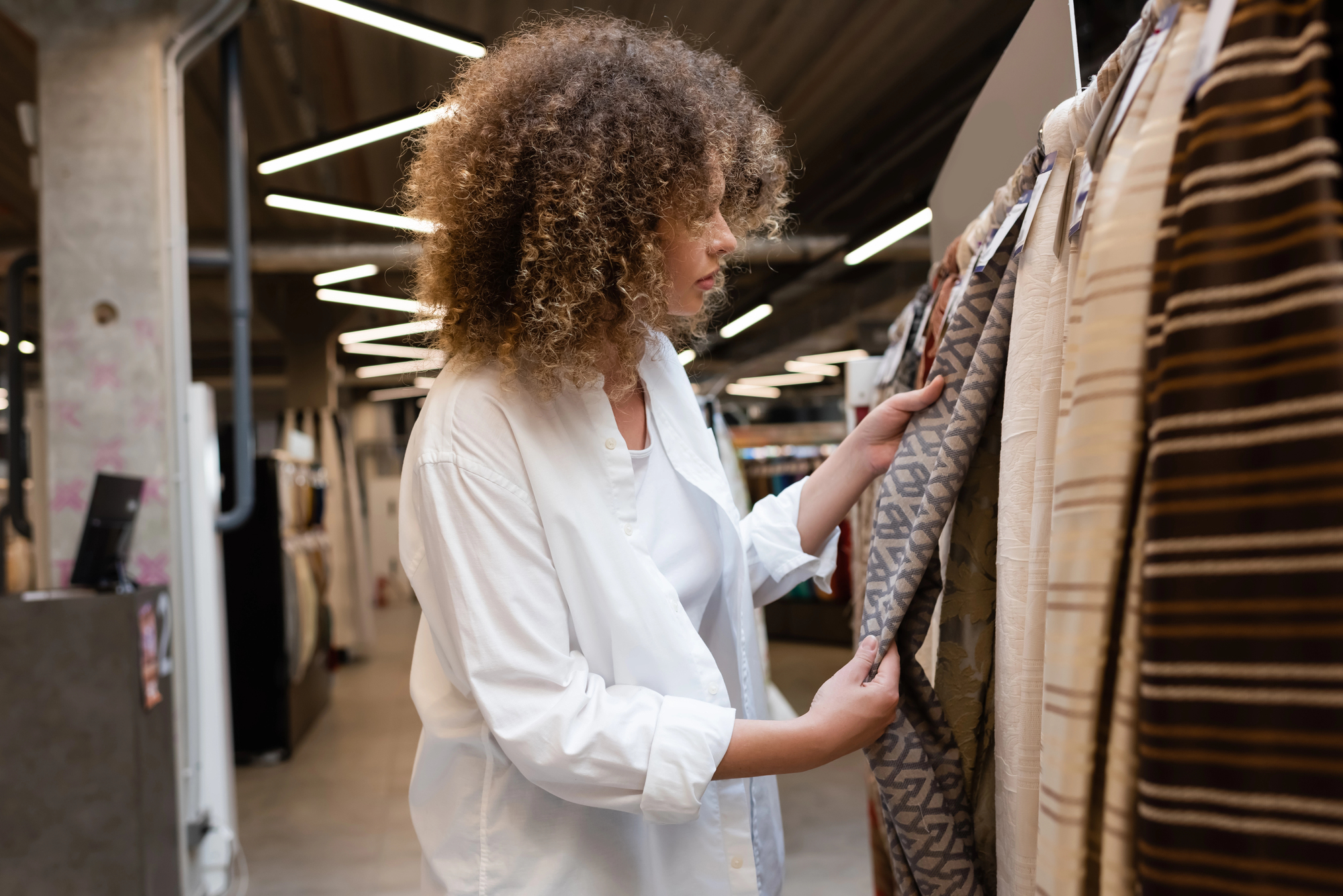
Parents who lived through decades of mending clothes, stretching budgets across multiple children, and making things last treated fabric selection like a minor science. Corduroy that would survive the knees. Denim with enough give for a growing child.
Cotton that wouldn’t shrink into something unwearable after three washes. The first-day outfit was chosen with a kind of pragmatic stubbornness that modern disposable fashion has made completely unnecessary — which is convenient, and also a small loss.
The Role of Older Siblings

An older sibling’s opinion on the first-day outfit was simultaneously the most desired and most devastating feedback available in the household. They knew the social landscape of the school, the unspoken rules, which brands mattered and which ones would quietly mark you as someone who didn’t know better.
Their approval — rare, usually grudging, occasionally sincere — meant the outfit was cleared for actual use.
Layaway and the Long Anticipation.

Before credit cards were universal, many families used layaway to secure back-to-school clothes weeks before school started — paying in installments, picking up the bag when the balance hit zero. The outfit existed in a kind of suspended state during that waiting period: chosen, named, almost yours.
That anticipation turned a set of clothes into something closer to a promised object, and by the time it arrived home, it felt genuinely earned.
The Shoe Store as Its Own Separate Occasion
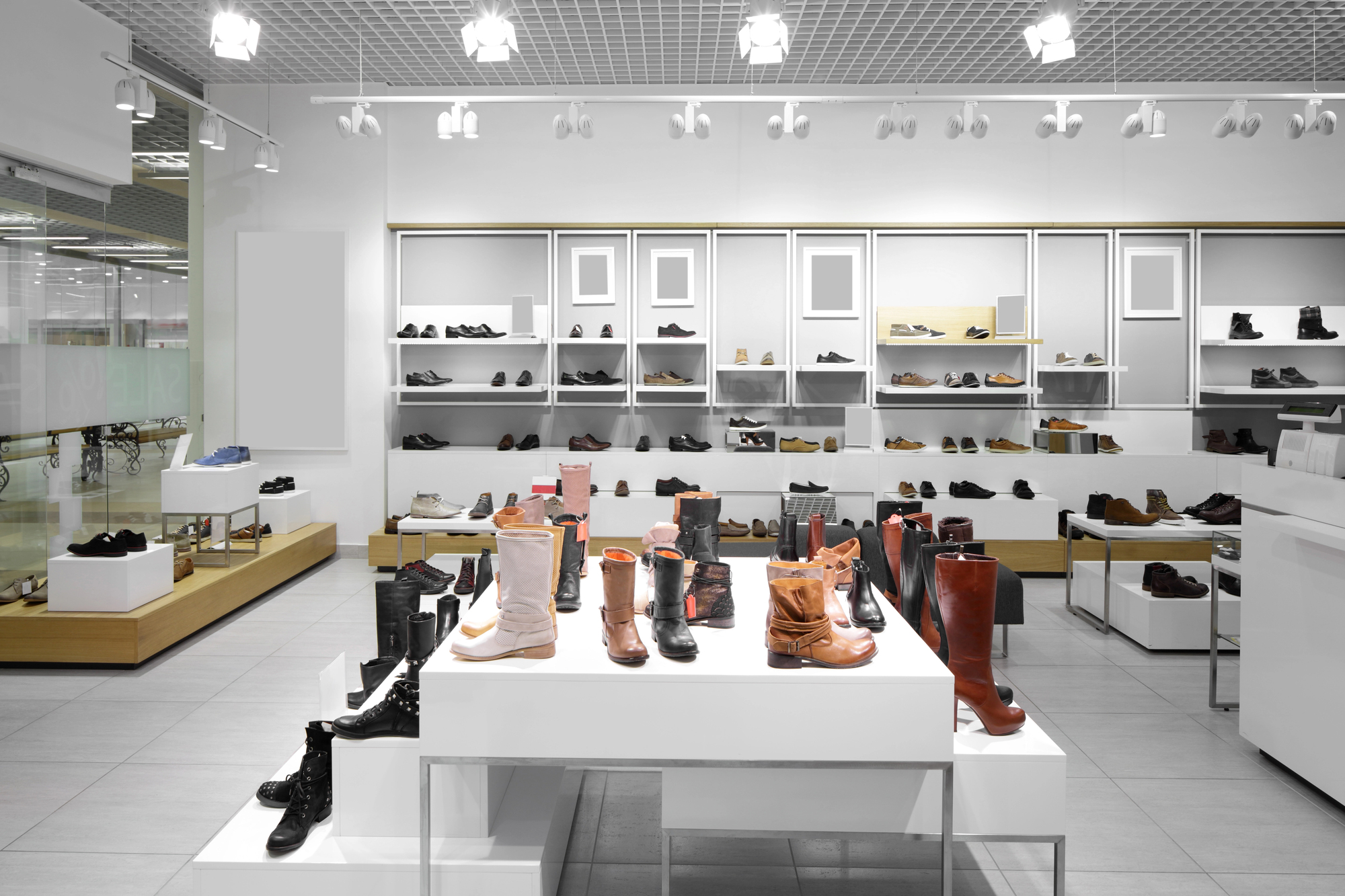
Shoes were never part of the main clothing trip. They got their own afternoon, their own debate, their own set of parental concerns about arch support and whether the toe left enough room to grow.
A salesperson would kneel on the floor and press the tip of the shoe to find where your toe sat inside — a gesture so specific and unhurried that it seems almost ceremonial compared to guessing your size from a size chart online.
When School Dress Codes Shaped Family Choices

Many schools through the mid-twentieth century had explicit or informal dress codes that shaped what families could even consider buying. No jeans, sometimes. Collared shirts for boys. Skirts or dresses for girls of a certain era.
The constraints didn’t eliminate the event — they focused it, channeling all that family energy into finding the best possible version of what was allowed.
The Ironing the Night Before

The night before the first day had its own subceremony: the ironing. Someone pressed the outfit flat, hung it on the back of a chair or a door, and the visual of tomorrow’s clothes waiting in the room carried a strange charge — anticipation made physical, sitting there in the lamplight.
Sleep was harder than usual. The outfit was part of the reason.
What Extended Family Had to Say About It

Aunts weighed in. Cousins were consulted.
In many households, the first-day outfit was described in letters or phone calls to relatives who lived elsewhere, or shown off at a Sunday dinner held the weekend before school started. The outfit existed in a social context wider than just the child wearing it — it was a family artifact, briefly, before it became just clothing.
The Economy of Hand-Me-Downs and the Exception Made for Day One
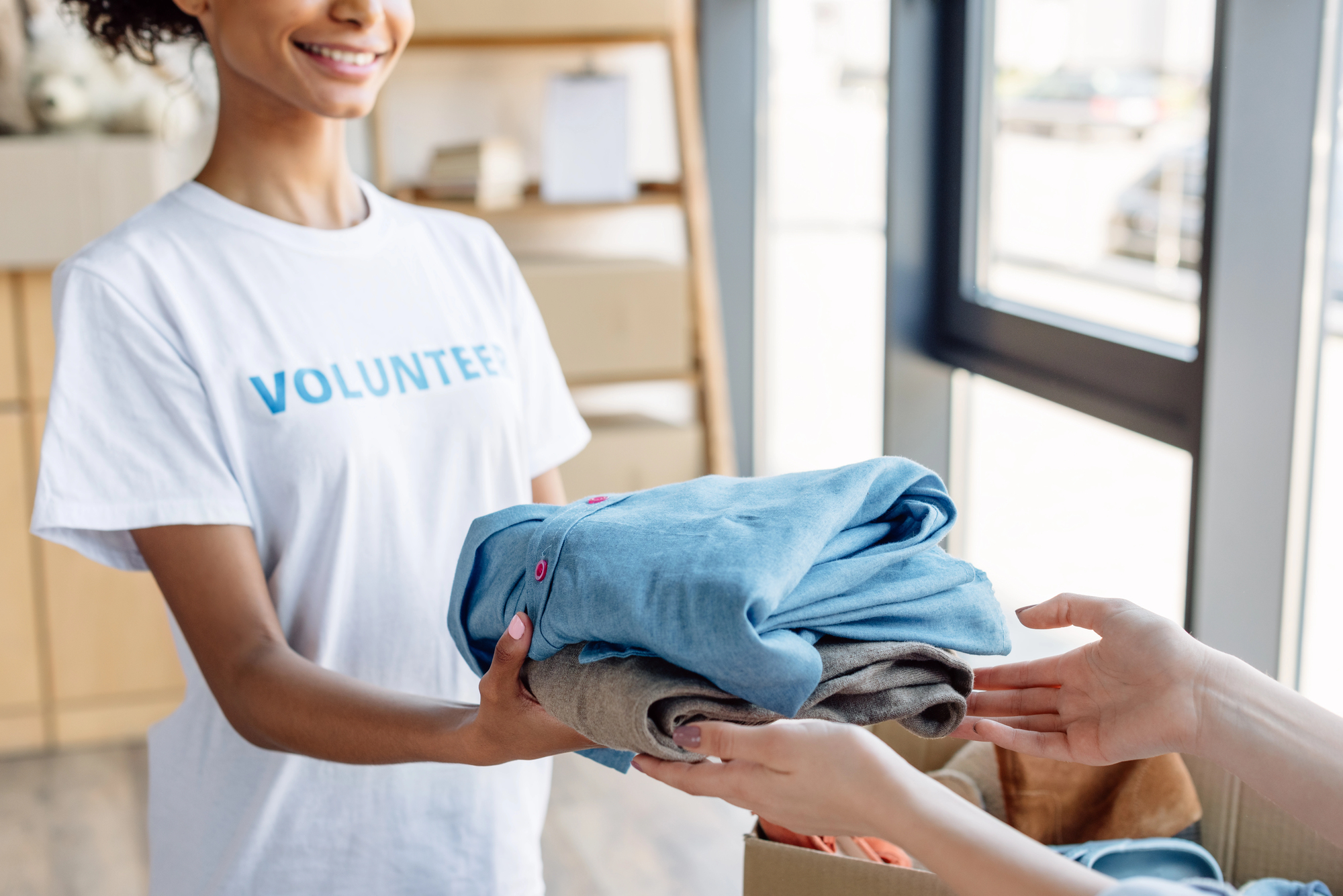
Hand-me-downs were the backbone of many children’s wardrobes through most of the twentieth century — sensible, practical, and entirely standard. But even in families where nearly every item of clothing had belonged to someone else first, the first day of school often produced something new, something chosen specifically for that child.
It was the exception, which is exactly what made it mean something.
How Long the Outfit Was Actually Preserved
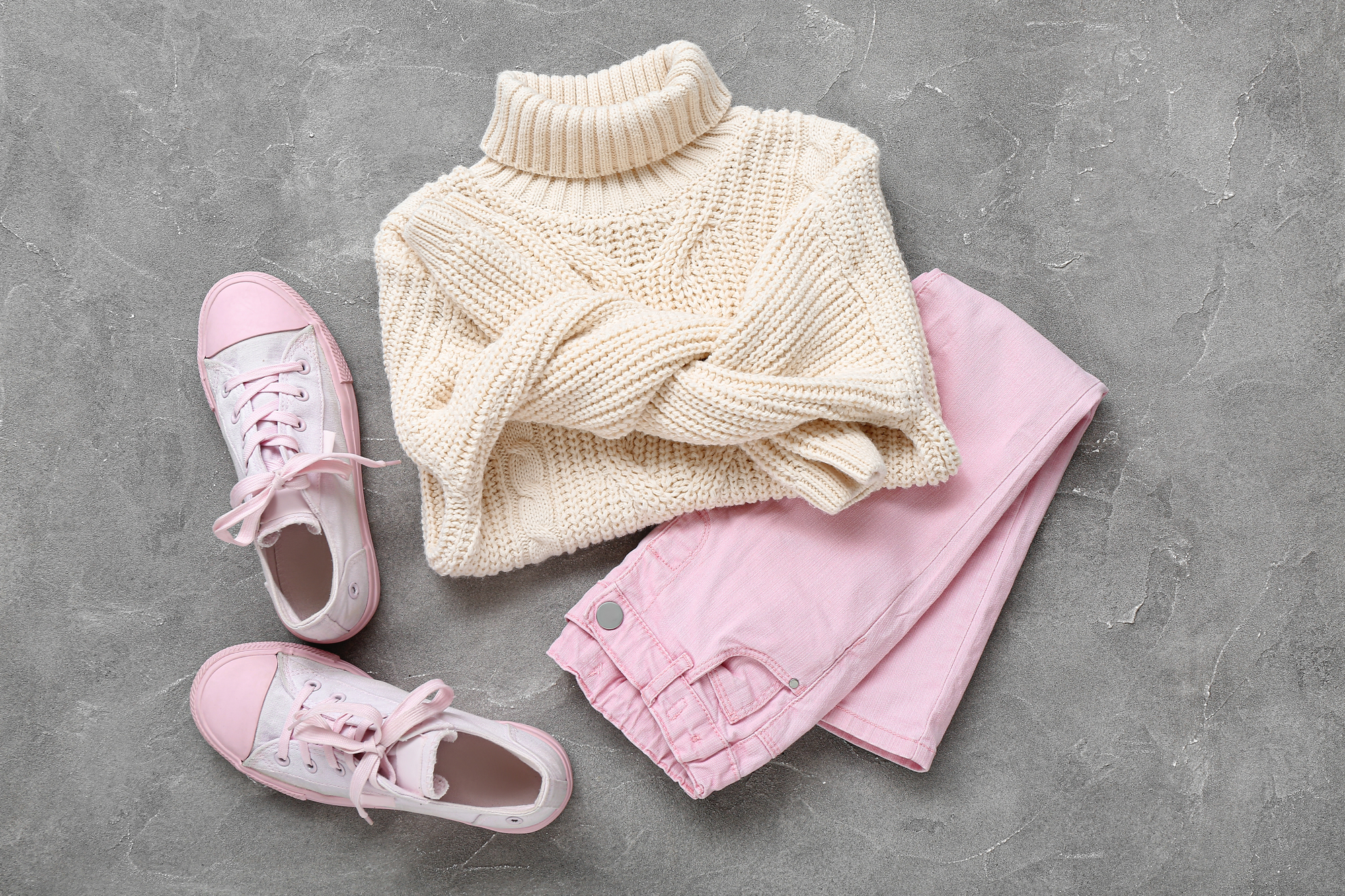
Children in earlier decades were sometimes told — firmly — not to wear the first-day outfit again until school actually started, which could mean days of it hanging unworn while summer finished itself out. The outfit was protected from casual use the way you’d protect something that mattered.
Which, to be fair, it did.
The Quiet End of the Ritual

The ritual didn’t collapse dramatically — it dissolved slowly, over decades, as disposable fashion made clothing cheaper and less considered, as online shopping removed the shared physical experience, as school uniforms replaced the choice entirely in some districts. There was no single moment when families stopped treating the first-day outfit as an event.
It just gradually became a transaction instead of a tradition, and most people were too busy to notice the difference until it was already gone.
What a New Pair of Shoes Actually Smelled Like
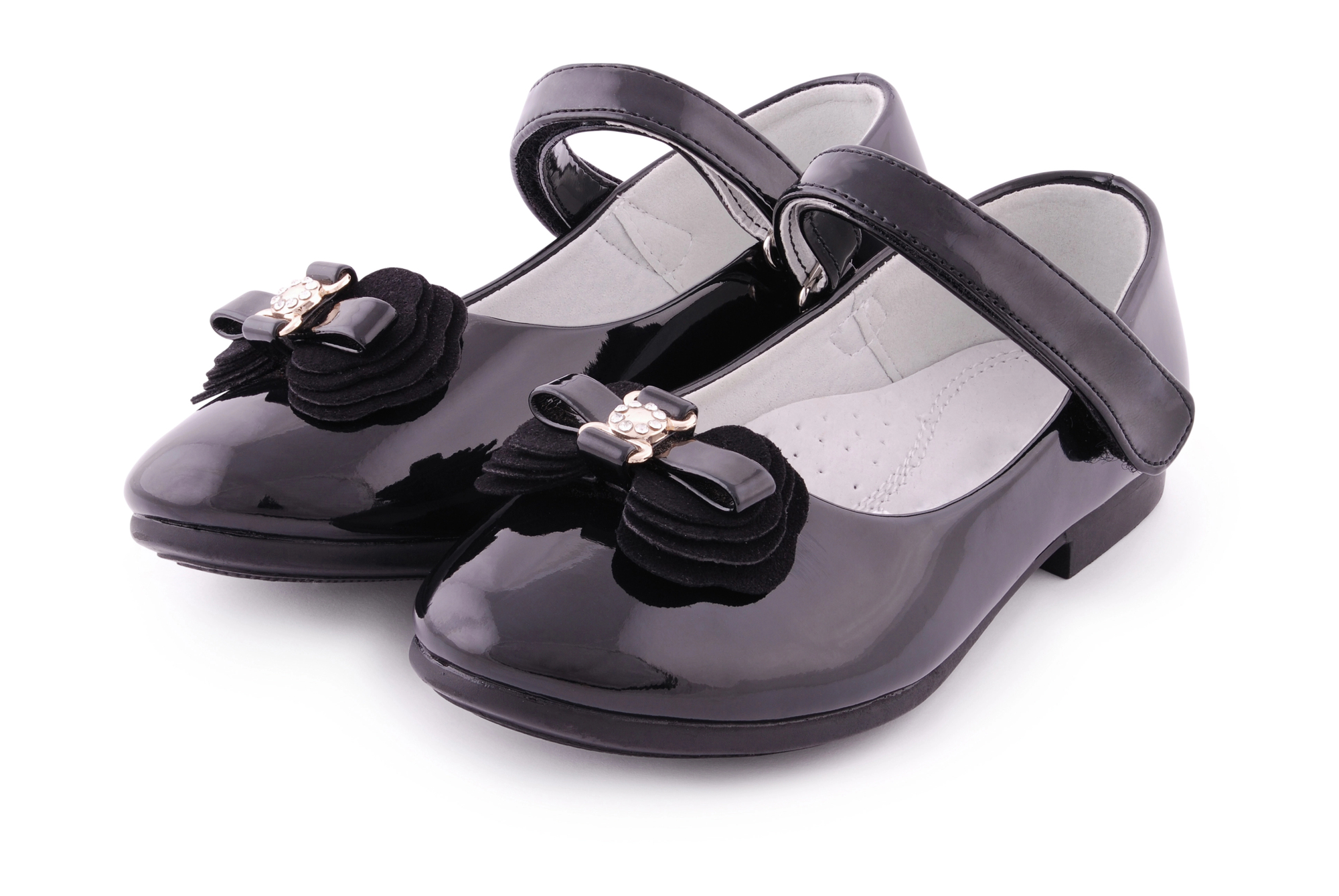
New leather shoes had a smell that was entirely distinct from anything else in a child’s world — sharp, slightly chemical, unmistakably new. That smell, encountered the morning of the first day while lacing up something stiff and slightly uncomfortable, became its own sensory marker of the occasion.
You remember it the way you remember things that happened during important moments, because that’s exactly what it was.
Something Worth Reclaiming

The efficiency of modern back-to-school shopping is undeniable, and no one seriously wants to stand in a layaway line for six weeks. But the ritual itself — the gathering of opinions, the weight of the choice, the night-before ironing, the front porch photograph — those weren’t inefficiencies.
They were the way a family said that this moment, this child, this particular September morning, was worth slowing down for. That’s a thing worth reclaiming, even in smaller form, even now.
More from Go2Tutors!

- The Romanov Crown Jewels and Their Tragic Fate
- 13 Historical Mysteries That Science Still Can’t Solve
- Famous Hoaxes That Fooled the World for Years
- 15 Child Stars with Tragic Adult Lives
- 16 Famous Jewelry Pieces in History
Like Go2Tutors’s content? Follow us on MSN.



