Why the Sound of a Screen Door Still Takes People Straight Back to Childhood
Somewhere between the creak of the spring and the bang of the frame against wood, a whole decade comes rushing back. Nobody warns you that a hardware store sound effect could undo you like that, standing in some stranger’s backyard on a Tuesday afternoon.
But it happens, over and over, to people who haven’t thought about their grandmother’s porch in twenty years. There’s a reason for that, and it has almost nothing to do with the door itself.
The Spring and the Slam
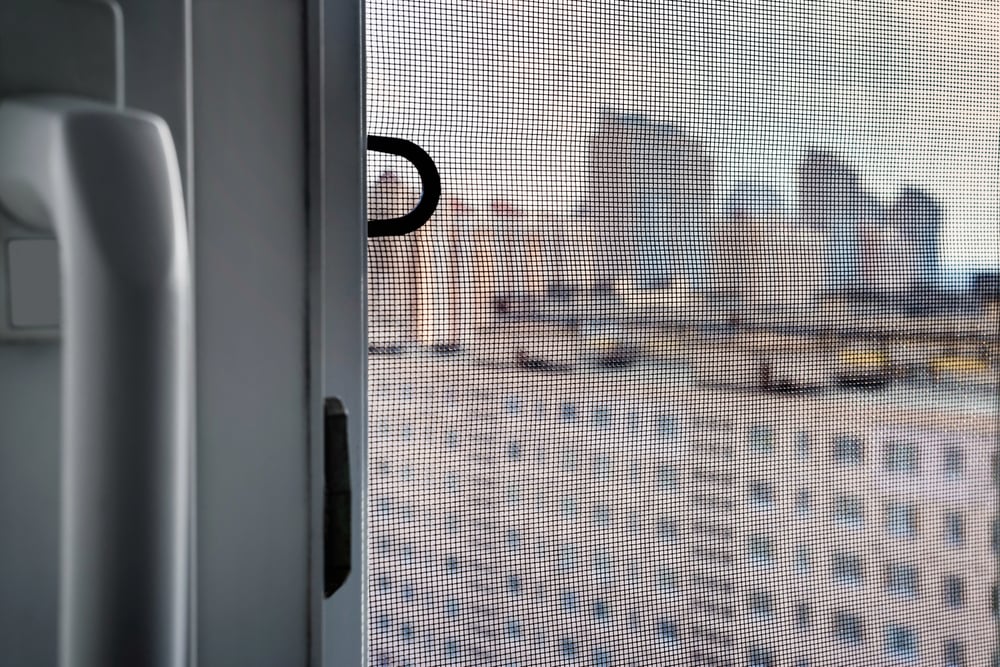
The spring stretches first. Then the frame slaps the jamb, hard and final.
That two-part rhythm is the whole trick — remove either half and the memory doesn’t fire the same way.
The Science of Sound Memory
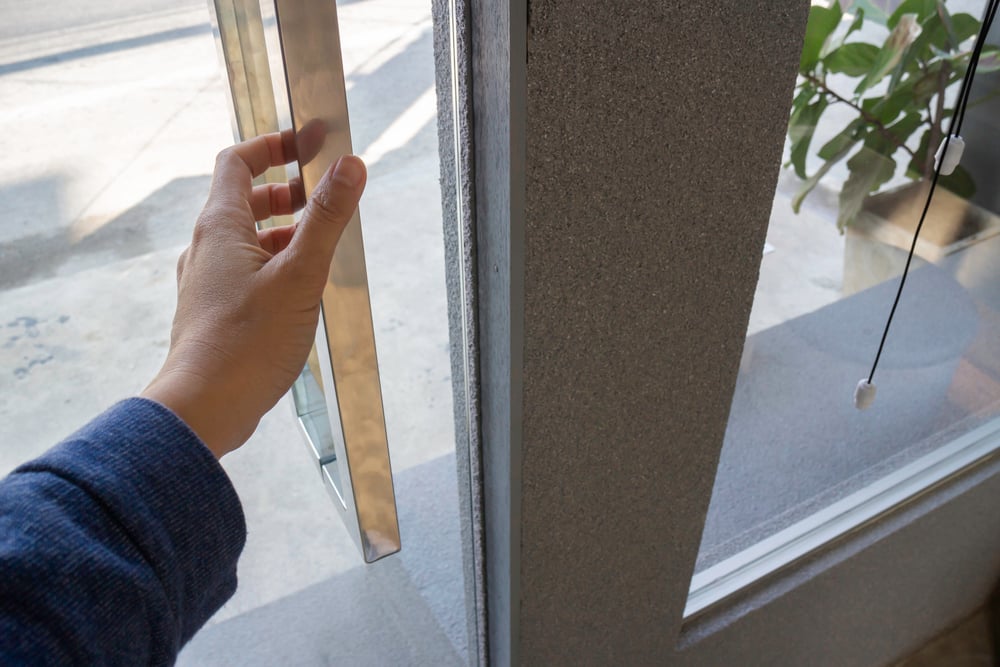
Smell usually gets credit for triggering old memories (it sits close to the brain’s emotional wiring), but sound rides the same shortcut and almost nobody mentions it. The brain doesn’t file a screen door slam as ordinary noise — it files it next to summer, next to a specific porch, next to a version of someone who was maybe eight years old and didn’t know it yet, and that filing system doesn’t fade the way names and faces do.
So it sticks. The mechanism is simple: sound memory and emotional memory share real estate in the brain, and a screen door happens to be loud, specific, and repeated thousands of times during the years anyone was paying full attention.
Summer Evenings
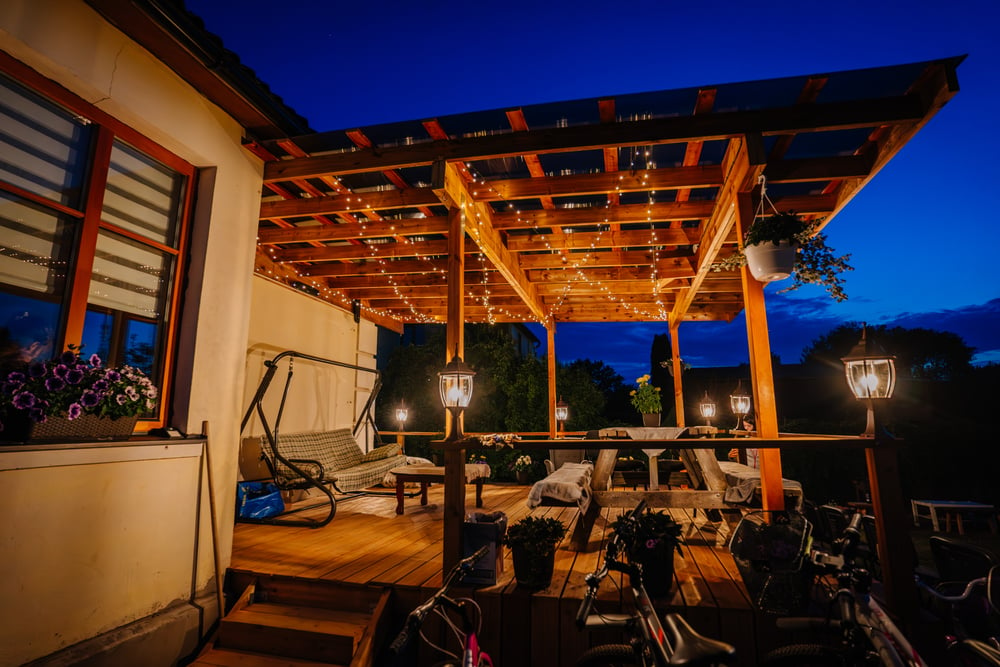
A screen door works like a hinge between two temperatures, one side thick with the day’s heat and the other cooled by a box fan running in some back window. Kids treated it like a punctuation mark, in and out, in and out, marking every errand that mattered before dark — a forgotten glove, a popsicle, permission to stay out ten more minutes.
Nobody photographed those trips across the threshold, so the sound became the only record left of them. It hangs in the evening air the way fireflies do, brief and specific and gone before anyone thinks to hold onto it.
Being Called Home

Nothing summoned a kid faster than a screen door swinging open and a parent’s voice riding out behind it. Cell phones ruined this entirely, replacing an unmistakable bang with a buzz in someone’s pocket, which is a downgrade nobody asked for.
The screen door didn’t need a name attached to the sound — the whole neighborhood knew whose door it was and whose kid was about to catch it. Progress, it turns out, doesn’t always sound better.
Bare Feet and Porches
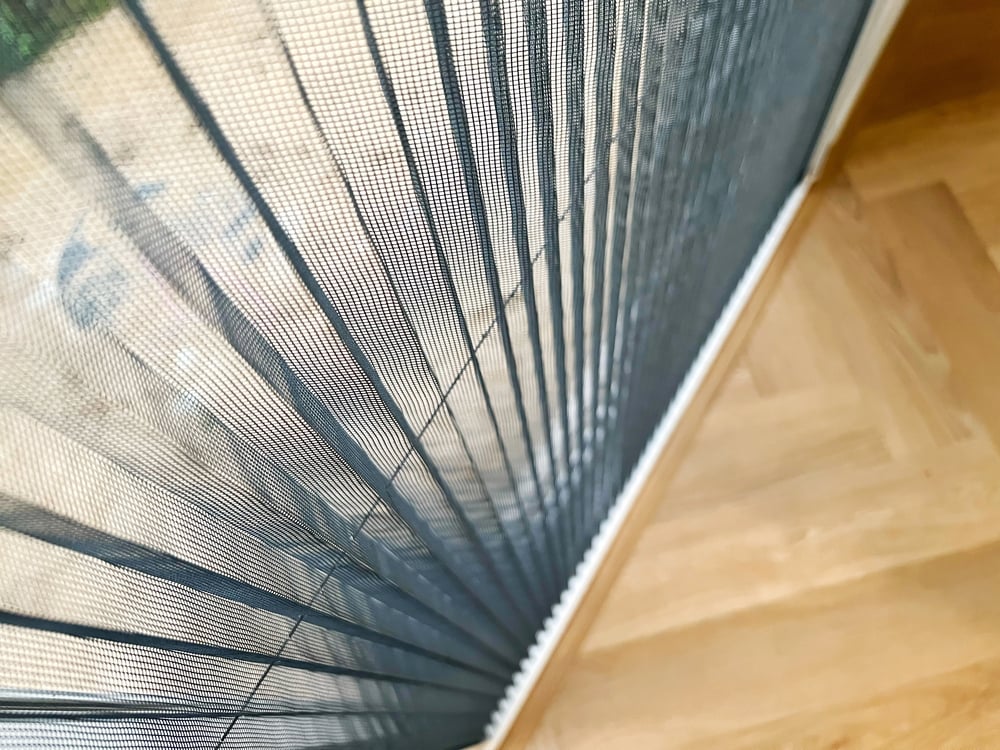
Porches had a texture: warm boards, peeling paint, a slight give underfoot. The screen door sat right at the edge of it, the last obstacle between outside and in.
Cross it enough times in one summer and the sound stops being noise — it becomes a boundary marker, plain and simple.
The Kitchen Door
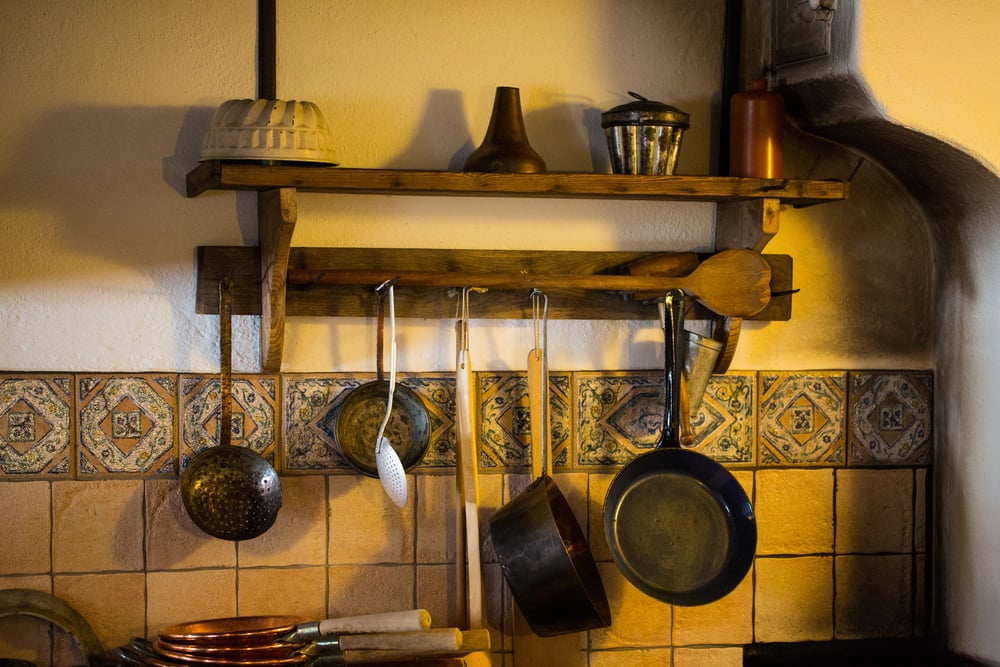
Most screen doors in memory lead straight into a kitchen — that’s usually where the radio sat, where someone was shelling peas or waiting on a casserole — and the door became the border between chores and freedom. The slap of the door meant someone had left mid-sentence, usually a kid, usually in a hurry, usually not listening to whatever instruction got shouted after them, and that shout is the detail most people forget entirely.
So the door gets remembered fondly and the yelling doesn’t. That’s memory editing itself for comfort: it does that more than anyone likes to admit.
Siblings and the Screen Door

A screen door has no patience for more than one person at a time, which made it something like a tollbooth for every set of siblings racing for the yard. Whoever got there first held it open half a second too long out of spite, letting it slam on the one behind — a small cruelty, forgotten by lunch, remembered somehow forty years later.
The door didn’t care who was fastest. It just kept score in slams, indifferent to whichever kid actually deserved to win that day.
Life Before Air Conditioning

Central air killed the screen door’s whole reason for existing, and nobody talks about that trade honestly. Before window units were common, the screen door stayed open from May through September because it was the only way to move air without inviting in every fly in the county.
Houses were louder then, sure, but they were also more connected to whatever was happening outside — the sound of a mower, a dog barking three yards over, someone’s radio drifting through the mesh. Quiet comfort won in the end, which is fine, except it took something with it.
Grandparents’ Houses

Grandparents kept their screen doors longer than anyone else. Newer houses swapped them out for storm doors with pistons that hiss instead of slam.
That’s exactly why the sound survived at all — one generation refused to update.
Small Towns and Open Doors
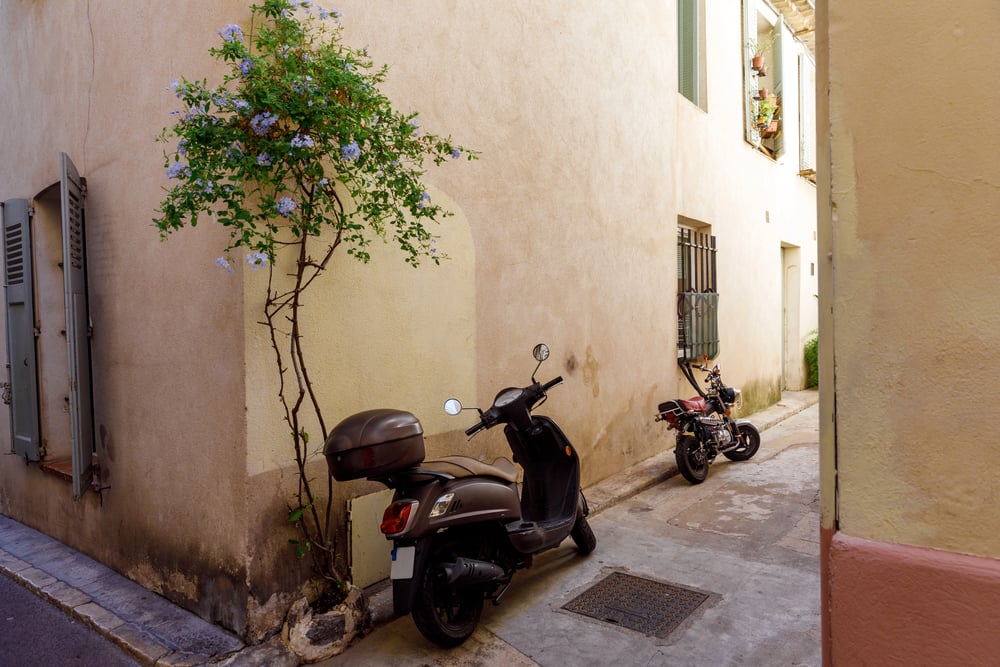
There’s a specific kind of trust baked into leaving a screen door unlocked all day, and small towns held onto that trust longer than anywhere else — not because the towns were safer, necessarily, but because everyone assumed they were, which amounts to nearly the same thing in practice. Neighbors let themselves in through the screen door without knocking, calling out a name instead, and the door’s rattle became its own kind of doorbell.
But that only works when everyone recognizes everyone else’s slam, which is a strange thing to admit out loud: people could identify visitors by the sound of their entrance alone. Cities never had that luxury.
The Modern Silence
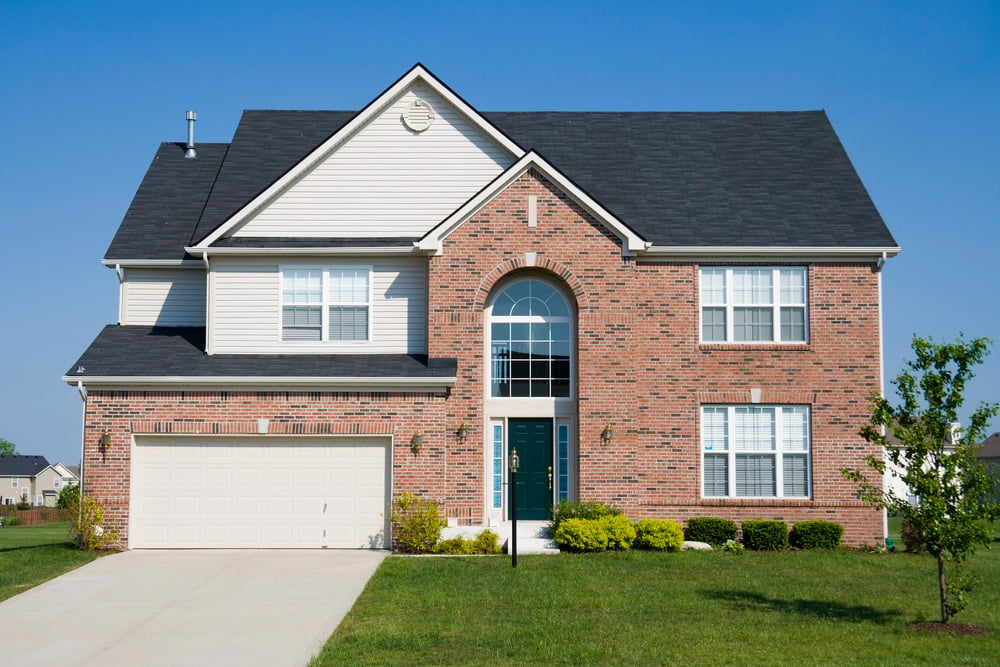
Walk through most new subdivisions and the doors don’t make a sound at all — they glide, they cushion themselves shut, engineered within an inch of their lives to never startle anyone. That silence is supposed to read as luxury, but it plays more like a house holding its breath.
Something got traded away in all that hydraulic quiet, some small daily proof that a person had just come or gone. A house that never announces anyone starts to feel a little like it’s keeping secrets, even when it isn’t.
Why New Doors Don’t Sound the Same

Modern screen doors are quieter on purpose, and that’s not an accident of cheaper manufacturing — it’s a design choice, and a bad one. Pneumatic closers replaced the old coil springs specifically to stop the slam, marketed as an upgrade for people annoyed by the noise their own kids were making.
Fair enough, noise complaints are real, but something got lost trading a recognizable sound for a hiss that could belong to any door in any subdivision. Character isn’t usually a selling point in hardware stores, which is a shame, because this is exactly the kind of thing that should be.
Screen Doors in Music and Film
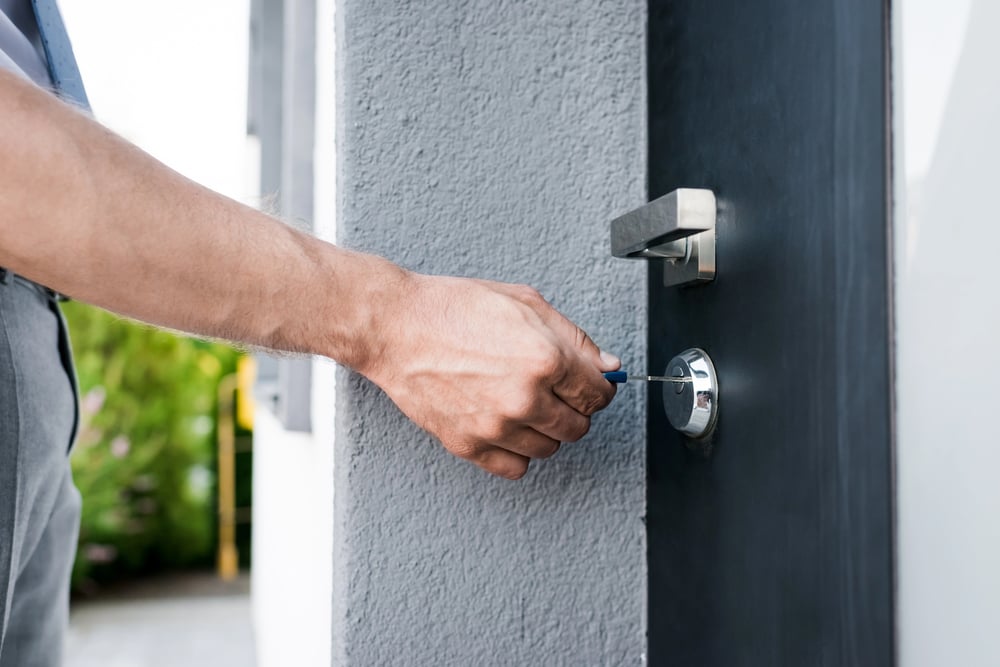
Screen doors show up constantly in American storytelling, almost always as shorthand for home. A slam signals someone leaving in anger or arriving unannounced — writers lean on it because audiences already know the sound.
It works because everyone’s heard it before, somewhere, whether they grew up with one or not.
The Regional Divide
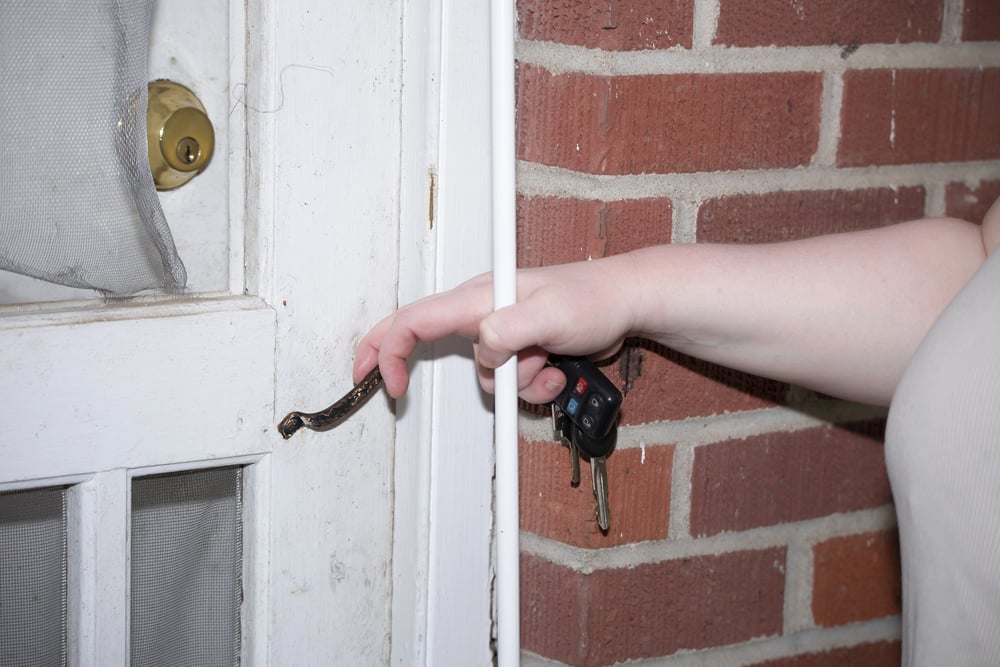
Screen doors never spread evenly across the country, and that comes down to climate: the South and Midwest leaned on them hard — humid summers demanding some way to move air before air conditioning caught up with everyone else — while drier or colder regions never built the same attachment. A house in coastal Maine didn’t need the airflow a house in rural Georgia did, so the whole cultural memory of that sound splits geographically, and ask someone from Arizona about screen door memories and the answer is often a shrug.
And that’s telling, because nostalgia usually pretends to be universal when it’s actually pretty regional, tied to specific weather and specific decades more than anyone likes to admit. So the sound that feels like everyone’s childhood is really more like half the country’s childhood, give or take.
Recording the Sound on Purpose
There’s an entire quiet industry now built around sound effects libraries, foley archives, and hobbyists with microphones, all chasing exactly this kind of noise before it disappears completely. A screen door slam gets treated the way a fading photograph might, carefully preserved, cataloged, pulled out whenever a film or a game needs to summon a porch nobody actually built.
It’s a strange kind of taxidermy, really — stuffing a sound instead of an animal, keeping the shape of something long after the original context is gone. The fact that anyone bothers says plenty about how much that sound is worth to people who grew up inside it.
Why It Still Works on Adults
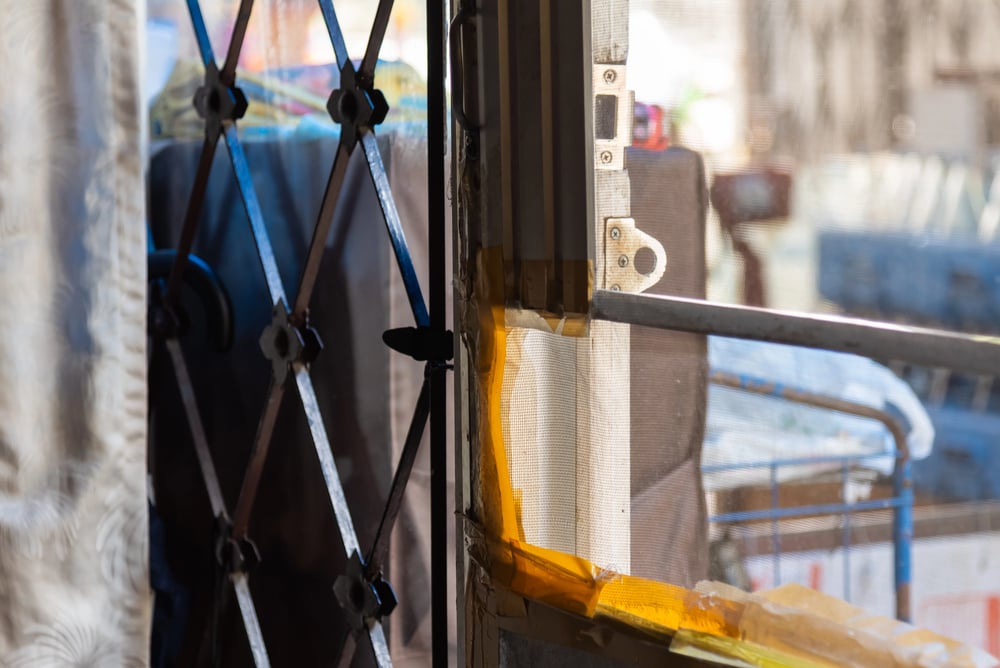
Adults are supposed to have outgrown this kind of thing, and yet the sound still works every single time, which says more about nostalgia than it does about doors. It doesn’t require the original house, the original porch, or even the original decade — any screen door slamming anywhere will do the job, transporting someone back before they’ve had a chance to brace for it.
That’s the whole appeal, honestly: it bypasses the part of the brain that overthinks everything else. Efficiency like that is rare, and it deserves a little credit, even if it’s just a door.
The Door That Still Finds You
Nobody sets out to be ambushed by a piece of hardware, and yet it happens anyway, usually somewhere ordinary — a rental cabin, a friend’s grandmother’s place, a hardware store aisle where someone tests the spring on a display model just to hear it. The sound doesn’t ask for context.
It just arrives, drags the porch and the humidity and the person who used to call someone in for dinner right along with it, and then it’s gone again, quick as it came. Maybe that’s the whole point of a memory like this one: it doesn’t need permission, doesn’t need a photograph, doesn’t need anything but a spring and a frame and half a second of noise to prove that some version of childhood is still in there, waiting for the right door to open it back up.
More from Go2Tutors!

- The Romanov Crown Jewels and Their Tragic Fate
- 13 Historical Mysteries That Science Still Can’t Solve
- Famous Hoaxes That Fooled the World for Years
- 15 Child Stars with Tragic Adult Lives
- 16 Famous Jewelry Pieces in History
Like Go2Tutors’s content? Follow us on MSN.