16 Things About Rolex Even Collectors Don’t Know
Rolex watches are like the Swiss Army knives of the luxury world—everyone thinks they know everything about them, but there’s always another layer hiding beneath the surface. While most people can spot a Submariner from across the room or recite the basic history of the crown logo, the real story of Rolex is packed with surprises that would make even seasoned collectors do a double-take.
Most watch enthusiasts think they’ve got Rolex figured out, but the brand has kept some fascinating secrets tucked away in its vaults. Here’s a list of 16 things about Rolex that even the most dedicated collectors probably don’t know.
The Name Came From a Made-Up Word

Hans Wilsdorf, Rolex’s founder, didn’t choose the name because it meant something profound in Swiss or German. He literally invented the word ‘Rolex’ because it was short, easy to pronounce in any language, and looked good on a watch dial.
The guy was basically doing brand marketing before it was even a thing, creating a name that would roll off tongues from New York to Tokyo.
They Made Clocks for Cars Before Watches Got Famous

Long before Rolex became synonymous with wrist candy, the company was busy making dashboard clocks for luxury automobiles in the 1930s. These weren’t your typical car clocks either—they were precision timepieces that matched the quality of their watches.
It’s like discovering that Ferrari used to make kitchen appliances before they started building supercars.
Like Go2Tutors’s content? Follow us on MSN.
The Cyclops Lens Was Almost Rejected

That little magnifying bubble over the date window that makes Rolex watches instantly recognizable almost never happened. Company executives initially thought it looked too gimmicky and would cheapen the brand’s image.
Thankfully, practical thinking won out, and now the Cyclops lens is one of the most copied features in the watch world.
They Have Their Own Foundry for Gold

While most luxury brands buy their gold from suppliers, Rolex operates its own foundry in Switzerland where they create their own gold alloys. They’ve developed unique formulations like Everose gold (their version of rose gold) that won’t fade or tarnish over time.
It’s like having a private chef when everyone else is ordering takeout—you get exactly what you want, exactly how you want it.
The Green Submariner Wasn’t Supposed to Be Green

The famous ‘Hulk’ Submariner with its green dial and bezel was originally planned with a black dial. The green dial was a last-minute design change that Rolex executives weren’t entirely sure about.
Now it’s one of the most sought-after models, proving that sometimes the best decisions happen when you’re willing to take a risk.
Like Go2Tutors’s content? Follow us on MSN.
They Test Watches in Conditions You’d Never Encounter
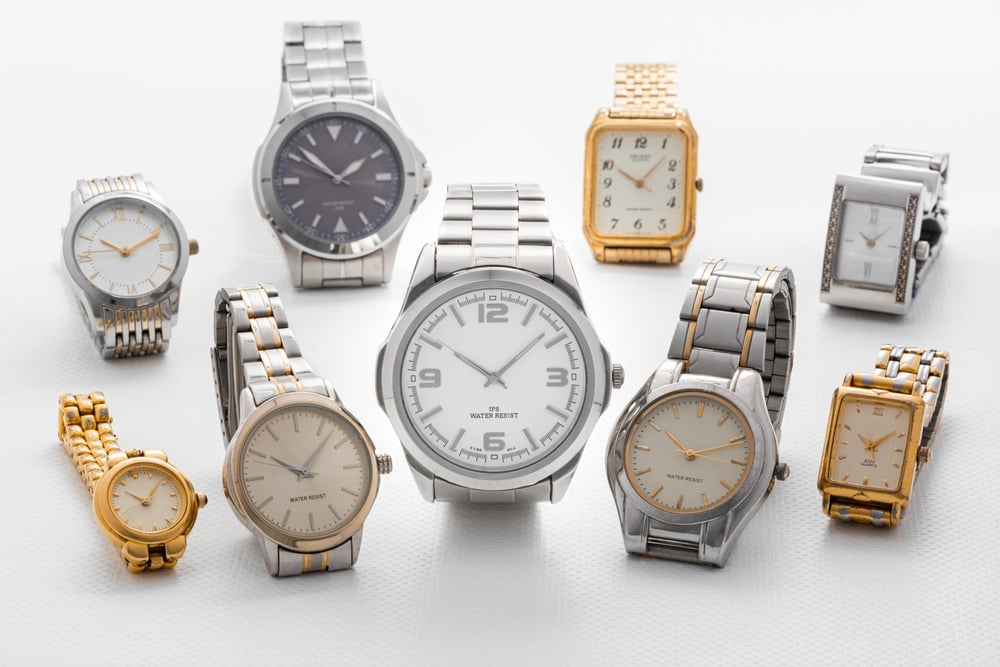
Rolex doesn’t just test their watches for everyday wear—they simulate conditions that would make Navy SEALs uncomfortable. Their testing facility can recreate pressure equivalent to 39,000 feet underwater, temperatures that would freeze your coffee instantly, and magnetic fields strong enough to mess with a compass.
Most people will never need a watch that can survive a trip to the center of the Earth, but Rolex builds them anyway.
The Waiting Lists Are Partly Intentional

Those infamous waiting lists for popular models aren’t just about high demand—they’re a calculated business strategy. Rolex deliberately produces fewer watches than the market wants, creating scarcity that drives up both desire and prices.
It’s the same psychology that makes people camp out for limited-edition sneakers, except these sneakers cost as much as a car.
They Employ More PhDs Than Some Universities

Rolex’s research and development team includes more scientists with advanced degrees than many small colleges. These aren’t just watchmakers—they’re metallurgists, materials scientists, and engineers who spend their days figuring out how to make already-perfect watches even better.
When you’re buying a Rolex, you’re essentially getting a tiny laboratory strapped to your wrist.
Like Go2Tutors’s content? Follow us on MSN.
The Rolex Crown Logo Has Hidden Meaning

The five-pointed crown isn’t just decorative—each point represents a different aspect of the company’s philosophy. The points symbolize the five fingers of a hand, representing the craftsmanship and human touch that goes into every watch.
It’s like having a tiny manifesto printed on your timepiece, except most people think it’s just a pretty design.
They Make Fewer Than 1 Million Watches Per Year

Despite being one of the most recognizable luxury brands in the world, Rolex produces fewer watches annually than some fashion brands make handbags. This limited production keeps quality high and exclusivity intact.
When you consider that there are almost 8 billion people on the planet, owning a new Rolex means you’re part of a pretty exclusive club.
The Oyster Case Was Inspired by Actual Oysters

The waterproof Oyster case design came from studying how real oysters keep water out of their shells. Rolex engineers spent time at seafood markets examining the natural sealing mechanisms of mollusks.
It’s probably the only time in history that luxury watch development involved trips to the fish market, but the results speak for themselves.
Like Go2Tutors’s content? Follow us on MSN.
They Have a Secret Vault in Switzerland

Rolex maintains a climate-controlled vault in Switzerland where they store examples of every watch they’ve ever made. This isn’t just for nostalgia—it’s a reference library that helps them maintain continuity in design and engineering.
Think of it as the luxury watch equivalent of the seed vault in Norway, except instead of preserving plants, they’re preserving horological history.
The Datejust Was the First Self-Changing Date Watch

When Rolex introduced the Datejust in 1945, it was revolutionary not just for its looks but for its functionality. It was the first wristwatch that could automatically change the date at midnight without any manual adjustment.
Before this, people had to manually advance the date every day, which sounds about as fun as manually advancing your car’s odometer.
They Use Aerospace-Grade Materials

Many Rolex watches contain materials originally developed for spacecraft and fighter jets. The Cerachrom bezels use ceramic so hard it can only be scratched by diamond, and some models incorporate titanium alloys designed for extreme aerospace applications.
Your wrist is basically wearing technology that could survive a trip to Mars.
Like Go2Tutors’s content? Follow us on MSN.
The Pepsi GMT Bezel Colors Have Practical Purpose

The red and blue ‘Pepsi’ bezel on GMT watches isn’t just for looks—the colors help pilots distinguish between day and night hours when tracking multiple time zones. Red represents daytime hours, while blue represents nighttime, making it easier to tell at a glance whether it’s day or night in your reference timezone.
It’s functional design disguised as a fashion statement.
They Maintain Their Own Time Standard

Rolex doesn’t just follow Swiss chronometer standards—they’ve developed their own internal accuracy requirements that are actually stricter than official Swiss regulations. Their ‘Superlative Chronometer’ certification requires accuracy within -2 to +2 seconds per day, which is twice as precise as the standard Swiss chronometer requirement.
When Rolex says their watches keep perfect time, they’re not just bragging—they’re stating a measurable fact.
The Legacy Ticks On

From a made-up name to secret vaults and aerospace materials, Rolex has built its reputation on details that most people never see or think about. The brand’s obsession with perfection goes far beyond what’s necessary for a functional timepiece, but that’s exactly what separates a Rolex from everything else on your wrist.
While other companies focus on flashy marketing campaigns, Rolex continues to invest in innovations that won’t be visible for decades. The next time you see someone checking their Rolex, remember that they’re not just looking at the time—they’re wearing a piece of engineering that represents over a century of hidden innovations and obsessive attention to detail.
Like Go2Tutors’s content? Follow us on MSN.
More from Go2Tutors!

- 16 Historical Figures Who Were Nothing Like You Think
- 12 Things Sold in the 80s That Are Now Illegal
- 15 VHS Tapes That Could Be Worth Thousands
- 17 Historical “What Ifs” That Would Have Changed Everything
- 18 TV Shows That Vanished Without a Finale
Like Go2Tutors’s content? Follow us on MSN.