Complex Processes Behind Global Food Exports
Every crate of bananas, sack of rice, or pallet of frozen fish that crosses an ocean is part of a vast, unseen web of coordination.
Food doesn’t just travel — it’s guided through temperature-controlled chains, safety checks, financial fluctuations, and political barriers before reaching your plate.
Here’s a list of the intricate processes that keep the global food trade running smoothly, even when the world doesn’t.
Cold Chain Logistics
Temperature is everything.
A few degrees too high — and an entire shipment can spoil before it docks.
Exporters rely on refrigerated containers equipped with sensors that monitor air quality, humidity, and pressure in real time.
These containers are marvels of precision, keeping produce stable through storms and sweltering heat alike.
Yet all it takes is one power failure mid-sea, and millions of dollars’ worth of food is gone.
Fragile system.
Immense pressure.
Phytosanitary Inspections
Before food ever leaves the farm, inspectors test for pests, soil contamination, and pathogens.
Every box of fruit, every grain shipment must meet strict biosecurity standards.
It’s a process designed to protect ecosystems from invasive species — though it can also slow trade to a crawl.
Even so, it’s necessary.
A single insect in the wrong shipment could wipe out a nation’s crops.
A small price for prevention.
Port Congestion
Ports are the choke points of global trade — sprawling, noisy cities within cities. Ships line up for miles offshore while containers stack higher each day.
Food shipments sit waiting, sometimes in the heat, sometimes under rain, while customs and cranes catch up.
Delays ripple through the supply chain, costing money and freshness.
Still, the system finds a rhythm.
Night crews work double shifts, tides change, and somehow, the food keeps moving.
Trade Regulations
Every country has its own rules for exporting food, and most of them rarely align.
Import restrictions, pesticide limits, and packaging standards vary wildly from one port to another.
Even one missing certificate can hold up an entire cargo.
Despite this, exporters keep adapting — employing compliance teams, legal experts, and translators just to keep up.
The goal isn’t perfection.
It’s survival in a system that changes weekly.
Currency Fluctuations
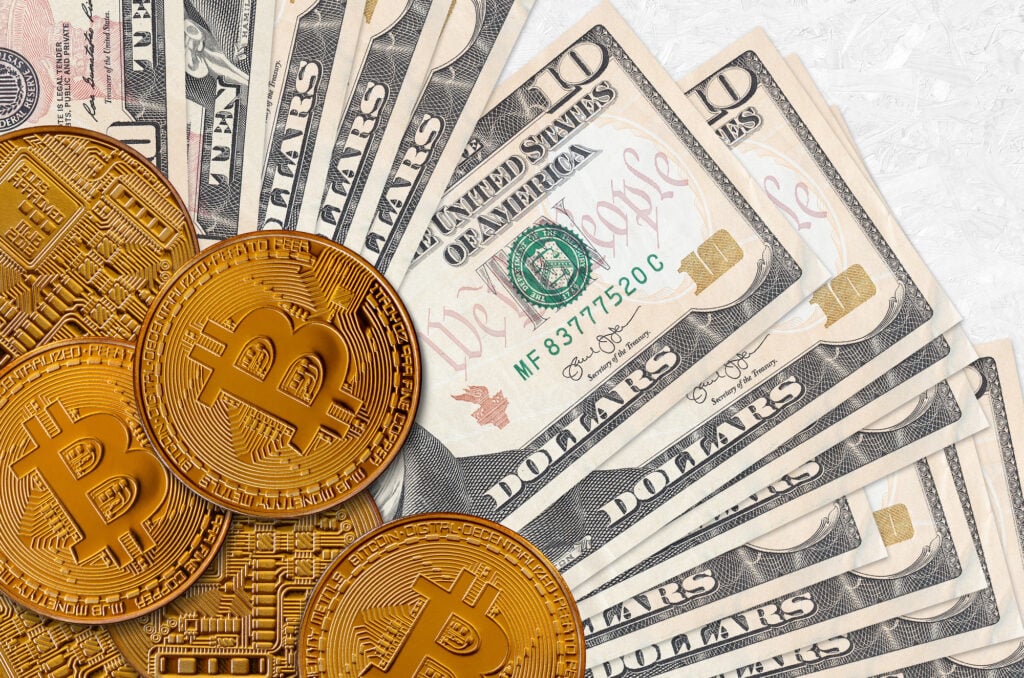
Exchange rates can decide who profits and who loses.
When a country’s currency weakens, exports boom; when it strengthens, sales drop overnight.
Traders watch the numbers like hawks, trying to lock in deals before the tides turn.
Still, the market’s fickle.
One unexpected policy change or global event can erase profit margins in hours.
Volatility is the rule, not the exception.
Shipping Routes
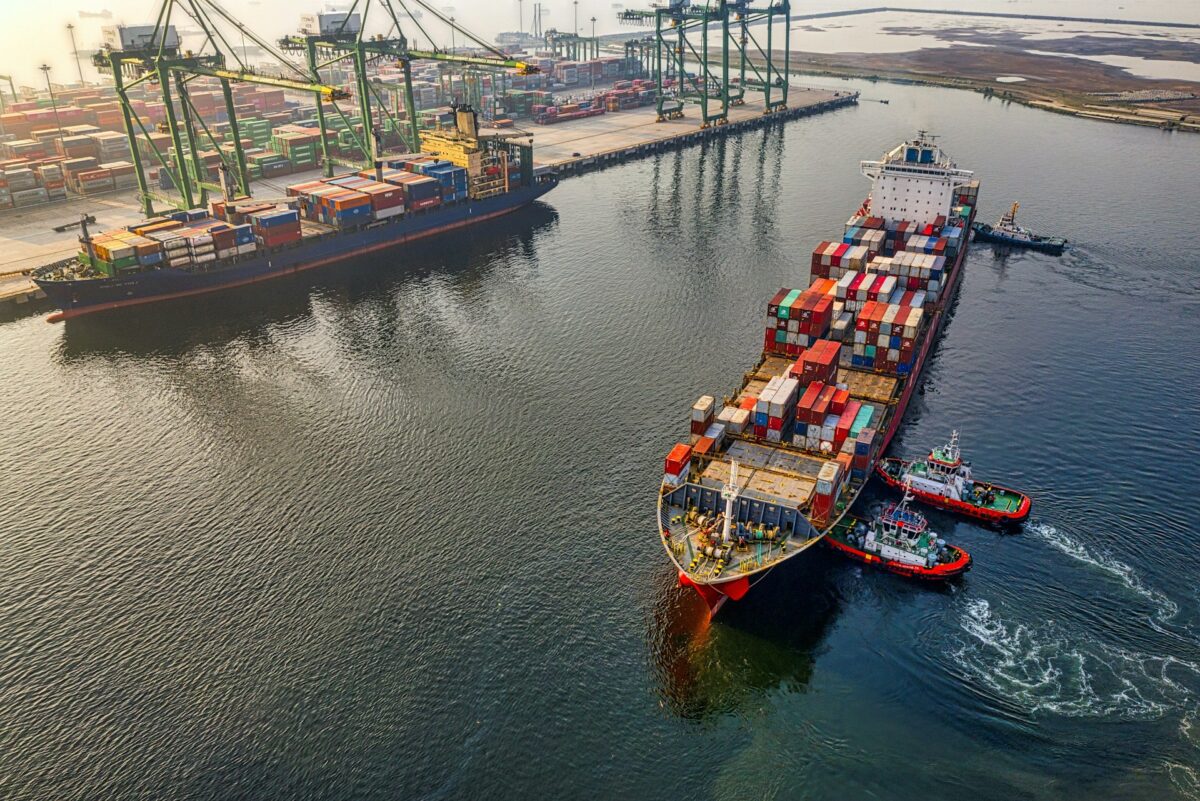
The arteries of world trade are surprisingly narrow.
The Suez Canal, Panama Canal, and Strait of Malacca handle most of the planet’s food traffic.
One blockage — even temporary — can send hundreds of ships detouring thousands of miles.
It’s costly, slow, and chaotic.
Yet crews adjust, navigating politics, weather, and piracy with equal calm.
The sea doesn’t wait for policy, and neither does hunger.
Packaging Innovations

Packaging quietly determines how long food survives the journey.
Today’s materials are more than boxes — they’re engineered systems that balance oxygen, moisture, and light exposure.
Many include sensors that alert handlers to temperature shifts.
Some even “breathe,” releasing gases that slow ripening.
And the future’s already here.
Seaweed coatings, compostable wraps, edible films — science wrapped around the everyday apple.
Seasonal Demand Shifts
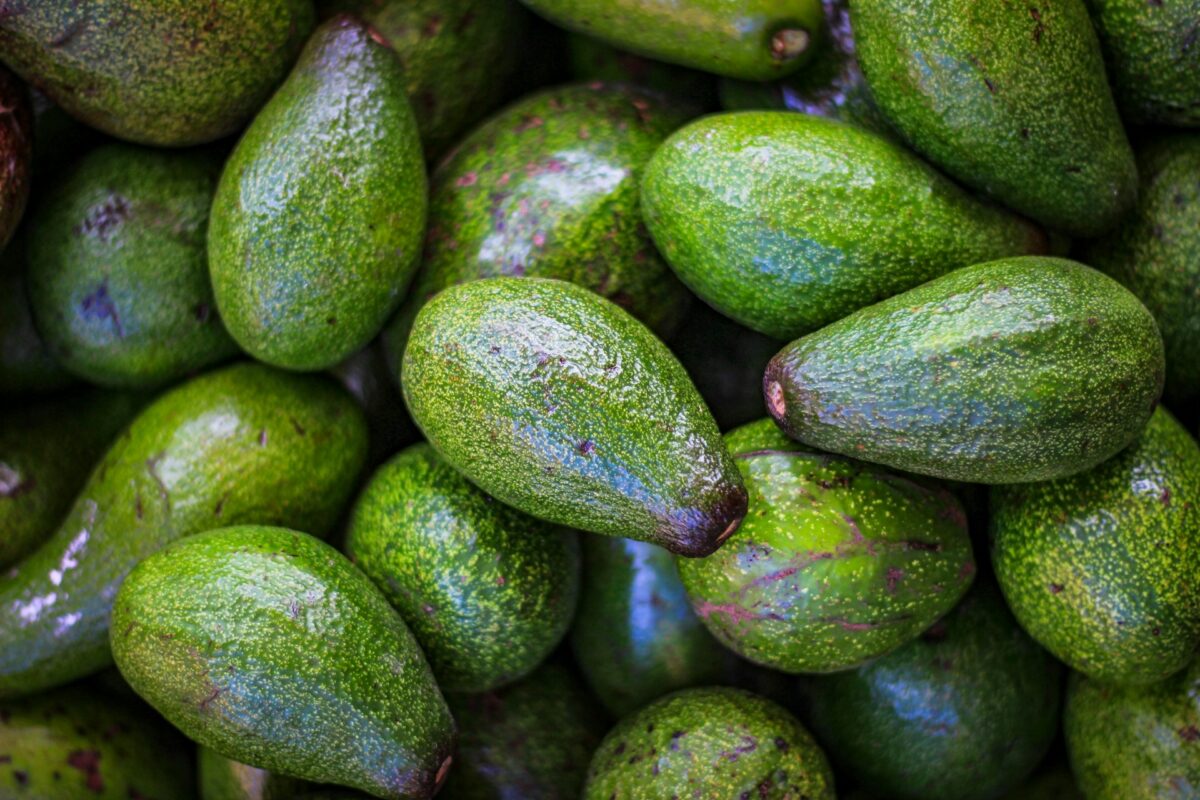
Global trade moves to the rhythm of the seasons.
When one hemisphere rests, the other harvests.
Avocados from Mexico fill winter shelves, while apples from New Zealand arrive in spring.
This constant exchange keeps prices stable — most of the time.
Yet weather patterns, transport delays, or market gluts can upset the balance overnight.
Still, the trade goes on, following the sun like a slow, dependable tide.
Supply Chain Transparency
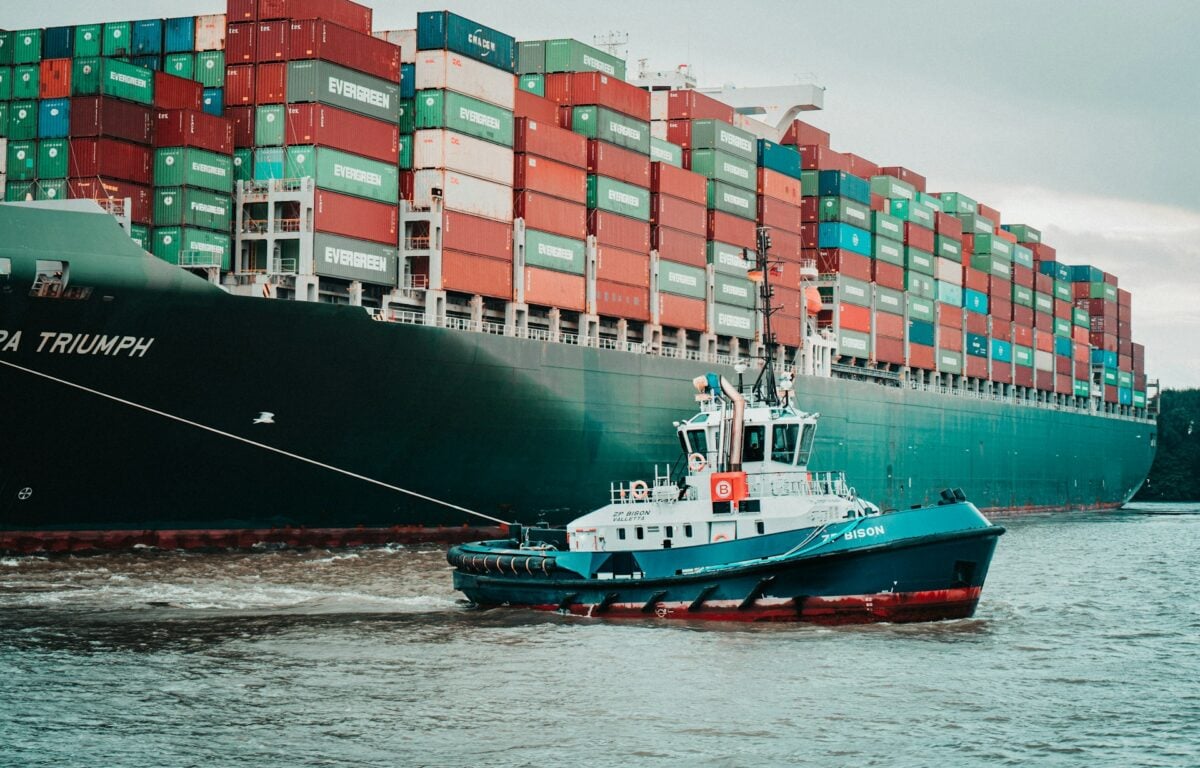
Consumers now expect to know where their food comes from — down to the farm.
Exporters use digital tracking, QR codes, and even blockchain systems to trace each shipment from origin to store shelf.
It sounds simple, but maintaining that chain of proof is difficult.
A single data error can break the link entirely.
Despite this, transparency is no longer optional.
It’s become a global standard for trust.
Geopolitical Tensions
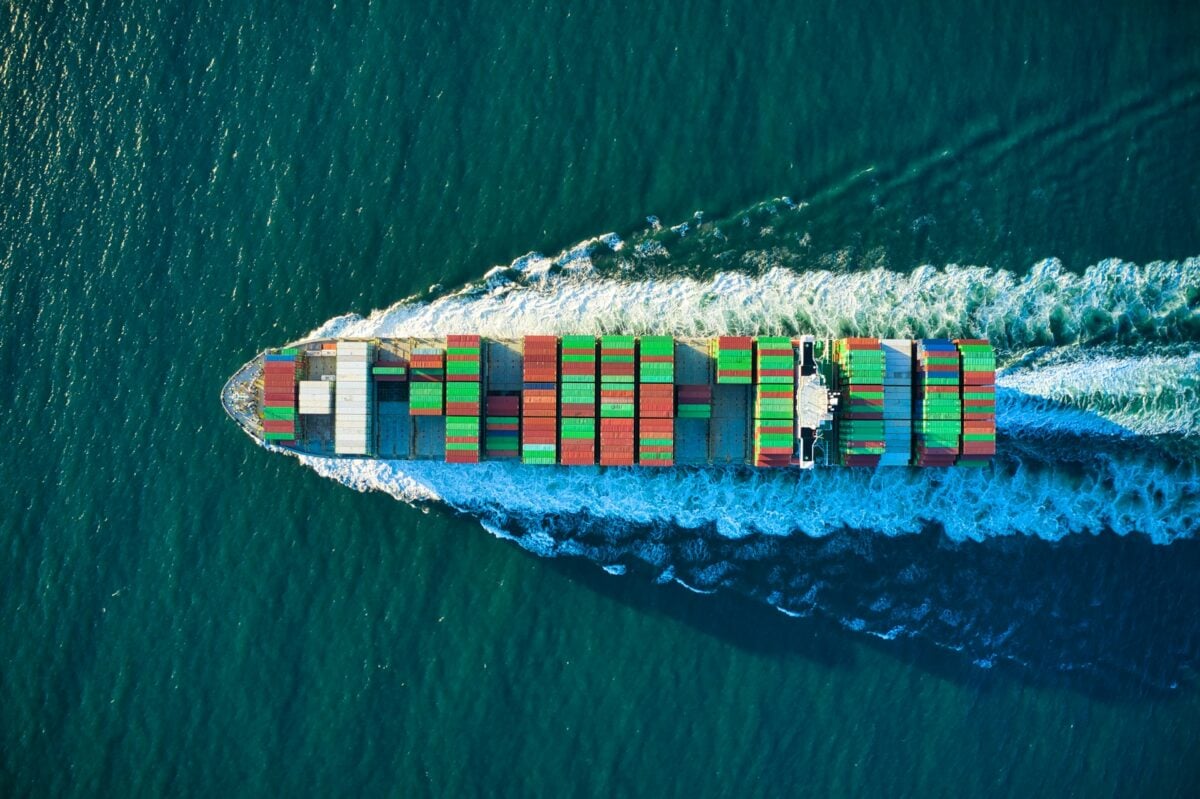
Politics can stop trade in an instant.
Sanctions, wars, or diplomatic disputes often freeze exports overnight.
Ships reroute, costs soar, and markets scramble to adapt.
Yet food — unlike most commodities — always finds a path.
Traders form new alliances, ports reopen under different flags, and the world’s appetite keeps trade alive.
Even in a crisis, someone’s always shipping grain.
The Hidden Network That Feeds the World

Behind every meal lies a global web that bends but rarely breaks.
It’s powered by patience, innovation, and unspoken cooperation between nations.
Despite conflict, climate, and chaos, the system holds — quietly, constantly — ensuring the world’s plates never stay empty for long.
More from Go2Tutors!

- The Romanov Crown Jewels and Their Tragic Fate
- 17 Halloween Costumes Once Considered Taboo
- Famous Hoaxes That Fooled the World for Years
- 15 Child Stars with Tragic Adult Lives
- 16 Famous Jewelry Pieces in History
Like Go2Tutors’s content? Follow us on MSN.