15 Auto Racing Traditions Fans Still Honor
Auto racing isn’t just about speed. It’s about ritual, superstition, and traditions that stretch back decades. These customs connect modern fans to the sport’s rich history, creating bonds that transcend generations. From the Indianapolis 500 to local dirt tracks, certain traditions remain sacred—no matter how much technology changes the cars themselves.
Some traditions started as practical necessities, while others emerged from pure superstition or celebration. Yet they’ve all become integral parts of the racing experience, cherished by fans who understand that racing is as much about heritage as horsepower. Here is a list of 15 auto racing traditions that fans still honor with unwavering devotion.
Drinking Milk at Indianapolis
— Photo by actionsports
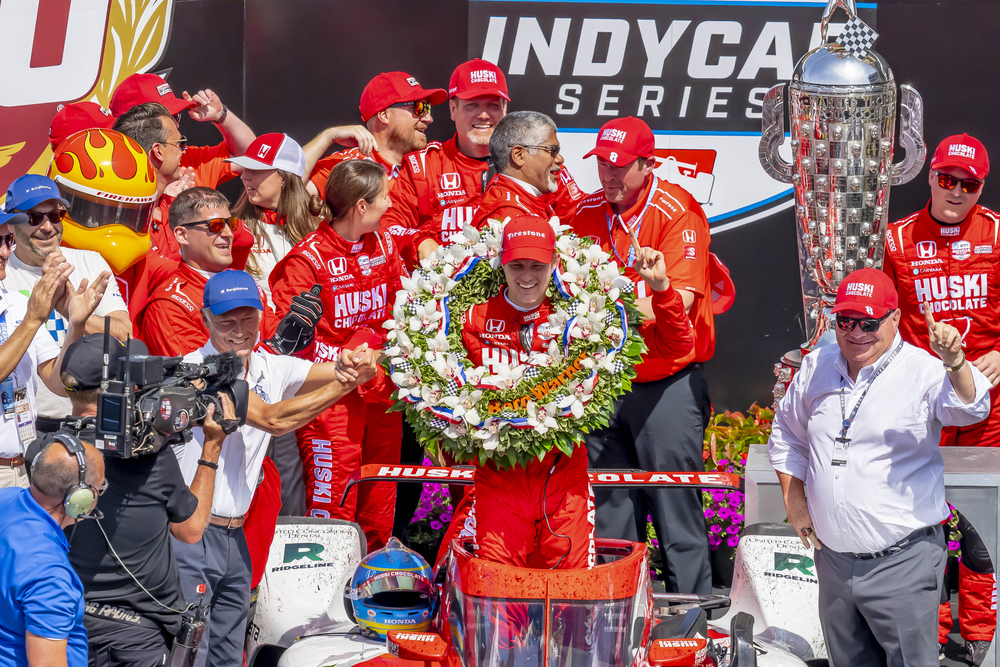
The winner of the Indianapolis 500 has chugged milk in Victory Lane since 1936. Louis Meyer started the tradition after his mechanic suggested milk would refresh him better than water—and the American Dairy Association loved it so much they made it official. Today, drivers even get to choose between whole, 2%, or skim. The rare driver who skips the milk faces serious backlash from fans who consider it borderline sacrilegious.
Kissing the Bricks
— Photo by actionsports
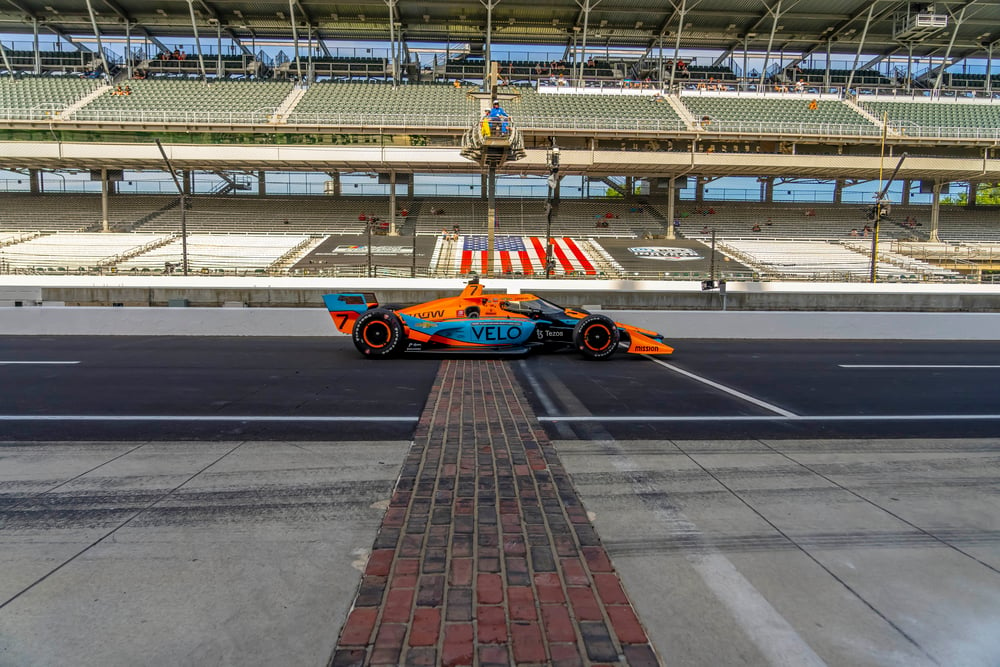
Drivers and crew members kiss the yard of bricks at the Indianapolis Motor Speedway’s start/finish line after winning. Dale Jarrett started this tradition in 1996 after winning the Brickyard 400—though the gesture honored the track’s original brick surface from 1909. Now it’s become so iconic that drivers kiss the bricks after any major Indy victory. The tradition connects modern racers to the track’s legendary past in the most literal way possible.
The Green Flag Drop

Starting races with a green flag seems obvious now, yet this tradition dates back to early motorsports when actual flagmen signaled the start. Modern electronic systems could easily replace human flag-wavers—but fans and drivers alike insist on maintaining this visual cue. The anticipation builds as the pace car pulls away and the flagman raises that green cloth. There’s something primal about watching a human being officially unleash 40 cars at 200 mph.
Victory Lane Celebrations
— Photo by mik38
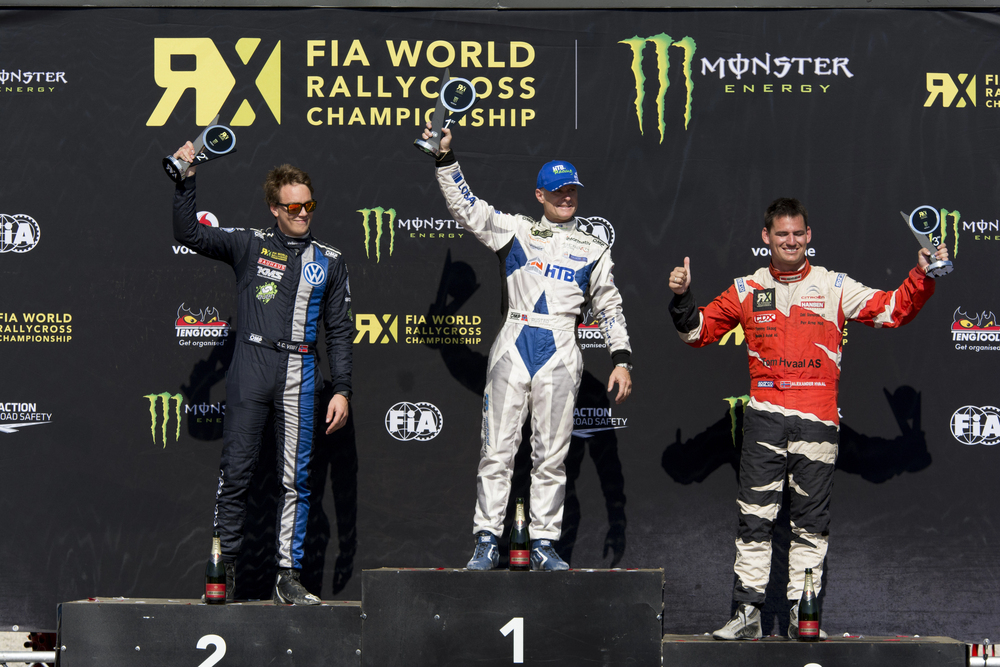
Every racing series has its own Victory Lane ritual, from champagne showers to trophy presentations. NASCAR drivers typically climb on their cars and point to the sky—while Formula 1 winners spray champagne from the podium. IndyCar victors often dump entire bottles over their heads. These celebrations might seem chaotic, though they’re deeply meaningful moments where drivers acknowledge their teams, sponsors, and fans.
The Pace Car Tradition
— Photo by Sheilaf2002
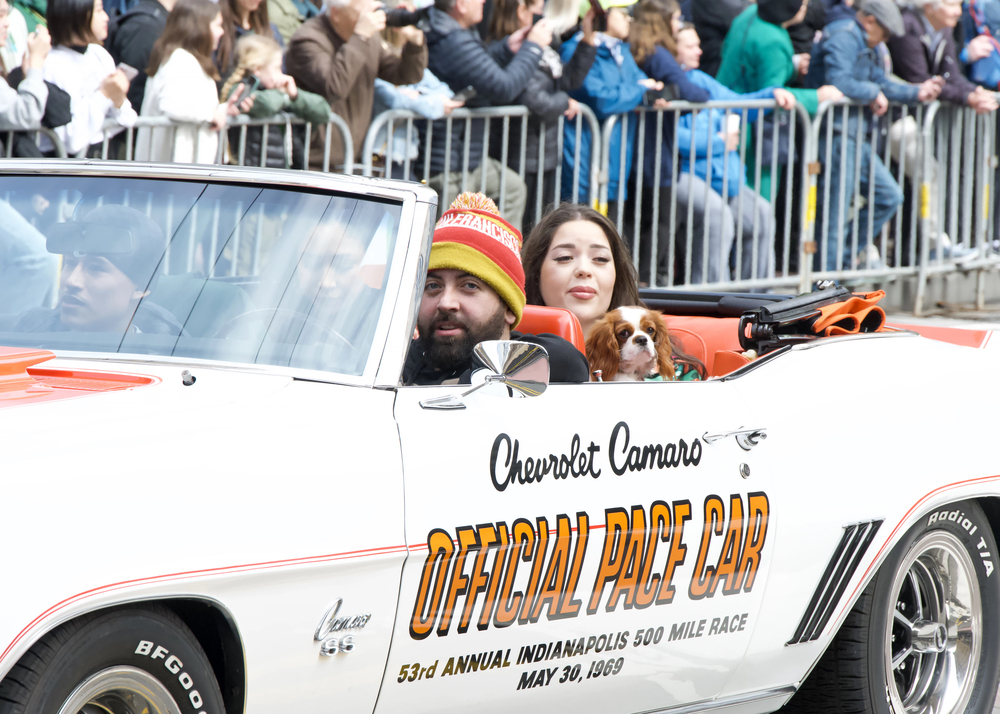
A pace car leading the field before green flag racing started as a safety measure—but became much more. Manufacturers compete fiercely for pace car duties because it’s essentially a 200-mph advertisement. The Indianapolis 500 pace car is especially coveted, with automotive legends like the Corvette and Camaro taking regular turns. Fans scrutinize pace car selection almost as much as they debate driver lineups.
Pole Position Ceremonies

Earning pole position deserves special recognition, and most racing series deliver with elaborate ceremonies. NASCAR presents a special trophy and prime garage space—while Formula 1 gives the pole-sitter optimal pit lane position. IndyCar drivers often receive custom artwork or symbolic keys. The ceremony acknowledges that qualifying fastest takes different skills than race-day performance. It’s a moment for pure speed to get its due recognition.
The Checkered Flag Wave

Checkered flags have signaled race endings since the early 1900s, though their origin remains debated among racing historians. Some say it came from horse racing—others claim it emerged from bicycle races or even restaurant signals. Regardless of origin, the black and white pattern became racing’s most recognizable symbol. Modern electronic timing makes the flag technically unnecessary, yet no race feels complete without that final dramatic wave.
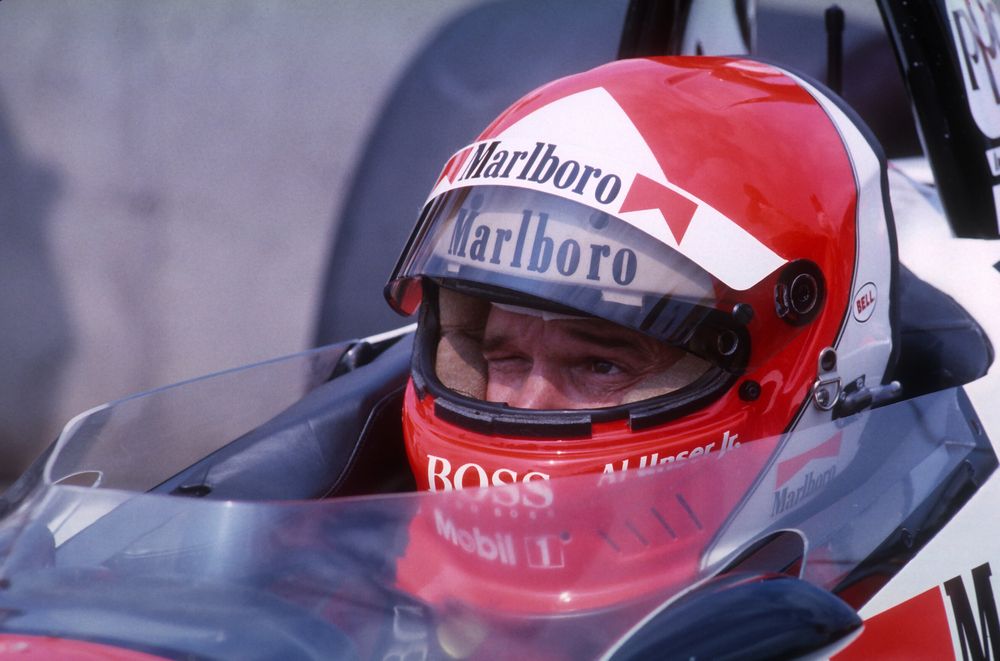
Pre-Race Invocations
— Photo by ProShooter
Most major racing events begin with an invocation or prayer, acknowledging the inherent dangers drivers face. This tradition reflects racing’s roots in communities where faith plays a central role—while also recognizing that drivers literally risk their lives for entertainment. The moment provides brief solemnity before the chaos begins. Even non-religious fans typically respect this tradition, understanding it serves as a reminder of what’s at stake.
The Lucky Penny Tradition
Many drivers tape coins to their dashboards or carry lucky pennies for protection. This superstition varies widely—some prefer heads up, others tails. Certain drivers use specific coins from meaningful dates or locations. The tradition might seem silly in an era of advanced safety technology, though it provides psychological comfort in an inherently dangerous sport. Racing demands both skill and luck, so why not hedge your bets?
National Anthem Ceremonies
— Photo by actionsports
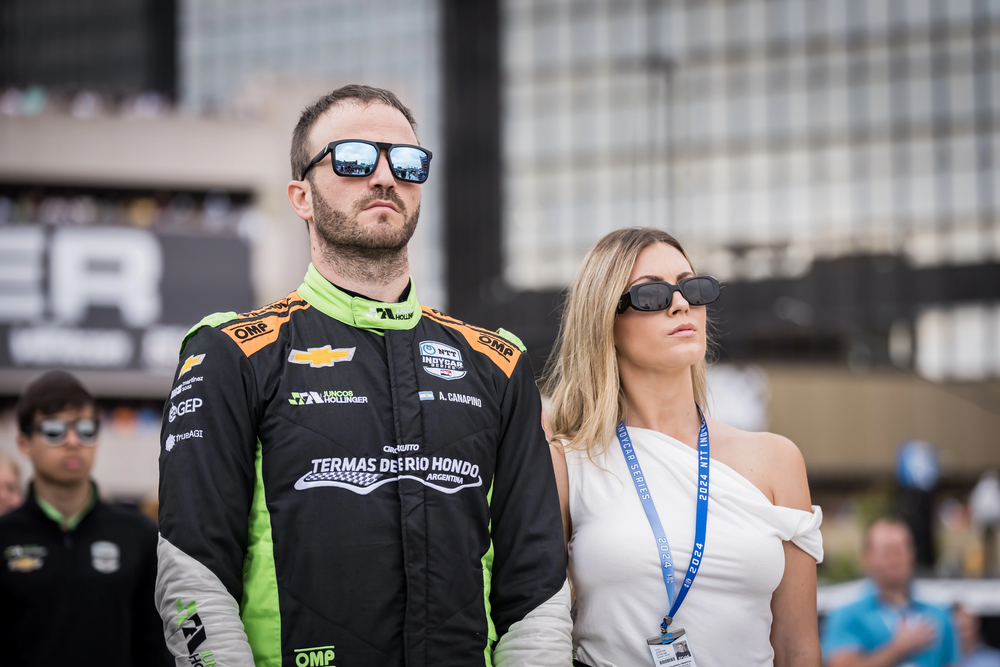
Racing events feature elaborate national anthem presentations, often with military flyovers or special guests. The tradition honors the sport’s patriotic fan base—while acknowledging racing’s deep American roots. Daytona and Indianapolis typically feature the most spectacular anthem ceremonies, complete with color guards and precision aircraft. These moments unite diverse crowds under shared national identity before the competition begins.
Post-Race Burnouts
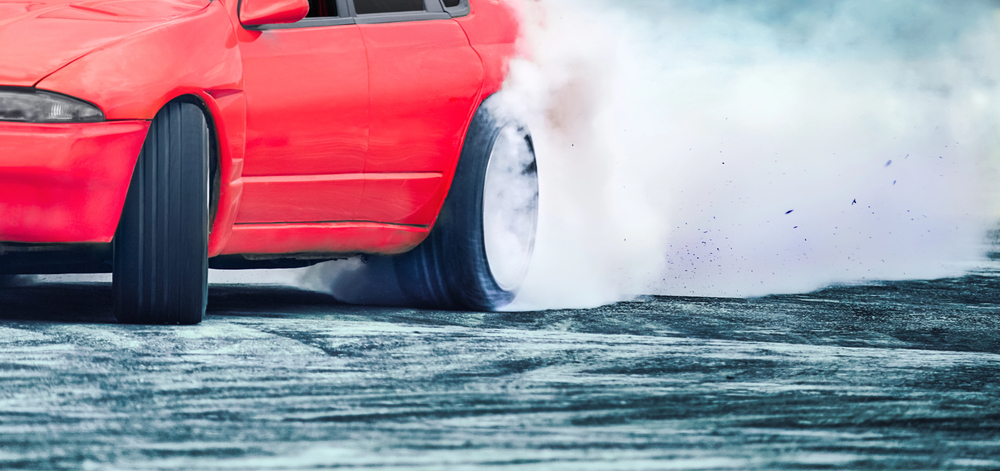
Winners celebrate with blazing tire burnouts that waste expensive rubber and create toxic clouds. The tradition started organically when excited drivers gunned their engines in Victory Lane. Now it’s practically mandatory, with fans expecting dramatic burnout displays from race winners. The ritual symbolizes the release of tension after hours of precise driving—a moment where control gives way to pure celebration.
Racing Number Traditions

Certain numbers carry special significance in racing, with some considered lucky or unlucky. The number 13 is often avoided, while single digits typically go to top drivers or champions. NASCAR retired numbers of legendary drivers like Dale Earnhardt’s 3—though other series recycle numbers freely. Drivers often request specific numbers for personal reasons, creating connections between past and present competitors.
Weather Delay Rituals
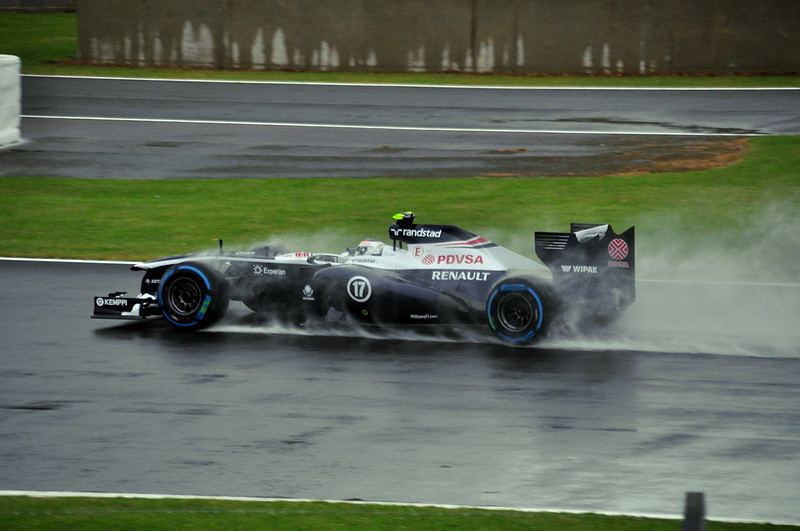
Rain delays bring their own traditions, from tarp ceremonies to fan entertainment. NASCAR races feature elaborate track-drying procedures that fans follow religiously—while dirt track races might get cancelled entirely. The anticipation during weather delays often builds excitement beyond the actual racing. Fans use delay time to debate strategy, grab concessions, or simply enjoy extended social time at the track.
Driver Introduction Pageantry
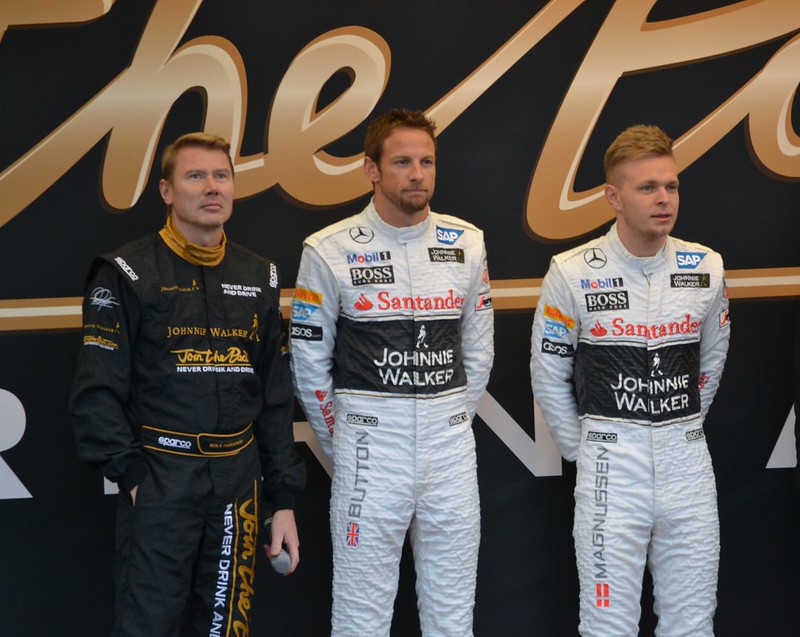
Pre-race driver introductions range from simple name announcements to elaborate theatrical productions. NASCAR’s playoff races feature especially dramatic introductions with pyrotechnics and custom music. Formula 1 drivers parade around the track in vintage cars before major races. These ceremonies build anticipation while giving fans chances to cheer their favorites before the serious business begins.
The Final Lap Tradition
— Photo by actionsports
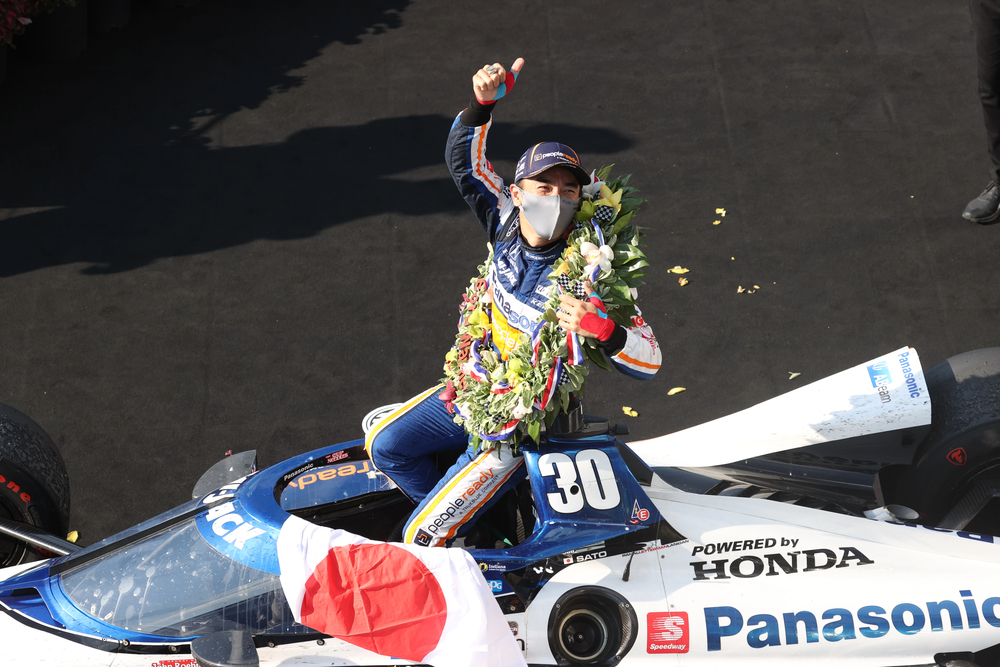
Taking the checkered flag triggers specific traditions depending on the race’s significance. Championship-deciding races often feature extended victory laps and special ceremonies. The Indianapolis 500 winner gets a wreath of flowers and the traditional milk—while other races have their own unique customs. These final moments transform individual achievement into shared celebration between drivers, teams, and fans.
Rituals That Bind Generations
— Photo by actionsports
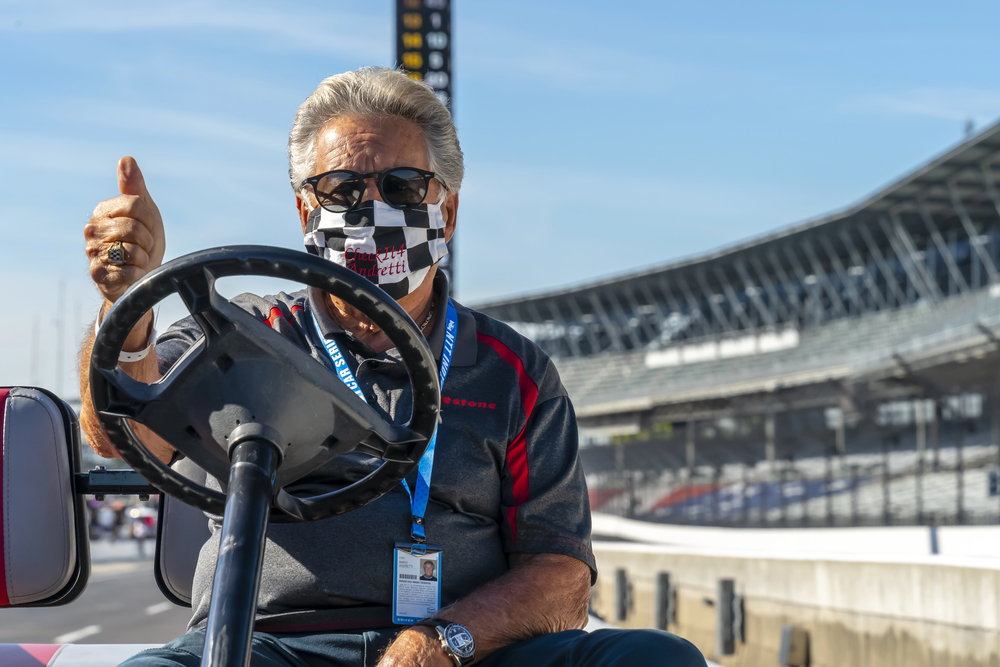
These racing traditions endure because they serve purposes beyond mere ceremony. They create shared experiences that connect fathers to sons, veterans to newcomers, and present moments to historical legacy. In a sport constantly evolving through technology and safety improvements, traditions provide anchors to racing’s authentic spirit. Modern fans honor these customs not from blind nostalgia, but from understanding that racing’s soul lies in its rituals as much as its results.
More from Go2Tutors!

- 16 Historical Figures Who Were Nothing Like You Think
- 12 Things Sold in the 80s That Are Now Illegal
- 15 VHS Tapes That Could Be Worth Thousands
- 17 Historical “What Ifs” That Would Have Changed Everything
- 18 TV Shows That Vanished Without a Finale
Like Go2Tutors’s content? Follow us on MSN.