20 Lost or Forgotten Hobbies That Were Once Extremely Popular
Remember when people spent their free time doing things that didn’t involve screens or digital devices? Many pastimes that once captured the imagination and creativity of previous generations have gradually faded into obscurity. As technology advances and lifestyles change, certain hobbies that were once household staples have been left behind in the dust of progress.
Here is a list of 20 once-beloved hobbies that have largely disappeared from mainstream popularity, though some dedicated enthusiasts still keep these traditions alive.
Ham Radio
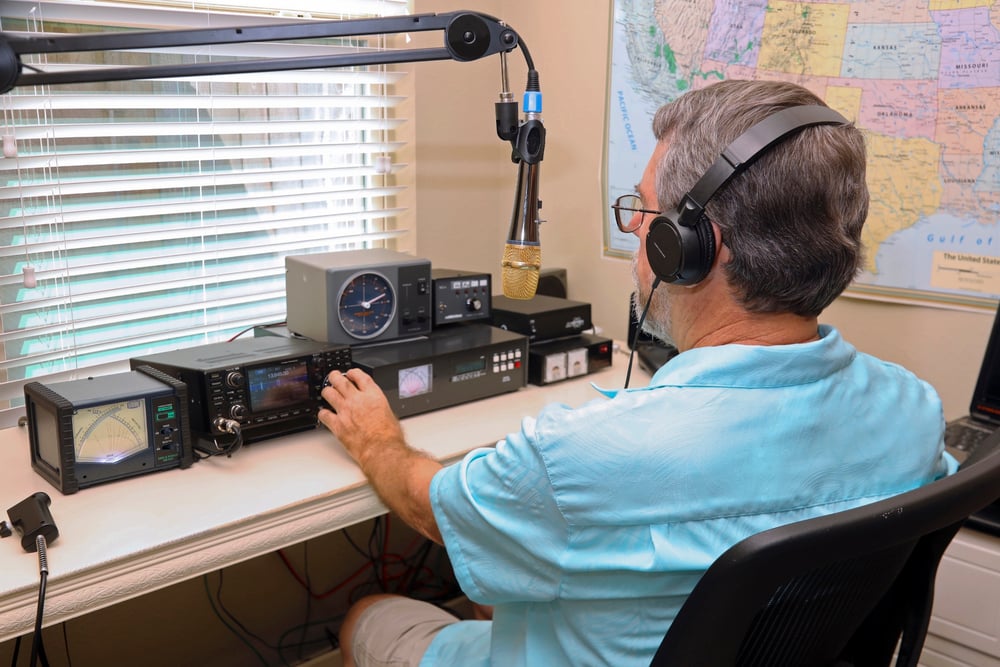
Before the internet connected us instantly across continents, amateur radio operators built elaborate setups to communicate with people around the world. These ‘hams’ would spend hours adjusting equipment, learning Morse code, and collecting confirmation cards from contacts made in distant locations.
The thrill of connecting with a stranger thousands of miles away using self-built equipment created an addictive hobby that peaked mid-century when millions participated worldwide.
Scrimshaw

This intricate art form involved carving designs into whale teeth, bones, or ivory. Particularly popular among sailors in the 19th century, scrimshaw artists would etch detailed scenes of maritime life, portraits, or decorative patterns, then rub ink into the grooves to make the images stand out.
Modern environmental protections have largely restricted this practice, though some artists continue using legal substitutes like tagua nuts or fossilized materials.
Stereoscope Viewing

Before television, families would gather around stereoscopes—devices that created 3D illusions from paired photographs. Viewers would insert special dual-image cards and peer through lenses to see scenes of exotic locations, famous monuments, or comical situations leap into three-dimensional life.
Companies produced thousands of these views, which became popular home entertainment in the Victorian era and remained common until motion pictures took over.
Pressing Flowers

The Victorian pastime of collecting and pressing flowers was once considered essential for refined young ladies. Enthusiasts would carefully arrange blooms between the pages of heavy books or specialized wooden presses, then use the preserved specimens to create artistic arrangements in albums, on stationery, or under glass.
While still practiced by some craft enthusiasts today, the hobby has lost the widespread popularity it once enjoyed as the cornerstone of genteel accomplishment.
Model Rocketry

The space race of the 1960s sparked nationwide enthusiasm for backyard rocketry, with clubs and competitions forming across America. Hobbyists would spend weekends assembling kits, painting their creations, and gathering in open fields to launch their rockets hundreds or even thousands of feet into the air.
While still practiced in some communities, stricter regulations and shifting interests have diminished what was once a defining hobby for scientifically-minded youth.
Collecting Matchbooks

Phillumenists—collectors of matchbooks and matchbox labels—once numbered in the millions. Restaurants, hotels, and businesses of all kinds offered free matchbooks with unique designs and logos, making them perfect souvenirs.
Collectors would carefully remove the matches, flatten the covers, and arrange their finds in specialized albums. The decline of smoking in public places and the prevalence of disposable lighters have made this once-ubiquitous hobby increasingly difficult to pursue.
CB Radio

The 1970s saw millions of Americans install Citizen’s Band radios in their vehicles, creating a nationwide network of casual communication. Drivers adopted colorful ‘handles’ (nicknames), developed their own slang, and used the technology to warn each other about speed traps or just combat highway boredom.
While truckers still use modern versions, the mainstream CB culture that inspired songs, movies, and television shows has largely vanished with the arrival of cell phones.
Correspondence Chess

Before online gaming, chess enthusiasts would play matches via postal mail, sometimes managing dozens of games simultaneously with opponents around the world. Players would note their moves on special postcards, mail them to opponents, then wait days or weeks for replies.
Some matches would span years, with players carefully tracking board positions in notebooks. Email chess briefly continued this tradition, but real-time digital platforms have largely replaced this methodical, contemplative approach to the game.
Shortwave Listening

DXers (distance listeners) would spend hours scanning shortwave radio frequencies, attempting to catch broadcasts from distant countries. The hobby peaked during the Cold War when enthusiasts might catch propaganda broadcasts from behind the Iron Curtain or news programs from remote corners of the world.
Listeners would send reception reports to international stations and collect QSL cards confirming their catches. With most international broadcasters moving to internet streaming, the atmospheric magic of pulling distant signals from the static has largely disappeared.
Victorian Hair Art
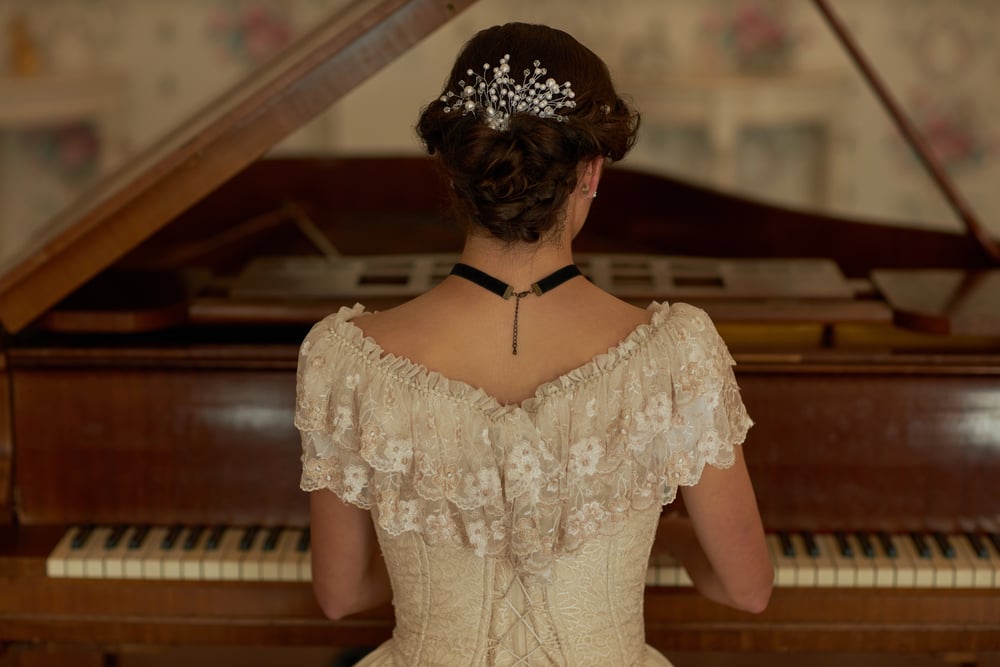
Making beautiful artwork from human hair was a valued skill and means of memorial in the 19th century. Women would gather hair from relatives—living and dead—then spin it into intricate wreaths, jewelry, or framed artwork.
Usually including symbolism and ornamental patterns, these works were family memories and memorials. Early in the 20th century, the habit almost vanished as photography becoming more widely available and attitudes altered.
Magic Lantern Shows

Entertainment-seekers reveled in magic lantern shows, in which operators projected hand-painted glass slides onto walls or screens, before film projectors. Professional lanternists carried their tools, narrating stories enhanced by the projected images and occasionally included motion through mechanical slides.
Until motion pictures made the technology obsolete, home projectors let families construct their own shows, which became a popular parlor amusement.
Quilling
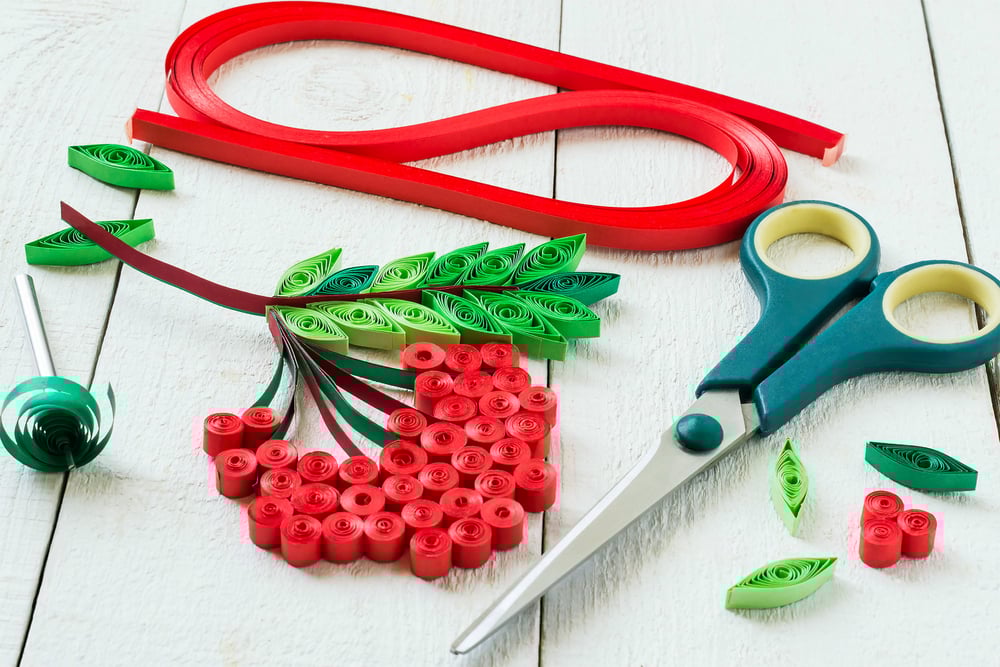
This paper craft involves rolling thin strips of paper into coils and arranging them to create decorative designs. Popular in the 18th century, particularly among women who lacked access to more expensive art materials, quilling was used to decorate items from jewelry boxes to religious artifacts.
The delicate paper filigree created through this technique required minimal equipment but considerable patience. Though experiencing small revivals among crafters, quilling has never recaptured its former prominence in home arts.
Competitive Walking

Believe it or not, pedestrianism—competitive walking—was among America’s most popular spectator sports in the late 19th century. Professional walkers competed in six-day endurance races held in large arenas, attracting thousands of spectators and substantial betting.
Athletes developed distinctive walking styles and became celebrities, with top competitors earning significant prize money. This peculiar sport faded as baseball, boxing, and team sports captured public attention in the early 20th century.
Stereographic Photography
Using special cameras with dual lenses, amateur photographers once produced their three-dimensional photographs. Mounted on cards for viewing through stereoscopes, these stereographic photographers would create matched pairs of photographs.
3D captured family events, holidays, and daily scenes, so producing immersive recordings of personal history. The tools and knowledge needed for this pastime progressively gave place to easier photography techniques and other kinds of amusement.
Marbling Paper

For people who made their books or ornamental papers, creating swirled images on paper using floating inks was once a regular hobby. After floating unique colors over a liquid basis and using combs or styluses to arrange them, practitioners would gently transfer the designs to absorbent paper.
The erratic character of the procedure produced original results every time. Although some bookbinders and paper artists still utilize this fascinating method, it has lost popularity as a typical home hobby.
Maintaining Butterfly Collections
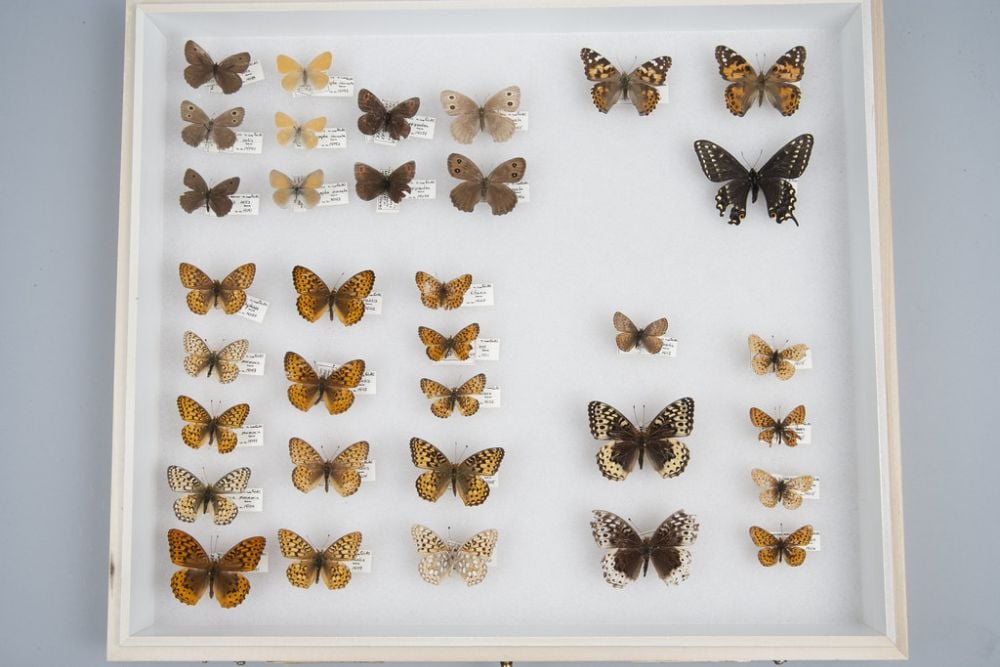
Victorian-era nature enthusiasts commonly collected butterfly specimens, carefully capturing, mounting, and displaying these colorful insects in glass-topped cases or frames. Field guides helped collectors identify their finds, and specialized equipment allowed for proper preservation.
The pursuit encouraged outdoor exploration and scientific observation but has declined significantly due to environmental concerns and changing attitudes about wildlife preservation.
Shadow Puppetry

Creating elaborate silhouette stories using hand puppets and a light source was once common family entertainment across many cultures. American and European families would create characters from cardboard or paper, mount screens made from sheets, and perform traditional tales or original stories.
The invention of radio, television, and other media gradually displaced this interactive form of storytelling that required little equipment but considerable creativity.
Autograph Books
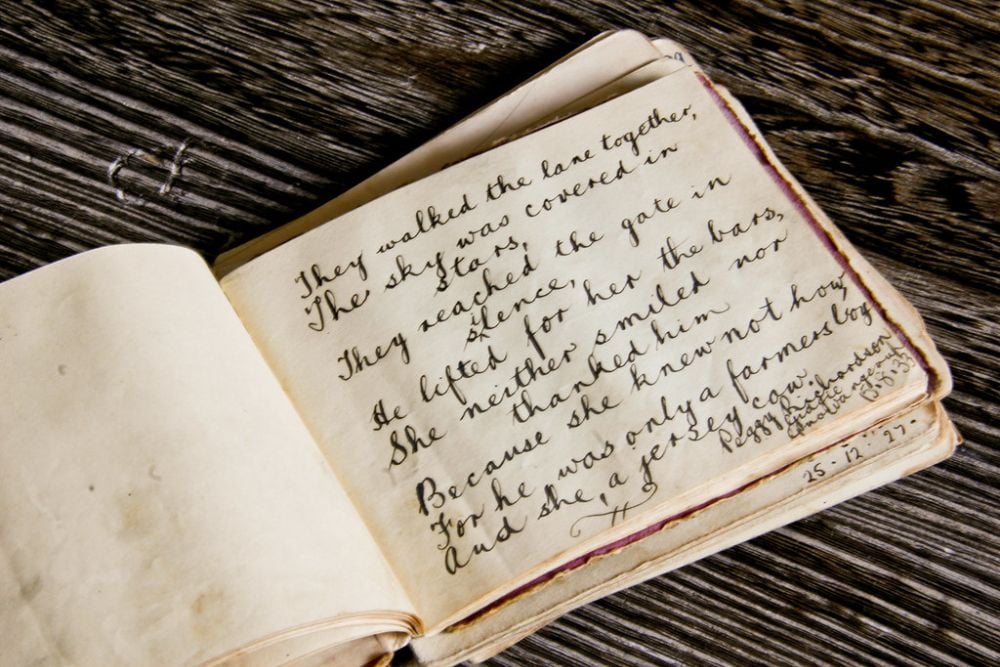
Before yearbooks became standardized, students collected signatures and personal messages in small decorative books. Friends and acquaintances would write short poems, drawing, and well-wishes that served as mementos of relationships.
The practice extended beyond school settings, with people collecting signatures from celebrities, political figures, or anyone they wished to remember. While signature collecting continues in specific contexts, the widespread exchange of decorated autograph books has largely disappeared.
Macramé

This knot-based textile art experienced massive popularity in the 1970s when homes across America featured handcrafted wall hangings, plant holders, and decorative items. Practitioners used various cords to create intricate patterns through specialized knots, requiring little equipment beyond patience and creativity.
Though macramé has seen periodic revivals, it has never returned to its status as a nearly universal craft activity that defined a generation’s aesthetic.
Hand Tinting Photographs

Before color photography became affordable and widespread, photographers and hobbyists would apply transparent oils or watercolors to black and white prints. This delicate work required steady hands and artistic judgment to add realistic color to portraits and landscapes.
Many family photographs from the early 20th century were lovingly hand-colored by amateur artists seeking to bring lifelike qualities to important images. The practice became unnecessary with the development of practical color film processes.
The Enduring Legacy of Analog Pastimes

These forgotten hobbies serve as a reminder that human ingenuity expressed in every age makes use of the tools and materials at hand. Although our leisure time is increasingly dominated by digital activities, many of these previous pursuits provided real-world results and hands-on gratification that virtual encounters seldom match.
Some aficionados still engage in these age-old hobbies, appreciating abilities and pleasures that link them to simpler forms of amusement and previous generations.
More from Go2Tutors!

- The Romanov Crown Jewels and Their Tragic Fate
- 13 Historical Mysteries That Science Still Can’t Solve
- Famous Hoaxes That Fooled the World for Years
- 15 Child Stars with Tragic Adult Lives
- 16 Famous Jewelry Pieces in History
Like Go2Tutors’s content? Follow us on MSN.



