18 Nostalgic Facts About 80s Army Tanks
The 1980s were a big deal for tanks. This decade saw armies around the world trying out new ideas to make their machines faster, stronger, and smarter. Tanks from this time didn’t just look tough—they had better engines, sharper aiming systems, and stronger armor than before. These changes helped shape how armored warfare worked and influenced the tanks that came after. Even now, many of those innovations still matter.
Tanks aren’t just metal machines; they carry stories about the times they lived through. Let’s take a closer look at some cool facts about these 80s tanks that made them stand out and why people still remember them today.
Here are some cool facts about those tanks. They show just how much the 80s shaped the way tanks look and work today.
M‑1 Abrams hit the scene in 1980
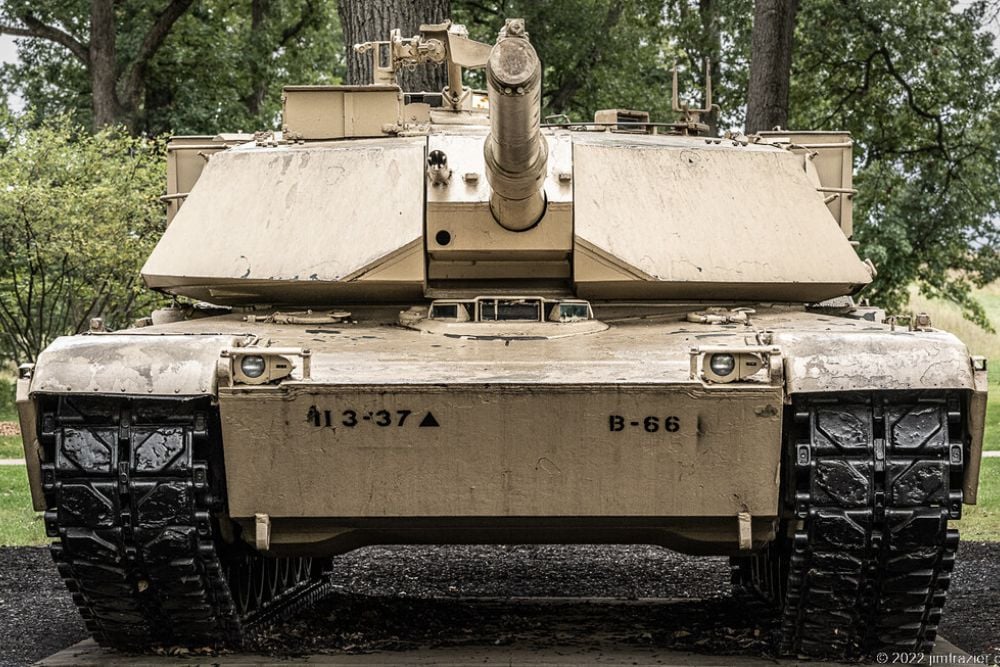
The M‑1 Abrams came out in 1980 and quickly became famous. It ran on a gas turbine engine, which was pretty rare for tanks, giving it more speed than usual. The armor used layers of metal and ceramics, making it super tough against enemy fire. It had new gadgets like a laser rangefinder and could see in the dark with thermal cameras. Its big gun started at 105 mm but later got upgraded to 120 mm for more power. This tank set the standard and is still going strong.
M60A3 Patton got night vision
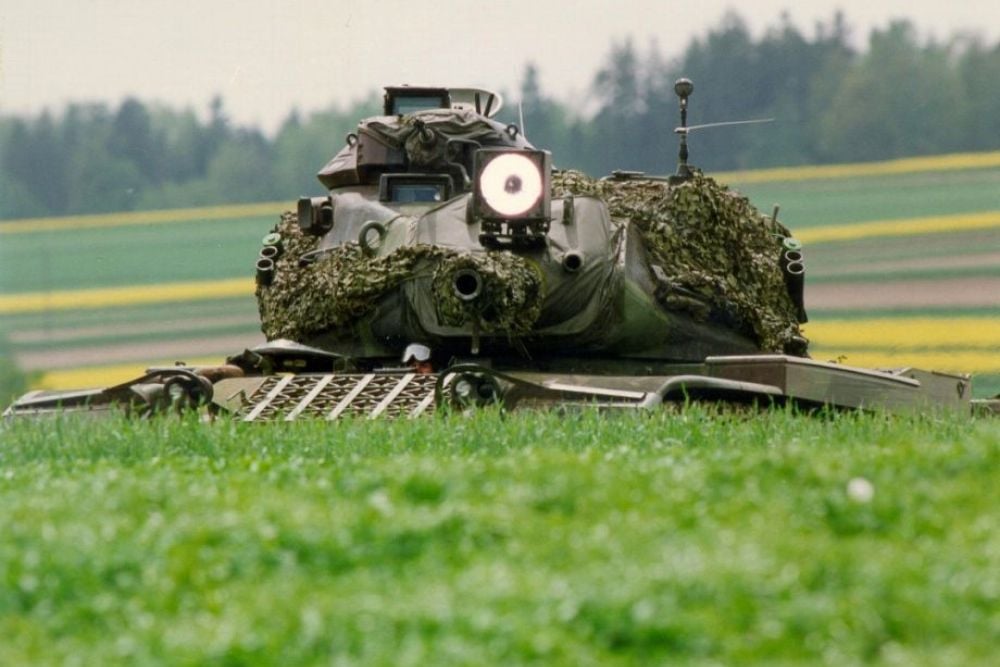
Before the Abrams, the M60A3 Patton was the main tank in the U.S. Army. It got upgrades like thermal sights, so it could fight at night. It also had a computer that helped aim better, which made shooting more accurate. Even as newer tanks came around, this one stayed useful, especially for training. Soldiers liked it for being strong and easy to fix.
Like Go2Tutors’s content? Follow us on MSN.
British Challenger 1 entered service in 1983
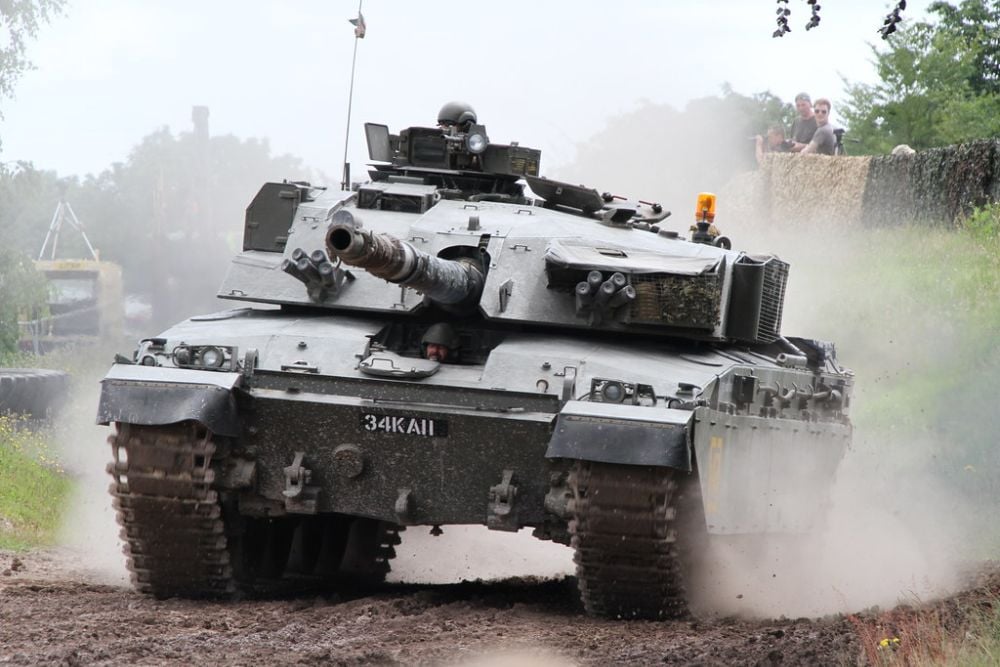
The British put the Challenger 1 into service in 1983. It had strong armor, similar to the Abrams, which helped protect the crew a lot. Its suspension made rides smooth over rough ground. It carried a 120 mm rifled gun, which was very accurate back then. Night vision helped soldiers see in the dark. The Challenger did well and stayed in use for years.
Soviet T‑80 got turbine engine first
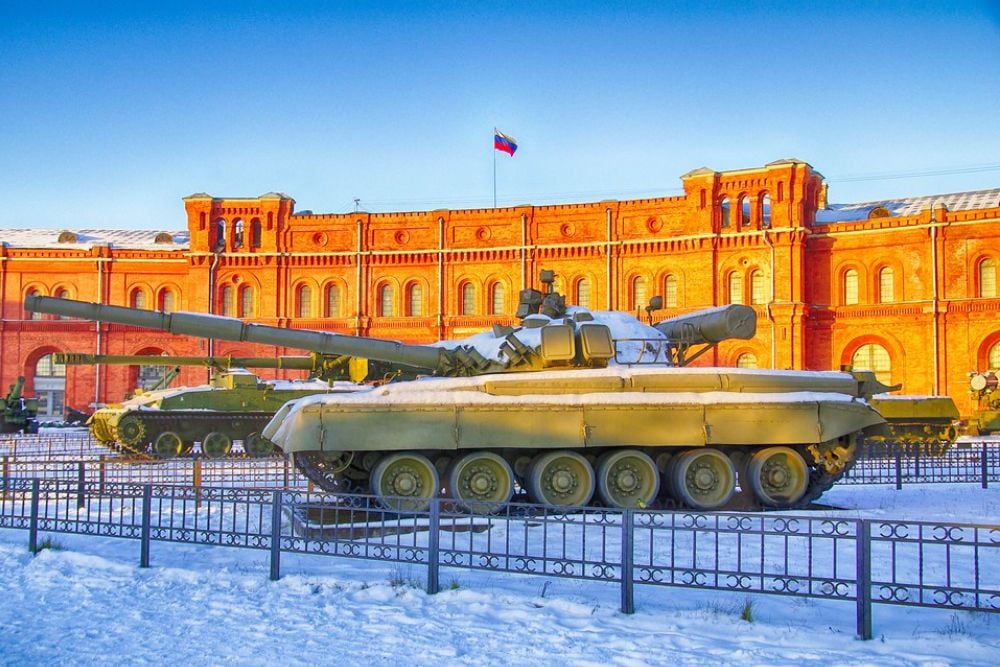
The Soviet T‑80 showed up in the late 70s with a gas turbine engine before the Abrams did. It could speed up quickly and was faster on flat land. Its armor was layered and spaced to stop hits better. Later, it added reactive armor that could blow up incoming shells to protect itself. It was a tough opponent in the Cold War and got some upgrades later on. It also had a better aiming system than older Soviet tanks.
Yugoslav M‑84 was based on T‑72
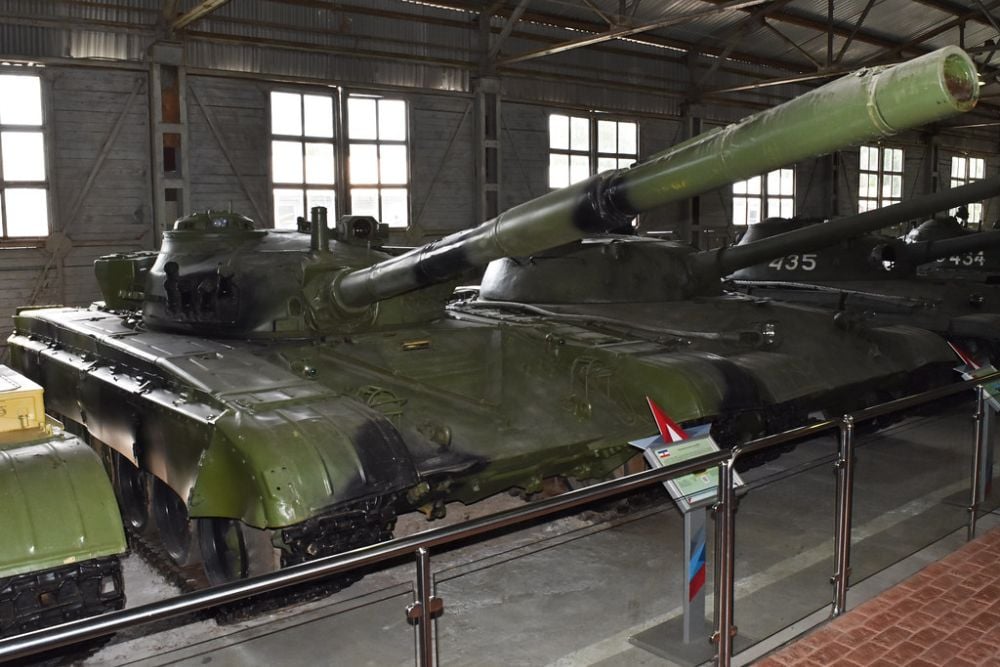
Yugoslavia made the M‑84 tank in 1984, based on the Soviet T‑72 but with some local tweaks. It had better aiming gear and stronger armor, making it safer for crews. The engine worked well across different landscapes. It had an autoloader so it could fire faster without extra people. The M‑84 was respected in its area and helped modernize the army.
Like Go2Tutors’s content? Follow us on MSN.
Bustle rack came from a tanker idea
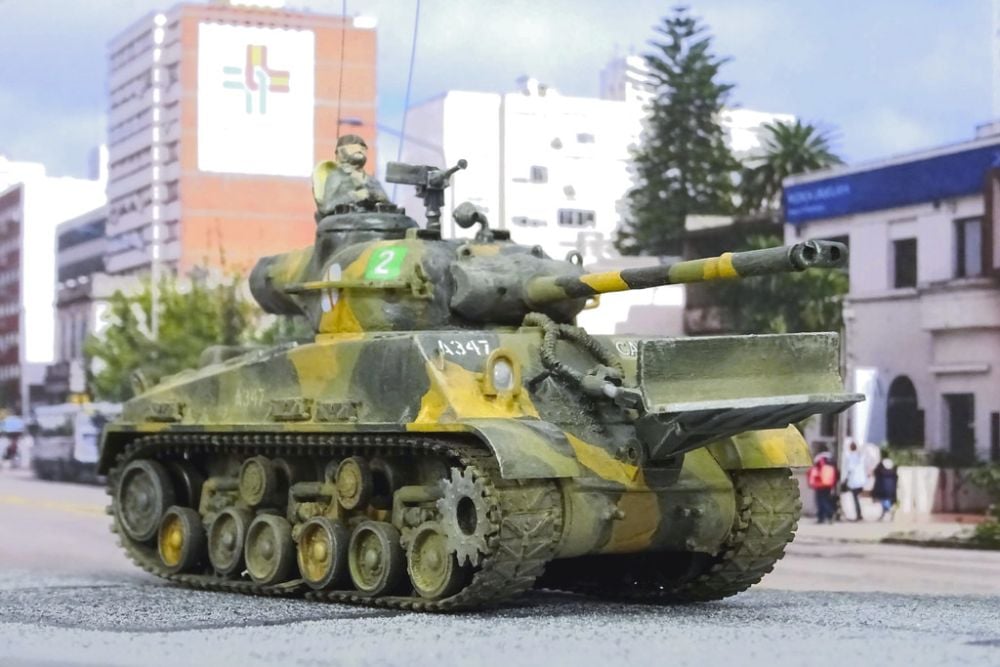
The M1 Abrams got a gear rack called a bustle rack behind the turret. A young tanker thought of it in the early 80s to keep equipment outside the tank. This rack helped keep things tidy and stopped the inside from getting crowded. It made it easier for crews to grab gear on the move. This small idea stuck around and is now a standard feature.
M551 Sheridan had a 152 mm gun/missile combo
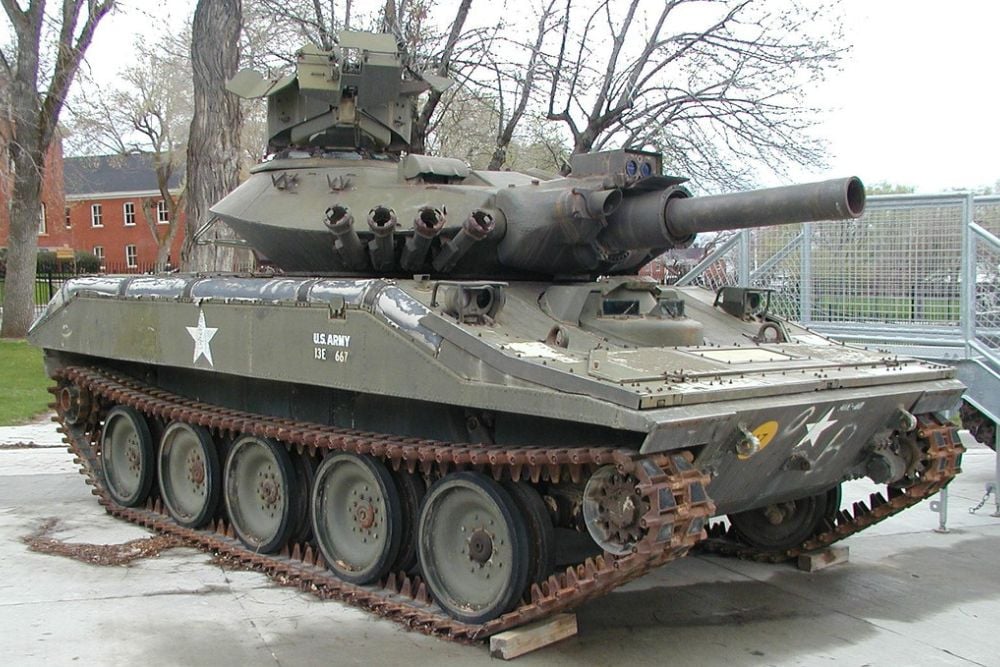
The M551 Sheridan was a light tank with a unique 152 mm gun that fired shells and missiles. It was light enough to be dropped by parachute or flown in easily. Its aluminum armor protected against small weapons but not big ones. It worked mostly for scouting and fast attacks. It wasn’t a heavy hitter but did its job well.
US Army built robotic tank for mines in 1985
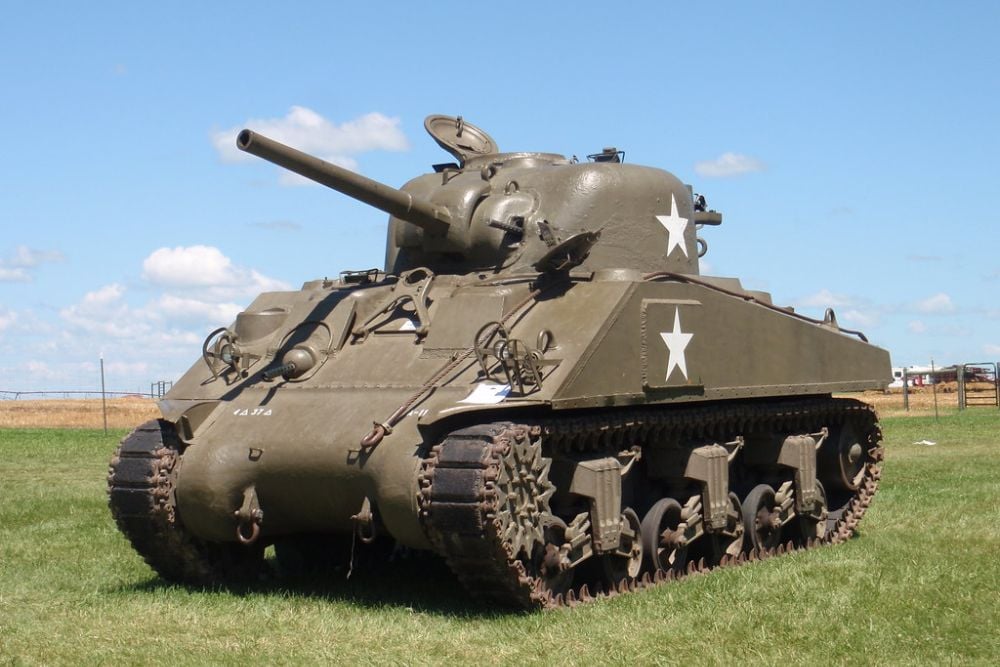
In 1985, the Army made a robot tank called ROBAT to clear mines. It could be controlled from far away, keeping soldiers safe. This was one of the first times robots were used for dangerous tasks in war. ROBAT didn’t get widely used, but it showed the military was starting to use new tech. It was a first step toward the robots seen today.
Like Go2Tutors’s content? Follow us on MSN.
M1 got replaceable track pads in 1986
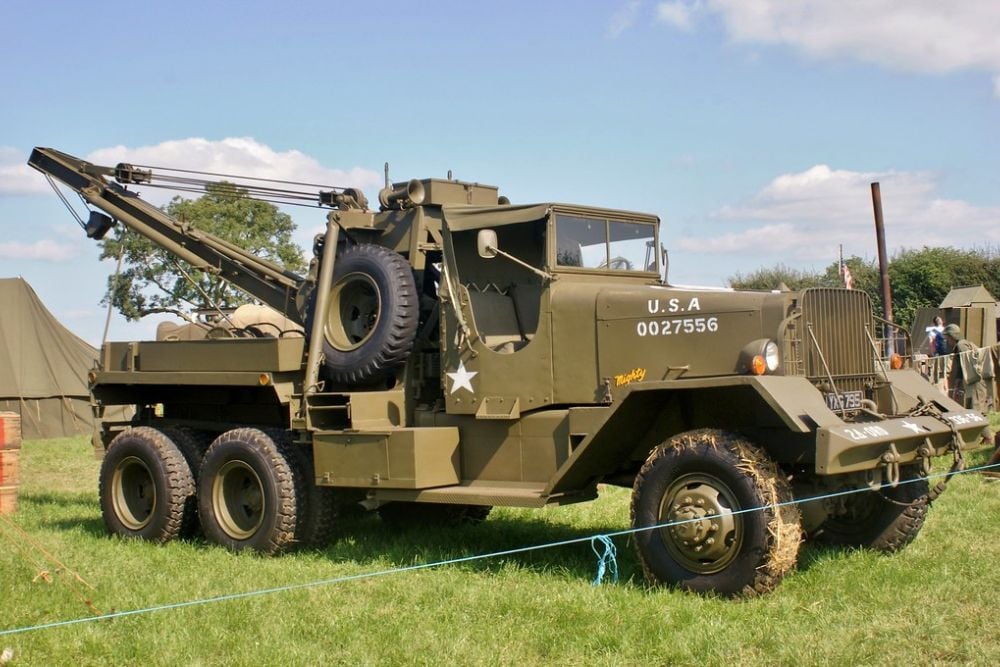
In 1986, the M1 got track pads that could be switched out quickly. This helped fix tanks faster and saved money. Crews liked it because it meant less downtime. The pads also protected roads better when tanks drove on pavement. It was a small change but made a big difference.
Central tire pressure systems debut
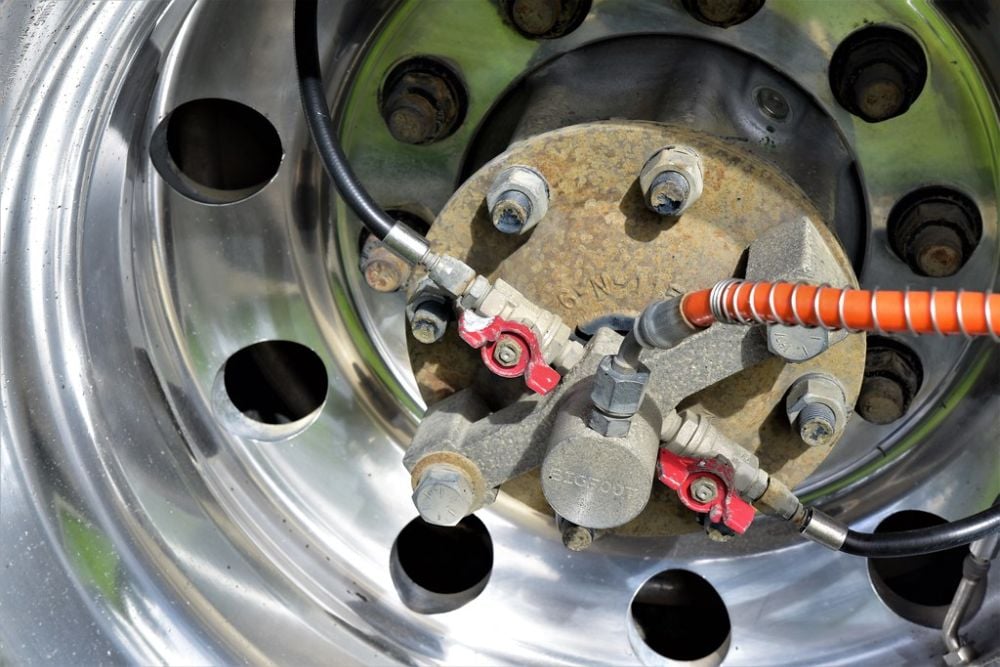
In the mid-80s, some armored vehicles got systems that let drivers change tire pressure from inside. This helped them drive better on mud, sand, or hard ground. The system made trips smoother and saved tires from wearing out fast. It helped vehicles move better without stopping. It was a smart way to handle rough land.
Armies feared Soviet T‑72 dominance
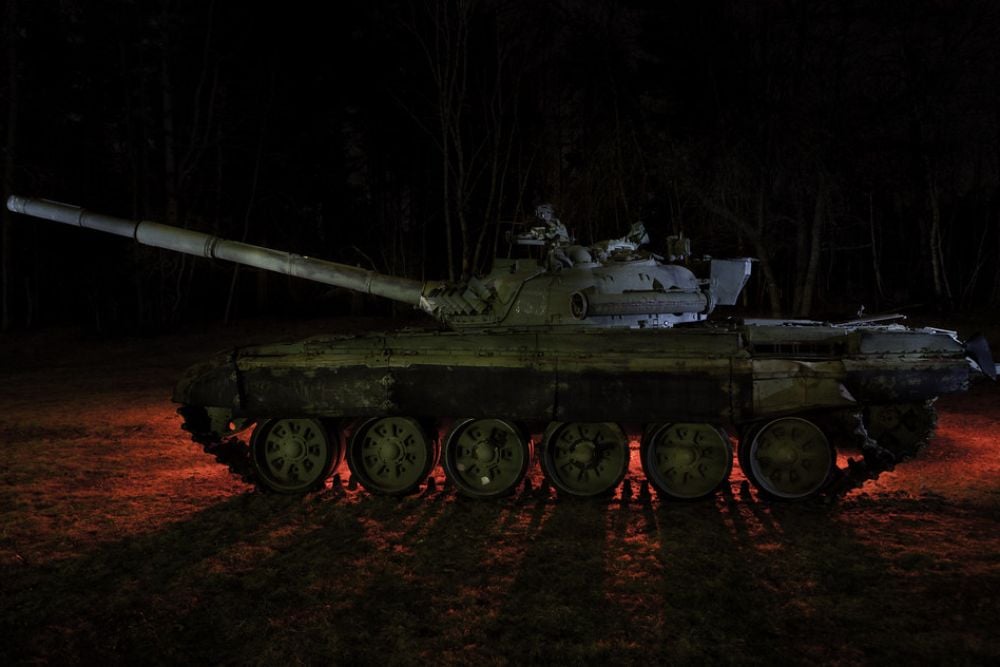
In 1980, the U.S. worried that the Soviet T‑72 was better than their old tanks. It was faster, tougher, and had a strong gun. This fear pushed the U.S. to make better tanks like the Abrams. It showed how much the Cold War competition pushed tank design. The worry helped speed up improvements.
Like Go2Tutors’s content? Follow us on MSN.
Bradley IFV introduced in the 80s
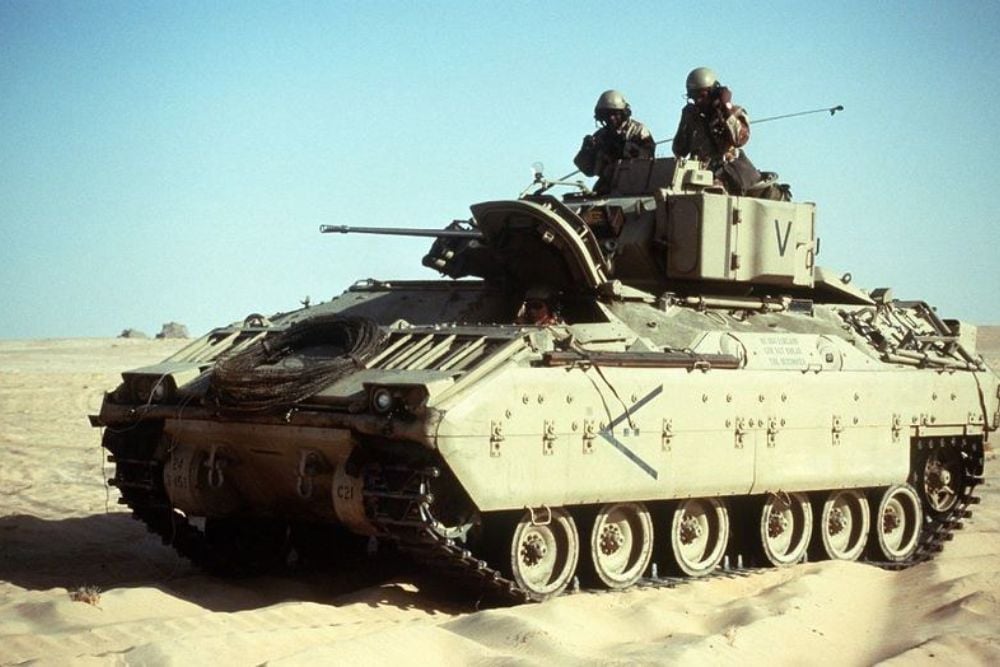
The M2 Bradley Fighting Vehicle joined the fight in the 80s with a 25 mm gun and missiles. It could see at night, making it useful in all conditions. The Bradley carried soldiers while helping protect tanks. It was fast and packed a punch, adding a new tool to armored units. It changed how armies thought about infantry and tanks working together.
M48 Patton appeared on film
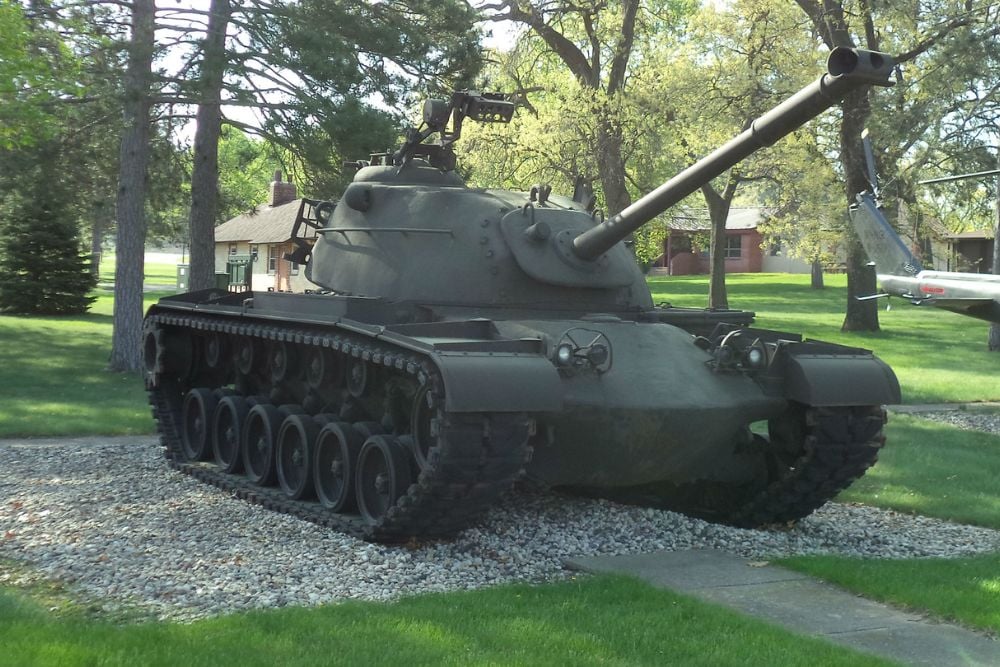
The M48 Patton was still around in the 80s and showed up in movies like The A-Team. Some were changed into recovery vehicles to help other tanks. Its shape was well known and popular with fans. Even after newer tanks took over, the Patton stayed part of military history and pop culture.
MBT‑70 project failed in 70s, shaped 80s
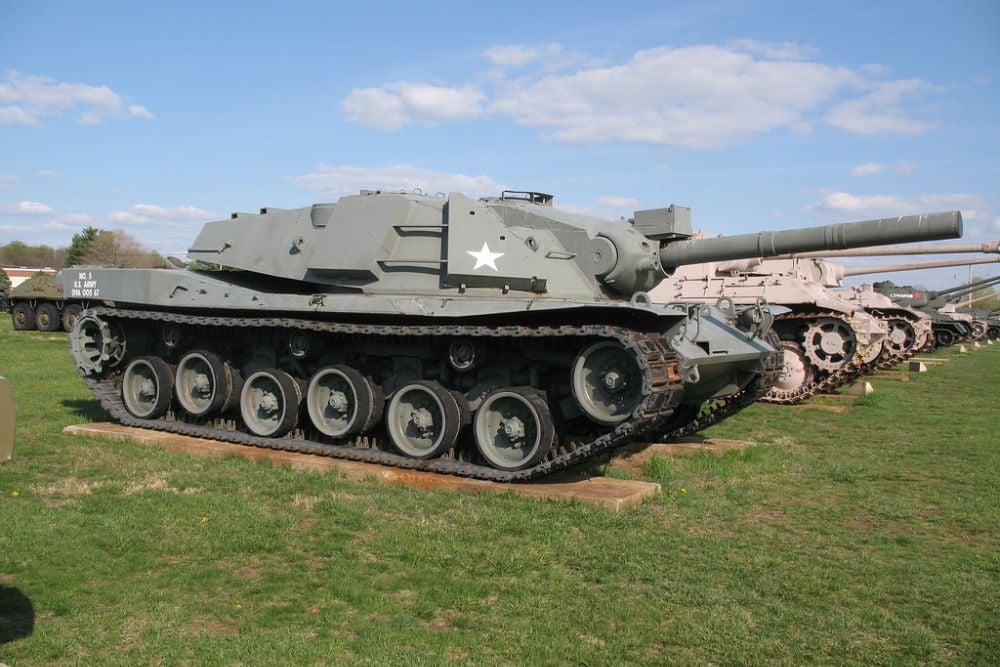
The MBT‑70 was a joint tank project between the U.S. and Germany that didn’t work out because it cost too much and had problems. But the ideas learned from it helped make the Abrams tank in the 80s. Designers focused on balance between power, armor, and cost. Many features came from lessons learned on this failed project.
Like Go2Tutors’s content? Follow us on MSN.
Tanks trained in West Germany in the 80s
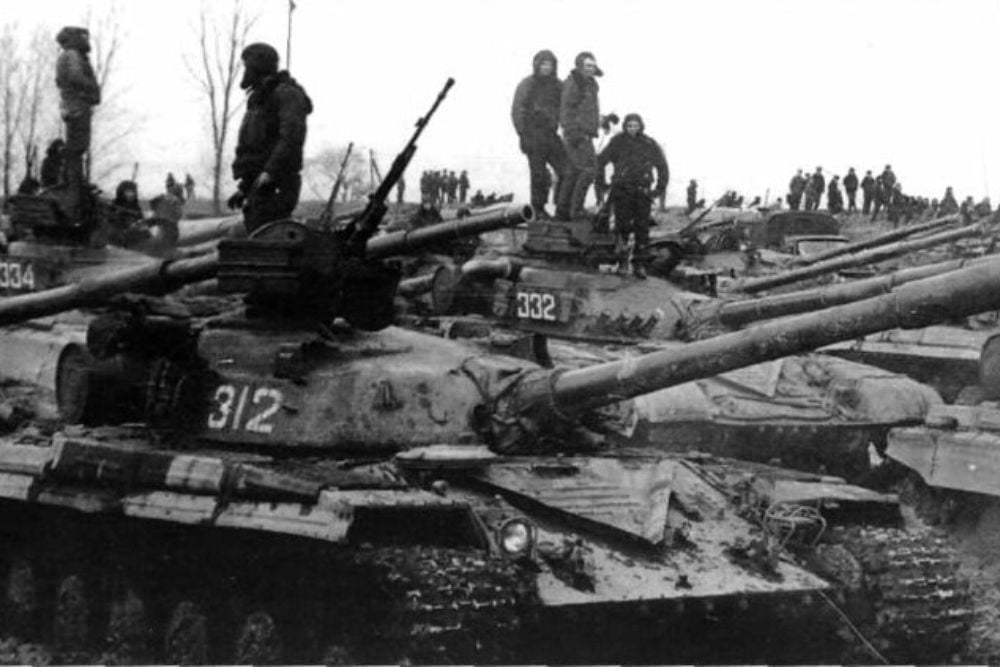
In the 80s, U.S. tanks trained in West Germany to get ready for a possible fight with the Soviets. They practiced crossing rivers and shooting live rounds. Real conditions helped crews get ready for battle. This training was important to keep skills sharp. West Germany was a key spot for Cold War tank exercises.
Rapid deployment tanks came into focus
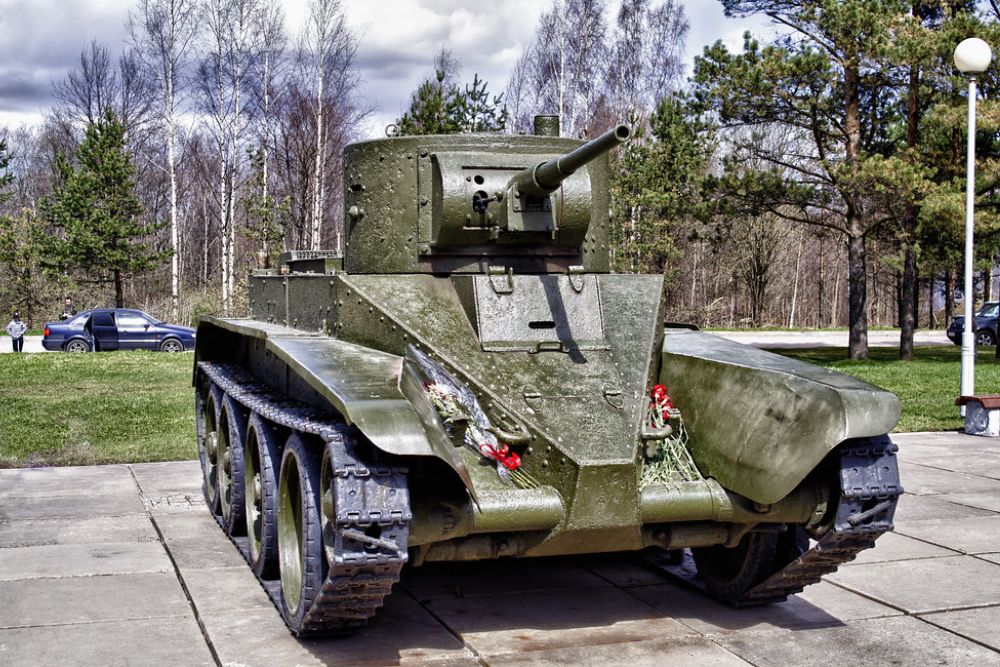
The 80s pushed for tanks that could move quickly anywhere. Light tanks like the Sheridan could be flown in or dropped by parachute. This made it possible to respond fast to trouble spots. Speed and flexibility became as important as firepower. This idea shaped how armies planned and fought in the future.
Coolest tank nicknames from the era
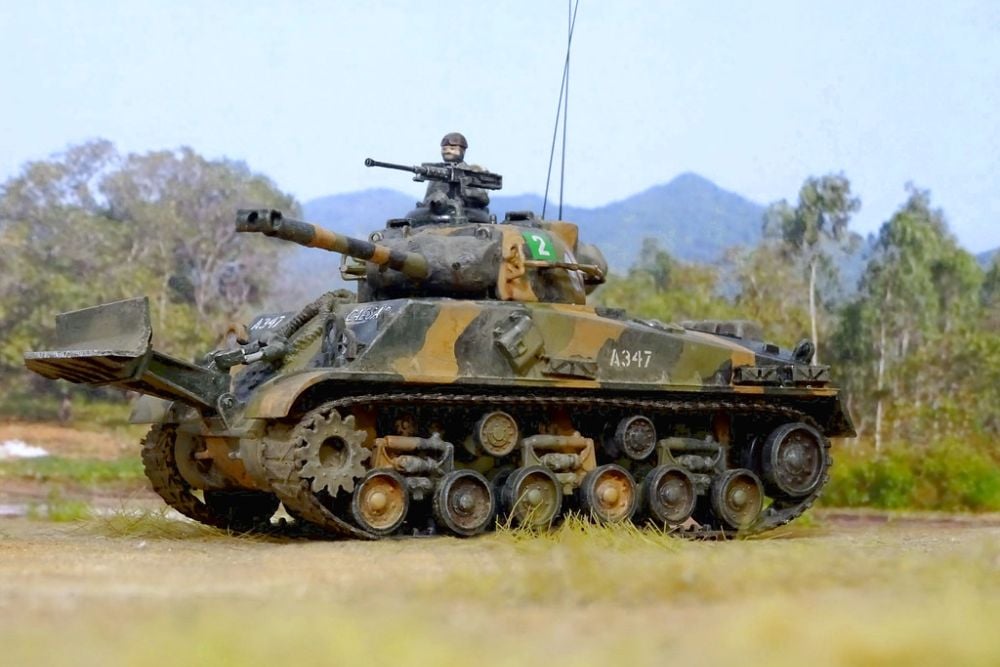
Many 80s tanks got fun nicknames. The M60A2 was called the “Starship” because of its futuristic look. The M1 Abrams was named after General Abrams. These names gave tanks personality and helped soldiers feel connected. Nicknames made tanks more than just machines.
Like Go2Tutors’s content? Follow us on MSN.
The 80s tank boom shaped today’s designs
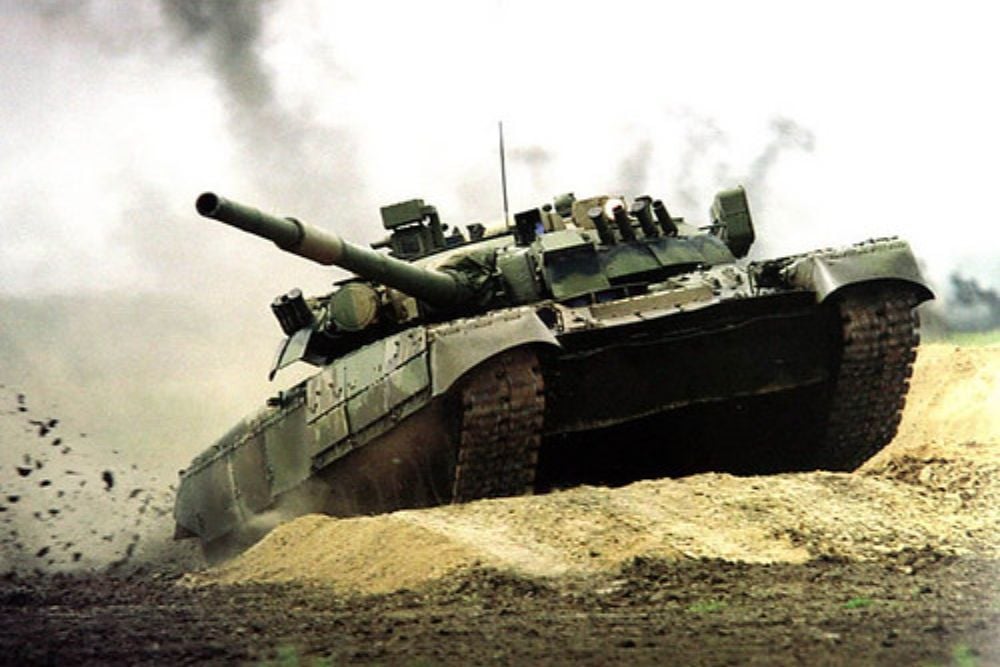
The 80s changed tank building around the world. New armor, engines, and tech from that time still influence today’s tanks. Designers learned how to make tanks fast, powerful, and tough. The tanks made in the 80s set the standard for modern armored vehicles. Their impact is clear in today’s armies.
How 80s Tanks Still Matter Today
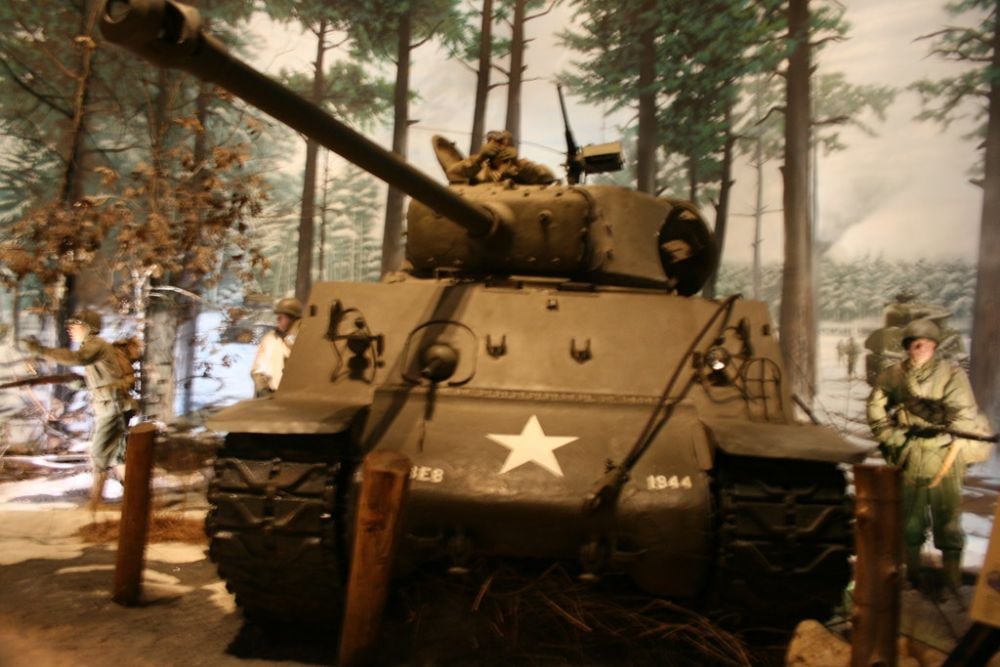
Tanks from the 1980s were more than just war machines—they were lessons in how to build better and smarter vehicles. Many ideas first tested then became the starting point for what tanks look like now. Even with all the new technology today, the basics from that era remain important. These tanks showed the value of balancing power, speed, and protection. Looking back helps us see how past designs continue to shape the future of armored vehicles.
More from Go2Tutors!

- 16 Historical Figures Who Were Nothing Like You Think
- 12 Things Sold in the 80s That Are Now Illegal
- 15 VHS Tapes That Could Be Worth Thousands
- 17 Historical “What Ifs” That Would Have Changed Everything
- 18 TV Shows That Vanished Without a Finale
Like Go2Tutors’s content? Follow us on MSN.