Fascinating New Year Traditions from Around the World
New Year’s Eve looks different depending on where you are. Some countries throw massive fireworks displays.
Others serve specific foods believed to bring good fortune. Many have rituals passed down through generations, each one shaped by local beliefs, histories, and superstitions that outsiders might find surprising or even strange.
These traditions reveal what different cultures value most. Prosperity, health, fresh starts, family connections.
The specific ways people mark the transition from one year to the next offer a window into how communities think about time, luck, and what matters when you’re given a symbolic clean slate.
Eating 12 Grapes at Midnight in Spain
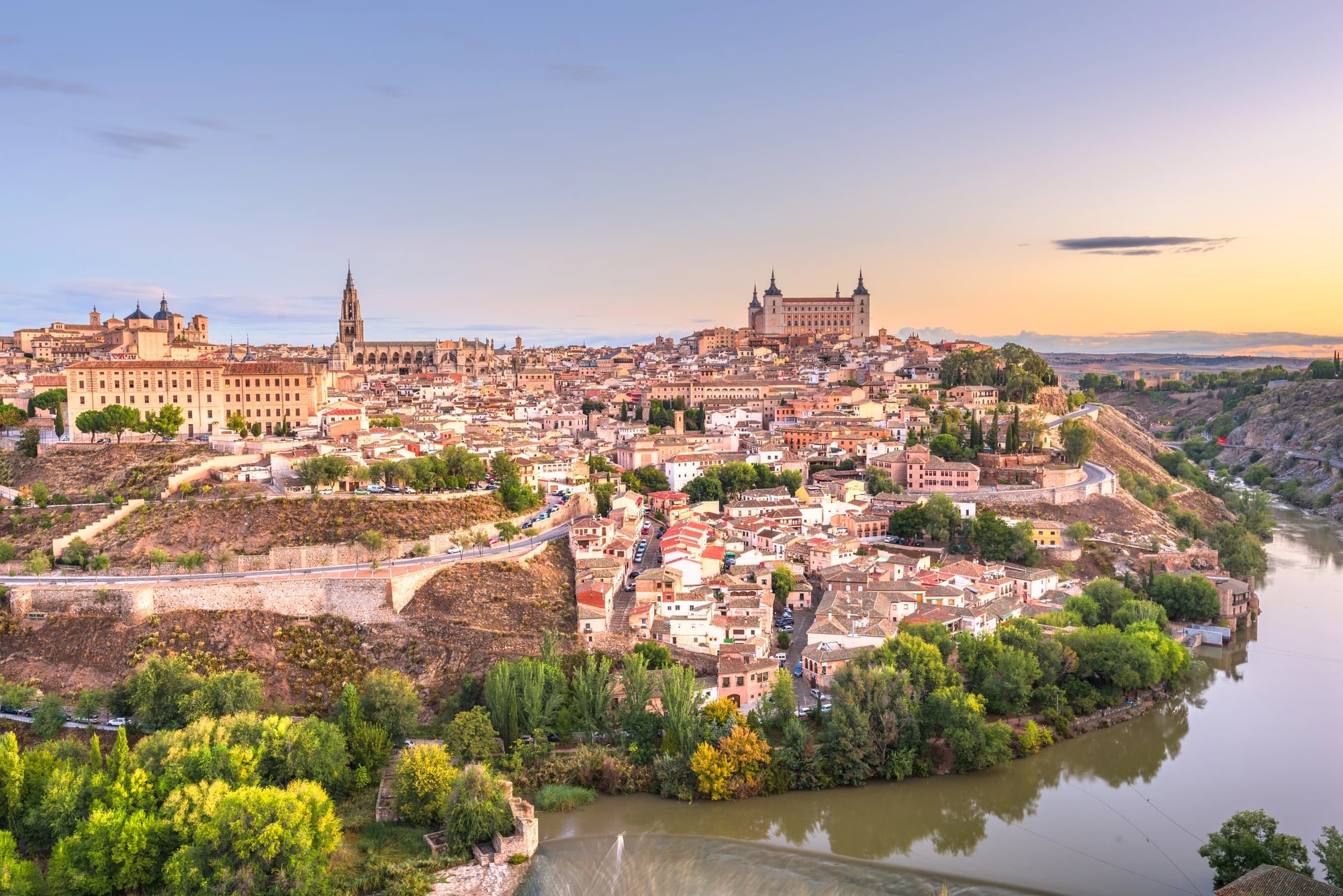
Spaniards eat one grape for each chime of the clock at midnight. The challenge is to finish all twelve before the final stroke.
Each grape represents good luck for one month of the coming year. Miss a grape, and that month might not go so well.
This tradition started in 1909 when grape growers in Alicante had a surplus and needed to sell their harvest. The marketing campaign worked.
Now millions of people across Spain gather in public squares with bags of grapes, racing against the clock while trying not to choke.
Throwing Furniture Out Windows in South Africa
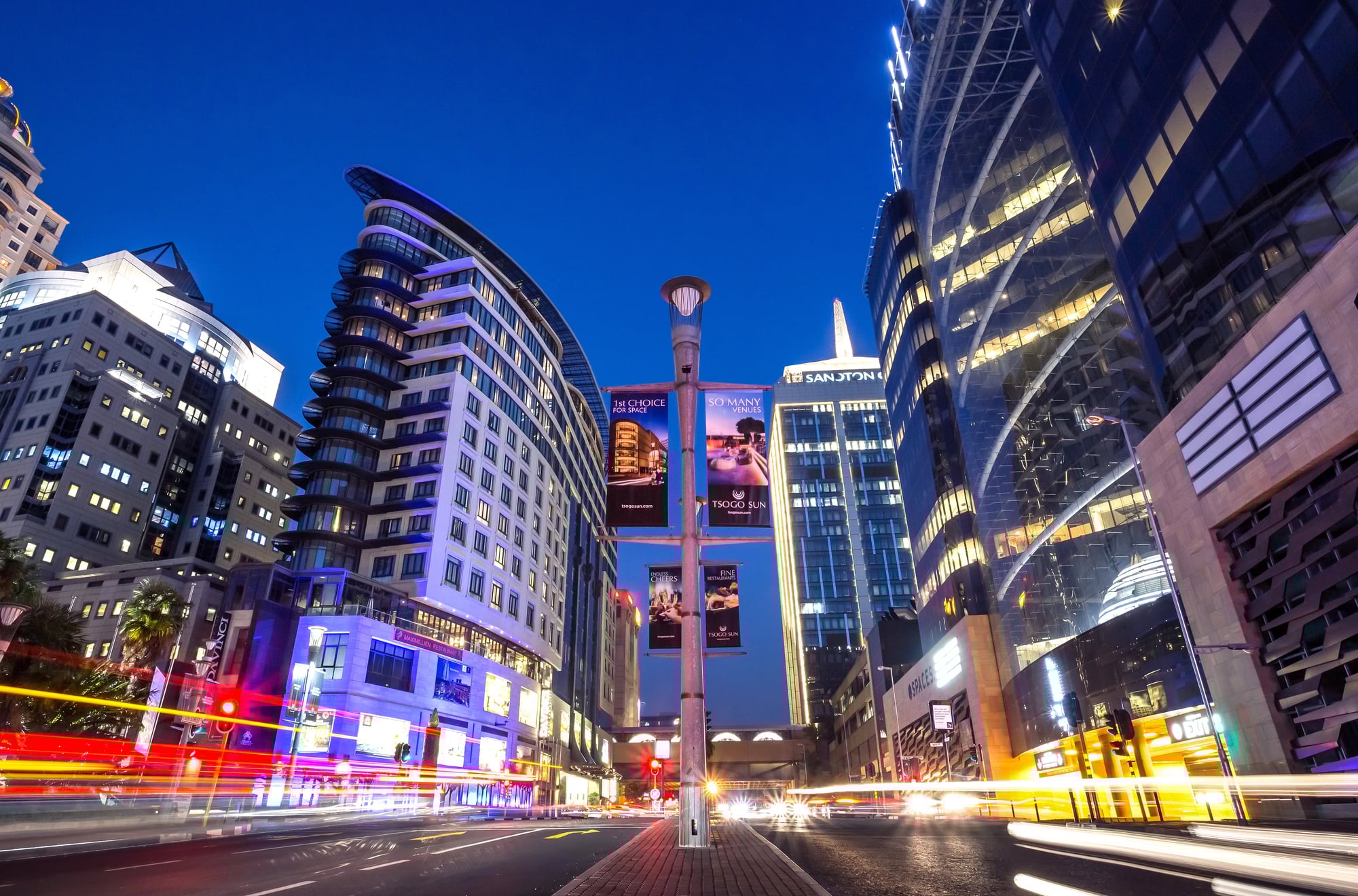
Some South African communities celebrate by throwing old furniture and appliances out of windows and off balconies. Chairs, tables, refrigerators.
The idea is to physically remove old, unwanted things from your life to make room for the new. This practice comes from certain neighborhoods in Johannesburg and has roots in various cultural traditions about purging the old year.
It’s not universal across the country, and it’s declined somewhat due to safety concerns and property damage, but it still happens in some areas where the symbolism matters more than the cleanup.
First-Footing in Scotland

The first person to cross your threshold after midnight determines your luck for the year. Ideally, this “first-footer” should be a tall, dark-haired man carrying gifts like coal, salt, whisky, or shortbread.
Each item symbolizes something: coal for warmth, salt for flavor, whisky for cheer, shortbread for food. Fair-haired or red-haired visitors are considered unlucky, supposedly stemming from Viking raids when blond invaders were bad news.
Women as first-footers are also traditionally seen as bringing bad luck, though modern celebrations care less about these old superstitions.
Wearing Polka Dots and Round Shapes in the Philippines
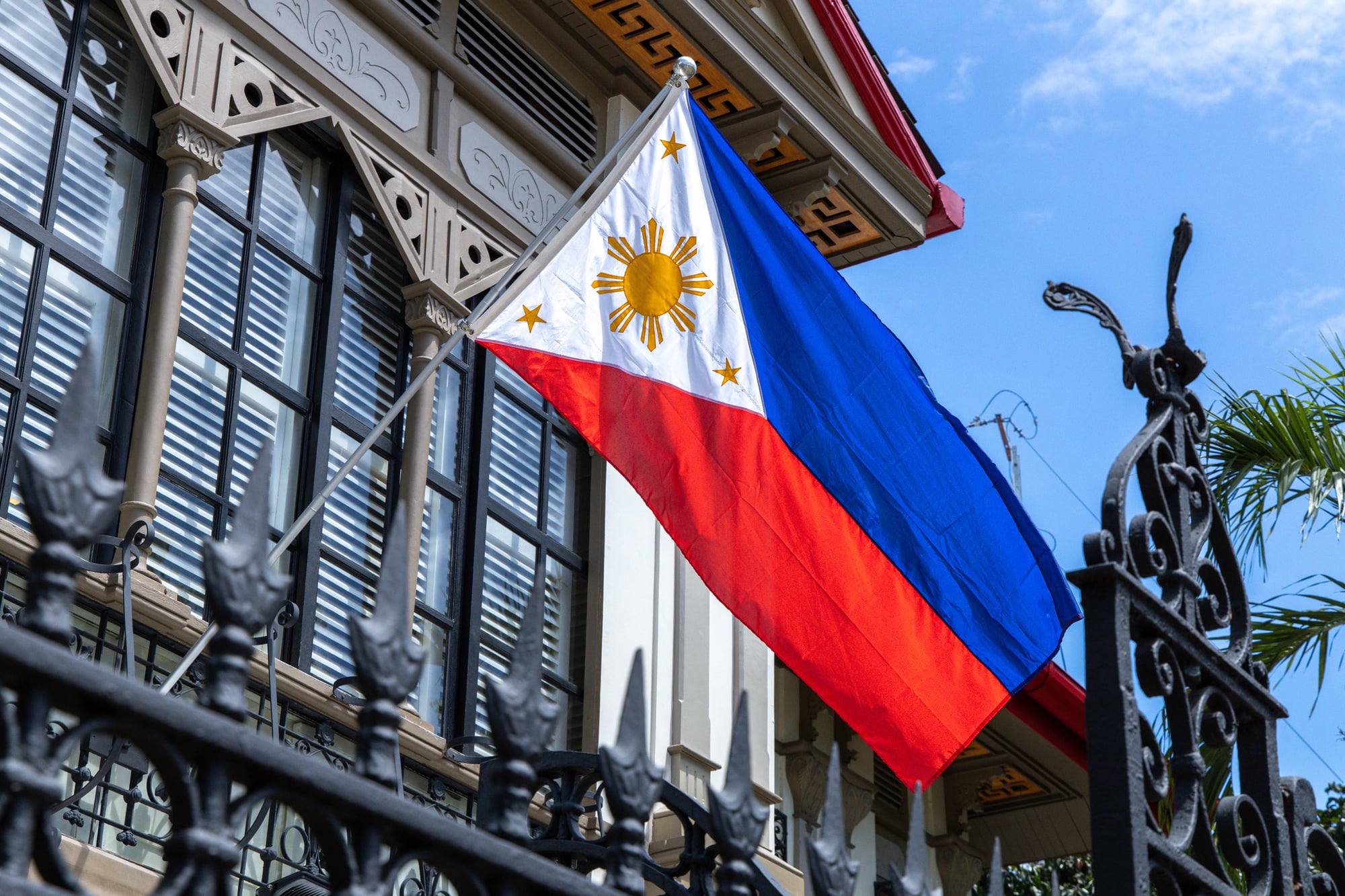
Filipinos wear polka dots, display round fruits, and keep coins in their pockets on New Year’s Eve. Circles represent coins, which represent prosperity.
The more round shapes you can incorporate, the better your financial situation should be in the coming year. Tables get loaded with twelve round fruits.
People jump at midnight to grow taller. They make as much noise as possible with horns, pots, and pans to drive away evil spirits.
The whole celebration centers on attracting money and good fortune through very specific symbolic actions.
Smashing Plates on Doorsteps in Denmark
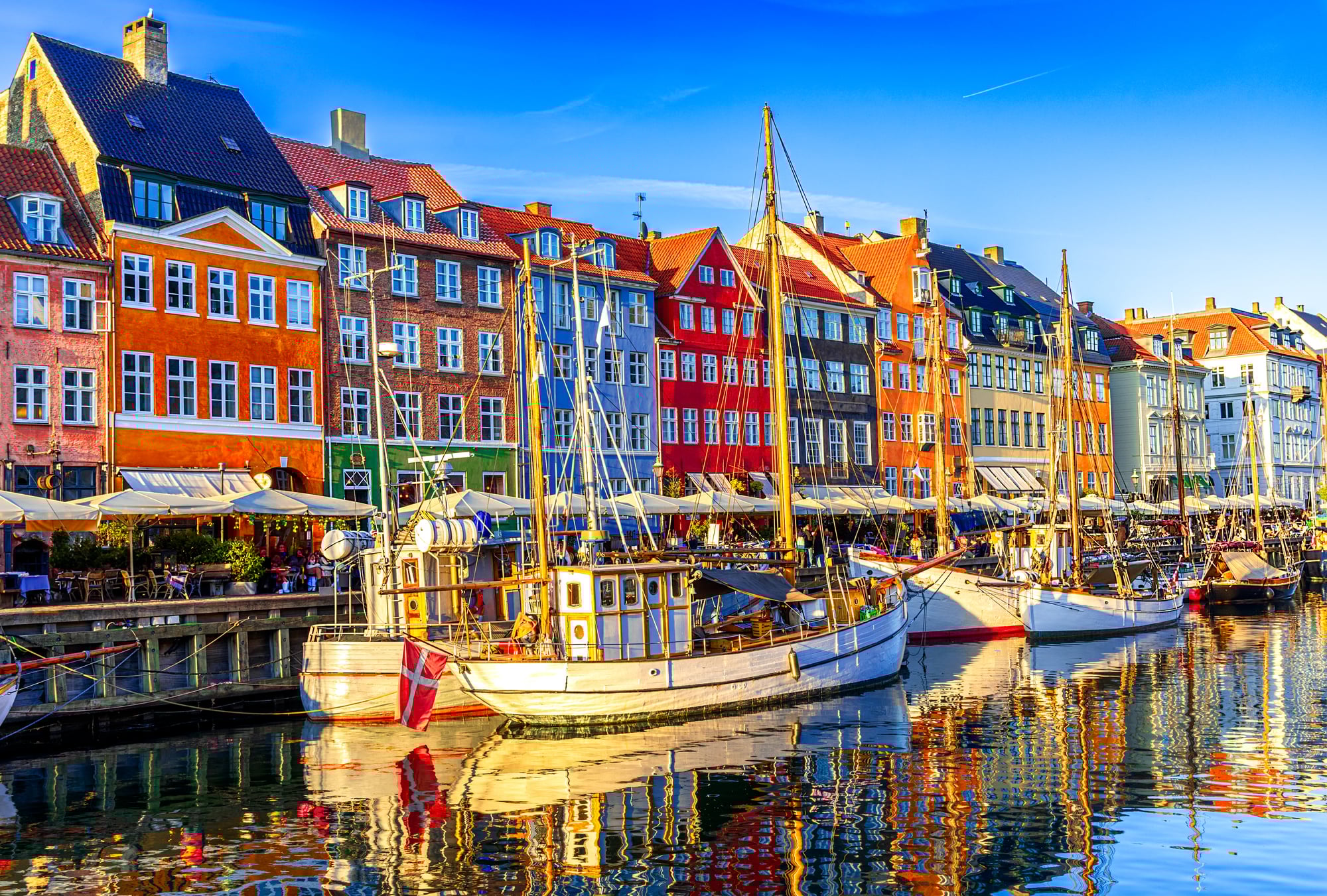
Danes save up chipped or broken dishes throughout the year, then throw them against the front doors of friends and family on New Year’s Eve. The bigger the pile of broken ceramics on your doorstep, the more friends you have and the more popular you are.
It’s a strange way to show affection, but the tradition goes back centuries. Leaving broken dishes for someone demonstrates that you’re thinking of them and wishing them well.
The cleanup the next morning becomes a measurement of social status.
Jumping Seven Waves in Brazil

Beach communities in Brazil, especially in Rio de Janeiro, head to the ocean at midnight. Dressed in white for peace and good luck, people wade into the water and jump over seven incoming waves while making seven wishes.
Each wave represents a wish for the new year. The white clothing and the number seven both have significance in Afro-Brazilian religions.
Yemanja, the goddess of the sea, receives offerings of flowers thrown into the waves. Millions participate in this tradition, creating a sea of white on the beaches as the new year arrives.
Eating Soba Noodles in Japan

Long buckwheat noodles, called toshikoshi soba, get eaten on New Year’s Eve. The length of the noodles represents longevity and the hope for a long life.
The noodles are also easy to cut, symbolizing the severing of hardships from the past year. Eating the noodles before midnight is traditional.
Some believe that failing to finish your bowl before the new year begins will bring financial misfortune. Temples ring bells 108 times at midnight to represent the 108 earthly desires that cause human suffering, helping people start fresh.
Burning Effigies in Ecuador
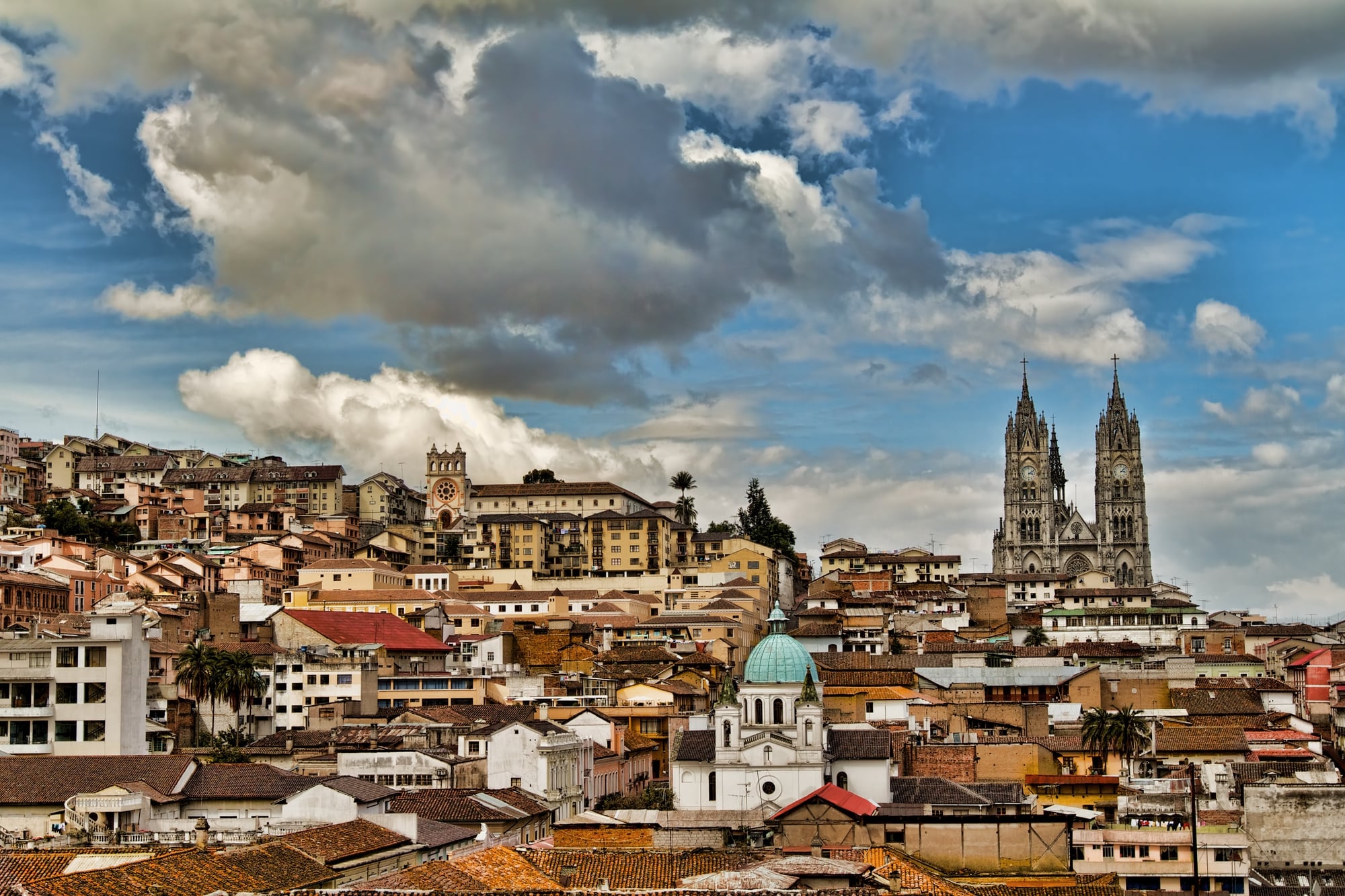
Ecuadorians craft elaborate life-sized dolls representing the old year, politicians, celebrities, or personal misfortunes. These “año viejo” (old year) figures get stuffed with newspapers and firecrackers, then burned at midnight.
The bigger the fire, the more you’re letting go. People write lists of bad things from the past year and burn those too.
Some dress in drag as “widows” of the año viejo and perform comedy sketches in the streets before the burning. The entire ritual focuses on destruction as a path to renewal.
Dropping Ice Cream in Switzerland
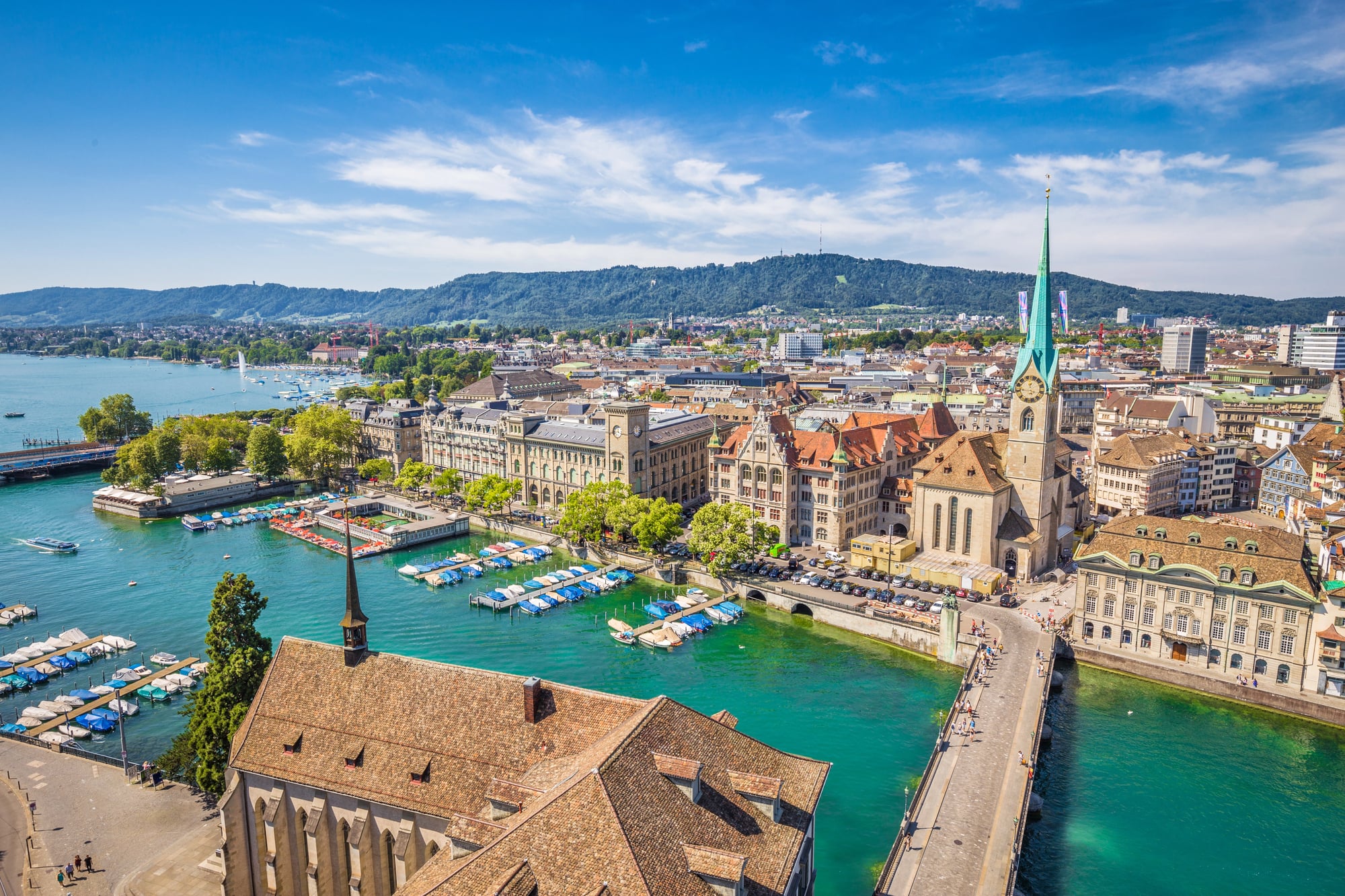
In parts of Switzerland, people drop a spoonful of ice cream on the floor at midnight and leave it there. The tradition supposedly brings abundance and prosperity.
The logic is that if you can afford to waste food, you must have plenty. This practice isn’t as widespread as other Swiss New Year customs like lead pouring to predict the future, but it persists in certain regions.
The ice cream melts throughout the night, and cleaning it up the next day represents clearing away the old to welcome the new.
Carrying Empty Suitcases in Colombia
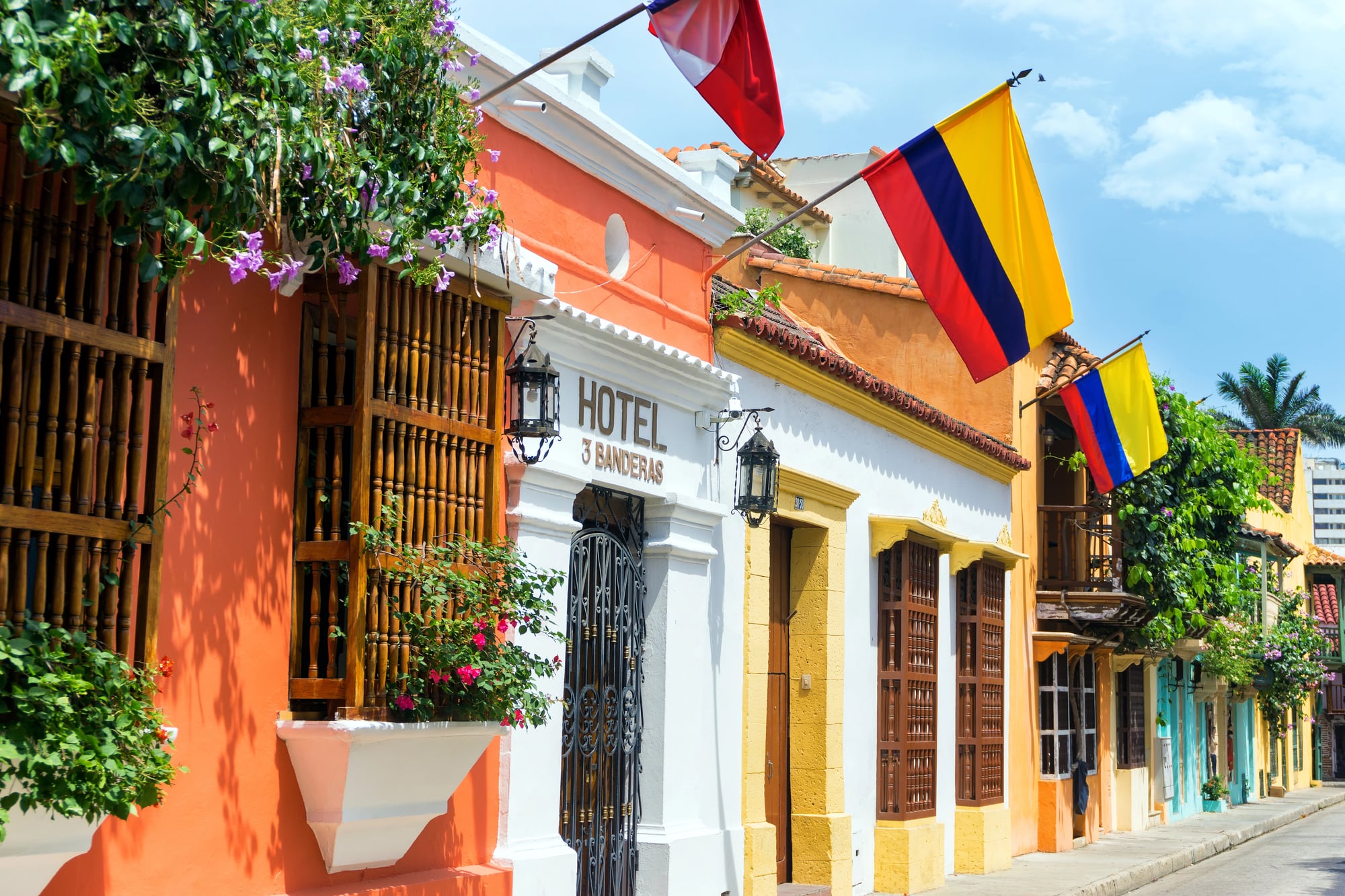
Colombians who want to travel in the coming year grab an empty suitcase and run around the block with it at midnight. Some just run up and down the street.
The faster you run, supposedly, the more places you’ll visit. This tradition has become more popular in recent decades.
You’ll see people of all ages sprinting down sidewalks with luggage, laughing and hoping their symbolic journey translates into real trips. It’s simple, absurd, and grounded in the very direct belief that actions can shape outcomes.
Hanging Onions on Doors in Greece
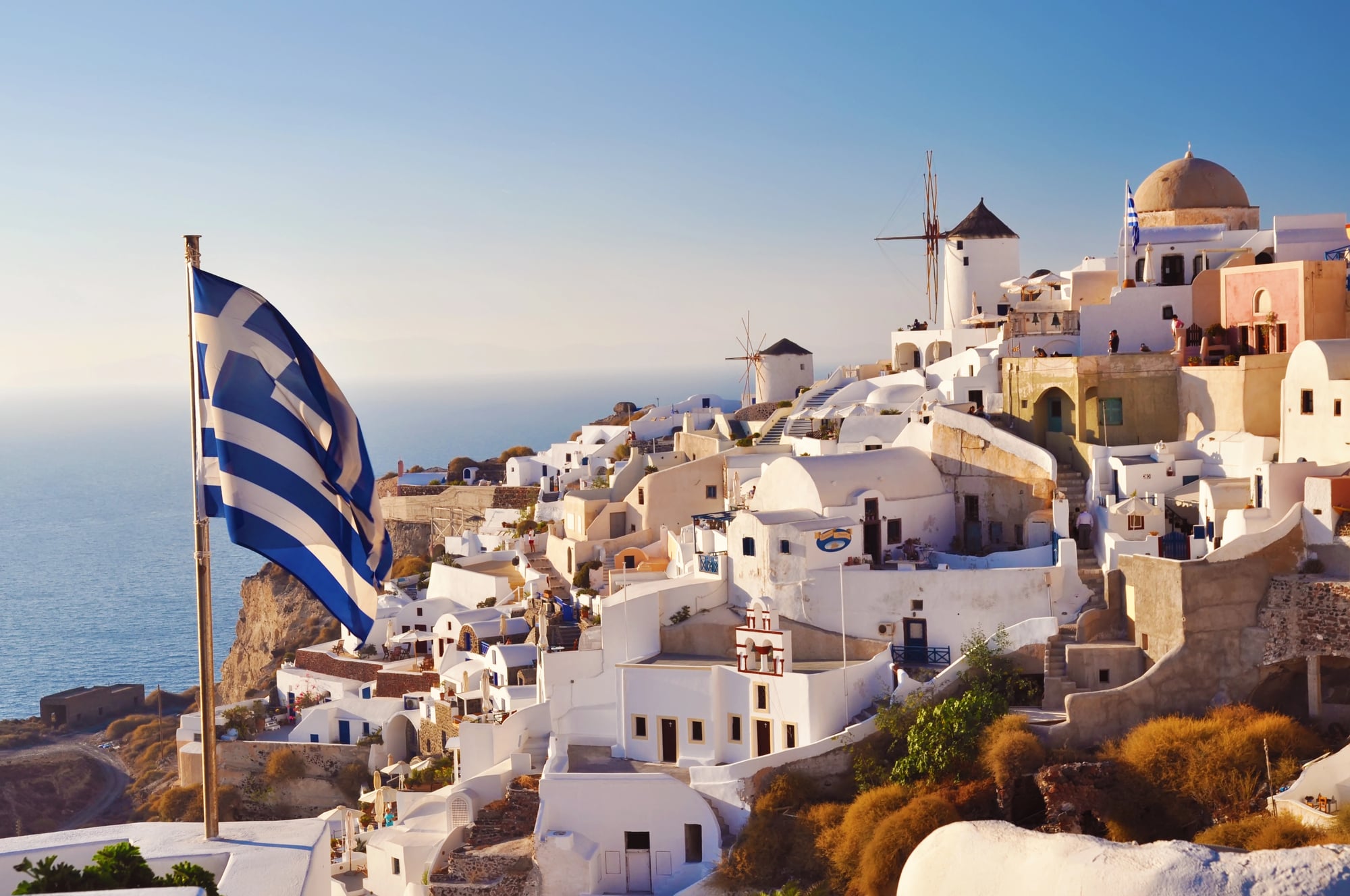
Greek families hang onions on their front doors on New Year’s Eve. The onion symbolizes rebirth and growth because it continues to sprout even after being harvested.
On New Year’s Day, parents wake their children by tapping them on the head with an onion to bring good luck. Churches also use onions in their New Year rituals.
The sharp smell and the layers of the onion both carry meaning. The tradition connects to agricultural cycles and the hope that everything will continue to grow and flourish in the new year.
Breaking Bread Against the Wall in Ireland
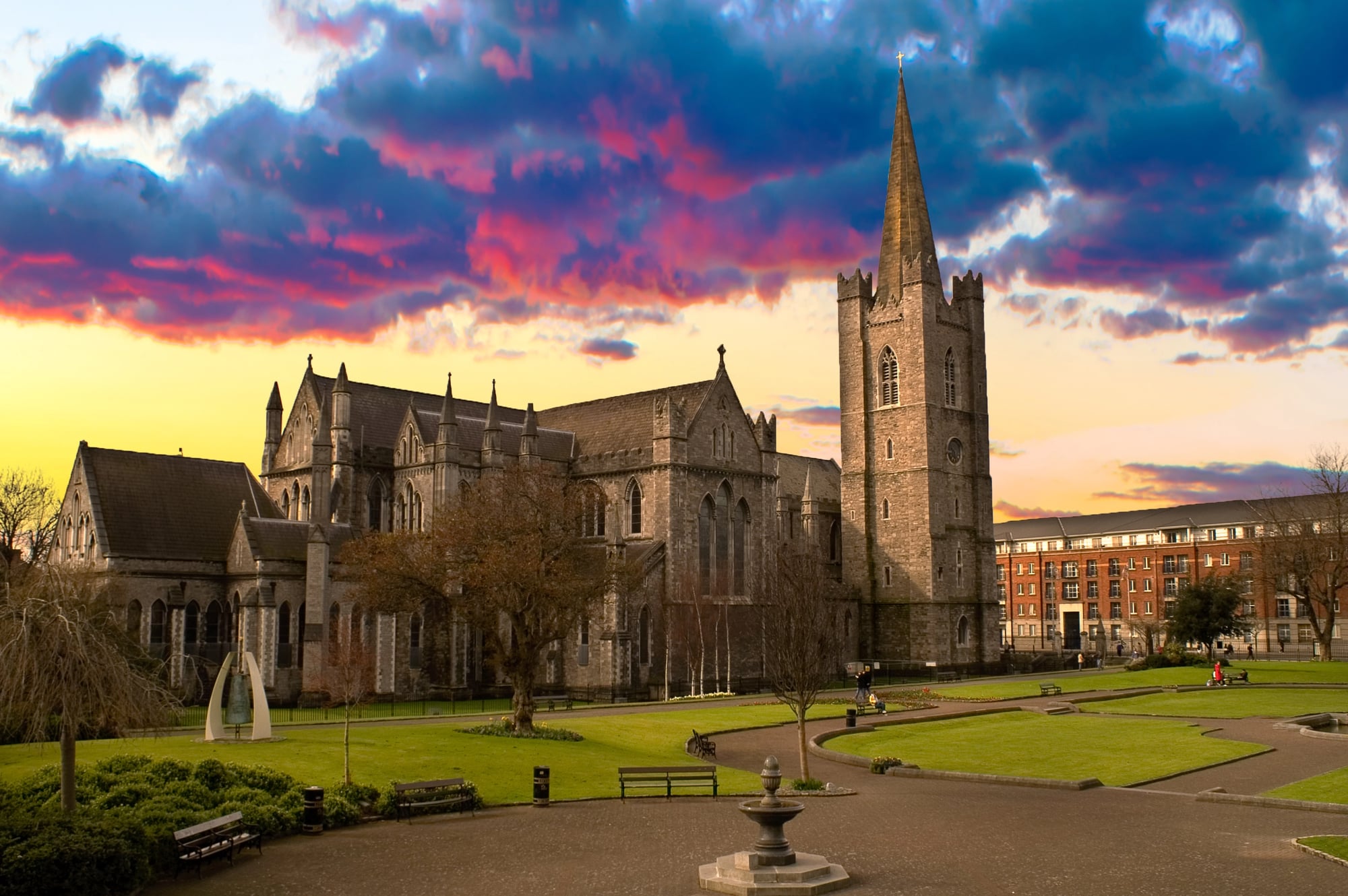
Some Irish families take a loaf of Christmas bread and bang it against the walls of their house on New Year’s Eve. The action is meant to chase away bad luck and evil spirits from the previous year.
The harder you hit the walls, the more effective the ritual. This practice varies by region and has declined in modern times, but it reflects the common theme of physically driving out the old.
Bread represents sustenance and life, so using it as a tool for spiritual cleansing makes symbolic sense within the tradition.
Wearing Yellow Underwear in Several Latin American Countries
Yellow underwear on New Year’s Eve promises good luck and happiness. The color represents gold, sun, and prosperity.
Some say the underwear needs to be a gift, others say it has to be worn inside out, and still others insist it should be thrown away after midnight. This tradition appears across Latin America with slight variations.
In some countries, red underwear is worn for love and romance, while yellow focuses on fortune and joy. The specific color rules and rituals change from place to place, but the underlying belief in symbolic clothing remains consistent.
What It All Means

These traditions might seem random or superstitious to outsiders. But they serve real purposes.
They create shared experiences, mark important transitions, and give people a sense of control over an uncertain future. Whether you’re eating grapes, jumping waves, or running with luggage, you’re participating in something larger than yourself.
The specific actions matter less than the intention. Every tradition is a way of saying: this moment is important, this transition deserves attention, and I want the next year to be better than the last.
The rituals might be strange, but the hope behind them is universal.
More from Go2Tutors!

- The Romanov Crown Jewels and Their Tragic Fate
- 13 Historical Mysteries That Science Still Can’t Solve
- Famous Hoaxes That Fooled the World for Years
- 15 Child Stars with Tragic Adult Lives
- 16 Famous Jewelry Pieces in History
Like Go2Tutors’s content? Follow us on MSN.



