World’s Most Culturally Similar Countries
Travel enough, and something interesting starts to happen. Walk through certain cities, and there’s an odd sense of familiarity even though it’s the first visit.
The street cafes feel familiar, the way people greet each other seems known, even the rhythm of daily life echoes something recognizable. This isn’t coincidence or imagination at work.
Some countries share so much history, language, and tradition that their cultures blur together like watercolors on wet paper. These similarities run deeper than tourist attractions or famous landmarks.
They show up in how people celebrate holidays, what they eat for breakfast, how they treat guests, and even the jokes they tell. Let’s explore the pairs and groups of nations that could practically be cultural siblings.
Austria and Germany

Step off a train in Vienna after spending time in Munich, and the transition feels seamless. Both countries speak German as their primary language, though Austrians will quickly point out their distinct dialect and accent.
The food culture overlaps tremendously, with schnitzel, sausages, and beer playing starring roles in both nations. Classical music heritage runs deep in both places, and the coffee house culture that defines Austrian life has strong German roots too.
The shared history of the Holy Roman Empire and later connections through various political unions created bonds that centuries haven’t broken.
New Zealand and Australia

These two nations share more than just a corner of the world map. English dominates in both countries, rugby obsession runs rampant, and the laid-back attitude toward life feels identical.
Pavlova dessert causes friendly arguments about which country invented it, while both claim meat pies as national treasures. The slang overlaps so much that outsiders can barely tell the accents apart, though Kiwis and Aussies will fiercely defend their differences.
Both developed as British colonies in the 1800s, which explains why their governmental systems, legal frameworks, and cultural foundations match so closely. The ANZAC military partnership forged during World War I cemented a brotherhood that remains unshakeable today.
Norway and Sweden

Scandinavian neighbors Norway and Sweden share a border and a whole lot more. Their languages are so similar that people from both countries can usually understand each other without translation.
The welfare state model, commitment to equality, and high standard of living appear in both nations. Winter sports dominate the culture, and both countries produce world-class cross-country skiers and hockey players.
The midnight sun in summer and dark winters create similar lifestyle patterns and cultural responses to extreme seasonal changes. Sweden and Norway were actually united under one crown from 1814 to 1905, leaving lasting imprints on everything from legal systems to social customs.
Canada and the United States
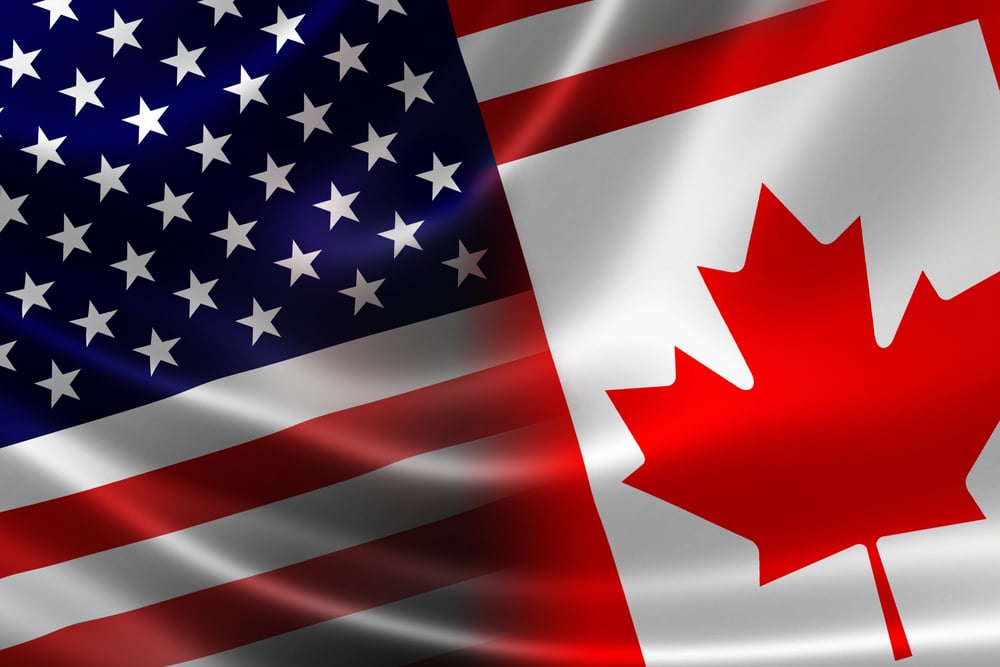
The world’s longest undefended border separates two countries that often feel like regional variations of the same culture. English dominates in most regions of both nations, and popular culture flows freely across the border in both directions.
Ice hockey might be Canada’s official obsession, but American cities near the border care about it just as much. Fast food chains, shopping malls, suburban layouts, and car-dependent lifestyles look nearly identical on both sides.
The differences exist, particularly in healthcare approaches and political attitudes, but a Canadian visiting most American cities won’t experience much culture shock. Both countries were British colonies that retained English as the dominant language and built societies around similar democratic principles.
Belgium and the Netherlands
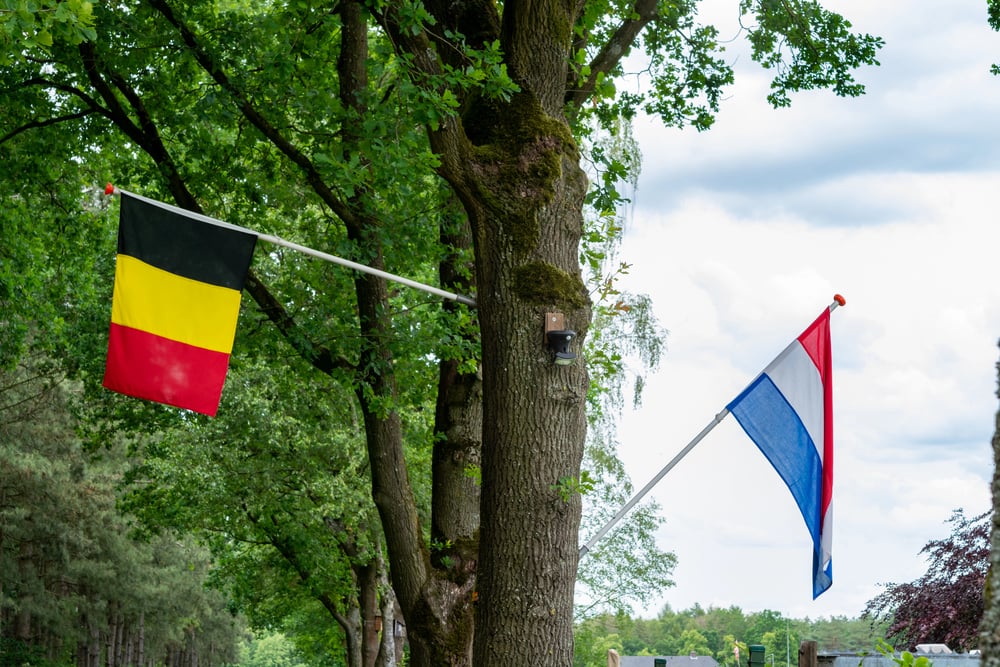
These Low Countries share flat landscapes, cycling culture, and a complicated linguistic situation. Dutch is spoken widely in both nations, though Belgium adds French and German to the mix.
The beer culture in both countries ranks among the world’s best, with countless breweries producing distinctive styles. Gothic architecture fills the city centers, and medieval history shapes the identity of both places.
Practical attitudes toward controversial social issues appear in both countries, along with progressive policies that often surprise more conservative nations. The Spanish Netherlands once included both territories, and this shared history under various European powers created cultural threads that still connect them today.
Portugal and Spain
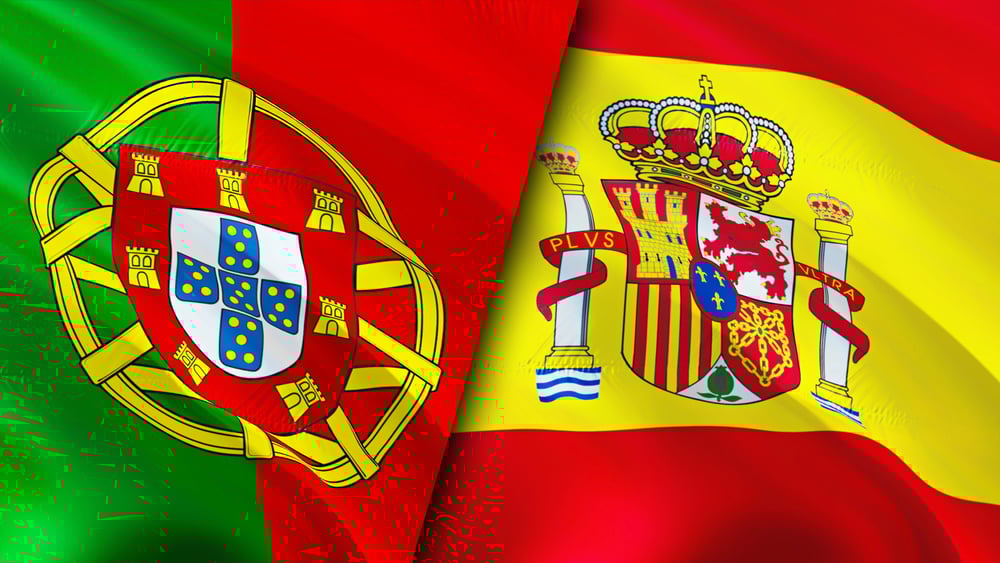
The Iberian Peninsula holds two countries that have been influencing each other for thousands of years. Spanish and Portuguese are closely related Romance languages, and people from both countries can often understand each other with some effort.
Late dinner times, afternoon siestas, and a relaxed approach to punctuality define both cultures. Catholic traditions shape holidays and celebrations in similar ways, while seafood plays a huge role in both cuisines.
The Age of Exploration saw both countries sending ships around the globe, creating similar colonial legacies and global influences. Bullfighting appears in both nations, though Portugal’s version is less deadly to the bull.
The warm climate, emphasis on family bonds, and love of soccer unite these neighbors.
Ireland and the United Kingdom
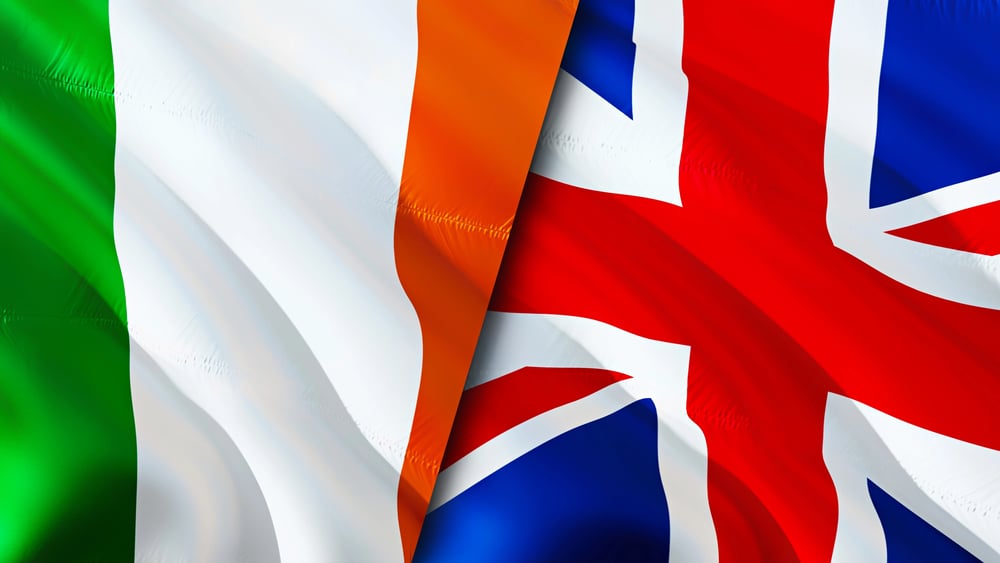
Complicated history hasn’t erased the cultural connections between Ireland and its larger neighbor. English is the primary language in both places, though Irish Gaelic still holds official status in Ireland.
Pub culture thrives on both sides of the Irish Sea, with similar drinking customs and social traditions. The literary traditions of both countries have produced some of the world’s greatest writers, from Joyce to Shakespeare.
Tea consumption remains high in both nations, and the sense of humor shares a similar dry, self-deprecating quality. Centuries of English rule over Ireland created lasting influences on legal systems, sports like rugby and cricket, and even architectural styles.
The connections remain strong despite Ireland’s independence and the tensions that occasionally flare.
Denmark and Sweden
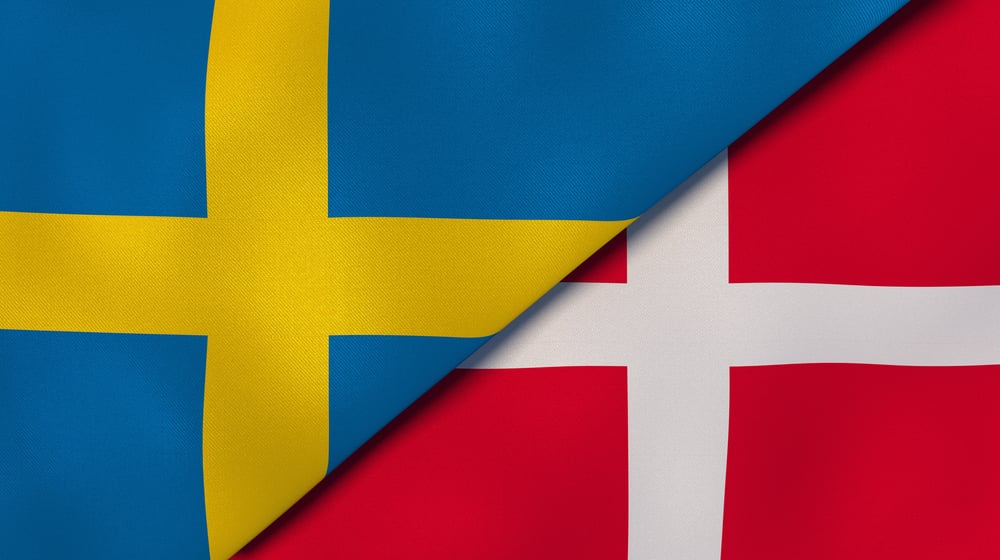
These Scandinavian neighbors share more than just a bridge across the Øresund Strait. The languages are mutually intelligible to a large degree, and both countries embrace the concept of ‘hygge’ or cozy contentment.
Design aesthetics in both nations favor clean lines, minimalism, and functionality. High taxation funds generous social programs in both countries, and gender equality ranks among the world’s best.
The Viking heritage shapes historical identity in both places, while modern attitudes tend toward progressive social policies. Both countries consistently rank at the top of happiness surveys, and their approaches to work-life balance mirror each other closely.
The Scandinavian model of governance that both follow creates similar societal structures and quality of life.
Chile and Argentina

The Andes Mountains divide these South American nations, but the cultures on either side share deep similarities. Spanish is the language of both countries, and the accent variations are relatively minor compared to other Spanish-speaking regions.
Beef consumption reaches impressive levels in both nations, with asado barbecue culture defining social gatherings. Wine production thrives in both countries, with similar grape varieties growing in comparable climates.
The European immigration waves of the late 1800s and early 1900s brought similar populations to both places, particularly from Italy and Spain. Soccer passion runs equally deep, creating one of the sport’s great rivalries.
Both countries experienced military dictatorships in the 1970s and 1980s, sharing difficult historical periods that shaped modern political consciousness.
Luxembourg and Belgium
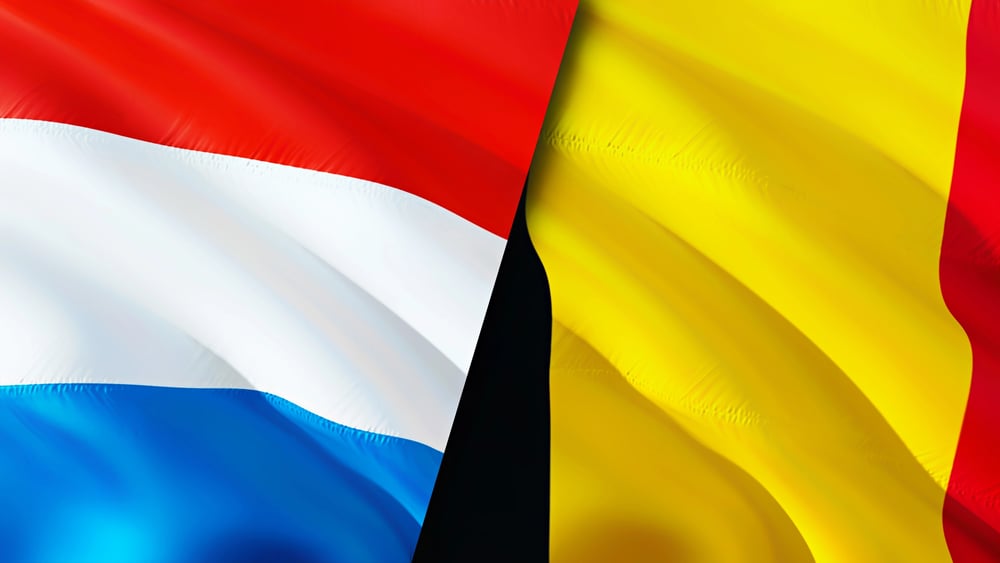
Tiny Luxembourg sits nestled between larger neighbors, but its strongest cultural ties run to Belgium. French serves as a major language in both countries, though Luxembourg adds Luxembourgish and German to the mix.
The beer culture rivals that of Belgium, with similar brewing traditions and appreciation for quality brews. Both countries served as battlegrounds during both World Wars, creating shared historical trauma and memorial cultures.
The European Union presence is strong in both nations, with Brussels and Luxembourg City serving as major EU administrative centers. Medieval castles and fortifications dot the landscapes of both countries, while the cuisine shows French and German influences mixing together.
The small size and multilingual nature of both countries create similar cultural attitudes toward international cooperation and compromise.
Czech Republic and Slovakia

These two countries were literally one nation called Czechoslovakia until 1993, so their cultural similarities run incredibly deep. The languages are so close that most Czechs and Slovaks can understand each other without much difficulty.
Beer culture dominates both countries, with the Czech Republic producing more beer per capita than anywhere else on Earth. Dumplings appear in both cuisines, along with hearty meat dishes designed for cold winters.
The communist period from 1948 to 1989 shaped both societies in identical ways, leaving similar architectural styles and social attitudes. The peaceful ‘Velvet Divorce’ that split the country happened recently enough that many older citizens still remember living in the unified state.
Folk traditions, holiday celebrations, and family structures remain nearly identical across the border.
Switzerland and Austria
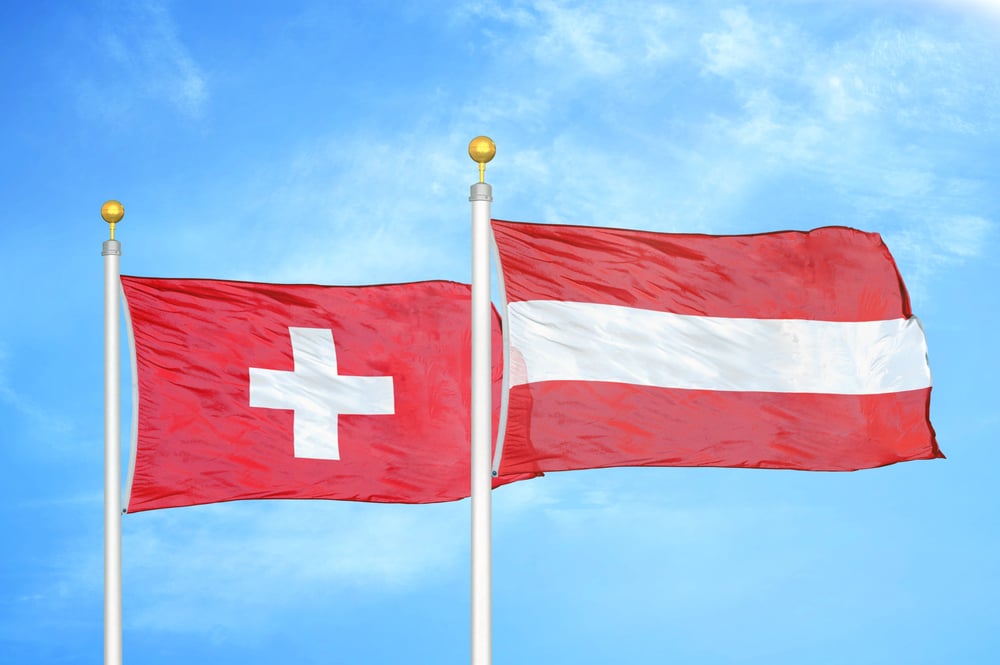
Alpine geography shapes both of these mountain nations in profound ways. German serves as a primary language in both countries, though Switzerland adds French, Italian, and Romansh to its linguistic mix.
The coffee house culture that defines urban life appears in both places, with similar pastries and customs. Winter sports dominate the recreational culture, and both nations have produced world-class skiers and mountaineers.
Political neutrality defined both countries for much of the 20th century, though Austria joined the European Union while Switzerland remained outside. The Habsburg Empire once ruled both territories, leaving lasting influences on architecture, governance, and social customs.
Chocolate production reaches high art in both countries, and the quality of life ranks among the world’s best.
Malaysia and Singapore
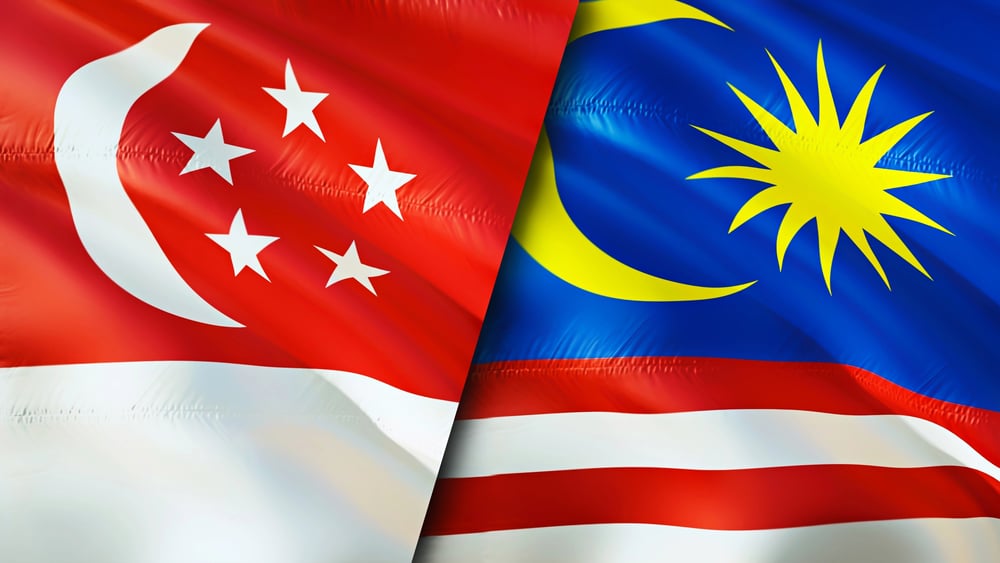
Singapore was actually part of Malaysia until 1965, making their cultural connections particularly strong. Both countries are multiethnic societies where Malay, Chinese, and Indian populations mix together.
English serves as a common language in both places, alongside Malay and various Chinese dialects. The food culture overlaps tremendously, with dishes like nasi lemak, roti prata, and laksa appearing on both sides of the border.
Tropical climates create similar lifestyle patterns and architectural styles designed to cope with heat and humidity. The British colonial period shaped both societies in identical ways, from driving on the left side of the road to legal system structures.
Shopping mall culture thrives in both countries, and the emphasis on education and economic success appears equally strong.
Bosnia and Herzegovina and Serbia
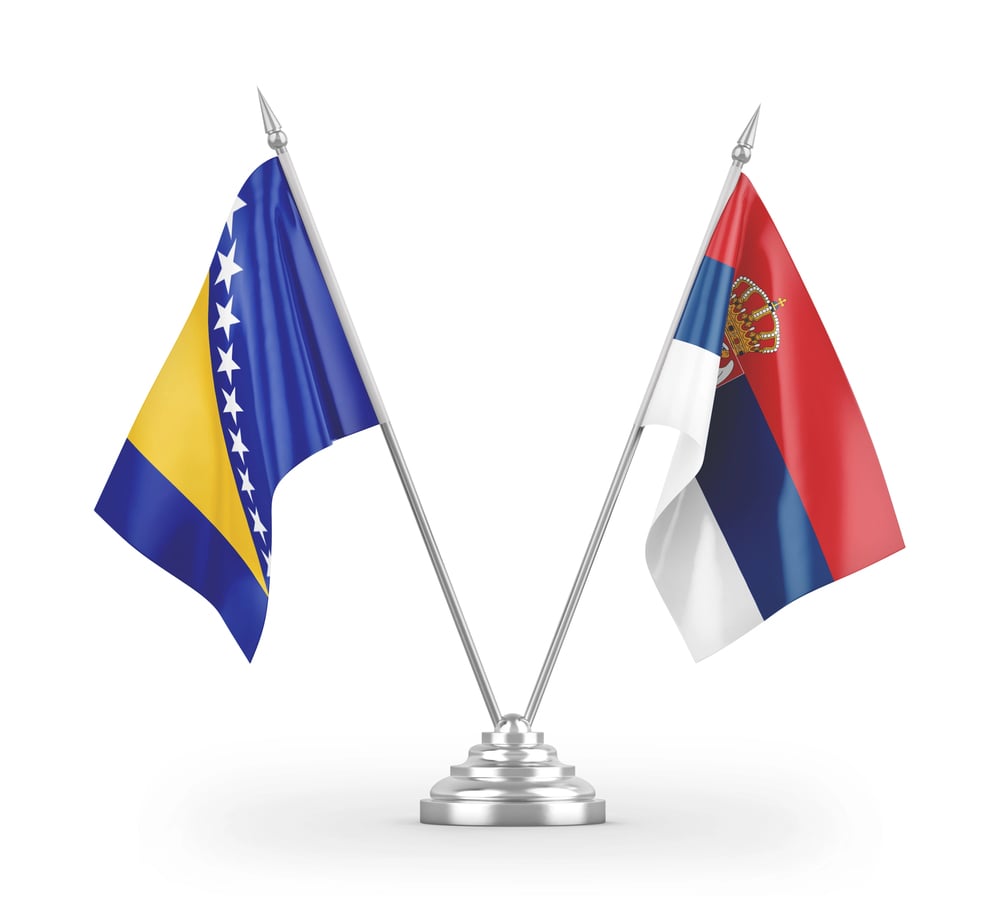
The Balkan conflicts in the ’90s split things politically – yet shared roots still show up clearly across borders. In both areas, people speak forms of Serbo-Croatian, though local accents tweak it a bit here and there.
Instead of fancy espresso bars, you’ll find Turkish-style coffee: dark, bold, poured into tiny glasses. Dishes like ćevapi, burek, or charred meat skewers pop up on nearly every menu around.
While most folks in Serbia follow Orthodox Christianity, Bosnia mixes Muslims and Catholics – but daily life feels familiar either way. The years between 1918 and 1992 saw these regions joined under a single rule through much of the 1900s.
When it comes to sports, people get just as excited about basketball as they do about football, while traditions tied to welcoming others or sticking close to kin feel quite similar across both cultures.
Uruguay and Argentina
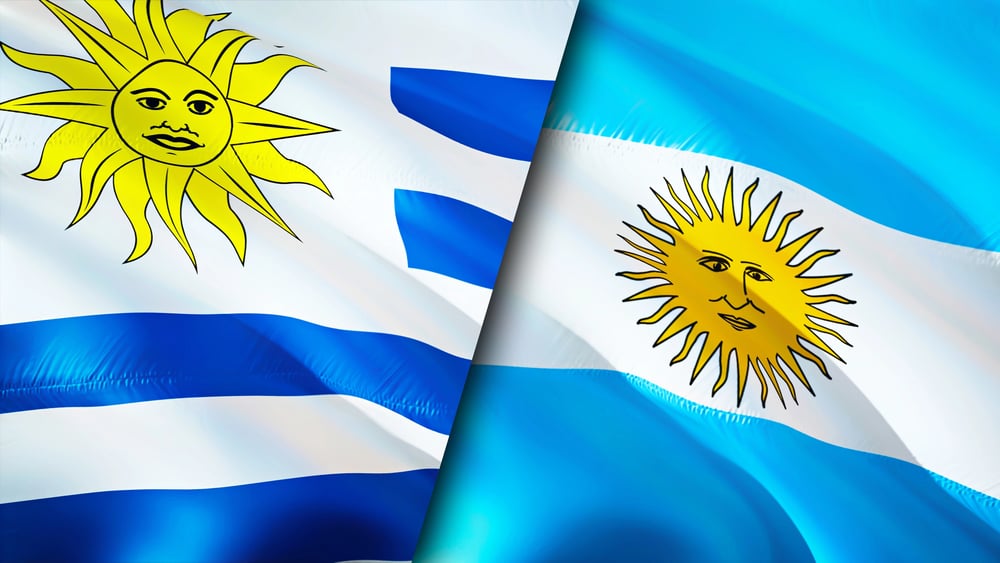
Cross the Rio de la Plata from Buenos Aires to Montevideo – culture stays pretty much the same. In both spots, Spanish sounds almost alike when folks talk, while word choices run close too.
Instead of coffee breaks, people sip mate all day, passing around thermoses filled with the warm herb brew. While beef rules the grill everywhere, football grabs everyone’s attention, shaping how daily life unfolds in each place.
You’ll spot gauchos riding through traditions on either side, plus rhythms and dances flowing across borders without a pause. Tango came from Buenos Aires and also Montevideo at around the same time – so each country says it belongs to them.
People moving from Europe ended up in both places in the same way, filling cities with folks who helped build today’s vibe.
Estonia and Finland
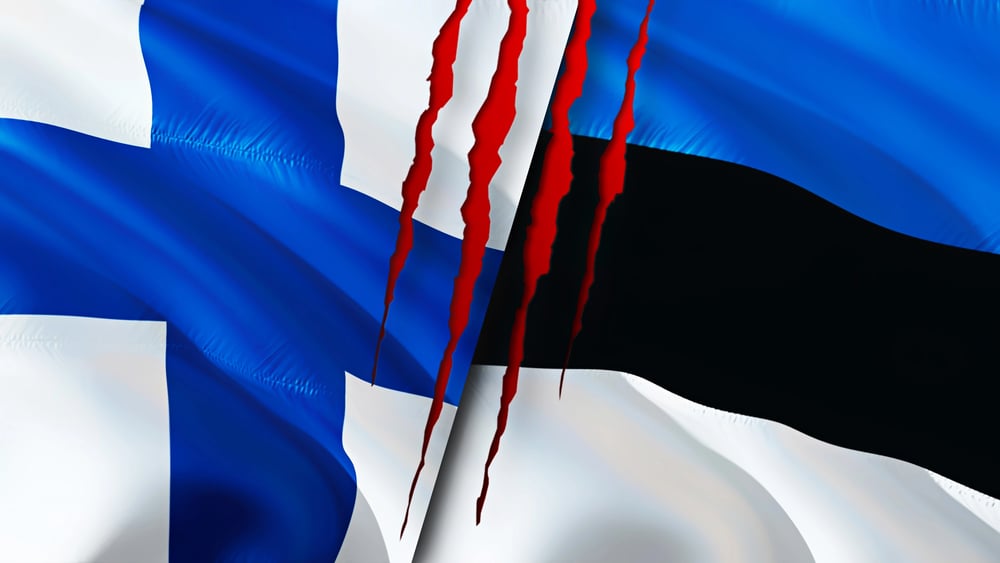
The Baltic Sea lies between these countries, yet shared habits cross the waves. Estonian and Finnish are part of one linguistic group, so they’re kind of like cousins in Europe’s language scene.
Saunas mean a lot here – both places treat them with deep respect and follow alike routines. Over time, Lutheranism influenced daily life in each nation, shaping views on jobs, kinship, and how people live together.
One country lived through Russian rule, the other under Soviet power – both shaped by tough pasts that echo in how they broke free. Simplicity rules when it comes to style, with clean lines blending into forest vibes across both regions.
Tech matters here, though Estonia shines online while Finland built giants like Nokia years ago. Short days and freezing temps push people toward cozy habits and quiet resilience alike.
The links connecting us
Cultural ties between nations show map lines aren’t the same as emotional ones. Because of shared language, meals, past events, or life experiences, bonds form – even when politics tries to break them.
A few used to be one country; others grew alike thanks to location, movement of people, or overlapping histories. Places that seem nearly identical might shock strangers who assume they’re totally different, yet locals notice tiny contrasts right away.
These close-knit cultures prove folks act similarly under comparable conditions – what brings us together usually matters more than what pulls us apart.
More from Go2Tutors!

- The Romanov Crown Jewels and Their Tragic Fate
- 13 Historical Mysteries That Science Still Can’t Solve
- Famous Hoaxes That Fooled the World for Years
- 15 Child Stars with Tragic Adult Lives
- 16 Famous Jewelry Pieces in History
Like Go2Tutors’s content? Follow us on MSN.



