World’s Most Expensive Spices and Why
Spices have shaped civilizations, sparked wars, and driven explorers across oceans. Today, some of the rarest seasonings cost more than gold by weight.
Their high prices reflect scarcity, labor intensity, and unique flavors that people value across cultures and history.
Saffron Threads
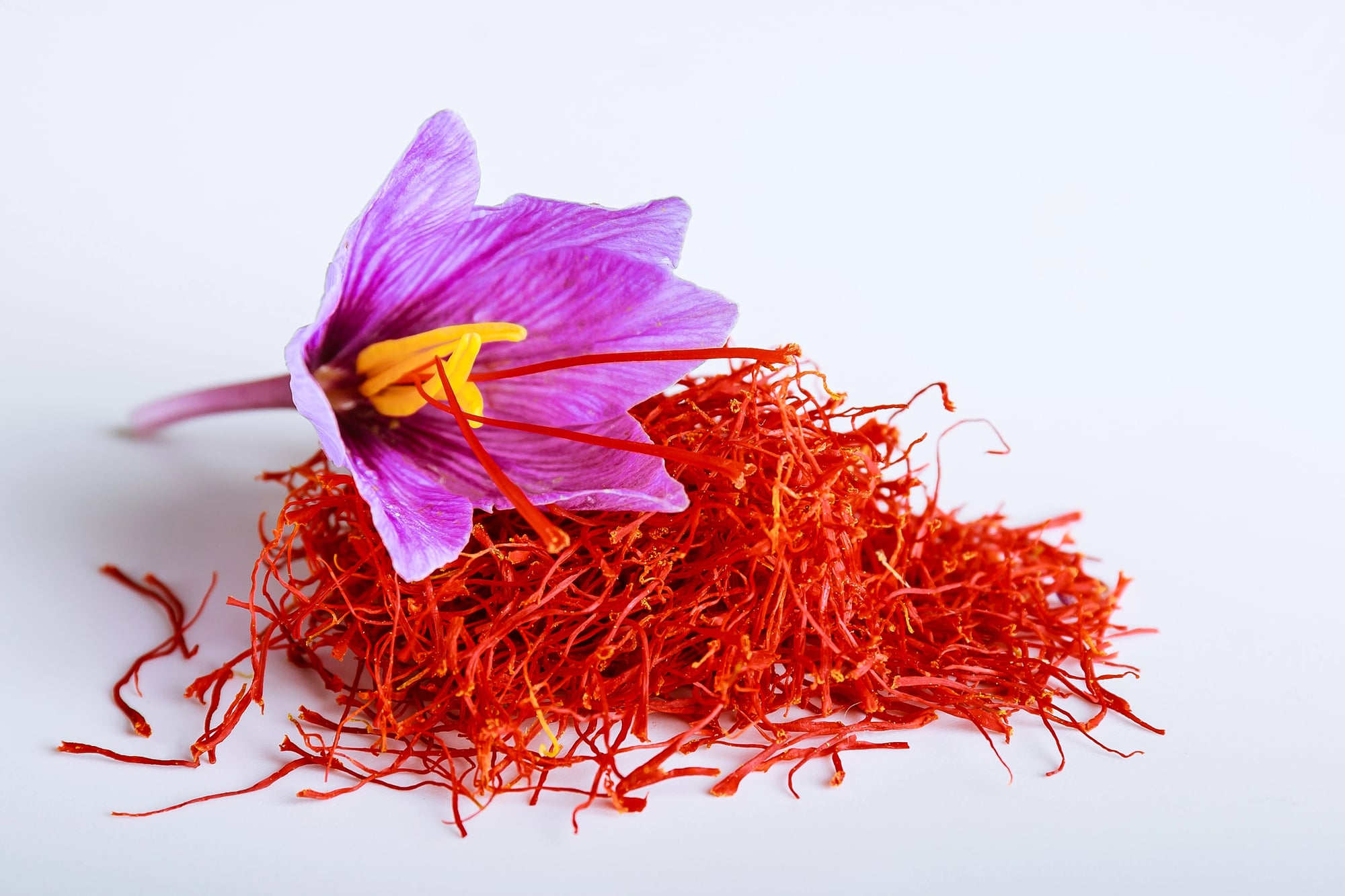
Saffron is the most expensive spice on Earth, costing $10,000 to $15,000 per pound. Each crocus flower produces only three tiny threads, all harvested by hand.
Workers spend an entire day for just a small amount, making this labor-intensive process the key to its astronomical price.
Vanilla Pods
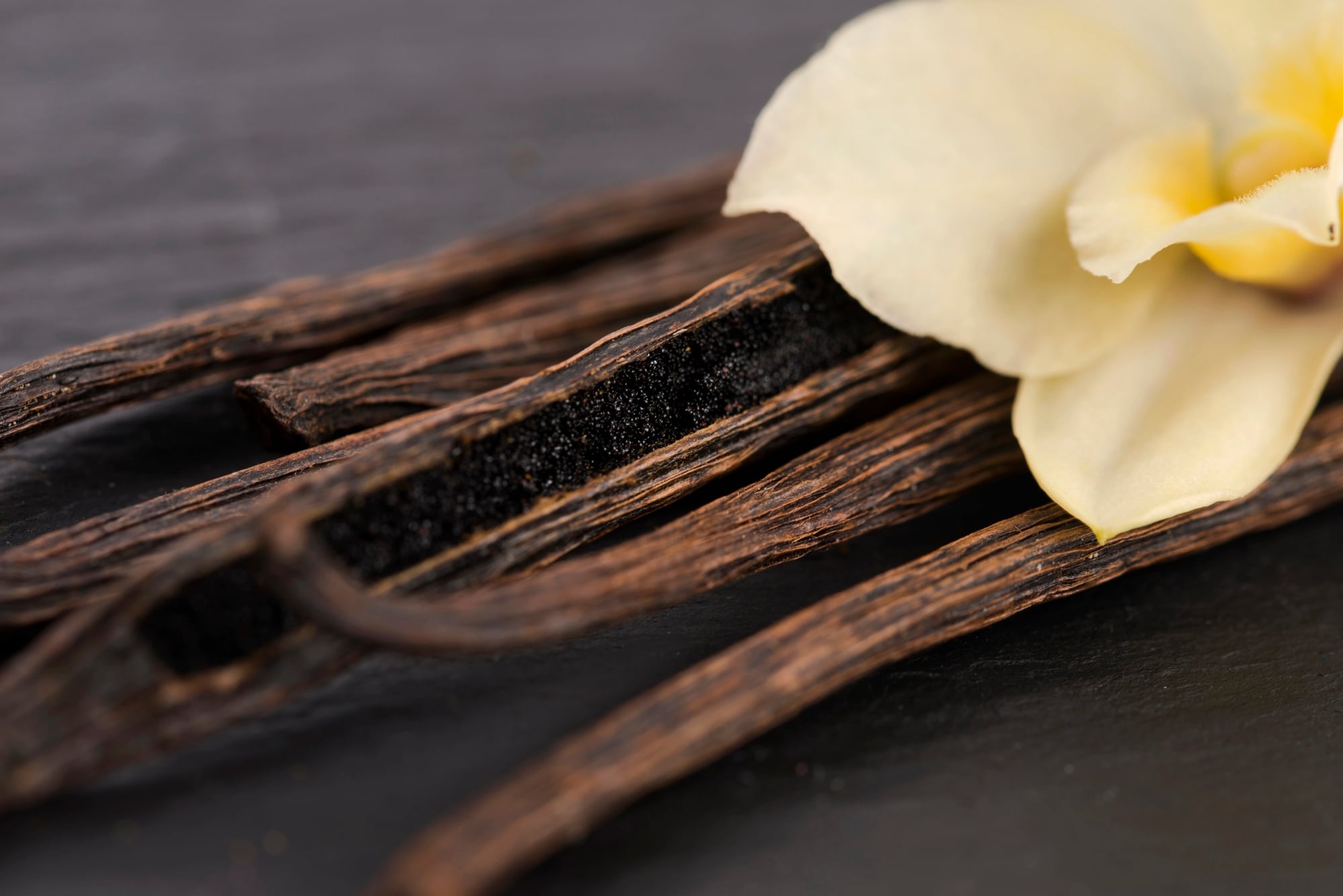
True vanilla comes from orchids mainly grown in Madagascar. Flowers must be hand-pollinated over years before producing crops.
A pound of genuine vanilla costs $600 to $800, explaining why synthetic alternatives dominate most commercial products.
Cardamom
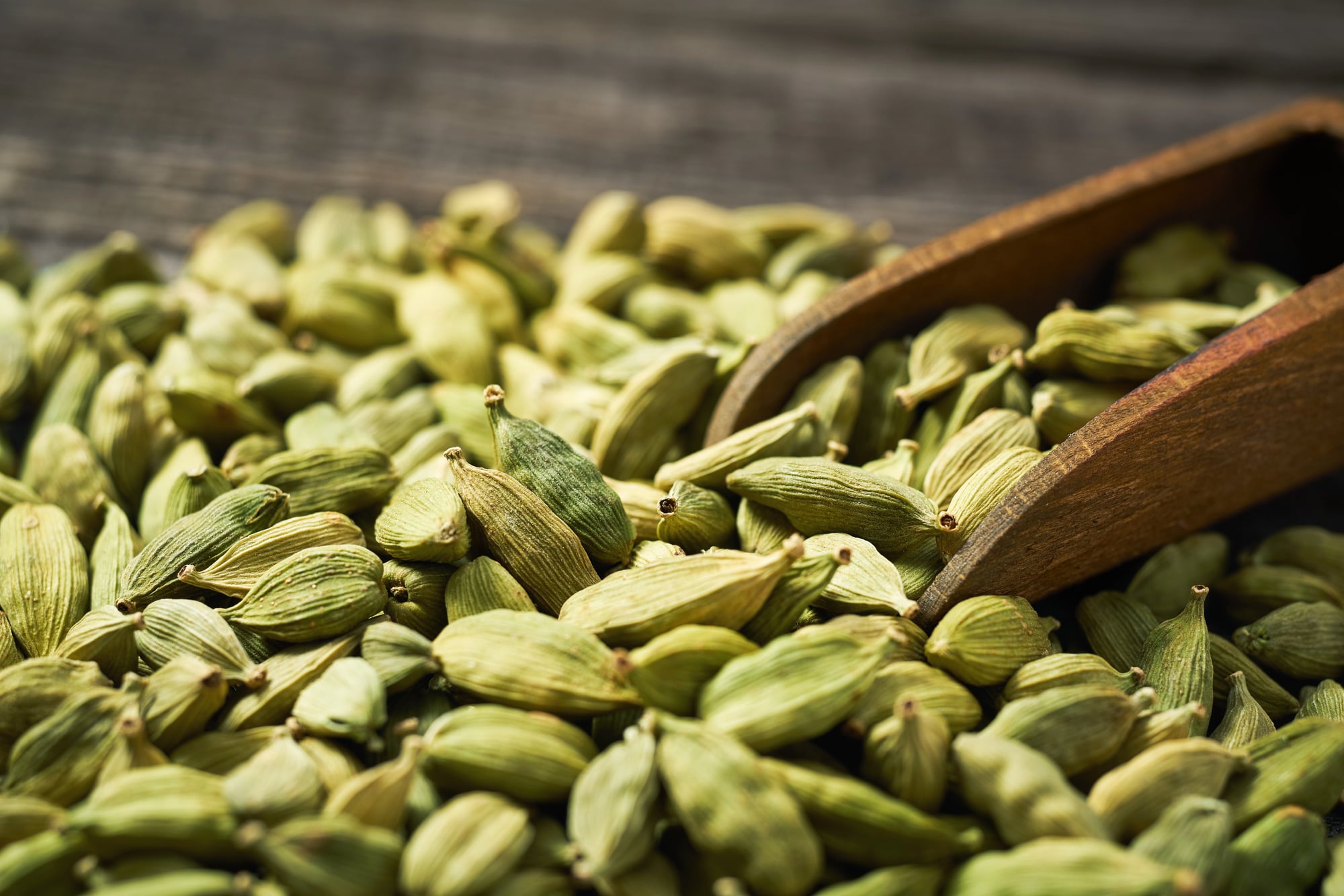
Green cardamom pods are harvested at precise maturity and dried over several days. Workers sort them by hand, avoiding mold and damage in humid climates like Guatemala’s. Prices range from $200 to $400 per pound.
Grains of Paradise
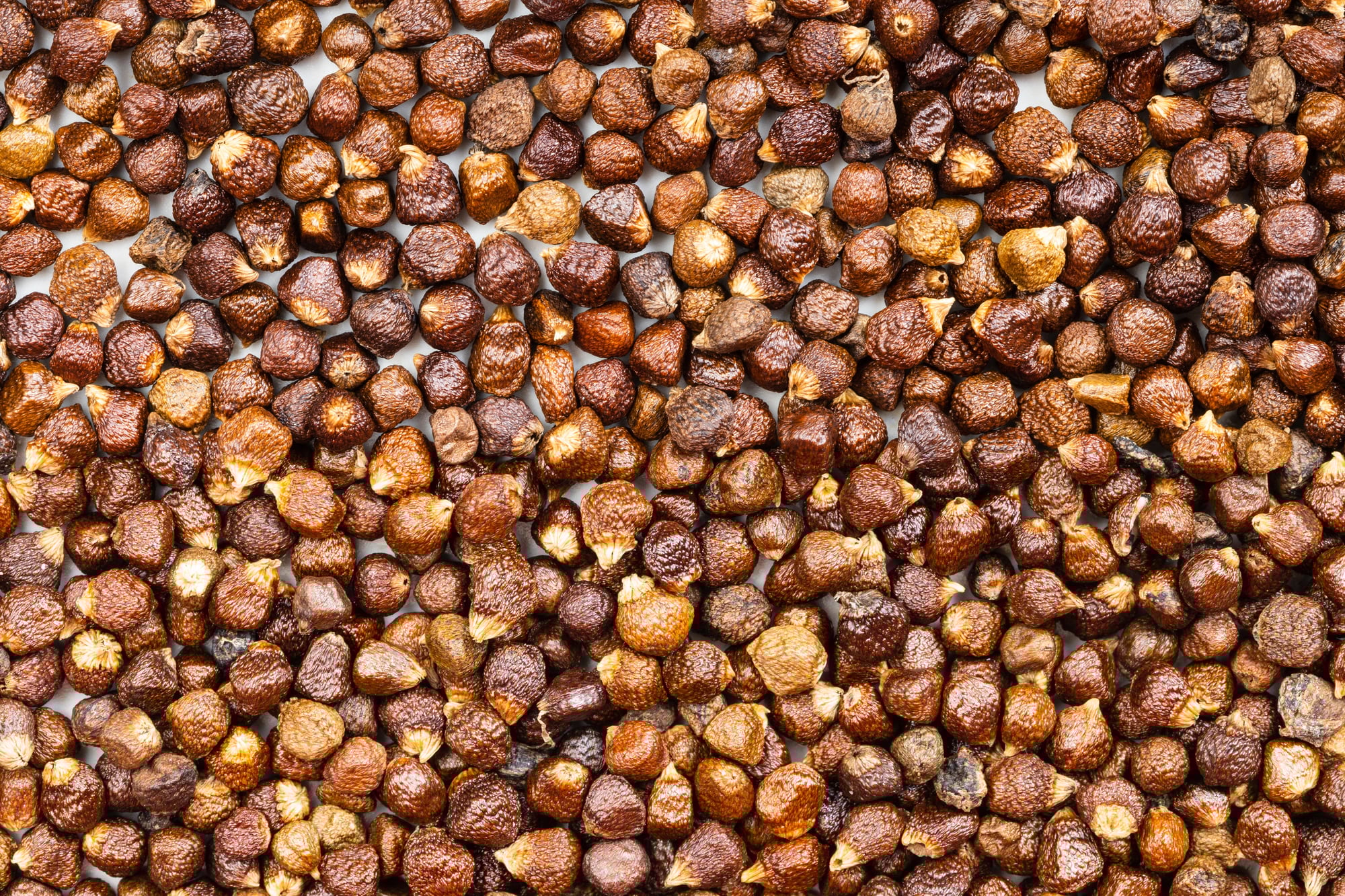
This West African spice grows in Ghana and surrounding regions. Harvesting, drying, and hand-sorting seed pods limits supply. Few traders import it, keeping prices high for a rare and flavorful seasoning.
Cloves
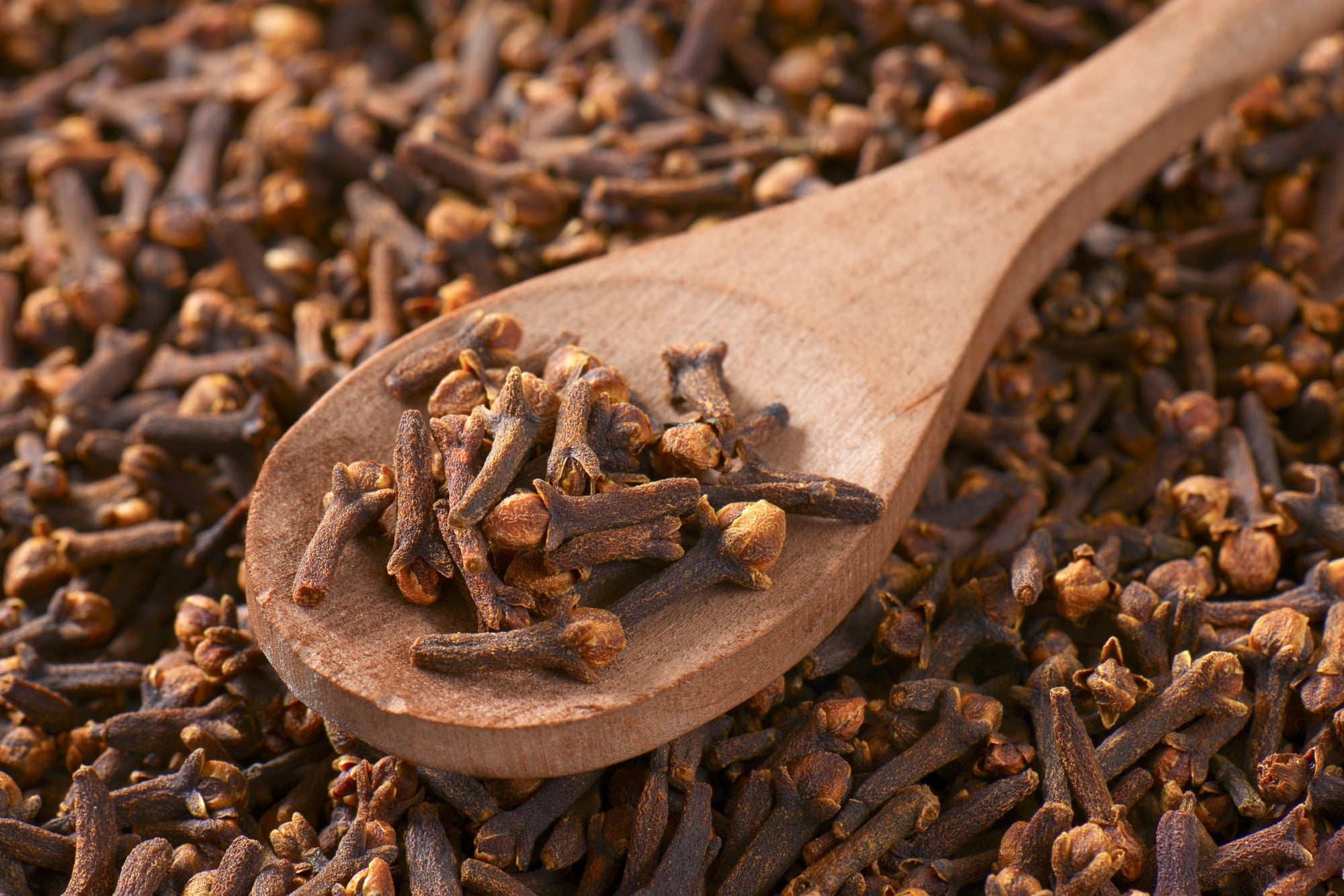
Native to Indonesia’s Maluku Islands, cloves require years before buds are ready. Harvested at a precise stage and sun-dried, a pound of premium cloves costs $300 to $500, reflecting both scarcity and labor intensity.
Asafoetida
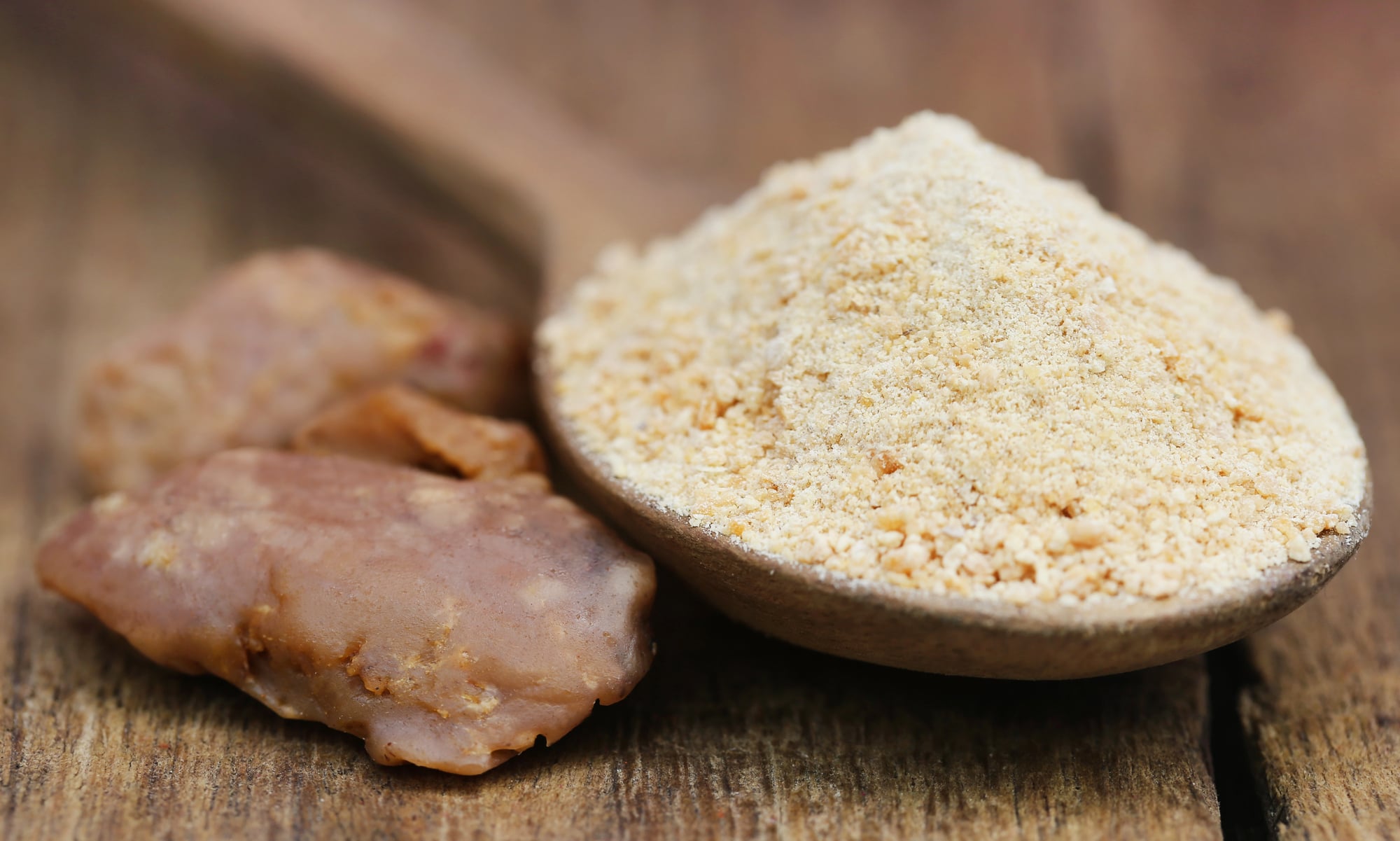
Asafoetida is a resin from roots in Afghanistan and Iran. Harvesting destroys the plant, and the pungent aroma makes it an acquired taste.
Prices run $150 to $300 per pound, driven by rarity and labor.
Galangal Root

Galangal, related to ginger, is used fresh in Southeast Asia. Shipping fresh roots is costly since flavor deteriorates quickly.
Fresh galangal costs $20 to $40 per pound, and must be used soon after purchase.
Cubeb Pepper
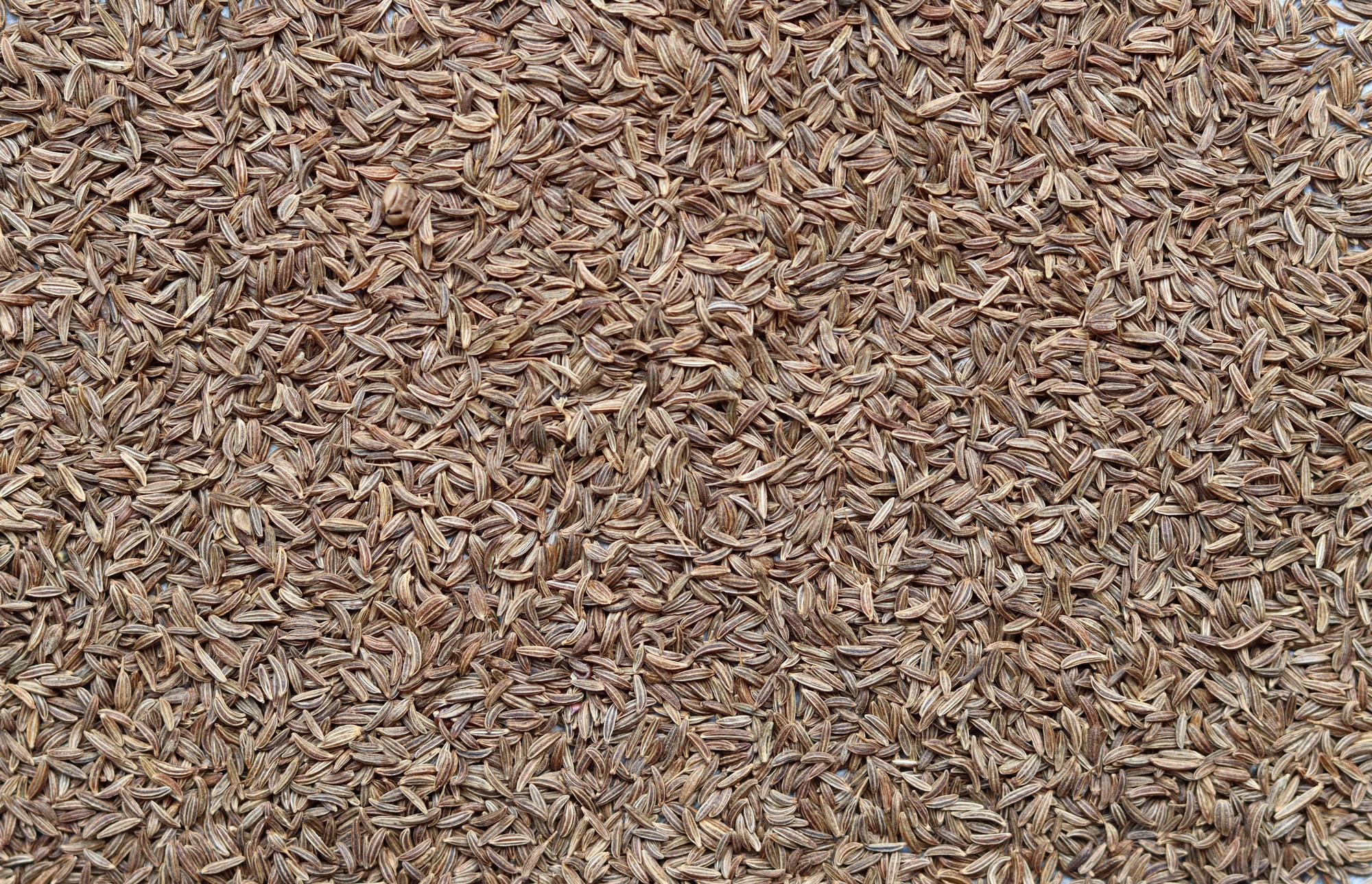
Grown on vines in Indonesia, cubeb peppers have delicate stems that must remain intact. Only small quantities reach global markets, keeping prices between $200 and $300 per pound.
Black Cumin Seeds
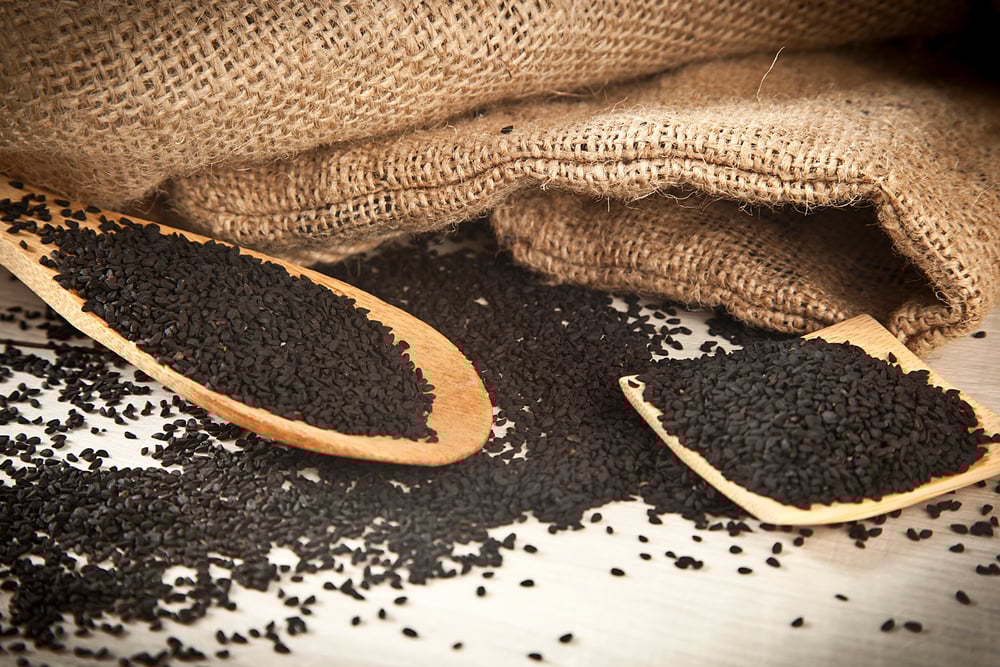
Native to South Asia and the Middle East, black cumin seeds are tiny and require hand separation from pods. Used in traditional medicine for millennia, premium seeds cost around $250 per pound.
Mace
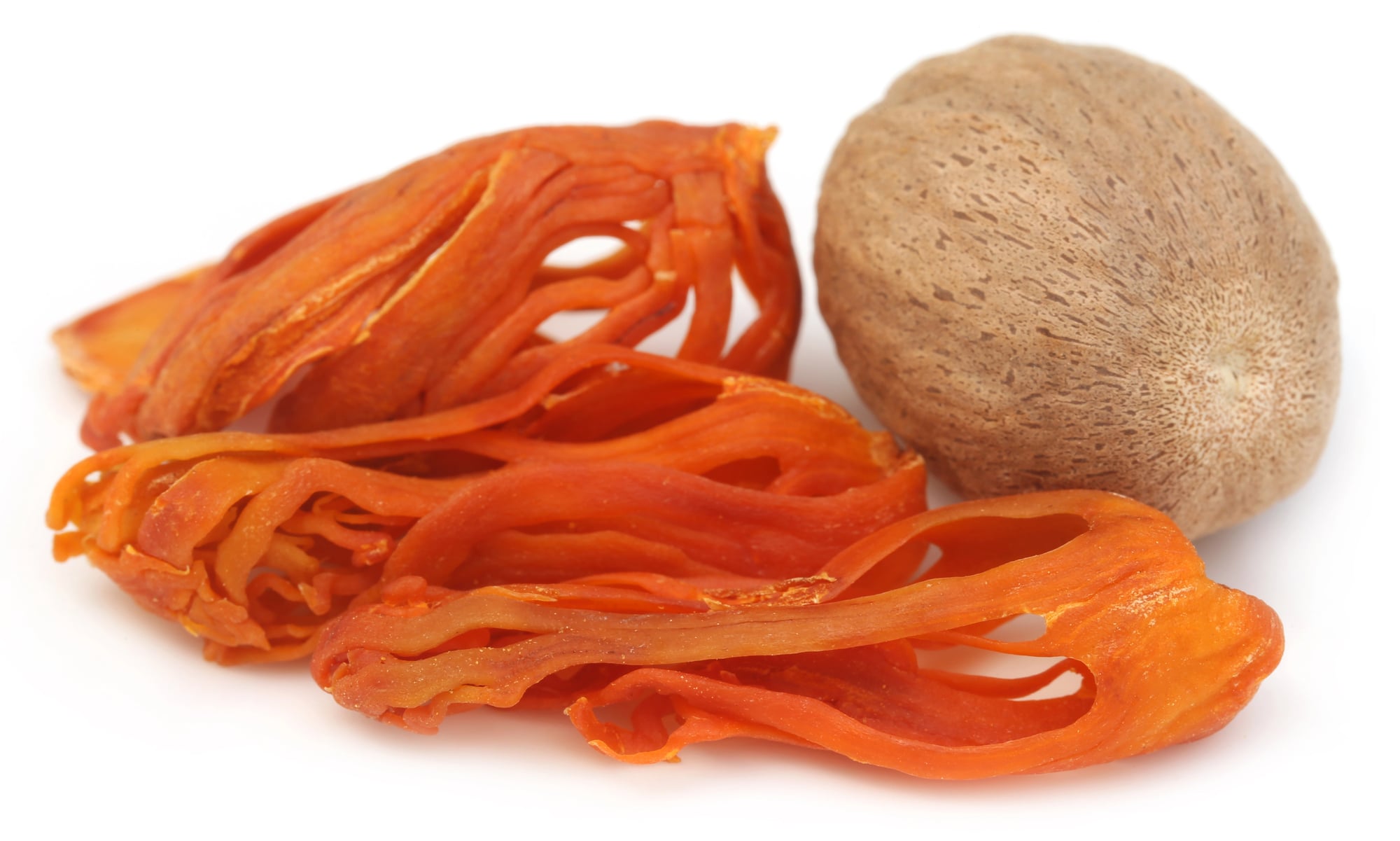
Mace is the lacy covering of the nutmeg seed. Harvesting requires skill to remove and dry the delicate red layer over several weeks.
Prices range from $300 to $400 per pound due to labor and low yield.
Grains of Selim
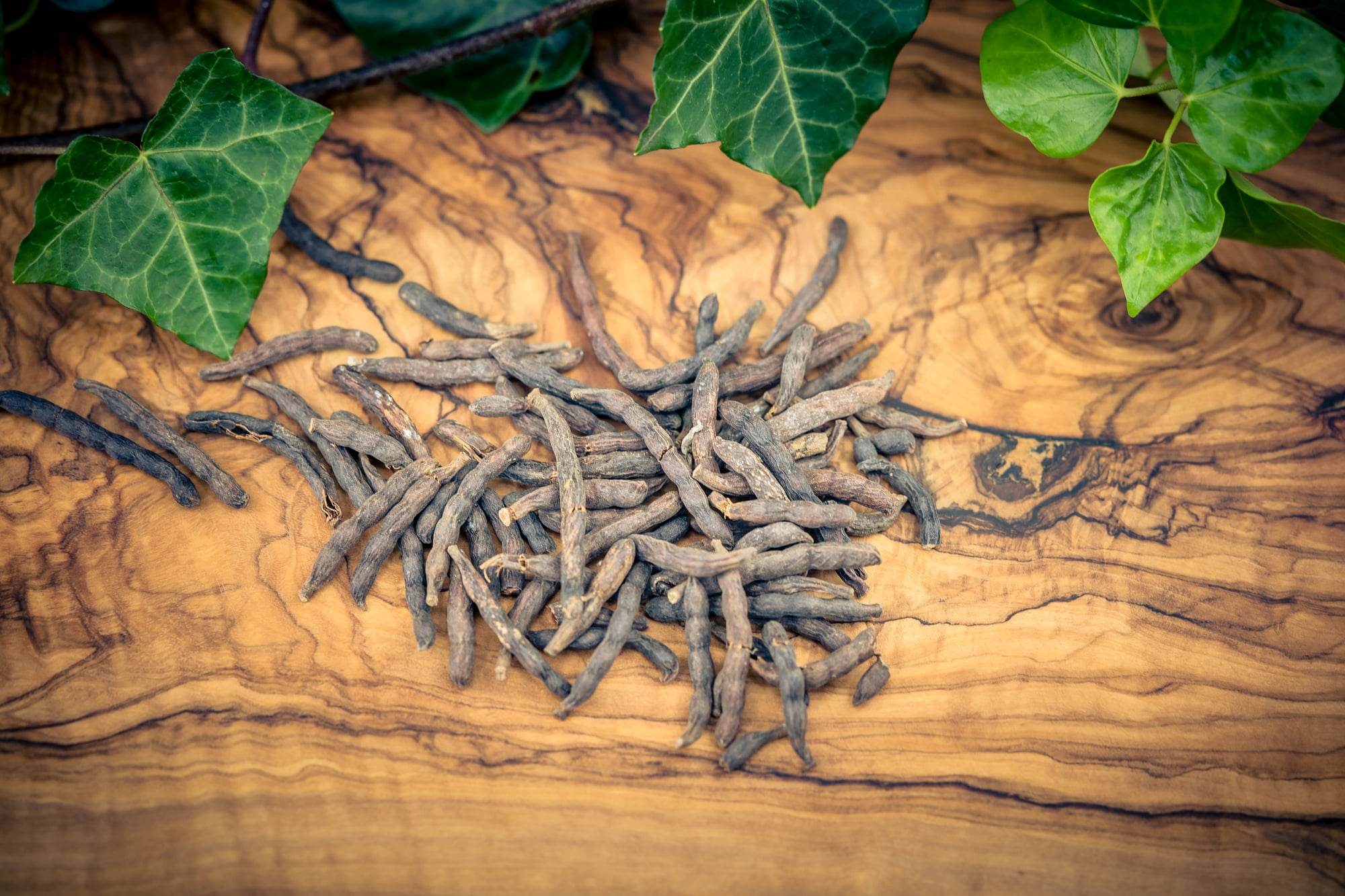
Wild in West African rainforests, grains of Selim are hand-foraged over difficult terrain. Only specialty shops carry it, with a pound costing $400 or more due to scarcity and harvesting challenges.
Manuka Pepper

Native to New Zealand, manuka pepper yields small fruit annually. The Maori have used it for centuries, and recent Western demand has pushed prices above $500 per pound for its limited supply.
Szechuan Pepper
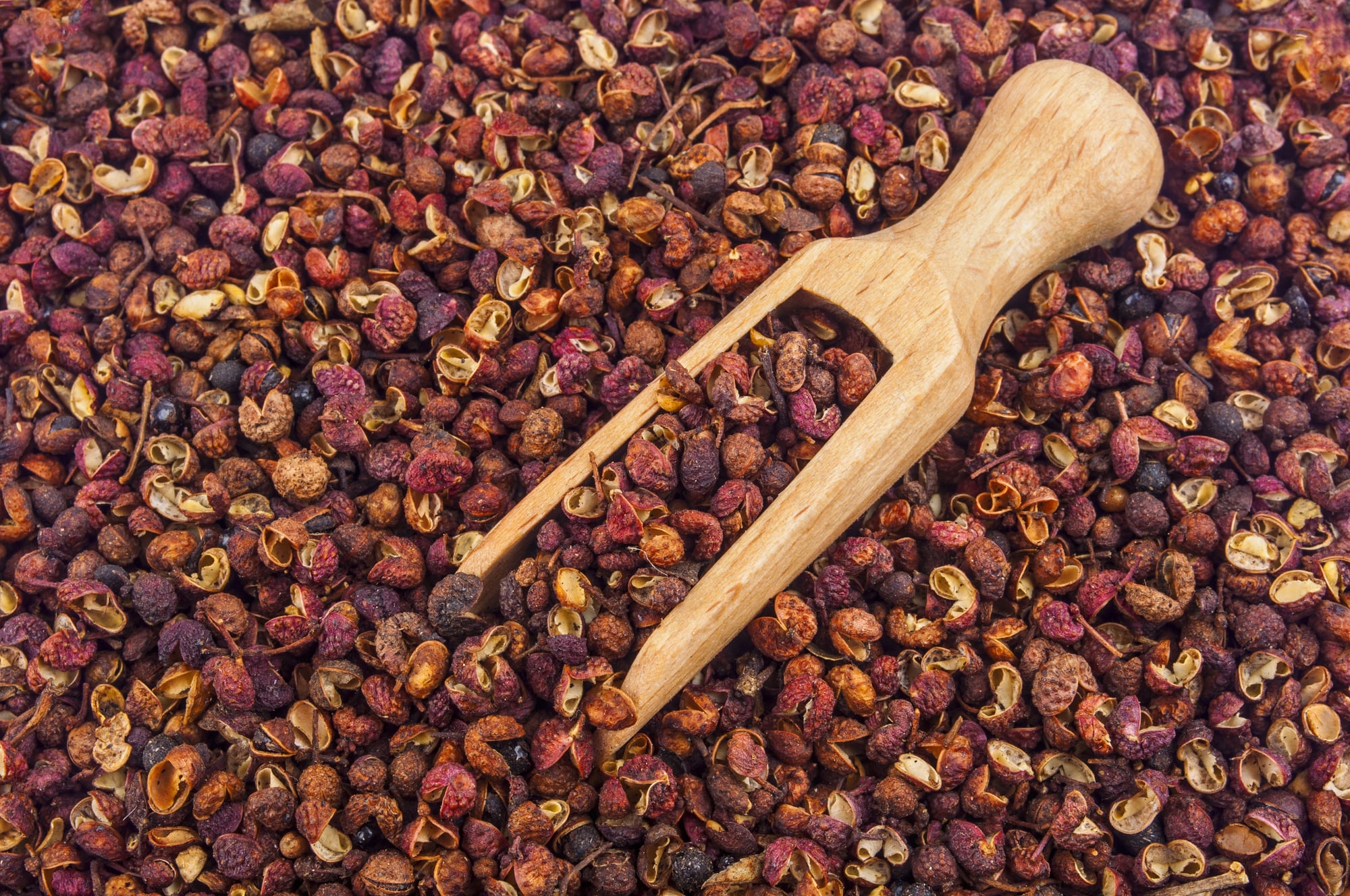
Szechuan pepper produces a tingling sensation rather than heat. The shrub takes years to bear fruit, and China produces most of the spice.
Prices vary from $100 to $250 per pound depending on harvest and storage quality.
Grains of Melegueta
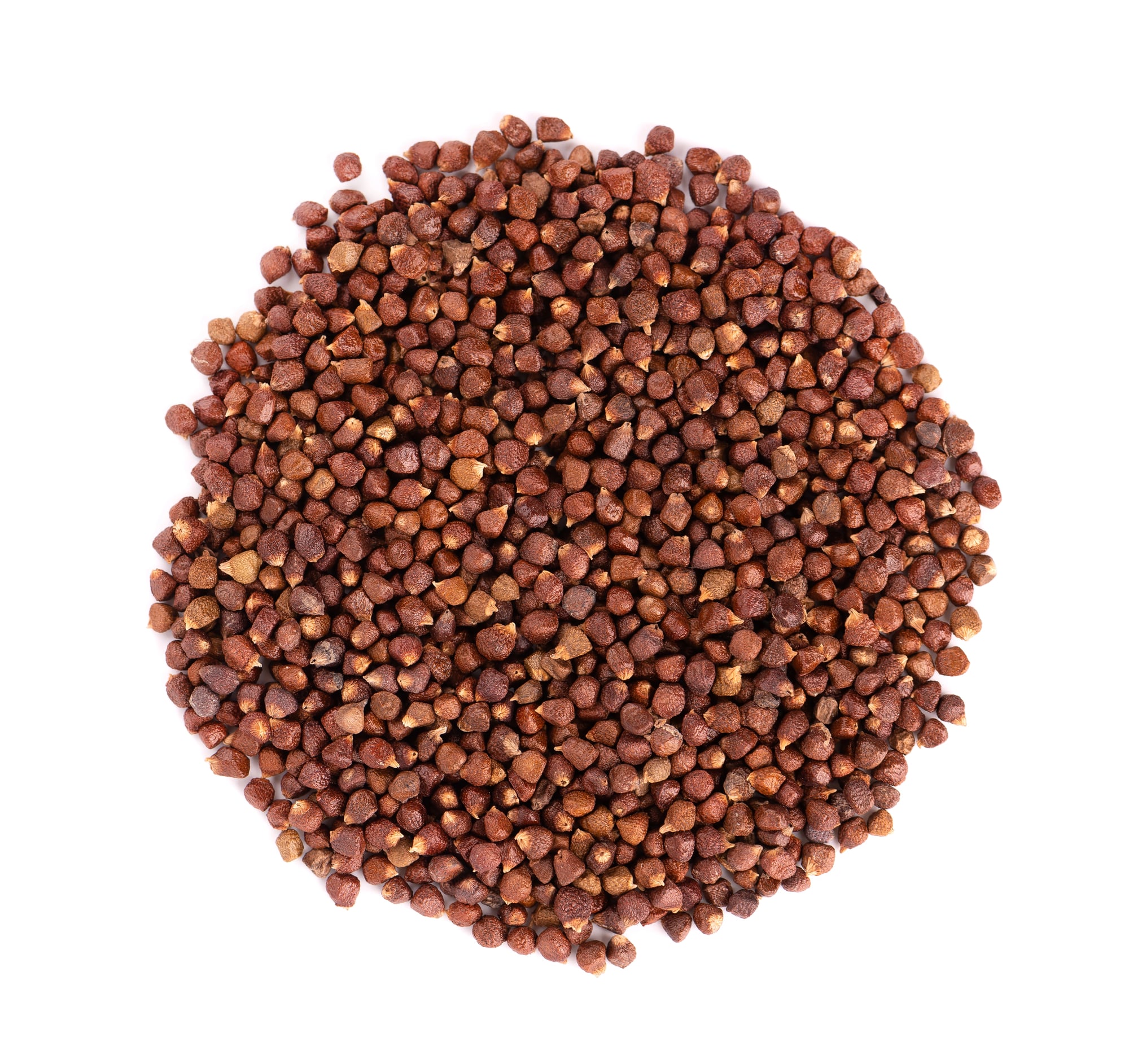
Also called malagueta pepper, it grows in West African rainforests. Harvesting small red berries is difficult, with limited supply driving prices to $300–$400 per pound.
Long Pepper
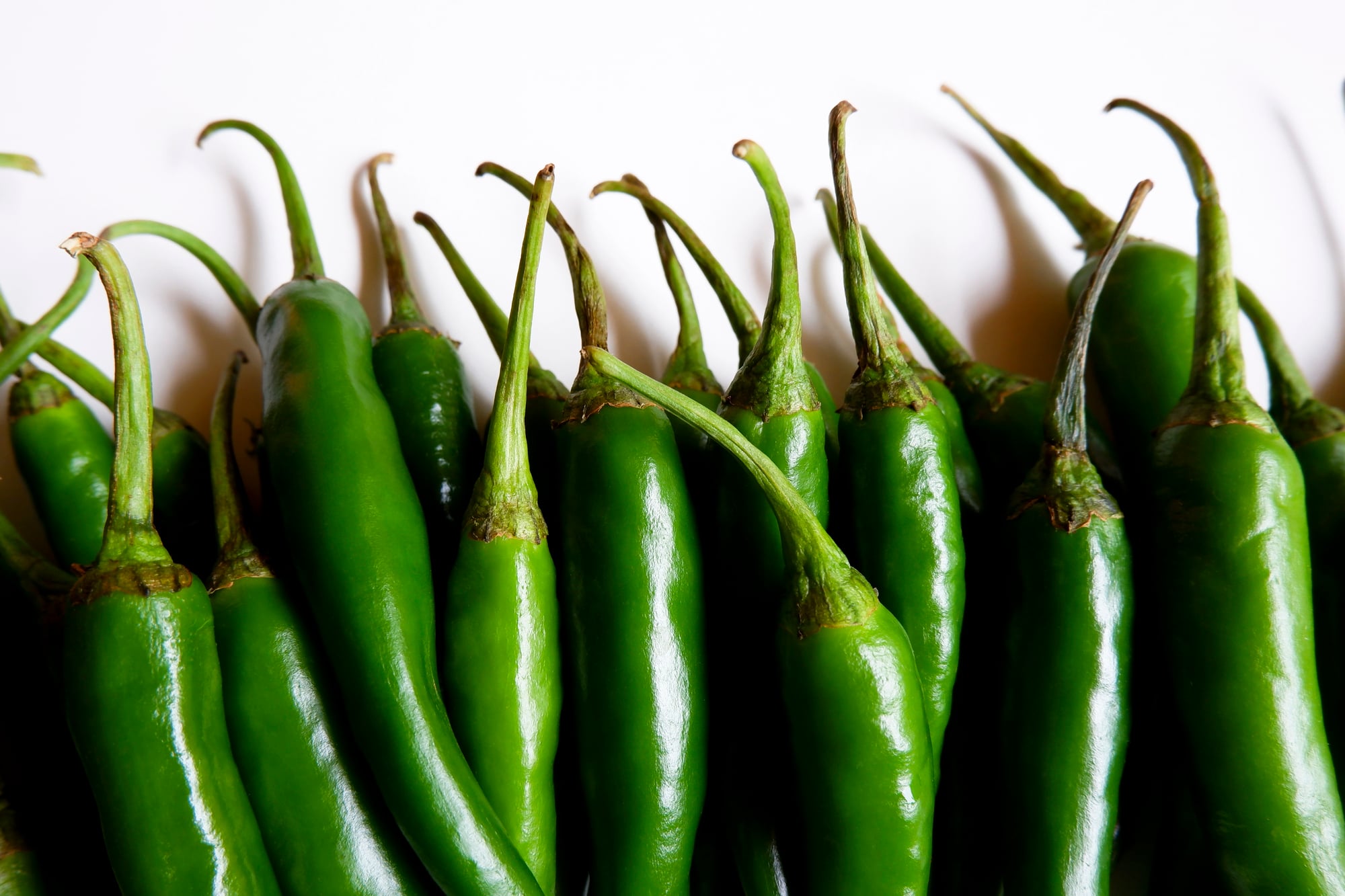
Long pepper, resembling tiny pinecones, grows on vines in Indonesia and India. Its scarcity and historical value keep prices at $200–$300 per pound in specialty markets.
Connectedness Across Time
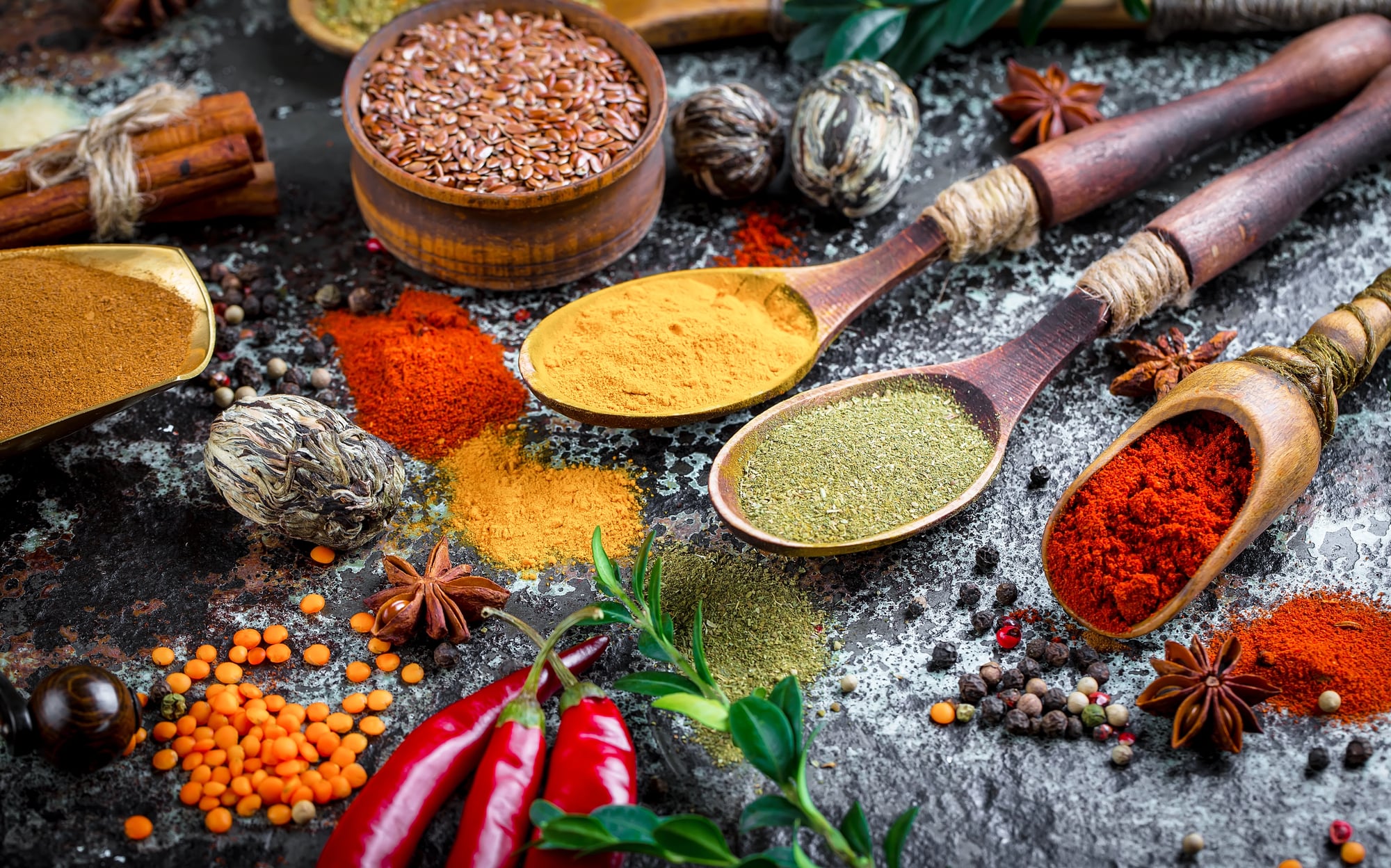
The high cost of these spices reflects geography, climate, and labor rather than simple demand. From medieval markets to modern kitchens, rarity and effort continue to shape the value of these extraordinary flavors.
More from Go2Tutors!

- The Romanov Crown Jewels and Their Tragic Fate
- 13 Historical Mysteries That Science Still Can’t Solve
- Famous Hoaxes That Fooled the World for Years
- 15 Child Stars with Tragic Adult Lives
- 16 Famous Jewelry Pieces in History
Like Go2Tutors’s content? Follow us on MSN.