Secrets Behind the Biggest Stock Market Crashes
When the stock market takes a nosedive, it can feel like watching a speeding train derail in slow motion. Billions of dollars vanish in hours, people lose their life savings, and panic spreads faster than wildfire.
But these crashes don’t just happen out of nowhere. There are patterns, warning signs, and human behaviors that set the stage for disaster.
Understanding what really triggers these financial meltdowns reveals a lot about how markets work and why they sometimes fail so spectacularly. Let’s look at what actually happens behind the scenes when everything falls apart.
Black Tuesday happened because too many people bought stocks with borrowed money

The 1929 crash that kicked off the Great Depression had a simple but dangerous ingredient at its core. People were buying stocks by putting down just 10% of the purchase price and borrowing the rest from their brokers.
When stock prices started falling, brokers demanded immediate repayment. Investors had to sell their shares to cover these loans, which pushed prices down even further.
This created a vicious cycle where selling led to more selling, and within days, fortunes evaporated.
The 1987 crash revealed how computers can make things worse
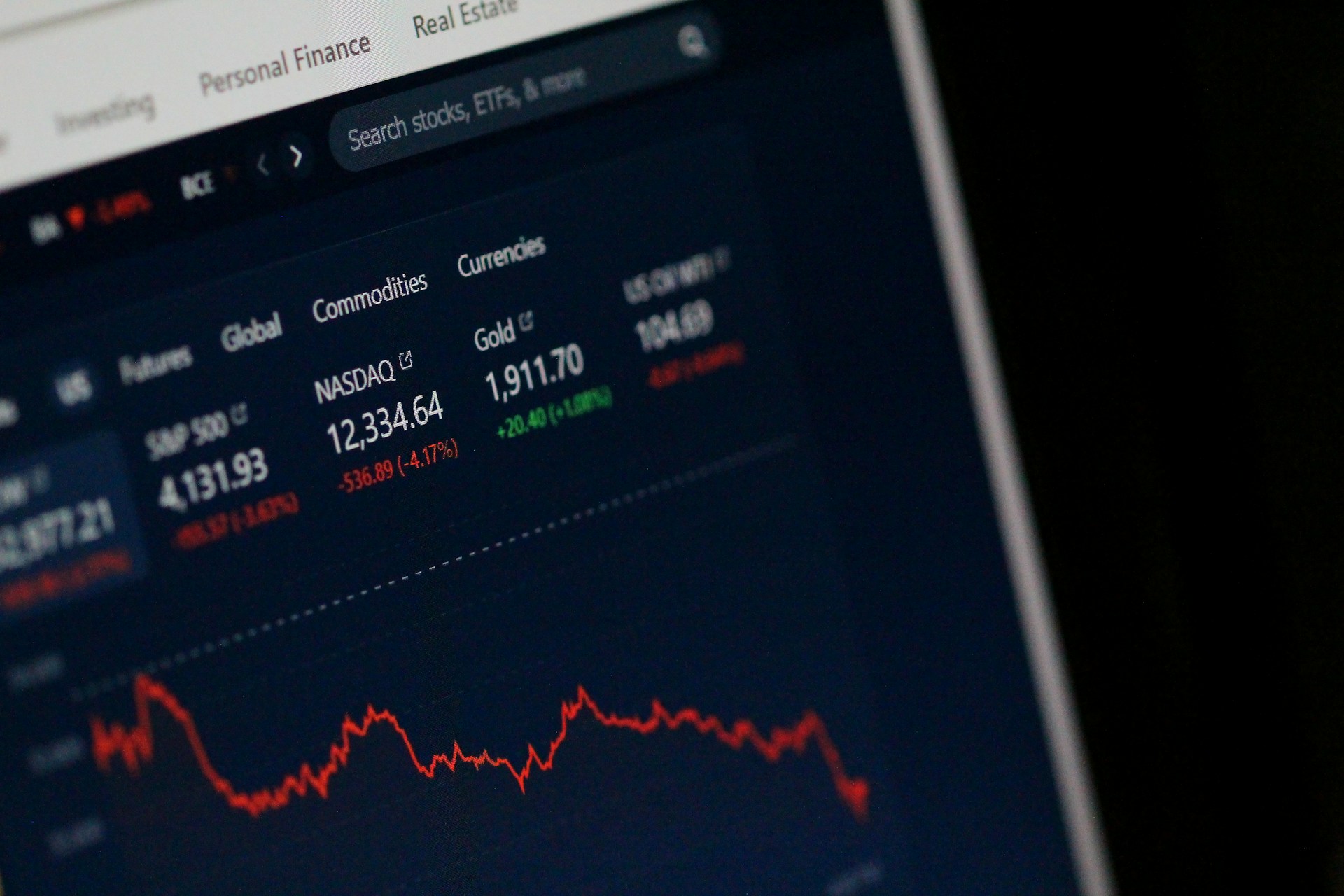
October 19, 1987, saw the Dow Jones drop 22% in a single day, and nobody died, no war started, and no banks failed. The culprit was actually computer programs designed to protect investors.
These programs automatically sold stocks when prices fell below certain levels. But when millions of shares hit the market at once because of these automated sales, it overwhelmed the system.
Human traders couldn’t keep up with the speed, and the technology that was supposed to provide safety ended up accelerating the panic.
Tulip mania proves that people will bet on anything
Back in the 1600s in the Netherlands, tulip bulbs became more valuable than houses. Yes, flower bulbs.
People traded their land, jewelry, and businesses for the rights to tulips that hadn’t even bloomed yet. At the peak, a single bulb cost as much as ten times the annual income of a skilled worker.
When reality finally hit and people realized they were trading absurd amounts of money for flowers, the market collapsed overnight. This early example showed that speculation can turn any object into a bubble waiting to burst.
The dot-com bubble burst because companies had websites instead of profits
Between 1995 and 2000, investors poured money into any company with a website and a dream. Startups with no revenue, no customers, and no real business plan raised millions just by adding dot-com to their names.
Pets.com spent $300 million on advertising but sold products at a loss on every transaction. When investors finally started asking basic questions like ‘how will this company actually make money,’ they didn’t like the answers.
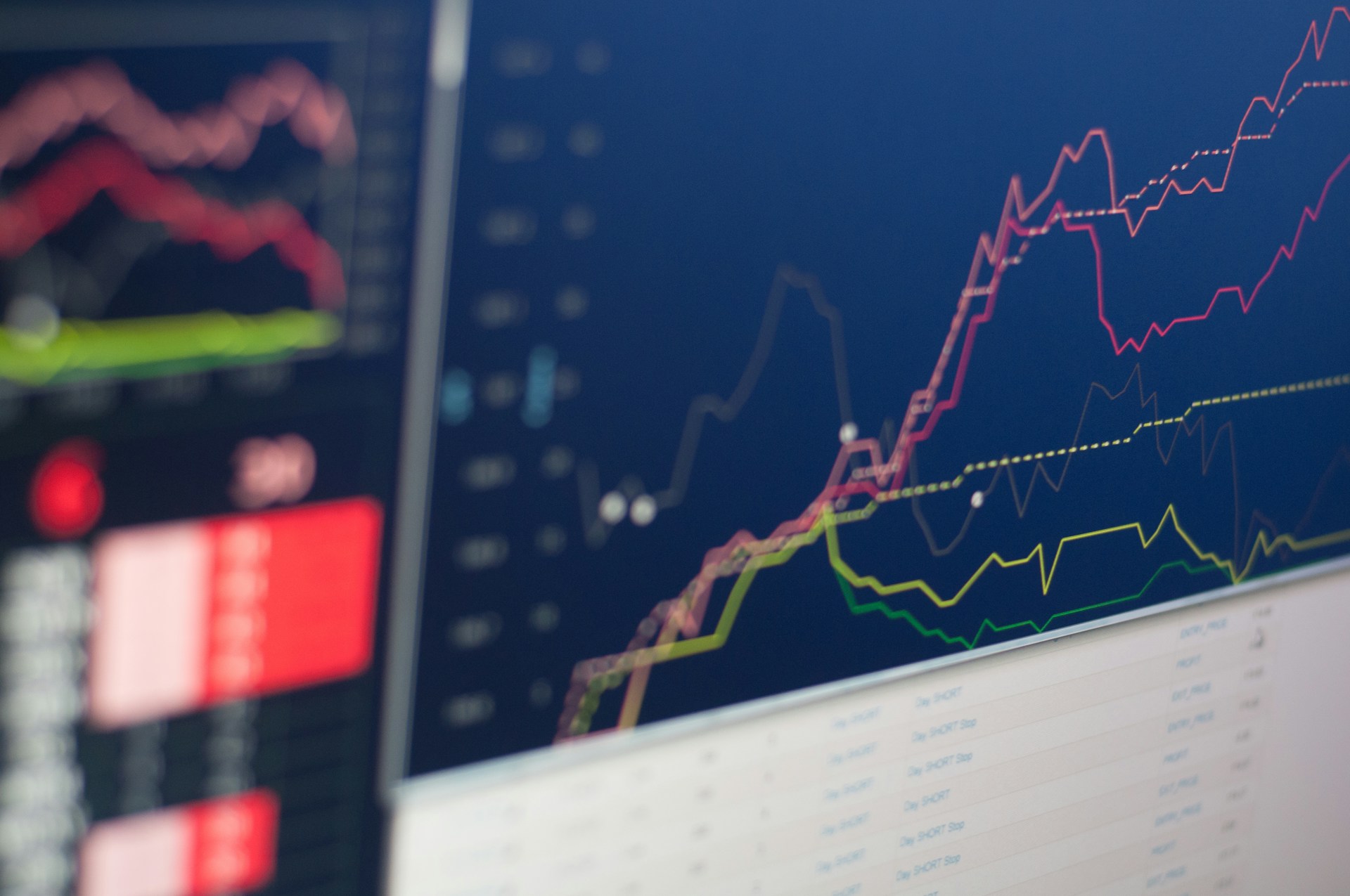
The NASDAQ lost 78% of its value as reality caught up with the hype.
Leverage turns small problems into catastrophes
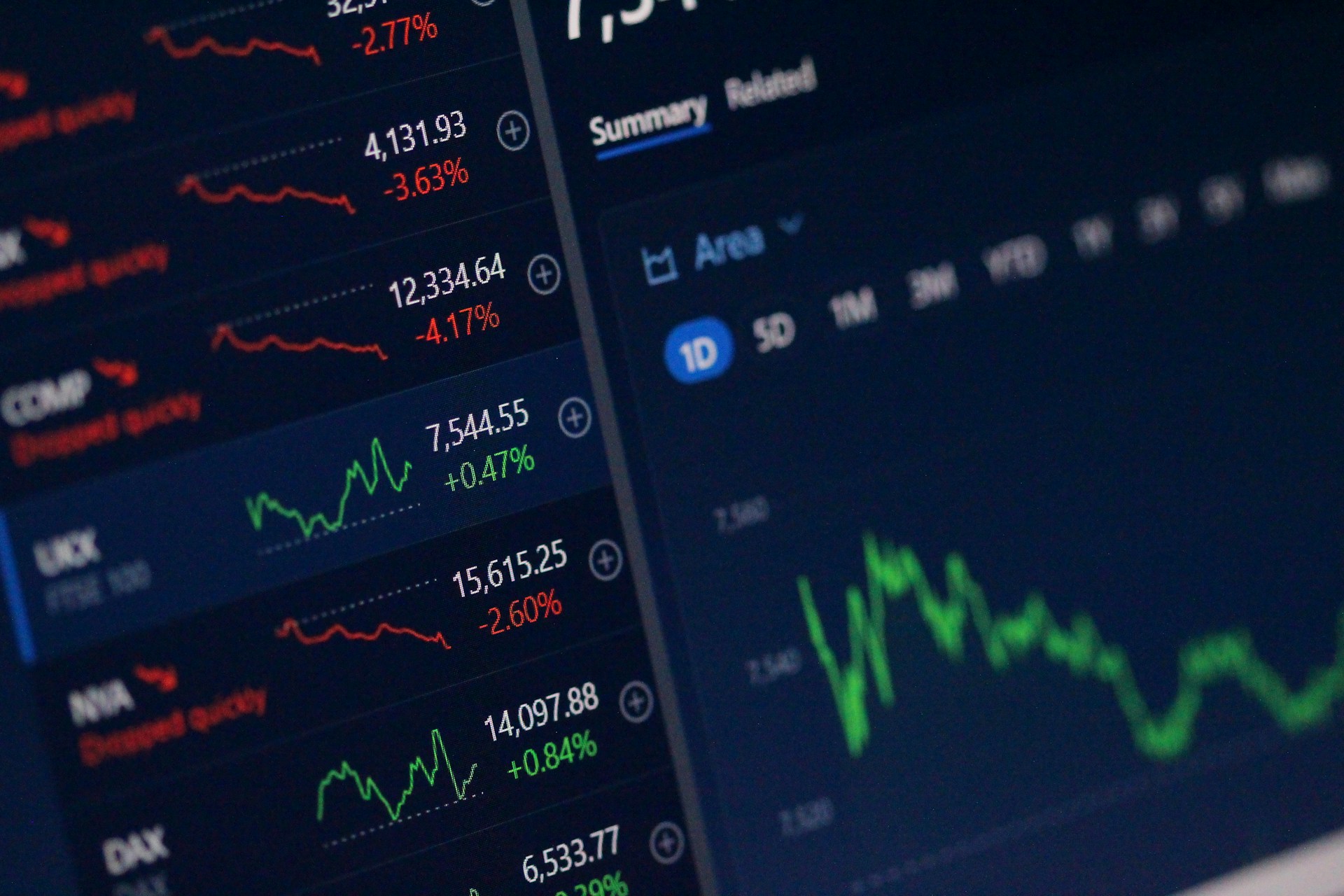
Borrowing money to invest can multiply your gains, but it also multiplies your losses by the same amount. During the 2008 financial crisis, some investment banks had borrowed $30 for every $1 they actually owned.
When housing prices dropped just 3%, it was enough to wipe out their entire capital. Lehman Brothers collapsed not because they made one bad bet, but because they made that bet with borrowed money.
The lesson here is that leverage works great until it doesn’t, and then it destroys you.
Housing prices don’t always go up
Before 2008, many Americans believed home values would rise forever. Banks gave mortgages to people with no jobs, no income, and no assets because they assumed the house itself would always be worth more next year.
When prices finally started falling, millions of homeowners owed more than their houses were worth. They walked away from their mortgages, leaving banks holding worthless properties.
The assumption that real estate was a sure thing turned out to be one of the most expensive mistakes in history.
Herd mentality makes smart people do dumb things
When everyone around you is making money on an investment, it’s incredibly hard to sit on the sidelines. During bubbles, people who express caution get mocked and ignored while risk-takers become wealthy.
This social pressure pushes even skeptical investors to jump in, often right before the crash. The fear of missing out is so powerful that it overrides common sense and basic math.
Crowds can be right for a long time, which makes the eventual correction even more painful.
Rating agencies gave toxic investments their seal of approval
Before the 2008 crisis, companies that were supposed to evaluate investment risk gave top ratings to bundles of terrible mortgages. Why? Because the banks creating these investments were paying the rating agencies for their opinions.
It’s like asking a restaurant to grade its own food. Investors trusted these ratings and bought billions in securities that were actually worthless.
When the truth came out, it shattered confidence across the entire financial system.
Japan’s lost decade started with real estate madness
In the late 1980s, the land under Tokyo’s Imperial Palace was supposedly worth more than all the real estate in California. Japanese stocks and property prices reached levels that made no economic sense.
Companies were valued based on the land they owned rather than what they actually produced. When this bubble popped in 1990, it triggered decades of economic stagnation.
Japan’s experience showed that a country can struggle for generations after a major crash.
Politicians and central banks sometimes make crashes worse
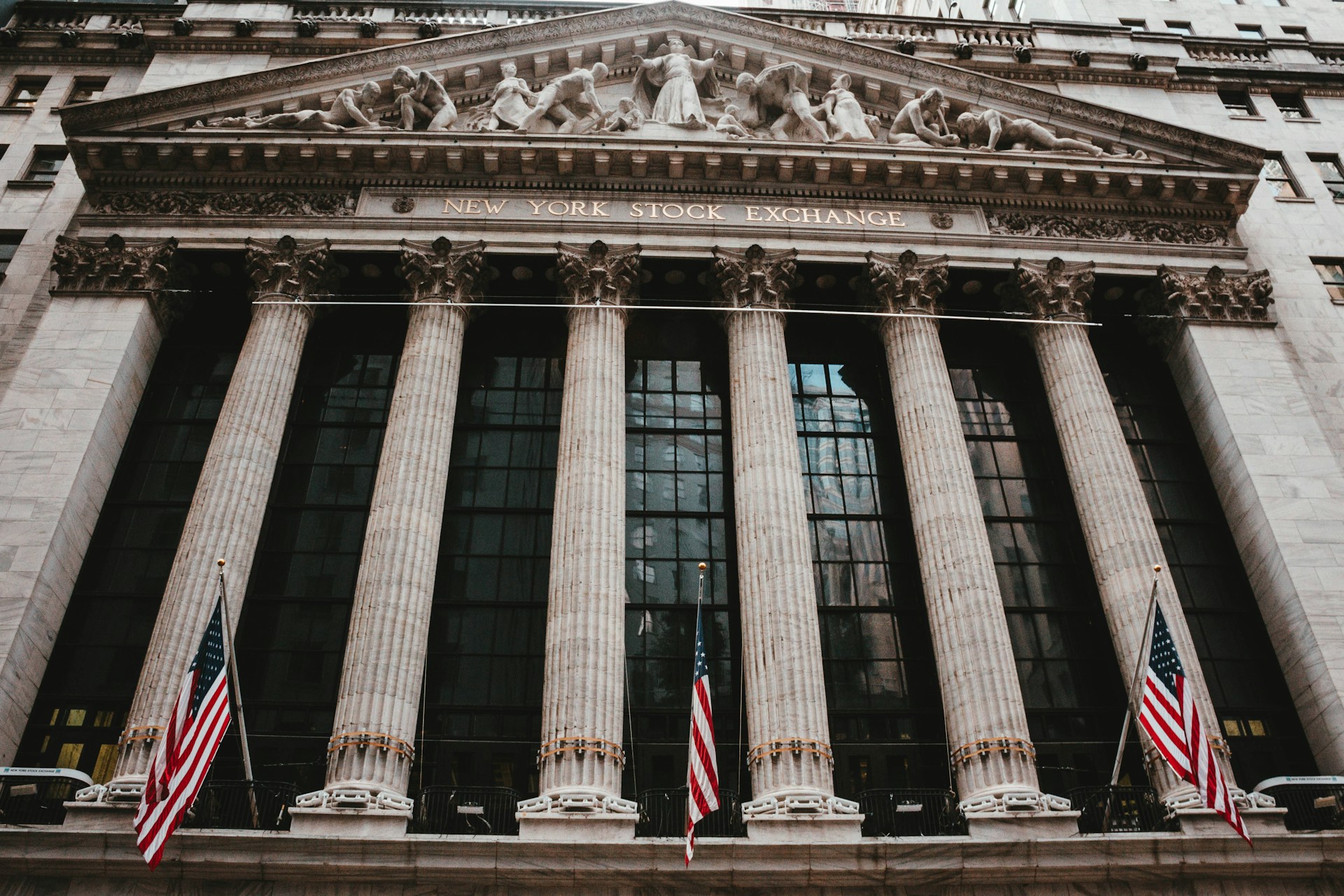
During the Great Depression, the Federal Reserve actually raised interest rates and reduced the money supply when they should have done the opposite. This well-intentioned mistake turned a recession into a decade-long disaster.
Similarly, governments sometimes impose trading restrictions or regulations during panics that prevent markets from finding their natural level. The road to financial hell is often paved with policies that seemed reasonable at the time but had devastating unintended consequences.
Margin calls create panic selling at the worst possible time

When investors borrow money to buy stocks, they have to maintain a certain account balance. If their investments fall in value, brokers demand immediate cash to cover the difference.
This forces investors to sell stocks right when prices are lowest, locking in their losses. During the 1929 crash, margin calls happened so fast that people couldn’t raise cash even if they wanted to.
They watched helplessly as their holdings were liquidated at fire-sale prices.
Credit crunches spread from Wall Street to Main Street
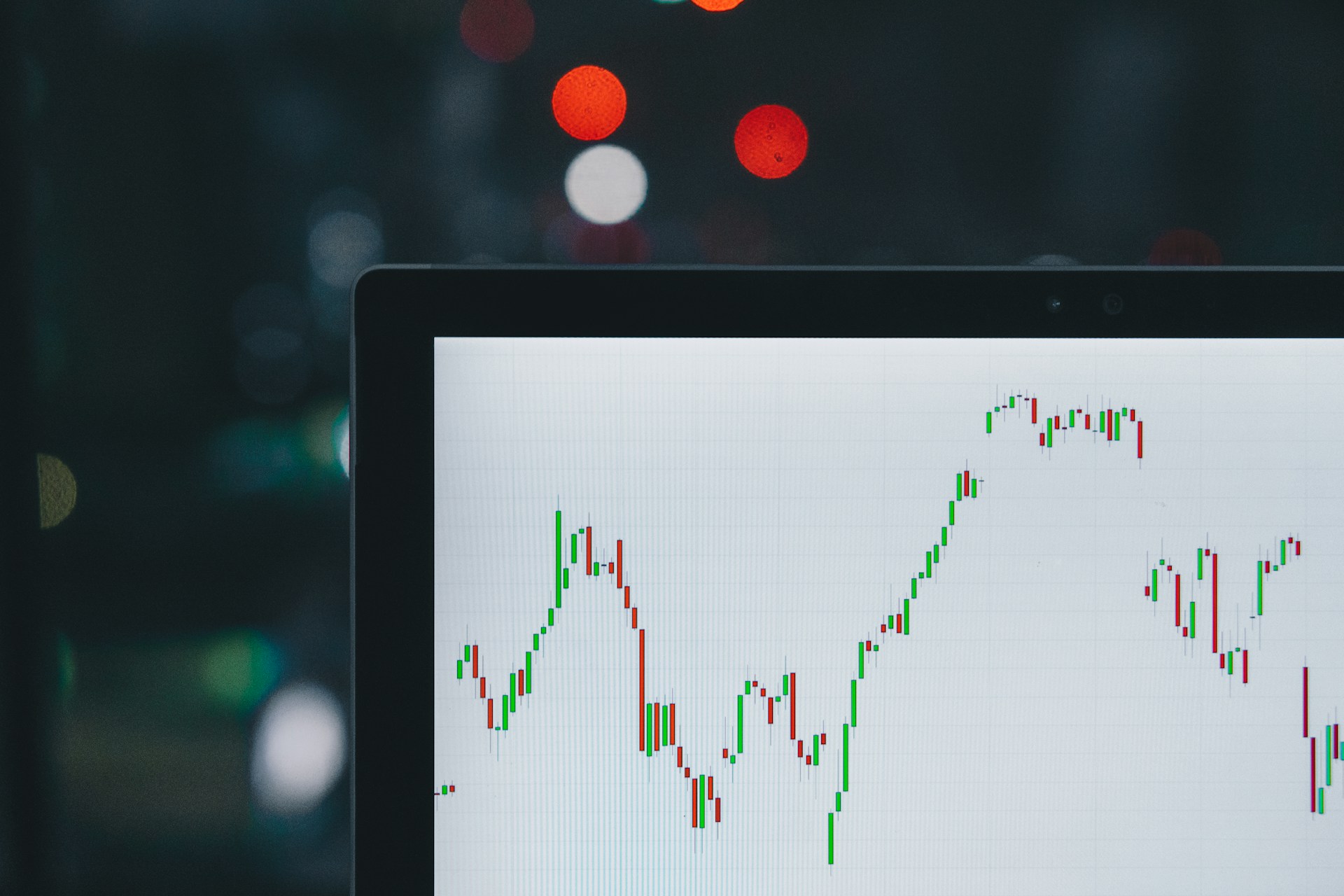
When banks lose money in market crashes, they stop lending to everyone, including healthy businesses. A company that makes furniture suddenly can’t get loans to buy materials or pay workers, even though nothing changed in the furniture market.
The 2008 crash froze credit markets so completely that even profitable companies couldn’t function normally. This shows how financial problems in one sector can paralyze an entire economy through the lending system.
Fear spreads faster than facts
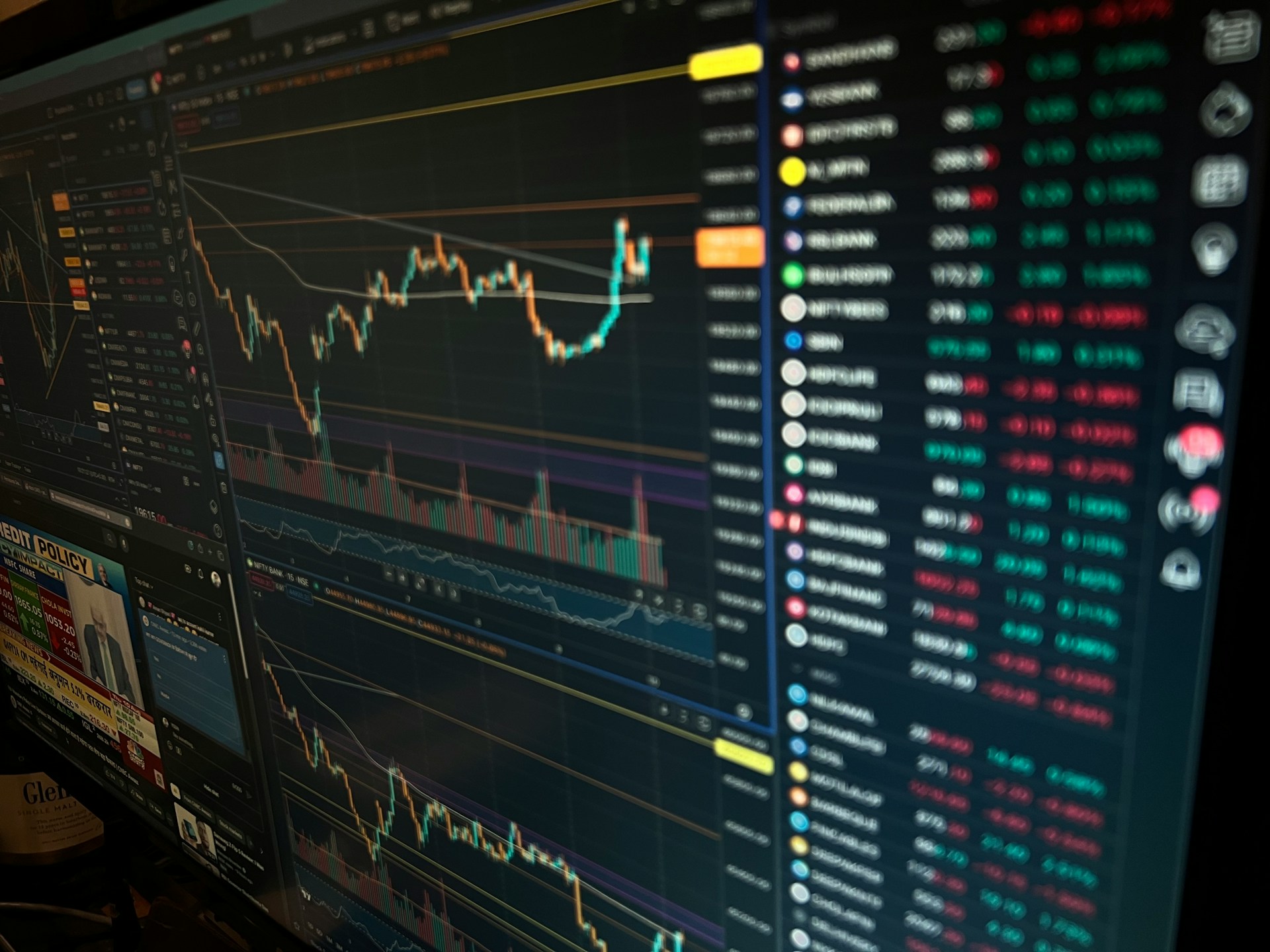
During market crashes, rumors and partial information travel instantly while accurate analysis takes time. Someone tweets that a major bank might fail, and within minutes, investors are dumping financial stocks across the board.
By the time experts can explain what’s actually happening, the damage is done. Modern technology and 24-hour news cycles have accelerated this problem, turning minor issues into full-blown panics before anyone can separate truth from speculation.
Complex financial products hide risk until it’s too late
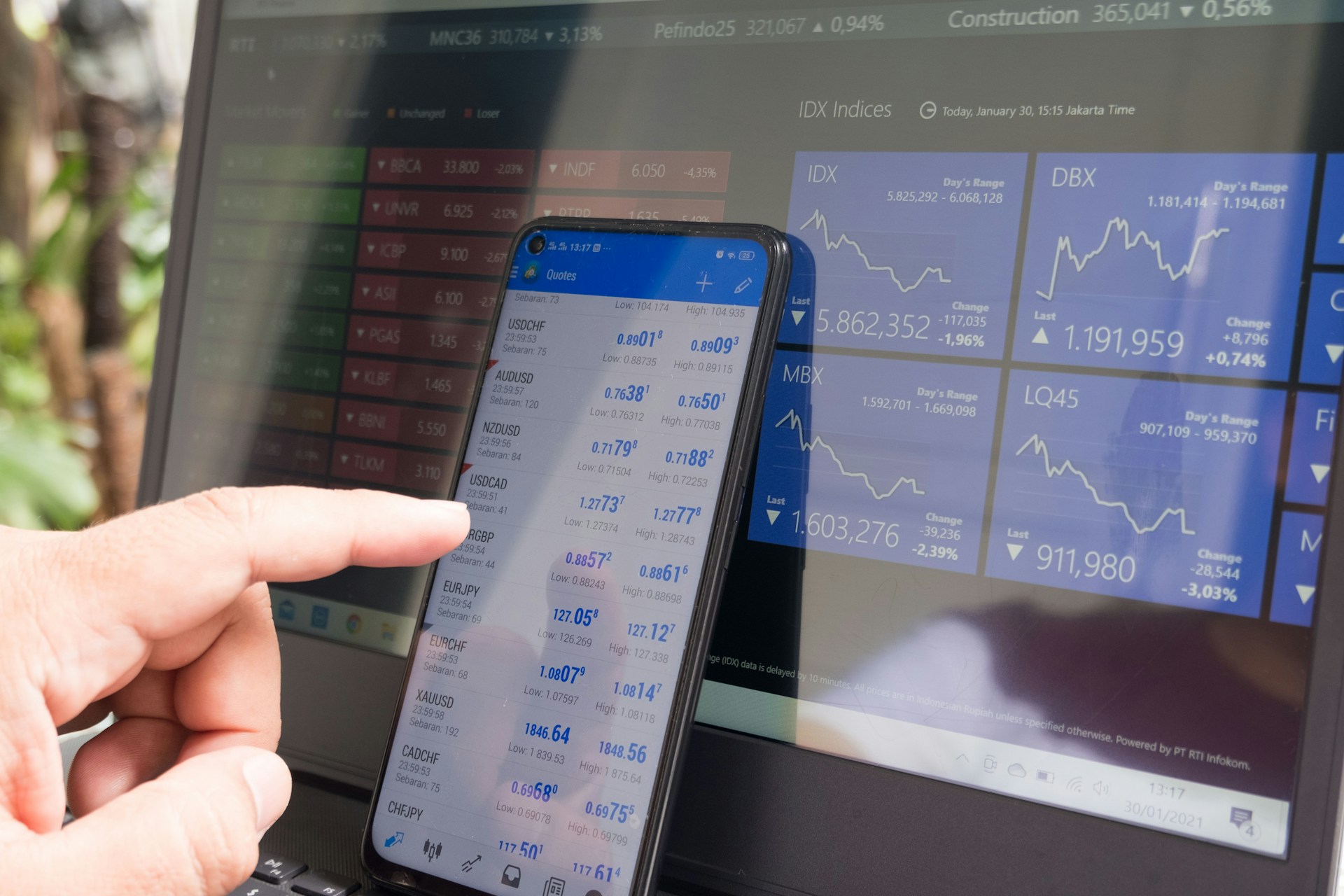
Before 2008, banks created investments so complicated that even the people selling them didn’t fully understand what was inside. These securities contained thousands of mortgages blended together and sliced into different risk levels.
When some mortgages went bad, it was impossible to figure out which securities were affected. The complexity meant that nobody knew what anything was worth, and when people don’t know values, they assume the worst.
Transparency disappeared right when it was needed most.
Government bailouts create future problems
When governments rescue failing banks and companies, it sends a message that risk doesn’t really matter. If you know you’ll be saved when things go wrong, why be careful?
This is called moral hazard, and it encourages the same risky behavior that caused the crash in the first place. The 2008 bailouts prevented total collapse, but they also set up expectations that taxpayers will always step in to clean up Wall Street’s messes.
Short selling can accelerate the downward spiral
When investors bet that stocks will fall, they borrow shares, sell them, and hope to buy them back cheaper later. This practice is legal and normally helps markets find accurate prices.
But during crashes, massive short selling can push prices down faster than fundamentals justify. The shares flood the market all at once, overwhelming regular trading activity.
Some countries ban short selling during crises, though economists debate whether this helps or just delays the inevitable.
Crashes reveal fraud that was hidden during good times
When markets are rising, nobody asks too many questions about how companies are making their money. Bernie Madoff ran his Ponzi scheme for decades during bull markets because investors were happy with their statements.
The 2008 crash exposed countless frauds, questionable accounting practices, and outright lies that had been lurking beneath the surface. Falling markets are like low tide at the beach, revealing all the garbage that was hidden when the water was high.
International connections mean crashes spread globally
A problem that starts in American housing markets can crash stock exchanges in Tokyo, London, and Sydney within hours. Banks around the world had invested in those troubled American mortgages, so when they failed, the pain spread everywhere.
Modern finance is so interconnected that trying to contain a crisis to one country is nearly impossible. This globalization of risk means that investors can’t escape crashes by simply buying foreign stocks anymore.
What comes after the fall
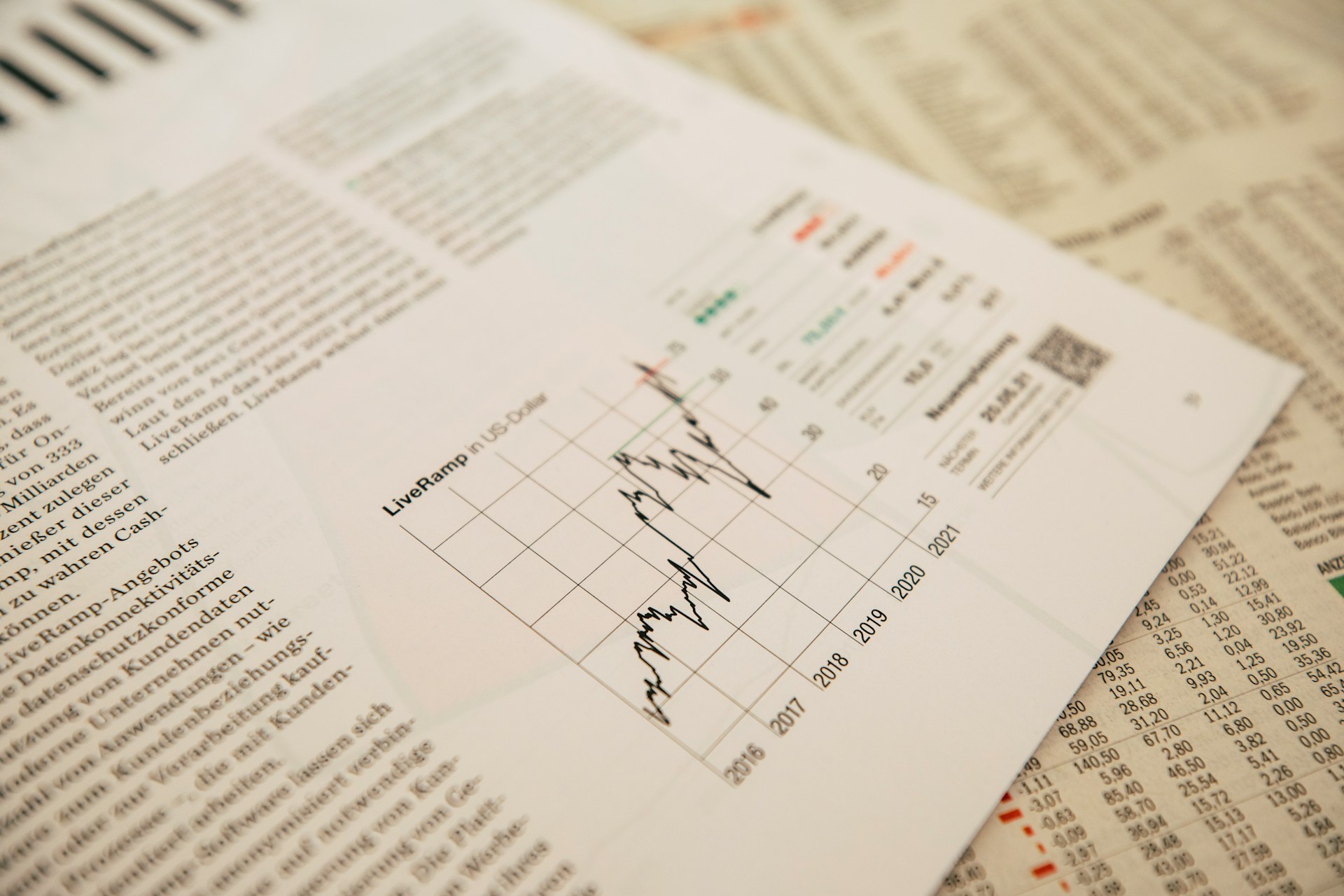
History shows that markets eventually recover from even the worst crashes, though the timeline varies wildly. Some bounces back within months, while others take decades.
The investors who survive are usually the ones who kept some cash on hand, didn’t panic sell at the bottom, and understood that crashes are part of how markets work.
More from Go2Tutors!

- The Romanov Crown Jewels and Their Tragic Fate
- 17 Halloween Costumes Once Considered Taboo
- Famous Hoaxes That Fooled the World for Years
- 15 Child Stars with Tragic Adult Lives
- 16 Famous Jewelry Pieces in History
Like Go2Tutors’s content? Follow us on MSN.