15 Amazing Examples of Bio-Architecture Around the World
Bio-architecture has emerged as one of the most compelling innovations in contemporary construction. Buildings no longer simply coexist with nature — they actively partner with it. This approach extends well beyond slapping some greenery onto concrete facades. Instead, it develops structures that breathe, adapt, and regenerate themselves across decades.
Think of bio-architecture as nature finally getting its chance to redesign our cities. These structures use living materials, react to environmental changes, and often get better with age. Like a favorite leather jacket that becomes more comfortable over time.
Here’s a list of 15 remarkable examples of bio-architecture that show how creative and sustainable our built environment can become.
The Living Machine at Findhorn

Scotland’s Findhorn Foundation runs a wastewater treatment system that looks like a giant terrarium with serious responsibilities. Plants, bacteria, and various organisms team up to clean wastewater naturally — converting what could be an industrial eyesore into something resembling a botanical paradise. This biological system processes thousands of gallons daily while creating wildlife habitat and providing educational opportunities for visitors.
BioQ in Germany

This German research facility takes ‘green building’ to new heights by integrating algae directly into its exterior walls. The algae panels do multiple jobs — they generate biomass for energy while filtering air and controlling indoor temperatures. Imagine having a massive air purifier wrapped around your office, except this one also produces fuel and makes the building look like it belongs in a science fiction movie.
The Mushroom House in New York
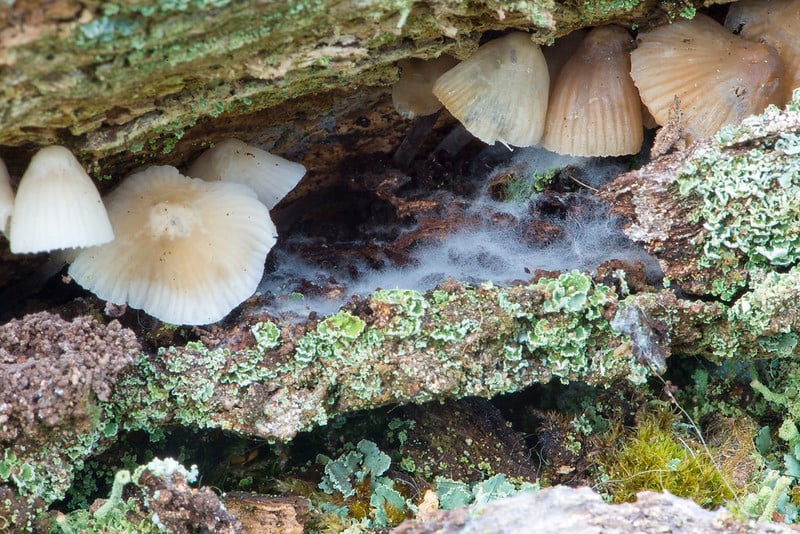
Built entirely from mycelium (mushroom root systems), this experimental New York structure proves that fungi offer much more than pizza toppings. Mycelium bricks grow in specialized molds — creating material stronger than concrete but completely biodegradable. When this building reaches the end of its useful life, it can decompose naturally without creating any waste.
Bosco Verticale in Milan
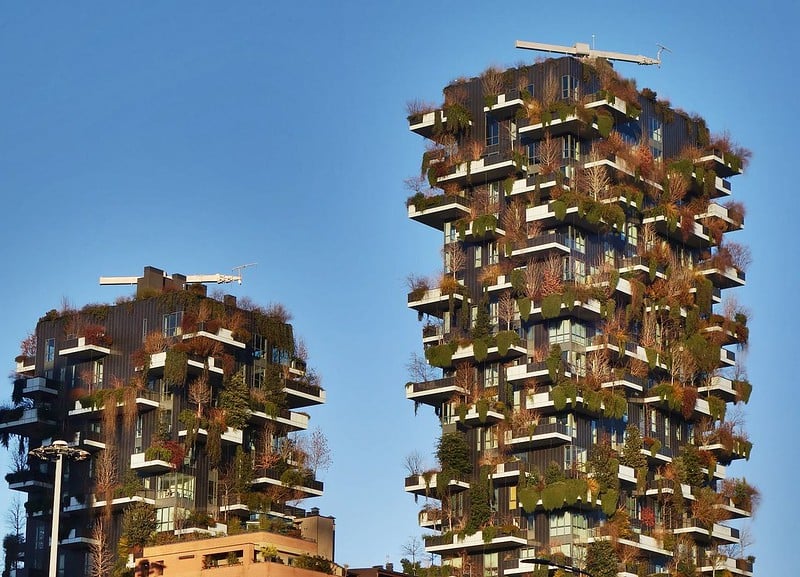
These Milan twin towers house over 20,000 trees, shrubs, and flowering plants spread across 2,000 square meters of integrated terraces — way beyond simple decoration. The vegetation captures CO2, produces oxygen, and creates a microclimate that naturally controls temperature. It’s basically a vertical forest that happens to contain apartments, rather than apartments that happen to have some plants.
The Eastgate Centre in Zimbabwe

Inspired by termite mounds, this Zimbabwe shopping center stays comfortable year-round without conventional air conditioning. The ventilation system copies how termites regulate their nest temperature — using thermal mass combined with strategic airflow. This approach cuts energy use by 90% compared to similar buildings, proving that nature’s smallest architects often have the smartest solutions.
The Tree House in Kazakhstan

— Photo by perseomedusa
This incredible Kazakhstan structure literally grows around living trees — using them as key structural elements instead of obstacles to remove. The design accommodates natural tree growth patterns, creating spaces that change and mature over time. It’s architecture that admits it can’t control nature, so it decides to work with it instead.
Algae House in Hamburg

Hamburg’s experimental Algae House features glass panels filled with living algae covering its entire facade. These bioreactors produce biomass energy while providing shade and insulation. The algae constantly change color throughout the day and seasons — creating dynamic living artwork that never repeats. It’s like having a building that works as a power plant, art installation, and science experiment all at once.
The Breathing Building in London

This London office building has a facade that actually breathes — opening and closing vents based on air quality and temperature readings. Sensors monitor environmental conditions continuously and adjust the building’s respiratory response accordingly. During hot weather, it opens up like a flower seeking sunlight, while cold snaps make it close tight like a hibernating animal.
Green School in Bali

Built almost entirely from bamboo, this Bali school demonstrates how fast-growing renewable materials can create stunning architecture. The bamboo structures bend with earthquakes and weather changes — behaving like grass that flexes rather than breaks in strong winds. These buildings naturally regulate humidity and temperature while creating spaces that feel more like elevated tree houses than traditional classrooms.
The Coral Castle in Australia
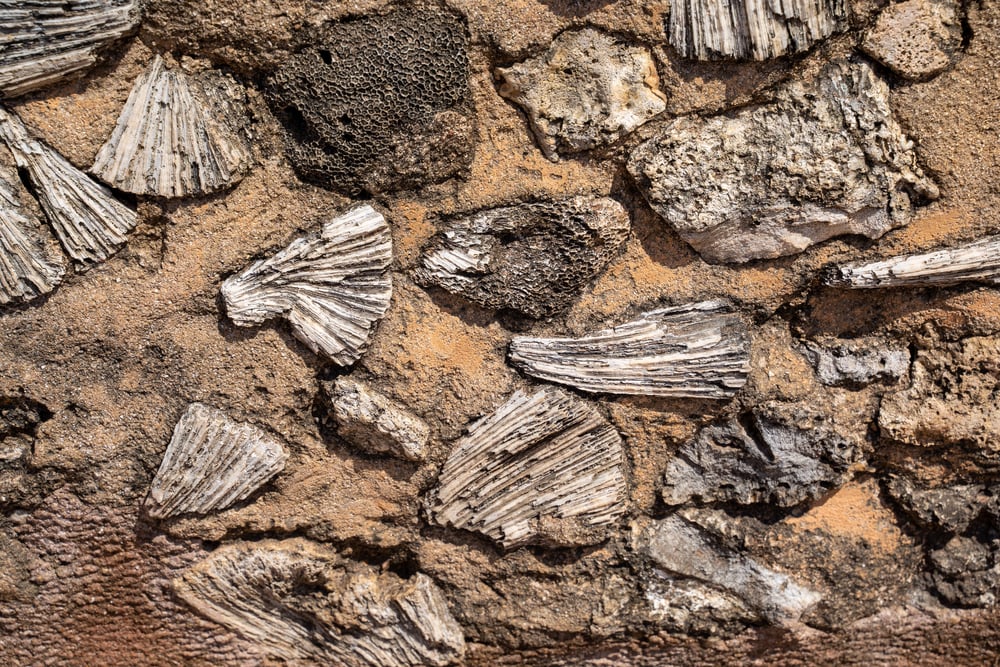
This experimental structure uses calcium carbonate secreted by coral polyps to literally grow its walls. Scientists have figured out how to encourage coral growth in specific patterns — creating building materials that get stronger over time. The process takes years to develop a single wall, but the result is a building that functions as both living reef and shelter.
Living Light in the Netherlands
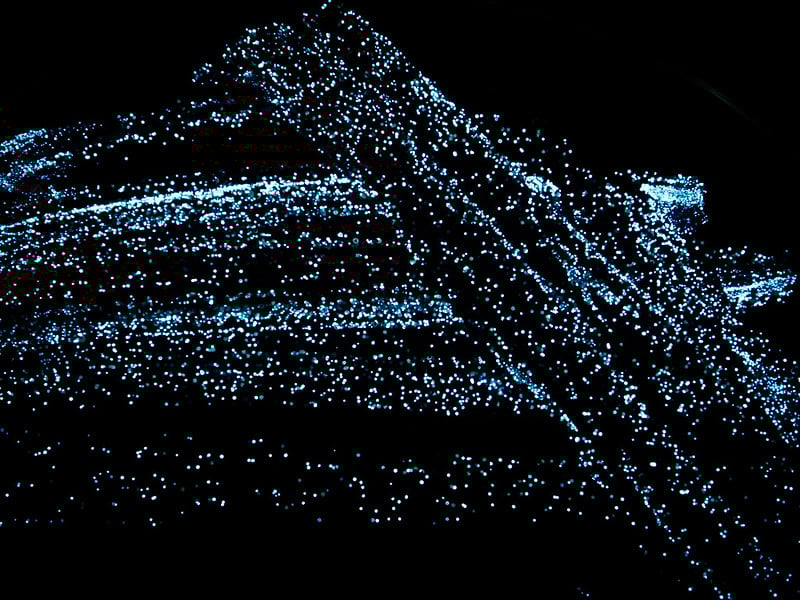
This Dutch street lighting system uses bioluminescent bacteria to create light without electricity. The bacteria feed on organic waste and give off soft, blue-green light perfect for pathway illumination. It’s basically nature’s version of LED lighting, except instead of running on electricity, it runs on compost. The lights get brighter when more organic matter is available, creating a feedback loop between waste and light production.
The Breathing Wall in Spain
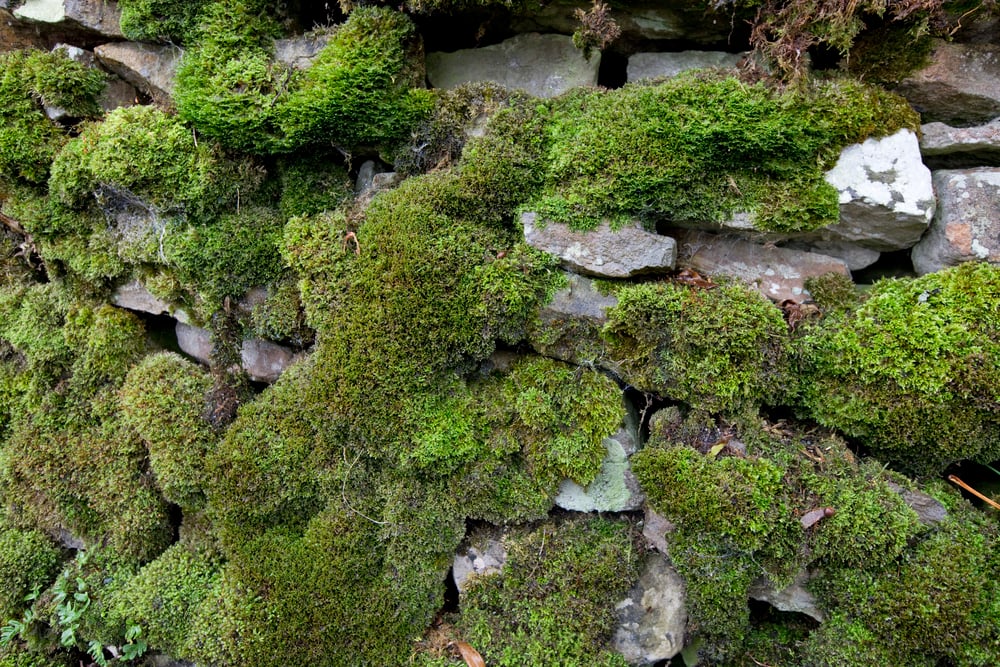
This Spanish experimental wall system includes living moss and lichen that actively filter air pollutants. The wall does more than look nice. It actually cleans the air around it, removing toxins and producing fresh oxygen. The organisms change color based on air quality, turning the building into a huge environmental monitoring system you can read just by looking at it.
Mycelium Pavilion in New York
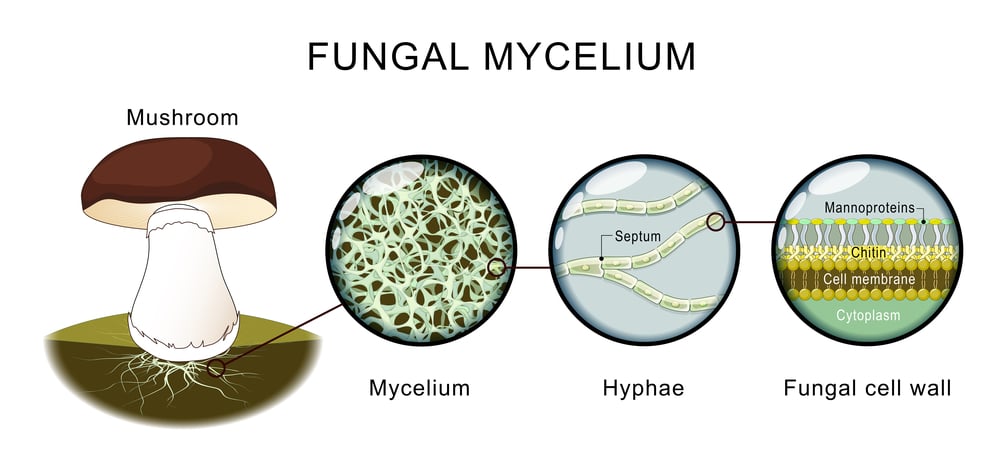
This temporary structure shows how mushroom mycelium can be grown into specific architectural shapes. The pavilion developed in custom molds over several weeks, creating a building that’s entirely organic and biodegradable. When the exhibition ended, the whole structure got composted, leaving behind only enriched soil. It’s architecture with a built-in expiration date, and that’s exactly what they wanted.
The Photosynthetic House in Chicago
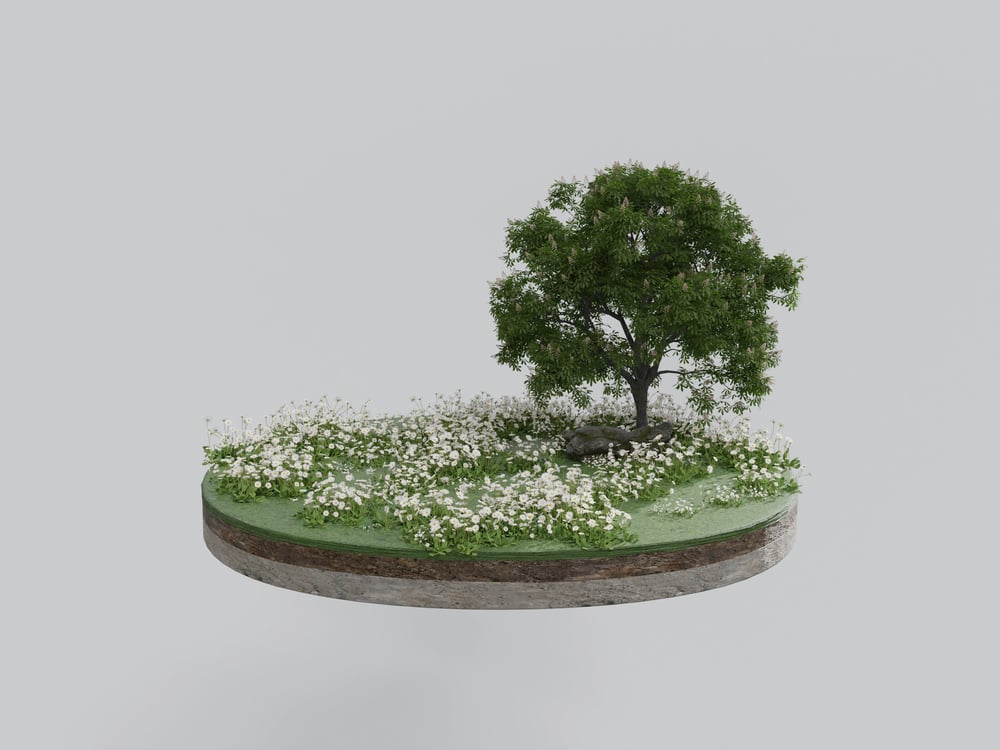
This experimental home has living walls that actively do photosynthesis, converting CO2 into oxygen while filtering indoor air. The walls contain thousands of plants arranged in specialized growing systems that also help control humidity and temperature. Living in this house feels like being inside a giant lung that constantly refreshes the air you breathe.
BioMilano in Italy

This research facility has walls made from living bacterial colonies that can fix themselves when damaged. The bacteria form a protective biofilm that gets stronger over time and can actually fill in small cracks or gaps as they develop. It’s like having a building with an immune system — minor damage triggers a healing response that makes the structure stronger than it was before.
Nature’s Blueprint for Tomorrow

These bio-architectural projects represent much more than just innovative construction techniques. They’re glimpses into a future where buildings work alongside natural systems instead of fighting against them. Each project shows that the line between natural and artificial doesn’t have to be so rigid, and our best designs often come from just paying attention to what nature has been perfecting for millions of years. As climate change keeps challenging traditional building methods, these living structures offer hope that our built environment can actually help planetary health rather than hurt it. The next time you see a building covered in plants or notice unusual organic curves in modern architecture, remember that you’re looking at the early stages of a revolution that could change how we think about shelter, sustainability, and our relationship with the natural world.
More from Go2Tutors!

- 16 Historical Figures Who Were Nothing Like You Think
- 12 Things Sold in the 80s That Are Now Illegal
- 15 VHS Tapes That Could Be Worth Thousands
- 17 Historical “What Ifs” That Would Have Changed Everything
- 18 TV Shows That Vanished Without a Finale
Like Go2Tutors’s content? Follow us on M



