Worldwide schools with the strangest rules
Schools are supposed to be places where kids learn, grow, and maybe dread a pop quiz or two. But some schools around the world have taken things a step further, with rules so unusual that even the most seasoned teachers would do a double-take.
Get ready, because these are not your average ‘no running in the hallways’ policies. From strict uniform laws to banning best friends, here are 15 schools with rules that will genuinely surprise you.
No Best Friends Allowed
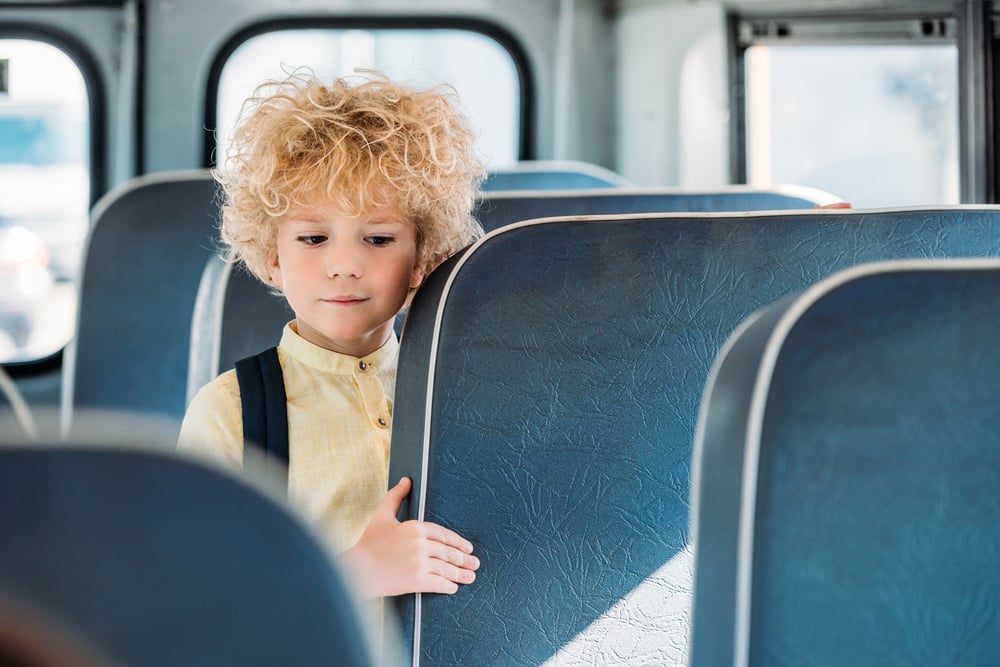
A group of schools in the United Kingdom once enforced a rule that discouraged students from forming exclusive best-friend pairs. The idea behind it was to reduce bullying and the emotional damage that comes when those close friendships fall apart.
Teachers were trained to redirect children toward group play instead of one-on-one bonds. It caused a lot of debate among parents who felt the school was overstepping into territory that belonged at home.
No Running At Recess

At some schools in Australia and the United Kingdom, running on the playground was officially banned. The reason was simple: too many scraped knees and injury reports were piling up on administrators’ desks.
Students were expected to walk calmly during break times, which, for a seven-year-old full of energy, is basically a form of punishment. Parents widely mocked the rule, and several schools quietly reversed it after public backlash.
Clocks Removed From Classrooms

A number of schools in Switzerland experimented with removing clocks from classrooms entirely. The thinking was that students who watched the clock spent less time paying attention to lessons.
Without a visible timer, kids were expected to stay present and engaged. Teachers handled time management on their own, and students had no choice but to trust the process.
Mandatory Nap Time For Teenagers

In parts of China, afternoon nap breaks are not just allowed, they are required by law in some schools. Students in middle and high school are given 20 to 30 minutes after lunch to rest at their desks.
Research backed the idea, showing that short naps improved focus and memory retention during afternoon lessons. It sounds like a dream rule, and for once, the science agrees.
No Left-Handed Writing

Decades ago, several schools across Japan and parts of Eastern Europe actively discouraged or outright banned left-handed writing. Left-handed students were told to switch to their right hand, regardless of how natural the other felt.
Educators at the time believed uniformity in writing posture created better classroom order. Many adults who went through this system have spoken about the lasting confusion and frustration it caused them.
Strict Uniform Colors Down To Socks

Some schools in Japan regulate not just the uniform itself but the exact shade of undergarments and socks students are allowed to wear. Spot checks have reportedly been carried out to ensure compliance, which many human rights groups have openly criticized.
The rules were framed as part of discipline culture, but they sparked national conversations about student privacy. Several Japanese school districts revised these policies after significant public pressure in the late 2010s.
No Outside Food, Ever

A school in Sweden became known for its firm rule against any food brought from home. Students were required to eat only what the school canteen provided, with no exceptions for packed lunches or snacks.
The policy was rooted in promoting nutritional equality so that no child would feel embarrassed about what they brought from home.
Phones Locked In Pouches All Day
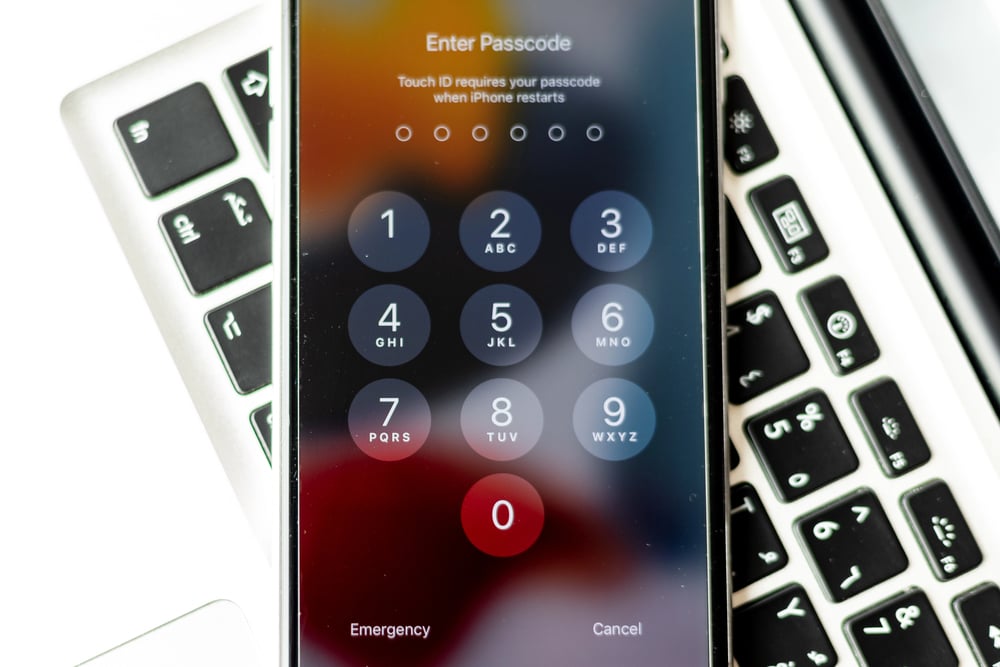
Schools in France passed a nationwide law in 2018 banning smartphones for students under 15, and some schools went further by requiring older students to lock their phones in magnetic pouches for the entire school day. The pouches could only be unlocked with a special device kept by staff.
Early results showed improvements in social interaction during break times, with students actually talking to each other face-to-face again. The company that made the pouches reportedly saw orders skyrocket after the policy gained international attention.
No Talking During Lunch

Several boarding schools in the United Kingdom and parts of India have historically enforced a rule of complete silence during meal times. The tradition comes from older religious and military school cultures where discipline extended to every part of the day.
Students learned to communicate through hand signals and written notes passed along the table. Former students often describe it as either deeply calming or quietly miserable, depending on who you ask.
Compulsory Farming Hours

Schools in rural Cuba include mandatory agricultural work as part of the curriculum. Students spend a portion of their week tending to school farms, growing crops, and learning basic farming skills.
The government framed it as practical education tied to national values of self-sufficiency. While it sounds unusual, students who went through the system say it gave them a strong sense of responsibility and connection to the food they ate.
No Colored Stationery

A private school in South Korea made headlines for banning any stationery that was not plain black or white. No colorful pencil cases, no patterned notebooks, and certainly no novelty pens shaped like animals.
The school argued that flashy supplies created distractions and fostered unhealthy comparisons between wealthier and less wealthy students. Critics said the rule went too far, but the school maintained it for over a decade.
Mandatory Tree-Planting Before Graduation

A single tree might seem small, yet each pupil in a Philippine school now plants ten before walking across any stage. Backing this step? A nationwide policy named the Graduation Legacy for the Environment Act – law since 2019.
Proof matters: saplings go into designated zones like forest edges, coastal thickets, or city parks. Odd on paper, sure – but mention it to someone, watch their face shift toward approval.
No Hair Longer Than The Collar For Boys

In certain areas of South Korea and Singapore, along with a few U.S. private schools, male students once faced rigid limits on how long their hair could grow. Hair grazing the collar often meant being dismissed from class – some had to trim it right there, using scissors stored by the school head.
These standards came less from health concerns and more from an emphasis on control and sameness. Though many places have eased up lately, pockets remain where such rules hold firm.
Strictness lingers, even as norms shift elsewhere.
Forbidden To Sport Eyewear Featuring Oversized Rims

A child’s ability to see clearly came under scrutiny when a Chinese elementary school told pupils not to wear big-framed glasses. Because, officials said, wide rims could hide side sight and pull classmates’ attention away.
Yet eye doctors stepped forward, saying fit and health matter more than looks. Little faces grew tense – some now feared being scolded just for needing help seeing.
Public talk spread fast once reporters picked up the story. Then silence – the rule vanished almost as quietly as it arrived.
No Birthday Celebrations On School Grounds

Birthday parties at school? Gone in many U.S. and European classrooms – no cupcakes, no cards, no singing during homeroom. Allergies play a part here.
So do worries about kids feeling left out if their parents can’t supply snacks for everyone. A few places now gather once a month to celebrate all birthdays together.
Thoughtful intent lies behind the policy, though silence on an eighth birthday might still sting just a bit.
Rules That Outlived Their Welcome

Many of these rules began with honest reasons – fairness, attention, staying safe, keeping order. A few made sense.
Plenty failed. Every one shows how schools mirror the worries and beliefs of their era.
With classrooms shifting, so do the guidelines inside them – tested, questioned, occasionally faded away without notice. Odd regulations tend to leave the deepest marks, though never the kind expected.
More from Go2Tutors!

- The Romanov Crown Jewels and Their Tragic Fate
- 13 Historical Mysteries That Science Still Can’t Solve
- Famous Hoaxes That Fooled the World for Years
- 15 Child Stars with Tragic Adult Lives
- 16 Famous Jewelry Pieces in History
Like Go2Tutors’s content? Follow us on MSN.