Worst Traffic Jams in History
Being stuck in traffic is annoying. Everyone knows that tense feeling when you realize the highway has turned into a parking lot and you’re going nowhere fast.
But your half-hour delay on the way to work barely registers compared to some of the gridlock disasters that have trapped drivers for days at a time. These jams stretched for dozens of miles, lasted through multiple sunsets, and left people wondering if they’d ever make it home.
The 12-Day Nightmare on China’s G110

August 2010 brought something unprecedented to China’s National Highway 110. What started as typical highway congestion transformed into a traffic jam that lasted nearly two weeks.
Over 100 kilometers of road became a virtual parking lot between Hebei and Inner Mongolia. Heavy trucks carrying construction materials to Beijing created the initial bottleneck. Road maintenance work made everything worse.
Drivers inched forward about one kilometer per day. Some people sat in their cars for five straight days.
The heat made the situation unbearable. Turning on the air conditioning meant burning through precious fuel.
Turning it off meant sweltering in metal boxes under the August sun. Vendors on bicycles rode between the stranded vehicles, selling water bottles for ten times the normal price.
Nobody had much choice but to pay.
When France Turned Into a Parking Lot

February 16, 1980 remains burned into the memory of anyone who tried driving from Lyon to Paris that day. The French Autoroute stretched into a 109-mile ribbon of stopped cars.
This record stood in the Guinness Book of World Records as the longest traffic jam by distance for decades. Hundreds of families were returning from ski vacations in the Alps.
Poor weather conditions closed in. The combination created a perfect storm of congestion.
The jam lasted several hours, though exact records vary. What’s certain is that drivers had plenty of time to contemplate their vacation memories while staring at brake lights.
São Paulo’s Everyday Chaos

Most cities experience bad traffic occasionally. São Paulo lives in it constantly. The Brazilian metropolis holds the distinction of having the world’s worst daily traffic conditions.
On June 10, 2009, the city set a staggering record with 182 miles of accumulated jams spread across 522 miles of monitored roads. Every route in and out of the city ground to a halt simultaneously.
Drivers in São Paulo average four hours per day crawling through congested streets. The city adds roughly 1,000 new vehicles to its roads every single day.
A 24-hour radio station broadcasts nothing but traffic updates and alternate routes. Some residents have adapted in unexpected ways.
People shave during their commutes. They read books at stoplights.
They strike up conversations with fellow drivers through open windows. One woman even met her future husband while both were trapped in gridlock.
The city set another record on May 23, 2014, with 214 miles of cumulative queues during evening rush hour. This happened despite road space rationing that restricts when certain vehicles can drive based on their license plate numbers.
The Easter Traffic That Reunited Germany
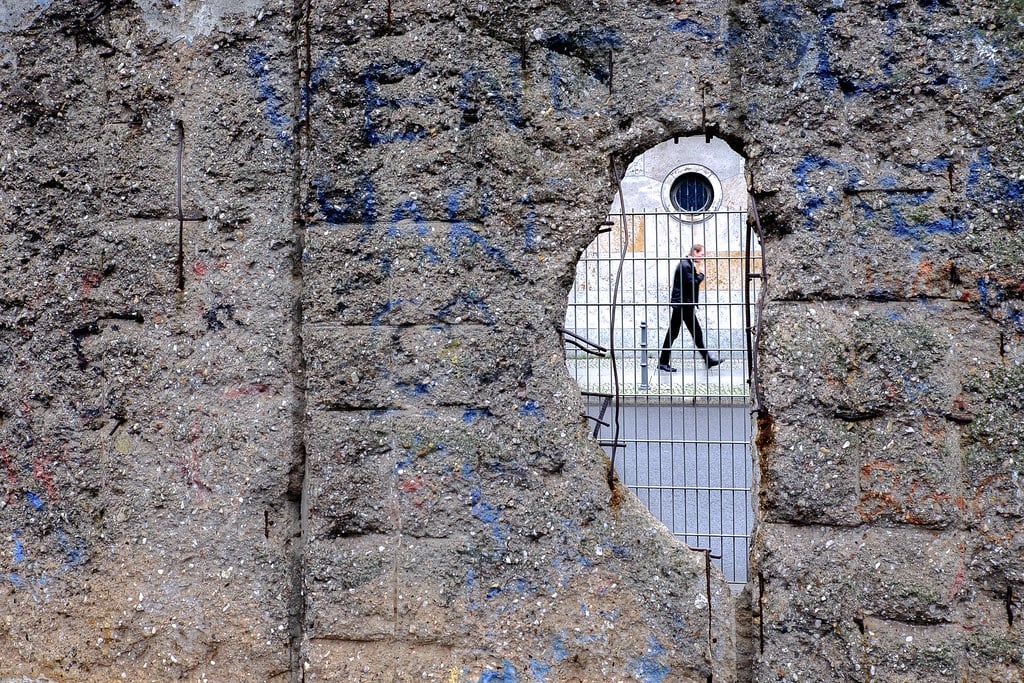
The Berlin Wall fell in November 1989. By Easter 1990, families could finally travel freely between what had been East and West Germany. That freedom came with an unexpected price.
The roads couldn’t handle what happened next. About 18 million cars hit the highways that holiday weekend.
Normal daily traffic on these routes numbered around 500,000 vehicles. The resulting jam stretched 30 miles and earned a place in the Guinness Book of Records for the most vehicles stuck at once.
Families who had been separated for decades were finally reunited. The traffic was frustrating, sure, but few people complained too loudly.
They were witnessing history, even if they were witnessing it from a standstill.
Tokyo’s Typhoon Evacuation Gone Wrong

August 12, 1990 should have been a peaceful end to summer holidays in Japan. Instead, Typhoon Winona forced evacuations while travelers were already flooding home from O-bon, the Festival of the Dead.
The timing couldn’t have been worse. Highways designed in the 18th century suddenly carried twice their intended capacity.
The jam stretched 84 miles between Hyogo and Shiga prefectures in western Japan. Over 15,000 vehicles packed the routes.
Additional congestion around Tokyo added another 30 to 40 miles of stopped traffic. Families trying to escape the typhoon found themselves trapped alongside families trying to return home.
Bad weather conditions made everything more dangerous. The infrastructure simply couldn’t cope with the simultaneous demands.
Hurricane Rita’s Deadly Queue

September 21, 2005 brought panic to Houston. Hurricane Rita, a Category 5 storm, was bearing down on the city.
Officials ordered evacuations. About 2.5 million people tried to leave at once.
Interstate 45 became a 100-mile parking lot. The main evacuation route from Houston to Dallas stretched with bumper-to-bumper traffic.
Some drivers spent 24 hours trapped in their vehicles. The congestion lasted up to 48 hours total.
The irony haunts the event. The hurricane ultimately didn’t hit Houston directly. But the evacuation itself proved dangerous.
People stuck in traffic ran out of fuel. Medical emergencies occurred with no way to get help.
The gridlock may have saved some lives by keeping people away from the storm’s actual path, but it created its own hazards.
Chicago’s Frozen Lake Shore Drive

February 1, 2011 brought the Windy City to its knees. Over 20 inches of snow dumped onto Chicago during evening rush hour.
Drivers heading north on Lake Shore Drive from downtown got the worst of it. The snow kept falling.
Visibility dropped to nothing. Multiple accidents blocked the road.
Drivers sat trapped for more than 12 hours in their cars as snow piled nearly to their windshields. The temperature plummeted.
Many people abandoned their vehicles. Staying in the car felt too dangerous as fuel tanks drained and heat disappeared.
Lake Shore Drive transformed into a graveyard of empty cars buried in white. Crews needed days to clear the mess and reunite people with their vehicles.
The Woodstock Traffic Jam

When you think about Woodstock, you probably picture peace, love, and music. But getting to Max Yasgur’s farm in Bethel, New York, in August 1969 required navigating a 20-mile traffic jam on the New York State Thruway.
Organizers expected 50,000 people. About 400,000 showed up instead.
The roads couldn’t handle it. Thousands of concertgoers abandoned their cars and walked the remaining miles to the festival.
The lucky ones hitched rides on motorcycles or in the backs of pickup trucks. Most of the famous performers got helicopters in and out because driving proved impossible.
Joni Mitchell skipped her scheduled performance entirely, worried she’d get stuck in traffic and miss a television appearance later that week. She wrote her iconic song “Woodstock” based on secondhand accounts from her boyfriend who actually attended.
Hamburg’s Century-Old Congestion Problem
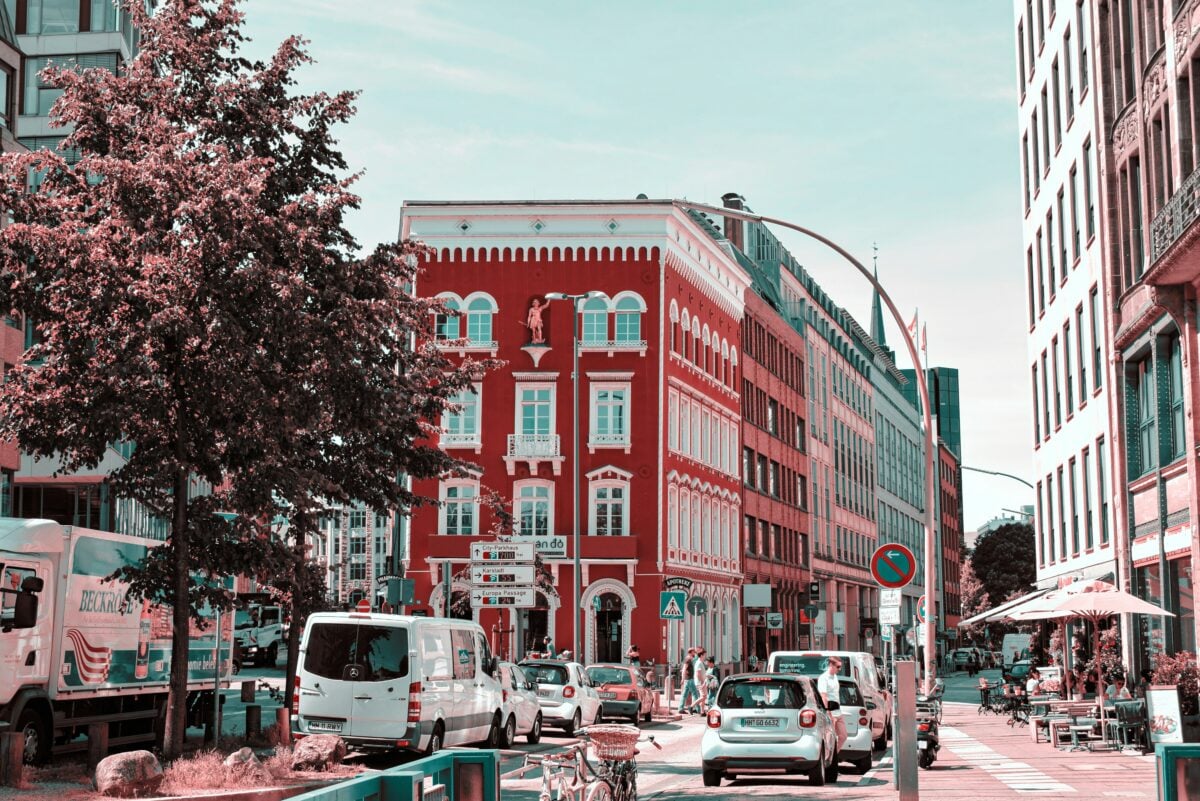
Hamburg, Germany, earned a reputation for traffic nightmares long before 2018, when it was declared the worst German city for jams. Back in 1993, the city experienced a 100-mile gridlock that nearly broke the world record.
Rush hour on a normal day in Hamburg means bumper-to-bumper traffic. The city has always struggled with more vehicles than its streets can handle.
But that particular day in the ’90s pushed things to an extreme. Commuters sat trapped for hours trying to get home from work.
Nothing dramatic caused it. No storm, no evacuation, no festival.
Just too many cars in too little space. Sometimes the simple explanation is the most frustrating one.
Moscow Under the Heaviest Snow in 50 Years
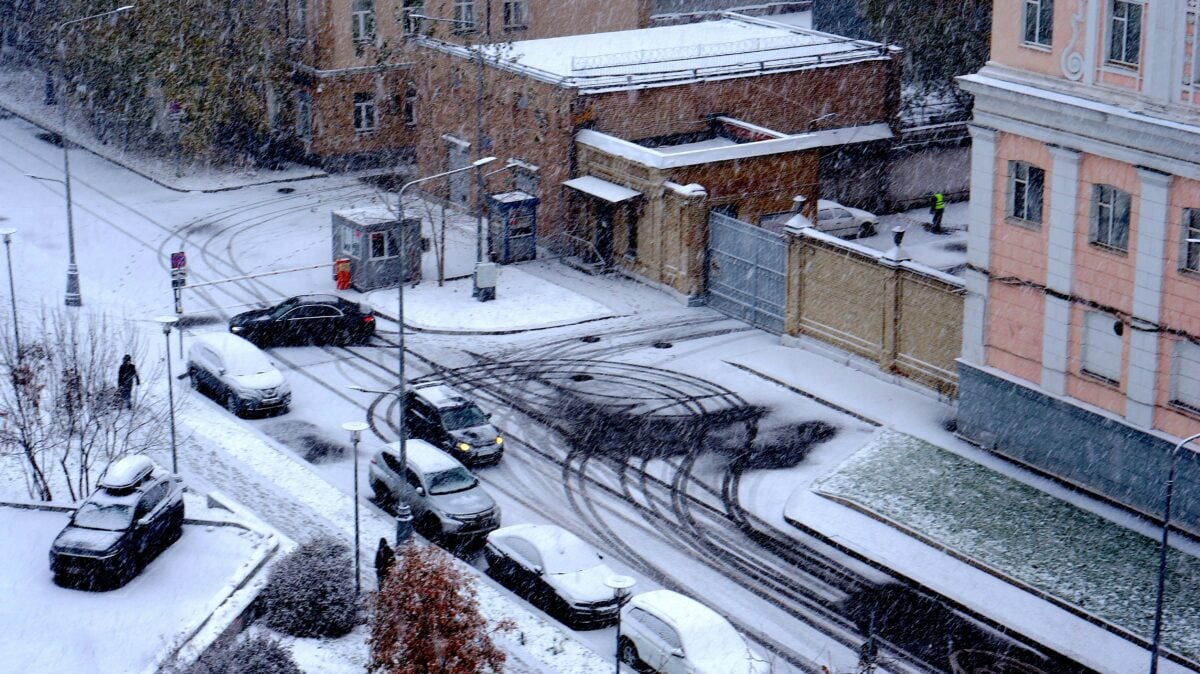
November 2012 buried Moscow in the worst snowfall the Russian capital had seen in half a century. The white deluge paralyzed the city’s roads almost instantly.
What made international news wasn’t just the snow depth but how completely it overwhelmed a major metropolitan area. Drivers found themselves stranded across the city.
The snow kept accumulating faster than crews could clear it. Visibility disappeared.
Cars slid into each other. The temperature stayed well below freezing.
Moscow usually handles winter weather without too much trouble. This storm exceeded all expectations.
The city’s infrastructure, built to withstand harsh winters, couldn’t keep pace.
The Brebes Exit That Killed 22 People

Traffic jams usually mean frustration and lost time. In Brebes, Central Java, in 2016, a traffic jam turned deadly. Twenty-two people died during a three-day gridlock at a toll exit locals started calling “Brexit.”
The jam stretched 21 kilometers. Thousands of cars clogged the highway with nowhere to go. People died from carbon monoxide poisoning as they kept their engines running in enclosed spaces.
Others succumbed to heat exhaustion or simple fatigue. The tragedy exposed how dangerous extended traffic jams can become in hot climates.
Cars turned into death traps. Emergency services couldn’t reach people who needed help.
What started as an inconvenience escalated into a genuine catastrophe.
When Beijing Traffic Never Really Ends

Beijing’s traffic problems don’t come in isolated incidents. The city experiences perpetual congestion that occasionally flares into something spectacular.
The capital’s rapid growth has outpaced its infrastructure development by a staggering margin. The number of vehicles in Beijing increased by 40 percent annually in the years before 2010. The roads were already operating at 60 percent above their design capacity.
Every highway entrance became a potential bottleneck. Every construction project made things worse before it could make things better.
Rush hour in Beijing isn’t a specific time of day. It’s more like a continuous state of being.
The city has implemented various restrictions and policies to manage flow, with mixed results at best.
The Phantom Jams That Haunt Every Highway

Not every terrible traffic jam has a clear cause. Sometimes jams appear out of nowhere, created by nothing more than human behavior.
These phantom jams frustrate drivers because nothing seems to explain them. One person brakes suddenly, maybe distracted by their phone.
The car behind them brakes harder to avoid a collision. The next car brakes even harder.
Within minutes, a ripple effect has created stopped traffic stretching back for miles. When you finally reach the front of the jam, there’s nothing there.
No accident. No construction. No obvious reason for the delay. Just an empty road ahead and confusion behind.
These jams prove you don’t need a hurricane or a festival to bring traffic to a standstill. You just need enough cars and one moment of poor timing.
Learning to Live With the Inevitable
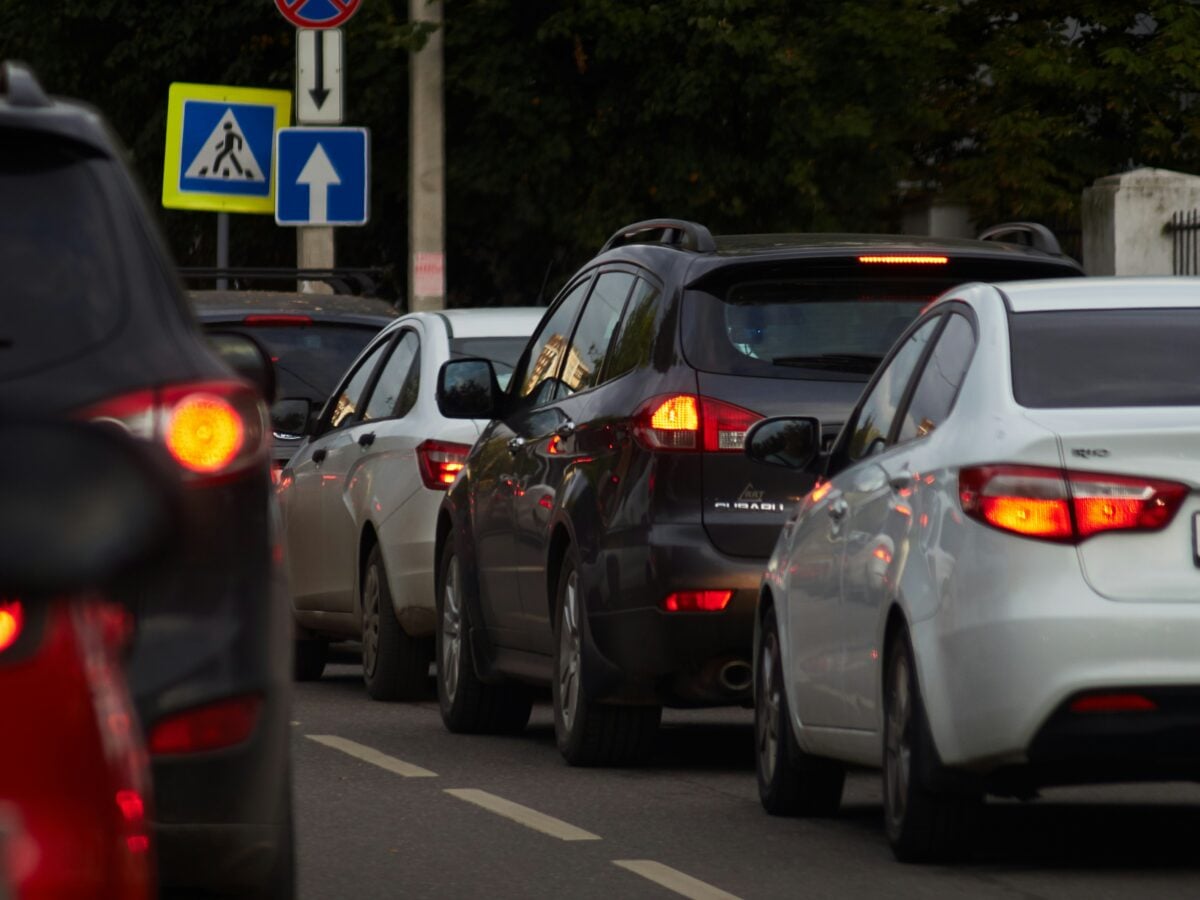
Traffic jams have become a defining feature of modern life. They cost billions in lost productivity and wasted fuel.
They spike stress levels and blood pressure. They turn reasonable people into horn-honking, fist-shaking versions of themselves.
Yet we keep building more roads, adding more cars, and finding ourselves back in the same gridlock. Some cities have made progress with public transportation and congestion pricing.
Others continue the cycle, expecting different results from the same approach. The worst traffic jams in history teach us something beyond just their individual stories.
They show how quickly our systems can overwhelm themselves when too many people make the same decision at the same time. Whether it’s everyone evacuating for a hurricane or everyone returning from a holiday, the result looks remarkably similar.
Miles of stopped cars, frustrated drivers, and the slow realization that you’re not going anywhere for a while. Maybe the next time you’re stuck in traffic for 30 minutes, you can find some comfort in knowing it could be worse. Much worse.
You probably won’t be stuck for 12 days. You probably won’t need to pay ten times the normal price for a bottle of water from a bicycle vendor.
And you almost certainly won’t need to write a song about it afterwards, as Joni Mitchell did after missing Woodstock.
More from Go2Tutors!

- The Romanov Crown Jewels and Their Tragic Fate
- 13 Historical Mysteries That Science Still Can’t Solve
- Famous Hoaxes That Fooled the World for Years
- 15 Child Stars with Tragic Adult Lives
- 16 Famous Jewelry Pieces in History
Like Go2Tutors’s content? Follow us on MSN.