Wrong Things We Believe About Ancient Egypt
Ancient Egypt holds our imagination like few civilizations can. The pyramids, the pharaohs, the elaborate burial rituals — all of it seems impossibly distant yet strangely familiar.
Hollywood has given us dramatic interpretations, documentaries have offered scholarly takes, and popular culture has blended fact with fiction so thoroughly that separating truth from myth has become nearly impossible.
The problem is that much of what feels like common knowledge about ancient Egypt is actually modern invention. Some misconceptions come from outdated archaeological theories that refuse to die.
Others spring from pure fantasy that sounds plausible enough to stick around. Either way, these false beliefs have shaped how you think about one of history’s most fascinating civilizations.
Slaves built the pyramids
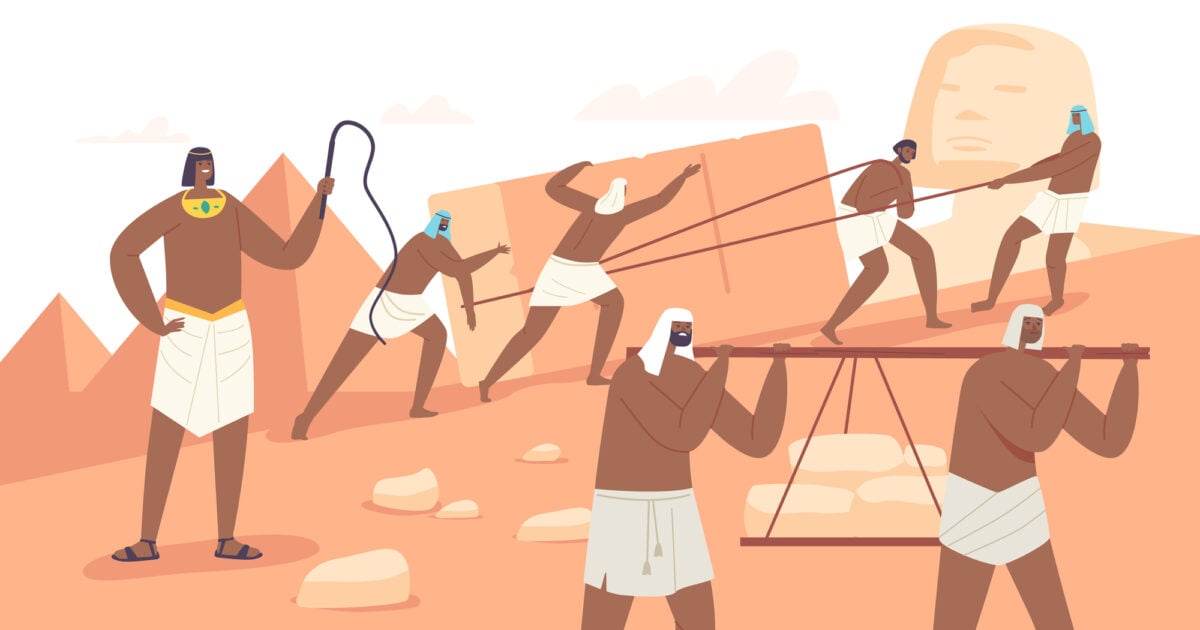
The pyramids were built by paid workers. Not slaves dragged there in chains, not foreigners forced into labor — actual Egyptian citizens who received wages, food, and housing.
Archaeologists have found the workers’ villages near the pyramids. These weren’t prison camps.
They were functioning communities with bakeries, breweries, and medical facilities. Workers ate meat regularly, which was expensive.
Slaves don’t get premium meal plans.
The Bible mentions Hebrew slaves in Egypt, and Hollywood ran with that idea. But the timeline doesn’t work.
The pyramids were built around 2500 BCE, while Hebrew slavery (if it happened as described) occurred much later. Biblical narratives got mixed up with pyramid construction, and the myth took hold.
The Sphinx has Napoleon’s nose damage
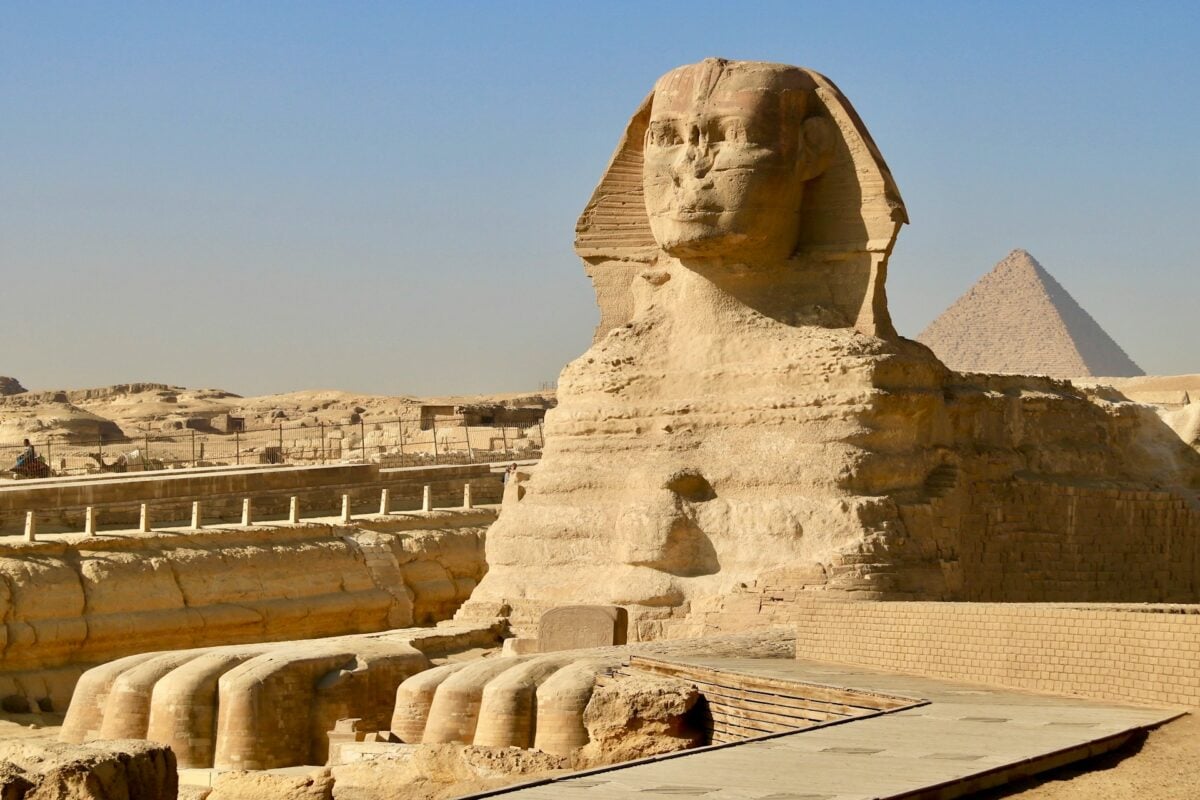
Napoleon’s army had nothing to do with the Sphinx’s missing nose, though this story refuses to disappear from casual conversation (and the occasional history class where someone wasn’t paying attention). The truth is that the nose was already gone centuries before Napoleon was even born, and there are sketches from the 1700s — drawn well before his Egyptian campaign — that show the Sphinx without its nose intact.
What actually happened is far less dramatic than artillery practice gone wrong. The most likely culprit was a Sufi Muslim named Muhammad Sa’im al-Dahr who, in 1378 CE, took issue with local peasants making offerings to the Sphinx and decided to deface what he saw as an idolatrous monument. (He was later executed for vandalism, which suggests the locals didn’t appreciate his theological concerns.)
And yet the Napoleon story persists, probably because it’s more entertaining than religious zealotry and gives people a neat historical villain to blame.
The nose wasn’t the only casualty over the centuries. The Sphinx’s beard fell off too, though pieces of it sit in the British Museum and the Cairo Museum. Weather, time, and human interference have all taken their toll on the monument, but French artillery isn’t part of that story.
Pyramids were mysterious alien constructions
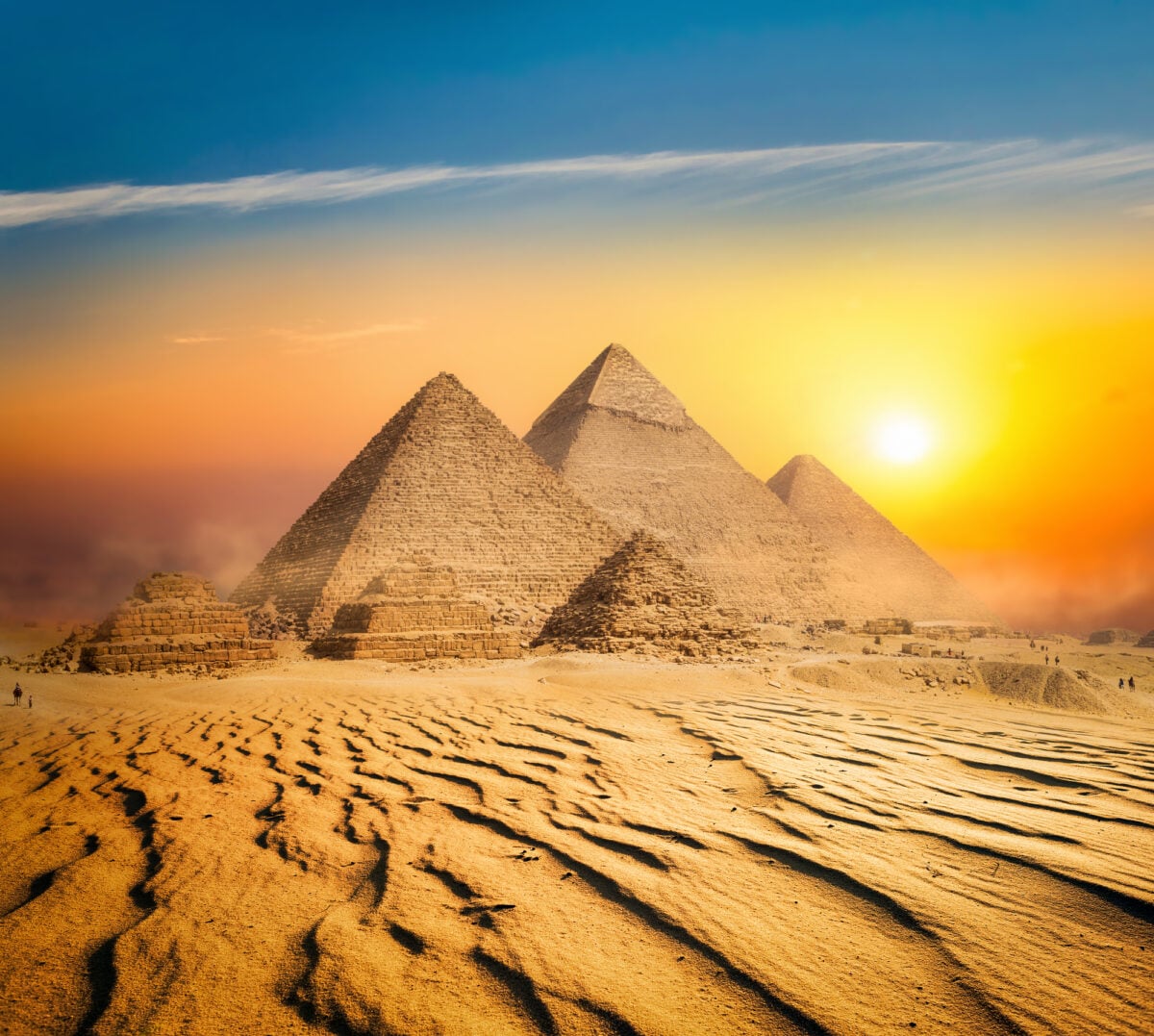
Human beings built the pyramids using ramps, ropes, and mathematics. The technology wasn’t alien — it was ingenious.
Ancient Egyptians had copper tools, wooden levers, and an understanding of physics that let them move massive stone blocks. They quarried limestone nearby and floated granite down the Nile from Aswan.
The construction methods were sophisticated but entirely earthbound.
The “alien” theory assumes ancient people were too primitive to accomplish complex engineering. That’s both wrong and insulting. Egyptian mathematics, astronomy, and architecture were incredibly advanced.
They didn’t need extraterrestrial help to build monuments that still impress us today.
King Tut was the most important pharaoh
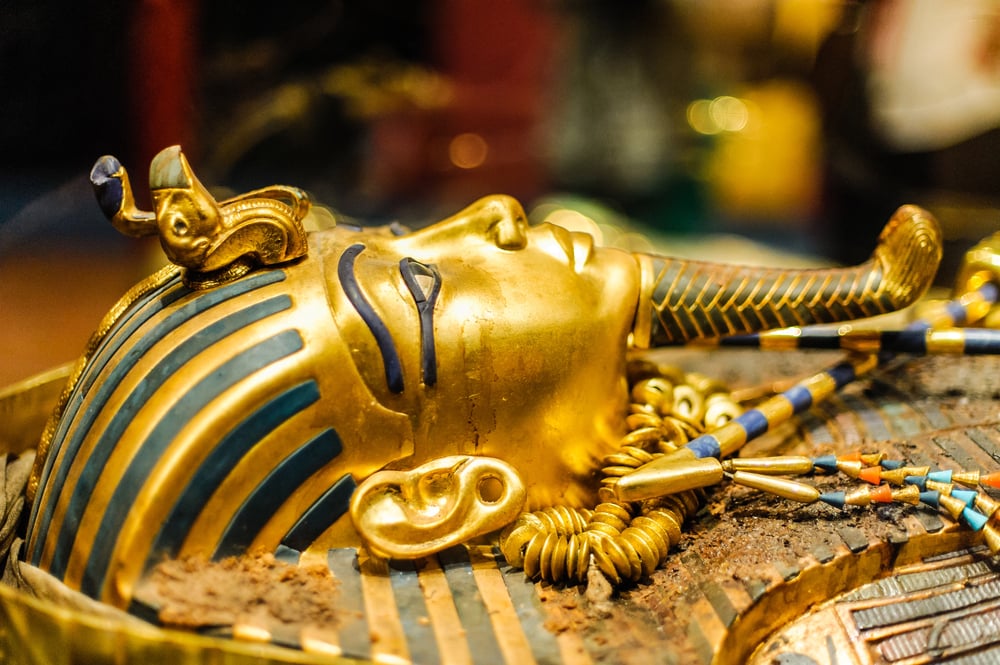
Tutankhamun was actually a minor pharaoh who died young and accomplished very little during his brief reign, but his intact tomb made him famous in the modern world while genuinely significant rulers remained relatively unknown outside academic circles. The boy king ruled for only about nine years and spent most of that time undoing his predecessor’s religious reforms — hardly the stuff of legendary leadership that his current fame might suggest.
The real heavy hitters of Egyptian history were pharaohs like Hatshepsut (who ruled successfully for 22 years and built incredible monuments), Ramesses II (who reigned for 66 years and left his mark across Egypt), and Thutmose III (who expanded the empire to its greatest extent through military campaigns). But their tombs were plundered long ago, so they don’t capture public imagination the way Tutankhamun does.
Howard Carter’s 1922 discovery of Tut’s nearly untouched tomb, packed with golden treasures and that iconic burial mask, created a media sensation that overshadowed far more historically significant pharaohs. The irony is that Tutankhamun’s historical insignificance is exactly what preserved his tomb — he wasn’t important enough for ancient tomb robbers to prioritize.
Fame, as it happens, is often more about timing and circumstance than actual achievement.
Ancient Egyptians were obsessed with death
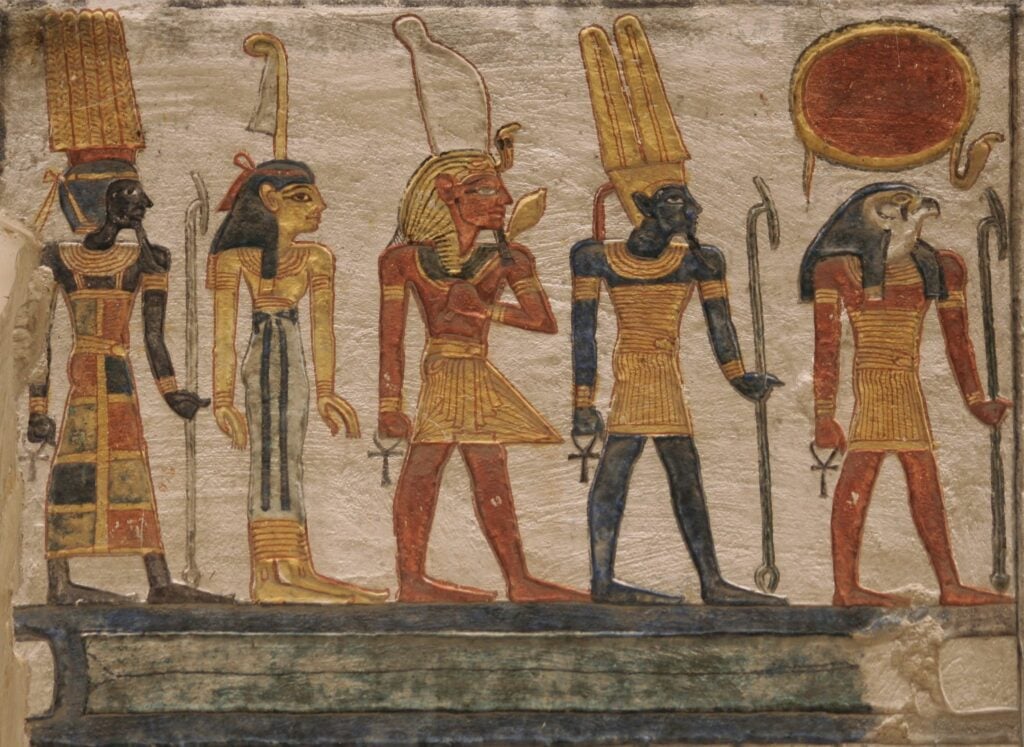
Death was simply practical business for ancient Egyptians, the way retirement planning is practical business for modern people — necessary, important, but hardly the central focus of daily existence. The elaborate burial preparations and mummification processes were about ensuring a good afterlife, not dwelling morbidly on mortality itself.
Consider how much evidence survives from ancient Egypt. Tombs last. Papyrus scrolls about crop yields and tax records don’t.
Stone burial chambers endure while wooden houses crumble into dust.
The archaeological record skews heavily toward death-related artifacts simply because those were built to last forever. It’s like future archaeologists concluding that 21st-century Americans were obsessed with insurance because that’s the only paperwork that survived.
The ancient Egyptians actually celebrated life quite enthusiastically. Their tomb paintings show people feasting, dancing, playing music, and enjoying earthly pleasures.
The afterlife was supposed to be a continuation of life’s best parts, not an escape from it.
Egyptian hieroglyphs were primitive picture writing
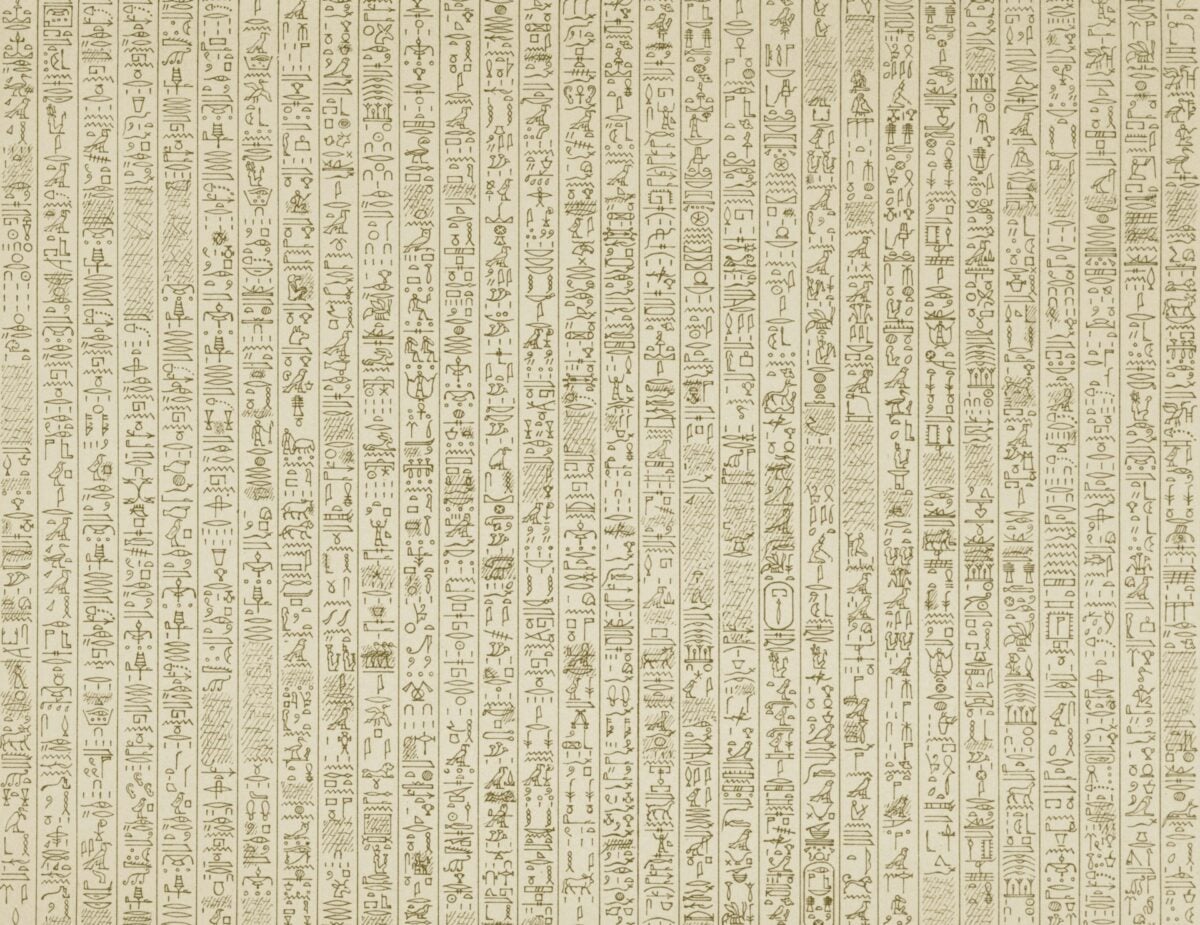
Hieroglyphs operated as a sophisticated writing system with alphabetic, syllabic, and logographic elements — more complex than many modern scripts, not less. Each symbol could represent a sound, a concept, or serve as a grammatical marker depending on context (and sometimes all three simultaneously, which is what made decipherment such a challenge for early Egyptologists).
The system included over 700 distinct signs that could be combined in intricate ways to express abstract concepts, wordplay, and multiple layers of meaning that scribes used for literary and religious texts of remarkable sophistication. Scribes spent years learning to read and write hieroglyphs, and the most skilled among them were highly valued members of society who could earn substantial incomes from their expertise.
But hieroglyphs look like pictures, so the assumption that they’re simple picture-writing persists. The script was actually so nuanced that it allowed for puns, double meanings, and literary devices that still impress linguists today. Calling hieroglyphs primitive picture writing is like calling English primitive because some letters look like the objects they originally represented.
Cleopatra was Egyptian
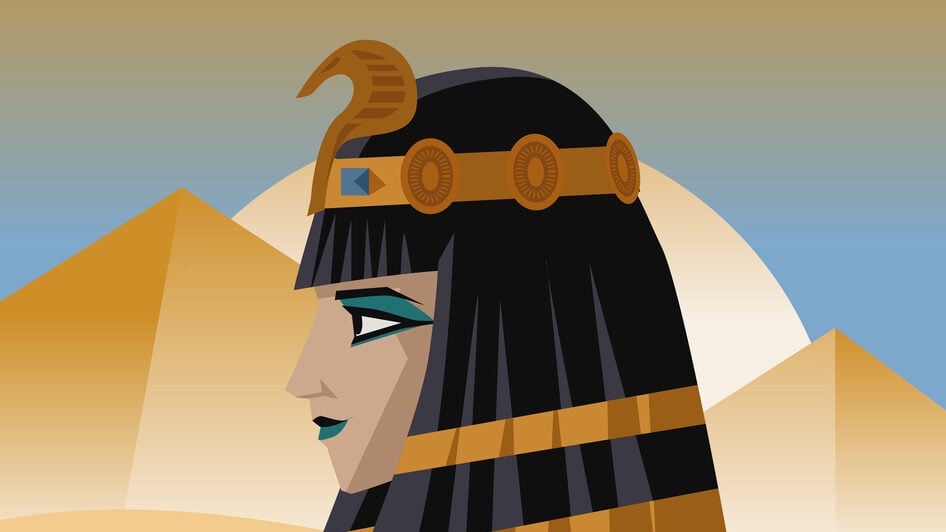
Cleopatra VII was Greek through and through. She descended from Ptolemy I, one of Alexander the Great’s generals who took control of Egypt after Alexander’s death.
The Ptolemies ruled Egypt for nearly three centuries but remained stubbornly Greek in culture, language, and bloodline.
The Ptolemaic dynasty practiced brother-sister marriage to keep power within the family. Cleopatra herself was married to two of her younger brothers at different times. This wasn’t Egyptian tradition — it was Ptolemaic tradition, designed to prevent outsiders from claiming the throne.
Cleopatra was reportedly the first Ptolemaic ruler to actually learn Egyptian. That tells you something about how separate the ruling class remained from the people they governed.
She was Egyptian in the same way British colonial governors were Indian — by location and political authority, not by heritage or culture.
Mummies were wrapped to preserve the body

The wrapping process was fundamentally ceremonial and magical rather than purely practical, though it did help preservation as a beneficial side effect. Ancient Egyptians believed that the physical body needed to remain intact for the soul to recognize and inhabit it in the afterlife, and the elaborate wrapping ritual (which could take weeks) was designed to transform the deceased into a divine being through sacred procedures and protective amulets placed between the layers of linen.
The real preservation work happened during mummification itself — removing internal organs, dehydrating the body with natron salt, and treating it with resins and oils. By the time the wrapping began, the body was already preserved.
The bandages served to encase protective charms, create the proper divine appearance, and complete the spiritual transformation that would allow the deceased to join the gods.
Different social classes received different wrapping treatments, but even the most elaborate versions prioritized religious symbolism over practical preservation. The wealthy got fine linen and expensive amulets.
The poor got cheaper materials but followed the same basic ritual pattern. The goal wasn’t creating a museum piece — it was ensuring safe passage to the afterlife.
Ancient Egypt was a desert civilization

Egypt was green, lush, and incredibly fertile thanks to the Nile’s annual floods. The river valley supported dense agriculture and thriving cities surrounded by productive farmland.
Ancient Egyptians called their land “Kemet,” meaning “black land,” referring to the rich, dark soil left by flooding. The desert was “Deshret,” the “red land,” and it was definitely not where people lived or farmed.
The Nile Delta was particularly fertile, supporting multiple crops per year. Egyptians grew wheat, barley, flax, vegetables, and fruits.
They raised cattle, sheep, goats, and pigs. This agricultural abundance funded pyramid construction, supported large populations, and made Egypt wealthy enough to dominate the region for thousands of years.
Deserts don’t build civilizations. Rivers do.
Pharaohs had absolute power
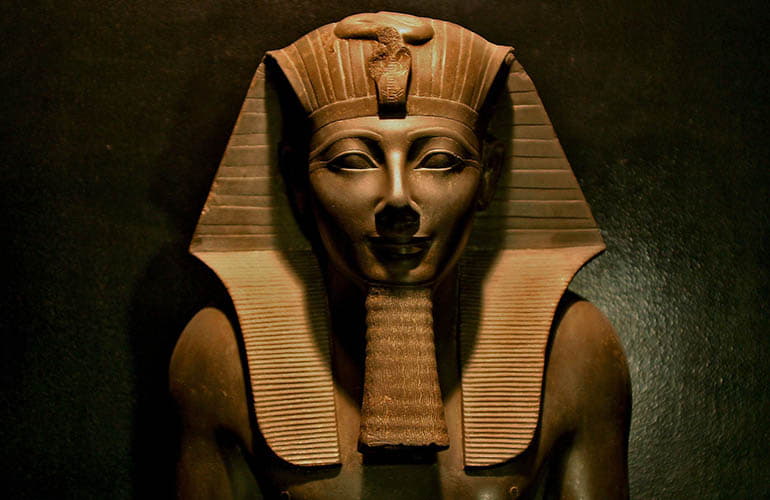
Egyptian pharaohs operated within a complex system of religious, bureaucratic, and practical constraints that limited their authority in ways that would surprise anyone who imagines them as ancient dictators issuing commands from golden thrones. The pharaoh was considered divine, yes, but divinity came with obligations — religious duties, traditional ceremonies, and expectations from priests, nobles, and regional governors who wielded considerable influence behind the scenes.
Provincial governors controlled vast territories and maintained their own armies, making them powerful enough to challenge weak pharaohs (which happened regularly during periods of political instability). The priesthood controlled enormous wealth and land holdings, and high priests could effectively veto royal decisions by claiming divine disapproval.
Palace officials, scribes, and court advisors formed bureaucratic networks that could make or break royal policies through their cooperation or resistance.
Egypt’s political structure was more like a federation of powerful interests with the pharaoh as the central authority figure than a totalitarian state where one person’s word was absolute law. Strong pharaohs could dominate this system, but weak ones often found themselves manipulated by the very people supposedly serving them.
Divine authority meant less when earthly power was distributed among multiple competing factions.
Egyptian gods had animal heads
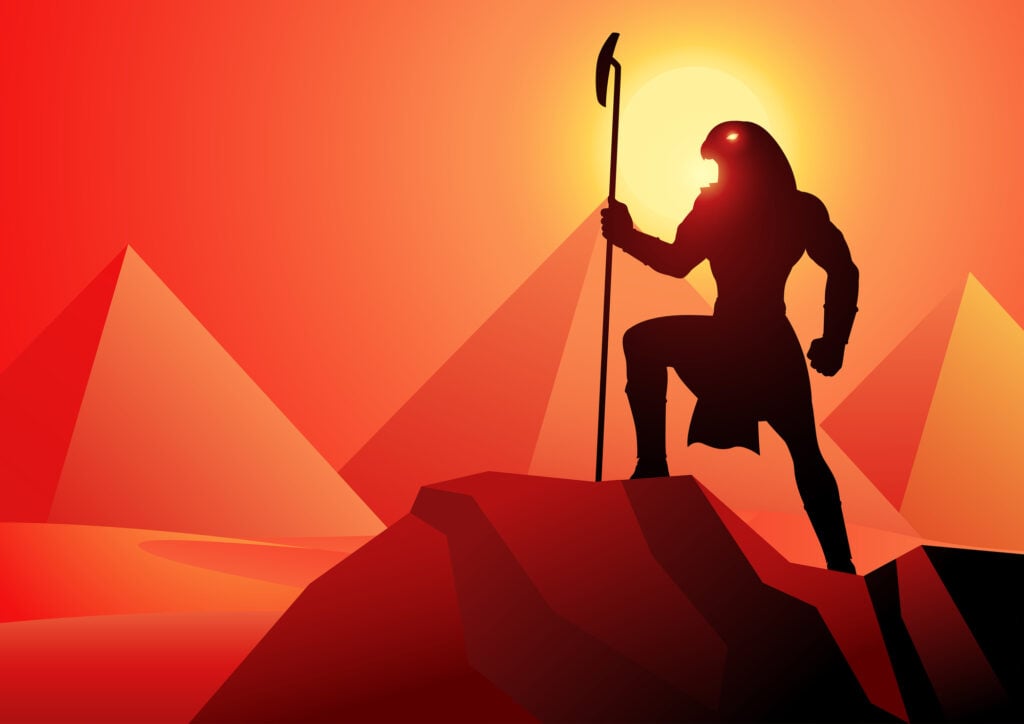
Most Egyptian deities appeared in fully human form most of the time. The animal-headed versions were specific artistic conventions used to emphasize particular divine attributes, not the standard appearance.
Anubis could appear as a man, a jackal, or a man with a jackal head. Bastet was sometimes a woman, sometimes a cat, sometimes a woman with a cat head.
The mixed forms highlighted the god’s connection to that animal’s symbolic qualities — jackals for their association with cemeteries, cats for their protective nature.
Egyptian art was symbolic, not literal. When artists drew Thoth with an ibis head, they were showing his wisdom and connection to writing.
When they drew him as a man, they were emphasizing his role as a judge or scribe. The animal heads were theological shorthand, not physical descriptions.
The curse of the pharaohs killed people
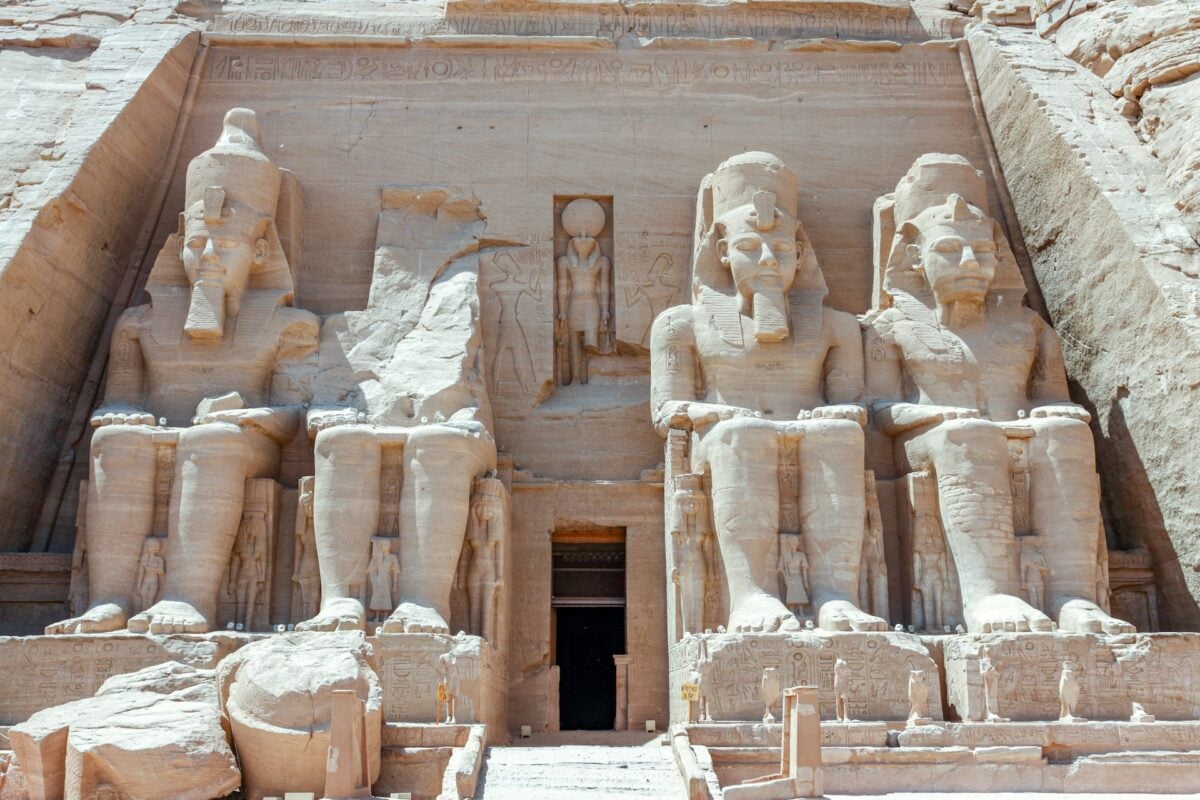
Lord Carnarvon died from an infected mosquito bite, not supernatural revenge. The other deaths supposedly connected to King Tut’s tomb were either coincidental or happened years later from unrelated causes.
Howard Carter, who actually opened the tomb and spent years working inside it, lived for another 17 years after the discovery. His team members mostly lived normal lifespans.
If there was a curse, it was remarkably bad at targeting the right people.
The “curse” was largely a media invention. Newspapers in the 1920s loved sensational stories, and mysterious Egyptian curses sold papers.
Every subsequent death connected to the excavation got blamed on ancient magic, regardless of how tenuous the connection actually was.
Pyramids were built all at once
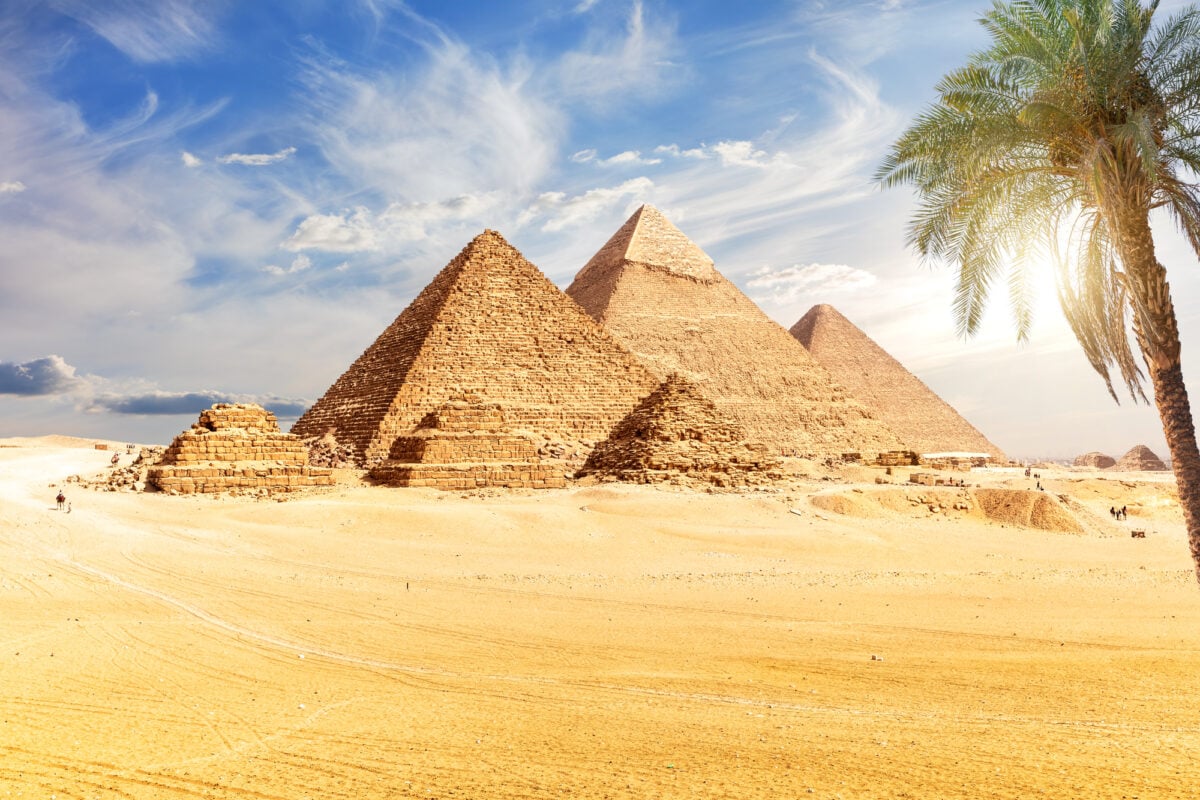
The pyramid complexes at Giza developed over roughly a century, with each structure built for a specific pharaoh during their reign, but the entire site represented generations of construction, modification, and addition that created the unified complex visitors see today. Khufu’s Great Pyramid came first (around 2580 BCE), followed by his son Khafre’s slightly smaller pyramid (around 2558 BCE), and finally Menkaure’s much smaller pyramid (around 2532 BCE), along with smaller pyramids for queens, mortuary temples, causeways, and the Sphinx.
Each pharaoh brought their own architects, workers, and design modifications to the site. The construction techniques evolved between projects — later pyramids incorporated lessons learned from earlier ones, which explains why some structural problems found in the Great Pyramid were avoided in subsequent builds.
The workforce probably maintained some continuity between projects, but each pyramid was essentially a separate construction project with its own timeline, budget, and crew.
So when people talk about “building the pyramids,” they’re really talking about multiple construction projects spread across decades, not one massive undertaking. The unified appearance of the Giza complex today masks the reality that it was built in stages by three different pharaohs who each wanted to put their own stamp on the site while building near their predecessors for religious and political reasons.
Echoes in stone
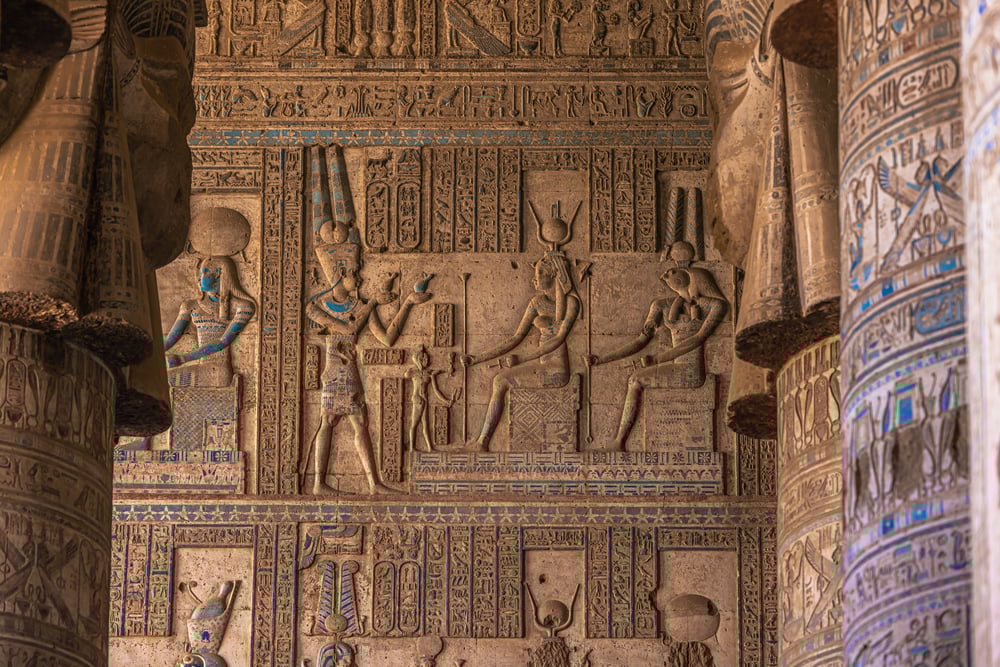
Ancient Egypt keeps revealing how different it was from the version that lives in popular imagination. The real civilization was more practical, more human, and ultimately more impressive than the mystical kingdom of Hollywood imagination.
Workers got paid, politics was complicated, and people worried about normal things like taxes and crop yields alongside their elaborate preparations for the afterlife.
These misconceptions matter because they distance us from the actual achievement. When you assume aliens built the pyramids, you miss the incredible human ingenuity involved.
When you imagine Cleopatra as ethnically Egyptian, you misunderstand the complex cultural dynamics of Ptolemaic rule. The truth is usually more interesting than the myth, but it requires setting aside assumptions that feel comfortably familiar.
More from Go2Tutors!

- The Romanov Crown Jewels and Their Tragic Fate
- 13 Historical Mysteries That Science Still Can’t Solve
- Famous Hoaxes That Fooled the World for Years
- 15 Child Stars with Tragic Adult Lives
- 16 Famous Jewelry Pieces in History
Like Go2Tutors’s content? Follow us on MSN.



