Largest Ancient Temples Still Standing Today
Ancient temples are living reminders of what human hands and imagination can achieve. Long before cranes or concrete mixers existed, entire civilizations built these monumental structures out of stone, sweat, and devotion. Each temple tells a story—not just of faith, but of artistry, engineering brilliance, and cultural pride.
From the humid jungles of Southeast Asia to the sands of Egypt, these colossal masterpieces continue to draw millions who stand in awe of their scale and beauty.Here are 16 of the largest ancient temples still standing today.
Angkor Wat
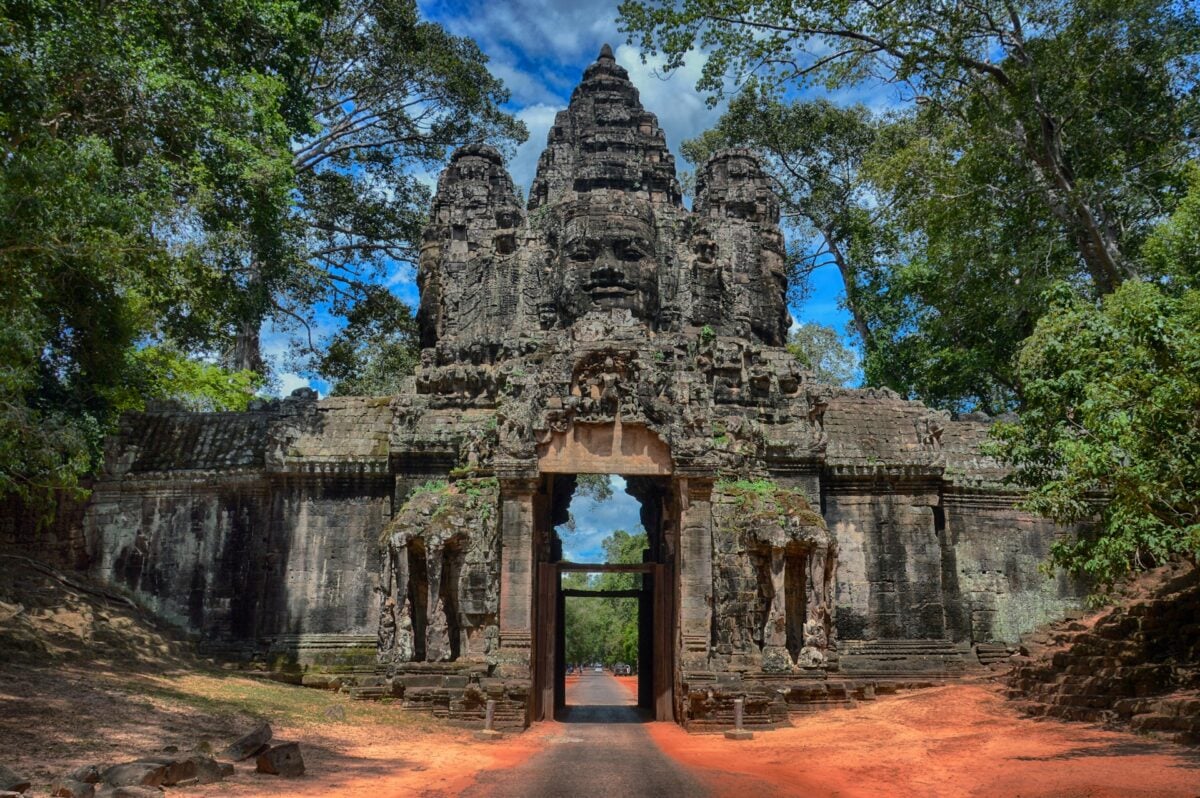
Cambodia’s Angkor Wat proudly holds the title of the largest religious monument ever built. Constructed in the early 12th century under King Suryavarman II, this vast temple complex covers over 400 acres—that’s roughly the size of a small city.
Originally dedicated to the Hindu god Vishnu, it later transformed into a Buddhist temple. Its five iconic towers symbolize the peaks of Mount Meru, believed to be the home of the gods, while the surrounding moat represents the mythical oceans that circle the world.
Even today, the sunrise over Angkor Wat remains one of the most breathtaking sights on Earth.
Karnak Temple Complex

In Luxor, Egypt, stands one of humanity’s most ambitious religious projects—the Karnak Temple Complex. Built and expanded over two millennia by successive pharaohs, it’s less a single temple and more a sacred city.
The highlight is the Great Hypostyle Hall, home to 134 towering columns arranged in 16 rows. The central pillars rise 24 meters high, creating a literal forest of stone that once supported a roof painted with celestial scenes.
Walking through Karnak feels like stepping into the heart of ancient Egyptian power and spirituality.
Like Go2Tutors’s content? Follow us on MSN.
Borobudur
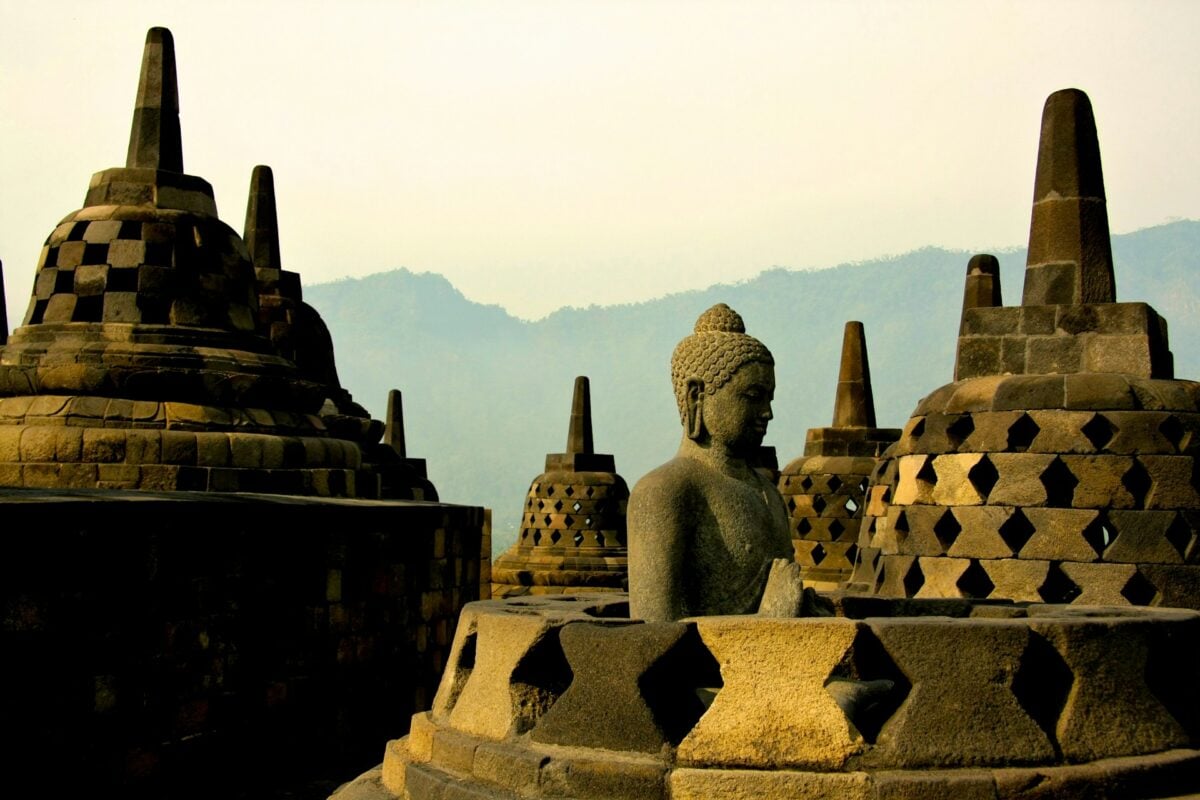
On the misty plains of Central Java, Indonesia, rises Borobudur, the world’s largest Buddhist temple. Built in the 8th and 9th centuries by the Sailendra dynasty, it took around 2 million volcanic stones to complete.
Shaped like a massive step pyramid, Borobudur features nine stacked platforms—six square and three circular—covered with more than 2,600 intricate relief panels. Each level represents a stage of enlightenment, inviting visitors to ascend both physically and spiritually.
Temple of Olympian Zeus
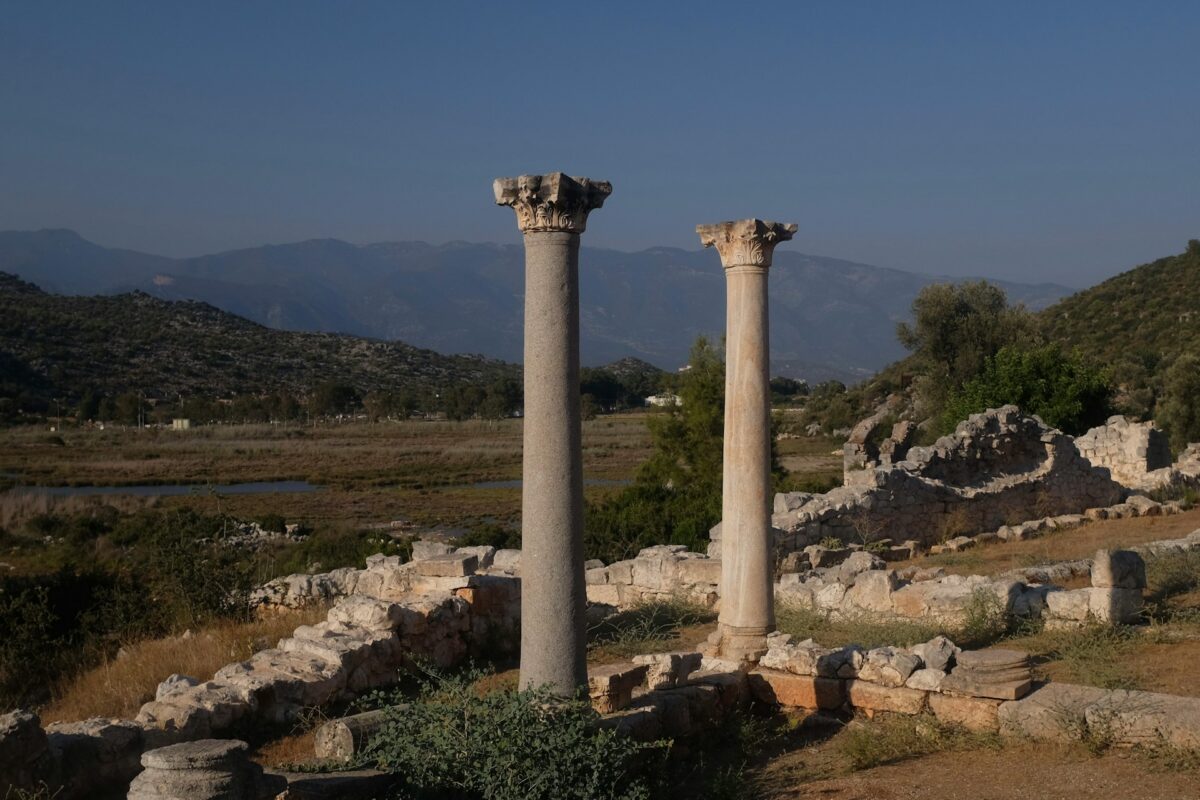
In the heart of Athens, sixteen majestic columns are all that remain of the once-grand Temple of Olympian Zeus. At its peak, it stretched 107 meters long and 41 meters wide, with over a hundred colossal columns rising toward the sky.
Work began in the 6th century BC, but it took an astonishing 638 years before Emperor Hadrian finally completed it in the 2nd century AD. Sadly, it fell into ruin just a century later—but even in its broken state, it still commands reverence.
Temple of Artemis at Ephesus
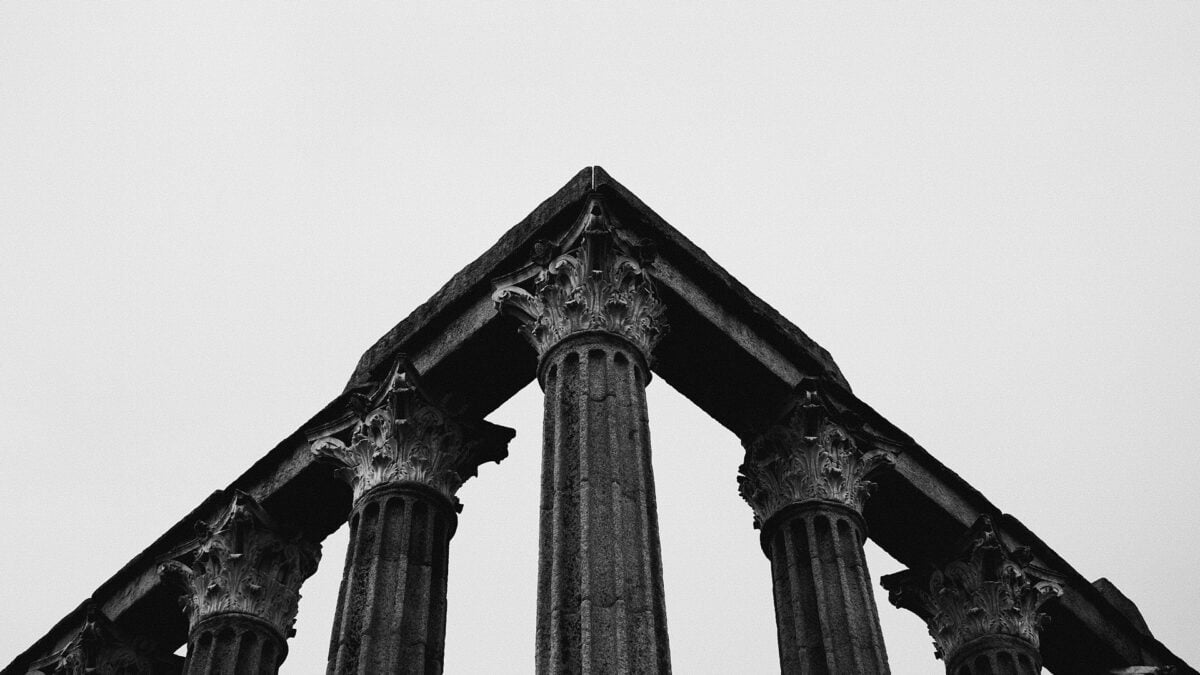
Although only fragments remain, the Temple of Artemis in modern-day Turkey once ranked among the Seven Wonders of the Ancient World. Twice as large as the Parthenon, it measured about 115 by 55 meters and featured 127 Ionic columns, each nearly 18 meters tall.
Built around 550 BC, it wasn’t just a house of worship but also a major tourist attraction and marketplace. Ancient travelers described it as one of the most beautiful buildings ever constructed.
Like Go2Tutors’s content? Follow us on MSN.
Prambanan
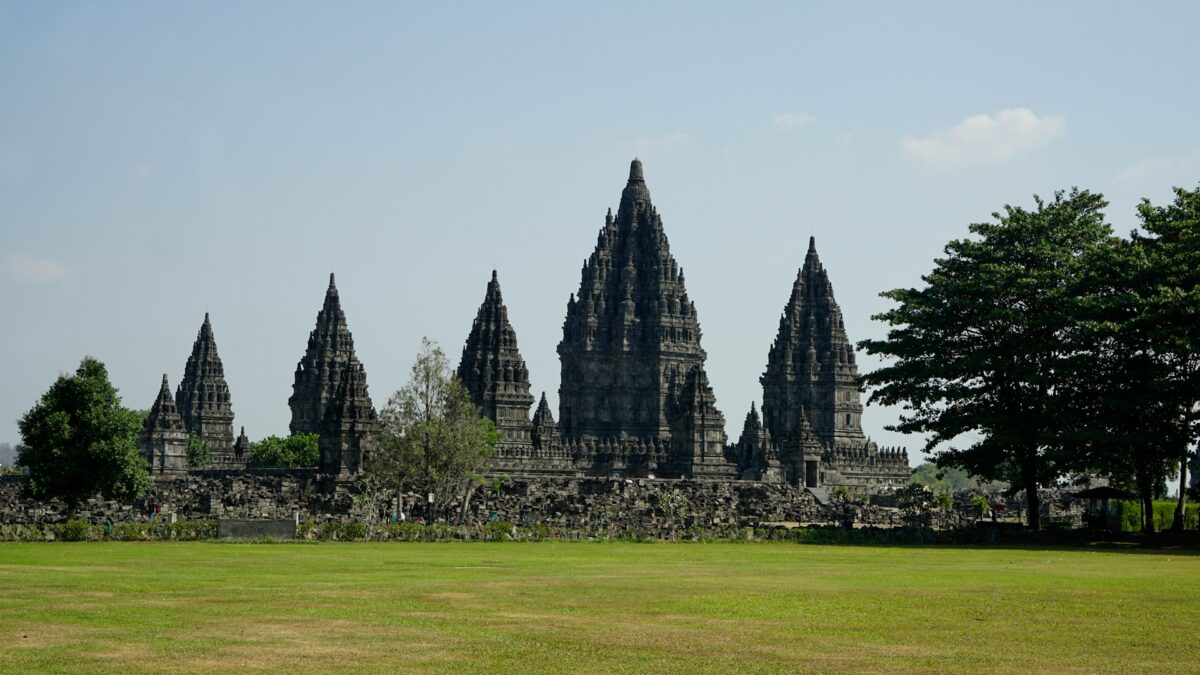
Not far from Borobudur lies Prambanan, Indonesia’s largest Hindu temple complex. Built in the 9th century, it originally contained around 240 temples, dedicated to the Trimurti—Shiva, Vishnu, and Brahma.
The main Shiva temple rises 47 meters high, adorned with intricate carvings that depict stories from the Ramayana. Spread across 39.8 hectares, Prambanan’s symmetry and artistic elegance make it one of the crown jewels of Hindu architecture.
Pantheon
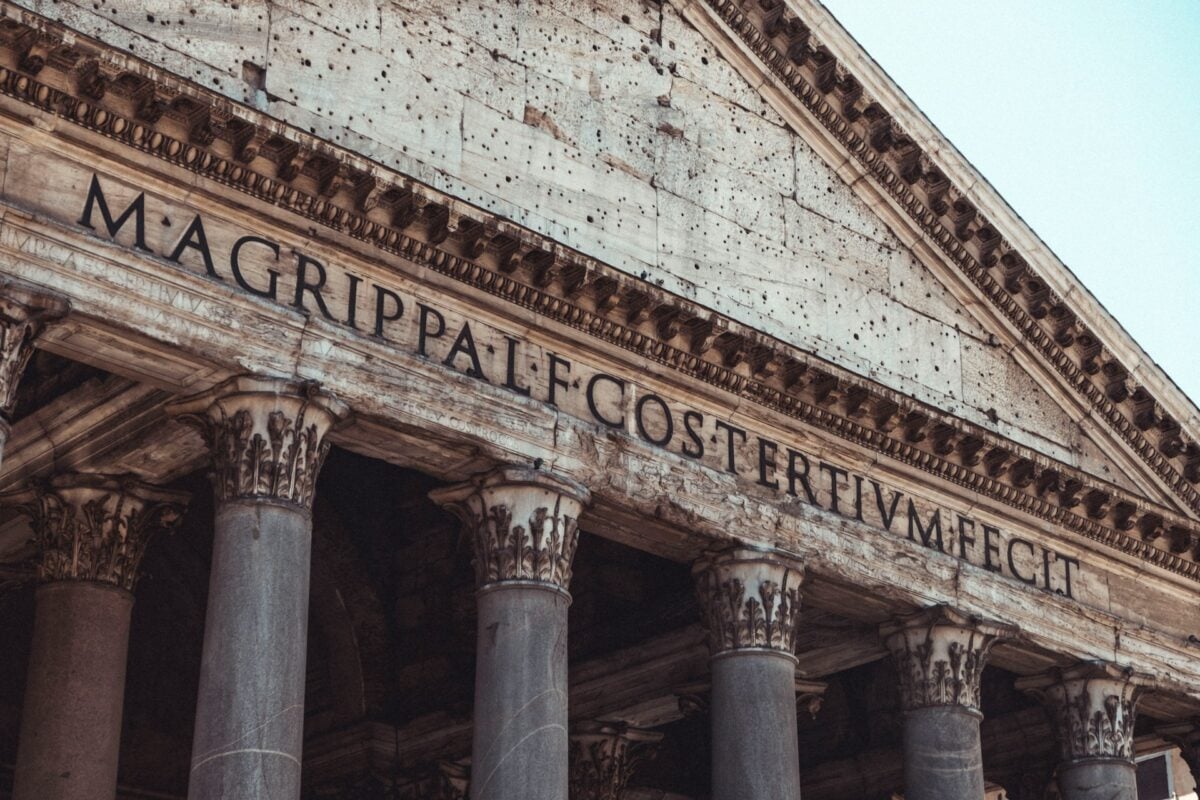
In Rome, the Pantheon stands as an ancient wonder that somehow never aged. Built around 126 AD under Emperor Hadrian, it has been in continuous use for nearly 2,000 years.
Its enormous dome—still the world’s largest unreinforced concrete dome—rises 43 meters above the ground. Originally built to honor all Roman gods, it later became a Christian church, which helped preserve it through centuries of change.
The Pantheon remains a masterclass in Roman engineering and balance.
Luxor Temple
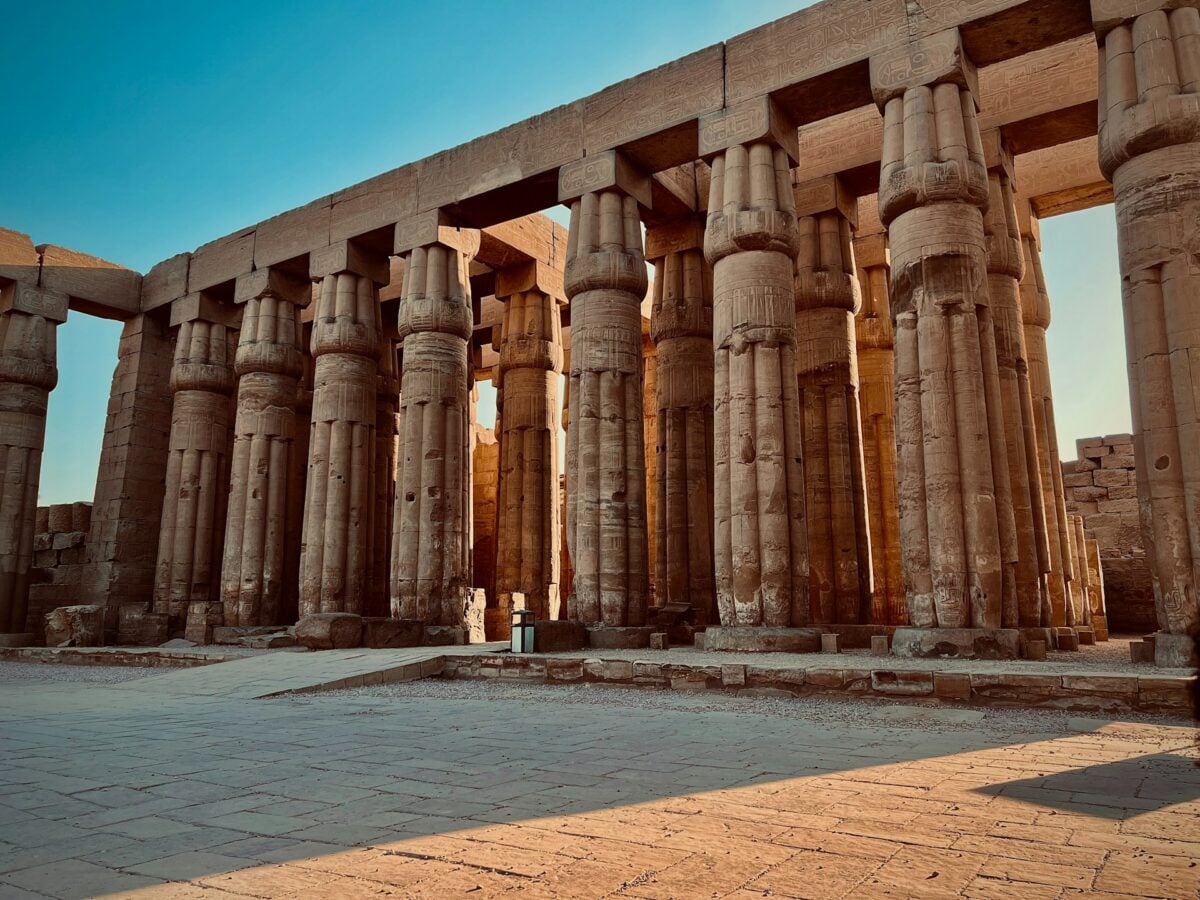
The Luxor Temple, constructed between 1400 and 1000 BC by pharaohs Amenhotep III and Ramses II, held a unique purpose. Rather than honoring a single god, it served as the site for pharaonic coronations—a sacred place where rulers were symbolically reborn as divine kings.
It stands gracefully on the east bank of the Nile, linked to the Karnak Temple by the Avenue of Sphinxes. A functioning mosque built in medieval times still sits within its walls, bridging thousands of years of living history.
Like Go2Tutors’s content? Follow us on MSN.
Temple of Horus at Edfu
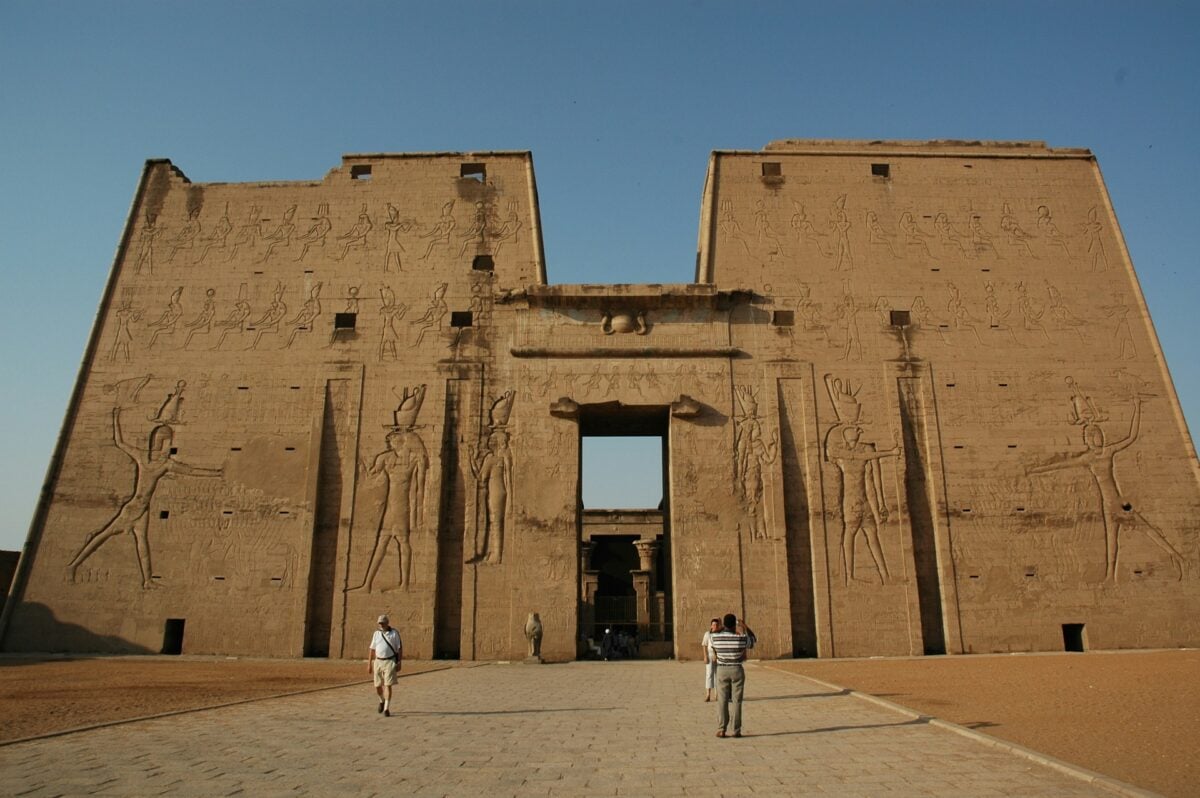
Among Egypt’s temples, none are as well-preserved as the Temple of Horus at Edfu. Built between 237 and 57 BC, it stretches 137 meters long and 79 meters wide, with massive pylons towering above the entrance.
Buried under sand for centuries, the temple escaped the damage that ruined many others. Inside, walls covered in hieroglyphs tell the story of the falcon god Horus and the rituals that once filled these halls with incense, chanting, and light.
Temple of Hatshepsut
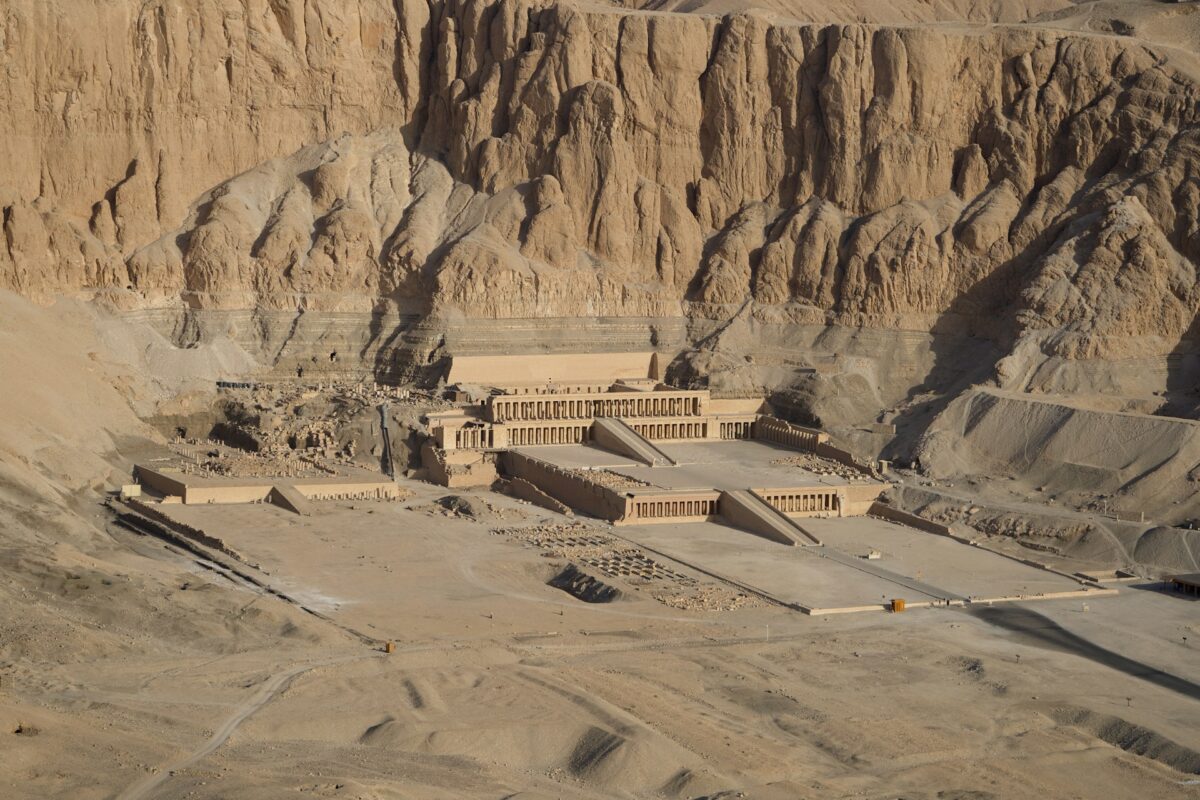
Carved directly into the cliffs of Deir el-Bahari, the Temple of Hatshepsut is a striking blend of nature and architecture. Built for Egypt’s legendary female pharaoh between 1479 and 1458 BC, it features three massive terraces linked by long ramps.
The structure appears almost modern in its clean lines and symmetry. It served not only as Hatshepsut’s mortuary temple but also as a monument celebrating her divine birth and reign.
Baalbek Temple Complex
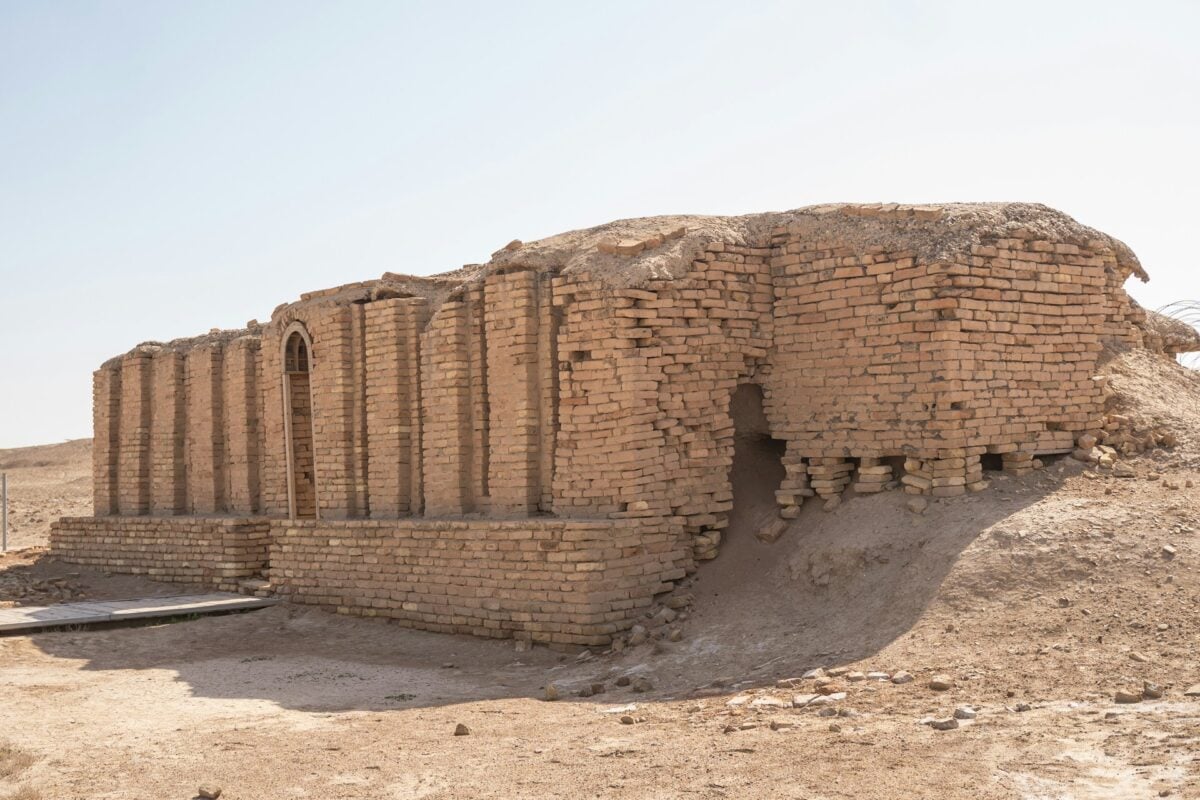
In Lebanon’s Beqaa Valley lies the ancient city of Baalbek, home to some of the grandest Roman temples ever constructed. The site includes temples dedicated to Jupiter, Bacchus, and Venus, all built between the 1st century BC and 2nd century AD.
The Temple of Jupiter once boasted columns 22 meters high, while the Temple of Bacchus—incredibly well preserved—rivals the Parthenon in both size and artistry, its detailed carvings still visible after nearly two millennia.
Like Go2Tutors’s content? Follow us on MSN.
Parthenon
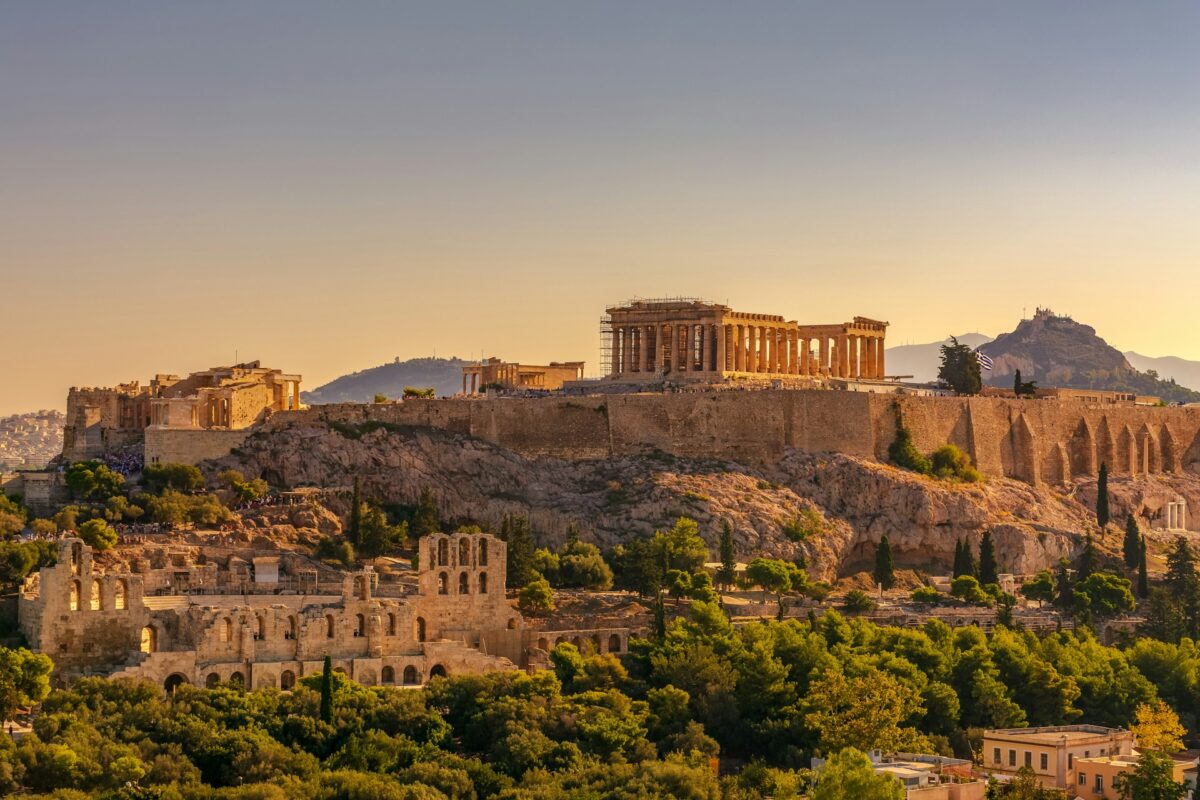
Perched atop the Acropolis, the Parthenon remains Greece’s most iconic landmark. Built between 447 and 432 BC, it honored Athena, the city’s patron goddess.
The temple’s elegant proportions—70 meters long by 30 meters wide—showcase the Greeks’ obsession with mathematical harmony. Despite wars, explosions, and looting, the Parthenon continues to symbolize perfection in classical architecture.
Temple of Dendera
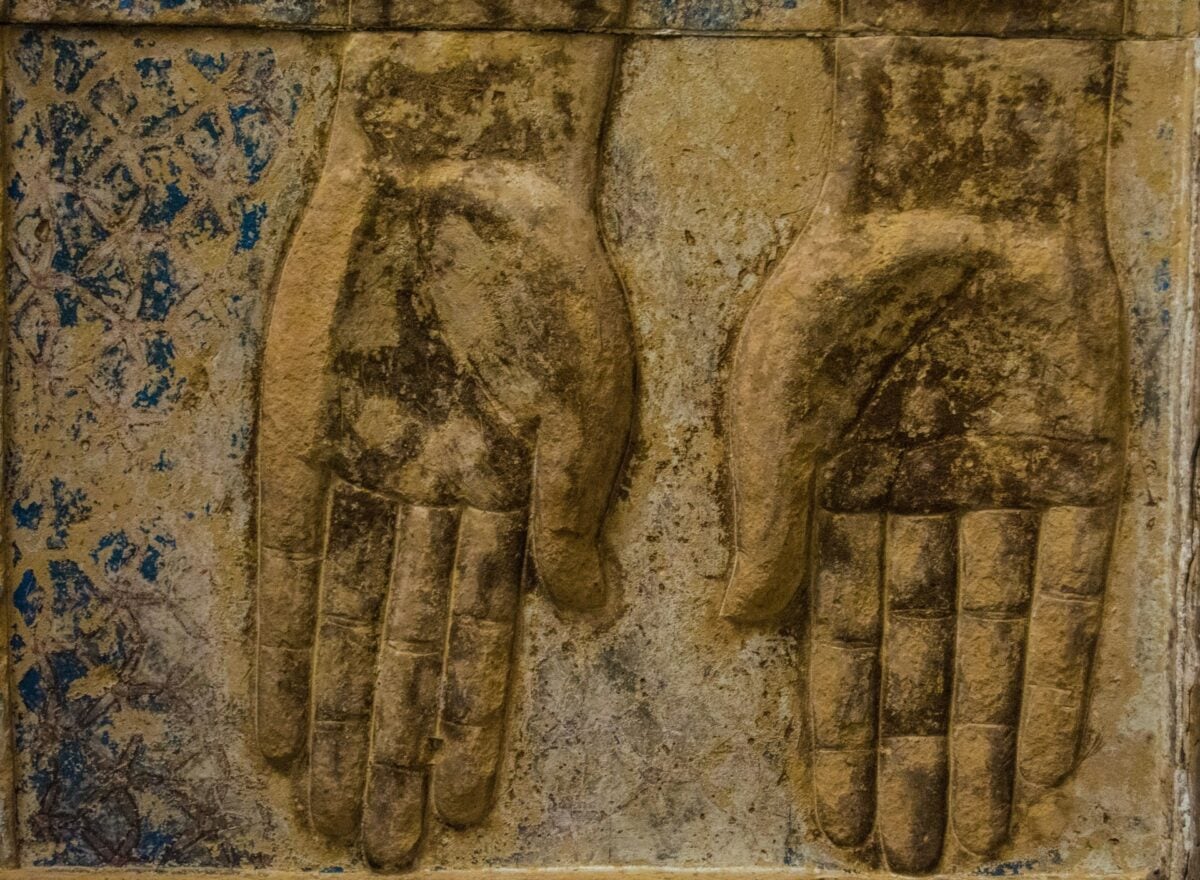
The Temple of Hathor at Dendera is one of Egypt’s best-preserved ancient sites, famous for its vibrant astronomical ceiling. Built between 116 and 34 BC, the temple’s main hall features dazzling blue hues and constellations painted across the roof.
Dedicated to Hathor, goddess of love and joy, it also includes a sacred lake, shrines, and birth houses. The carvings and hieroglyphs are so detailed they look like they were etched only decades ago, not thousands of years.
Temple of Apollo at Didyma
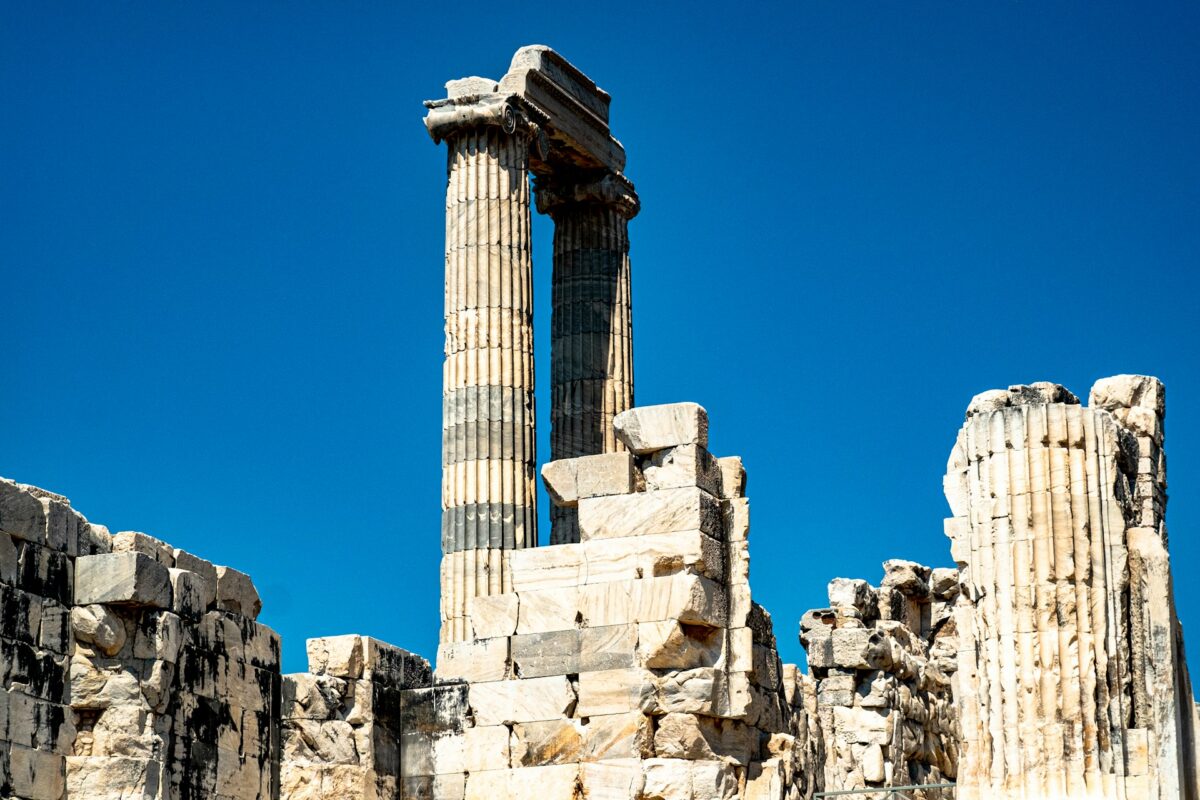
Near modern-day Didim in Turkey, the Temple of Apollo at Didyma was one of antiquity’s most important oracle sites. Construction began around 300 BC and continued for centuries, though it was never fully completed.
Measuring 109 meters long and 51 meters wide, the temple had 120 soaring columns, each about 20 meters tall. Pilgrims from across the Mediterranean came here to seek Apollo’s guidance through his priests and priestesses.
Like Go2Tutors’s content? Follow us on MSN.
Temple of Khnum at Esna
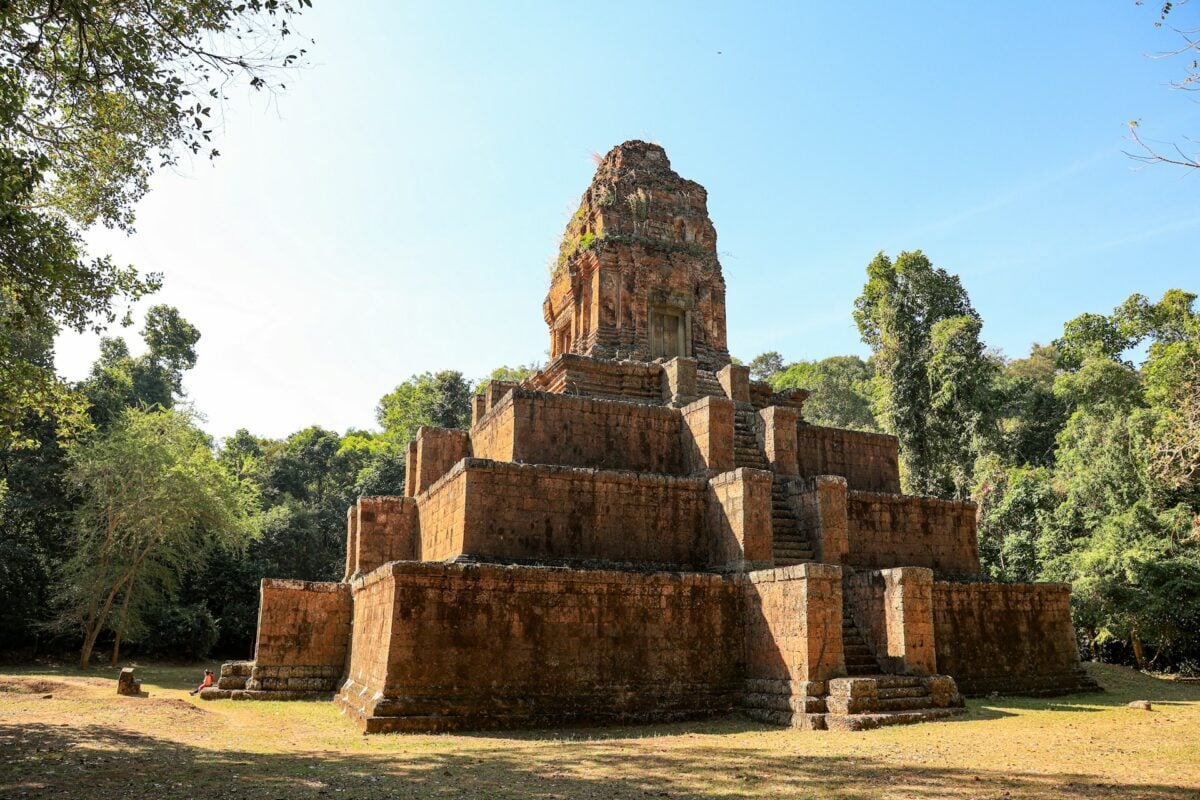
The Temple of Khnum in Esna, Egypt, dedicated to the ram-headed creator god, hides nine meters below the modern street level due to centuries of silt. Its hypostyle hall, built in the Ptolemaic and Roman eras, contains 24 columns topped with unique floral capitals—no two are alike.
The walls describe purification rituals once required of worshippers: clean linen, cut nails, and several days of abstinence before prayer—a fascinating glimpse into ancient spiritual discipline.
Ramesseum
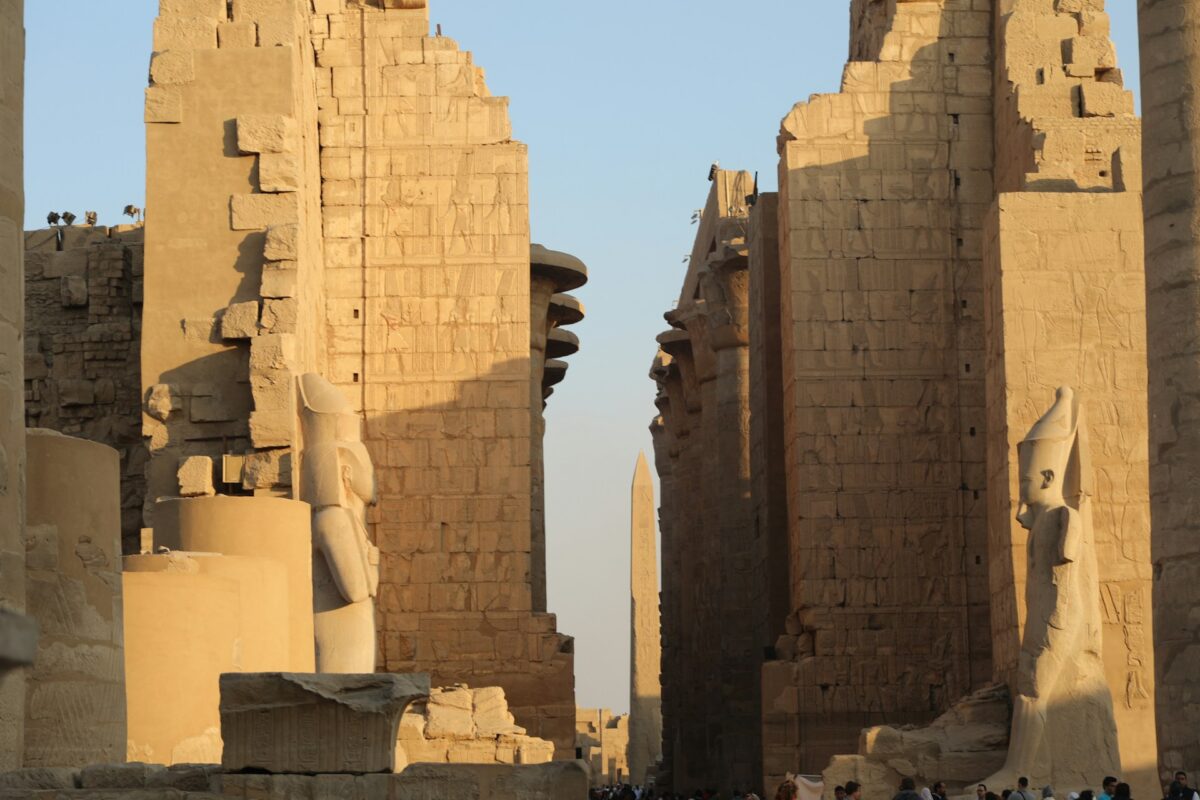
The Ramesseum, built by Pharaoh Ramesses II around 1250 BC, was his grand mortuary temple and one of the most powerful symbols of his reign. Located on Luxor’s west bank, it once held a massive seated statue of the pharaoh that weighed over 1,000 tons.
Though time reduced it to fragments, the temple’s walls still tell vivid stories of Ramesses’ triumph at the Battle of Kadesh. Surrounding the temple were storerooms, workshops, and priests’ quarters, forming a small city dedicated to eternal glory.
Temples That Shaped History
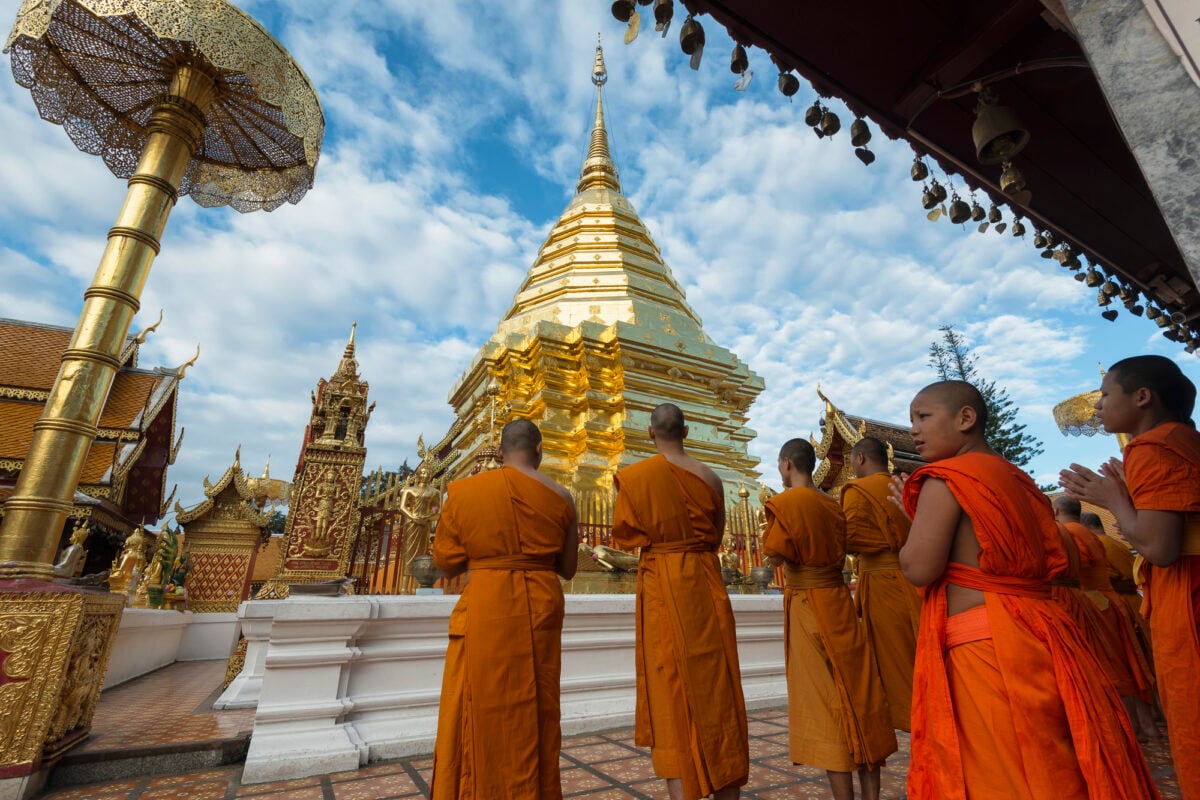
These ancient temples were more than places of worship—they were the beating hearts of their civilizations. They shaped art, religion, and politics, standing as reminders of what collective human effort can achieve.
That so many of them remain intact after thousands of years—despite wars, earthquakes, and neglect—proves that humanity’s greatest creations are born not just from faith, but from a timeless desire to touch the divine.
More from Go2Tutors!

- 16 Historical Figures Who Were Nothing Like You Think
- 12 Things Sold in the 80s That Are Now Illegal
- 15 VHS Tapes That Could Be Worth Thousands
- 17 Historical “What Ifs” That Would Have Changed Everything
- 18 TV Shows That Vanished Without a Finale
Like Go2Tutors’s content? Follow us on MSN.



