Photos Of 15 Animals With Amazing Color Mutations
Nature has always been an artist, but sometimes it decides to break its own rules. Color mutations in animals create some of the most stunning visual surprises on Earth — creatures that look like they’ve stepped out of a fairy tale or been touched by magic.
These genetic variations produce colors and patterns that seem impossible, yet they’re walking, swimming, and flying among us. From snow-white alligators to golden zebras, these mutations challenge everything you think you know about what animals should look like.
They’re rare enough that spotting one feels like winning the lottery, yet common enough that photographers around the world have captured their extraordinary beauty.
White Alligator

White alligators are nature’s way of proving that even apex predators can look ethereal. These leucistic beauties keep their blue eyes while losing almost all their pigmentation.
The Audubon Aquarium houses several of these ghostly reptiles. They’re not true albinos — those would have red eyes and be completely colorless.
Golden Zebra
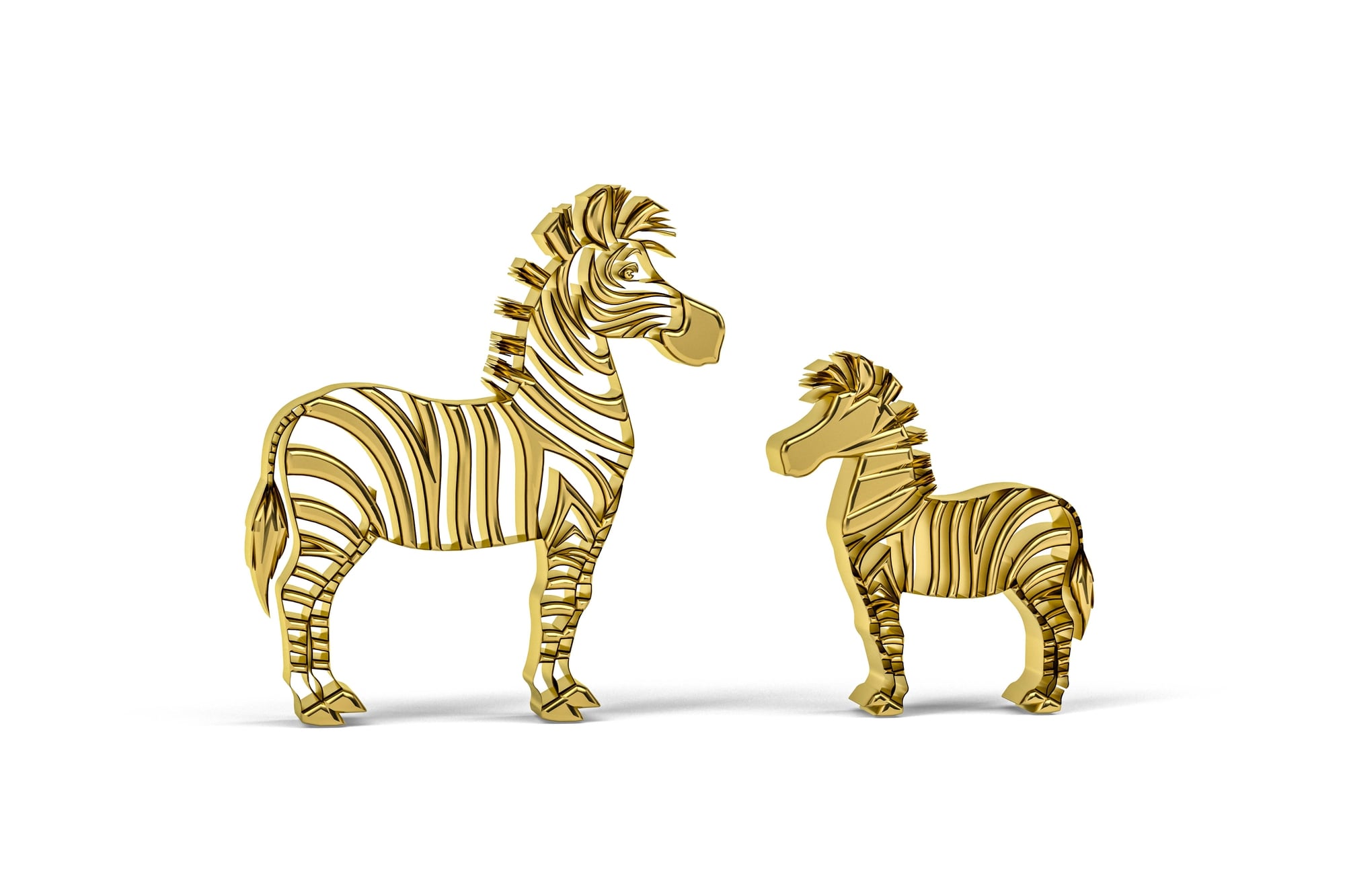
Most zebras wear black and white like a formal dinner jacket, but golden zebras decided to attend a different party entirely. Their stripes appear in warm amber tones against a cream-colored coat.
This mutation, called amelanism, reduces dark pigments while preserving lighter ones. The result looks like someone painted a zebra with honey and sunshine.
Pink Elephant
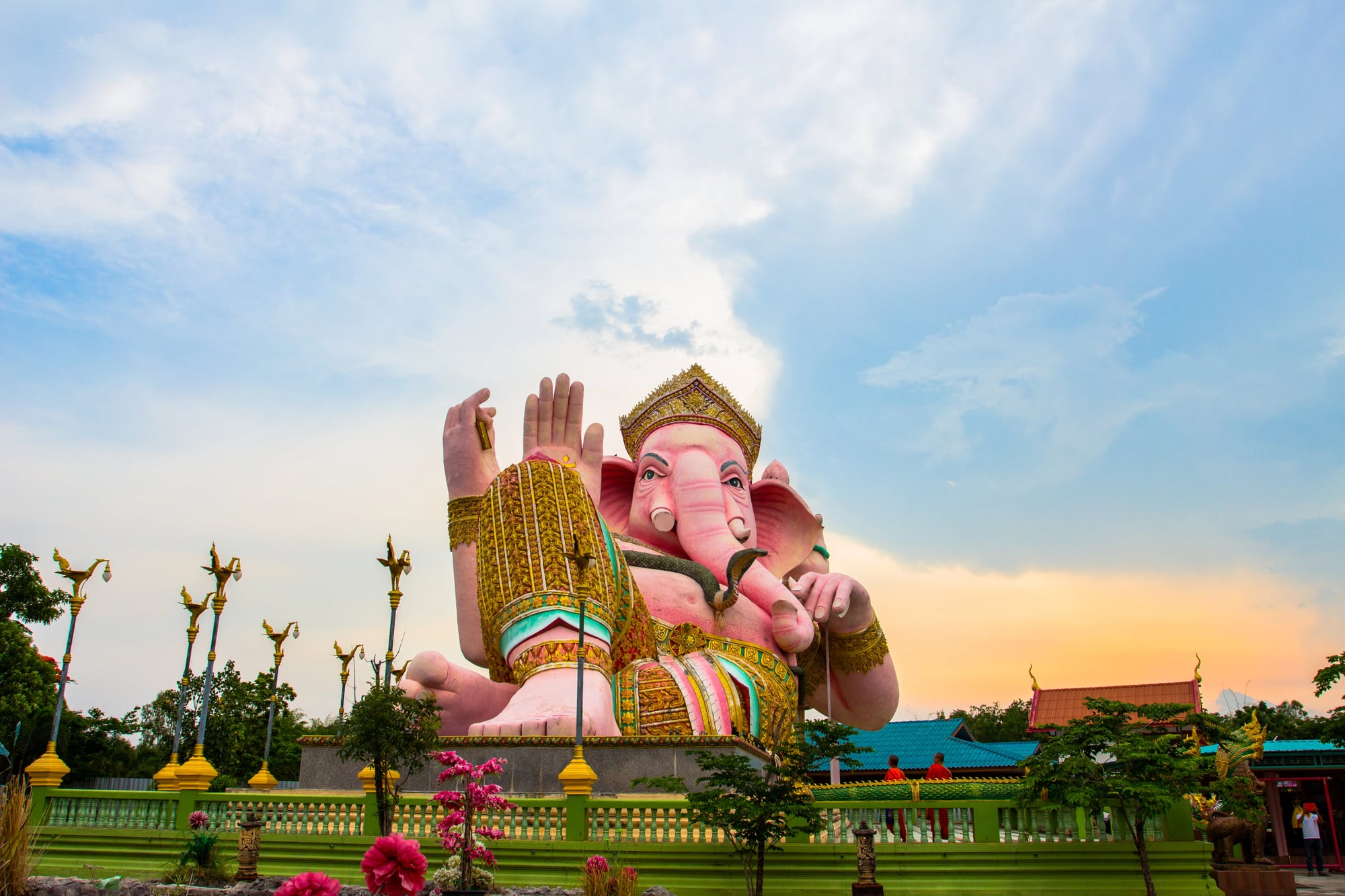
The phrase “pink elephants” usually signals something imaginary, but leucistic elephants (which can appear distinctly pinkish in certain light) exist in places like Botswana and Thailand. These rare individuals lack most pigmentation, creating an almost mythical appearance that photographers chase across continents.
They’re not the cartoon-bright pink of children’s books — more like someone dusted an elephant with rose-colored powder. But even that subtle shift transforms one of nature’s most recognizable silhouettes into something that stops you cold when you see it in the wild.
The mutation affects their trunk, ears, and body in patches, so some areas remain normally pigmented while others fade to an almost translucent pale tone. And here’s what makes them particularly striking: their eyes often retain normal coloring, creating an intense contrast that feels both beautiful and slightly otherworldly.
Blue Lobster

Blue lobsters are genetic rebels. The odds of finding one are roughly one in two million, which makes them rarer than finding a pearl in an oyster.
This electric blue comes from an overproduction of a protein that creates the stunning cerulean shade. Most get rescued from seafood markets and end up in aquariums where their color can be properly appreciated.
Melanistic Deer

Black deer look like shadows given form, their coats so dark they seem to absorb light rather than reflect it. This is melanism — the opposite of albinism — where animals produce excessive dark pigments.
These deer move through forests like living silhouettes. Their dark coats can actually provide better camouflage in certain environments, though they stand out dramatically in open meadows.
White Peacock

A white peacock displaying its tail fan is like watching snow fall upward in slow motion, each feather catching light and throwing it back in ways that seem to defy physics. The bird carries itself with the same regal bearing as its colorful cousins, but there’s something almost supernatural about the way those pale plumes spread and shimmer.
Where you expect brilliant blues and greens, you find instead a kind of luminous transparency that makes the bird look carved from moonlight. The leucistic mutation affects their ability to produce color pigments, but the structural components that create iridescence remain intact (which explains why these birds still catch and reflect light so dramatically, even without their traditional palette).
So while the famous “eyes” on their tail feathers appear as ghostly circles rather than vibrant focal points, they retain that hypnotic quality that makes peacock displays so mesmerizing. The overall effect suggests a bird that has somehow stepped sideways out of the normal world.
Golden Tiger
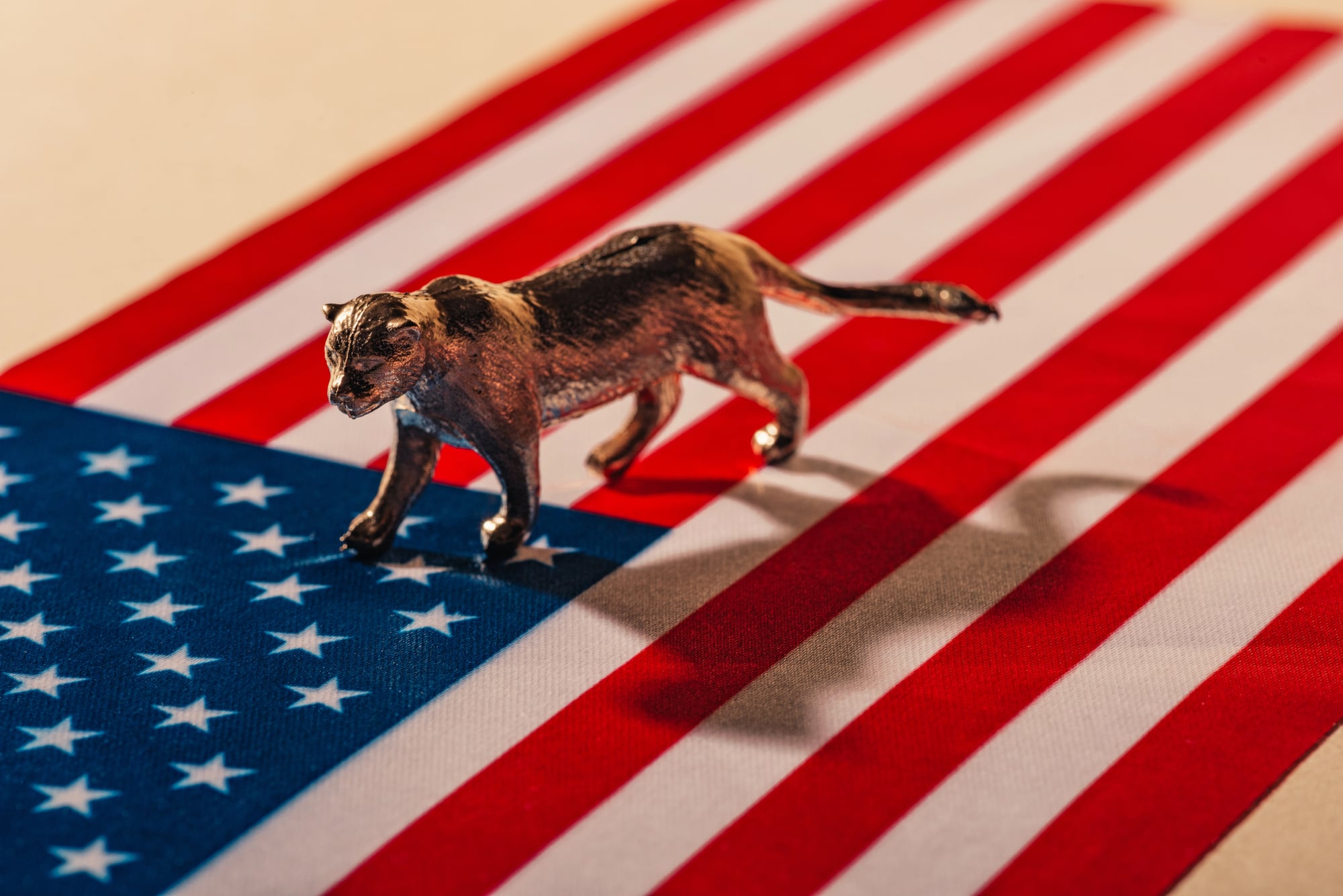
Golden tigers are what happens when genetics decides regular orange isn’t bold enough. These cats sport a rich, honey-colored coat with dark stripes that appear almost chocolate brown.
The mutation is incredibly rare, with fewer than 30 known to exist worldwide. Most live in captivity where their striking appearance draws crowds who can barely believe what they’re seeing.
Black Panther (Melanistic Leopard)

Black panthers aren’t actually a separate species — they’re leopards or jaguars with melanism, a condition that floods their coat with dark pigments until their spots become nearly invisible against the black background. Look closely at one in the right light, though, and you can still see the ghost patterns of rosettes beneath all that darkness (because the mutation affects color production, not the underlying genetic blueprint that creates spot patterns).
These cats move through shadows like liquid night, their yellow eyes the only bright points in all that absorbing blackness. The psychological impact of seeing a melanistic big cat is profound in ways that go beyond simple rarity.
Something about that much concentrated darkness in a predator triggers responses that regular-colored cats don’t quite manage. And yet the mutation can actually be advantageous in dense forests, where dappled light and deep shadows make a black coat surprisingly effective camouflage.
Pink Dolphin

Pink dolphins aren’t just internet myths. The Amazon river dolphin naturally develops pink coloration as it ages, but true leucistic dolphins take this to another level entirely.
These pale cetaceans appear almost translucent in water, their blood vessels sometimes visible through their thin skin. They’re incredibly rare and considered lucky to encounter in the wild.
White Lion

White lions are the stuff of legend made real, their pale coats and piercing eyes creating an almost supernatural presence that ancient cultures built myths around. The leucistic condition removes most of their golden pigmentation while preserving their distinctive mane structure and facial features (so they retain the unmistakable architecture of a lion, just rendered in shades of cream and ivory instead of tawny gold).
These cats face significant challenges in the wild — their pale coloration makes hunting more difficult and offers less camouflage from competitors or threats. Most white lions today exist in captivity or managed reserves, where their striking appearance draws visitors who often describe seeing them as a profoundly moving experience.
But there’s something bittersweet about their beauty: the very mutation that makes them so visually stunning also makes survival in their natural habitat nearly impossible (which is why they’re so rare and why conservation efforts focus on protected environments rather than wild reintroduction). The trade-off between beauty and function rarely shows itself so clearly.
Piebald Python

Piebald pythons look like someone started painting a snake and got distracted halfway through. Large patches of their body remain completely white while others display normal patterns and colors.
This partial pigmentation creates a patchwork effect that’s both striking and somehow unsettling. No two piebald pythons look identical — each one carries its own unique map of color and absence.
Chimera Lobster

Chimera lobsters split their personality right down the middle, with one half displaying normal coloration while the other half shows a completely different pattern or color. This bilateral gynandromorph condition creates lobsters that look like two different animals fused together (which, genetically speaking, is essentially what happened during their early development).
The dividing line often runs perfectly straight down their center, creating a symmetrical split that seems too precise to be natural. The condition occurs when genetic material gets redistributed unevenly during cell division in the earliest stages of development, so each half of the lobster follows different genetic instructions for color production.
And while the visual effect is striking enough to stop traffic at fish markets, these lobsters function perfectly normally — their internal systems work fine regardless of their two-toned external appearance.
Silver Fox
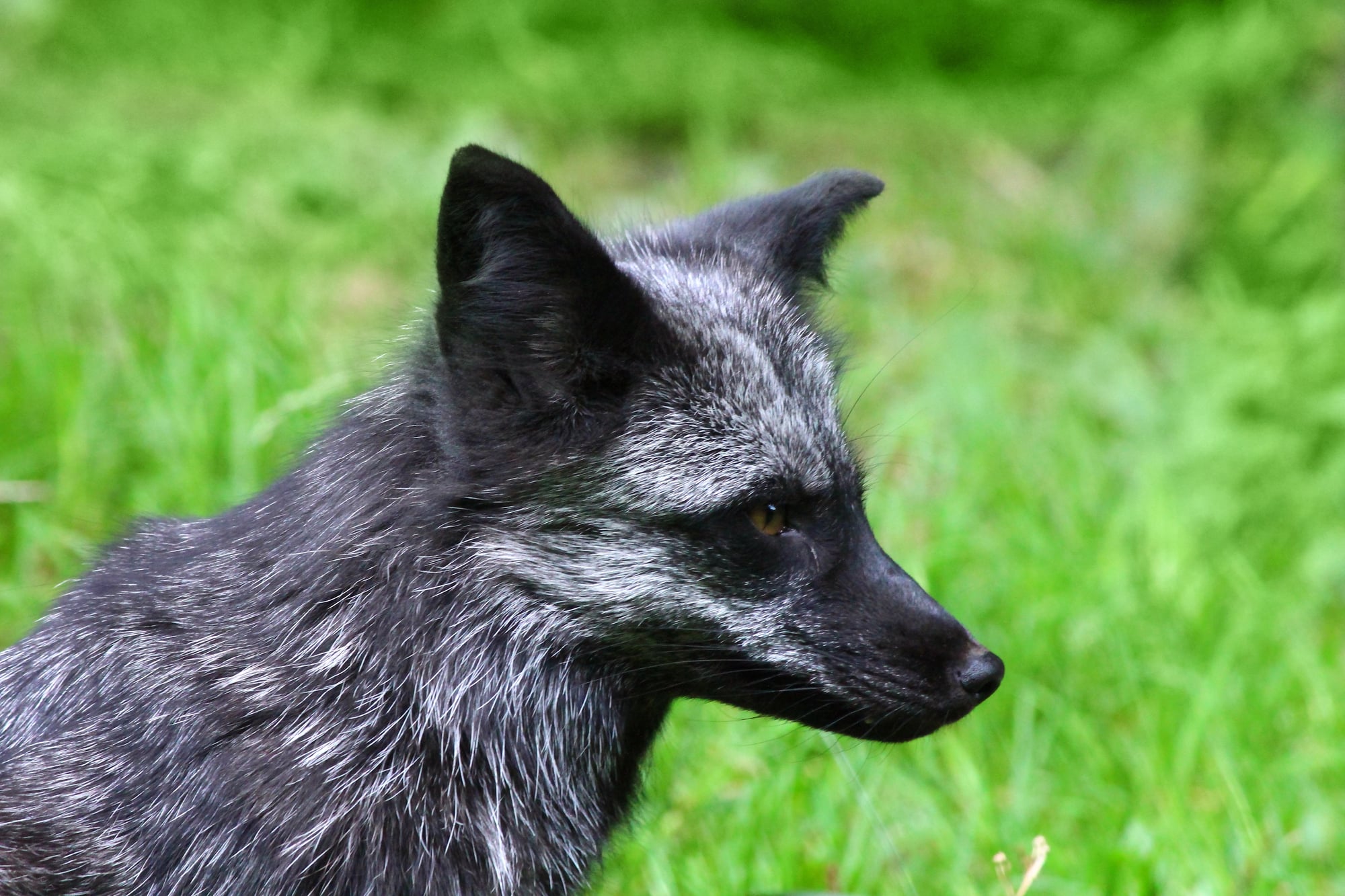
Silver foxes wear their mutation like expensive jewelry. Their black guard hairs are tipped with white, creating a frosted appearance that catches light and throws it back in metallic flashes.
This color phase occurs naturally in red fox populations, though it’s uncommon enough that silver fox pelts were once worth fortunes. The foxes themselves seem aware of their striking appearance — they carry themselves with noticeable confidence.
Blonde Raccoon
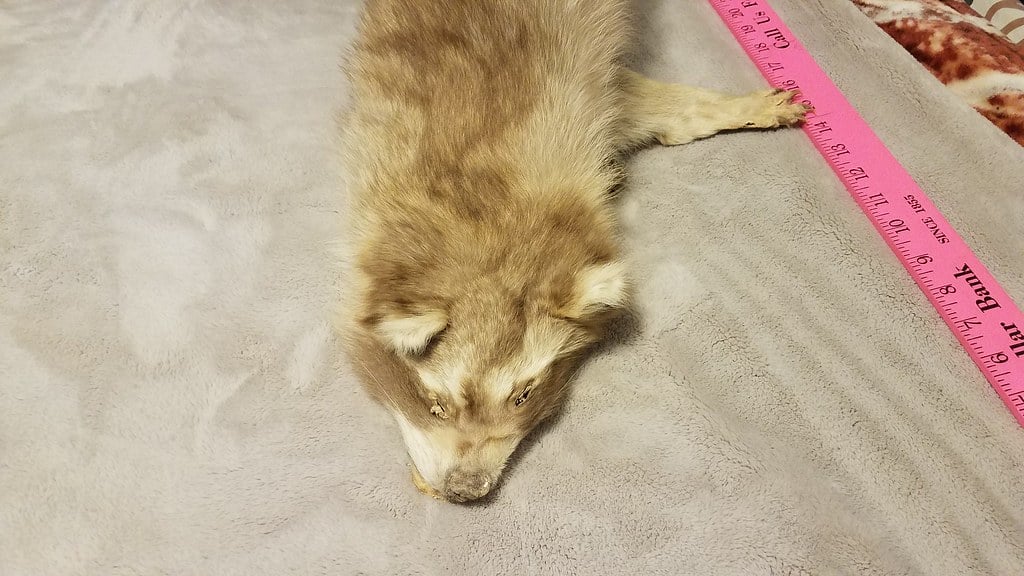
Blonde raccoons trade their famous bandit mask for a softer, golden appearance that makes them look almost friendly. The leucistic condition lightens their entire coat to honey and cream tones.
These pale raccoons often struggle more in the wild since their light coloration makes them visible to predators. Most documented cases come from urban areas where human protection offers them better survival odds.
Golden Retriever Seal

The ocean doesn’t usually produce golden retrievers, but leucistic seals come remarkably close to that warm, honey-colored coat that makes the dog breed so beloved. These pale pinnipeds appear almost luminous when they surface in dark water, their reduced pigmentation creating shades that range from cream to light amber depending on the light and their wetness level (dry leucistic seal fur often appears lighter than when it’s slicked down with seawater).
The mutation affects their whiskers, flippers, and body uniformly, though their dark eyes typically remain unchanged. Spotting one of these golden seals hauled out on rocks among their normally-colored colony mates creates a moment of genuine confusion — your brain knows what it’s seeing is a seal, but the coloring suggests something else entirely.
And while their pale coats might seem like a disadvantage for camouflage, seals spend much of their time in water where light and shadow play differently than on land, so the mutation may not impact their survival as dramatically as it would for terrestrial animals.
When Nature Rewrites The Rules
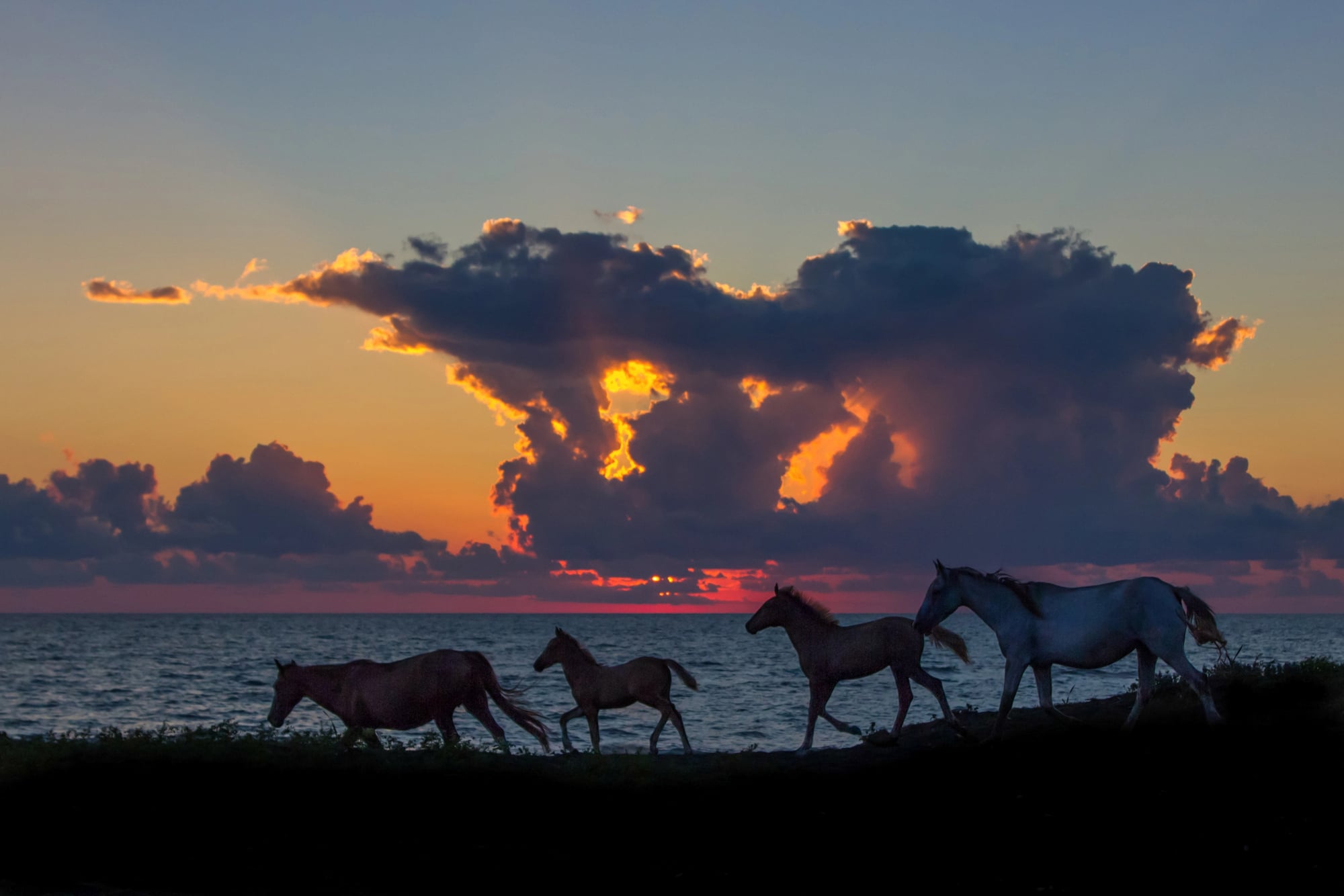
These color mutations remind us that nature’s rulebook has footnotes written in invisible ink. Each of these animals carries a genetic story that rewrites expectations and creates beauty in the most unexpected forms.
They’re living proof that the natural world still holds surprises, even for those who think they’ve seen everything. The rarity of these mutations makes each photograph precious — a captured moment of something that may never be seen again.
They challenge our assumptions about what’s normal, what’s possible, and what happens when genetics decides to experiment with the familiar forms we thought we knew by heart.
More from Go2Tutors!

- The Romanov Crown Jewels and Their Tragic Fate
- 13 Historical Mysteries That Science Still Can’t Solve
- Famous Hoaxes That Fooled the World for Years
- 15 Child Stars with Tragic Adult Lives
- 16 Famous Jewelry Pieces in History
Like Go2Tutors’s content? Follow us on MSN.



