17 Gadgets That Defined Each Generation
Each generation is raised with specific devices that become ingrained in their daily lives, influencing their play, work, and communication styles. These gadgets become cultural icons that define entire decades and the people who experienced them, in addition to their utilitarian uses.
Technology has changed with society, from entertainment systems that revolutionized living rooms to kitchen appliances that revolutionized family dinners. Here is a list of 17 devices that helped shape particular generations and had a significant influence on modern life.
Television Set (Silent Generation)

The television transformed American homes in the 1950s, bringing families together around a single glowing screen each evening. For the Silent Generation, TV wasn’t just entertainment — it was their window to the world, showing them everything from distant wars to variety shows they’d never experienced before.
This bulky wooden box became the centerpiece of living rooms and established patterns of family time that lasted for decades.
Transistor Radio (Baby Boomers – Early Years)

Baby Boomers discovered freedom through tiny transistor radios in the late 1950s and early 1960s. These pocket-sized devices let teenagers take music anywhere, whether to the beach, their bedroom, or under the covers after bedtime.
The transistor radio represented independence from parents and the birth of teen culture, as kids could finally control what they listened to.
Like Go2Tutors’s content? Follow us on MSN.
Color Television (Baby Boomers – Teen Years)

While their parents grew up with black-and-white TV, Baby Boomers experienced the magic of color broadcasts during their teenage years in the mid-1960s. Shows like ‘Bonanza’ and ‘The Wonderful World of Disney’ suddenly came alive in vibrant hues that made everything feel more real.
This upgrade wasn’t just about better picture quality — it represented progress and prosperity during America’s economic boom.
Eight-Track Player (Baby Boomers – Young Adults)
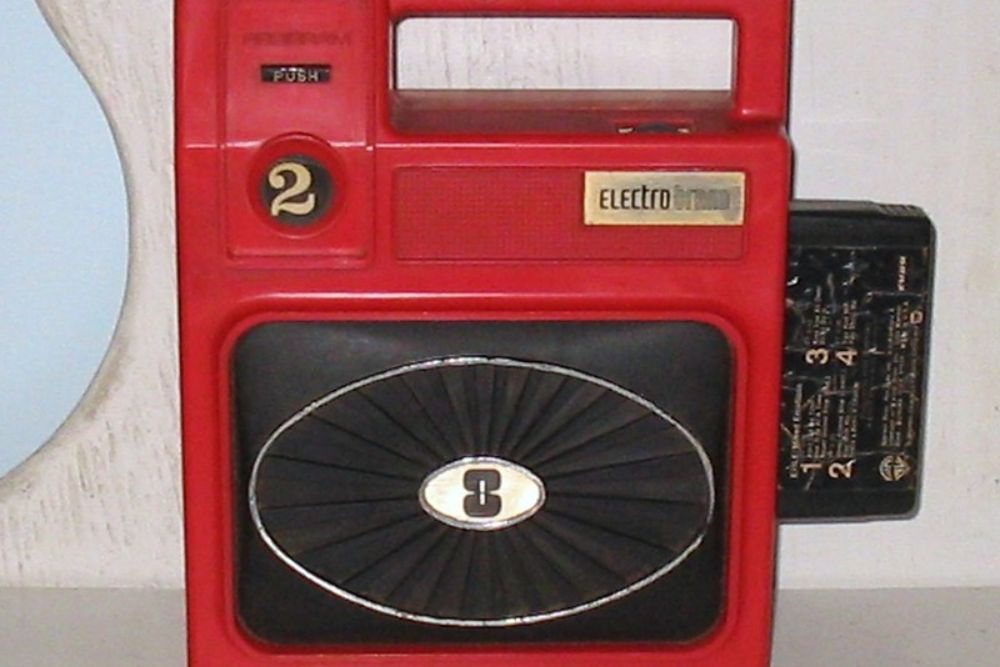
The eight-track player gave Baby Boomers their first taste of portable music in cars during the late 1960s and early 1970s. These chunky cartridges let young adults create their own soundtrack for road trips and daily commutes, marking a shift toward personalized entertainment.
Though the technology was clunky and tapes often jammed, eight-tracks represented freedom and rebellion against mainstream radio programming.
Handheld Calculator (Generation X – School Years)
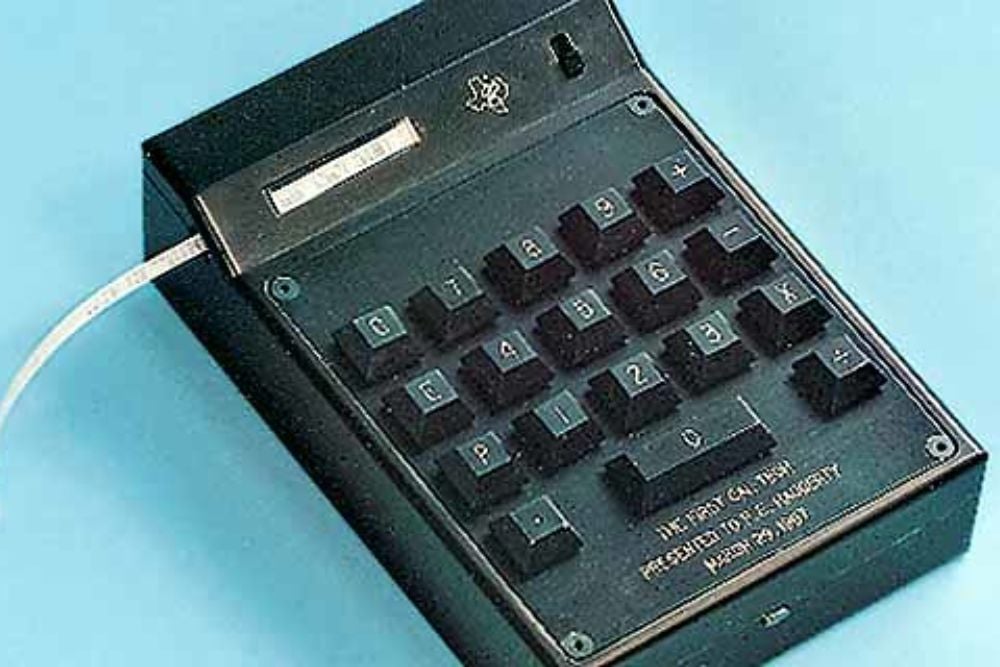
Before smartphones could solve math problems instantly, Generation X students relied on handheld calculators to get through algebra and geometry classes. These devices, which cost hundreds of dollars when they first appeared in the early 1970s, gradually became affordable enough for every student to own.
For Gen X, calculators represented the first taste of having powerful technology at their fingertips.
Like Go2Tutors’s content? Follow us on MSN.
Atari 2600 (Generation X – Childhood)
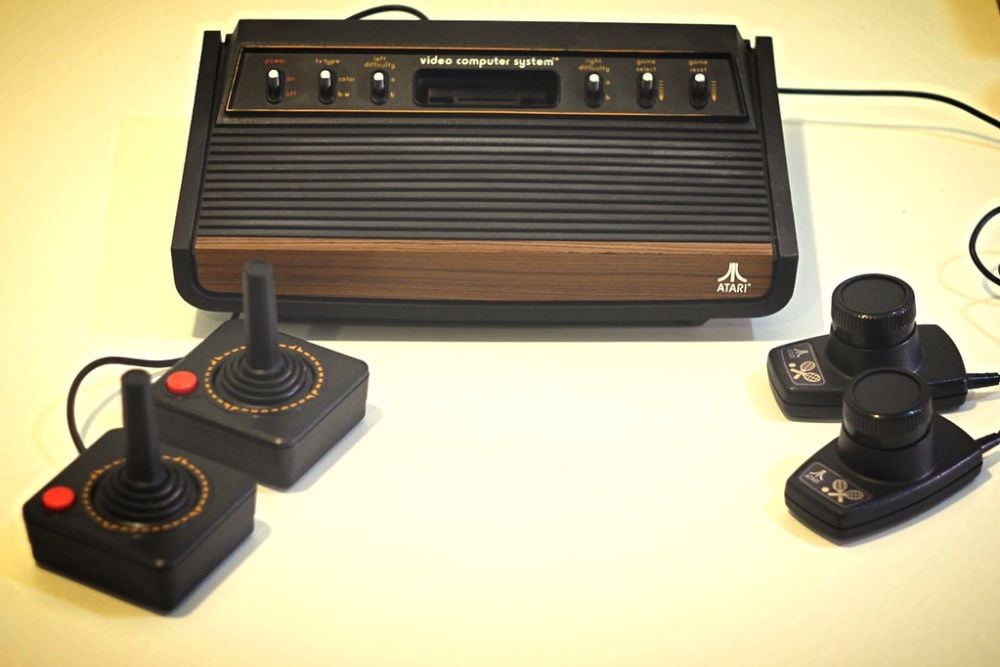
The Atari 2600 introduced Generation X to home video gaming in 1977, turning living rooms into arcade experiences. Games like ‘Pac-Man’ and ‘Space Invaders’ kept kids glued to their TV screens for hours, creating the first generation of serious gamers.
This console established video games as legitimate entertainment and gave Gen X a shared cultural experience that connected them across different backgrounds.
Sony Walkman (Generation X – Teen Years)

The Sony Walkman revolutionized how Generation X experienced music by making it completely personal and portable in the late 1970s and early 1980s. Teenagers could create their own private soundtracks while walking to school, doing chores, or just hanging out with friends.
The Walkman became an iconic piece of tech from the decade despite being somewhat forgotten today, representing Gen X’s desire for independence and individual expression.
VHS Player (Generation X – Family Life)
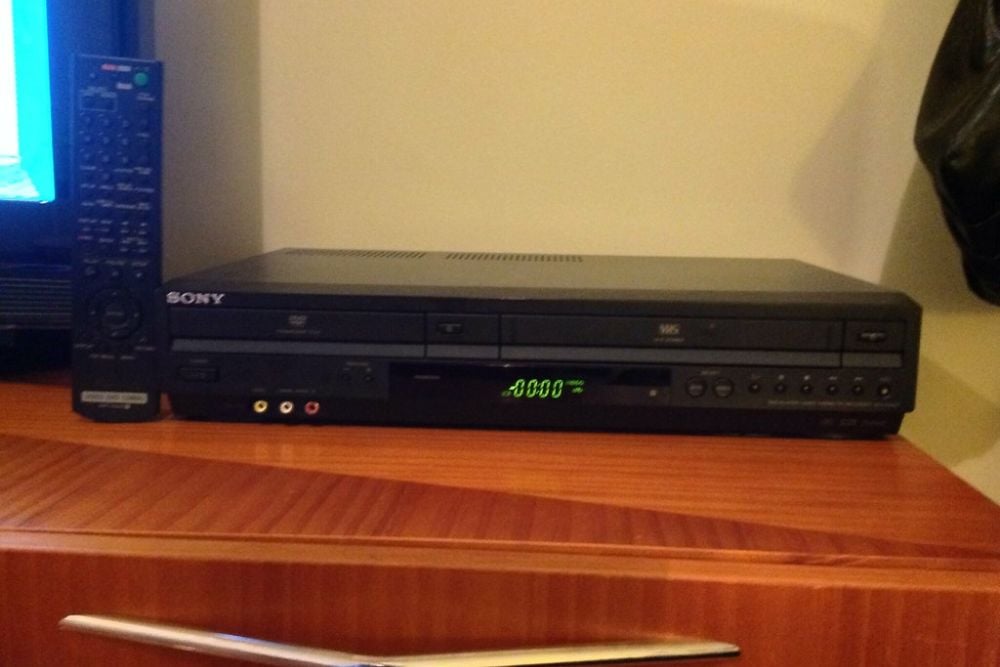
VHS players transformed family entertainment by giving Generation X the power to watch movies at home and record TV shows for later viewing. Blockbuster Video became a weekend destination as families could finally choose what to watch instead of being limited to whatever was on television.
This technology marked the beginning of on-demand entertainment and gave Gen X their first taste of controlling their viewing experience.
Like Go2Tutors’s content? Follow us on MSN.
Personal Computer (Generation X – College/Early Career)

Personal computers like the Apple II and early IBM PCs introduced Generation X to the digital world during their college years and early careers in the 1980s. These machines weren’t just tools — they were gateways to new possibilities in work, creativity, and communication.
Generation X came of age during the rise of personal computers, providing them with a distinct perspective on technology.
Nintendo Entertainment System (Millennials – Childhood)
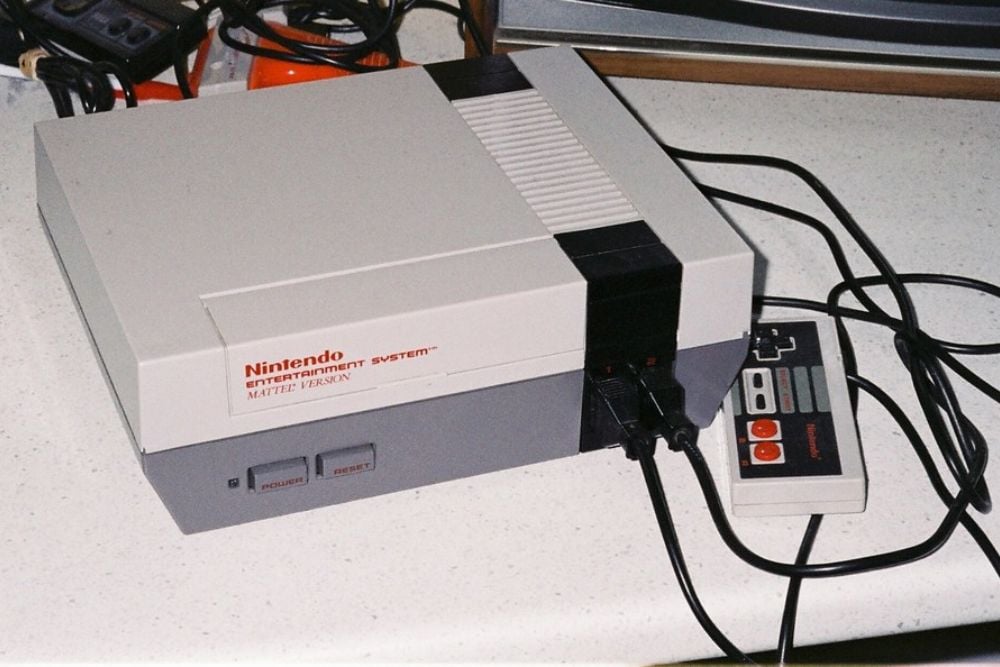
The Nintendo Entertainment System defined childhood for early Millennials in the late 1980s and early 1990s with games like ‘Super Mario Bros.’ and ‘The Legend of Zelda.’ Unlike previous gaming systems, the NES offered complex storylines and characters that kids could follow for hours at a time.
This console created the first generation of serious gamers who would grow up expecting interactive entertainment as a normal part of life.
CD Player (Millennials – Teen Years)

Compact disc players gave Millennials crystal-clear audio quality that made their parents’ cassette tapes sound ancient by comparison in the 1990s. CDs could skip to any track instantly, never wore out from repeated playing, and delivered consistent sound quality that turned music listening into a premium experience.
For Millennials, CDs represented the perfect intersection of technology and culture during their formative years.
Like Go2Tutors’s content? Follow us on MSN.
Pager (Millennials – High School)

Before cell phones became commonplace, pagers gave Millennials their first taste of instant communication during the mid-1990s. These small devices clipped to belts or backpacks, buzzing whenever someone needed to reach them with a phone number or short message.
Pagers made Millennials feel important and connected in ways previous generations couldn’t understand, establishing expectations for constant communication that would define their adult lives.
PlayStation (Millennials – College Years)

The original PlayStation elevated gaming from a childhood hobby to a legitimate form of adult entertainment when it launched in 1995. Games like ‘Final Fantasy VII’ and ‘Resident Evil’ offered movie-quality graphics and complex storylines that appealed to college-age Millennials.
This console proved that video games could be sophisticated entertainment for young adults, not just toys for kids.
iPod (Millennials – Early Career)

Apple’s iPod revolutionized music consumption for young adult Millennials in the early 2000s by putting thousands of songs in their pocket. Unlike previous portable music players, the iPod made it easy to organize massive music libraries and discover new artists through features like shuffle mode.
This device transformed how an entire generation thought about owning and consuming music, setting the stage for the streaming revolution that followed.
Like Go2Tutors’s content? Follow us on MSN.
BlackBerry (Generation X/Early Millennials – Professional Life)

The BlackBerry smartphone turned email into a 24/7 activity for professionals in the mid-2000s, fundamentally changing workplace expectations. Business people could respond to messages instantly from anywhere, making the device both a blessing and a curse for work-life balance.
The BlackBerry’s physical keyboard and push email notifications created the first truly mobile workforce and established patterns of constant connectivity that persist today.
iPhone (Millennials/Generation Z – Adult Life)

Apple’s iPhone didn’t just change smartphones — it transformed how entire generations interact with the world around them starting in 2007. The device combined a phone, computer, camera, and entertainment system into one sleek package that made previous technology look primitive.
For Millennials and Gen Z, the iPhone became an extension of themselves, changing everything from dating to shopping to how they consume news and entertainment.
TikTok (Generation Z – Social Life)

While not a physical gadget, TikTok represents Generation Z’s defining technology experience through short-form video content that captures their attention spans and creative energy. The platform’s algorithm delivers endless personalized entertainment that keeps users scrolling for hours, fundamentally changing how young people discover music, news, and trends.
TikTok has shaped Gen Z’s communication style, humor, and even career aspirations in ways that previous generations struggle to understand.
Like Go2Tutors’s content? Follow us on MSN.
The Thread That Connects Every Generation

Examining these devices shows how each generation’s relationship with technology influenced their daily routines and worldview in ways that have persisted over time. Younger adults are setting the standard for greater mobility and the use of technology for a range of purposes, even though many gadgets have gained popularity across generations.
Our childhood gadgets become more than just useful tools; they shape who we are and how we perceive the world. It is easier to understand why different age groups have such different expectations and habits when it comes to everything from relationships to work when one is aware of these generational technology markers.
More from Go2Tutors!

- 16 Historical Figures Who Were Nothing Like You Think
- 12 Things Sold in the 80s That Are Now Illegal
- 15 VHS Tapes That Could Be Worth Thousands
- 17 Historical “What Ifs” That Would Have Changed Everything
- 18 TV Shows That Vanished Without a Finale
Like Go2Tutors’s content? Follow us on MSN.