Most Expensive Pieces Of Space Debris Ever Recovered From Earth
Space junk doesn’t usually make headlines when it crashes back to our planet. Most of it burns up in the atmosphere or lands harmlessly in the ocean.
But occasionally, pieces of spacecraft, satellites, or rockets survive the journey home and end up in someone’s backyard, field, or front yard. When that happens, these fragments of humanity’s cosmic ambitions can become surprisingly valuable—not just to scientists, but to collectors, museums, and anyone fascinated by our reach beyond Earth’s atmosphere.
The price tags attached to recovered space debris tell stories that go far beyond simple metal and composites. They carry the weight of human achievement, the rarity of surviving atmospheric reentry, and the mystique of having traveled where most of us never will.
Columbia Space Shuttle Heat Shield Tiles
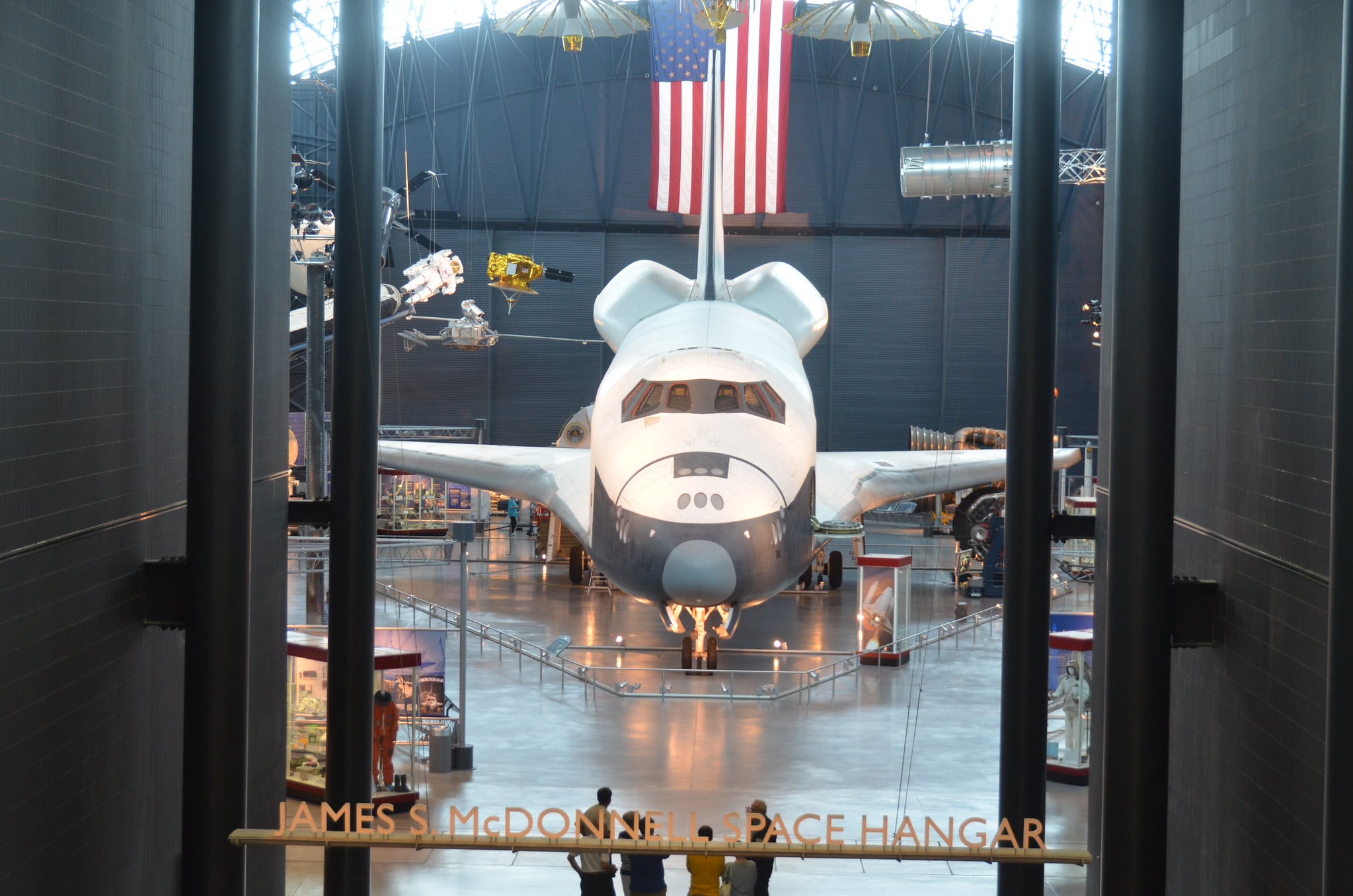
Columbia’s final mission ended in tragedy, but pieces of the shuttle’s distinctive black heat shield tiles became some of the most sought-after space debris ever recovered. Individual tiles have sold for $15,000 to $25,000 at auction.
NASA initially tried to recover every fragment for the investigation, but many pieces ended up in private hands. The tiles represent more than just materials science. They’re remnants of a spacecraft that carried astronauts to orbit dozens of times before that February morning in 2003.
Soyuz Spacecraft Components
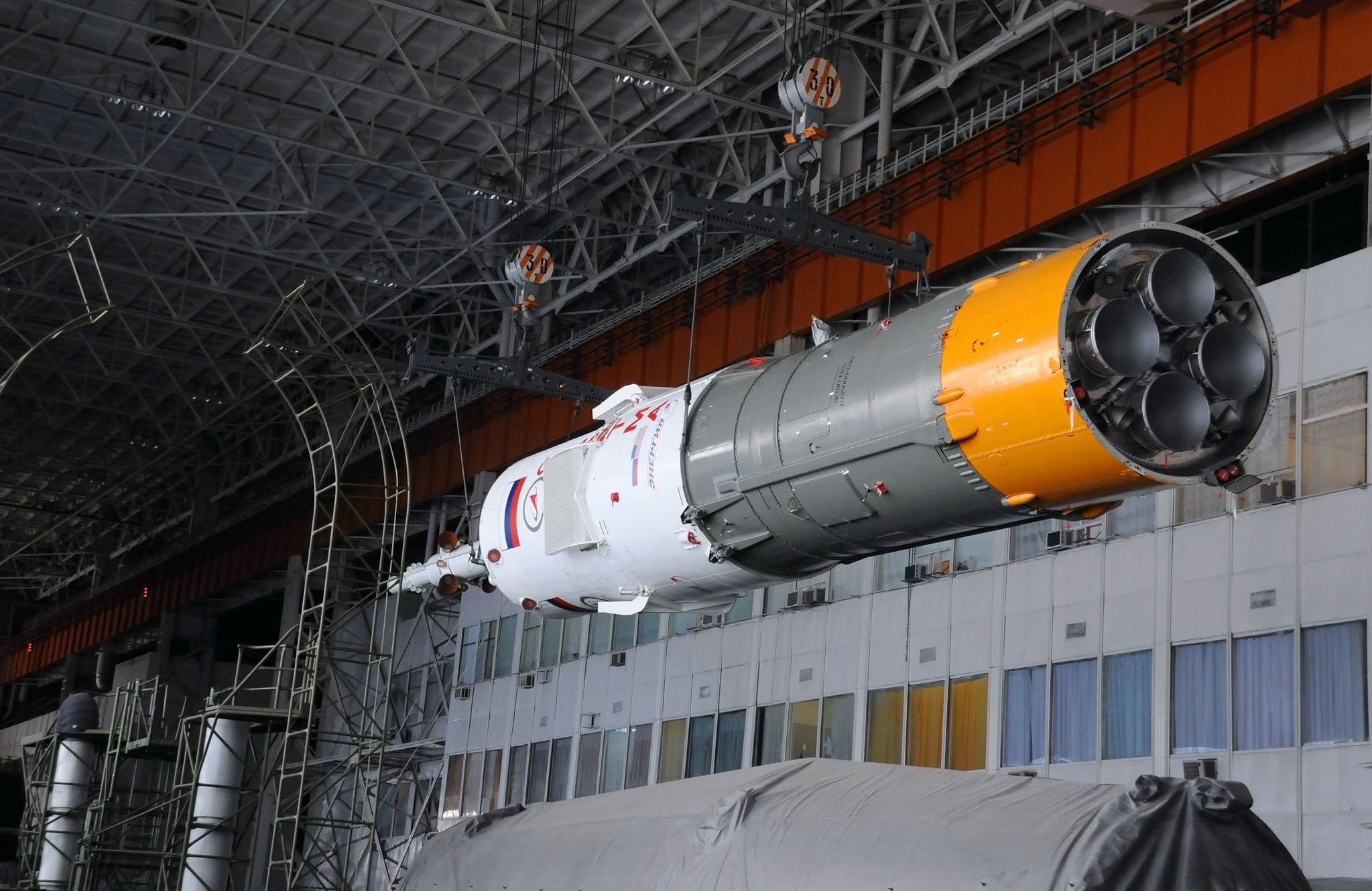
Russian Soyuz capsules land on solid ground, unlike their American counterparts that splash down in the ocean. This means parts sometimes break off during landing and scatter across the Kazakhstan steppe.
A legitimate piece of Soyuz heat shield or parachute system can fetch $20,000 or more, particularly if it comes with documentation proving its authenticity. The challenge lies in verification (since a lot of metal can look space-worthy if you squint hard enough) and the geopolitical complexities of getting Soviet-era space hardware out of former USSR territories legally, which adds layers of bureaucracy that somehow make these fragments even more expensive rather than less.
Apollo Command Module Fragment
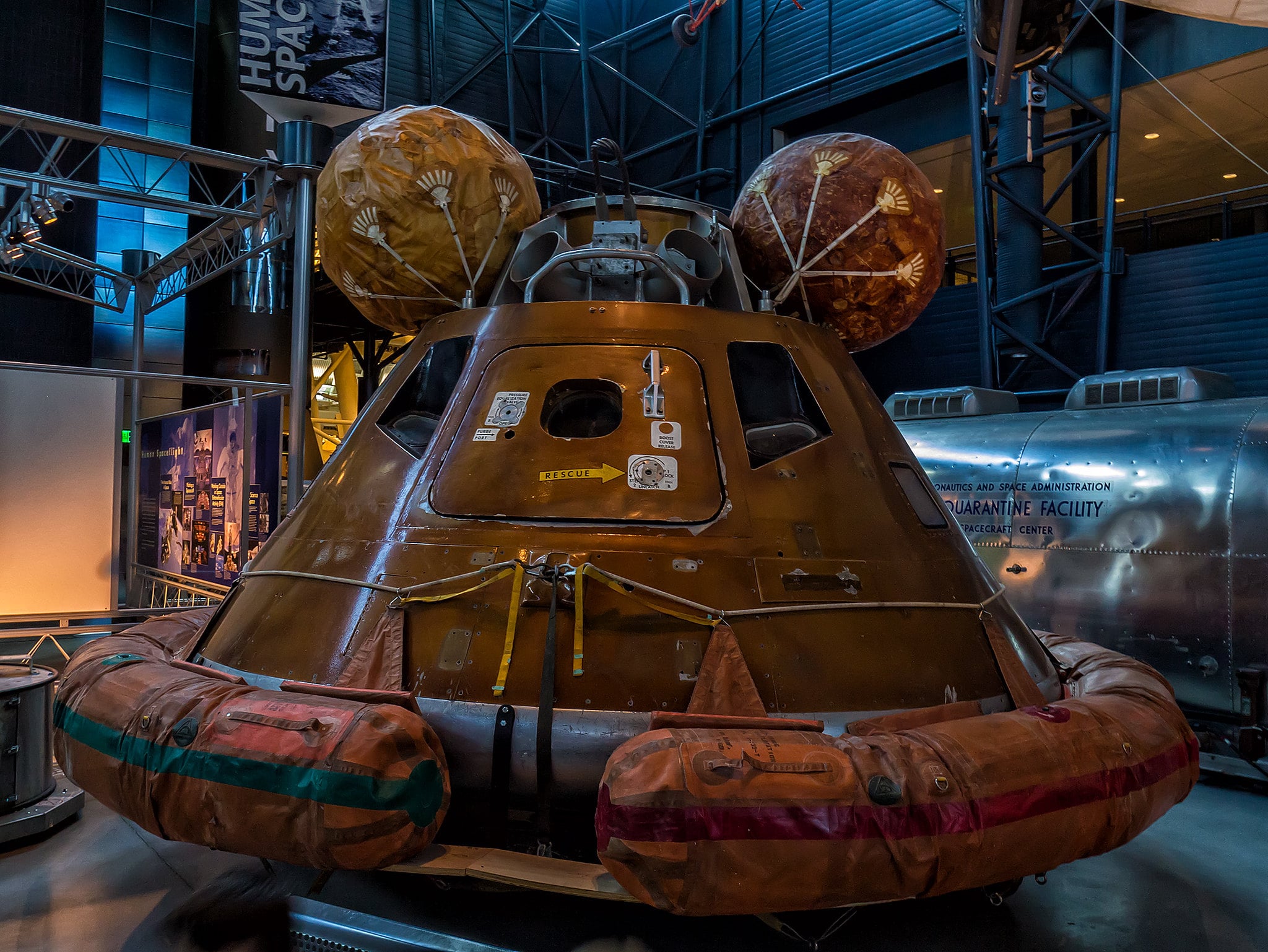
There’s something about holding a piece of metal that went to the moon. Apollo command modules were built like armored cars—they had to survive reentry at 25,000 miles per hour after all—so when fragments do survive, they’re substantial.
A verified piece of Apollo heat shield sold for $36,000 in 2019. The fragment came from Apollo 11’s command module Columbia.
Not the shuttle Columbia—the original Columbia that brought Armstrong, Aldrin, and Collins home from humanity’s first lunar landing. The piece was smaller than a paperback book but carried the weight of history in every oxidized layer.
Skylab’s Unexpected Arrival
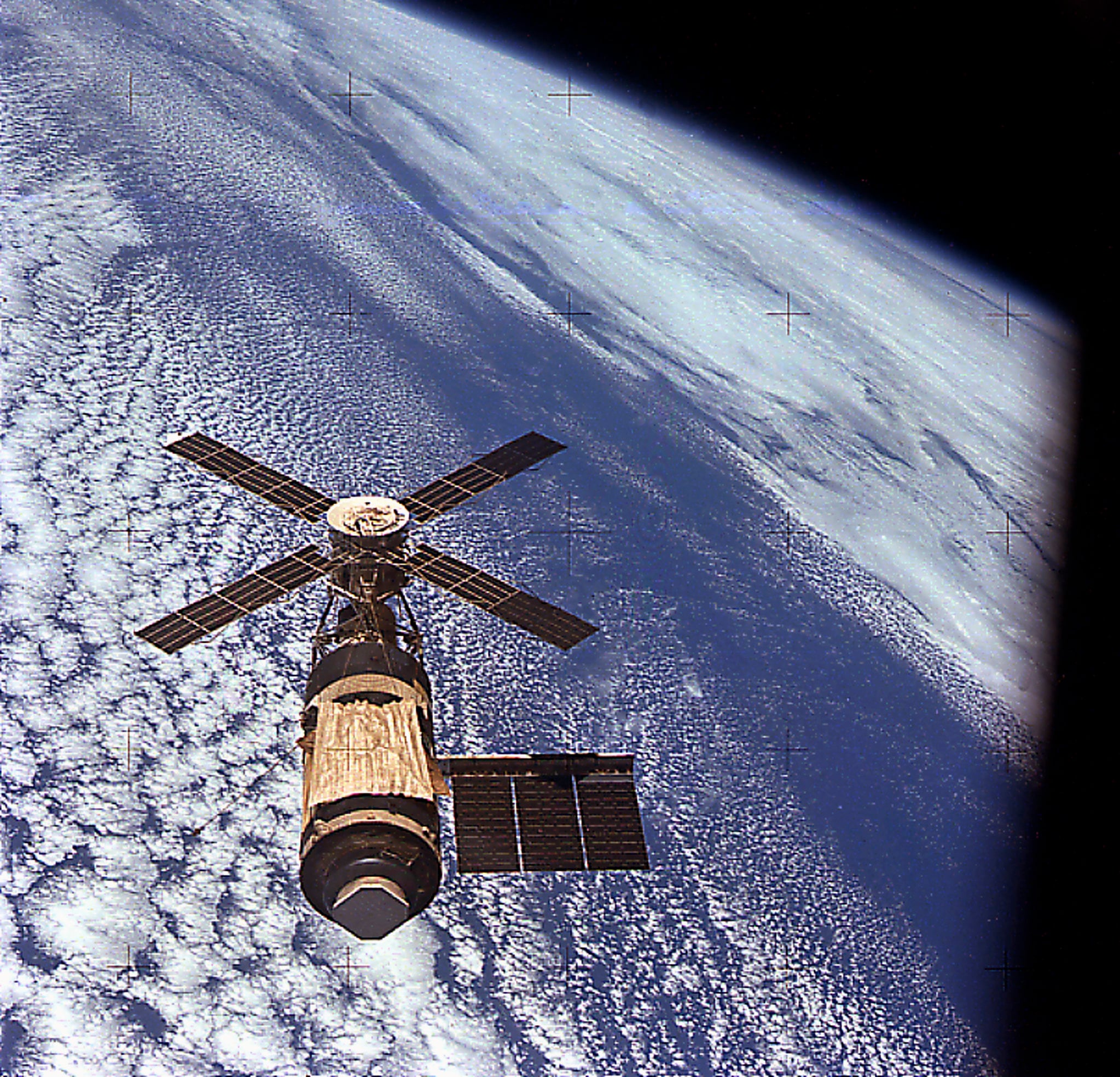
When America’s first space station came tumbling back to Earth in 1979, it didn’t land where NASA hoped it would. Instead of falling harmlessly into the Indian Ocean, chunks of Skylab scattered across the Australian outback near the town of Esperance.
The local government promptly fined NASA $400 for littering—a bill that went unpaid for 30 years until a radio DJ raised money to settle it. But Skylab fragments became instant collector’s items. Pieces have sold for anywhere from $1,000 for small fragments to $40,000 for larger structural components.
A oxygen tank section sold for $132,000 in 2020, making it one of the priciest pieces of space junk ever recovered.
Mir Space Station Components
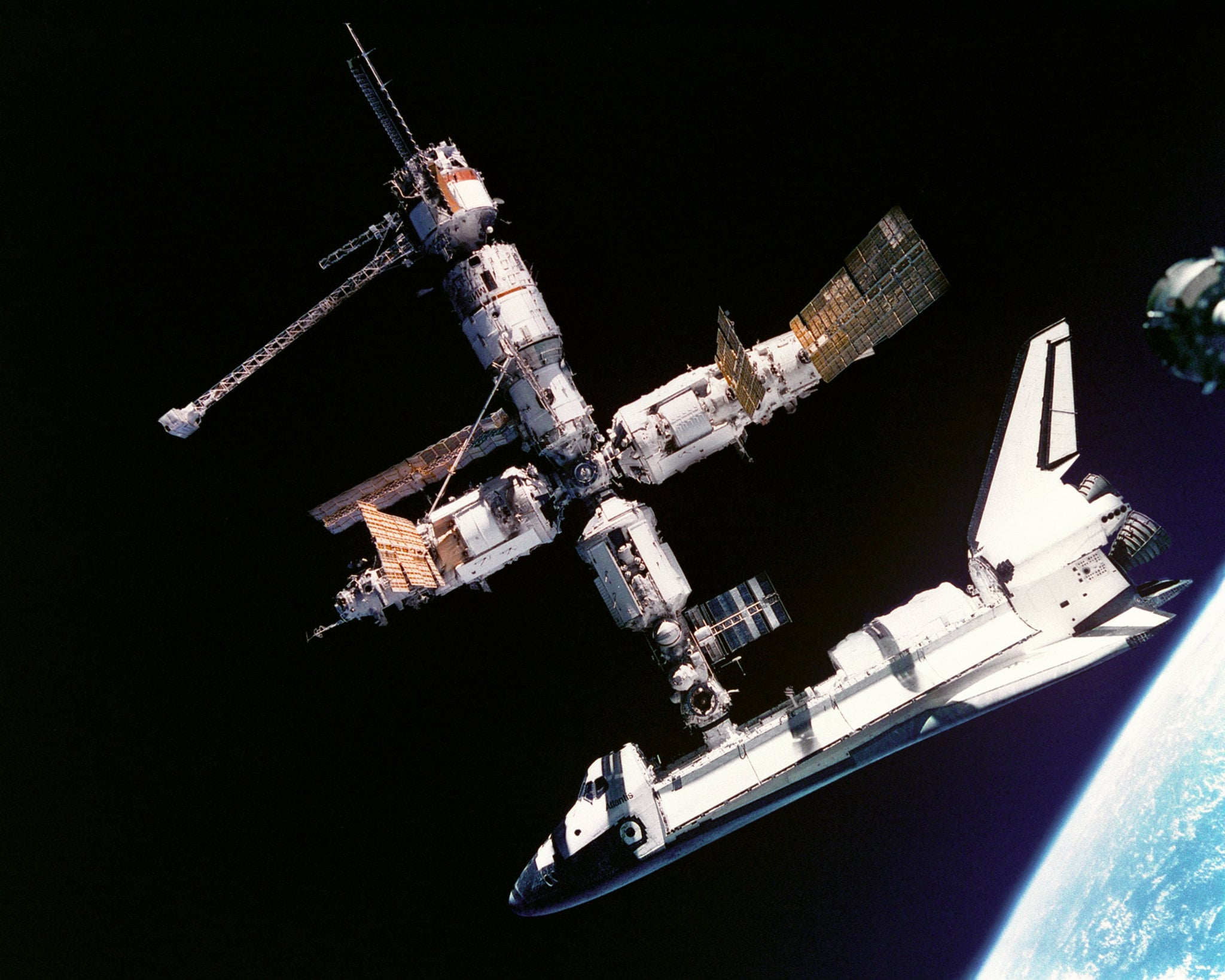
The Russian space station Mir spent 15 years in orbit, longer than any space station before or since, and when it finally came down in 2001, most of it landed in the Pacific as planned. Most of it. Some pieces washed ashore in Fiji and other Pacific islands, where locals found strange metallic objects that looked nothing like typical ocean debris.
Those fragments became valuable because Mir represented the end of an era. It was the last purely Russian space station, the bridge between Soviet space ambitions and international cooperation on the ISS.
A piece of Mir’s solar array framework sold for $28,000 to a collector who described it as “owning a piece of space history that you can actually touch.”
Chinese Long March Rocket Parts
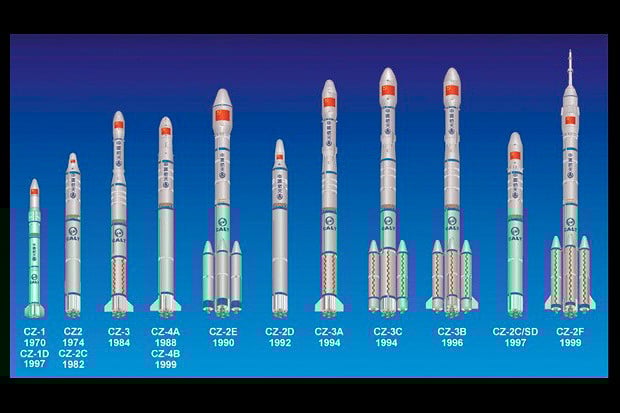
Chinese rockets have a habit of dropping stages over populated areas, which is terrifying for people on the ground but creates opportunities for debris collectors. Long March rocket components have been found in villages across China, and while the Chinese government typically tries to recover them, pieces occasionally make their way to international auction houses.
A Long March engine component sold for $45,000 in 2018, though the seller remained anonymous and the provenance was carefully documented through several intermediaries. The high price reflected both the rarity of Chinese space hardware on the open market and the geopolitical sensitivity of owning it.
European Space Agency Satellite Fragments
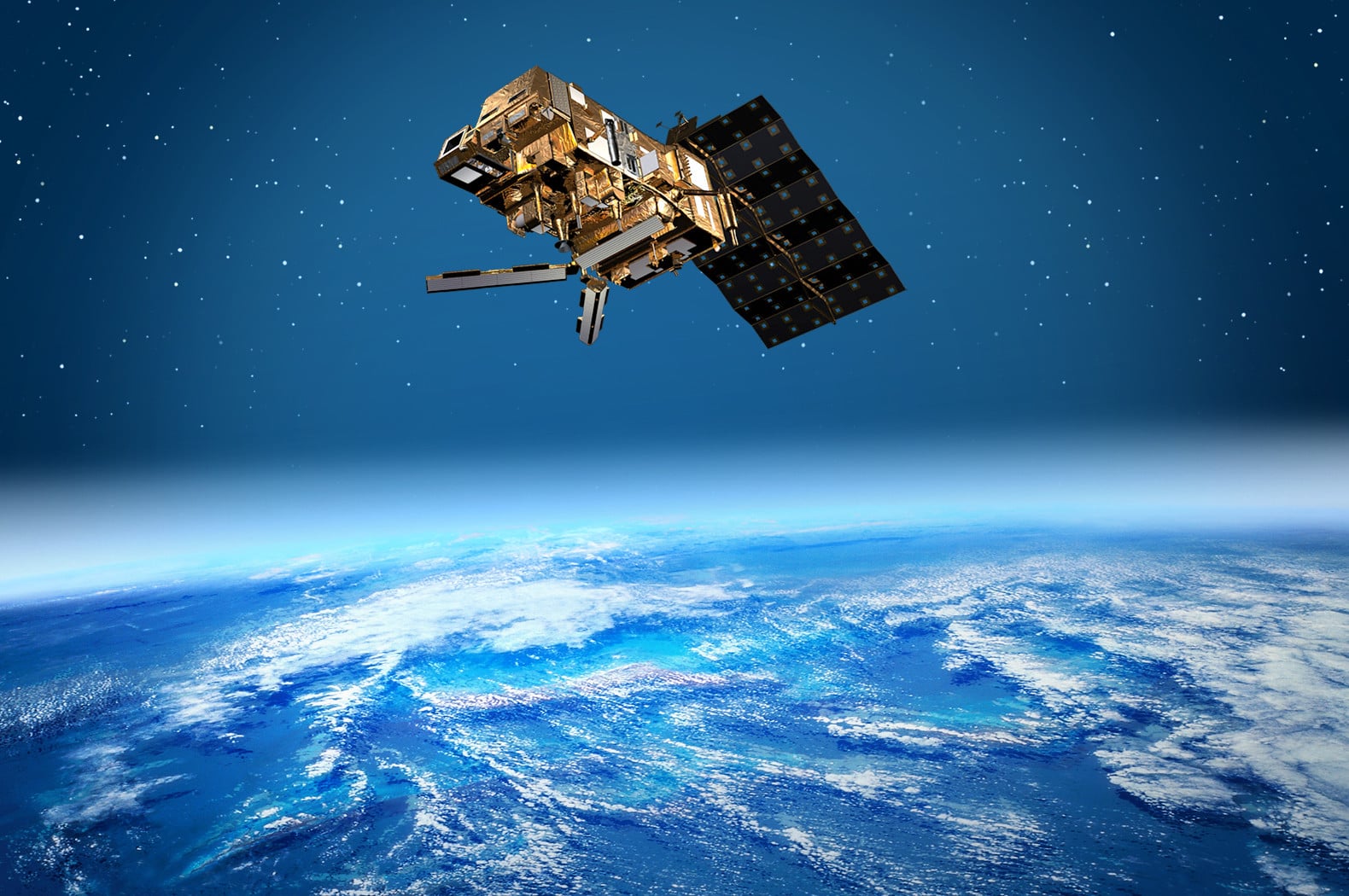
ESA builds satellites to last, which means when they do come down, they tend to leave substantial pieces behind. A fragment from the European Remote Sensing satellite ERS-1, which reentered in 2011, sold for $18,000.
The piece was about the size of a dinner plate and showed clear evidence of atmospheric heating. European space debris commands premium prices partly because ESA missions are less frequent than American or Russian launches, making the fragments rarer.
There’s also something appealing to collectors about owning hardware that represents the collective space ambitions of an entire continent.
Vanguard Satellite Components
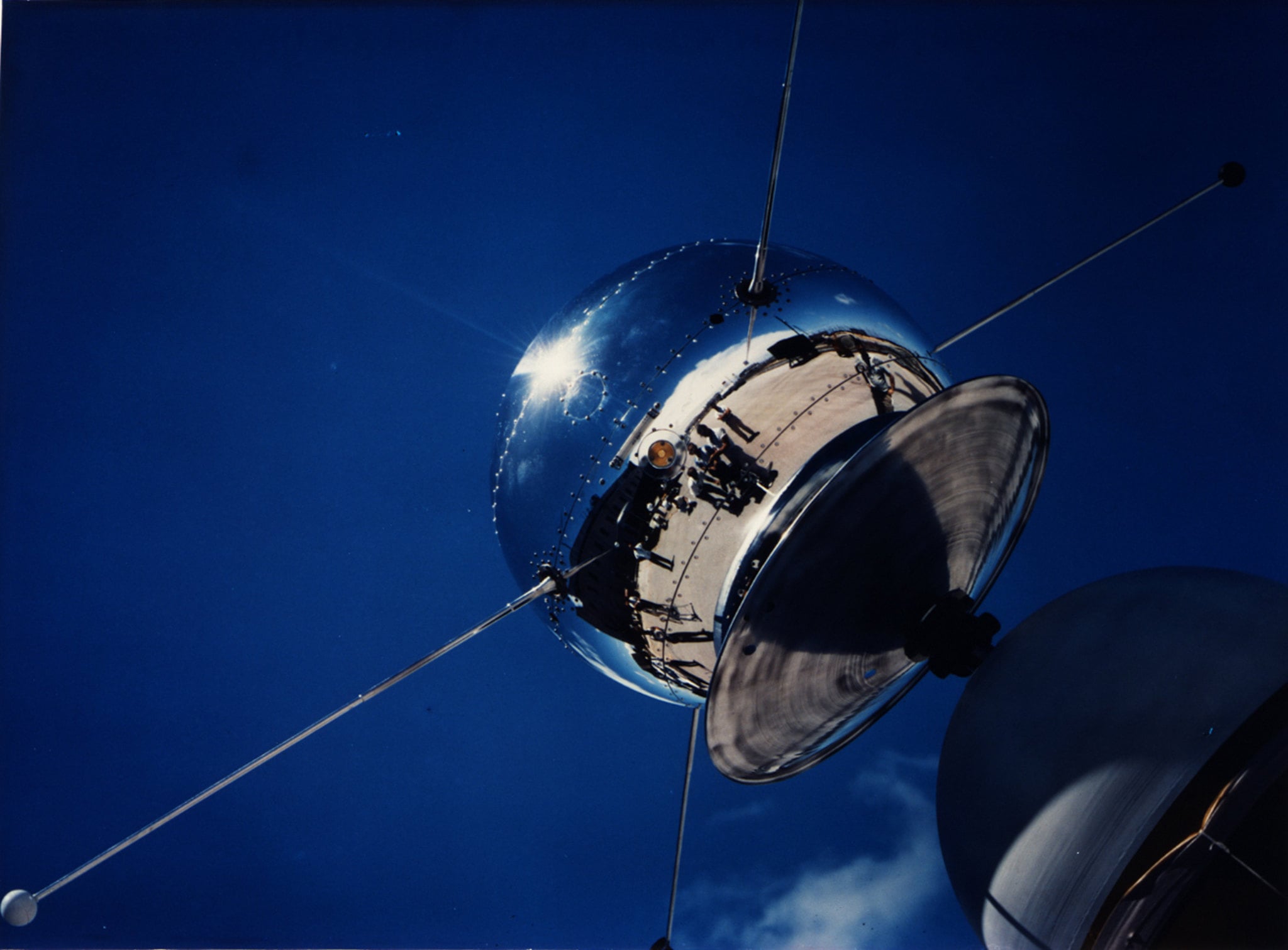
America’s early satellites were built when space was still largely theoretical. Vanguard 1, launched in 1958, is still in orbit and will be for centuries.
But other Vanguard missions weren’t as successful, and pieces from failed launches occasionally surface. A piece of Vanguard hardware—specifically, a fragment from the rocket that was supposed to carry Vanguard TV3 before it exploded on the launch pad—sold for $55,000.
The fragment spent less than two minutes in the air, but it was part of America’s first serious attempt to answer the Soviet Sputnik challenge.
International Space Station Debris
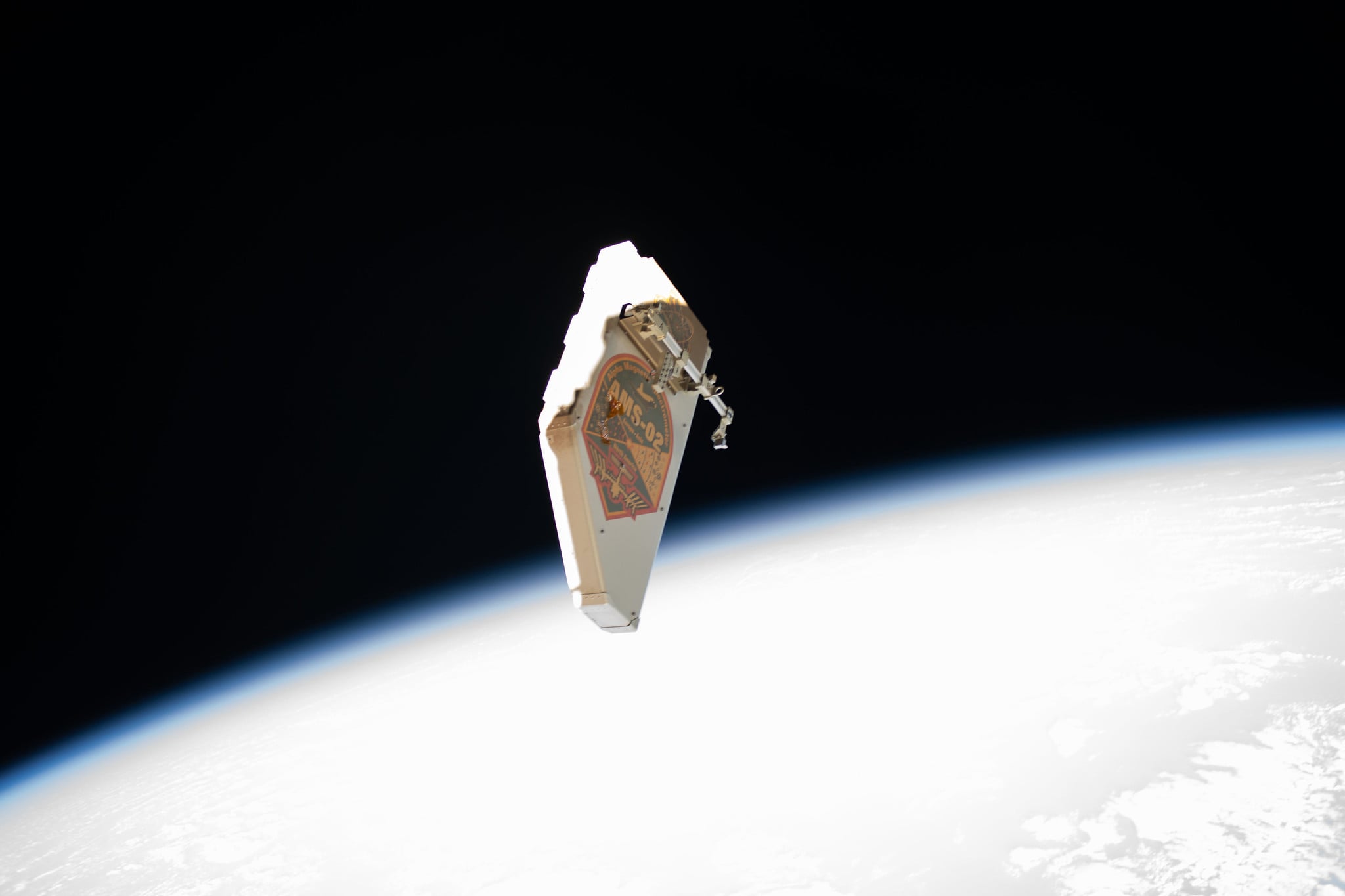
The ISS regularly jettisons equipment, from old spacesuits to broken components, and while most of it burns up completely, some pieces survive reentry. A fragment from an ISS cargo pallet, confirmed through NASA tracking data, sold for $33,000.
What makes ISS debris special is that it represents active, ongoing human presence in space. Unlike historical missions, the ISS is still up there, still occupied, still generating the kind of debris that occasionally finds its way back to Earth with a very modern story to tell.
Luna Program Remnants
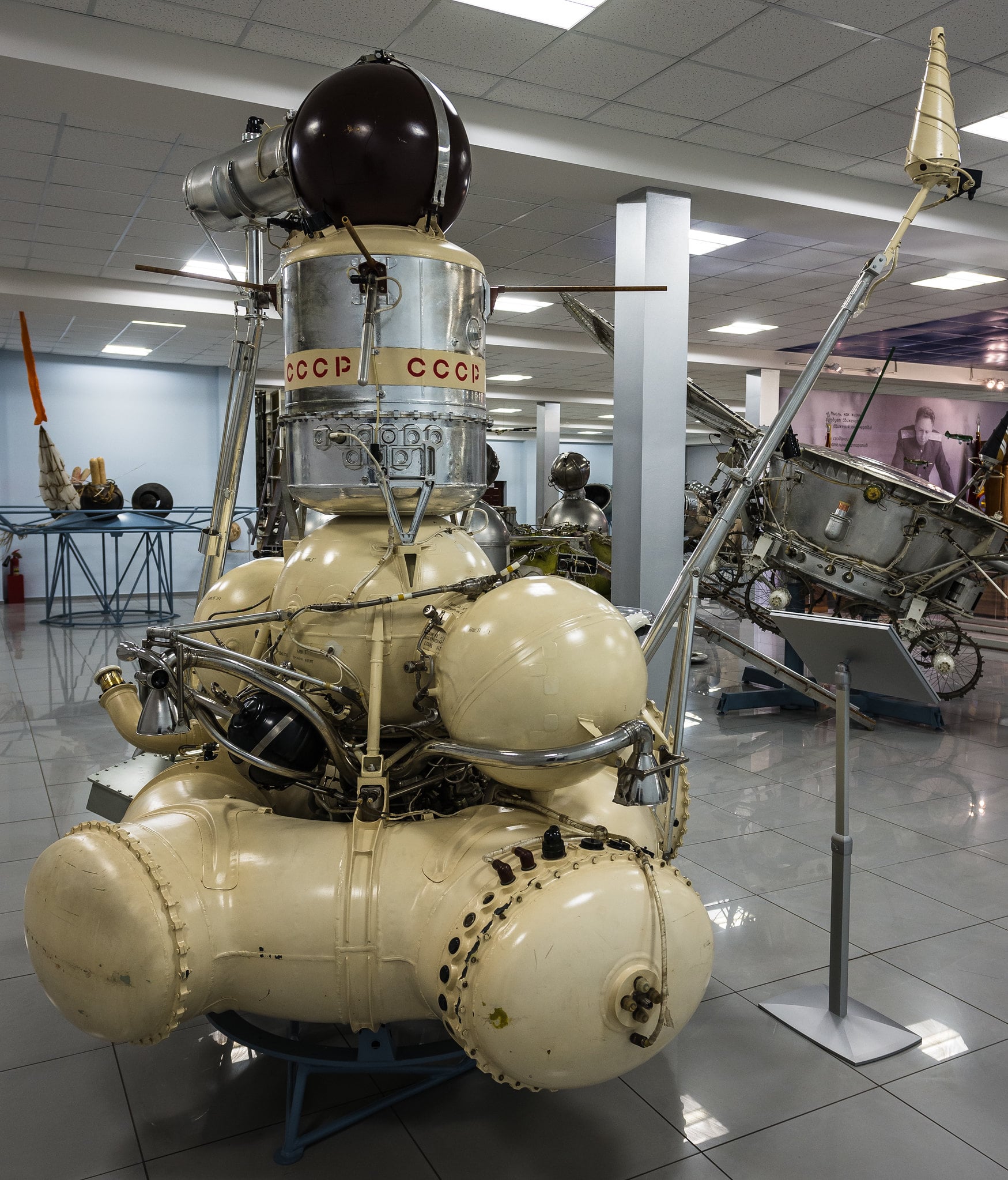
Soviet lunar missions left traces beyond just the spacecraft that made it to the moon. Earth-return components from the robotic Luna sample-return missions sometimes left fragments during reentry, and these pieces have become extraordinarily valuable to collectors of Soviet space memorabilia.
A fragment from Luna 16’s return capsule sold for $75,000, making it one of the most expensive pieces of space debris ever recovered. The fragment contained traces of lunar dust—not much, just microscopic particles embedded in the heat shield material, but enough to justify the astronomical price tag.
SpaceX Falcon Heavy Components
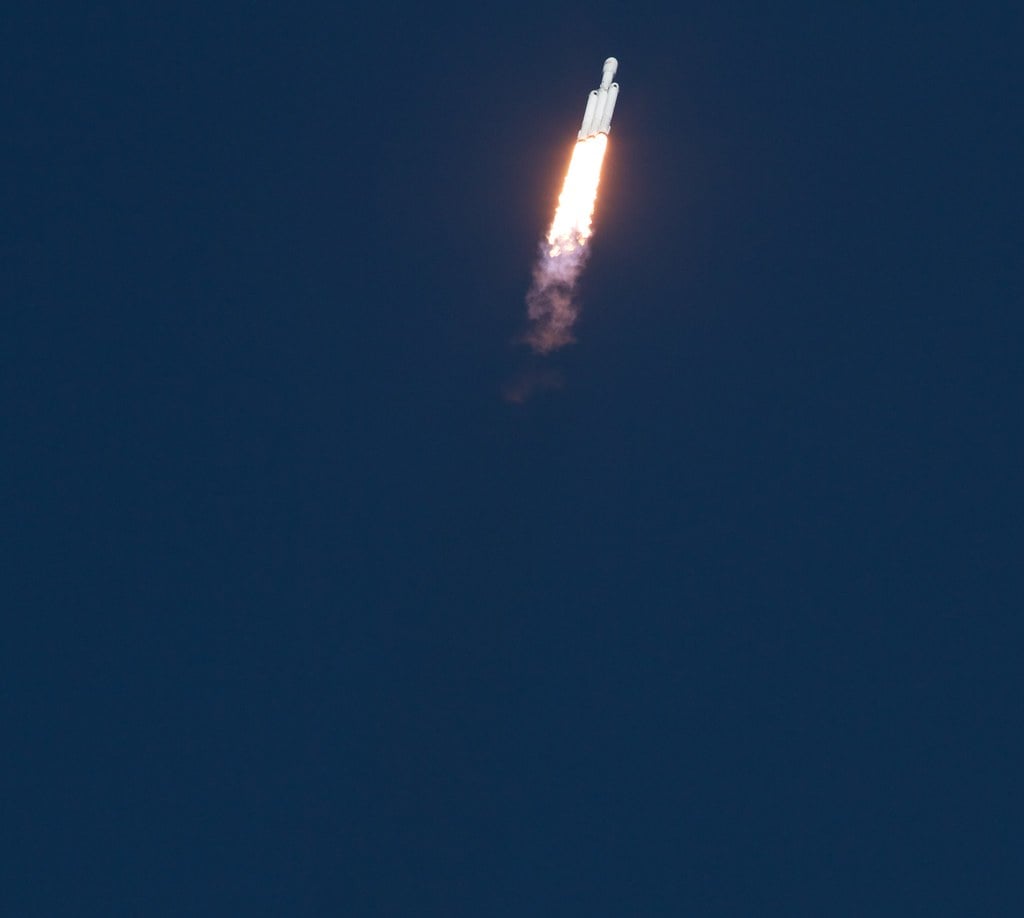
Modern space debris comes with modern prices. When SpaceX’s Falcon Heavy center core missed its landing target and crashed into the ocean in 2018, pieces washed ashore in the Bahamas.
A fragment of the core’s grid fin sold for $48,000 at auction. The price reflected SpaceX’s cult status among space enthusiasts and the relative rarity of Falcon Heavy debris.
The company has only launched the rocket a handful of times, and successful recoveries mean fewer fragments reach the market.
Salyut Space Station Pieces
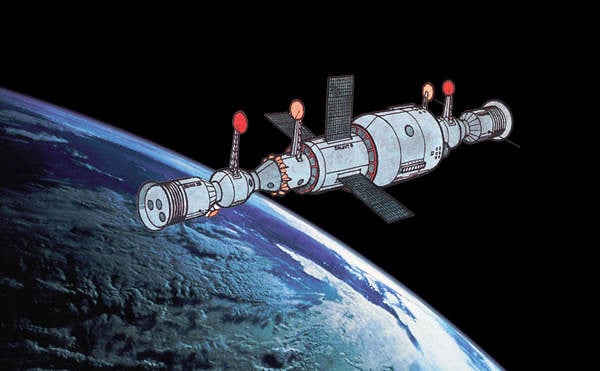
The Soviet Salyut program ran seven space stations between 1971 and 1991, and when each one reached the end of its mission, it was deorbited. Most came down over oceans, but Salyut 7 scattered pieces across Argentina when it reentered in 1991.
A piece of Salyut 7’s docking mechanism sold for $42,000. The fragment was about the size of a football and showed distinctive Soviet manufacturing marks.
For collectors of Cold War space memorabilia, owning a piece of hardware that represented Soviet space supremacy during the 1970s and 1980s was irresistible.
Gemini Spacecraft Heat Shield
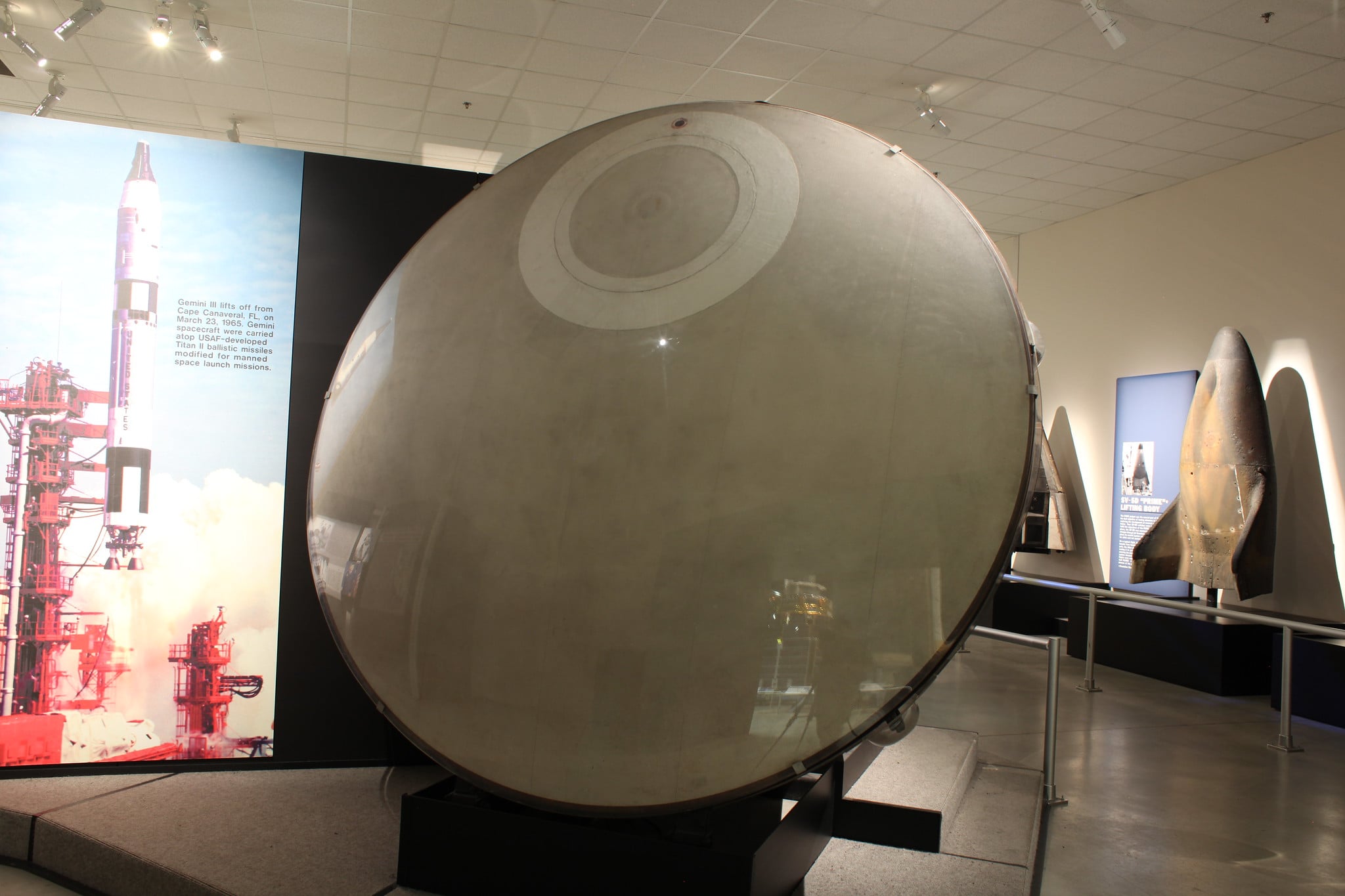
Before Apollo took astronauts to the moon, Gemini missions taught NASA how to work in space. Gemini capsules splashed down in the ocean, but heat shield fragments sometimes broke off during reentry and washed ashore years later.
A piece of Gemini heat shield, authenticated through materials analysis, sold for $29,000. The fragment was notable because it showed the characteristic ablative damage pattern that proved it had done its job—protecting astronauts during the fiery journey home from orbit.
The Real Value Of Cosmic Leftovers
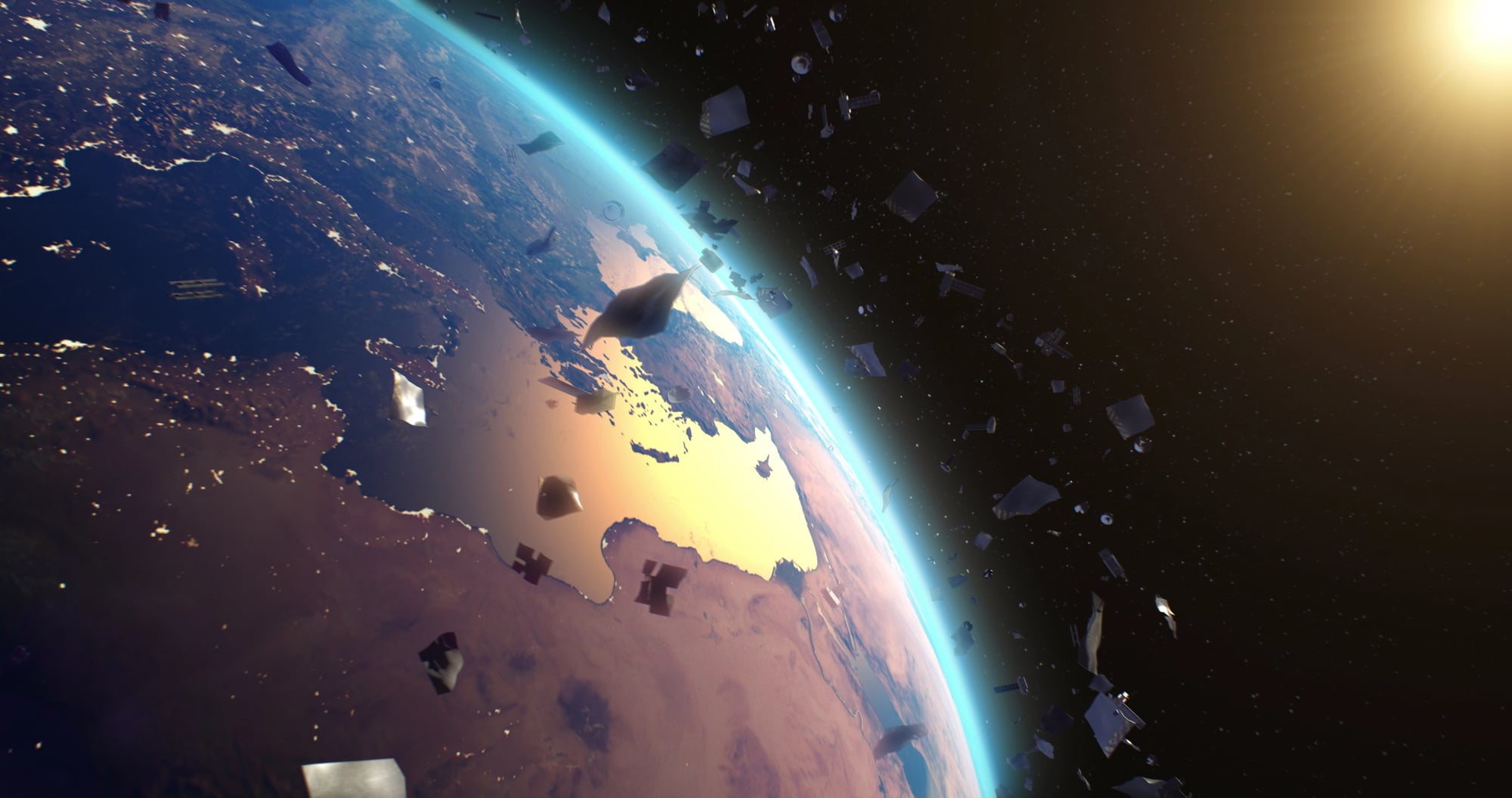
These prices might seem absurd for what amounts to expensive scrap metal, but they reflect something deeper than simple collector enthusiasm. Space debris represents humanity’s boldest ambitions made tangible.
Each fragment carries the story of thousands of engineers, scientists, and astronauts who built machines capable of escaping Earth’s gravity well. The market for space debris also reveals our complicated relationship with space exploration itself.
We celebrate the achievements while creating a secondary economy around the failures, the crashes, and the pieces that didn’t quite make it home intact. In a strange way, the debris market keeps space history alive in living rooms and private collections around the world, turning cosmic accidents into earthbound treasures.
More from Go2Tutors!

- The Romanov Crown Jewels and Their Tragic Fate
- 13 Historical Mysteries That Science Still Can’t Solve
- Famous Hoaxes That Fooled the World for Years
- 15 Child Stars with Tragic Adult Lives
- 16 Famous Jewelry Pieces in History
Like Go2Tutors’s content? Follow us on MSN.