12 Animals That Create Beautiful Art-Like Structures
Nature has produced some of the most talented architects and artists on the planet, and they don’t even need art school. From intricate geometric patterns to stunning architectural marvels, animals across the globe create structures that would make human designers envious.
These creations serve practical purposes like attracting mates, building homes, or catching prey, but they’re so visually striking that they blur the line between function and art. The animal kingdom is full of these natural artists, each with their own unique style and medium.
Here is a list of 12 animals that create beautiful art-like structures.
Bowerbirds
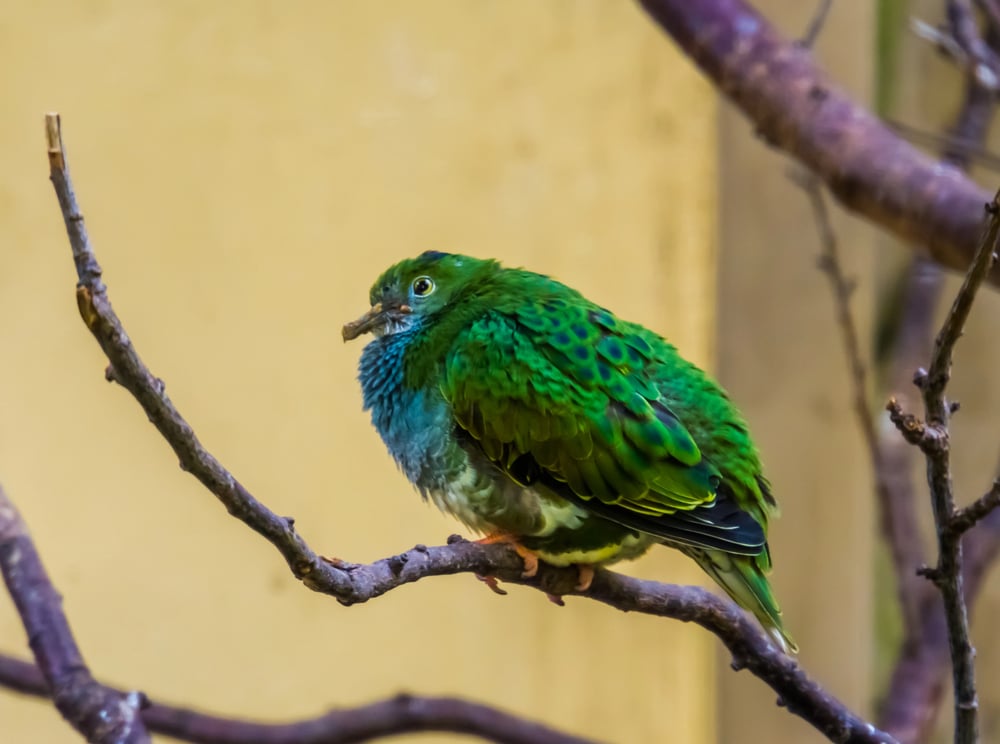
Male bowerbirds are the ultimate interior designers of the bird world. These Australian natives build elaborate structures called bowers to attract females — decorating them with colorful objects like flowers, berries, shells, and even human-made items like bottle caps or plastic toys.
The satin bowerbird goes so far as to paint its bower walls with chewed-up berries, creating a blue-tinted masterpiece that would fit right into a modern art gallery.
Bees
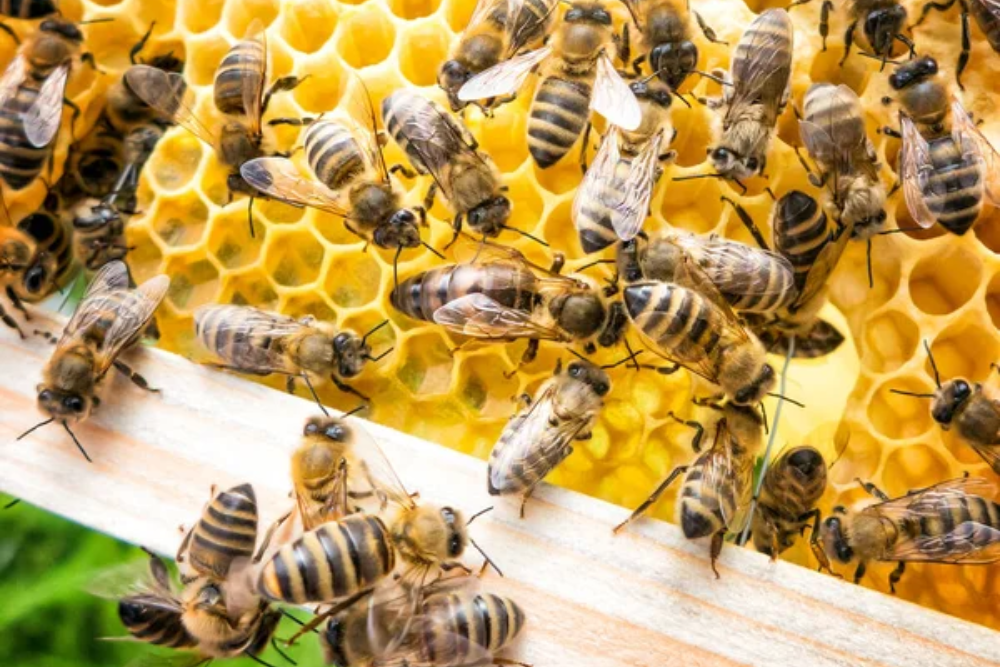
Honeybees create some of nature’s most perfect geometric art through their hexagonal honeycomb structures. These six-sided cells are mathematically precise — using the least amount of wax to create the maximum storage space.
The uniform pattern creates a mesmerizing visual effect that’s inspired human architecture for centuries, proving that sometimes the most beautiful art comes from pure efficiency.
Spiders
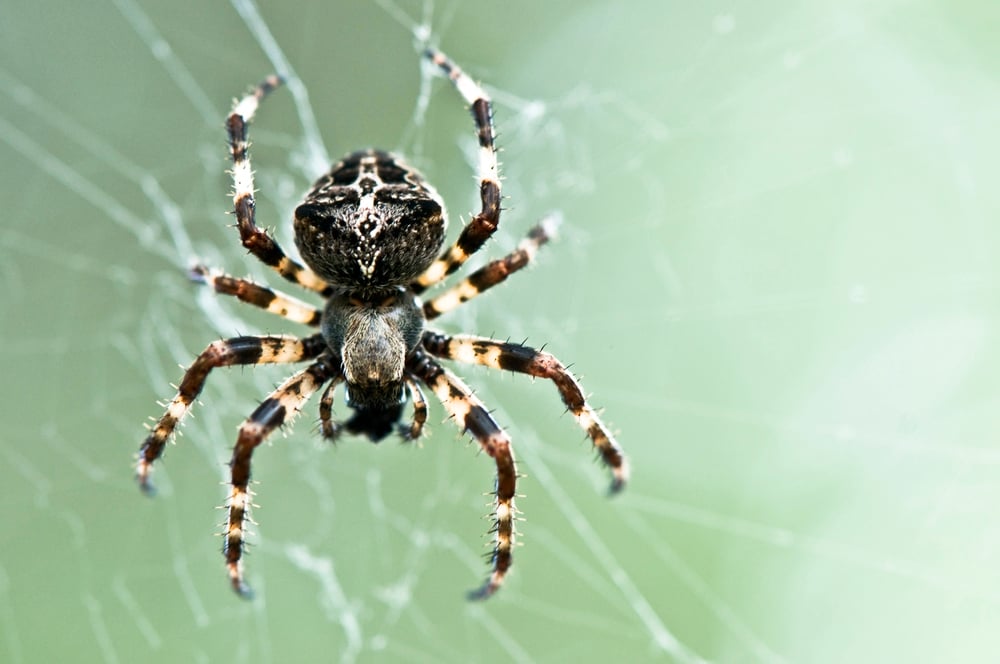
Orb weaver spiders spin intricate circular webs that look like delicate lace doilies suspended in mid-air. Each web follows a precise radial pattern with perfectly spaced spiral threads — creating a structure that’s both functionally deadly and aesthetically stunning.
Morning dew often transforms these webs into sparkling works of art that photographers absolutely love to capture.
Beavers
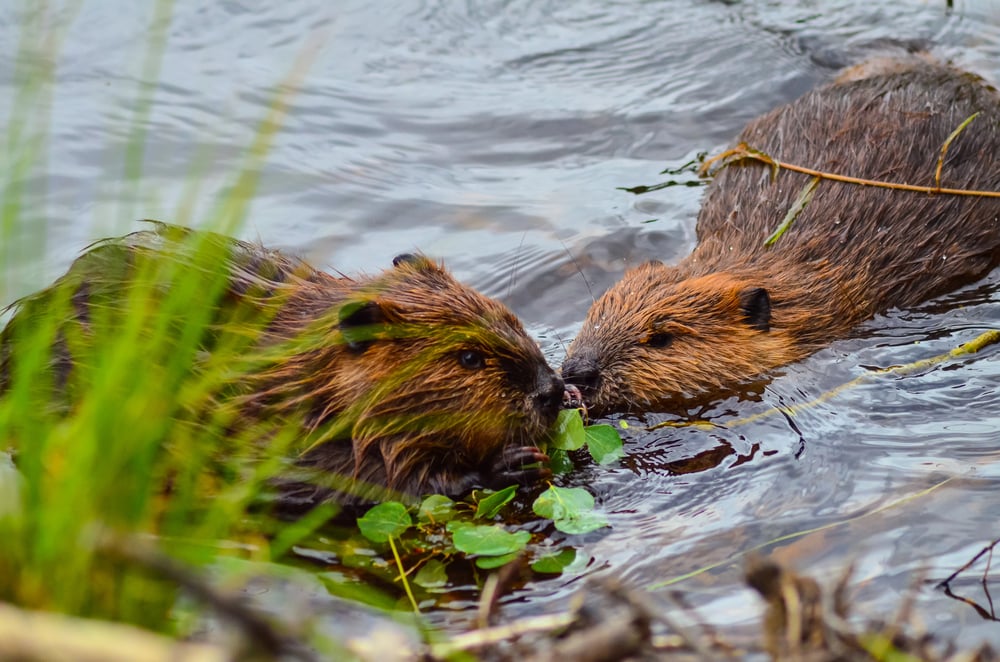
Beavers function as nature’s engineers, building dams that can stretch for hundreds of yards while creating entire ecosystems. These curved wooden barriers follow the natural contours of rivers and streams — creating beautiful artificial lakes that reflect the surrounding landscape.
Their lodges, with dome-shaped architecture, blend seamlessly into wetland environments while providing safe havens for their families.
Termites

Cathedral termites in Australia construct towering mounds that can reach 20 feet high — resembling ancient spires or abstract sculptures. These structures feature complex internal ventilation systems with intricate tunnels and chambers that maintain perfect temperature and humidity.
The external ridges and curves of these mounds create dramatic silhouettes against the landscape, particularly during sunrise and sunset.
Weaverbirds
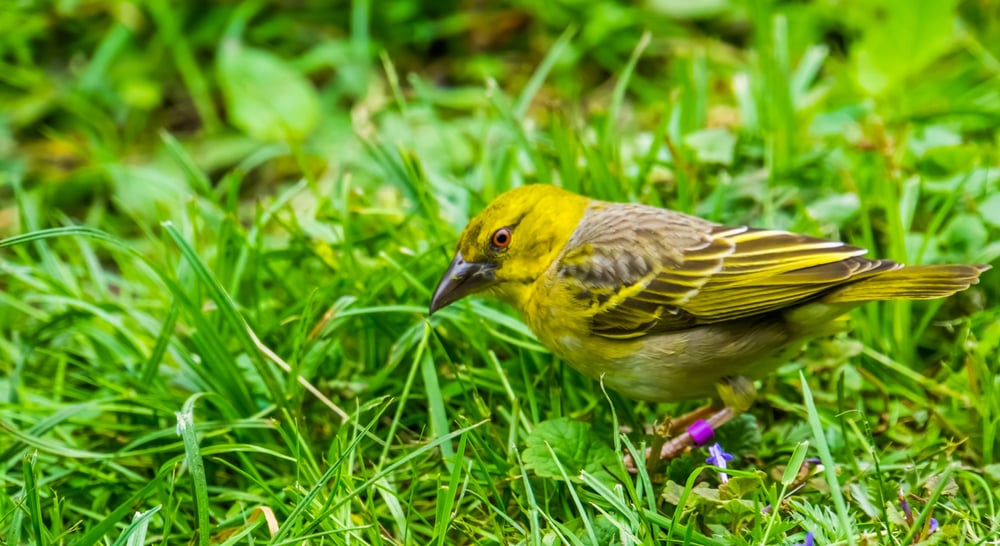
These African birds create hanging nests that look like intricate baskets woven from grass and plant fibers. Each nest requires thousands of individual knots and weaves — with the entrance tunnel designed to prevent predators from entering.
Colonies of weaverbirds can transform entire trees into living art installations, with dozens of these golden, gourd-shaped nests swaying in the breeze.
Caddisfly Larvae

Underwater, caddisfly larvae build protective cases using materials from their environment — creating what looks like tiny pieces of jewelry or miniature sculptures. They carefully select and arrange pebbles, twigs, shells, or sand grains into tubular homes that perfectly camouflage with the stream bottom.
Some species create cases so beautiful that artists have actually incorporated them into jewelry designs.
Coral Polyps
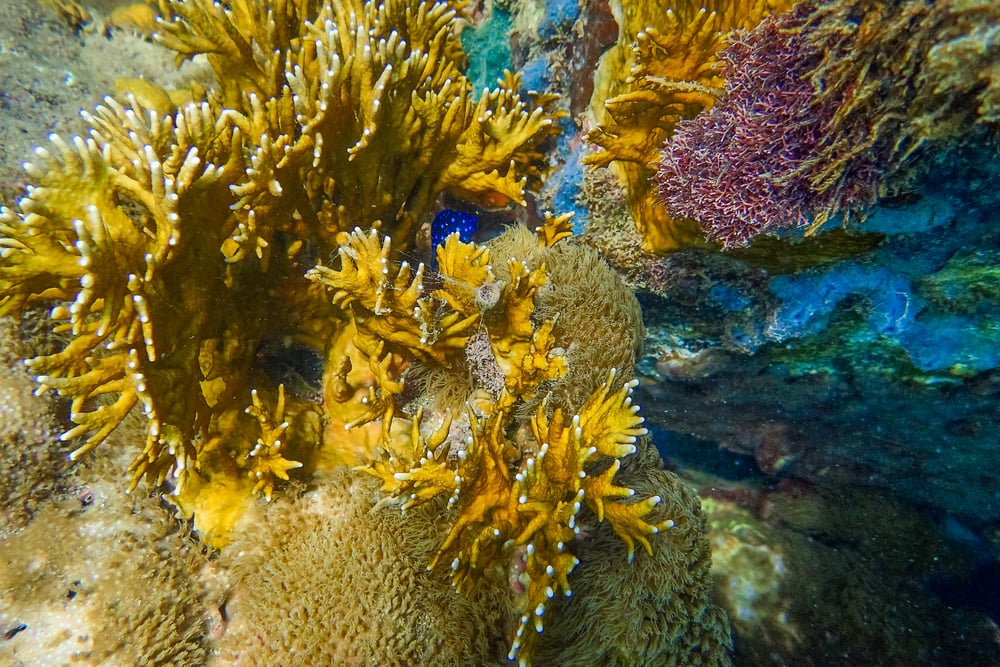
Coral polyps work as master sculptors in calcium carbonate — creating vast underwater cities that house thousands of species. Each polyp contributes to massive reef structures that can be seen from space, with branching formations, brain-like surfaces, and fan-shaped arrangements.
These living sculptures come in every color imaginable while creating some of the most biodiverse and visually stunning environments on Earth.
Mud Dauber Wasps

These wasps create elegant clay structures that look like miniature pottery or abstract sculptures. They carefully collect mud and shape it into smooth, curved tubes or organ pipe-like formations under eaves and overhangs — though each cell is perfectly crafted to house their young.
The finished structures often have a rustic, handmade appearance that many human potters try to replicate.
Caddisfly (Adult)
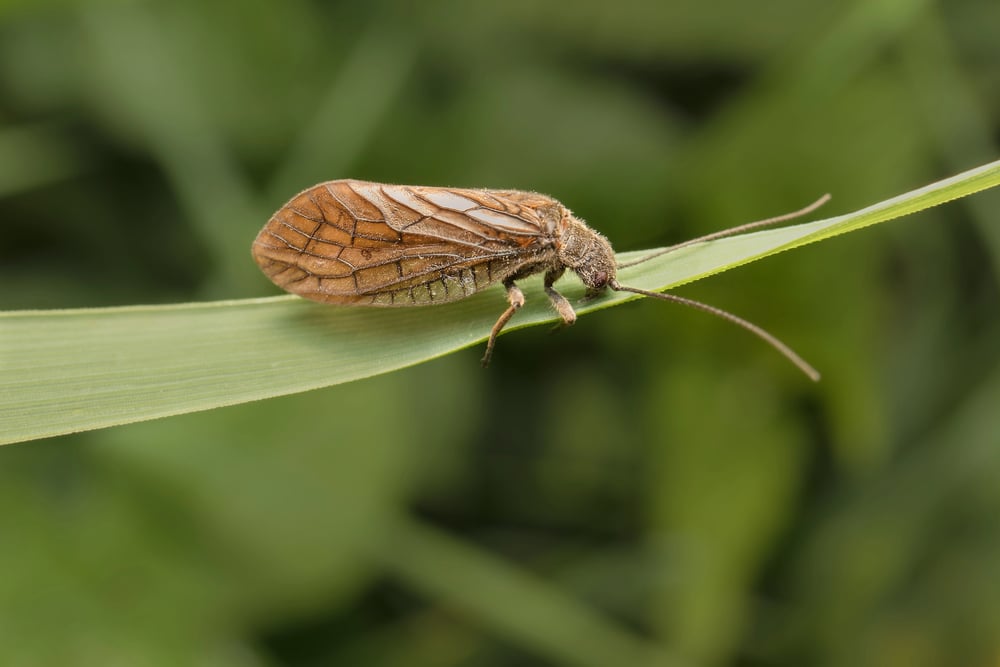
French artist Hubert Duprat discovered that caddisfly larvae would use gold flakes and precious gems if provided — creating living jewelry. In their natural habitat, these larvae demonstrate remarkable artistic sense by selecting materials that complement each other in color and texture.
Their cases become tiny works of art that showcase nature’s inherent aesthetic sensibilities.
Pufferfish
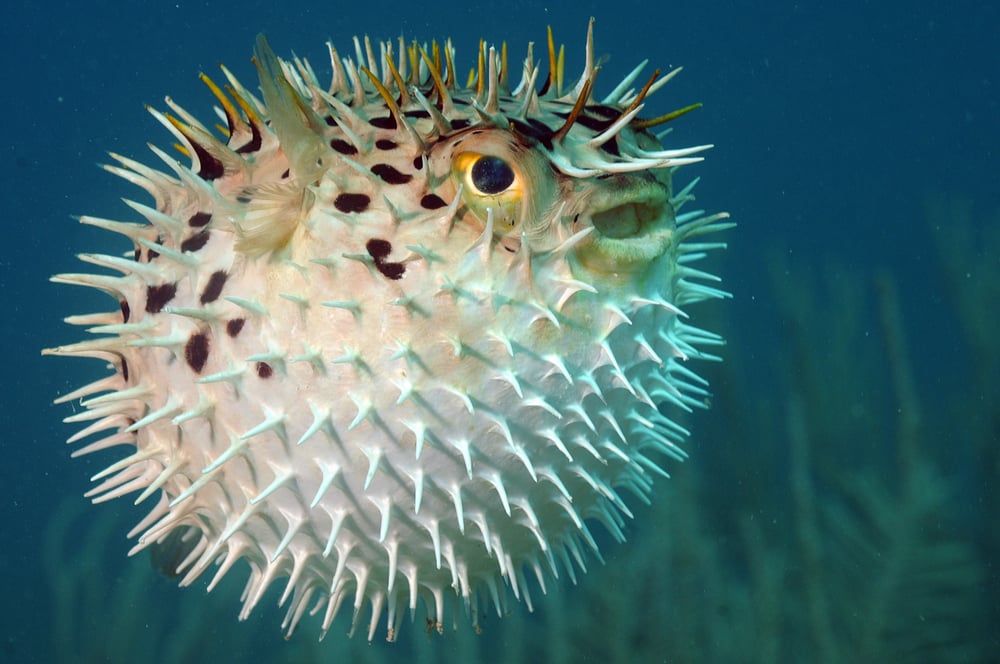
Male white-spotted pufferfish create elaborate circular patterns in the sand on the ocean floor, working for weeks to perfect their designs. These underwater crop circles feature radiating ridges and valleys in perfect symmetry, often decorated with shells and coral fragments.
The patterns can be up to 7 feet across and serve as both nest and courtship display, disappearing with the tides only to be rebuilt again.
Sociable Weaver Birds
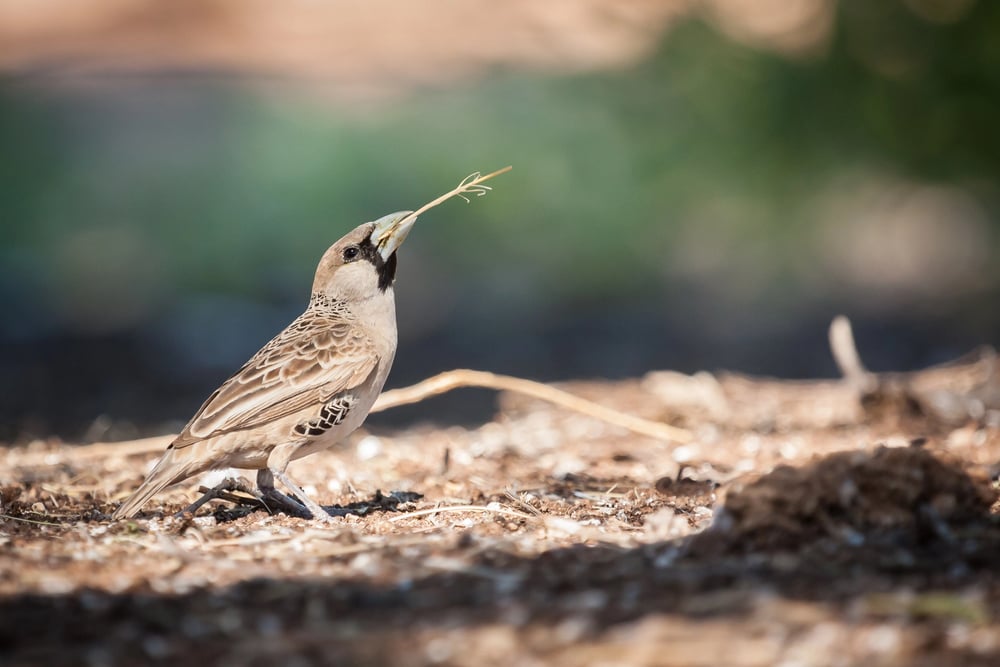
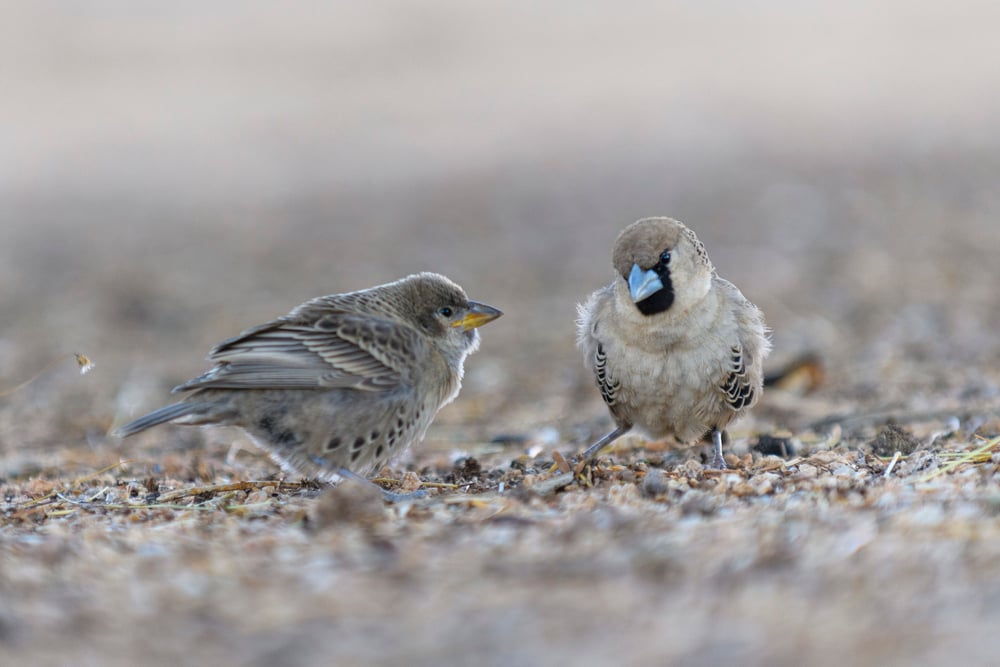
These South African birds construct massive communal nests that can house over 100 pairs and last for decades. The structures look like giant haystacks perched in acacia trees, with hundreds of individual chambers accessed through tunnels from below.
These apartment-style nests create entire bird communities and become landmarks in the landscape, some growing so large they can break the branches that support them.
Where Function Meets Beauty
These animal architects remind us that art and function don’t have to be separate concepts. Every structure serves a vital purpose, whether it’s attracting a mate, protecting young, or catching food, yet they achieve these goals with such elegance that they transcend mere utility.
In a world where humans often separate practical design from aesthetic beauty, these creatures show us that the most enduring art often comes from solving life’s essential challenges. Perhaps the greatest lesson from these natural artists is that true beauty emerges not from decoration alone, but from the perfect marriage of form and function.
More from Go2Tutors!

- The Romanov Crown Jewels and Their Tragic Fate
- 13 Historical Mysteries That Science Still Can’t Solve
- Famous Hoaxes That Fooled the World for Years
- 15 Child Stars with Tragic Adult Lives
- 16 Famous Jewelry Pieces in History
Like Go2Tutors’s content? Follow us on MSN.



