14 Historic Items That Were Found in Places They Absolutely Shouldn’t Be
Particularly when artifacts surface in places that contradict logic, history is full of unanticipated finds. Often, these discoveries challenge historians’ established stories and make them reconsider ancient links between civilizations. Nothing quite catches the imagination like finding a priceless artifact somewhere it has no right to be.
Here are 14 historical items found in locations that left experts perplexed, hence generating interesting conundrums for historians and archaeologists alike.
Viking Sword in a Desert
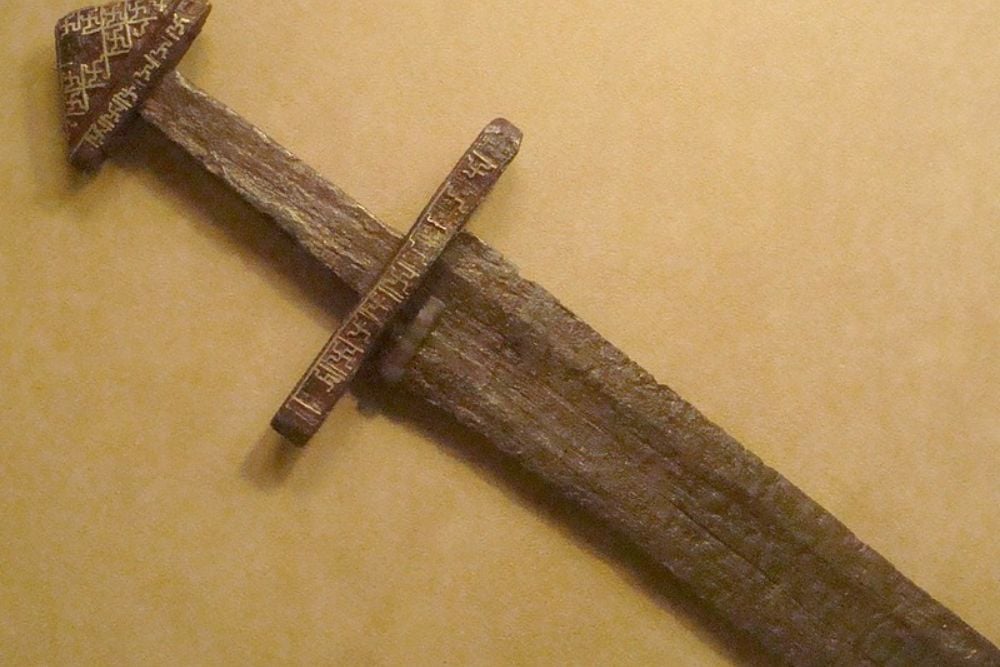
Thousands of miles from Scandinavia, a surprisingly well-preserved Viking sword was discovered in the Moroccan Sahara Desert. With construction techniques resembling those found in Norway, the 10th-century weapon showed unique Norse carvings.
This puzzling find challenges conventional wisdom of Viking expedition patterns by suggesting trade lines reaching significantly more distance than historians had believed.
Roman Coins in Japan
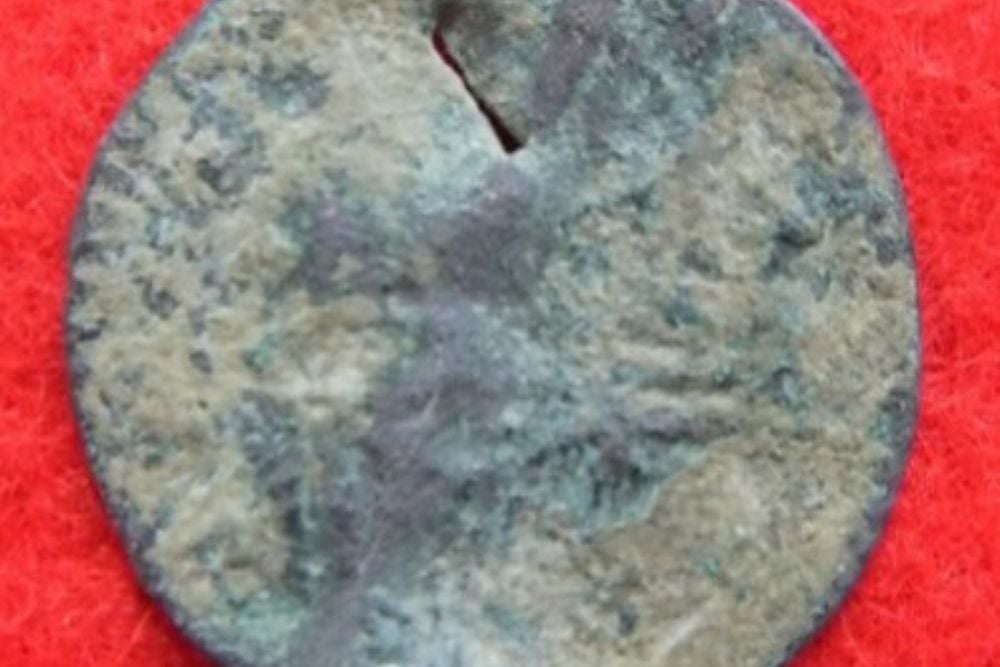
Excavations at a castle site in Okinawa, Japan uncovered several old Roman coins dating back to the 3rd and 4th century. These copper and silver pieces were found by archaeologists working regularly in 2016.
Their presence in Japan suggests trade connections between Rome and East Asia existed long before anyone bothered to write them down — well before official historical records documented such contact.
Egyptian Hieroglyphs in Australia
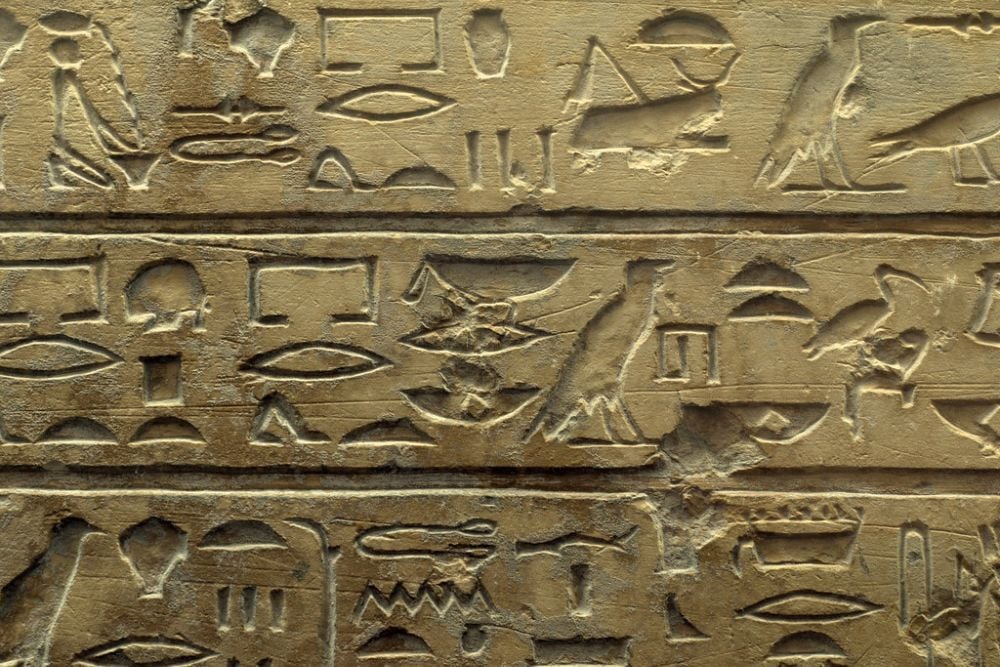
Carved into sandstone formations inside Brisbane Water National Park in Australia, unusual Egyptian-style hieroglyphs were found. Over 250 sculptures resembling ancient Egyptian symbols, the ‘Gosford Glyphs’ are known as such.
Though many scholars insist they’re modern fakes — others argue they might provide evidence of Egyptian seafarers reaching Australia nearly 4,500 years ago.
Medieval Manuscript in Alaska
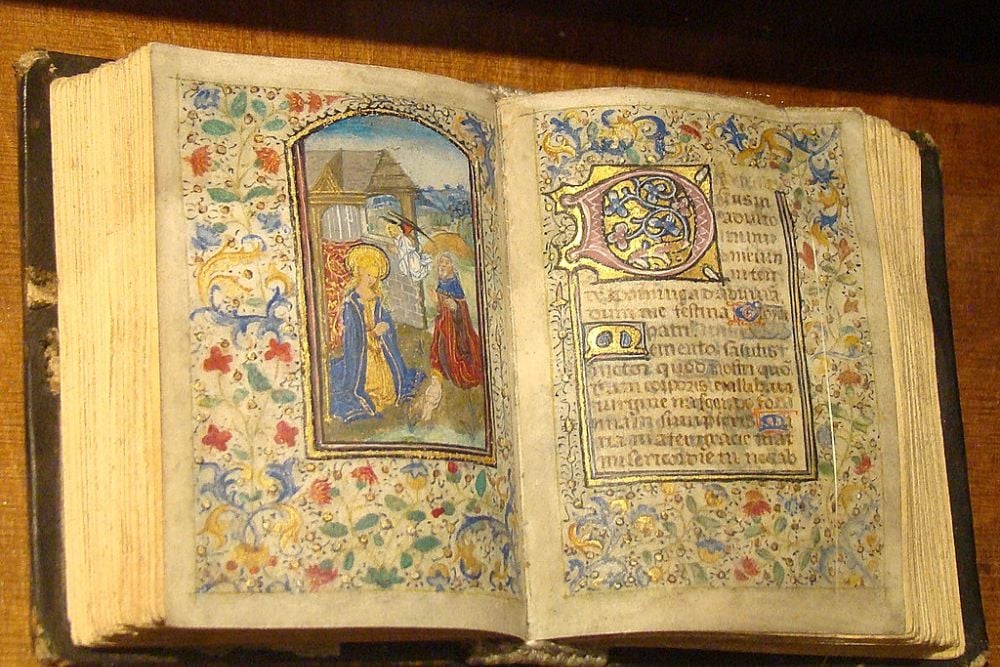
Fragments of a medieval European manuscript dating from the 13th century emerged from the permafrost near Nome, Alaska. The partial text appeared written in Middle English — accompanied by illustrations typical of European illuminated manuscripts.
Researchers theorize it might’ve traveled through a series of complex trades across the Bering Strait, centuries before European colonization officially reached so far north.
Chinese Vase in Roman Ruins
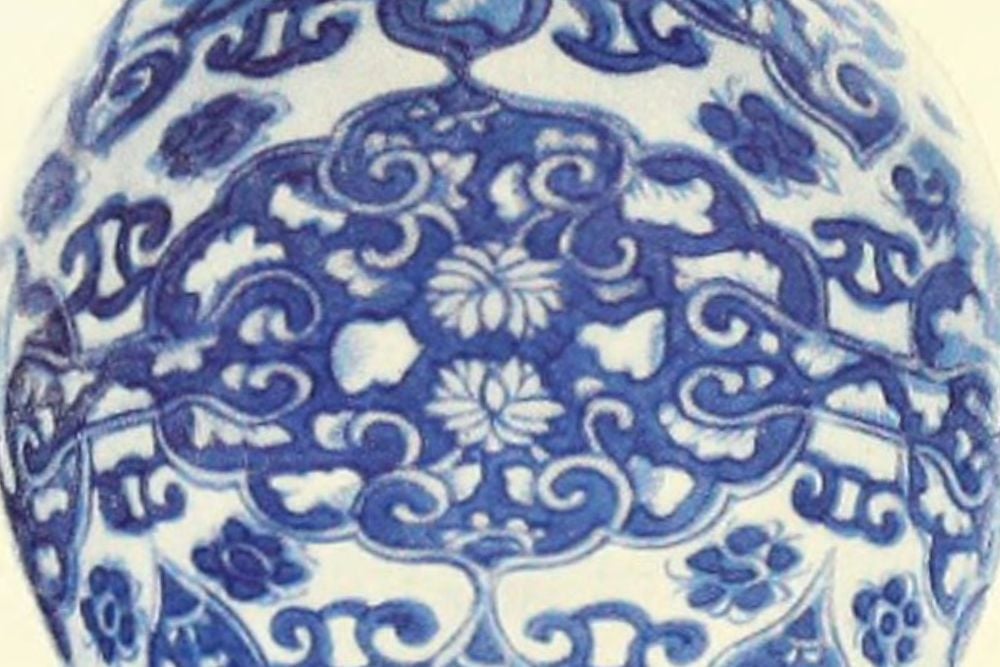
An intact Ming dynasty vase materialized during excavations of a 4th-century Roman villa in southern Spain. The blue and white porcelain dates to approximately 1400 CE — nearly a thousand years after the villa’s abandonment.
Experts concluded it probably arrived through later occupants, or perhaps someone buried it as a precious cache that time simply forgot.
Babylonian Tablet in South America
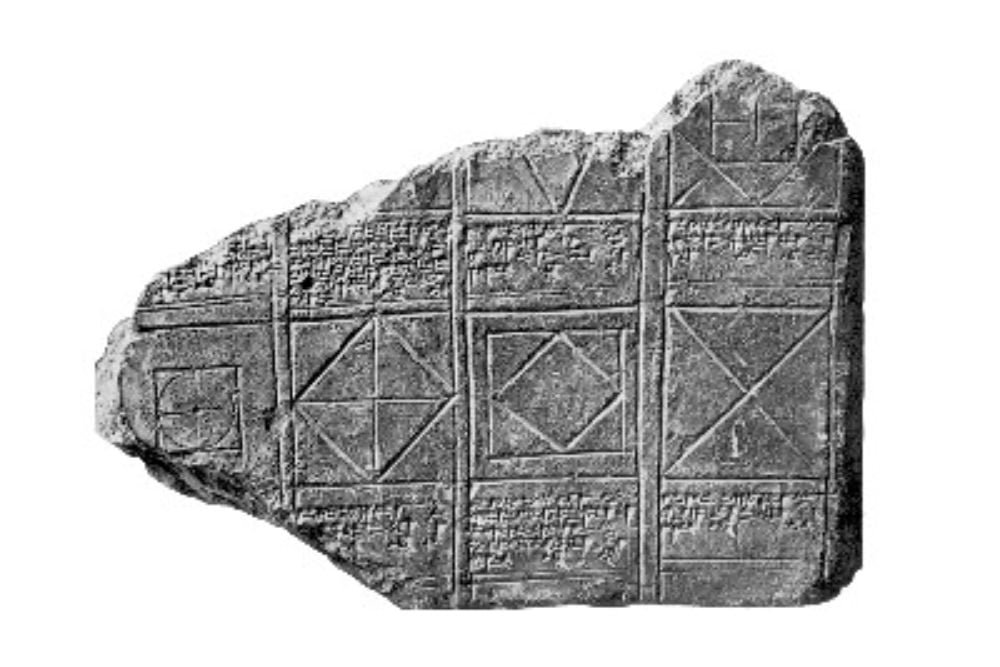
A clay tablet covered with Babylonian cuneiform writing emerged from an ancient tomb near Lake Titicaca in Peru. This tablet — dated to roughly 3000 BCE — contains astronomical observations.
The discovery sparked considerable debate about potential pre-Columbian contact between Mesopotamian and South American civilizations, though skeptical experts suggest it arrived in more recent centuries.
Medieval Knight’s Ring in New Zealand
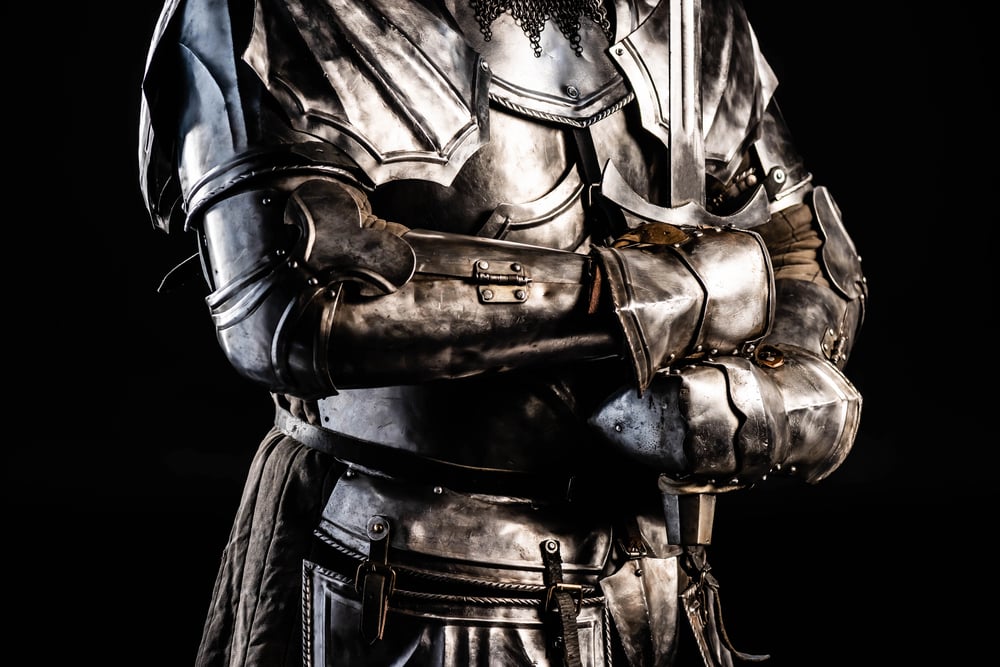
A 14th-century European knight’s signet ring appeared in a riverbed near Wellington, New Zealand. The gold ring displays a family crest traced to a noble house from medieval France — yet it showed up nearly 400 years before Europeans supposedly reached New Zealand.
This peculiar timing raises questions about unrecorded voyages that history books never captured.
Ancient Greek Coin in Native American Settlement
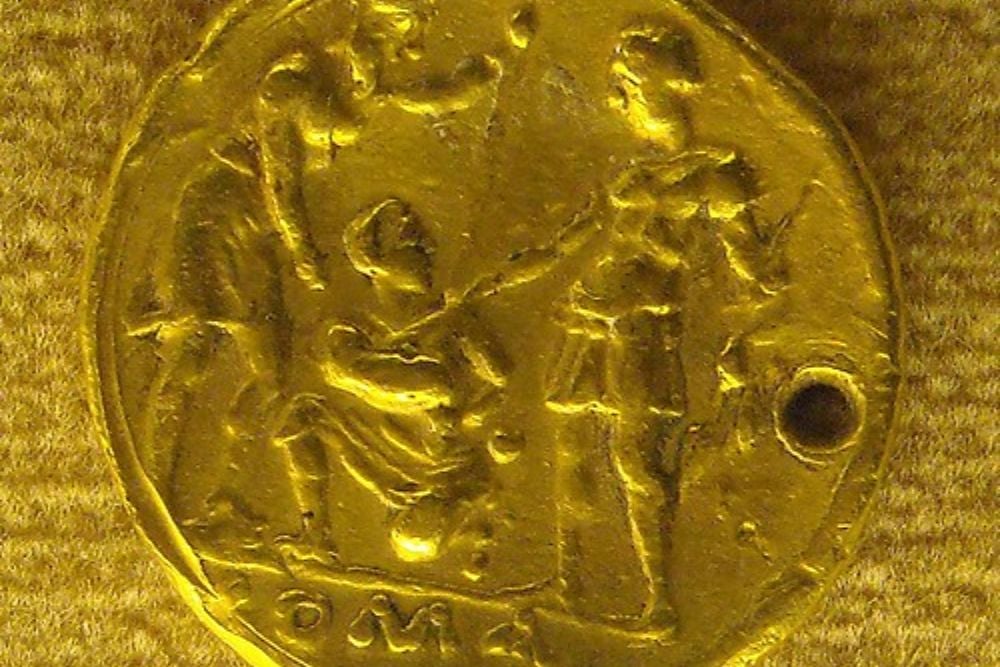
An authentic Greek coin from 300 BCE showed up in archaeological layers of a pre-colonial Native American settlement in Alabama. The silver coin — minted in Athens — lay beneath undisturbed soil dating to the 16th century.
This confounding discovery has prompted theories about early European contact or trade networks stretching much farther than anyone imagined.
Sumerian Artifact in Central America
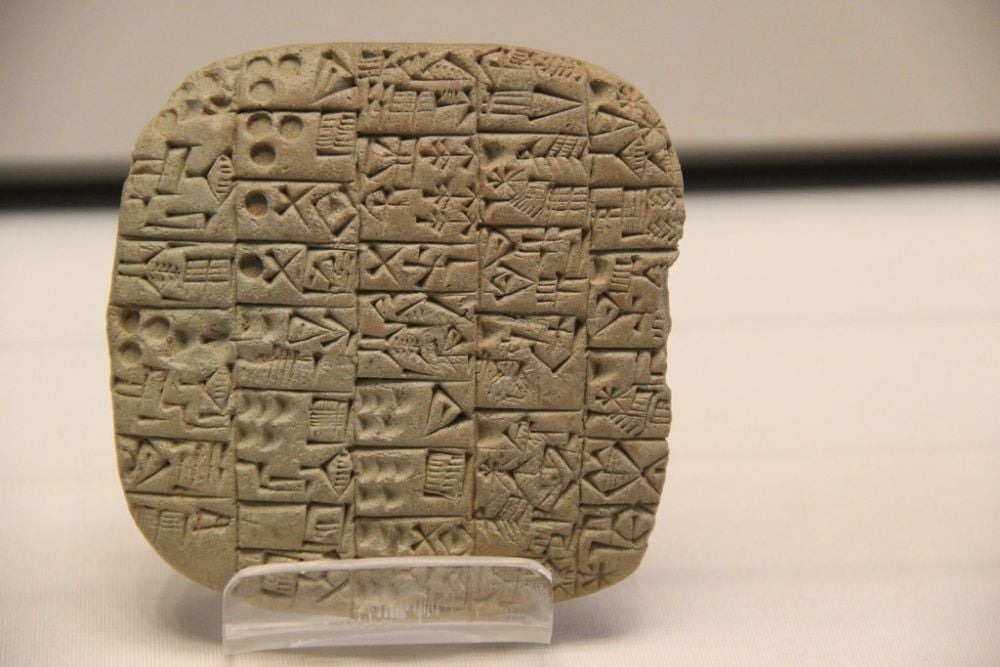
A small stone figurine displaying distinct Sumerian characteristics and writing emerged during excavations of a Mayan temple in Guatemala. The artifact dates to approximately 3500 BCE — thousands of years before any known contact between these distant civilizations.
Some archaeologists suggest ancient seafaring peoples achieved far more impressive feats than current historical records acknowledge.
Australian Aboriginal Tool in Ireland
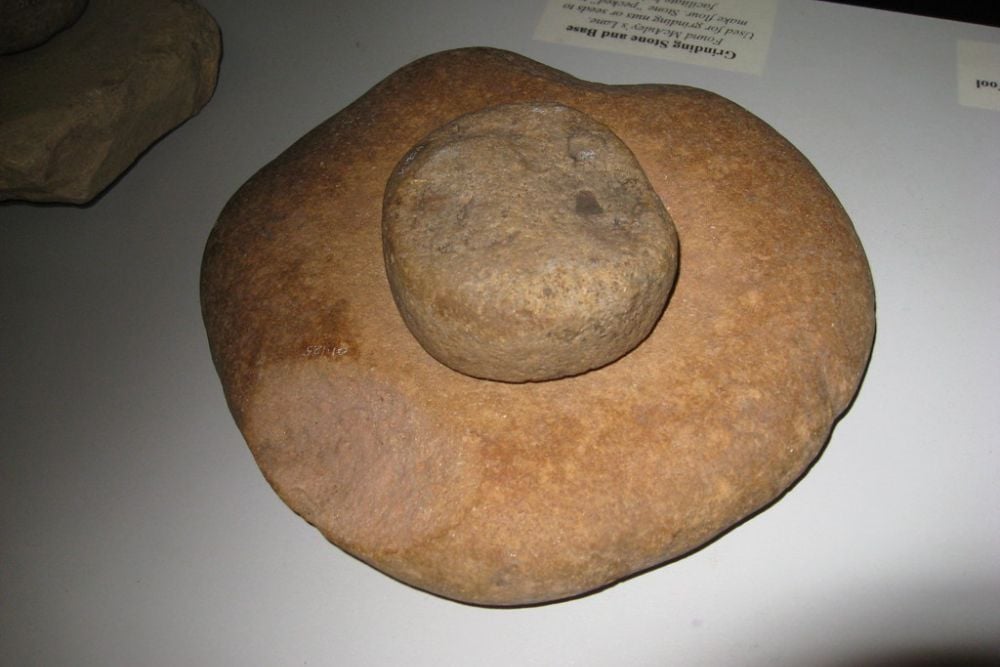
A hunting tool resembling a boomerang, crafted using techniques unique to Australian Aboriginal peoples, turned up in an Irish peat bog. Carbon dating placed the wooden object at roughly 800 years old — leaving archaeologists debating whether similar tools evolved independently or if unknown connections existed between these far-flung cultures.
Persian Pottery in Newfoundland
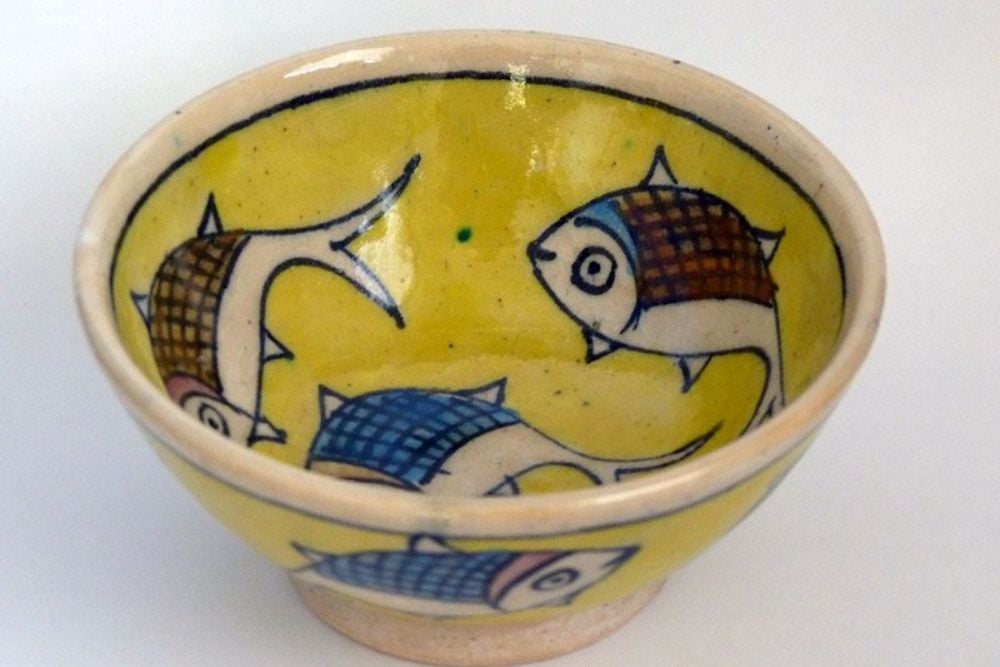
Fragments of Persian ceramic pottery from the 9th century appeared at a Viking settlement site in Newfoundland, Canada. These intricately decorated pieces originated in what is now Iran, thousands of miles from North America.
Such findings suggest Viking trade networks stretched considerably further than previously documented, potentially spanning multiple continents through various trading partners.
Ancient Computer in Mediterranean Shipwreck
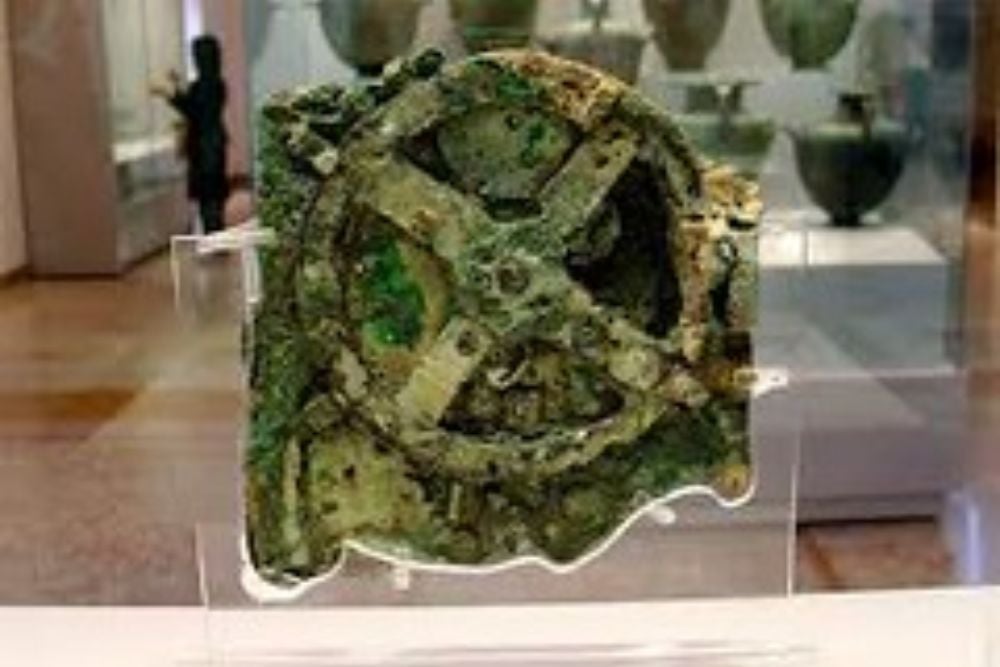
The Antikythera Mechanism, often described as the world’s first analog computer, was recovered from a 2,000-year-old shipwreck near a tiny Greek island. This sophisticated bronze device contained dozens of precisely engineered gears to track astronomical movements with remarkable accuracy.
Its advanced technology appeared a millennium before anything comparable, making its presence on an ordinary merchant vessel particularly perplexing.
African Mask in Medieval Russian Tomb
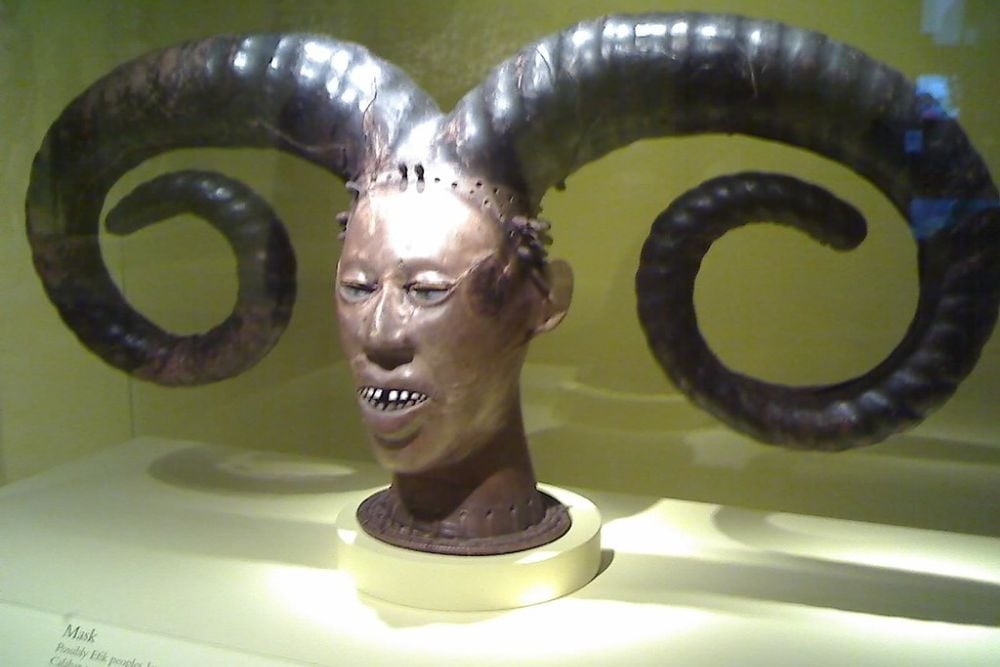
An intricately carved wooden mask showing distinct West African artistic elements surfaced in a 12th-century noble’s tomb in western Russia. The mask’s style matches those produced by craftsmen in what is now Mali and Senegal.
Its presence indicates trade connections between medieval Russia and West Africa that historical records completely failed to document.
Antarctic Ice Core with Ancient Pollen

Ice core samples extracted from deep within Antarctic ice sheets contained pollen from flowering plants that shouldn’t have existed on the continent. The pollen dates back approximately 12 million years ago, when Antarctica was presumed completely frozen.
This discovery has compelled scientists to reconsider climate models and suggests parts of Antarctica may have supported plant life much more recently than previously thought.
Unexpected Connections Through Time
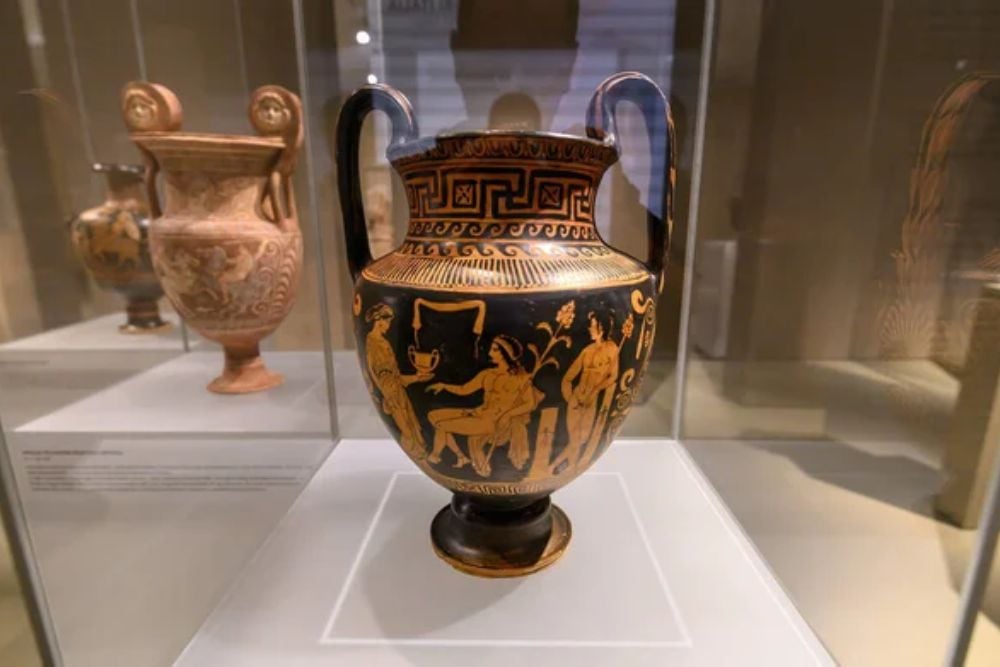
These amazing finds serve to remind us that human history is far more complicated and interconnected than our textbooks usually imply. Despite technology constraints, we can hardly picture overcoming them without contemporary conveniences. Ancient people traveled, traded, and communicated across great distances. Every misplaced item is more than just an object out of context; it is also a component of a bigger historical jigsaw continuously forming.
The next time you read about an archeological discovery that contradicts accepted historical narratives, think about these cases. They are proof that the most interesting parts of human history could be those we haven’t completely written yet—stories of creativity, adventure, and connection across the man-made borders we have drawn around earlier societies.
More from Go2Tutors!

- The Romanov Crown Jewels and Their Tragic Fate
- 13 Historical Mysteries That Science Still Can’t Solve
- Famous Hoaxes That Fooled the World for Years
- 15 Child Stars with Tragic Adult Lives
- 16 Famous Jewelry Pieces in History
Like Go2Tutors’s content? Follow us on MSN.