Fruits That Look Like Vegetables
The produce section of any grocery store presents a familiar arrangement. Vegetables in one area, fruits in another.
But botany doesn’t care about grocery store layouts. Many of the foods you slice into savory dishes, roast for dinner, or toss into salads are actually fruits pretending to be something else.
The distinction comes down to biology. A fruit develops from the flower of a plant and contains seeds.
Everything else—roots, stems, leaves, bulbs—falls into the vegetable category. By this definition, your dinner plate holds more fruit than you realize.
Tomatoes

This one shows up in trivia games constantly, and for good reason. Tomatoes grow from a flower, contain seeds, and meet every botanical requirement for fruit.
Yet they sit in the vegetable aisle, get cooked into sauces, and appear in salads. The confusion runs so deep that the U.S. Supreme Court weighed in back in 1893.
In a case about import taxes, the court ruled tomatoes were vegetables for trade purposes. Biology lost that round to culinary tradition.
But science hasn’t changed its mind. Tomatoes remain fruit no matter what the tariff schedule says.
Cucumbers

That crunchy addition to your salad belongs to the Cucurbitaceae family, making it a close relative of watermelons and cantaloupes. Cucumbers grow from flowers and carry seeds throughout their flesh.
They check every box for fruit classification. The pickle on your sandwich? Also fruit.
Dill pickles, bread and butter pickles, cornichons—all preserved fruit, technically speaking.
Bell Peppers

Every color of bell pepper—green, red, yellow, orange—grows from a flowering plant and contains a cavity full of seeds. The crisp walls you slice for stir-fries and stuff for baking develop from the flower’s ovary.
Hot peppers follow the same rules. Jalapeños, habaneros, serranos, and ghost peppers are all fruits.
Their heat comes from capsaicin, but their classification comes from basic plant biology. The entire pepper family belongs firmly in the fruit category.
Eggplant
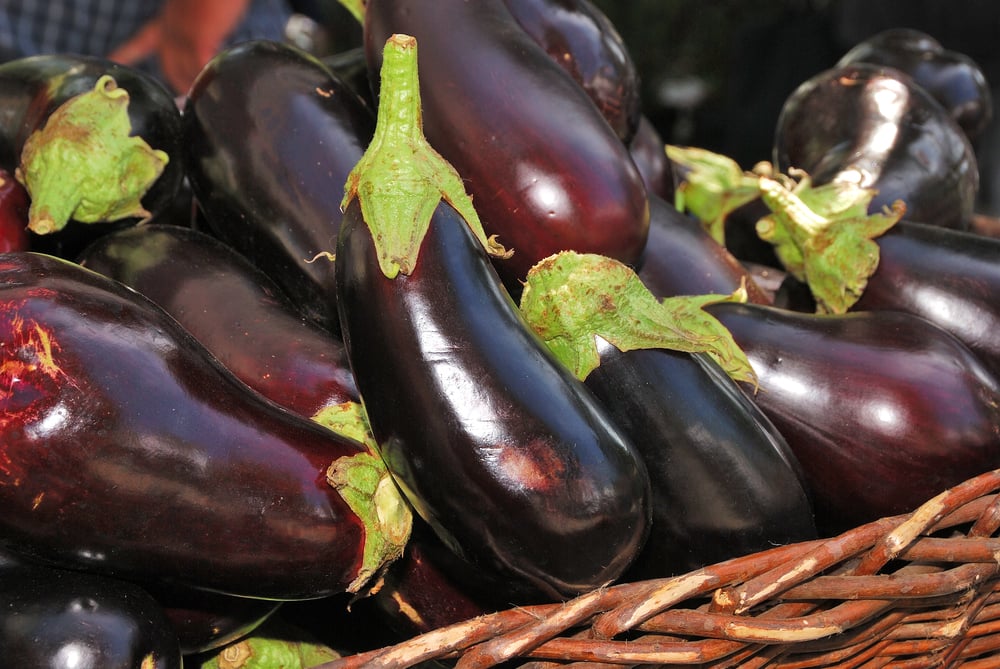
The glossy purple skin hides a fruit identity. Eggplants form from flowers with delicate purple petals and yellow centers.
Inside, the flesh contains numerous small seeds that would grow new plants under the right conditions. Eggplants belong to the nightshade family alongside tomatoes and peppers.
While potatoes share the same family tree, they’re tubers growing underground from stems, making them actual vegetables. Eggplants get no such exemption.
Zucchini

Summer squash of all types count as fruit. Zucchini grows from bright yellow flowers that some cuisines batter and fry as a delicacy.
The vegetable that emerges contains seeds and develops directly from the flower’s reproductive structure. This classification extends across the squash family.
Yellow squash, pattypan squash, and crookneck squash all qualify as fruit by the same standard.
Pumpkins
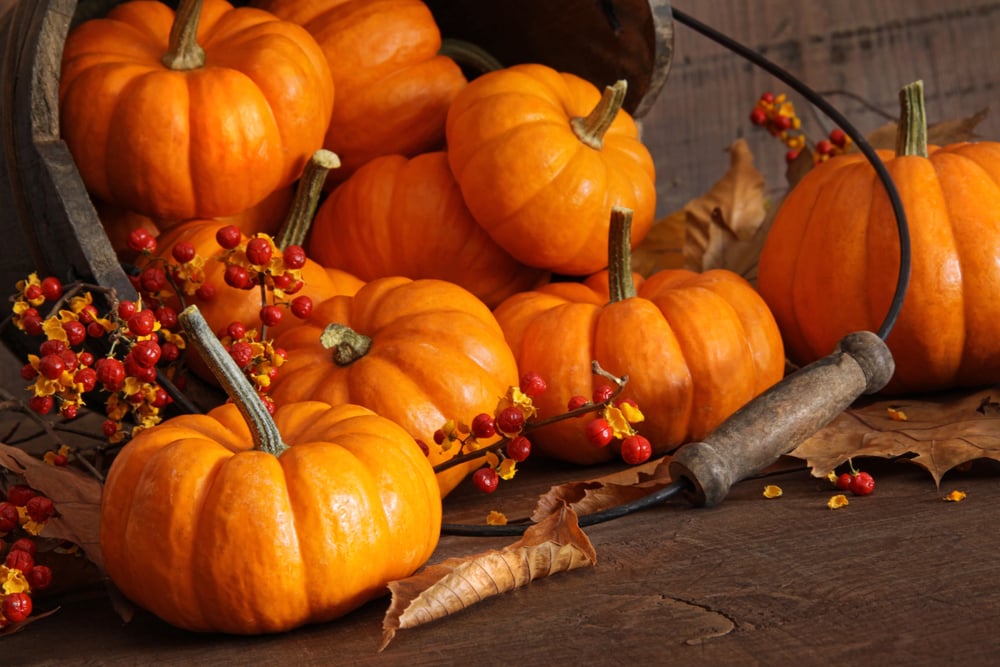
The orange symbols of autumn grow from sprawling vines that produce large yellow-orange flowers. Cut open a pumpkin and you’ll find a cavity packed with seeds—the same seeds people roast and salt for snacking.
Pumpkin pie, pumpkin soup, and pumpkin bread all use fruit as their base ingredient. The botanical truth just doesn’t fit the seasonal marketing.
Butternut Squash

Winter squashes get the same classification as their summer cousins. Butternut squash develops from a flower and contains a seed cavity at one end.
Acorn squash, spaghetti squash, delicata, and kabocha all fall into the fruit category for identical reasons. The hard rinds and dense flesh that make winter squashes ideal for roasting don’t change their fundamental biology.
Avocados

The creamy green flesh comes from a tree that produces small yellowish flowers. Each avocado develops from a single flower and wraps around a large seed.
Botanically, avocados qualify as berries—specifically, large single-seeded berries. Their savory applications in guacamole, toast, and sushi rolls mask a fruit identity that’s been hiding in plain sight.
Olives

The small drupes that get pressed into oil or cured for eating grow from olive tree flowers. Each olive contains a pit, which is technically a seed surrounded by a hard shell.
This structure places olives in the same botanical category as cherries and peaches. Every drizzle of olive oil and every olive on a pizza comes from fruit, not vegetables.
Green Beans
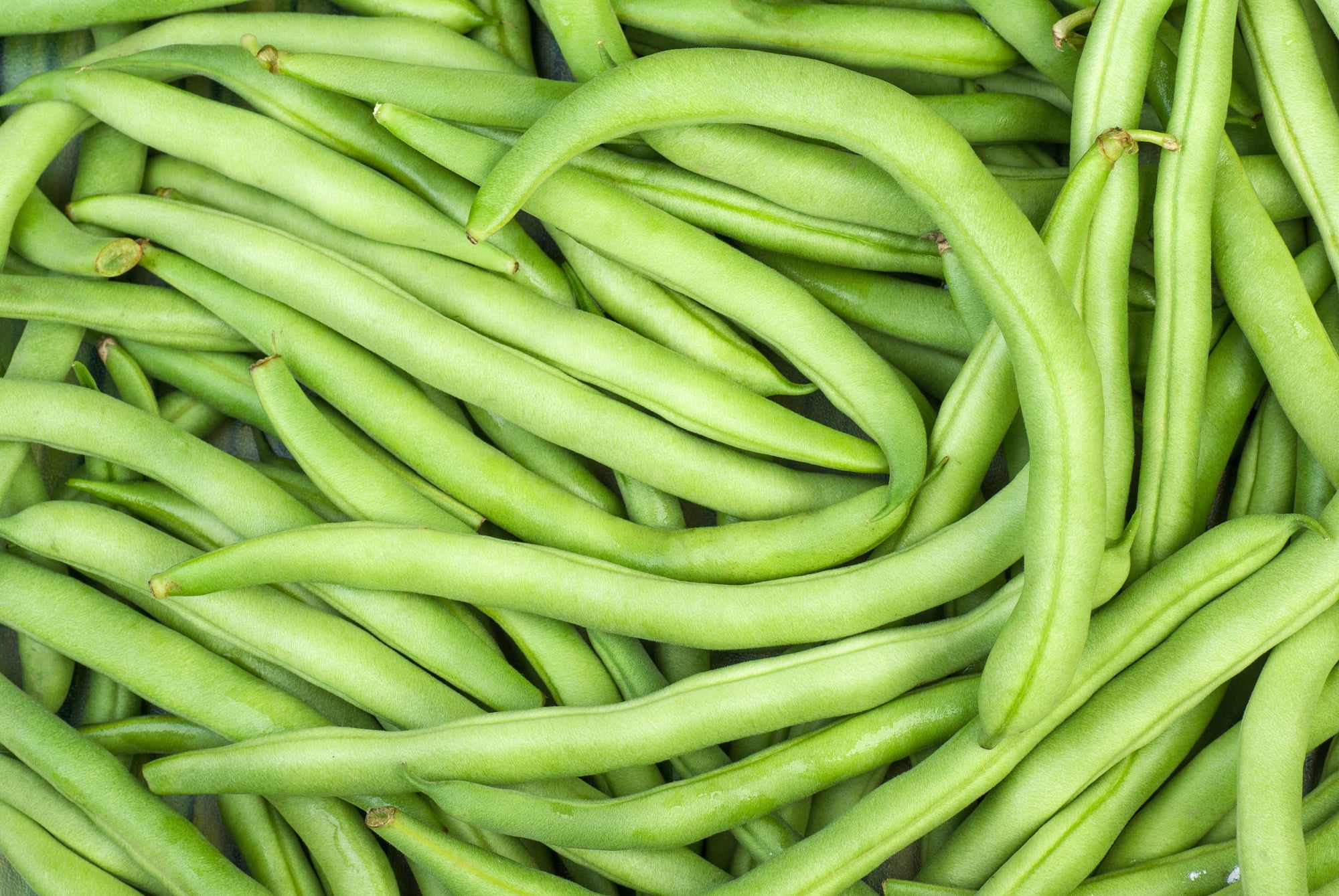
The entire pod you snap and cook contains seeds that would grow into new bean plants. Green beans develop from the white or purple flowers of the bean plant, meeting the definition of fruit perfectly.
String beans, snap beans, wax beans, haricots verts—all fruit by botanical standards. The pods get harvested young, before the seeds inside fully mature, but the classification remains the same.
Peas
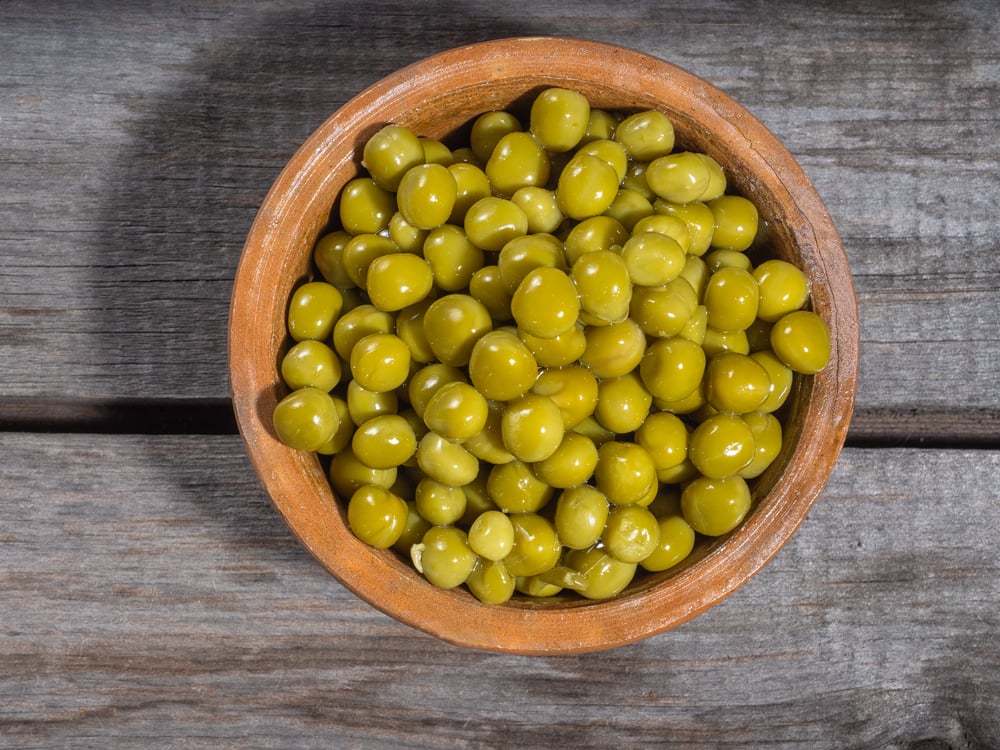
Those sweet green spheres inside a pod are seeds, and the pod itself is the fruit. Peas grow from flowers and exist specifically to protect and distribute seeds.
Snow peas and sugar snap peas, eaten pod and all, put the fruit directly on your fork. The same logic applies to other legume pods.
Fava beans, lima beans, and edamame all grow as fruit even though kitchens treat them as vegetables.
Okra
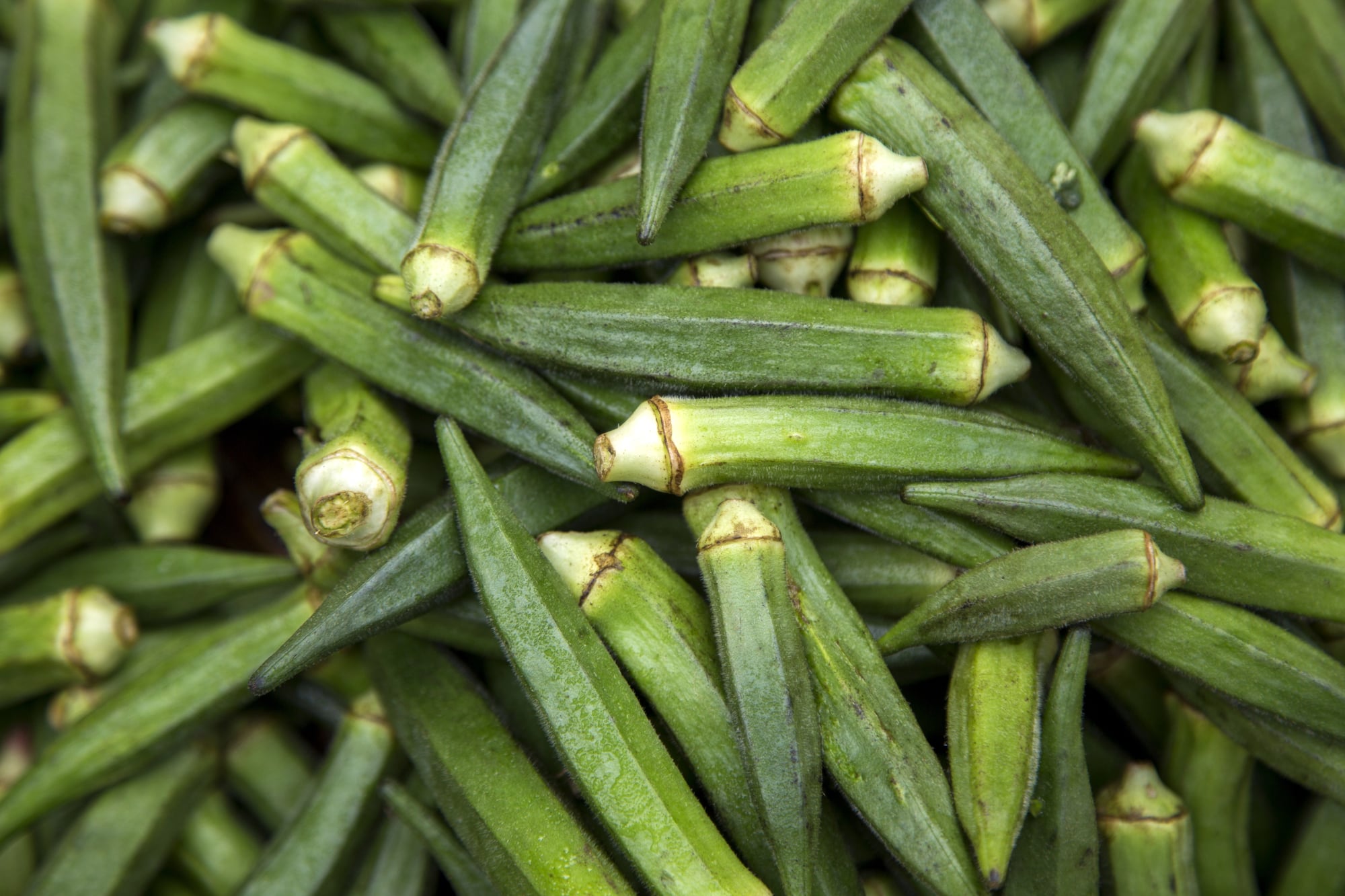
The tapered green pods that thicken gumbo and get fried crispy in Southern cooking grow from flowers in the mallow family. Slice open an okra pod and you’ll find rows of small round seeds embedded in mucilaginous flesh.
The flowering plant produces fruit. The culinary world calls it a vegetable.
Both statements remain simultaneously true depending on who’s doing the defining.
Corn
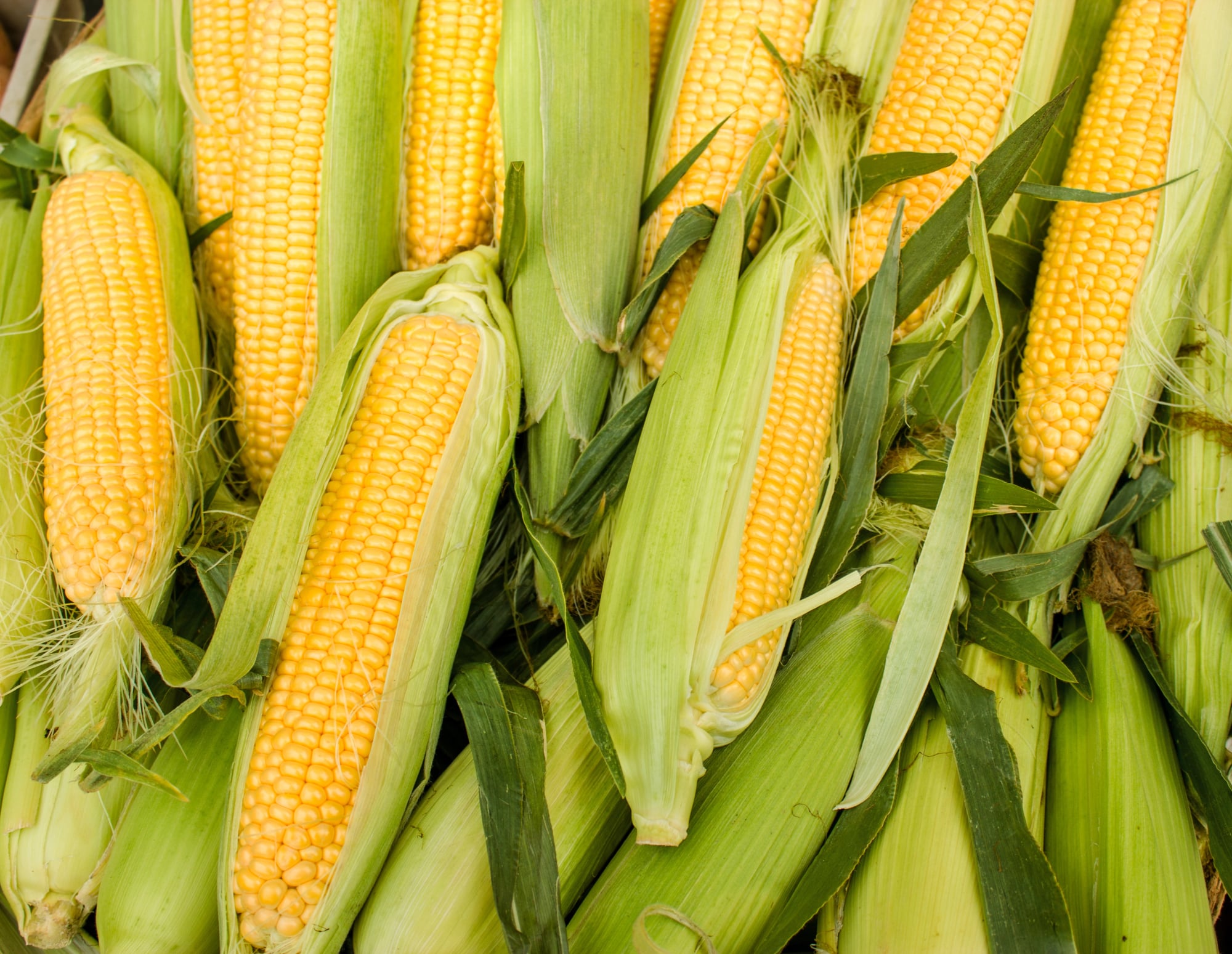
Each kernel on a cob qualifies as an individual fruit, with the seed fused directly to the outer layer. The whole cob develops from the silks and tassels that emerge when corn plants flower.
What looks like a vegetable served at summer cookouts is actually a collection of hundreds of tiny fruits. Cornmeal, popcorn, and corn on the cob all come from fruit.
Regardless of which aisle the grocery store assigns them to.
The Language Problem

A tomato might be a fruit in the lab yet treated like a vegetable in the kitchen. Because biology looks at seeds and flowers, while meals care about sweetness or saltiness.
One follows growth patterns, the other considers what pairs well on a plate. Each view fits its own world without needing to match the other.
Taste decides dessert or dinner, not biology. What’s sweet lands among sweets; what’s sharp sits on savory plates.
Plants pay no mind to human menus. They do their thing – grow, bloom, set seed.
Those juicy coverings around seeds? Every bit of fruit by science’s standards.
Your next salad might surprise you with how much fruit it holds. That works well enough.
Bin tags at markets never alter what nature grows. They simply help folks shop without studying plant science first.
More from Go2Tutors!

- The Romanov Crown Jewels and Their Tragic Fate
- 13 Historical Mysteries That Science Still Can’t Solve
- Famous Hoaxes That Fooled the World for Years
- 15 Child Stars with Tragic Adult Lives
- 16 Famous Jewelry Pieces in History
Like Go2Tutors’s content? Follow us on MSN.