18 Cultural Gifts That Created Unlikely Traditions
Throughout history, the exchange of gifts between cultures has sparked fascinating traditions that continue to thrive today. When one civilization presents another with something new—whether a food, technology, or concept—the receiving culture often adapts it in unexpected ways, creating something entirely fresh and unique to their own identity.
Here is a list of 18 cultural gifts that evolved into surprising traditions, showing how cross-cultural exchanges have shaped societies around the world in ways the original gift-givers could never have imagined.
Venetian Glass in Japan
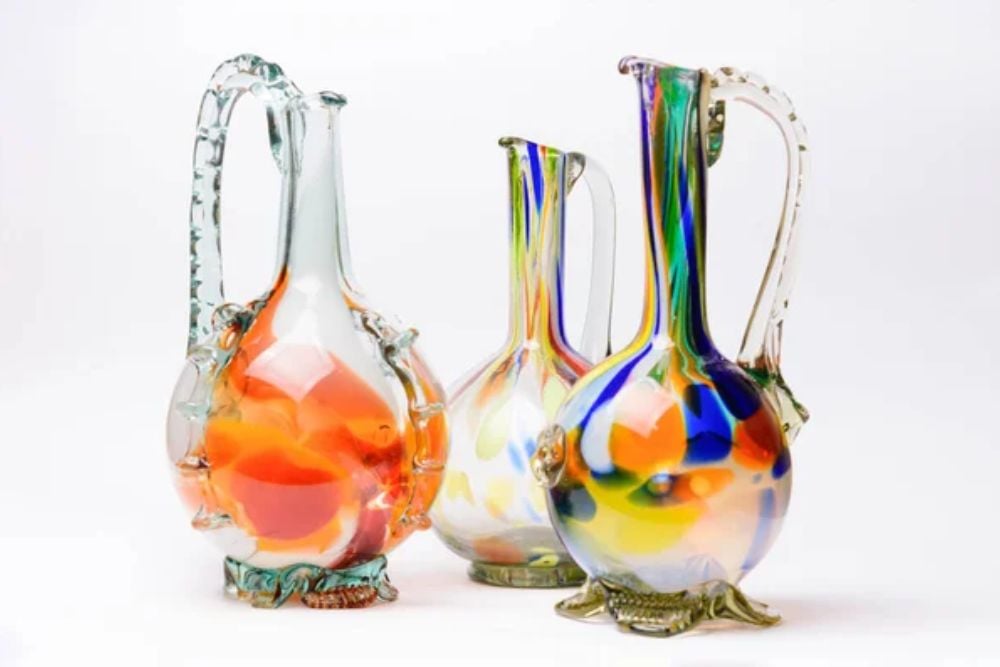
When European traders presented decorative glass to Japanese nobility in the 16th century, they couldn’t have predicted it would transform into the delicate art of Edo Kiriko. Japanese artisans adapted Western glassmaking techniques to create their own distinctive style featuring deep cutting patterns and vibrant colors.
Today, this fusion craft represents a perfect marriage of European materials and Japanese precision, with master craftsmen still producing pieces using techniques that evolved from that initial cultural exchange.
Coffee in Sweden

The Arabs introduced coffee to Europe, but Swedes turned it into ‘fika,’ a cultural institution that goes far beyond a simple coffee break. This daily ritual involves stepping away from work to enjoy coffee with pastries and meaningful conversation with colleagues or friends.
The tradition has become so ingrained in Swedish culture that many companies mandate fika breaks, recognizing their importance for workplace wellbeing and productivity rather than viewing them as lost working time.
Like Go2Tutors’s content? Follow us on MSN.
Pasta in Italy
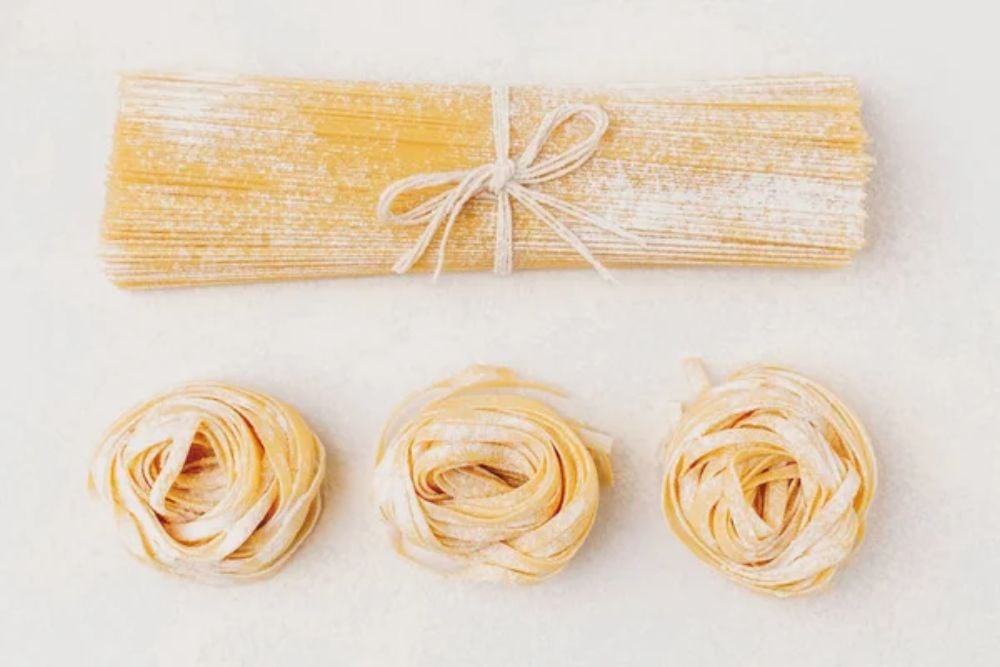
Despite popular belief, pasta wasn’t invented in Italy but likely came from China through Arab traders in the Middle Ages. Italians transformed this borrowed concept into hundreds of regional varieties, each paired with specific sauces according to strict culinary rules.
The dedication to pasta has become so profound that entire regions define their cultural identity through their signature pasta shapes and preparations, showing how thoroughly a borrowed food can become central to a nation’s cultural identity.
Chess in Russia

Chess arrived in Russia from India via Persia and became more than just a game—it evolved into a national obsession and symbol of intellectual prowess. During the Soviet era, the government invested heavily in chess education, establishing specialized schools and elevating chess champions to celebrity status.
The game became so politically significant that Cold War tensions often played out symbolically across the chessboard in high-profile international matches.
Gunpowder in Europe

When gunpowder traveled west from China, Europeans adapted it not only for warfare but also for celebratory fireworks displays. These explosive celebrations became integral to European festival traditions, with countries developing their own signature styles.
The annual fireworks competition in Monte Carlo and the spectacular displays of Valencia’s Las Fallas festival demonstrate how military technology evolved into an art form expressing cultural identity and community pride.
Like Go2Tutors’s content? Follow us on MSN.
Chocolate in Switzerland

Cacao beans from Mesoamerica found their way to Europe as bitter drinks for the elite, but Swiss chocolatiers transformed them into the smooth, creamy confections we know today. The Swiss innovation of adding milk and perfecting conching techniques revolutionized chocolate production worldwide.
This adopted food became so central to Swiss identity that the average Swiss citizen consumes nearly 20 pounds of chocolate annually, and chocolate-making has become a point of national pride.
Blue Denim in Japan

When American blue jeans reached Japan after World War II, local craftsmen began studying and perfecting the fabric and construction techniques. Japanese denim makers now produce some of the world’s most sought-after jeans using traditional shuttle looms and natural indigo dyes.
The dedication to preserving traditional American manufacturing methods that Americans themselves abandoned has created an unexpected tradition of Japanese denim craftsmanship that enthusiasts worldwide consider superior to the original.
Tea in Britain

Though tea originated in China, the British elevated it to a cultural cornerstone with elaborate rituals and social customs. Afternoon tea developed its own etiquette, specialized tableware, and distinct food pairings that remain quintessentially British.
The tradition became so embedded in British identity that tea consumption served as a patriotic act during wartime, with the government taking extraordinary measures to maintain tea supplies even during the darkest days of World War II.
Like Go2Tutors’s content? Follow us on MSN.
German Christmas Trees in America

German immigrants brought the tradition of decorated evergreen trees to America in the 1800s, but Americans transformed it with distinctive flourishes like popcorn garlands and themed ornaments. The tradition expanded beyond its religious origins to become a centerpiece of American holiday decorating across faiths and cultures.
The iconic Rockefeller Center Christmas tree and the National Christmas Tree lighting ceremony have evolved into nationally significant events that mark the season for millions of Americans.
Greek Philosophy in Islamic Culture
When ancient Greek philosophical texts were translated into Arabic during the Islamic Golden Age, Muslim scholars didn’t simply preserve these works—they developed them into new schools of thought. Islamic intellectuals built upon Greek foundations to create advances in medicine, astronomy, and mathematics that would later fuel the European Renaissance.
This intellectual exchange created a tradition of scientific inquiry and philosophical debate that flourished in Baghdad, Cairo, and Cordoba while much of Europe was experiencing the Dark Ages.
Halloween in Mexico
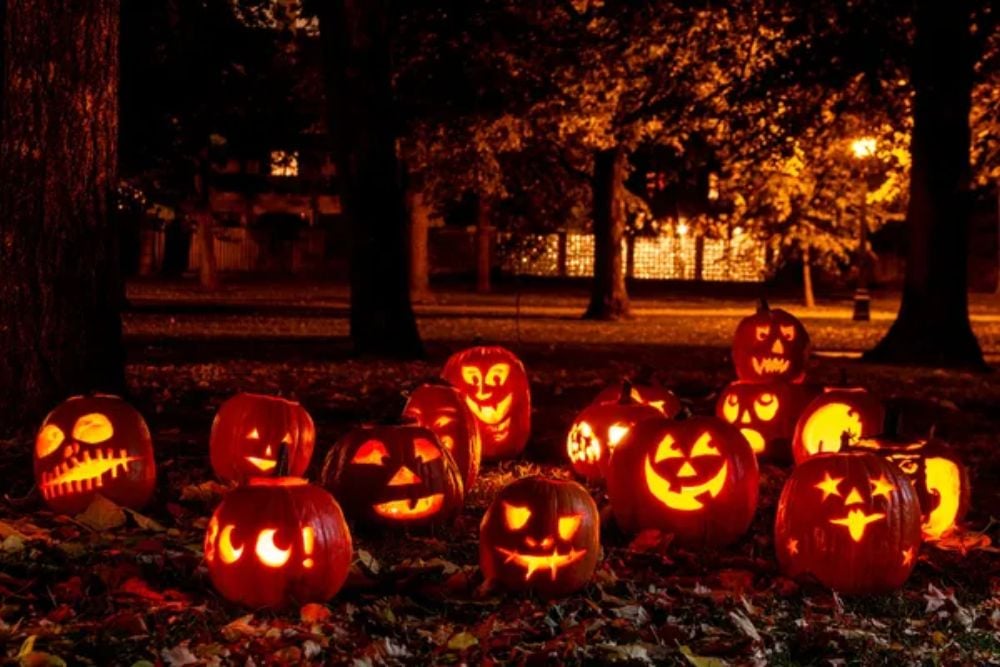
The Celtic autumn festival that evolved into Halloween merged with indigenous Mexican traditions to create Día de los Muertos, a vibrant celebration honoring deceased loved ones. Unlike Halloween’s focus on fear, this Mexican tradition emphasizes joyful reunion with ancestors through colorful ofrendas (altars), sugar skulls, and marigold-lined paths.
The celebration has become so culturally significant that UNESCO recognized it as Intangible Cultural Heritage of Humanity in 2008.
Like Go2Tutors’s content? Follow us on MSN.
K-Pop in Peru

When Korean pop music reached Peru, local fans didn’t just consume it passively—they created a uniquely Peruvian K-pop dance culture. Hundreds of dance groups now perform in Lima’s parks every weekend, blending Korean choreography with Latin influences.
These gatherings have evolved beyond simple fan activities into community-building events that bring together Peruvians from different social backgrounds who might otherwise never interact, demonstrating how imported entertainment can create new social traditions.
Portuguese Language in Brazil

Portuguese colonizers brought their language to Brazil, but Brazilians transformed it with indigenous and African influences, creating Brazilian Portuguese. This linguistic evolution includes unique vocabulary, distinctive pronunciation, and grammatical variations that make it immediately distinguishable from European Portuguese.
The language has become a vehicle for distinctly Brazilian cultural expressions like samba lyrics and literature that capture the country’s unique history and perspectives.
Baseball in Japan
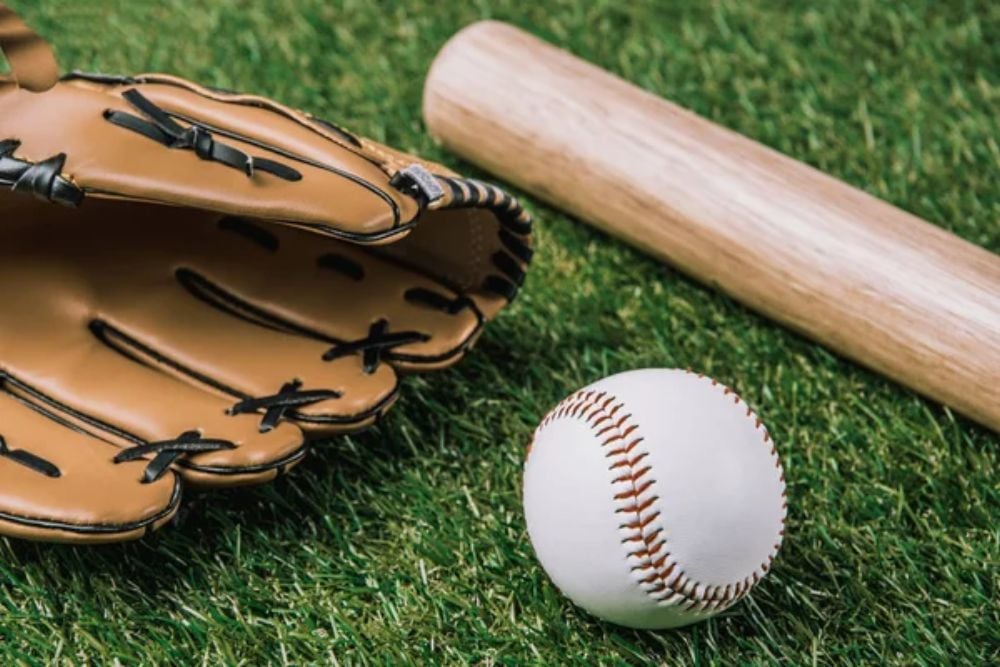
Americans introduced baseball to Japan in the 1870s, but Japanese culture adapted it with distinctive training methods, fan traditions, and team philosophies. Japanese baseball emphasizes discipline and teamwork through practices like morning meditation and year-round training regimens.
The tradition of organized cheering sections with synchronized chants, drums, and trumpets creates an atmosphere entirely different from American ballparks, showing how thoroughly a sport can be transformed by its new cultural context.
Like Go2Tutors’s content? Follow us on MSN.
French Cuisine in Vietnam
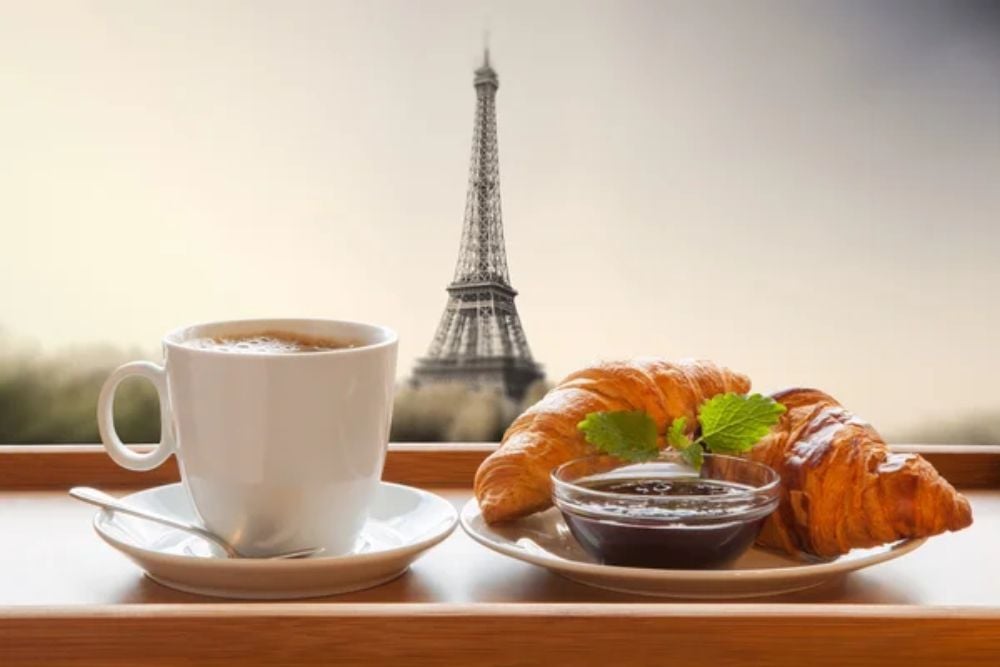
French colonialism left behind culinary influences that Vietnamese cooks ingeniously incorporated into their own food traditions. The bánh mì sandwich combines a French baguette with Vietnamese fillings and condiments to create something entirely new.
Coffee culture also took root, with Vietnam developing its own preparation methods using sweetened condensed milk—a practical adaptation when fresh milk was scarce—creating a distinctive coffee tradition that’s now famous worldwide.
African Rhythms in American Music

Enslaved Africans brought their musical traditions to America, where these rhythms and call-and-response patterns evolved into blues, jazz, and eventually rock and roll. What began as cultural preservation under oppressive conditions transformed American music completely.
These African-derived traditions created new musical forms that would eventually circle the globe, influencing musicians from Liverpool to Tokyo and becoming central to American cultural identity and export.
Indian Curry in Britain
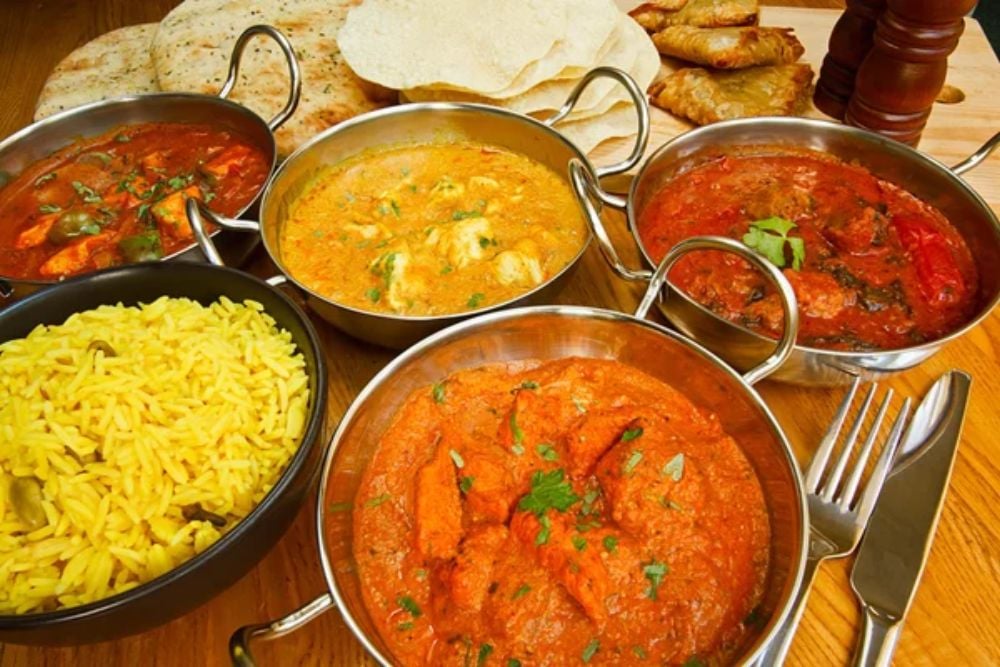
Spices and cooking techniques from colonial India transformed British food culture, with curry becoming as much a British national dish as fish and chips. The adaptation created distinctly British versions like chicken tikka masala—reportedly invented in Glasgow—that bear little resemblance to anything served in India.
National curry competitions and dedicated curry restaurants in every British town demonstrate how thoroughly this adopted cuisine has been woven into everyday British life.
Like Go2Tutors’s content? Follow us on MSN.
American Fast Food in the Philippines

When American fast food chains arrived in the Philippines, locals embraced them but added distinctly Filipino touches. Jollibee, a local chain that outperforms McDonald’s in the Philippines, serves spaghetti sweetened with banana ketchup alongside fried chicken.
Fast food birthday parties have become significant cultural celebrations with elaborate packages, mascot appearances, and special Filipino menu items that would surprise American fast food customers.
Cultural Exchanges That Shape Our World
The journey of these cultural gifts shows us that traditions rarely develop in isolation. What makes cultural practices meaningful isn’t their “purity” but how communities adapt outside influences to express their own values and circumstances.
These 18 examples demonstrate that some of our most cherished traditions began as foreign imports, transformed through human creativity into something new and distinctive. As global exchange accelerates in our connected world, we’re witnessing the birth of countless new traditions that future generations may come to cherish as timeless parts of their cultural heritage.
More from Go2Tutors!

- 16 Restaurant Chains That Went Too Fast
- 12 Things Sold in the 80s That Are Now Illegal
- 15 Strange Things People Have Tried to Ban (And Failed)
- 16 Collectibles People Tossed Out Too Soon
- 17 Myths from Your Childhood That Were Actually Based on Real Things
Like Go2Tutors’s content? Follow us on MSN.