Historic Estates Still Owned by Old Dynasties
Some families simply cannot let go. A small number of aristocratic estates are still owned by the same family that founded them, despite the fact that the majority have changed hands over the centuries due to war, debt, or plain bad luck.
These are not government-owned artifacts or items for museums. In addition to overseeing properties their families have possessed for hundreds of years, actual descendants continue to walk the corridors their forefathers created.
As remarkable as the estates themselves are the tales of how these dynasties survived. Regardless of whether the buildings were rebuilt or restored, all dates of ownership refer to continuous lineage.
Thirteen historic estates that are still owned by ancient dynasties are listed below.
Alnwick Castle
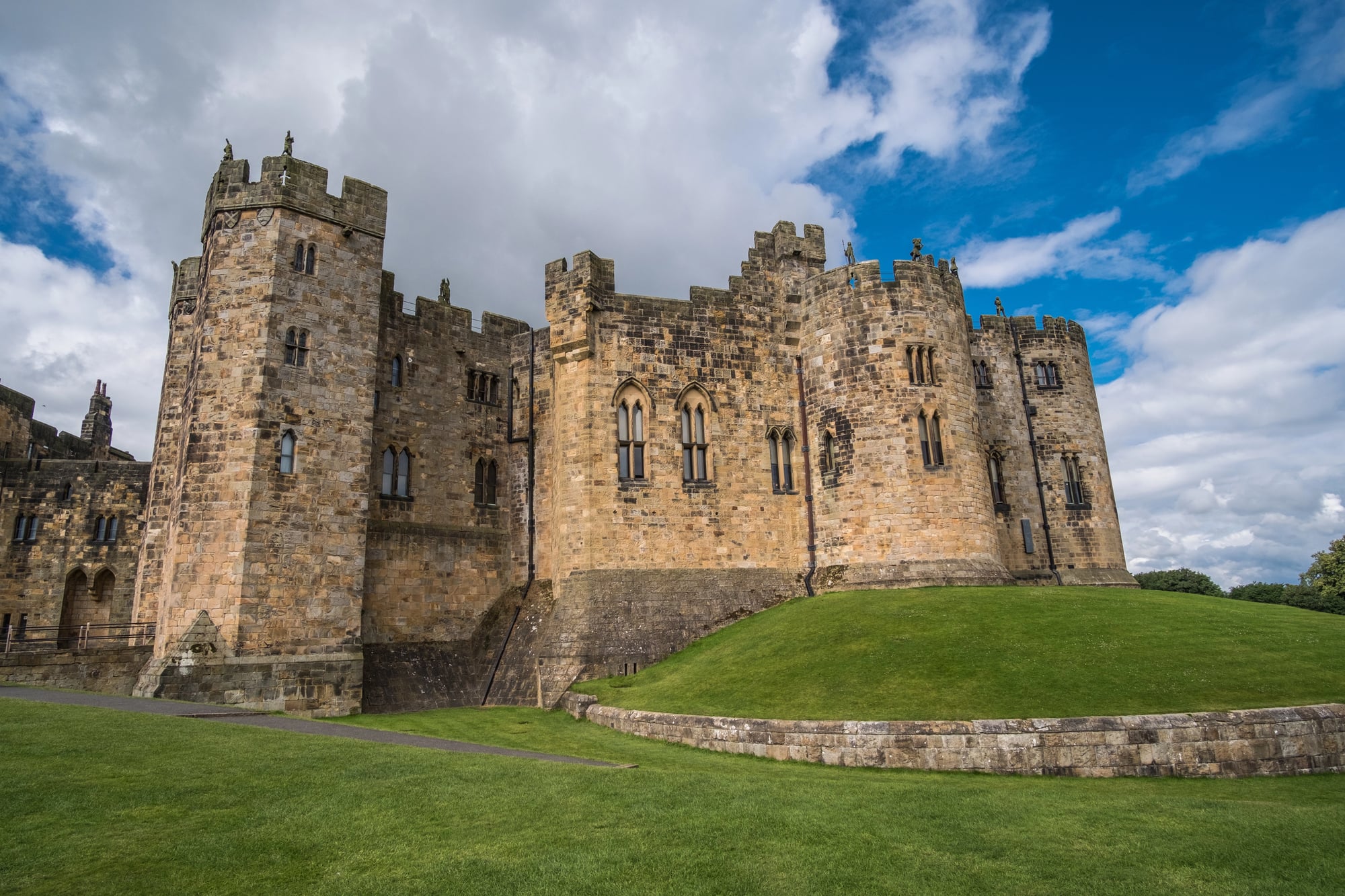
The Percy family has called this Northumberland fortress home since 1309, making it over 700 years of continuous ownership. The early structure actually dates from the 11th century, but the Percys acquired it in 1309 and never let go.
That’s not just impressive on paper—it means Ralph Percy, the 12th Duke of Northumberland, lives in the same castle his medieval ancestors defended against Scottish raiders. The place started as a basic military outpost on the Scottish border.
Over the centuries, each generation added their own touches, turning a rough border fort into one of England’s most stunning castles. You might recognize it from the Harry Potter films, where it doubled as Hogwarts.
The Percy family archive, dating back to the 1300s, sits right there in the castle and gets consulted by historians studying medieval England.
Highclere Castle
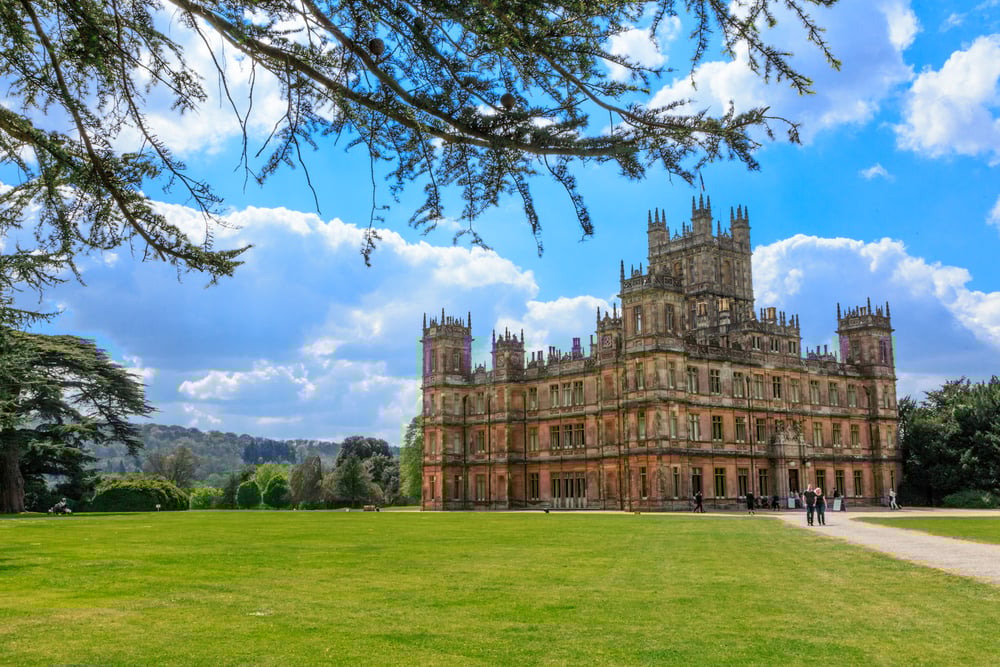
Since 1679, the Carnarvon family has owned this Hampshire estate, though the current Earl is the 8th to hold the title. Most people know it better as the setting for Downton Abbey, that wildly popular TV series.
The real-life castle actually shares some history with the show—during World War I, the 5th Countess of Carnarvon converted it into a hospital for wounded soldiers, complete with an operating room. The 5th Earl made headlines when he funded Howard Carter’s excavation that discovered Tutankhamun’s tomb in 1922, and Egyptian artifacts from that expedition still fill the castle’s cellars.
Today, the 8th Earl and his wife Lady Fiona run the estate as a working business, opening it to visitors and even producing Highclere Castle Gin, launched in 2019 using botanicals from the grounds.
Berkeley Castle
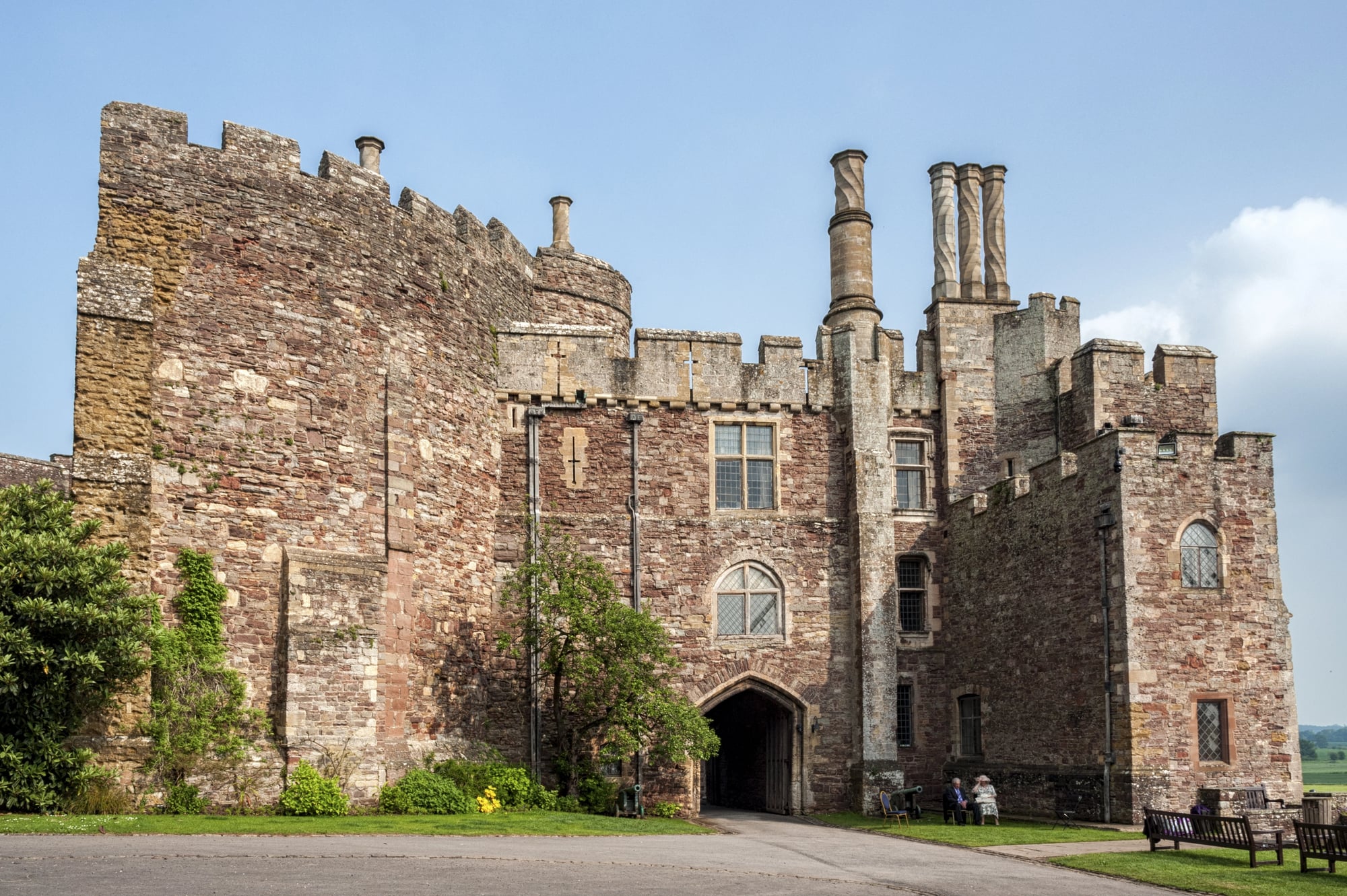
This Gloucestershire castle belongs to the Berkeley family, one of only two English noble families who can trace their lineage straight back to Anglo-Saxon lords before the Norman conquest in 1066. They’ve held it since the 1150s, making it one of the oldest continuously inhabited family castles in England.
The architecture hasn’t changed much since the 1400s, which is rare—most castles got renovated into fancy manor houses once cannon made thick walls obsolete. King Edward II was allegedly murdered here in 1327, though that tradition is disputed by historians.
The castle’s last court jester, Dickie Pearce, died in the 1700s after falling from the minstrels’ gallery. During the English Civil War, parliamentary forces breached the walls with cannons, and you can still see the damage today.
Eltz Castle
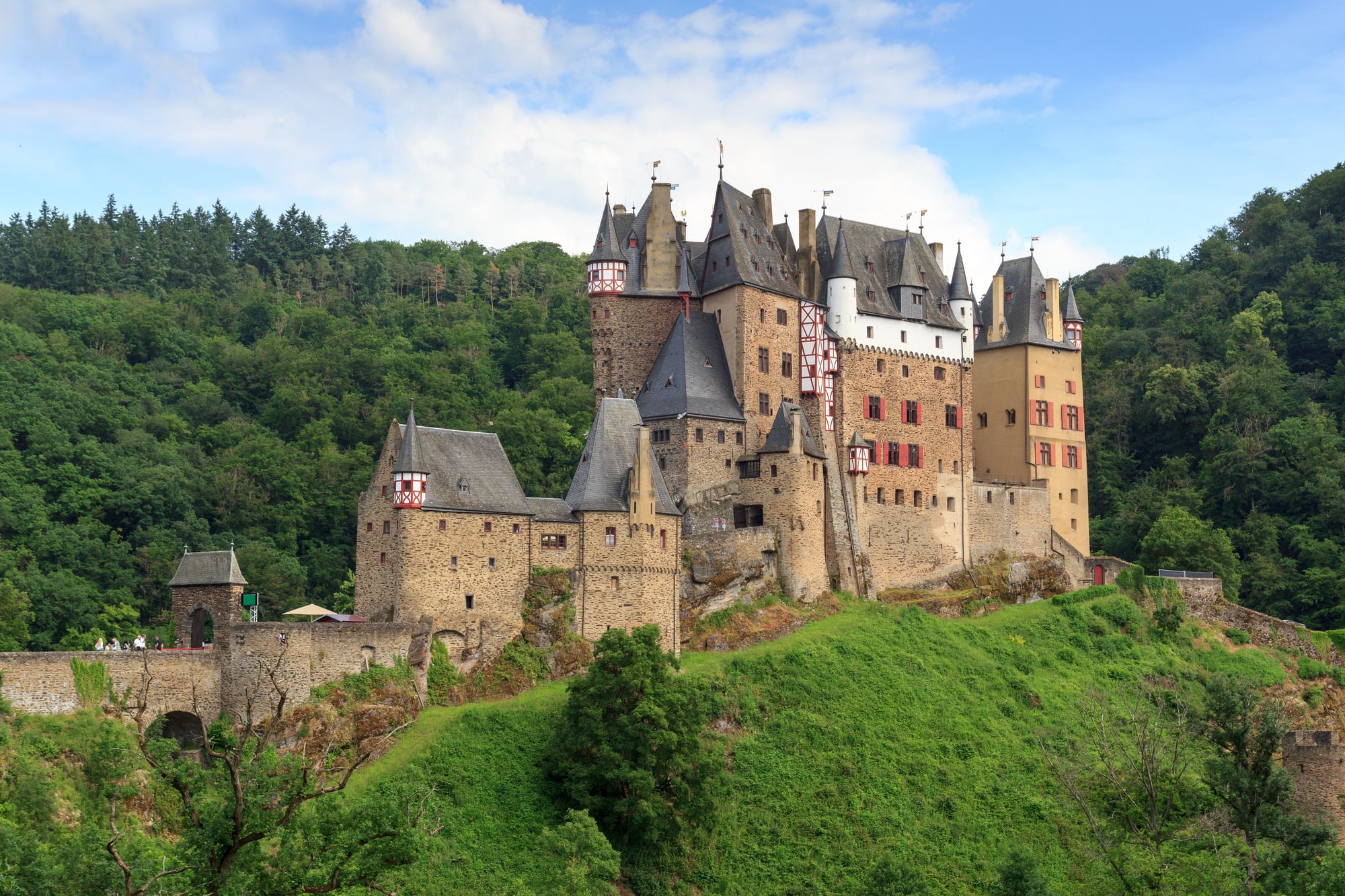
Perched on a rocky outcrop in Germany’s Rhineland-Palatinate region, Eltz Castle has been owned by the Eltz family for more than 850 years without interruption, since 1157. The Elzbach River encircles it on three sides, creating a natural moat that helped protect it from attackers.
Unlike most German castles, which either got destroyed in various wars or fell to ruin, Eltz Castle survived pretty much intact. The current owner, Count Jakob zu Eltz-Kempenich, represents the 33rd generation of his family.
The castle’s design is unusual because three branches of the Eltz family lived there simultaneously through the 17th century, each adding their own towers and sections, creating an organic, almost fairytale appearance that grew naturally over time.
Chatsworth House

The Cavendish family, Dukes of Devonshire, have owned this late Renaissance and Baroque mansion in Derbyshire since 1549. With 297 rooms, 17 staircases, and more than 3,400 feet of corridors, it’s not exactly cozy, but it’s home for the 12th Duke of Devonshire and Duchess Amanda.
The house sits in a 1,000-acre park designed by Capability Brown, the landscape architect who basically invented the English country garden look everyone copies now. Inside, you’ll find one of Europe’s best collections of neoclassical sculptures, along with paintings and furniture accumulated over centuries.
The 2005 Pride and Prejudice film used Chatsworth as Mr. Darcy’s estate, Pemberley, which makes sense given its impressive scale and that classic English country house vibe. The family’s commitment goes beyond just living there—they’ve continuously invested in maintaining the estate, running it as a business with farms, forests, shops, and tourism operations that generate revenue to preserve the house and its incredible art collection.
Arundel Castle
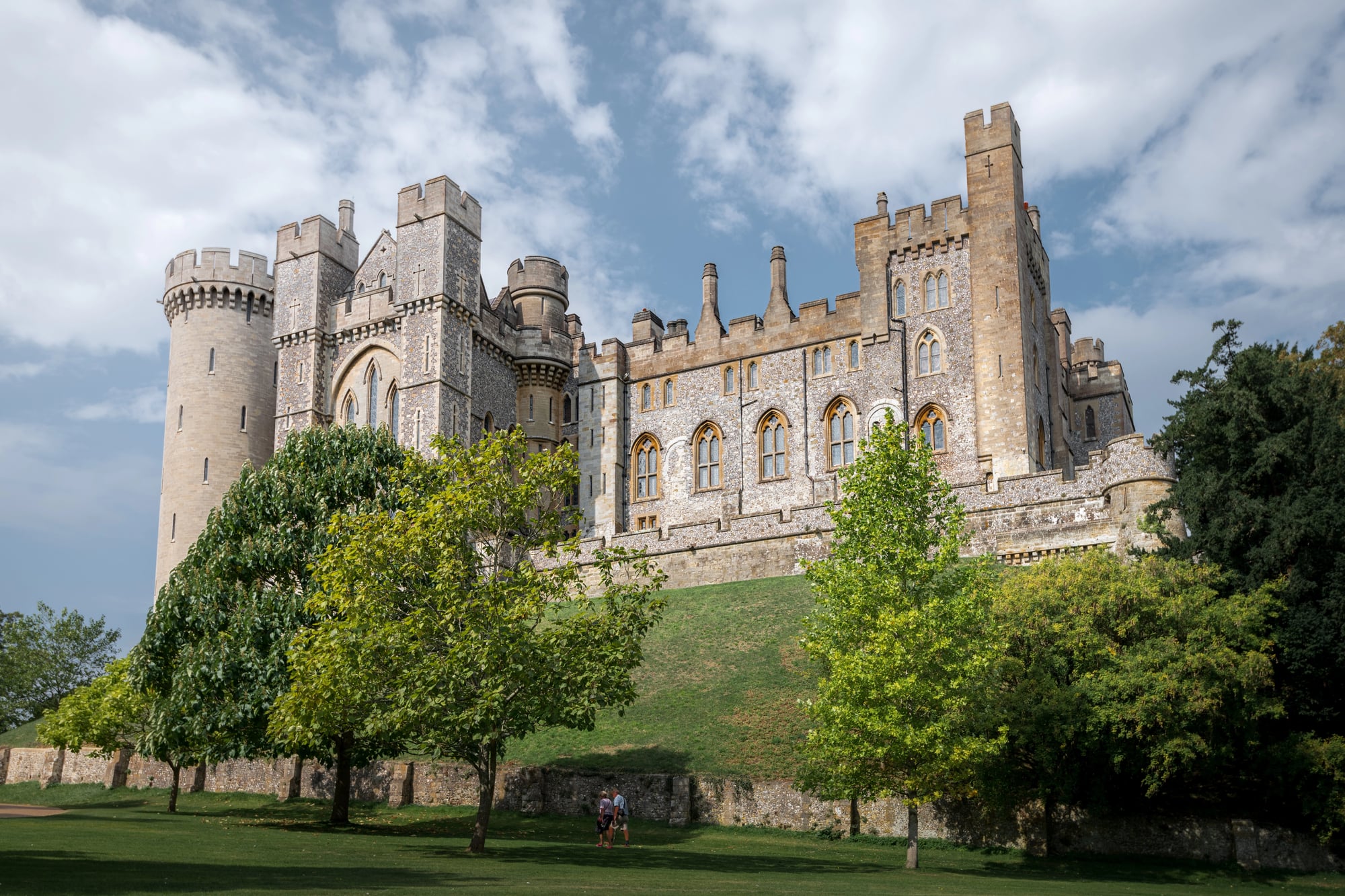
This West Sussex castle has been the seat of the Dukes of Norfolk since it was established around 1067 by William the Conqueror. Edward Fitzalan-Howard, the 18th Duke of Norfolk, continues the family line that makes the Norfolks one of England’s oldest aristocratic dynasties.
The castle started as a standard motte-and-bailey fortification—basically a wooden tower on a man-made hill. Over the centuries, successive dukes rebuilt it in stone and kept expanding, adding towers, curtain walls, and eventually more comfortable living quarters.
The family survived some rough patches, including periods when they fell out of favor with various monarchs. The castle was heavily damaged during the English Civil War, and the Gothic Revival restoration from the 1780s through the 1900s gives it a particularly romantic appearance today.
Belvoir Castle

The Manners family has owned Belvoir Castle in Leicestershire since 1508, though the current structure is actually the fourth castle on this site. The first three got destroyed or fell apart over the centuries, so the family just kept rebuilding.
David Manners, the 11th Duke of Rutland, still lives in part of the castle with his family. The name Belvoir comes from Norman French meaning ‘beautiful view,’ and they weren’t kidding—the hilltop site overlooking the Vale of Belvoir offers spectacular panoramas.
What makes this place interesting is how the family adapted over time. As agricultural income dried up after the Industrial Revolution, they opened the castle to tourists in the 20th century and host private events to keep the place financially viable.
Haddon Hall
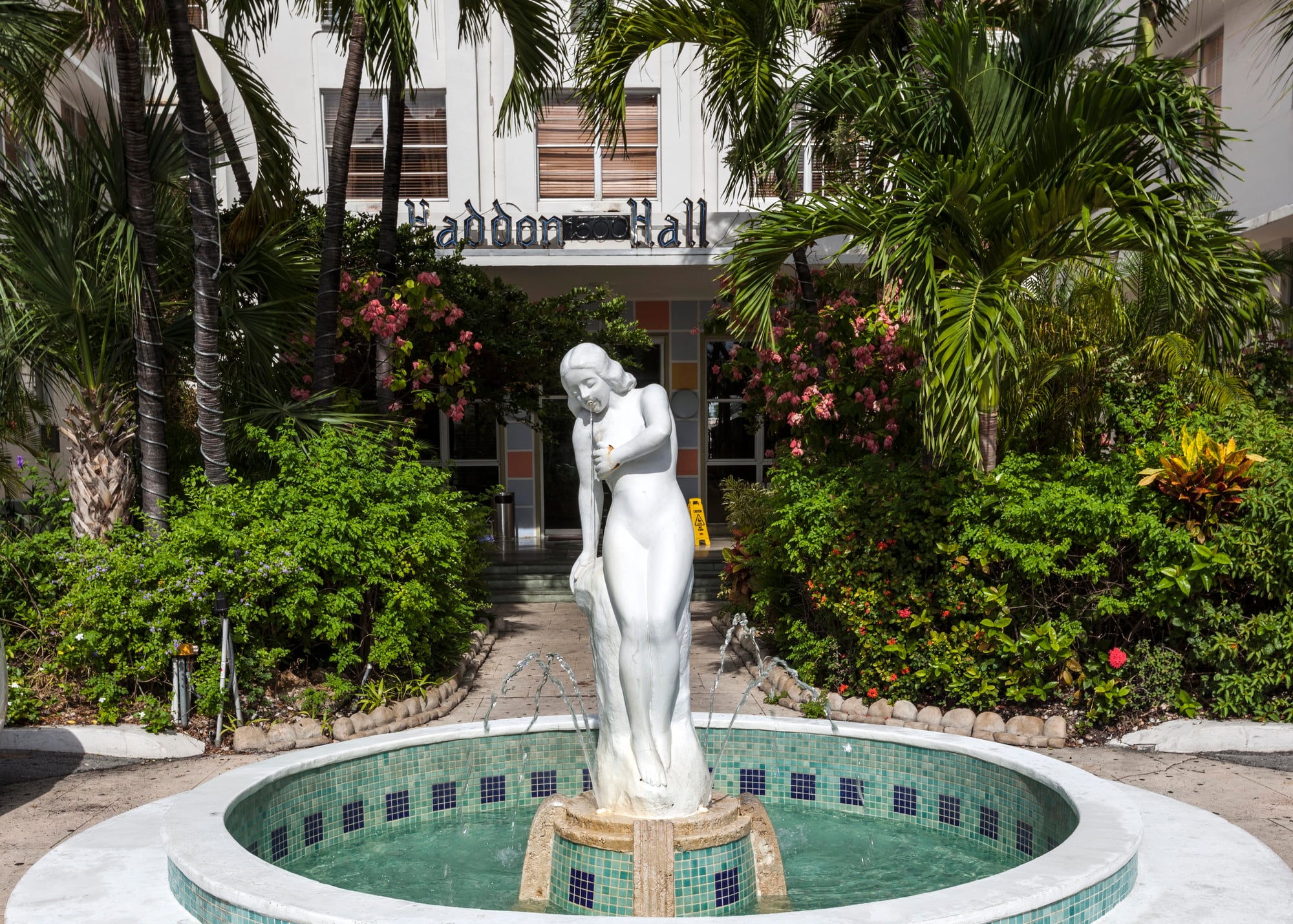
Another Manners family property, Haddon Hall in Derbyshire has one of those romantic origin stories that sounds made up but isn’t. In the 1560s, Dorothy Vernon, daughter of the wealthy estate owner, fell in love with John Manners, later the first Earl of Rutland, whom her father opposed.
During a party in 1567, Dorothy snuck out and eloped with John on horseback. When her father died two years later, the Manners family inherited the estate and have held it ever since.
The family used a different property as their main residence for centuries, letting Haddon Hall fall into gentle disuse, which ironically preserved its medieval and Tudor features. In the 20th century, Lord Edward Manners undertook major restoration work, bringing the hall back to life.
Inveraray Castle

Sitting on the shores of Loch Fyne in Scotland, Inveraray Castle serves as the seat of the Duke of Argyll, chief of Clan Campbell. The Campbells are one of Scotland’s most powerful—and historically controversial—clans, involved in pretty much every major Scottish conflict for centuries.
The current castle was built between 1746 and 1789, designed by architects Roger Morris and William Adam, replacing an earlier fortress on the same strategic location. Unlike many aristocratic families who only occupy a small corner of their ancestral homes, Torquhil Campbell, the 13th Duke of Argyll, and his family actually live in a substantial portion of the castle, taking up two entire floors and two of its four corner towers.
The 69-foot-high armory hall ceiling is Scotland’s tallest, and the room houses hundreds of weapons displayed as a testament to the clan’s military history.
Dunrobin Castle

The Sutherland family has controlled this Scottish castle in the Highlands since 1512, though the current structure mostly dates from the 1800s. The family’s acquisition story is pretty dark—Adam Gordon gained control through marriage and political maneuvering.
When the legitimate heir, Alexander Sutherland, took the castle back in 1518, the Gordons killed him and stuck his head on a spike atop the tower. The family surname officially changed to Sutherland in 1719 to strengthen their claim.
Despite the brutal beginnings, the family transformed the castle over generations from a rough Highland fortress into an elegant chateau-style palace. Architects Sir Charles Barry and William Burn redesigned it in the 1840s, creating the French-inspired appearance it has today.
Biltmore Estate
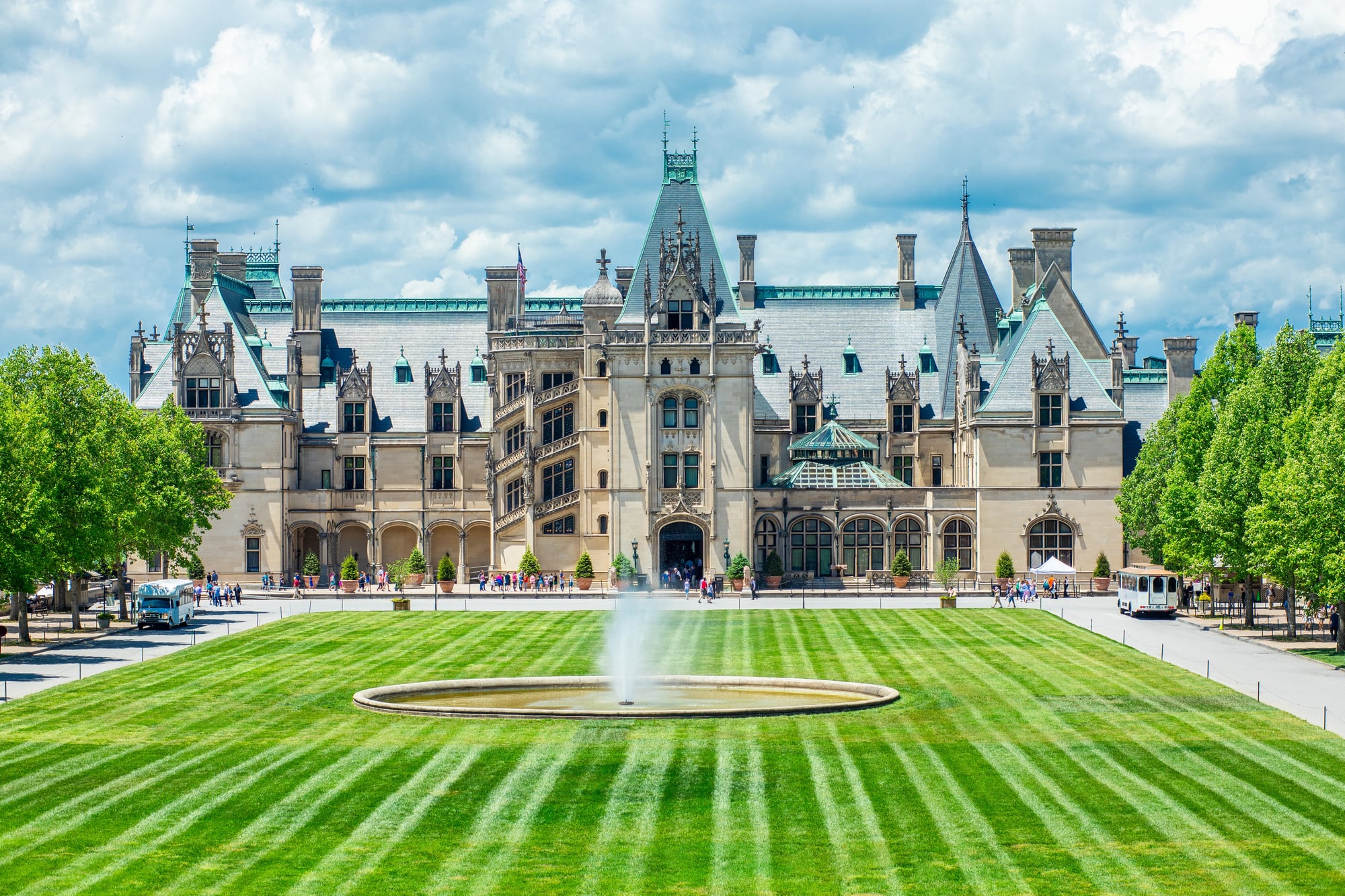
Built between 1889 and 1895 by George Washington Vanderbilt II, Biltmore in North Carolina remains the largest privately owned home in the United States and is still owned by his descendants. Bill Cecil Jr. and his sister Dini Pickering, the great-great-grandchildren of the builder, currently own and manage the estate.
With 250 rooms spread across 175,000 square feet of space, the French Renaissance-style mansion cost $5 million to build, approximately $180-190 million in today’s money. The Vanderbilt fortune, made from railroads and shipping, funded this massive project.
Unlike many Vanderbilt properties that were sold off, Biltmore stayed in family hands partly because it opened to the public in 1930 during the Great Depression, developing tourism, vineyards, and other revenue streams to maintain the property.
Warwick Castle

The Greville family has been associated with this Warwickshire fortress since 1604 when Sir Fulke Greville purchased the property. The castle itself sits on a bend in the River Avon and dates back to William the Conqueror, giving it natural defensive advantages and nearly 1,000 years of English history embedded in its walls.
While Warwick Castle is now owned and operated as a tourist attraction by Merlin Entertainments, the Greville family retains ceremonial association with the title Earl of Warwick. The castle showcases the evolution from Norman origins through medieval expansions and later additions when comfort started mattering more than defense, making it a living textbook of English architectural history.
Château de Beynac

Perched dramatically on a limestone cliff above the Dordogne River in France, Château de Beynac has been owned by the Beynac family and their descendants since the 12th century. The castle played a crucial role during the Hundred Years’ War, sitting on the French side of the river while English-held castles faced it from across the water.
The fortress survived centuries of conflict largely intact, and today it remains one of the best-preserved medieval castles in France. The family opens it to visitors who can explore rooms filled with period furniture and walk the ramparts that once defended against English attacks, all while the property stays under the same family stewardship that’s lasted over 800 years.
Estates as Living History

Rather than relying on chance, these families used strategic adaptation to maintain their estates. The majority switched from depending on agricultural rents to managing diverse companies that include events, tourism, product lines, and prudent estate management.
Although it may seem like they are losing their privacy, making their homes public helped prevent these properties from being demolished or sold. From the Vanderbilts at Biltmore to the Percys at Alnwick, transforming legacy into profitable business was essential to survival.
Under the same ancestral roofs, their estates continue to stand as unique examples of living history, where tradition and contemporary life coexist.
More from Go2Tutors!

- The Romanov Crown Jewels and Their Tragic Fate
- 13 Historical Mysteries That Science Still Can’t Solve
- Famous Hoaxes That Fooled the World for Years
- 15 Child Stars with Tragic Adult Lives
- 16 Famous Jewelry Pieces in History
Like Go2Tutors’s content? Follow us on MSN.



