12 Places Built in the ’60s That Look Almost the Same Today
The 1960s were a transformative decade for architecture and design, with bold new structures rising across America and around the world. While many buildings from this era have been demolished or drastically remodeled, some remarkable places have managed to preserve their original charm and character for over half a century.
Here is a list of 12 places built in the 1960s that look almost exactly the same today as when they first opened their doors.
Space Needle
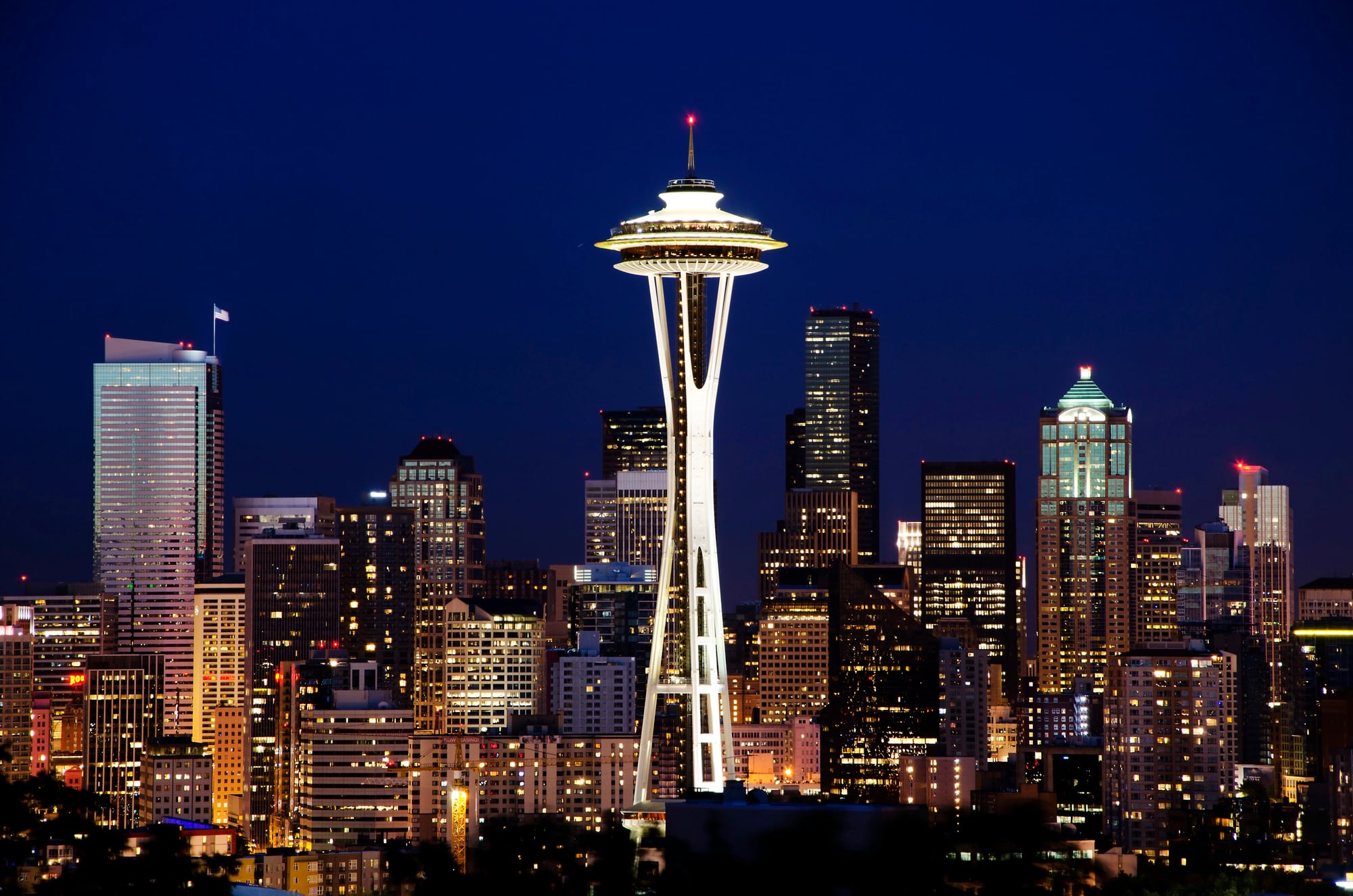
Seattle’s iconic observation tower was built for the World’s Fair and immediately became the city’s most recognizable landmark. The 605-foot futuristic structure with its flying saucer-shaped top deck has maintained its original silhouette despite a $100 million renovation.
That update preserved the mid-century modern aesthetic while adding floor-to-ceiling glass panels for improved views.
Astrodome

Opened as the first multi-purpose domed sports stadium in the world, Houston’s “Eighth Wonder of the World” blazed the trail for indoor baseball and football. Though it’s been empty since 2009, the enormous concrete building with its unique domed roof stays mostly unchanged from the outside.
Though many reconstruction plans have been put up, the Astrodome’s historical importance has kept it from being destroyed and it still stands as a testament to ’60s creativity.
Like Go2Tutors’s content? Follow us on MSN.
Gateway Arch

St. Louis’s gleaming stainless steel monument was completed and became the tallest arch in the world at 630 feet. Designed by architect Eero Saarinen, the graceful curve of the Gateway Arch remains identical to its original construction, still drawing visitors to ride the unique tram system to its observation deck.
The surrounding grounds were renovated, but the arch itself stands untouched by time.
Dulles International Airport

With its characteristic swooping concrete roof, this airport’s main terminal, created by modernist architect Eero Saarinen, opened in the early ’60s. A dramatic interior space that has been meticulously conserved is created by the large windows and the curved, suspended ceiling.
Even though the airport has grown by adding more concourses, the old terminal still has a mid-century modern feel.
General Motors Technical Center

Completed in the late ’50s, this vast Warren, Michigan campus grew during the early ’60s. Renowned architect Eero Saarinen designed the property, which consists of immaculate rectangular glass and metal structures next to artificial lakes.
Recently awarded National Historic Landmark status, the buildings and surroundings have been painstakingly preserved and still function as a working site.
Theme Building at LAX
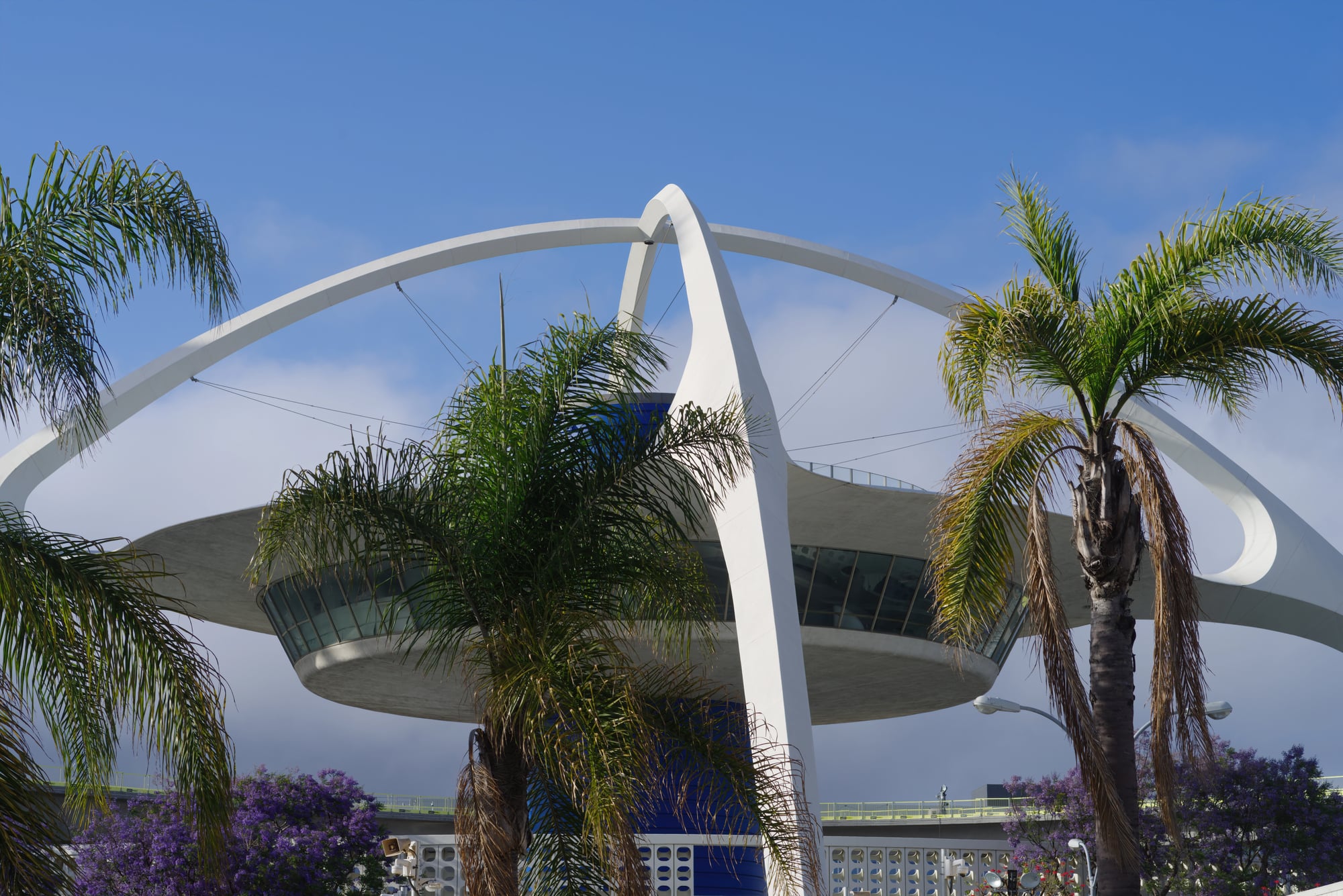
Looking like a flying saucer landed on four arching legs, this Space Age structure at Los Angeles International Airport has greeted travelers since the early ’60s. Designed by architects William Pereira and Charles Luckman, the futuristic building embodied the optimism of the Jet Age.
Though it no longer houses a restaurant, the exterior has been carefully preserved during renovations, maintaining its status as an iconic symbol of ’60s futurism.
Century Plaza Hotel

This curved 19-story hotel in Century City, Los Angeles opened and quickly became a celebrity hotspot and presidential favorite. Designed by architect Minoru Yamasaki, who also designed the original World Trade Center, the hotel’s distinctive façade was preserved during a recent renovation.
The building’s arc shape and aluminum grillwork remain intact despite the complete overhaul of its interior.
Marina City

These distinctive corncob-shaped towers in downtown Chicago were completed as a city within a city. Architect Bertrand Goldberg’s innovative design features round buildings with scalloped balconies, creating a honeycomb effect that remains striking today.
Despite the conversion from rental apartments to condominiums, the exterior appearance of these 60-story towers has been preserved exactly as they appeared when they were new.
Brasília Cathedral

The Metropolitan Cathedral of Brasília in Brazil’s capital city was inaugurated, though construction began earlier. Architect Oscar Niemeyer’s masterpiece features sixteen curved concrete columns that soar upward like hands reaching toward heaven.
The hyperboloid structure with its stunning stained glass interior remains unchanged, continuing to serve as both a religious center and an architectural pilgrimage site.
Salk Institute
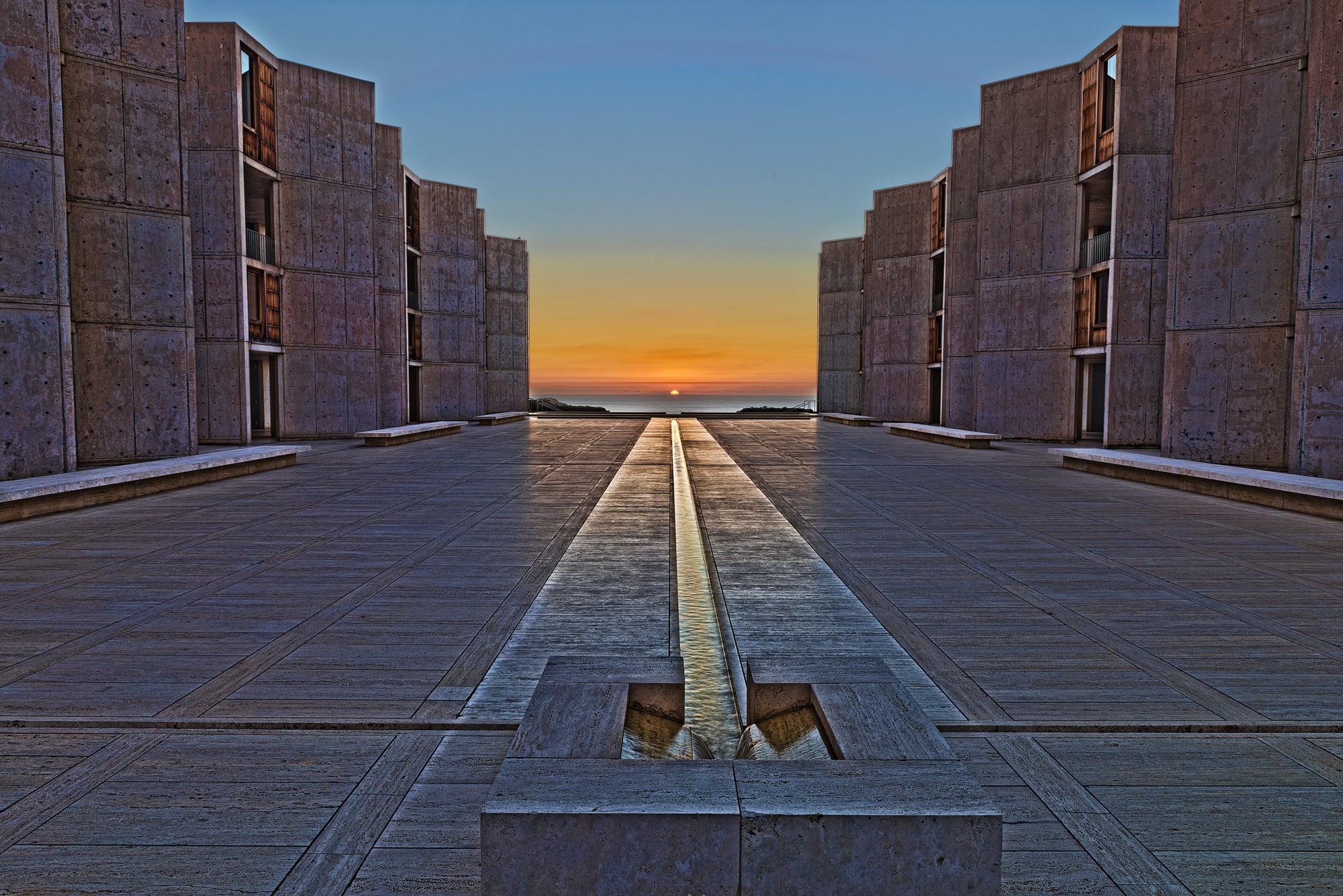
Completed in the mid-’60s in La Jolla, California, this research facility designed by Louis Kahn remains one of the most celebrated buildings of the era. The complex features two mirror-image structures of concrete and teak facing a central plaza with a channel of water pointing toward the Pacific Ocean.
The institute has maintained the buildings meticulously, preserving both their exterior appearance and interior laboratory spaces.
Whitney Museum (Breuer Building)

Completed in the mid-’60s as the home of the Whitney Museum of American Art, this distinctive granite building on Manhattan’s Upper East Side was designed by architect Marcel Breuer. Its unique upside-down ziggurat form and imposing stone façade with asymmetrical windows have been preserved even after the Whitney moved to a new location.
Now home to the Frick Collection, the building maintains its brooding presence exactly as designed.
IBM Research Center

Located in Yorktown Heights, New York, this curved concrete research lab was completed and designed by architect Eero Saarinen. The three-story structure follows the gentle contours of the landscape, with its reflective glass curtain walls mirroring the surrounding environment.
IBM has maintained the building’s original design while updating the technology inside, preserving this masterpiece of corporate modernism.
Timeless Mid-Century Vision

These surviving structures from the 1960s offer more than just nostalgia—they provide living connections to an optimistic era defined by space exploration, technological advancement, and cultural transformation. Their preservation allows us to experience these spaces as they were intended, giving visitors authentic encounters with visionary design that continues to influence architecture today.
As many buildings from this period face demolition threats, these examples stand as testaments to the enduring power of thoughtful, forward-looking design.
More from Go2Tutors!

- The Romanov Crown Jewels and Their Tragic Fate
- 13 Historical Mysteries That Science Still Can’t Solve
- Famous Hoaxes That Fooled the World for Years
- 15 Child Stars with Tragic Adult Lives
- 16 Famous Jewelry Pieces in History
Like Go2Tutors’s content? Follow us on MSN.