Digital Filters That Shape Beauty Standards
Social media has fundamentally changed how we see ourselves and others. What started as playful dog ears and flower crowns has evolved into sophisticated tools that reshape facial features in real time.
These digital enhancements aren’t just altering photos anymore, they’re rewriting the rules of what people consider beautiful. Here is a list of 14 digital filter effects that have become the invisible architects of modern beauty standards.
Skin Smoothing

Skin smoothing filters blur imperfections and create an airbrushed effect that eliminates pores, texture, and natural skin variations. The technology works by detecting facial areas and applying a gentle blur that makes skin look porcelain-smooth.
Think of it like having a professional makeup artist’s touch-up work applied instantly to every photo. Over 600 million people have used augmented reality effects on Facebook and Instagram alone, with beauty filters ranking as a particularly popular category.
The smoothing effect has become so standard that many people feel their natural skin texture looks flawed by comparison.
Eye Enlargement
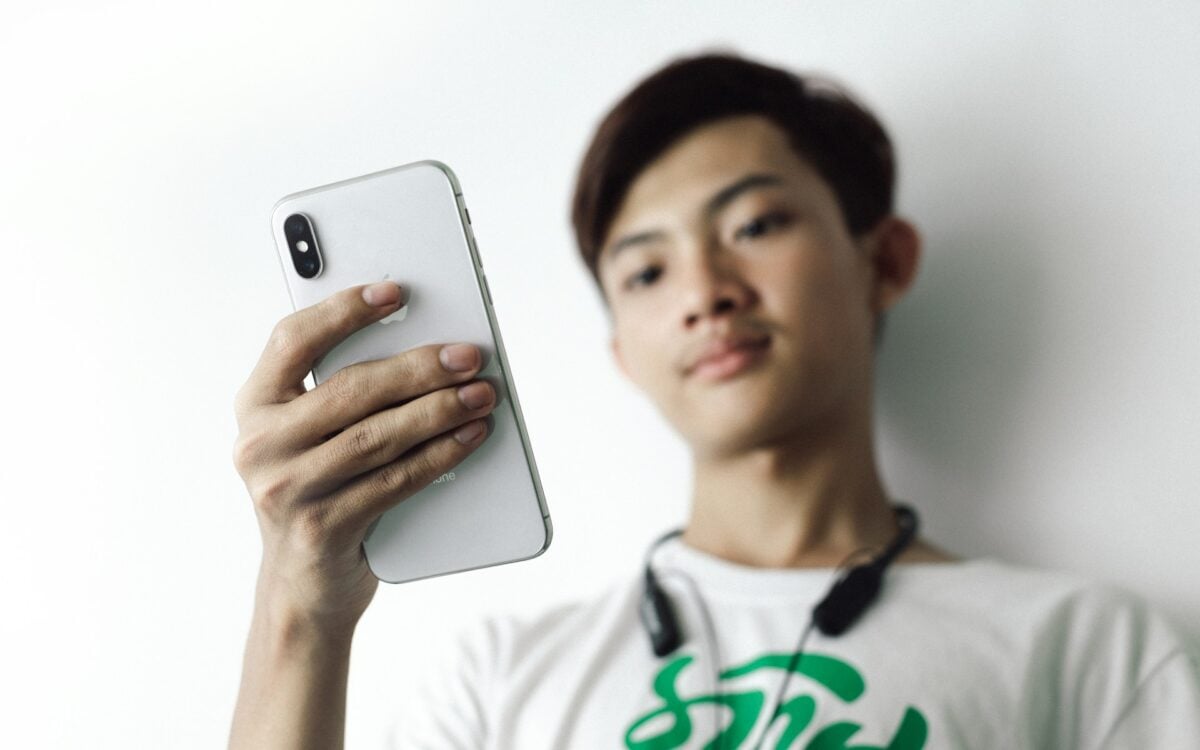
Filters that make eyes appear bigger have become one of the defining features of what people call ‘Instagram Face’—an aesthetic characterized by specific facial proportions including notably large eyes. The filter detects the eye area and subtly increases its size, sometimes by 10-20 percent.
These modifications can give users bigger eyes along with other enhanced features, creating an unrealistic standard that pushes some toward considering cosmetic procedures. The effect makes eyes look more doll-like and youthful, playing into longstanding beauty ideals about large eyes signifying innocence and attractiveness.
Face Slimming

Face slimming filters, like the popular ‘skinny filter’ on TikTok, digitally narrow facial width to create a more angular appearance. The technology pinches in the sides of the face, particularly around the jawline and cheeks, creating that coveted V-shaped face structure.
It’s become so common that seeing an unfiltered, naturally round face can look unusual to people who spend hours daily on filtered platforms. The filter reinforces the idea that thinner faces are more desirable, despite the fact that face shape is largely determined by bone structure and genetics.
Teeth Whitening
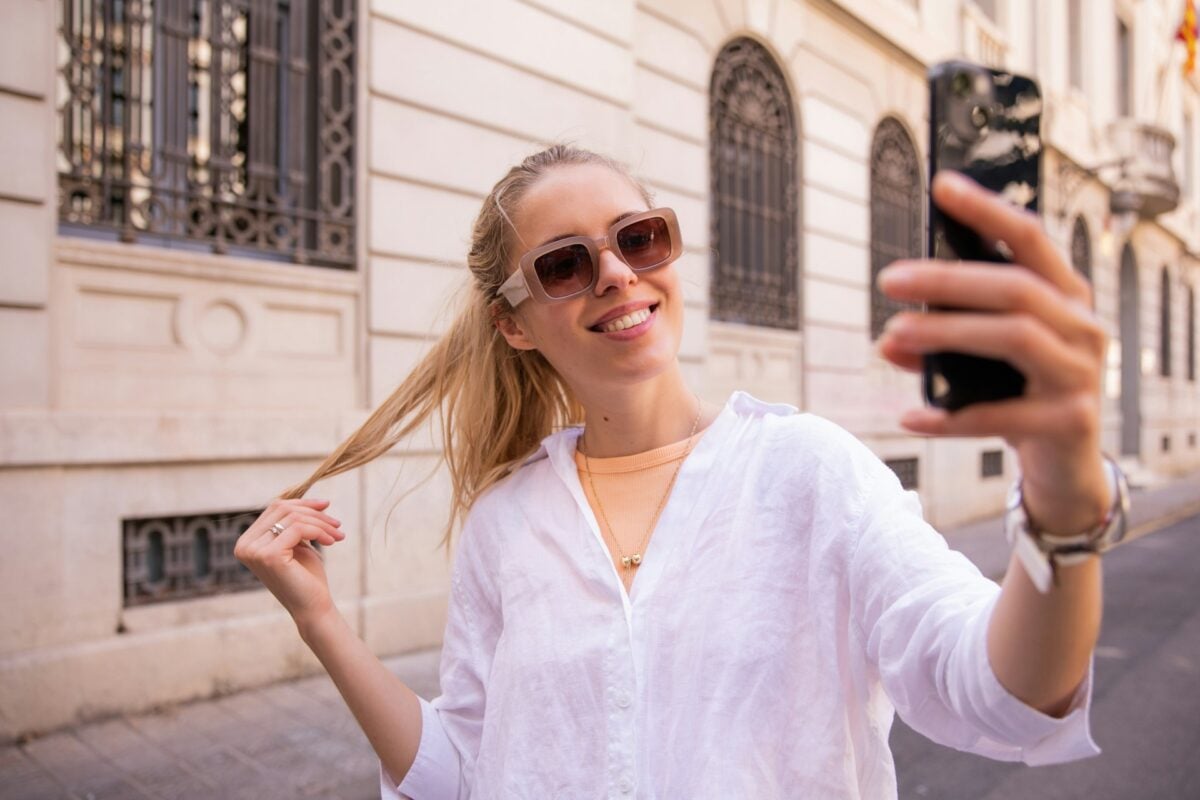
Teeth whitening ranks among the most common reasons people cite for using beauty filters, instantly brightening smiles to an unnaturally white shade. The filter identifies teeth in photos and videos, then digitally lightens them to match the ultra-white smiles seen in advertising.
Real teeth have natural variations in color—slightly yellow or cream tones are completely normal. But constant exposure to digitally whitened teeth makes natural tooth color seem dull or unhealthy by comparison, driving people toward whitening products or dental procedures.
Skin Tone Adjustment

Filters that alter skin tone remain controversial but widely used. Some of the most commonly used filters brighten skin, bronze skin, or even out skin tone. The technology can lighten darker skin or add a tan glow to lighter skin, depending on the filter’s programming.
This plays directly into colorism and long-standing prejudices about which skin tones are considered most attractive. The normalization of these filters suggests that natural skin color needs correction, perpetuating harmful beauty hierarchies based on race and ethnicity.
Nose Reshaping
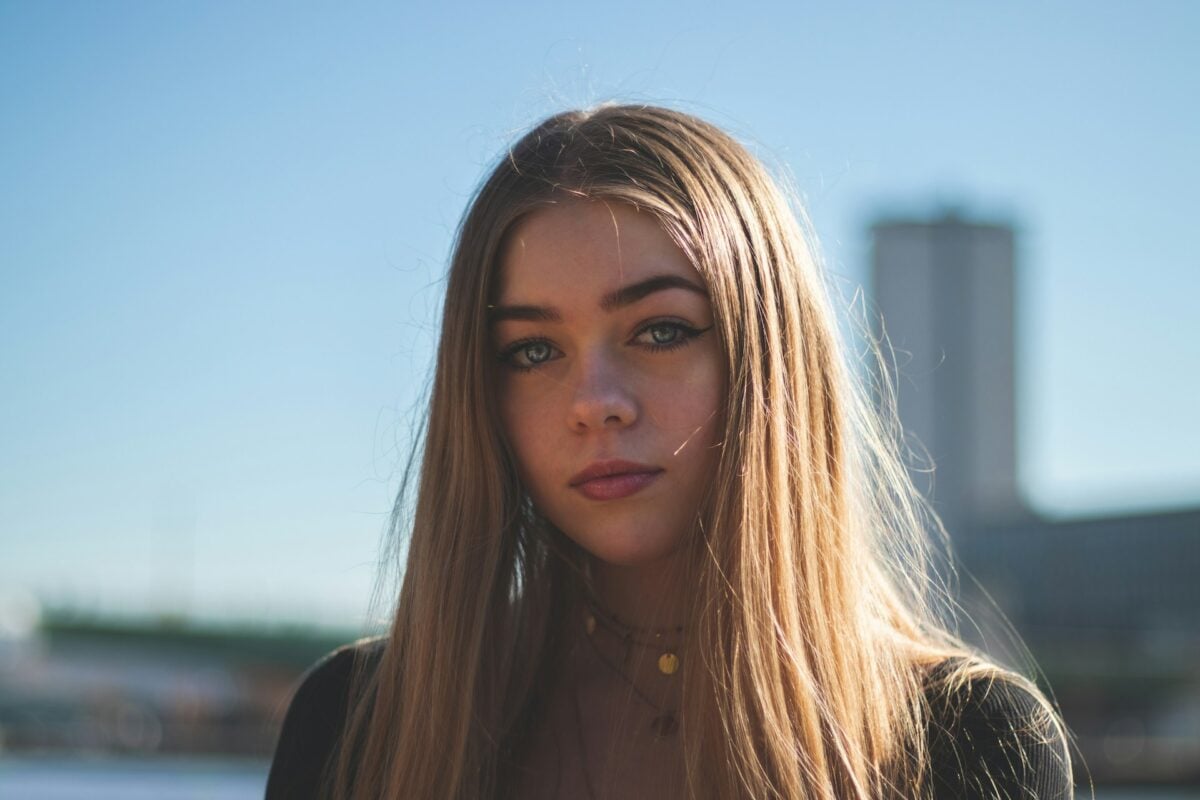
Filters commonly reshape noses, typically making them appear smaller or narrower to conform to conventional beauty ideals. The effect pinches the bridge and narrows the nostrils, creating a more petite nose profile.
This has contributed to a phenomenon called ‘filter dysmorphia,’ where individuals seek cosmetic procedures to resemble their heavily edited social media photos, with patients presenting unrealistic filtered images to plastic surgeons. The filter essentially promotes a single nose type as ideal, dismissing the natural diversity of nose shapes across different ethnicities and individuals.
Lip Enhancement
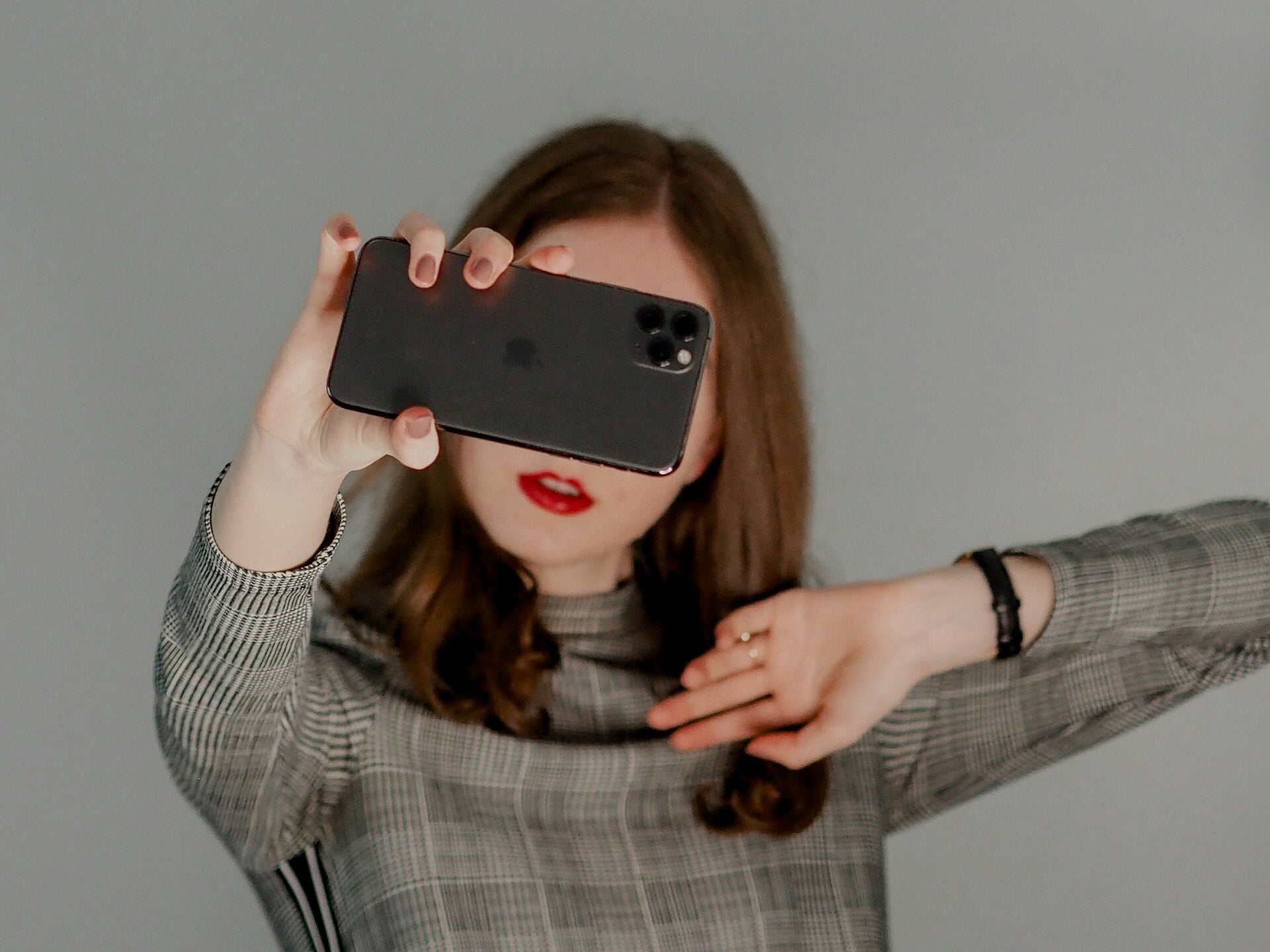
Fuller lips are a key component of the ‘Instagram Face’ aesthetic that filters help create, with effects designed to make lips appear plumper. The filter adds volume and definition to lip borders, sometimes also adding a glossy sheen.
Users frequently apply filters to make lips look fuller as part of their standard photo-editing routine. The constant visibility of enhanced lips has normalized the idea that naturally thinner lips need augmentation, contributing to the popularity of lip fillers and other cosmetic enhancements.
Jawline Definition
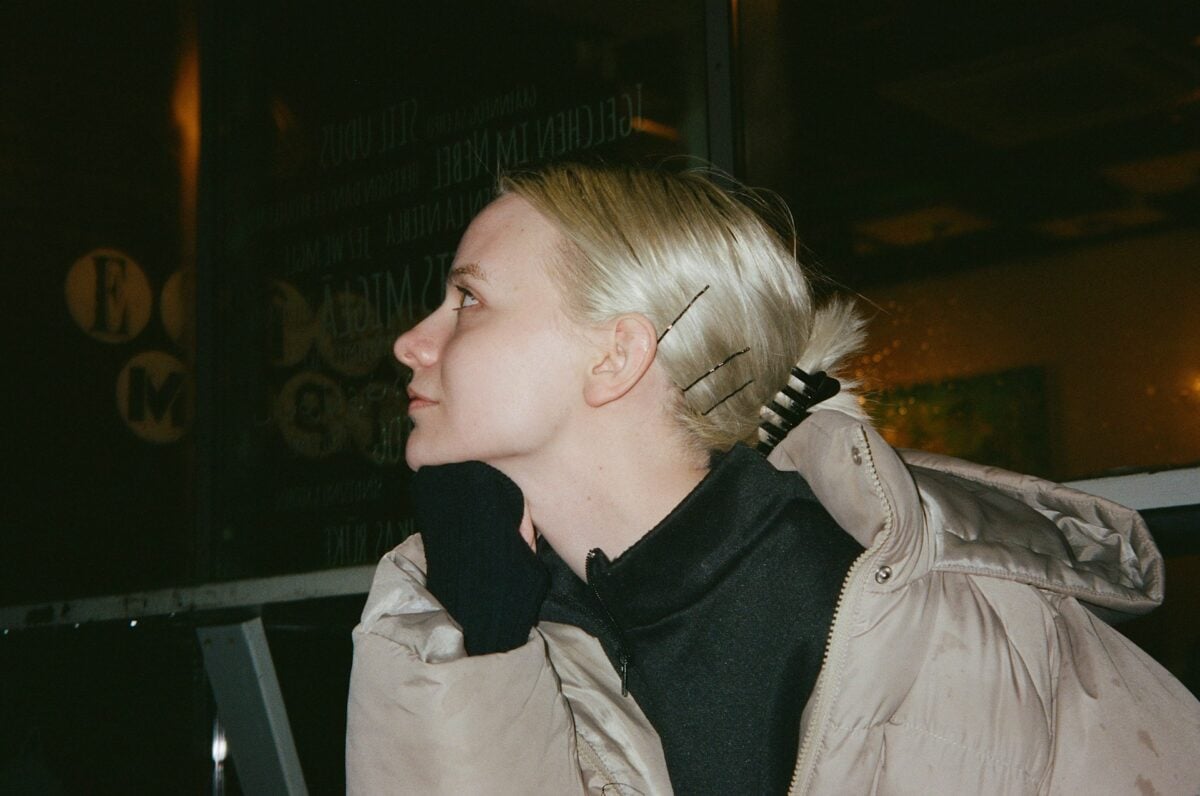
Jawline sculpting filters create a more chiseled, defined lower face by digitally sharpening the jaw’s edge and reducing the appearance of softness under the chin. The effect mimics what contouring makeup does in real life, but with perfect precision every time.
Filters allowing users to modify facial features like narrowing the chin have evolved beyond conventional photo adjustments, promoting novel and unrealistic beauty standards. A naturally soft or rounded jawline starts to look less attractive when everyone’s filtered photos show razor-sharp definition.
Virtual Makeup Application
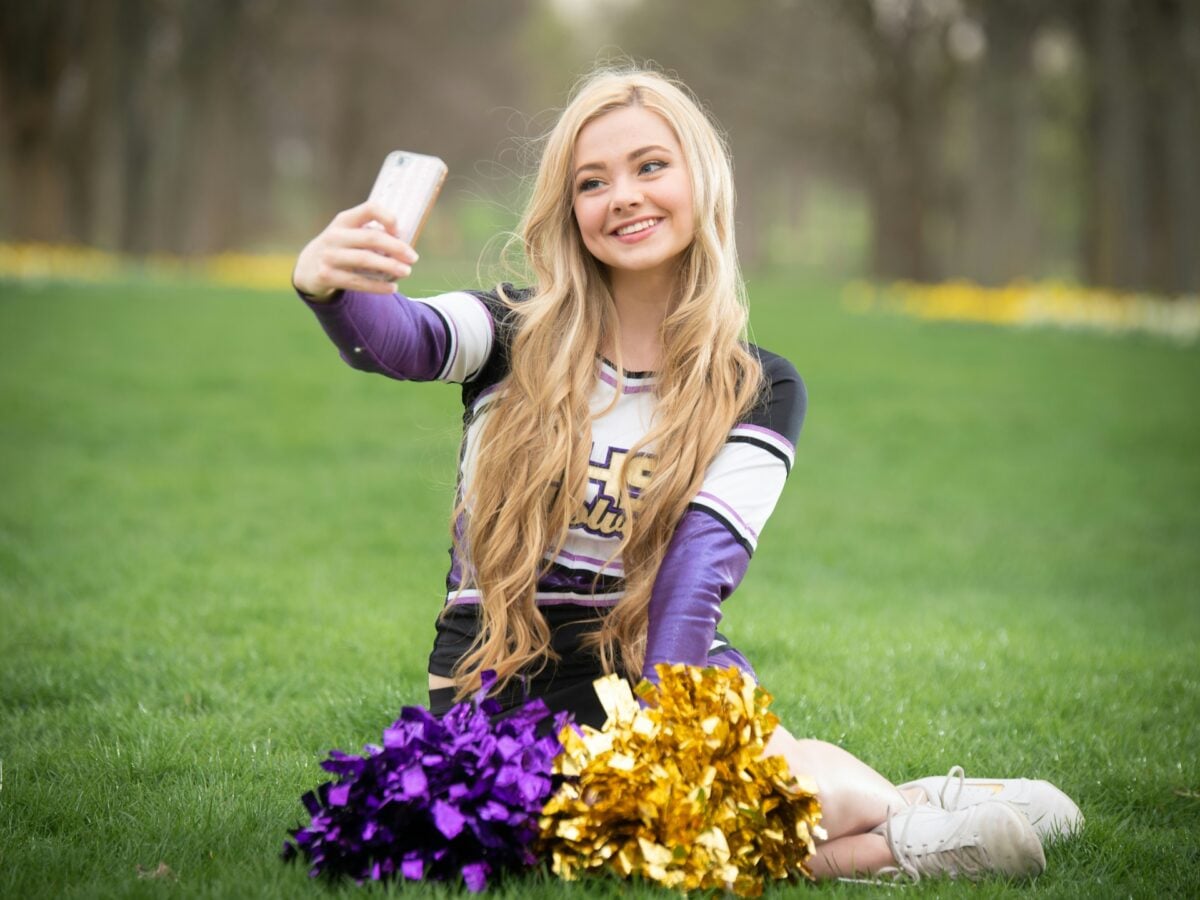
Filters apply virtual makeup including foundation, eyeshadow, eyeliner, and lipstick, allowing users to present a fully made-up appearance without actually wearing cosmetics. The technology maps facial features and applies color overlays that mimic real makeup products.
This creates an interesting paradox—people use filters to look like they’re wearing makeup, then may feel they need actual makeup to match their filtered appearance. TikTok’s Bold Glamour filter, which applies a full face of makeup while making eyes bigger and lips plumper, has been used in over 200 million videos.
Blemish Removal
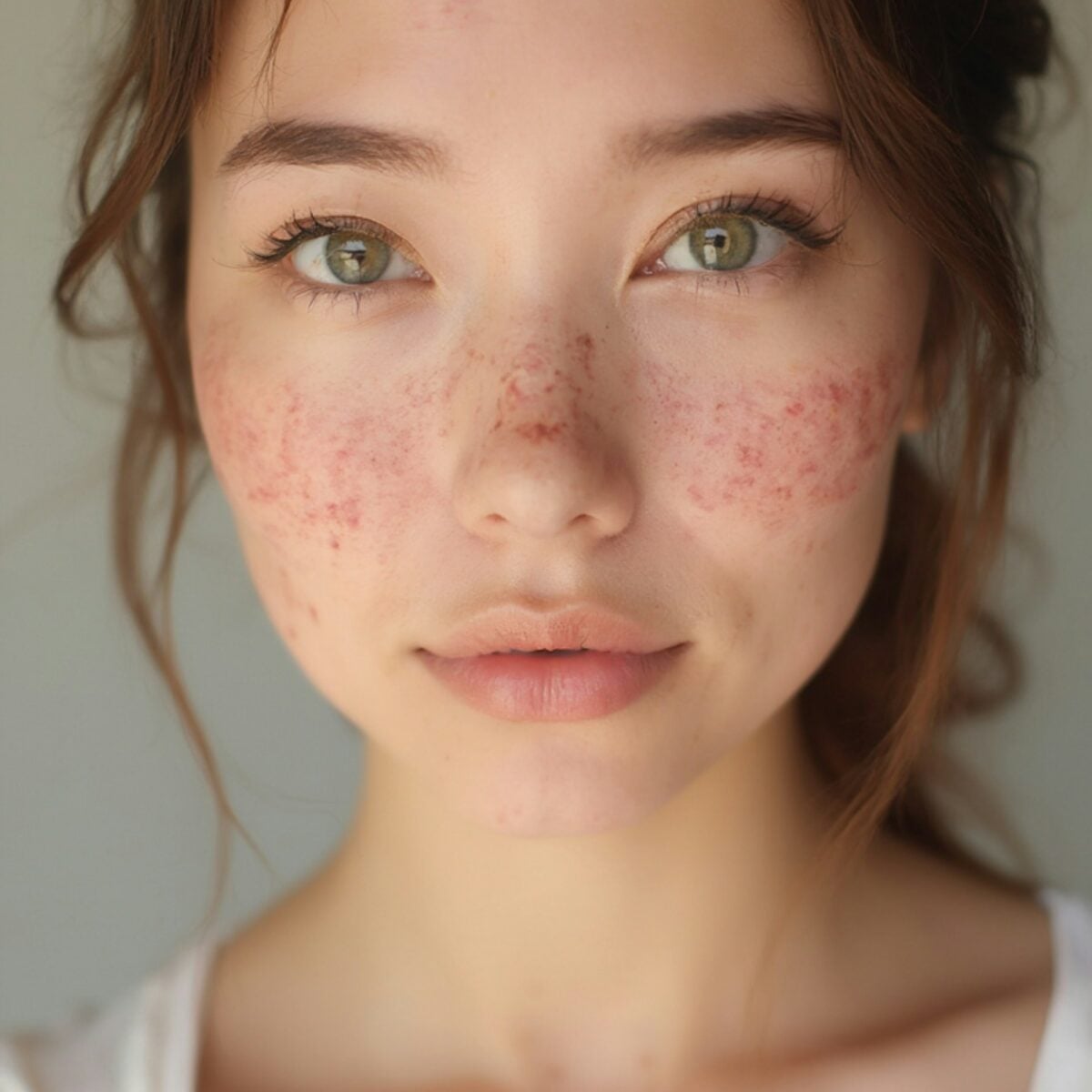
Acne, scars, moles, and other skin marks disappear with blemish removal filters that detect and digitally erase these features. Clear skin filters eliminate most skin imperfections, providing what’s marketed as a flawless look.
While removing a temporary pimple might seem harmless, these filters also erase permanent features like birthmarks, freckles, and scars that are part of someone’s natural appearance. The underlying message suggests that any deviation from completely smooth, mark-free skin is a flaw that needs correction.
Eye Brightening
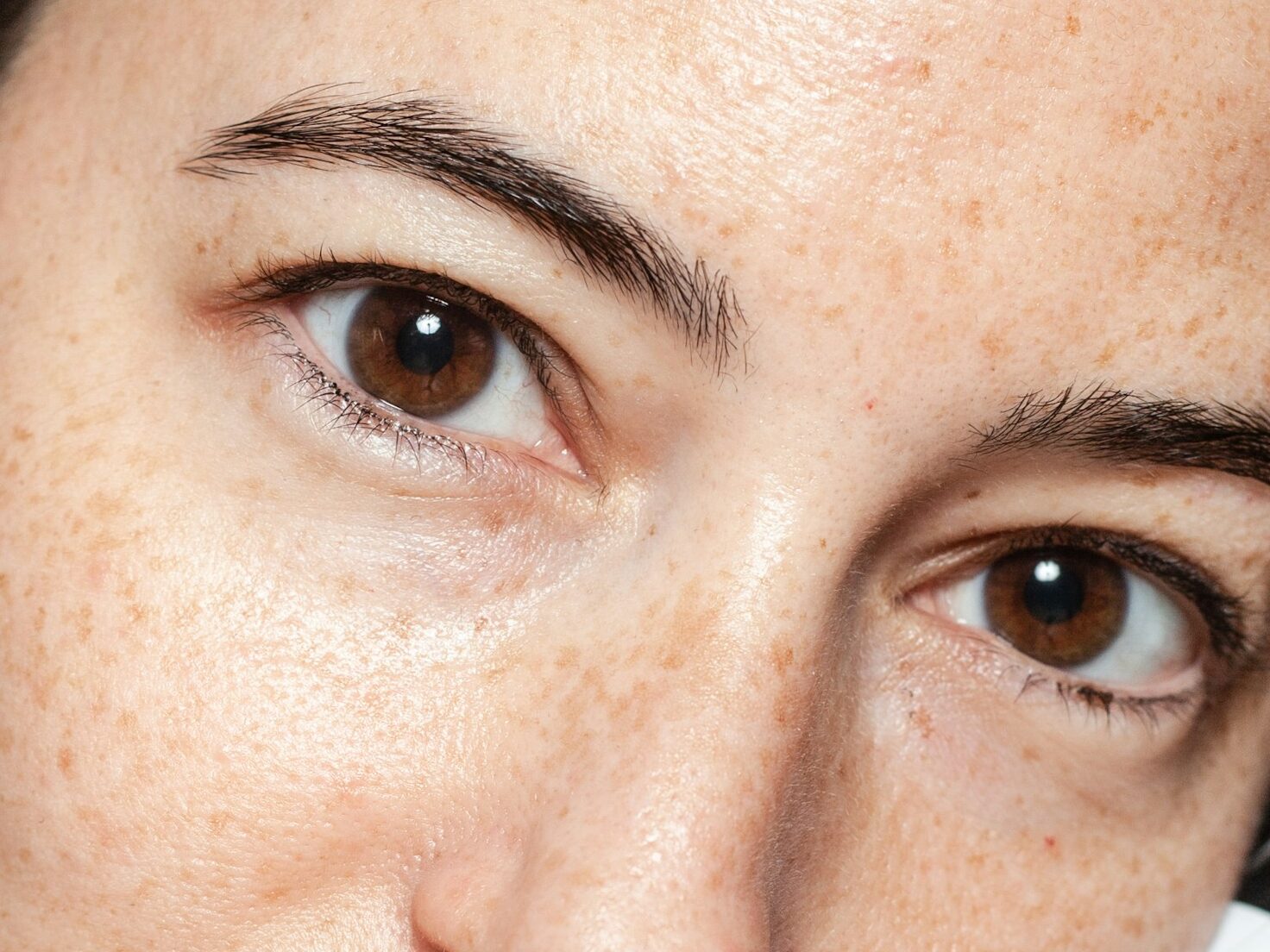
Eye brightening filters enhance the whites of eyes and add a sparkle or light reflection to the iris, making eyes appear more alert and vibrant. The effect works by increasing contrast and adding digital highlights that mimic professional photography lighting.
Real eyes naturally have slight discoloration in the whites and don’t constantly sparkle like they’re catching studio lights. The filtered version creates an always-alert, always-perfect appearance that’s impossible to maintain in reality.
Cheekbone Enhancement
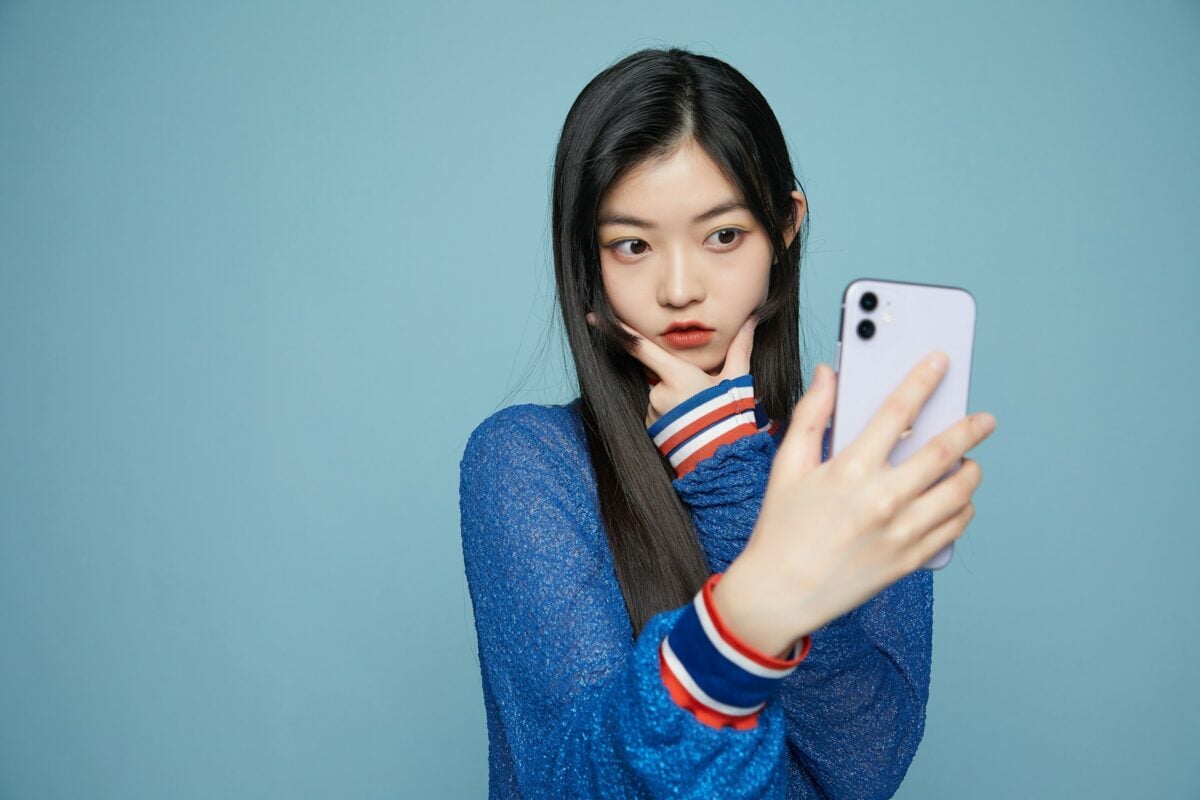
Filters can bronze skin and reshape features to heighten cheekbones, creating more prominent facial structure. The technology adds shadow and highlight to create the illusion of higher, more defined cheekbones without actual bone structure changes.
High cheekbones have long been considered a marker of conventional attractiveness, and filters make this feature accessible to everyone digitally—while simultaneously making naturally softer facial structures seem less desirable.
Forehead and Facial Proportion Adjustment
Lesser-known but increasingly common are filters that subtly adjust overall facial proportions by narrowing or shortening foreheads and repositioning features. These modifications can include enlarging eyes and narrowing the chin beyond conventional adjustments.
The changes are often subtle enough that viewers don’t consciously notice them, but the cumulative effect creates faces that look slightly “off” in real life compared to their filtered versions. This is particularly insidious because it operates below conscious awareness.
Wrinkle and Fine Line Reduction
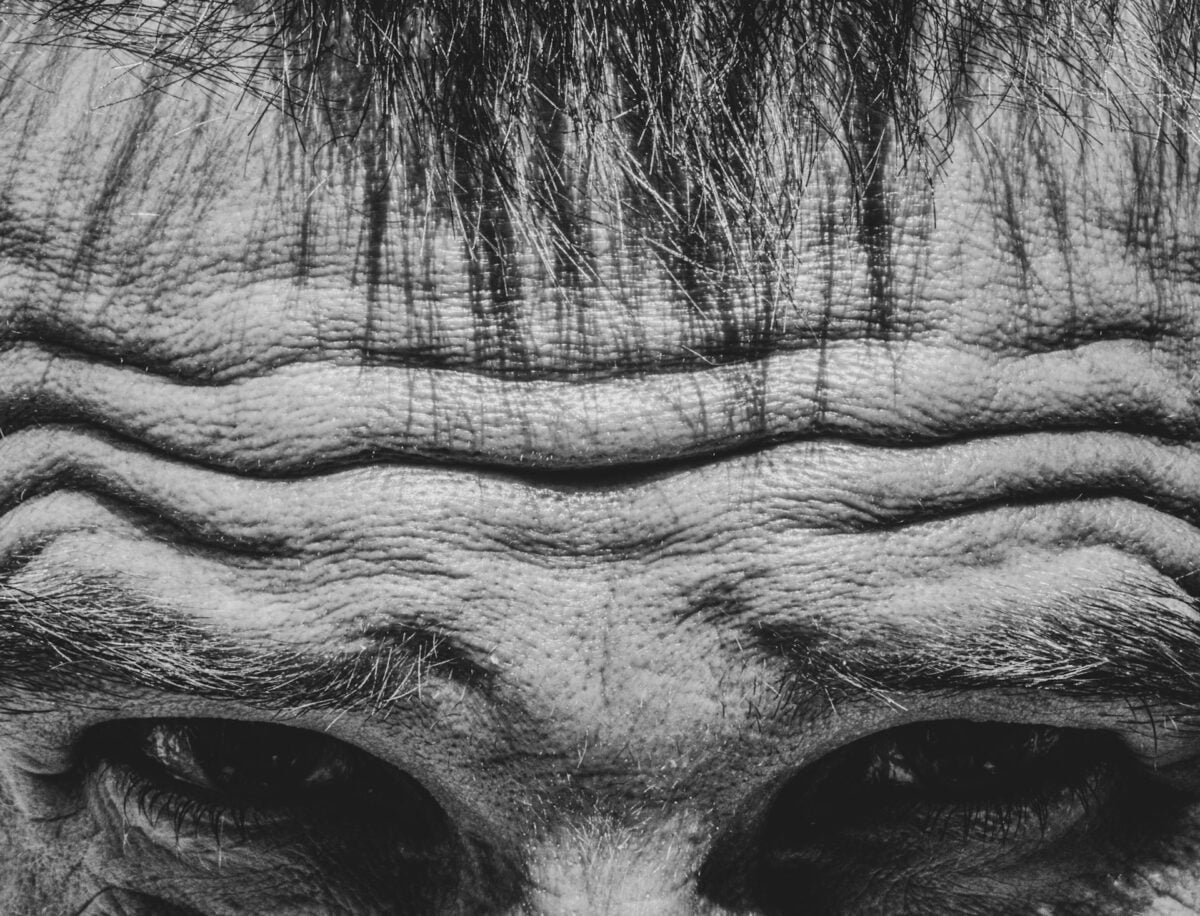
Anti-aging filters smooth away wrinkles, crow’s feet, and expression lines, presenting a younger version of the user’s face. The technology identifies creases and texture associated with aging, then digitally fills them in. Research found that young people with low self-esteem and poor body image are more likely to use filters, which can further reinforce the negative belief that their appearance isn’t good enough.
By making aging invisible on social media, these filters contribute to age-related anxiety and the pressure to look perpetually youthful.
Where Filtered Reality Meets Real Life
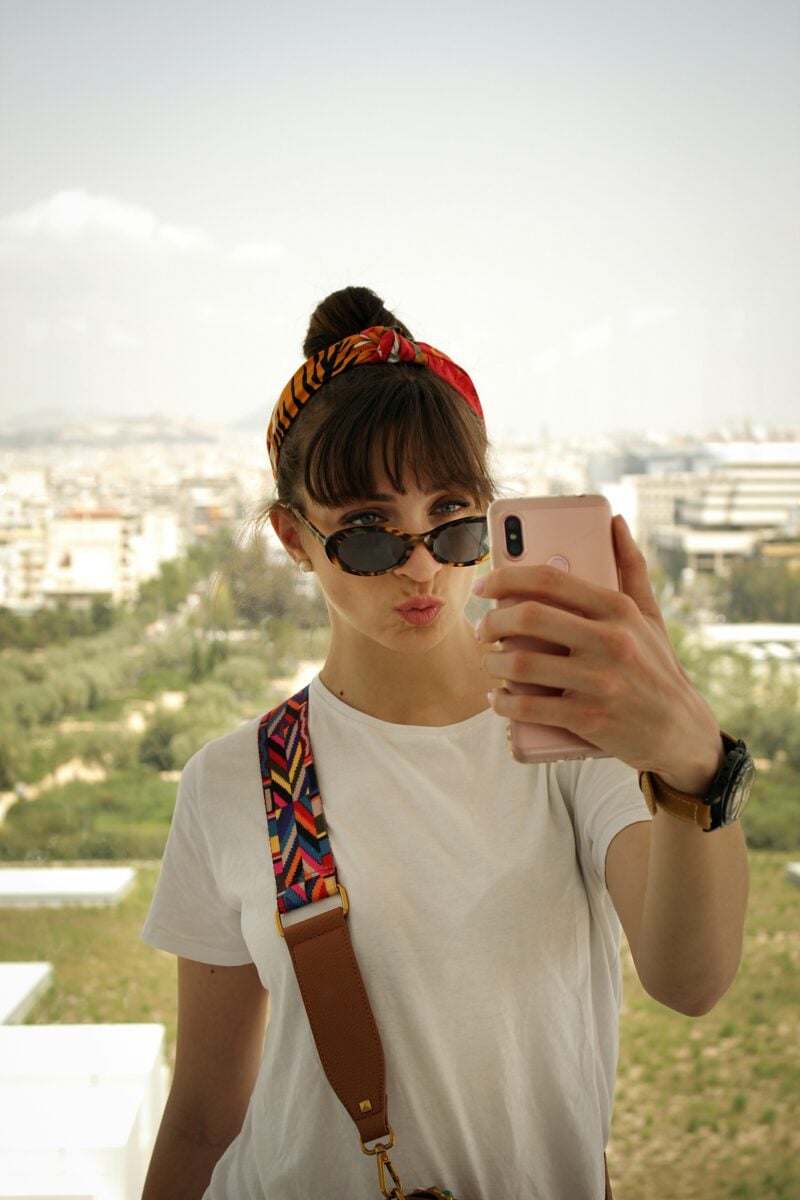
The rise in social media use has coincided with increased depression and anxiety among teenagers, with the pressure to present a filtered image playing into concerns for younger people developing their identities. A Consumer Reports survey found that 59 percent of Americans who know about beauty filters find them troubling, with concerns centered on unrealistic beauty standards and deception.
According to a 2017 survey by the American Academy of Facial Plastic and Reconstructive Surgery, 55 percent of surgeons reported seeing patients requesting surgery to improve their appearance in selfies, up from 42 percent just two years earlier. The gap between filtered faces and reality keeps widening, and the psychological toll is becoming harder to ignore.
More from Go2Tutors!

- The Romanov Crown Jewels and Their Tragic Fate
- 17 Halloween Costumes Once Considered Taboo
- Famous Hoaxes That Fooled the World for Years
- 15 Child Stars with Tragic Adult Lives
- 16 Famous Jewelry Pieces in History
Like Go2Tutors’s content? Follow us on MSN.