Vintage Record Players That Defined Cool
The history of cool in audio equipment can be traced through turntables. Not cameras, not guitars, not even the radios that preceded them—but the machines that spun vinyl into sonic magic.
These weren’t just playback devices. They were cultural artifacts that soundtracked revolutions, launched musical movements, and gave bedroom DJs the tools to reshape popular music.
Some became icons through sheer engineering brilliance, while others earned their status by showing up at the right moment in cultural history and refusing to leave.The golden age of turntables stretched roughly from the late 1950s through the early 1980s, a period when manufacturers competed fiercely to build better, faster, more precise machines.
What emerged were designs so iconic that many remain in demand today, commanding premium prices and inspiring modern reissues.Here’s a closer look at the vintage record players that didn’t just play music—they defined entire eras of cool.
Technics SL-1200
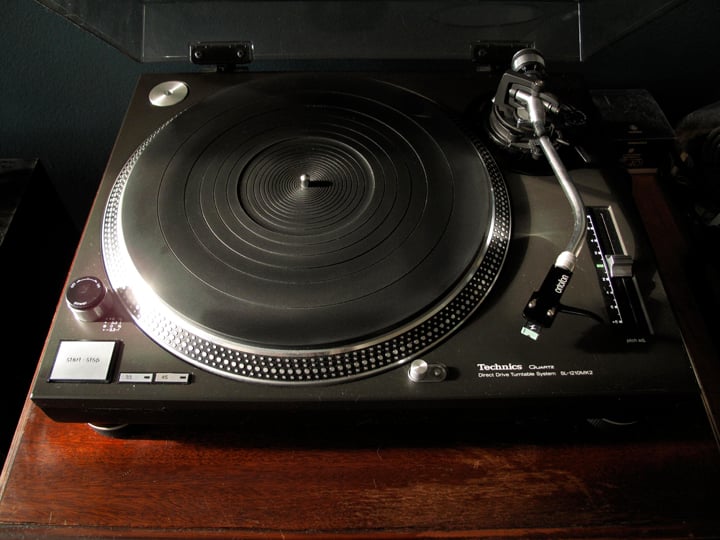
If one turntable could claim the title of most culturally significant, the Technics SL-1200 would take it without much argument. Released in 1972 by Matsushita Electric (later Panasonic), this direct-drive turntable wasn’t initially designed for DJs at all.
It was marketed as a high-fidelity consumer product, yet it possessed an almost miraculous combination of features that made it perfect for an emerging art form nobody saw coming.The SL-1200’s direct-drive motor eliminated the belts and idler wheels that caused rotation irregularities in other designs.
Its heavy platter reached full speed in half a rotation, while the pitch control allowed precise tempo adjustments. The robust aluminum die-cast cabinet absorbed vibrations even in loud club environments.
DJ Kool Herc, widely considered the founding father of hip-hop, used the SL-1100 (the SL-1200’s predecessor) at block parties in the early 1970s. When the SL-1200 arrived, it quickly became the standard.
The 1979 release of the SL-1200MK2 cemented its legendary status.Technics engineers had visited clubs in Chicago and witnessed DJs using their turntable as a musical instrument rather than simple playback equipment.
The MK2 incorporated DJ feedback—adding a quartz-lock system for even more accurate speed control and improving the vibration-absorbing cabinet. It became the turntable that launched a thousand hip-hop careers, survived decades of punishing club use, and sold over 3.5 million units.
The London Science Museum even displays an SL-1210MK2 as one of the pieces of technology that shaped the modern world. That’s not marketing hype—that’s historical fact.
Thorens TD-124
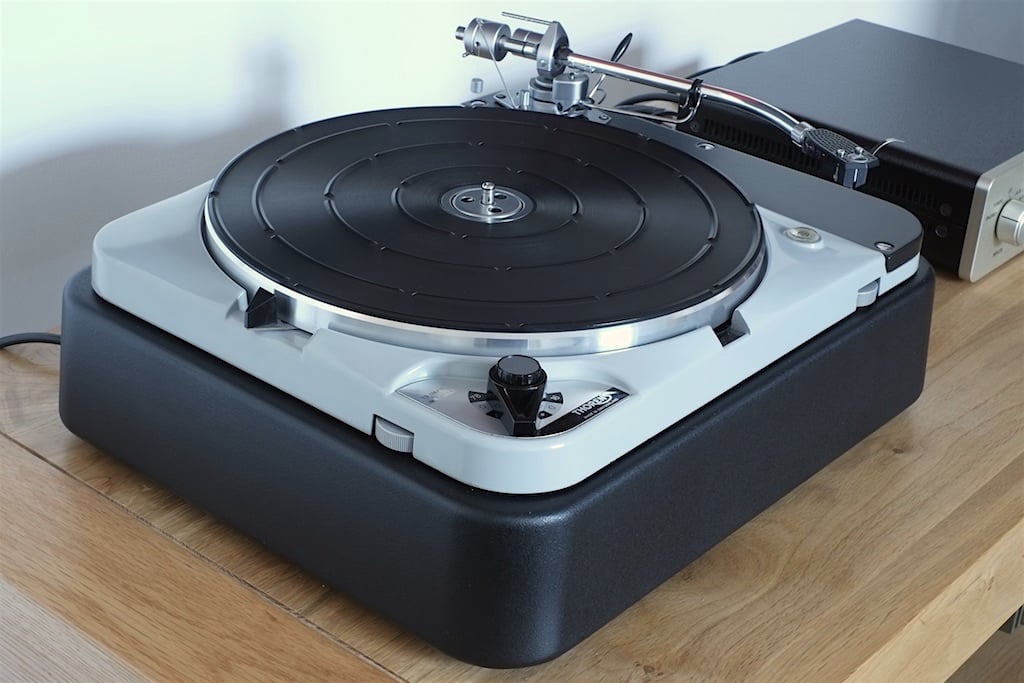
Long before hip-hop existed, before stereo even became standard, Swiss manufacturer Thorens was building turntables that set professional benchmarks. The TD-124, released in 1957, became the broadcast industry standard and earned a reputation for reliability that persists today.
This was an idler-drive design featuring a heavy iron platter and sophisticated eddy-current brake that delivered impressively low wow and flutter figures.The TD-124 appeared during rock and roll’s infancy, when the 12-inch LP format was still relatively new.
Its tank-like construction meant broadcast studios trusted it for decades of daily use. That same build quality explains why vintage TD-124s remain sought after by collectors willing to invest in restoration.
Thorens even released a modern version in 2020, updating the technology while honoring the original design—a testament to how thoroughly this turntable captured something essential about quality audio reproduction.
Rega Planar 3
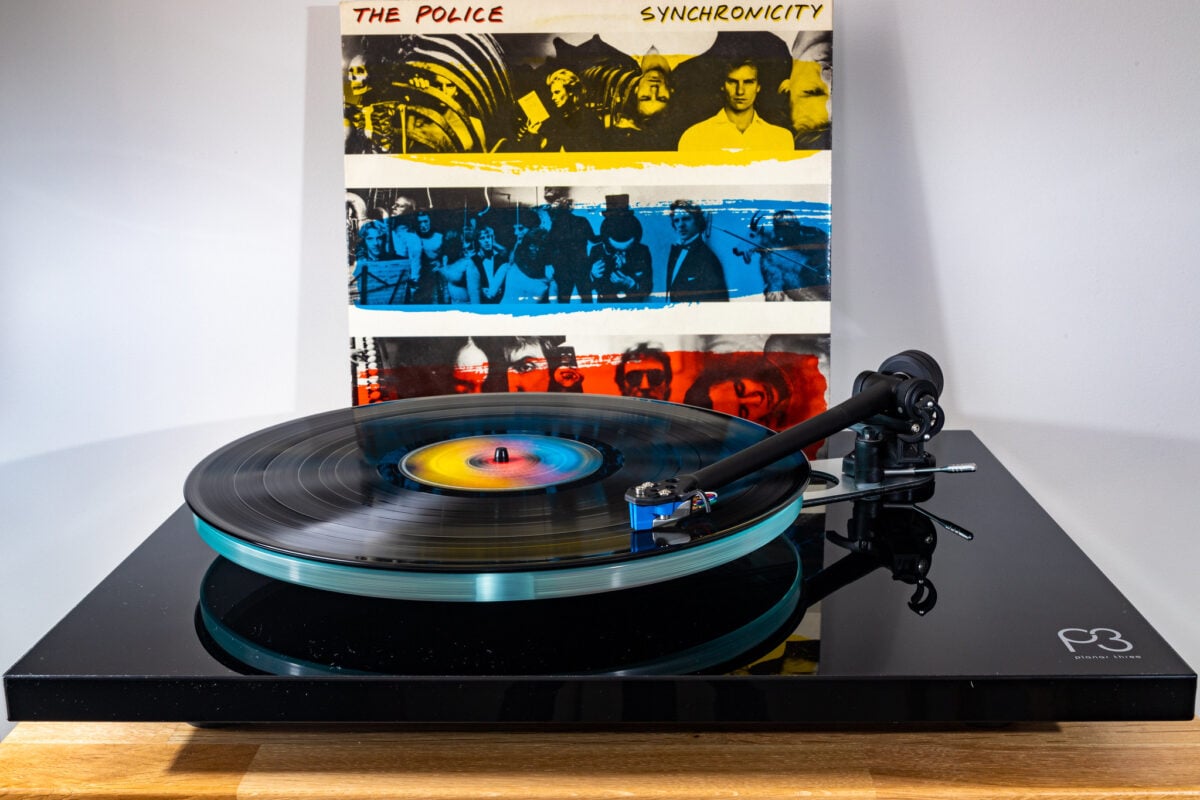
Not every iconic turntable commanded four-figure prices. The Rega Planar 3, introduced in 1978 by British manufacturer Rega Research, proved that thoughtful engineering could deliver exceptional performance at accessible prices.
This belt-drive design featured a glass platter—uncommon at the time—mounted on a simple yet elegant structure that prioritized rigidity and low resonance.The Planar 3 became the entry point for countless audiophiles, offering a clear upgrade path from department store turntables without requiring a second mortgage.
Its straightforward design philosophy emphasized doing a few things extremely well rather than packing in features.Nearly five decades later, Rega still manufactures updated versions of the Planar 3, making it one of the longest-running turntable models in production.
The original units from the late ’70s and early ’80s remain popular on the used market, valued for their combination of build quality and that distinctive Rega sound character.
Dual 1229
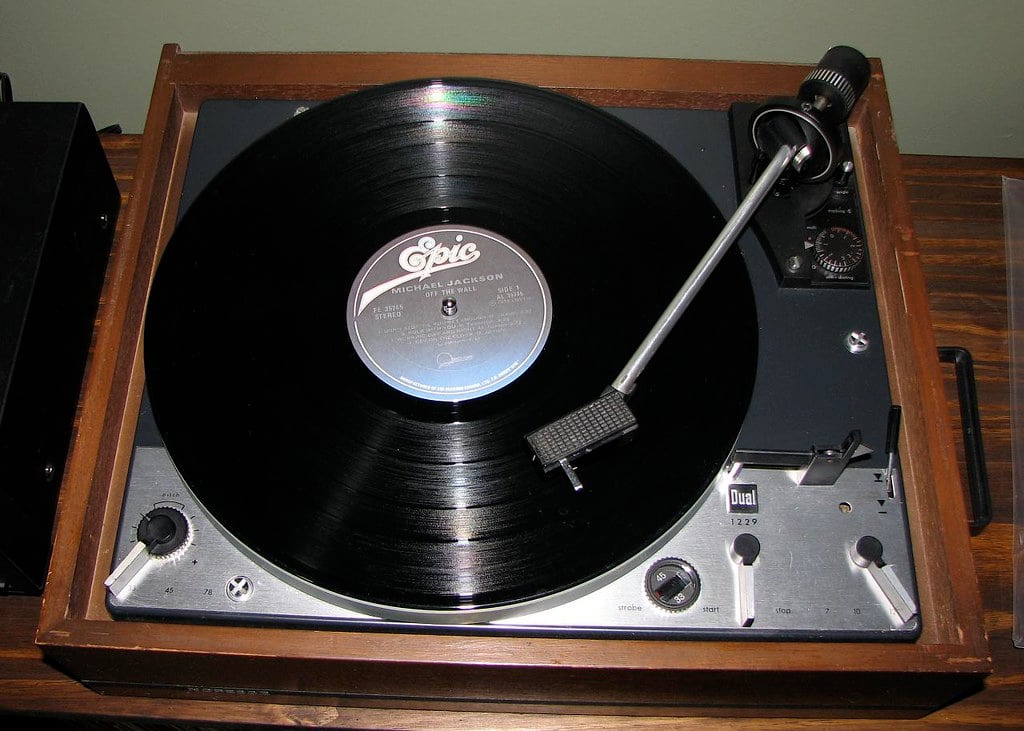
German engineering has a reputation for precision, and the Dual 1229 exemplified that reputation in turntable form. Released in the early 1970s, this idler-drive automatic turntable achieved something remarkable—it combined convenience features with audiophile-grade performance at a time when those qualities rarely coexisted.
The 1229’s party trick was its mode selector, which physically shifted the entire tonearm base to maintain correct tracking angle whether playing single records or stacks. That engineering solution demonstrated Dual’s commitment to getting the details right.
The turntable’s seven-pound platter, long tonearm, and ability to track at pressures as low as 0.25 grams made it serious hi-fi equipment. Yet it remained fully automatic, making it accessible to casual listeners who didn’t want to manually cue every record.
Dual manufactured over 100,000 units of the related TD-125 model in 1975 alone, showing just how popular these German turntables became. Today, restoration specialists like Vinyl Nirvana can barely keep up with demand from customers who’ve discovered vintage Dual turntables at estate sales or online.
The 1229 represents a sweet spot in turntable history—sophisticated enough for serious listening, practical enough for everyday use, and cool enough to become a sought-after vintage piece.
Michell GyroDec
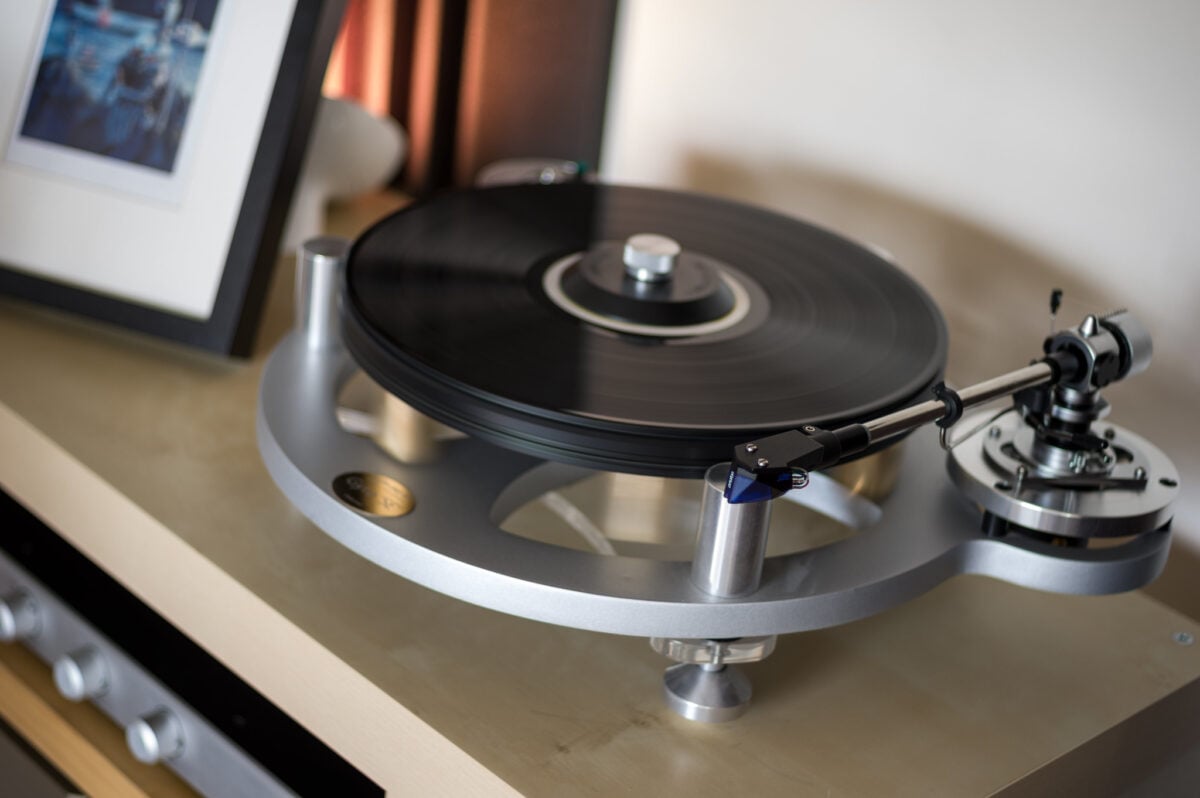
Some turntables earn iconic status through sheer visual audacity. The Michell GyroDec, launched in 1982 by British designer John Michell, looked like something from a science fiction film—all acrylic and suspended brass weights creating a design that seemed to defy conventional turntable aesthetics.
This wasn’t style over substance, though. The GyroDec’s striking appearance concealed genuine engineering innovations.
Its suspended subchassis design and impedance-matched platter pushed the boundaries of detail retrieval and precision. The sound was neutral, transparent, and highly revealing—characteristics that earned it praise from critics and audiophiles alike.
Even Steve Jobs owned one, which says something about its appeal to people who appreciated design as much as function. SME used the GyroDec as their test platform when developing their finest tonearms, demonstrating how seriously the high-end audio community took this turntable’s capabilities.
The GyroDec proved that a turntable could be both an engineering achievement and a visual masterpiece, influencing subsequent generations of high-end turntable design with its willingness to embrace unconventional aesthetics.
Yamaha GT-2000
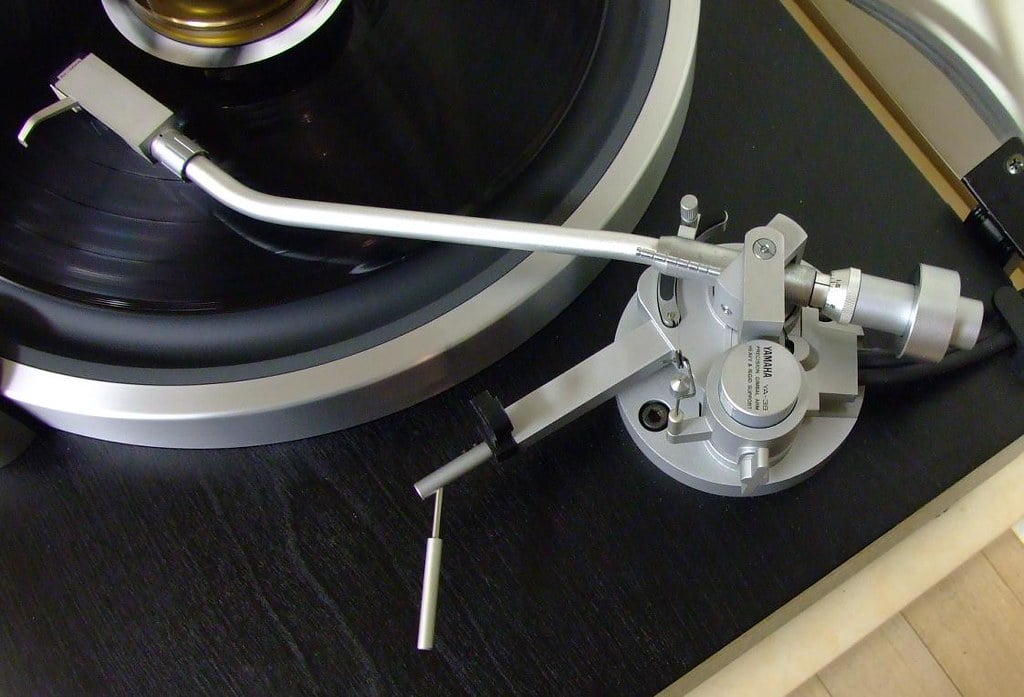
Japanese manufacturers approached turntable design with an obsessive attention to detail that produced some of the most technically accomplished players ever made. The Yamaha GT-2000, a direct-drive turntable released in the late 1970s, weighed in at around 28 kilograms in stock form—and could reach 55 kilograms when fully loaded with optional upgrades.
This wasn’t a turntable; it was a statement piece.Its coreless FG-servo motor and massive platter delivered ultra-low wow and flutter figures that matched or exceeded broadcast-grade decks.
The modular design allowed extreme customization, including 18-kilogram gunmetal platters and vacuum clamps. Japanese audiophiles snapped up the GT-2000 despite its high price, creating a strong presence in the used market today.
Owners consistently praise its powerful lower-frequency response, tight dynamics, and remarkably quiet backgrounds—characteristics that made it a favorite for serious listening sessions.
Audio-Technica Sound Burger
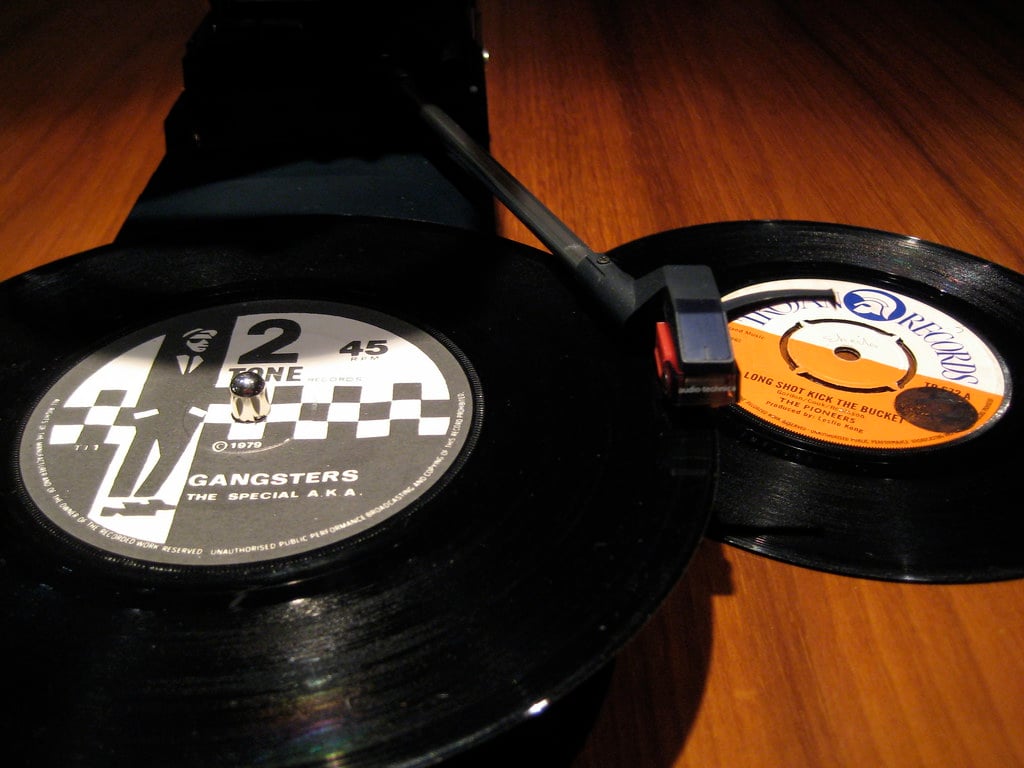
Cool doesn’t always mean serious. Sometimes it means delightfully impractical. The Audio-Technica AT727, dubbed the Sound Burger, arrived in the 1980s as a portable turntable that quickly achieved cult status.
This was vinyl’s answer to the Walkman—a battery-powered player small enough to carry around, complete with its own built-in speakers or headphone output.The Sound Burger represented vinyl culture’s playful side during an era when CDs were supposedly rendering records obsolete.
Its space-age design and actual portability made it a conversation piece, while its functionality proved that quality vinyl playback didn’t require elaborate setups. Audio-Technica reissued the Sound Burger for the company’s 60th anniversary, adding Bluetooth capabilities while maintaining the original’s charm.
That a 1980s novelty turntable warranted a modern reissue speaks to how thoroughly it captured people’s imagination.
The Culture They Created
These turntables shaped more than just audio quality—they influenced entire cultural movements. The Technics SL-1200 gave birth to turntablism as an art form, transforming the record player from a passive playback device to an active musical instrument.
DJs developed scratching techniques when they discovered the motor maintained correct RPM even when the record was wiggled back and forth on the platter. That discovery launched scratching, beat juggling, and all the techniques that would define hip-hop’s sonic character.
High-end turntables like the Thorens TD-124 and Michell GyroDec created audiophile culture as we know it—communities of listeners obsessed with extracting every nuance from vinyl grooves, willing to invest serious money in equipment that delivered incremental improvements in sound quality.
The automatic turntables from Dual made hi-fi accessible to people who wanted great sound without becoming engineering students.The 1960s and 1970s represented the golden age of vinyl, before cassettes and CDs redirected the industry’s attention.
Manufacturers competed intensely, producing innovations in drive systems, tonearm design, and vibration control. Direct-drive technology eliminated the speed irregularities of belt and idler systems.
Suspended designs isolated the playing surface from external vibrations. Precision bearings and massive platters improved rotational stability.
These weren’t incremental improvements—they were fundamental advances that pushed analog playback to its technical limits.
What Made Them Last
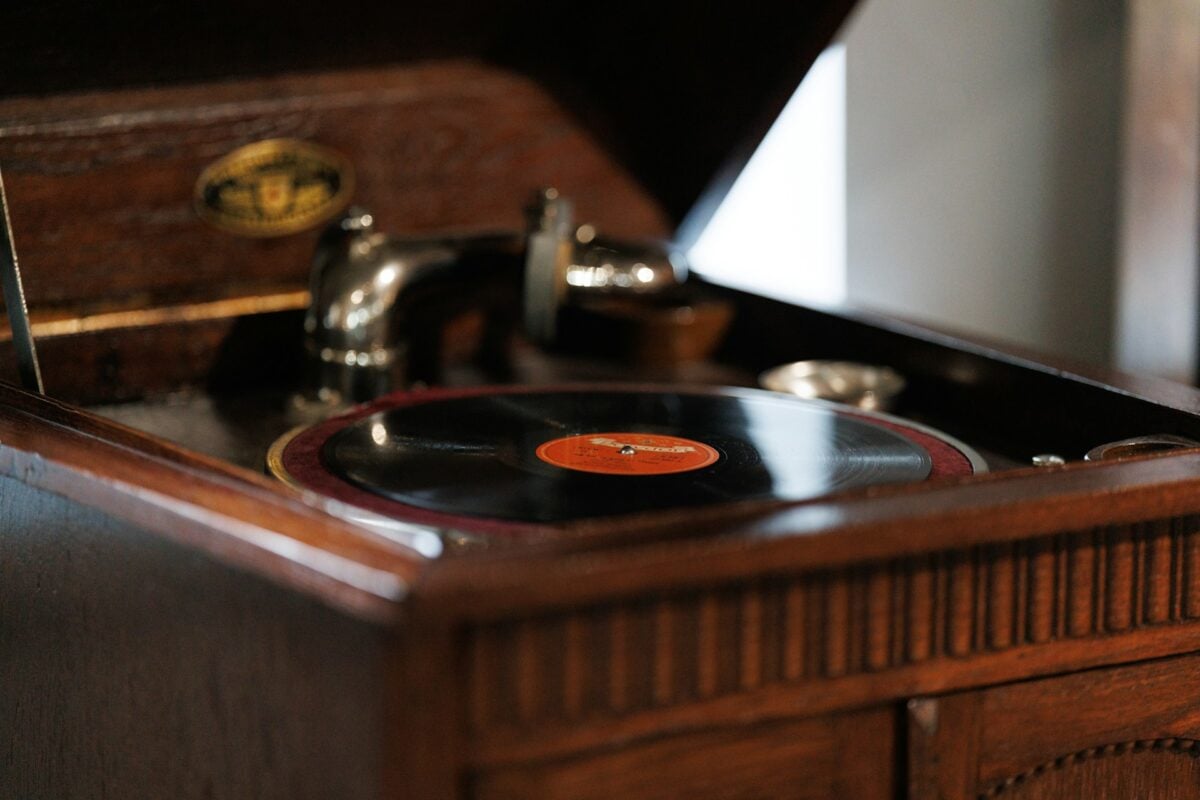
The vintage turntables that achieved iconic status shared certain characteristics beyond mere sound quality. They were built with materials and tolerances that seem extravagant by modern standards—heavy platters, precisely machined bearings, robust motors, and substantial plinths.
This wasn’t planned obsolescence. These turntables were designed to last decades, and many have done exactly that.
They also possessed intangible qualities that transcended specifications. The Technics SL-1200’s pitch control happened to be perfectly suited for beat matching, though that wasn’t its intended purpose.
The Dual 1229’s automatic features made it practical for everyday use without compromising sound quality—a balance many turntables failed to achieve. The Michell GyroDec’s visual drama made it a showpiece that sparked conversations about design as much as audio.
These turntables arrived at cultural moments when they were needed. The SL-1200 appeared just as disco and hip-hop were emerging.
High-end turntables from Thorens, Rega, and Michell satisfied audiophiles during vinyl’s commercial peak. Automatic models from Dual served the mass market’s appetite for convenience.
Right product, right time, built well enough to survive and become legends.
The Sound They Still Make
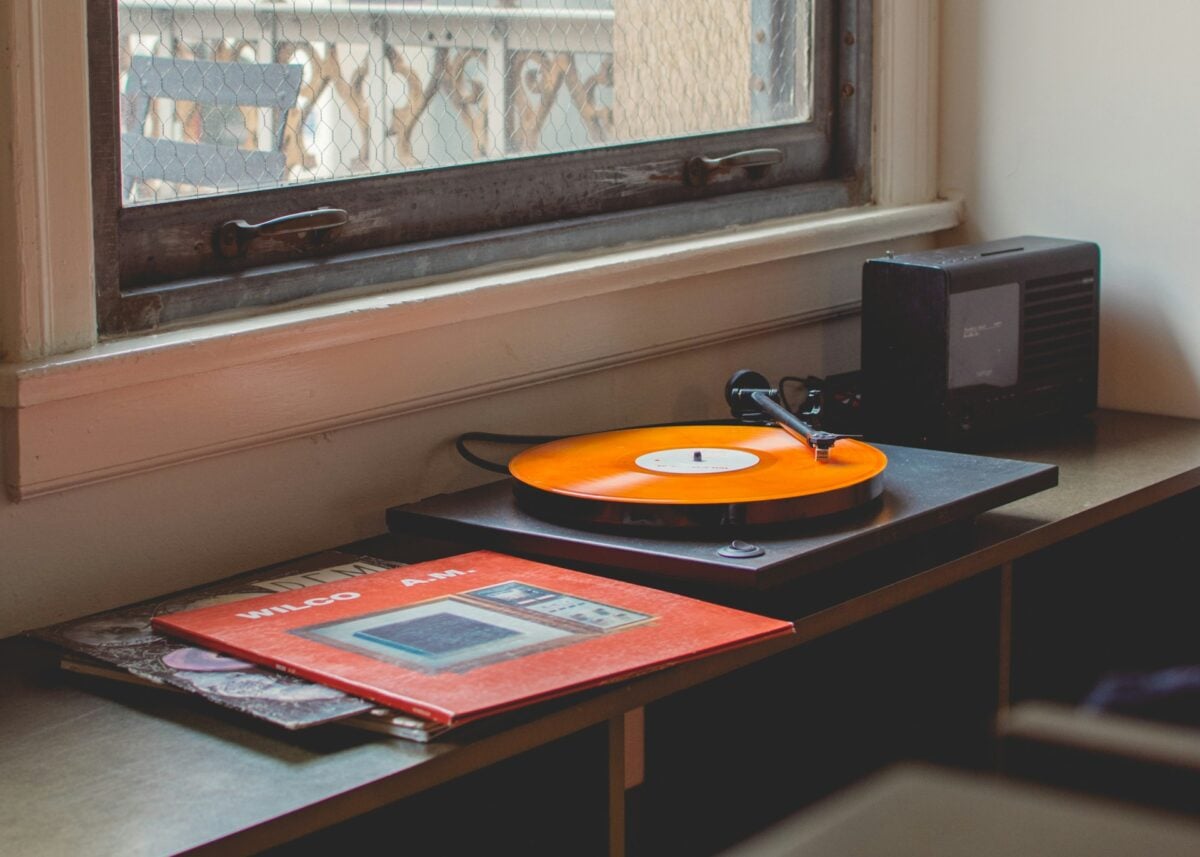
Vinyl has experienced an unexpected renaissance in recent decades, with sales growing consistently since 2005. This resurgence has created renewed demand for vintage turntables, particularly the iconic models that defined their eras.
Restored SL-1200s command premium prices among DJs who want the real thing rather than modern reproductions. Thorens TD-124s in good condition become prized possessions for collectors.
Even mass-market models like the Dual 1229 attract enthusiasts willing to invest in restoration and maintenance.The vintage turntable market exists because these machines still work—and many audiophiles argue they still sound better than budget modern equivalents.
There’s something about the over-engineered construction, the quality materials, and the analog simplicity that modern digital-heavy designs can’t quite replicate. Plus, there’s the cool factor.
A pristine Technics SL-1200MK2 or a beautifully restored Michell GyroDec carries cultural weight that contemporary turntables must earn rather than inherit.These turntables remind us that cool isn’t just about fashion or marketing.
Sometimes it’s about building something so right, so aligned with its purpose and moment, that it transcends its original function and becomes culturally essential. The record players that defined cool did exactly that—they played music brilliantly while somehow capturing the spirit of their times, then refusing to fade away when those times ended. That’s the kind of cool that lasts.
More from Go2Tutors!

- The Romanov Crown Jewels and Their Tragic Fate
- 13 Historical Mysteries That Science Still Can’t Solve
- Famous Hoaxes That Fooled the World for Years
- 15 Child Stars with Tragic Adult Lives
- 16 Famous Jewelry Pieces in History
Like Go2Tutors’s content? Follow us on MSN.