18 Grammar Rules You’re Allowed to Break
Remember sitting in English class, nervously clutching your pencil as the teacher circled every little mistake in red ink? Those days taught us that grammar was rigid, unbreakable, and absolute.
But here’s the thing: language changes, and what was once considered a cardinal sin in writing has become perfectly acceptable in modern communication. The rules that once seemed set in stone have softened, and many of the “errors” we were trained to avoid are now just fine in everyday writing.
Let’s explore which grammar rules have loosened up over the years. You might be surprised at how many old restrictions no longer apply.
Starting Sentences With “And” Or “But”

Teachers used to mark this wrong every single time. The belief was that coordinating conjunctions belonged in the middle of sentences, not at the beginning.
But modern writing embraces these sentence starters because they create emphasis and improve flow. And honestly, some of the best writers have been doing this for centuries.
The rule against it was never really a rule at all, just a guideline that got taken too seriously.
Ending Sentences With Prepositions
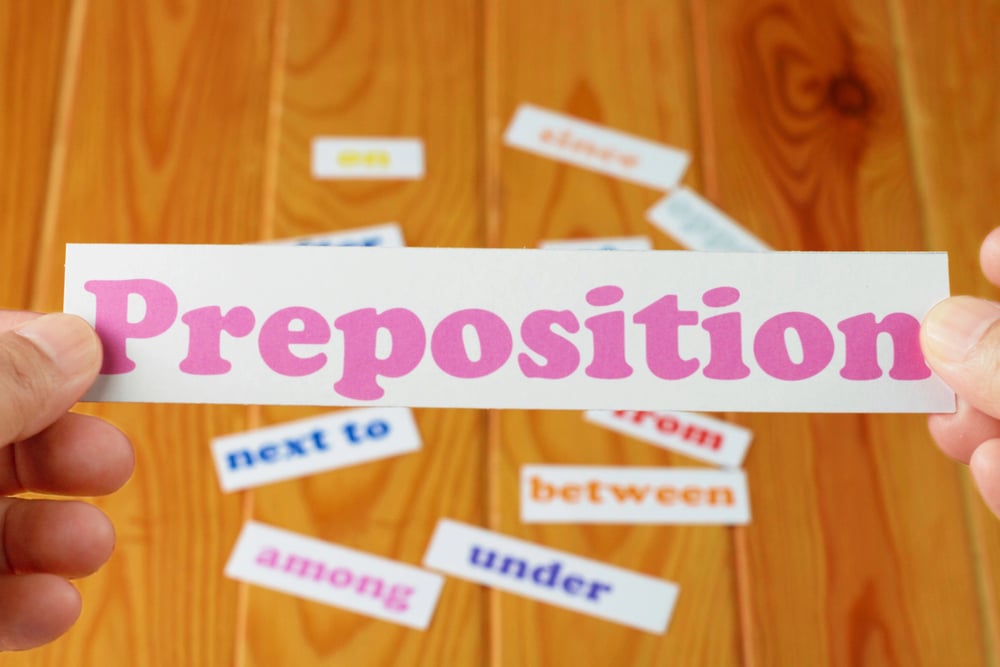
“That’s something up with which I will not put” sounds ridiculous, right? Winston Churchill supposedly mocked this rule with that very sentence.
The old-school approach said prepositions must never end sentences, but following that guideline often creates awkward, unnatural phrasing. Modern grammar accepts that sometimes a preposition is exactly what a sentence should end with.
Fighting against it usually makes writing sound stuffy and outdated.
Splitting Infinitives

“To boldly go where no one has gone before” breaks the traditional rule, yet it’s one of the most famous phrases in television history. The rule said you couldn’t put words between “to” and a verb, but that restriction came from Latin grammar, not English.
English isn’t Latin, and our language works differently. Splitting infinitives often creates clearer, more natural sentences than awkwardly rearranging words to avoid it.
Using “They” As A Singular Pronoun

Grammar purists fought this one for years, insisting “they” could only be plural. But people have been using singular “they” in casual speech for centuries when gender is unknown or irrelevant.
Now it’s officially recognized by major dictionaries and style guides. The language needed a gender-neutral option, and “they” filled that gap naturally.
Even formal writing has embraced this change.
Beginning Sentences With “Because”

Teachers marked this wrong constantly, claiming “because” created sentence fragments. Because that’s not actually true, though, many writers use it anyway.
A sentence that starts with “because” can be perfectly complete if it has both a dependent and independent clause. The key is making sure the thought is finished.
When done correctly, starting with “because” adds variety and emphasis to writing.
Using Sentence Fragments

Complete sentences need a subject and a verb, right? Not always.
Fragments can be powerful. They create emphasis, mirror natural speech, and grab attention.
Professional writers use them all the time for effect. The trick is using them intentionally, not accidentally.
A well-placed fragment can do more work than a lengthy, proper sentence.
Putting Two Spaces After Periods

Typing classes in the typewriter era required two spaces after every period. Modern computers and proportional fonts made this unnecessary, yet some people still double-space out of habit.
One space is now the standard in professional publishing and digital writing. The double-space rule was always about typewriter limitations, not actual readability.
Let it go.
Avoiding Contractions In Formal Writing

Strict grammar guides banned contractions from formal writing, demanding “do not” instead of “don’t” and “cannot” instead of “can’t.” This made writing sound stiff and impersonal.
Modern professional writing embraces contractions because they make text more readable and approachable. Even academic and business writing has relaxed this rule.
The goal is clear communication, not artificial formality.
Never Using “Hopefully” To Modify A Sentence

Grammar sticklers insisted “hopefully” could only mean “in a hopeful manner,” not “it is hoped.” They’d correct “Hopefully, it won’t rain” to something more awkward.
But language evolves, and this usage is now widely accepted. Hopefully, people will stop fighting about it.
The meaning is clear, and that’s what matters.
Starting Sentences With Numbers

The old rule demanded that numbers at the beginning of sentences be written out as words, no matter how long or awkward. “Three thousand four hundred and fifty-six people attended” looks clumsy compared to just writing “3,456 people attended.”
Modern style guides are flexible about this, especially in journalism and digital writing. Sometimes the numeral is simply clearer and easier to read.
Using “Who” Instead Of “Whom”

“Whom” is slowly disappearing from casual English, and even formal writing has become more forgiving. The rule about when to use “whom” confuses many native speakers, and insisting on it can make writing sound pretentious.
“Who did you call?” sounds natural, while “Whom did you call?” sounds like someone trying too hard. Language moves toward simplicity, and “whom” is getting left behind.
Mixing “Like” And “As”

Traditional grammar said “like” is a preposition and “as” is a conjunction, so they couldn’t be used interchangeably. “Do it like I do” was wrong; “Do it as I do” was right.
But casual speech blurred this distinction decades ago, and writing has followed. Both versions communicate the same meaning clearly.
The distinction matters less than whether the reader understands the message.
Using “Less” With Countable Nouns

Express checkout lanes saying “10 items or less” used to drive grammar enthusiasts crazy. The rule said “fewer” for countable items and “less” for mass nouns.
But “less” has been used with countable nouns for centuries in casual speech. Modern usage accepts both in most contexts.
The distinction is fading, and fighting it seems pointless.
Writing One-Sentence Paragraphs

English teachers often required paragraphs to have at least three sentences to be “proper.” This rule makes sense for academic essays but restricts other types of writing unnecessarily.
Single-sentence paragraphs create emphasis, break up dense text, and work beautifully in journalism and digital writing. They’re a tool, not a mistake.
Avoiding The Passive Voice Entirely

Writing guides warn against passive voice as if it’s always wrong. Active voice is usually stronger and clearer, but passive voice serves important purposes.
Sometimes the action matters more than who did it, or the actor is unknown or unimportant. Science writing often uses passive voice appropriately.
The real rule should be using passive voice intentionally, not accidentally.
Using “Which” And “That” Interchangeably

Grammar guides insist “that” introduces essential clauses and “which” introduces non-essential ones. “The car that is red” versus “The car, which is red” supposedly mean different things.
But many excellent writers mix these up, and readers rarely notice or care. British English treats them even more interchangeably than American English.
The distinction is real but not worth obsessing over.
Beginning With “There Is” Or “There Are”

Folks who teach writing often label these as “weak” openings, pushing learners to skip them. Take “there are three reasons” – some say it feels flat when set against “three reasons exist.”
Yet in certain moments, phrases like this slip out easily enough, needing no correction at all. They show up regularly in everyday speech for a reason.
Cutting every one can leave sentences stiff, unnatural.
Breaking Words At The Ends Of Lines

Line breaks once followed strict splitting rules in older manuals. Nowadays, screens adjust text on their own.
Hardly anyone considers breaking words by hand. Print design keeps the practice alive.
Daily writing just skips it. Tools handle the task without effort.
The Rules That Matter Now

Nowhere near strict correctness, grammar focuses on getting messages across. Clarity matters most – when ideas land without mix-ups.
Rules worth keeping stop misunderstandings cold. The rest?
Up for grabs. Tone shifted over time: words feel closer, easier, like talking face-to-face.
Starting fresh sometimes means leaving old guidelines behind on purpose. Words live through those who speak them, yet they shift shape every day without asking.
What works now might twist tomorrow because usage bends like light across water.
More from Go2Tutors!

- The Romanov Crown Jewels and Their Tragic Fate
- 13 Historical Mysteries That Science Still Can’t Solve
- Famous Hoaxes That Fooled the World for Years
- 15 Child Stars with Tragic Adult Lives
- 16 Famous Jewelry Pieces in History
Like Go2Tutors’s content? Follow us on MSN.