Sought-After Collectibles Made for Only a Limited Time
Some things get more valuable the moment they stop being made. A toy pulled from shelves.
A sneaker released in a single colorway that never comes back. A coin minted for one year only.
There’s something about scarcity that turns ordinary objects into obsessions — and collectors have known this for a long time.
Limited-edition collectibles sit at the intersection of nostalgia, commerce, and genuine rarity. Some were planned that way from the start.
Others became rare by accident. Either way, once the supply dries up, the hunt begins.
Beanie Babies That Drove People To Storage Units
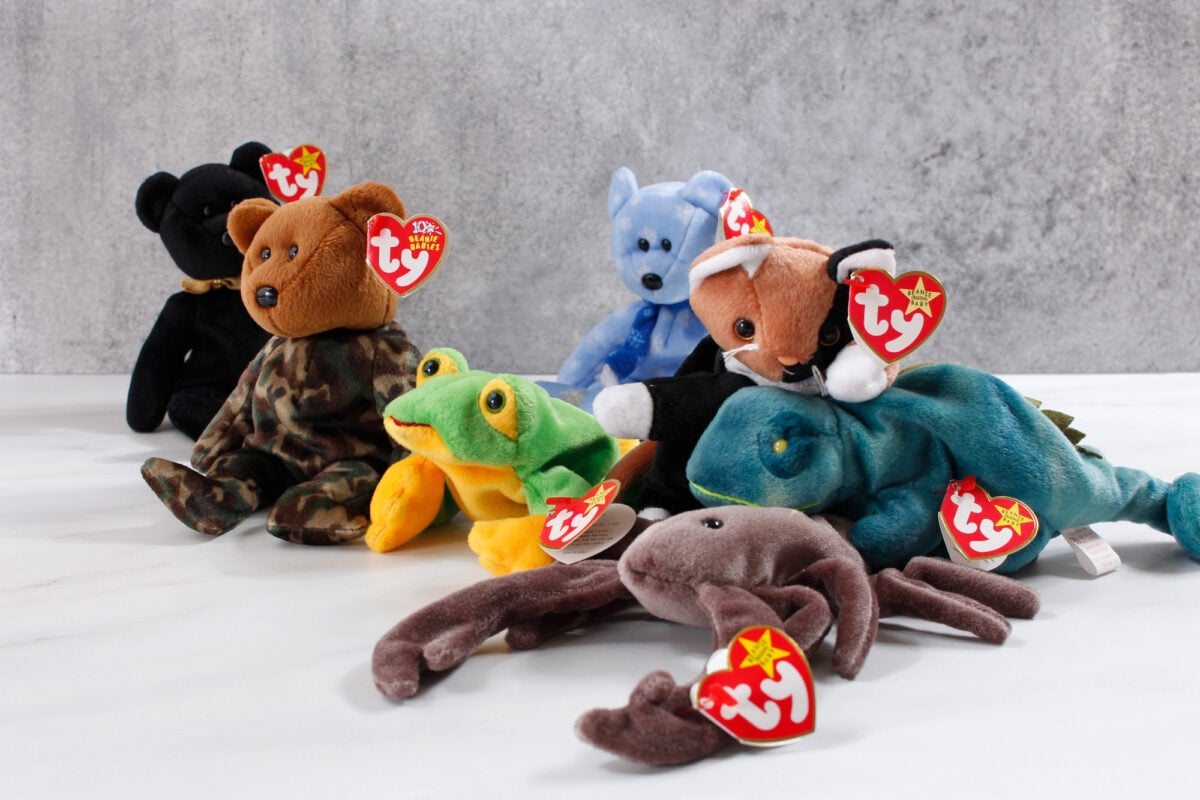
In the late 1990s, Ty Inc. made a simple but effective move: they retired certain Beanie Baby designs. Once a style was “retired,” stores couldn’t reorder it, and suddenly something that cost $5 at a gift shop was selling for hundreds of dollars on eBay.
People kept them in plastic cases with their tags intact. They bought extras.
They stored them in climate-controlled rooms. It was a full-blown craze, and it was built entirely on the idea that production had stopped.
Most Beanie Babies never held their value long term, but a handful of rare ones — like the first-edition Princess Diana bear — still command serious prices today.
Air Jordans And The Culture Of The Drop
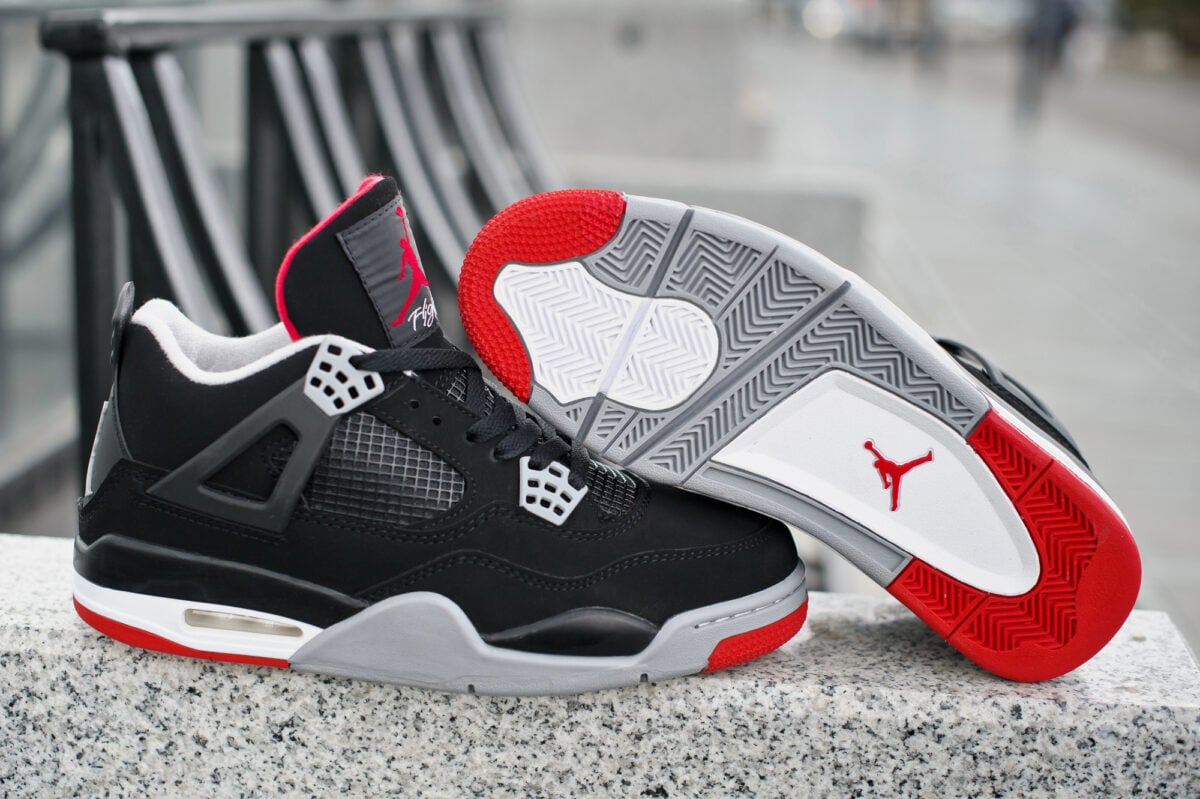
Out of nowhere, Nike’s Jordan Brand turned scarcity into a business model. A fresh look on classic models like the Air Jordan 1, 3, or 11 drops once in a while – tiny batches only.
These shoes vanish fast, sometimes within moments online. Then they pop up elsewhere, priced way higher than before.
Resale sites list them for double, even triple what people originally paid. Sometimes more.
Sneaker shopping became something you mark on your calendar, thanks to the drop system. Lines form before sunrise, websites crash at launch time, while some rely on automated tools just to stand a chance.
Outside queues stretch down city blocks, online entries flood servers, scarcity shaped by legal deals or one-off manufacturing choices keeps heat high.
Even if that black-and-red Jordan 1 linked to the Bulls has dropped ten times already, fans still scramble the second it reappears.
A single scuff changes everything. When compared to one still sealed in its packaging, used sneakers lose most value fast.
What people want sits beyond the design. It’s what stays exactly as it left the factory.
Vintage Baseball Cards From The T206 Era

Around the time cig companies tossed small pictures into their packages, baseball stars started showing up on stiff paper rectangles. These weren’t called rare at first – just extras tucked behind smokes.
From 1909 through 1911, a wave of these prints hit stores under the name T206.
Hundreds of ballplayers made it onto cards; only one stood out far beyond the rest. That single piece now holds legendary status among collectors.
A single choice long ago shaped the fate of the Honus Wagner T206. Though not many were ever printed, it was withdrawal during production that sealed its rarity.
Some say Wagner objected to being used for cig ads, so distribution stopped early. Only a handful slipped through.
One in good shape fetched over two million at sale. Time magnified what began as quiet refusal.
What remains now feels almost accidental.
LEGO Sets Disappear Suddenly

Out of nowhere, LEGO sometimes pulls sets without warning. When they vanish from stores, people start trading them instead.
Take Star Wars kits, for example – those often climb in value fast. Same goes for Harry Potter ones, plus a few special Architecture builds.
Notice comes late, if at all, before they’re gone for good.
One reason people hold on to certain LEGO sets? Value climbs fast once they’re gone. Take the Millennium Falcon – priced at roughly eight hundred dollars when new – it often trades higher now, even without being opened.
Some of those building-style kits, say the café or French eatery ones, have ended up worth three times what they cost long ago.
After putting one together, fans sometimes stash another untouched version aside – not for play, just because it might grow in price later.
Hummel Figurines In Postwar Collecting
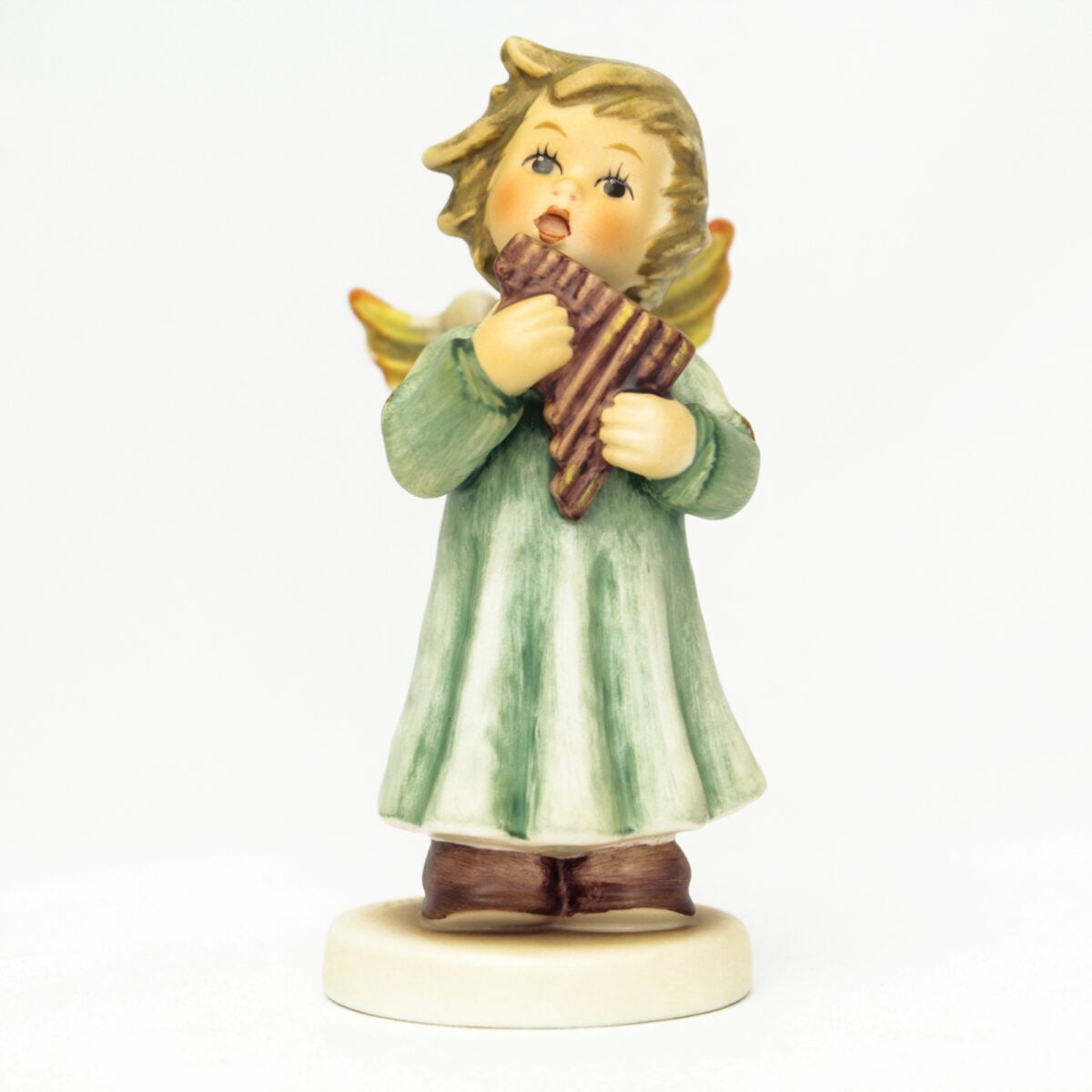
Out of Germany came tiny statues made by Goebel – round-faced kids with bright cheeks that caught eyes fast. Soldiers living there after war ended started carrying these figures back across the ocean.
Soon enough, more people wanted one than anyone expected.
Some old molds bring far higher prices compared to newer ones, even if they look nearly identical. Markings on the bottom help spot these – especially those with a crown symbol from the 1930s into the early 1940s.
Because Goebel sometimes ended models and released final runs complete with official papers, collectors started chasing those just as hard as the originals.
McDonalds Happy Meal Toys People Still Have

Not every toy from a kids’ meal gets tossed – some wind up under glass, watched close by adults who track their worth. Those prizes most often connect to big movies, live games, or came out for just a few weeks.
While many rot underground, a rare few survive on shelves where numbers and dates mean everything.
Now, decades later, folks actually hunt down those 1979 Star Trek: The Motion Picture action figures. While tiny compared to regular Beanies, the 1997 and 1998 Teenie Beanie Babies still pull attention at auctions.
Instead of fading, the 1999 Pokémon toy wave grew wilder – McDonald’s could barely keep them stocked, stores emptied within days.
Because so few are held onto unopened boxes, full collections can demand several hundred bucks online these days.
Limited-Mint Coins And Proof Sets

Government mints around the world produce commemorative coins in capped quantities. The U.S. Mint’s 50 State Quarters Program ran from 1999 to 2008 and introduced millions of people to coin collecting — but the real money was in proof sets, special uncirculated editions made with polished dies and sold directly to collectors.
Error coins command the highest prices of all. A 1955 doubled-die Lincoln cent, where a misalignment in the minting process created a visibly doubled image, sells for thousands in high grades.
Nobody planned for it to be rare. The mistake made it that way.
Funko Pop Exclusives And Convention Variants

Funko Pop figures are everywhere — but certain versions are not. Convention exclusives, retailer-specific variants, and limited chase figures (randomly inserted into cases at a 1-in-6 ratio) can sell for many times the standard retail price.
A standard Batman Pop retails for $12. The metallic convention-exclusive version of the same figure regularly sells for over $100.
The glow-in-the-dark variants, the flocked (fuzzy-textured) figures, and anything marked as a “sticker exclusive” from San Diego Comic-Con are the ones collectors hunt for.
Funko’s strategy is intentional — scarcity is built into the product line from the start.
First-Edition Books With Specific Print Runs
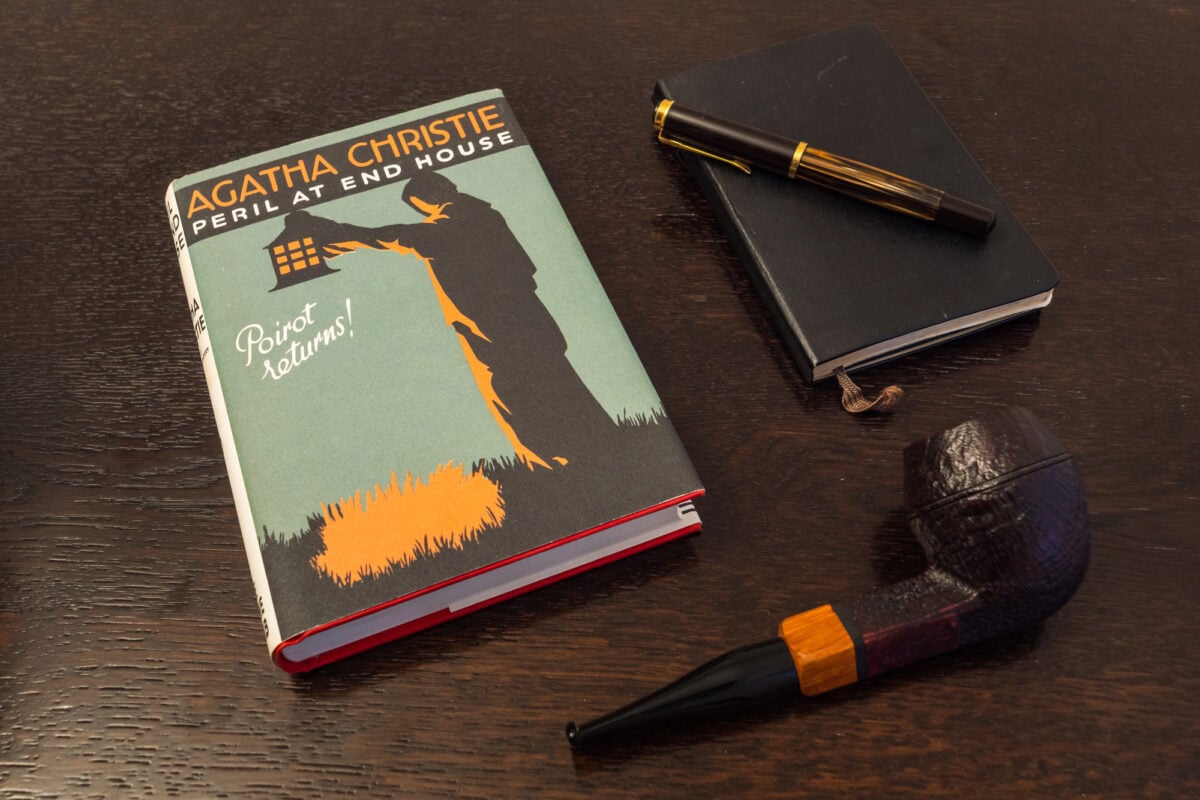
A first edition of Harry Potter and the Philosopher’s Stone, the original UK printing from 1997 with a specific misprint on the copyright page, sold at auction for over $471,000. Only 500 copies of that first run were printed, most going to libraries.
First editions are tricky because “first edition” means different things with different publishers. The key is “first printing” — the actual initial run.
Condition and the presence of the original dust jacket matter enormously. A copy of The Great Gatsby in its original 1925 dust jacket sold for over $162,000.
The book alone without the jacket is a fraction of that.
Studio Ghibli Merchandise Released Only In Japan

Studio Ghibli has kept tight control over its merchandise for decades. Certain items — character plush toys, lacquerware, art prints — are produced in limited runs and sold exclusively at the Ghibli Museum in Mitaka, Japan, which itself limits daily attendance through a ticketed reservation system.
You can’t order these online through official channels. You have to go there, or know someone who did.
That physical scarcity has made even modest items like a Totoro plush or a Nausicaä print into objects worth far more than their original price on the secondary market.
Vintage Pyrex Patterns That Stopped Suddenly

Colorful Pyrex bowls and casseroles came out of U.S. factories starting in the 1950s, lasting decades on kitchen shelves. After Corning let go of the name in ’98, older prints stopped showing up in stores.
Patterns like Butterprint or Lucky in Love began turning heads in secondhand markets before long. Gooseberry, Friendship – these weren’t just names, they were soon spotted in collector cabinets instead of cupboards.
Out in the open market, a complete stack of those creamy “Amish Butterprint” bowls – still looking sharp – pulls in big money. Take the rosy “Lucky in Love” design, made only briefly; one piece might cost more than most expect.
Back then, they were just dishes for everyday meals. Not something folks saved on purpose.
Funny thing is, that’s exactly when things turn valuable.
Trading Card Game Sets From Before The Big Price Rise

Back when the first Pokémon TCG packs came out – Base Set, then Jungle, Fossil, and Team Rocket – most folks didn’t think much about saving them. Printed during the late nineties into the early two-thousands, these cards sat in drawers, traded between kids without a second thought.
A shiny first-print Charizard? That little piece of cardboard now pulls serious money, changing hands for big sums years later. At the time, nobody saw that coming.
A single Charizard from the original Base Set, stamped first edition and graded perfect by experts, fetched more than four hundred twenty thousand dollars in 2022. What makes such a card rare sits on its left edge – that small mark meaning it was part of an initial batch – along with having no shadow beneath the artwork, a trait later fixed.
Because so few slipped out before corrections came, their worth shot up. Opportunities to grab one without paying high prices vanished years back.
Disney Pins And The Market For Park-Exclusive Items

Back in 1999, Disney started letting people swap pins, which slowly turned into something much bigger. Park workers hang dozens of neck straps, ready to switch one out if someone asks them to.
Still, the rarest ones never show up there at all. Only certain parks or gatherings offer Limited Edition pins.
These show “LE” plus a number like 500 or 100. When they’re gone, there will be no more made.
The hardest ones to get – special Loungefly designs, unique hand-finished samples – move through private trades and fan boards. One tiny pin from a small batch might cost more than entrance into the theme park itself.
The Quiet Wait Before Results Appear

One day someone kept their old Pokémon cards without even thinking about value. Not opening the package mattered more than they knew at the time.
A book bought in 1997 sat on a shelf because tossing it felt wrong. Keeping things often happens by accident.
Love for a story made one person hold tight while others let go. Moments pass.
Some stuff stays anyway. Funny how it really happened.
Most prized items stuck around by chance. A person stored them somewhere safe.
Left them alone for decades. What makes them rare now wasn’t planned at all – often it’s simply that years go by, and nearly everything else gets damaged, misplaced, or tossed out without thinking.
What sticks around usually has someone who wouldn’t let go.
More from Go2Tutors!

- The Romanov Crown Jewels and Their Tragic Fate
- 13 Historical Mysteries That Science Still Can’t Solve
- Famous Hoaxes That Fooled the World for Years
- 15 Child Stars with Tragic Adult Lives
- 16 Famous Jewelry Pieces in History
Like Go2Tutors’s content? Follow us on MSN.