12 Surprising Details About the Invention of the Printing Press
One of humanity’s most revolutionary innovations, the printing press changed the way that knowledge circulates throughout society. Although Johannes Gutenberg is typically credited with this outstanding invention, the whole narrative is full of intriguing nuances and surprising turns that are rarely included in elementary school history classes. A combination of ingenuity, necessity, and time led to the development of this revolutionary invention.
These 12 unexpected facts about the printing press’s creation demonstrate how this amazing technology developed and changed our world.
Gutenberg Wasn’t First

Printing didn’t begin with Gutenberg. The Chinese were already using carved wooden blocks to reproduce text as early as the 7th century. What set Gutenberg apart was his use of movable metal type and a special oil-based ink, making mass production far more efficient than earlier methods.
Wine Press Inspiration

Gutenberg’s press design took cues from existing wine presses. By adapting the screw mechanism used to crush grapes, he created a tool that could apply even pressure to transfer ink from type to paper. His innovation came not from inventing from scratch, but from refining what already existed.
Financial Struggles

Despite his revolutionary invention, Gutenberg didn’t profit. Heavy loans and legal trouble with his investor, Johann Fust, cost him his press and business. Fust continued the work and completed the Gutenberg Bible, leaving Gutenberg without recognition or reward during his lifetime.
Metallurgy Skills

Gutenberg’s background as a goldsmith gave him the edge in crafting durable, reusable metal type. He developed a type alloy—mainly lead, tin, and antimony—that could withstand repeated pressings while keeping sharp details, proving crucial to the success of his system.
Secret Development

To protect his invention, Gutenberg enforced strict secrecy. Workers took oaths of silence, and operations remained hidden. He recognized the commercial potential of his press and took early steps to guard his intellectual property—a surprisingly modern approach for the 15th century.
Rapid Expansion
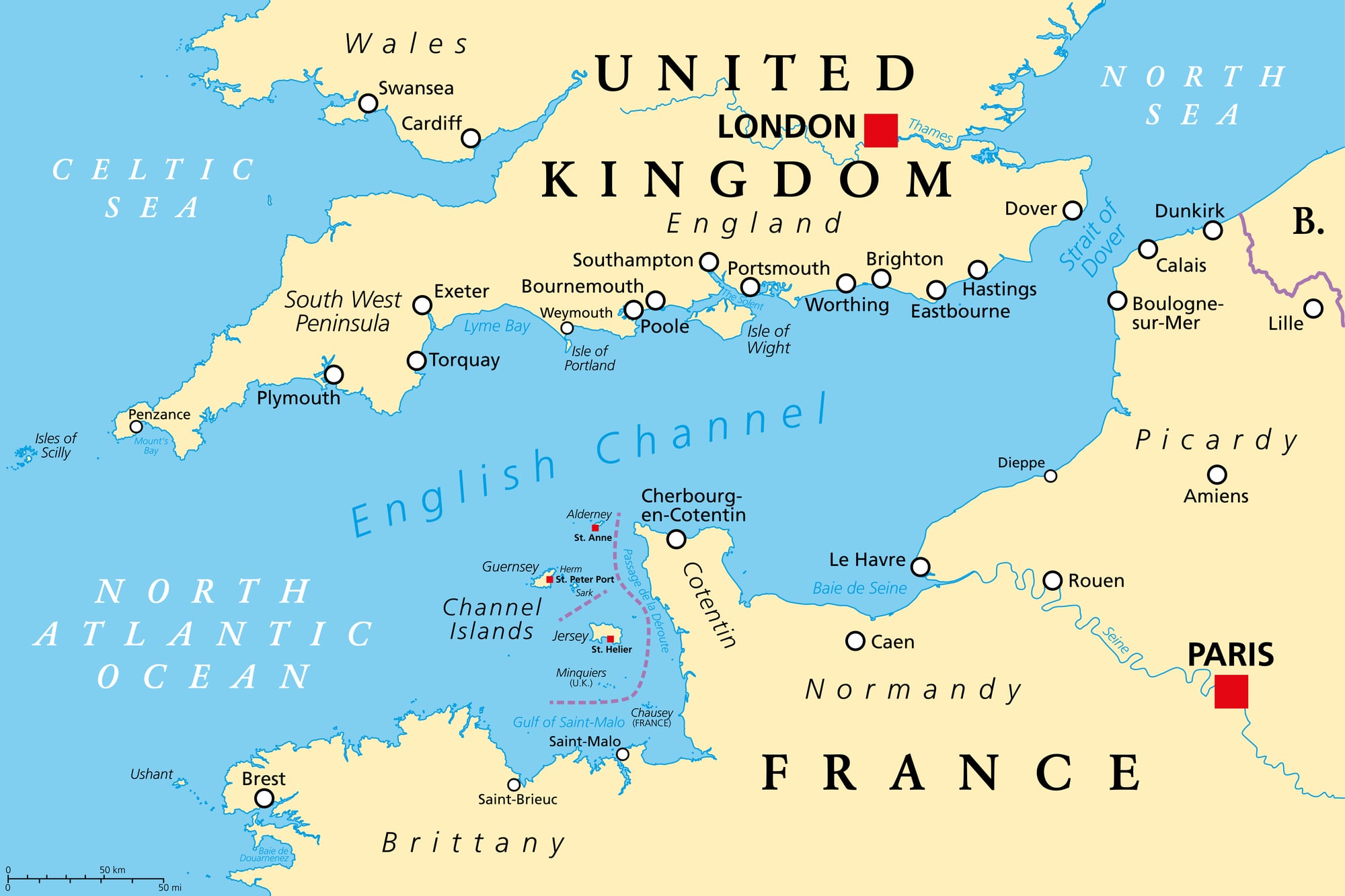
In just four decades, printing spread to over 270 European cities. The pace mirrored the growth of technologies like the internet, driven by skilled printers who trained apprentices and opened their own shops, spreading the innovation far and wide.
Knowledge Explosion

Europe had only about 30,000 books before Gutenberg. By 1500, over 20 million volumes existed. The explosion of accessible information laid the groundwork for massive cultural shifts like the Renaissance, the Reformation, and the Scientific Revolution.
Specialized Ink Formula

Handwriting ink didn’t adhere to metal, so Gutenberg crafted a thicker, oil-based ink specifically for printing. This innovation ensured that text transferred cleanly and dried properly, making it as critical to the press’s success as the machinery itself.
Standardized Typography

Printing created consistency across books for the first time. Unlike handwritten manuscripts, printed works used uniform typefaces and layouts. This standardization made reading easier and more familiar, accelerating literacy across Europe.
Paper Revolution

Affordable paper was as essential as the press. European advances in papermaking lowered costs, making mass production viable. Without cheap paper, Gutenberg’s press wouldn’t have scaled—parchment was too expensive for widespread use.
Employment Changes

Printing reshaped the labor market, birthing new professions like typesetters and print shop managers. These roles required fresh skills, echoing today’s workforce shifts due to digital technologies and automation.
The Information Legacy

Gutenberg’s press did more than replicate books—it changed civilization. It broke the elite’s monopoly on knowledge, enabling ideas to spread faster and further than ever before. From printed pamphlets to digital newsfeeds, Gutenberg’s legacy lives in every form of mass communication.
A Monument of Influence
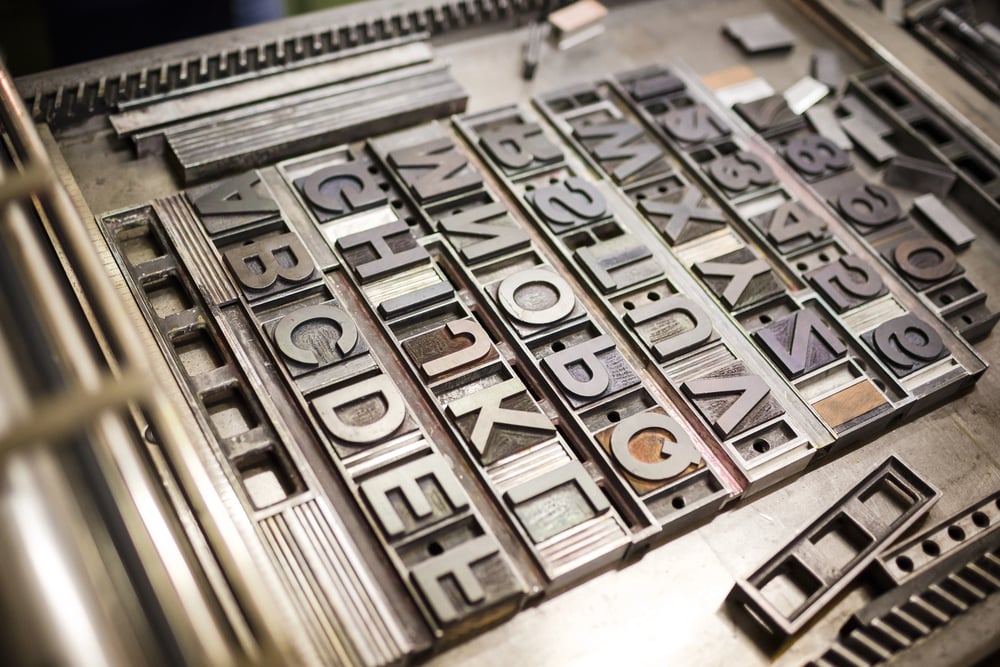
The printing press was more than a machine—it was a turning point for humanity. By democratizing access to knowledge, it laid the foundation for modern education, science, politics, and culture. Today’s digital world still builds on Gutenberg’s bold idea: that information should be shared, not hoarded.
More from Go2Tutors!

- 16 Historical Figures Who Were Nothing Like You Think
- 12 Things Sold in the 80s That Are Now Illegal
- 15 VHS Tapes That Could Be Worth Thousands
- 17 Historical “What Ifs” That Would Have Changed Everything
- 18 TV Shows That Vanished Without a Finale
Like Go2Tutors’s content? Follow us on MSN.