People Who Quietly Changed History Without Realising It
History is full of admiration for leaders who deliberately set out to change the world, such as presidents, generals, and visionaries. But some of the most significant changes were started by ordinary people who had no idea what they were doing.
A thoughtless comment here, an incorrect turn there, and suddenly the entire course of human history is altered. These people weren’t trying to make history; they were just living their lives when fate had other plans.
Here is a list of 15 people whose seemingly unimportant actions or discoveries had a big influence.
Franz Ferdinand’s Driver

Leopold Lojka was simply doing his job on June 28, 1914, when he took a wrong turn down a side street in Sarajevo. That navigational error placed Archduke Franz Ferdinand’s car directly in front of Gavrilo Princip, one of the failed assassins from earlier that day who, according to popular accounts, happened to be at a nearby shop.
Princip seized the opportunity and fired the shots that killed the Archduke and his wife, triggering a chain of events that led to World War I. Lojka couldn’t have known that his mistake would contribute to a conflict that killed millions and redrew the map of Europe.
Henry Tandey
According to a story that emerged years after World War I, British soldier Henry Tandey allegedly had a wounded German soldier in his sights near the French village of Marcoing in September 1918. The account claims Tandey chose not to shoot the injured man, who nodded in thanks and limped away—and that soldier was supposedly Adolf Hitler.
Historians generally consider this story apocryphal, likely originating from Hitler’s own later claims, and solid evidence for the encounter has never been found. Still, the tale illustrates how a single moment of mercy on a battlefield might have altered the 20th century entirely.
Stanislav Petrov
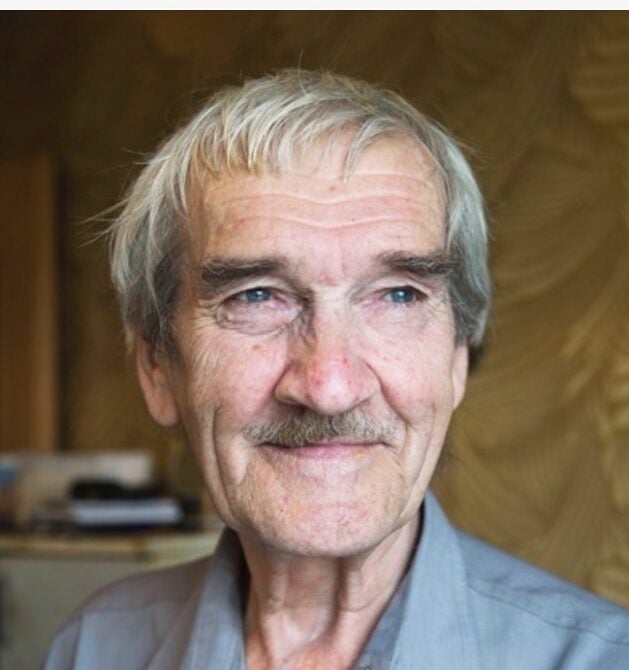
On September 26, 1983, Soviet Lieutenant Colonel Stanislav Petrov was monitoring early warning systems when alarms indicated that the United States had launched five nuclear missiles at the Soviet Union. Protocol demanded he report an incoming attack, which would have triggered a massive retaliatory strike.
Instead, Petrov trusted his instincts that the system had malfunctioned—five missiles seemed too small for a first strike—and reported a false alarm. He was right, and his decision not to follow procedure likely prevented nuclear war.
Petrov didn’t receive recognition for decades and later said he was simply doing his job.
Henrietta Lacks
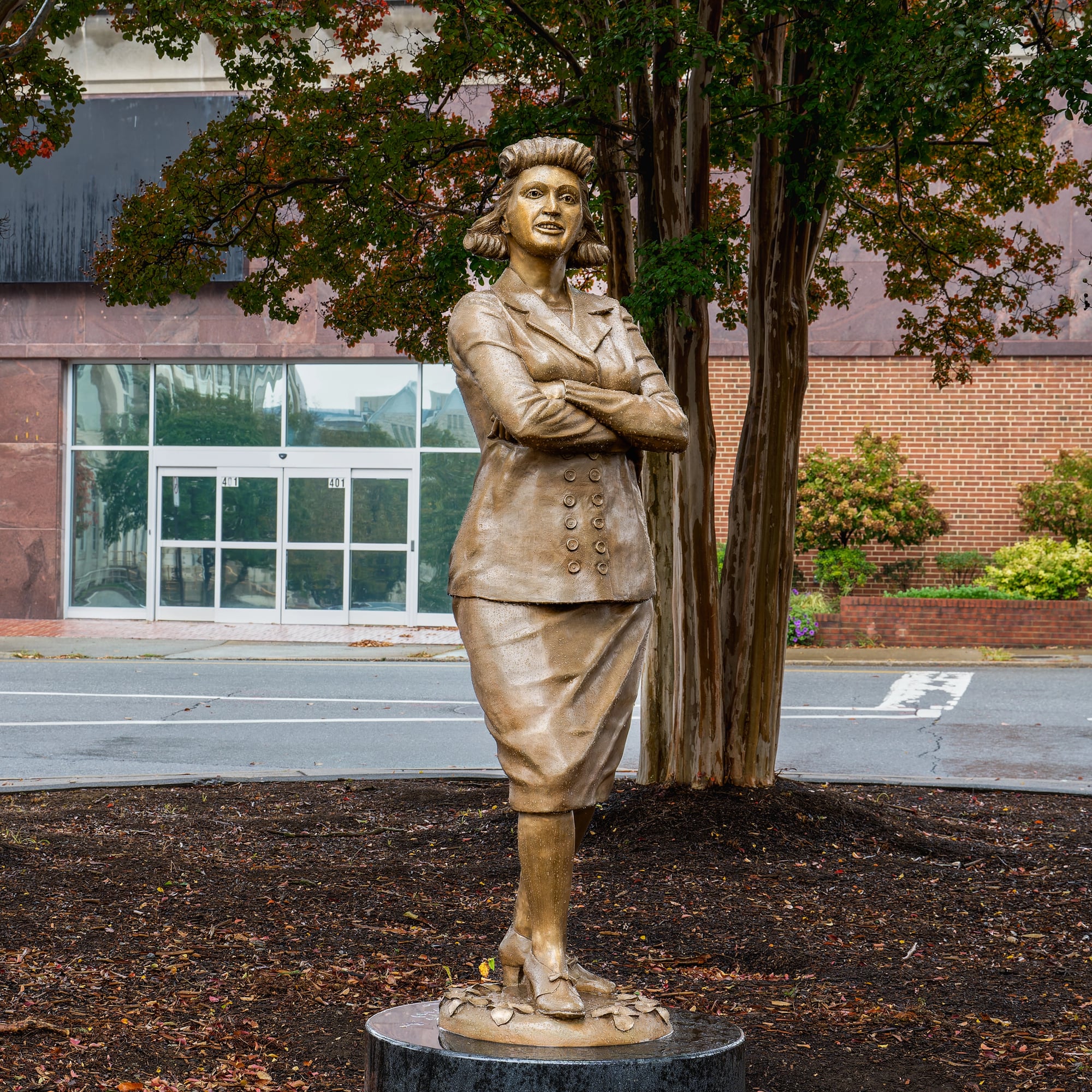
In 1951, doctors at Johns Hopkins took cell samples from Henrietta Lacks, a young Black woman being treated for cervical cancer. She died later that year without knowing that her cells were remarkable—they survived and multiplied indefinitely in the laboratory when other cell samples had failed.
Her ‘HeLa’ cells, derived from multiple extractions during her treatment, became the foundation of modern medical research, contributing to the polio vaccine, cancer treatments, and countless other breakthroughs. Lacks never consented to this use, never knew her cells were special, and her family wasn’t informed for decades.
Philo Farnsworth

At age 14 in 1920, Idaho farm boy Philo Farnsworth sketched an idea for electronic television while plowing a potato field. The parallel lines in the soil inspired his concept for scanning images line by line.
He demonstrated the first working electronic television system in 1927 at age 21, but spent years in patent battles with RCA and never received the recognition or financial reward he deserved. Farnsworth grew disillusioned with his invention, reportedly telling his son that watching television wasn’t worth it.
He likely never understood how completely his creation would transform human communication and culture.
Alexander Fleming

In 1928, Scottish bacteriologist Alexander Fleming returned from vacation to find mold growing on a petri dish he’d accidentally left uncovered. Rather than discarding it, he noticed that bacteria weren’t growing near the mold.
This chance observation led to the discovery of penicillin, and while Fleming published his findings, he lacked the resources and tools to stabilize or mass-produce the substance. It took other scientists over a decade later to develop penicillin into a usable antibiotic that could be manufactured at scale.
Fleming later admitted he hadn’t immediately grasped the full significance of what he’d found.
Vasili Arkhipov

During the Cuban Missile Crisis in October 1962, Soviet submarine B-59 was trapped underwater by American destroyers using signaling depth charges to force the vessel to surface. The captain and political officer, out of contact with Moscow and unsure whether war had begun, wanted to launch a nuclear torpedo.
Launch required agreement from three officers, and Vasili Arkhipov, the flotilla commander aboard, refused. His single vote against launching likely prevented a nuclear exchange that could have escalated into full-scale war.
Arkhipov never spoke publicly about the incident, and it wasn’t widely known until decades after his death.
Percy Spencer

In 1945, Raytheon engineer Percy Spencer was working on radar equipment when he noticed that a chocolate bar in his pocket had melted. Curious, he experimented with popcorn kernels and an egg near the magnetron tube, both of which cooked rapidly.
Spencer had accidentally discovered microwave cooking, though he likely didn’t envision that his observation would revolutionize how millions of people prepare food daily. The first commercial microwave ovens were enormous and expensive, and it took decades for the technology to become a kitchen staple.
Rosalind Franklin

British chemist Rosalind Franklin produced the X-ray diffraction images that proved crucial to understanding DNA’s structure. Her famous ‘Photo 51’ was shown to James Watson without her knowledge, and he immediately recognized it as evidence for the double helix model.
Watson and Francis Crick published their DNA structure in 1953 with minimal acknowledgment of Franklin’s contribution. She died of ovarian cancer in 1958 at age 37, never fully aware of how central her work had been to one of the most important scientific discoveries of the century.
Hedy Lamarr
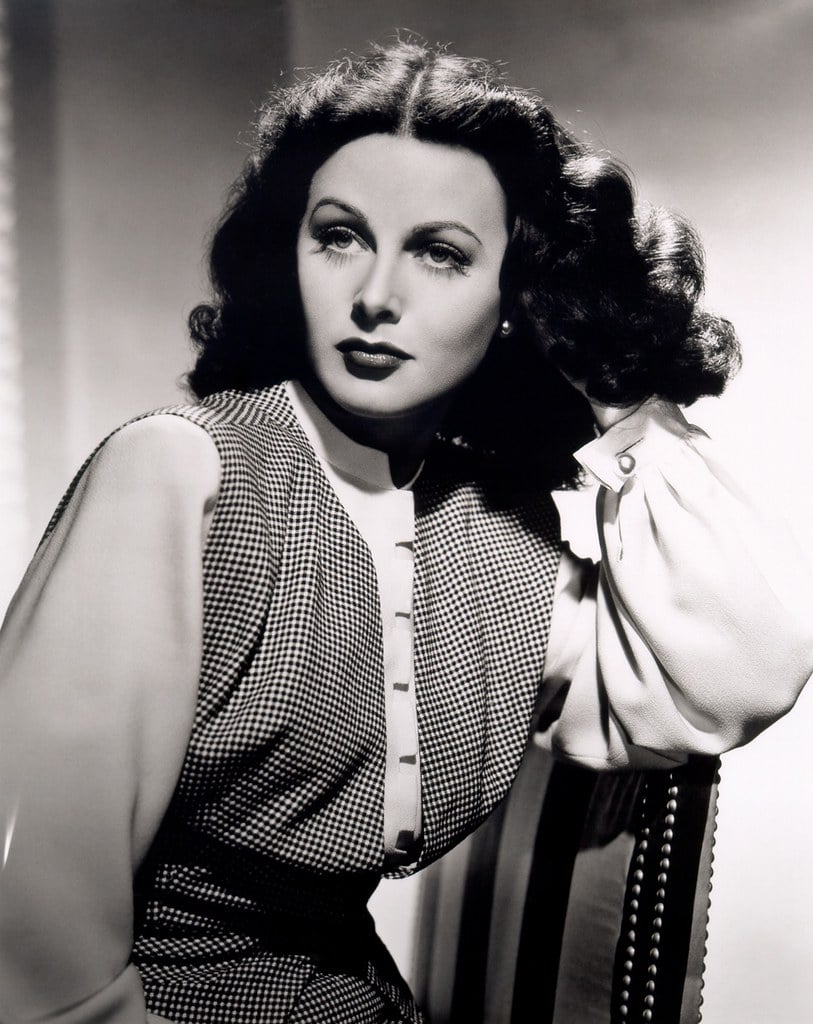
The Hollywood actress was also a self-taught inventor who patented a frequency-hopping system during World War II to prevent enemy jamming of torpedo guidance signals. The Navy dismissed her invention at the time, and Lamarr moved on with her acting career.
Decades later, her concept influenced the development of spread-spectrum technology that contributed to modern wireless communications including Bluetooth and Wi-Fi. Lamarr received belated recognition in the 1990s but spent most of her life unaware that her wartime idea would help shape the wireless technology billions of people use every day.
Maurice Hilleman

This American microbiologist developed over 40 vaccines during his career, contributing to immunizations for measles, mumps, rubella, hepatitis A and B, chickenpox, meningitis, and other diseases. In 1963, when his daughter woke up with a sore throat, he swabbed her throat, isolated the virus, and used it to develop the mumps vaccine still in use today.
Despite saving more lives than perhaps any other scientist in history, Hilleman remained largely unknown to the public. He reportedly preferred it that way and expressed frustration that vaccines rarely received the attention given to treatment medicines.
Tim Berners-Lee
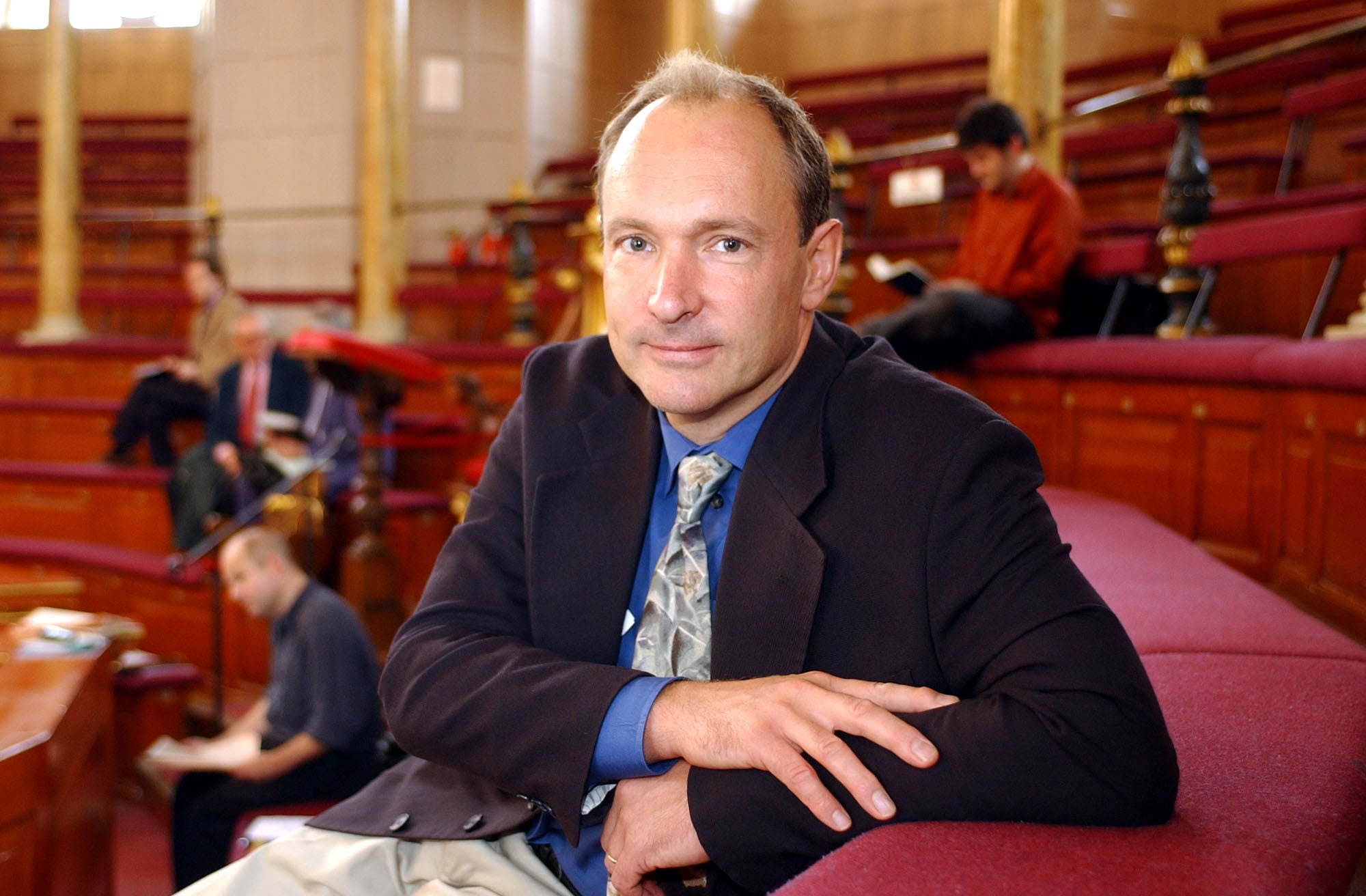
In 1989, British computer scientist Tim Berners-Lee proposed a system for sharing information among researchers at CERN. He called it the World Wide Web—a way to navigate and link documents on the existing Internet—and made it freely available to everyone, declining to patent or profit from his creation.
While Berners-Lee certainly understood he was building something useful, he couldn’t have anticipated that his information-sharing tool would transform commerce, politics, social interaction, and virtually every aspect of modern life. He has since expressed concerns about how the web has evolved and spends much of his time advocating for a better internet.
Norman Borlaug

This American agronomist spent decades developing high-yield, disease-resistant wheat varieties and promoting agricultural techniques in Mexico, India, and Pakistan. His work sparked the ‘Green Revolution’ that is credited with saving hundreds of millions to over a billion people from starvation, by various estimates.
Borlaug won the Nobel Peace Prize in 1970 but remained relatively obscure compared to his impact on human survival. He continued working into his 90s and expressed frustration that world hunger persisted despite the agricultural advances he’d helped create.
Nils Bohlin
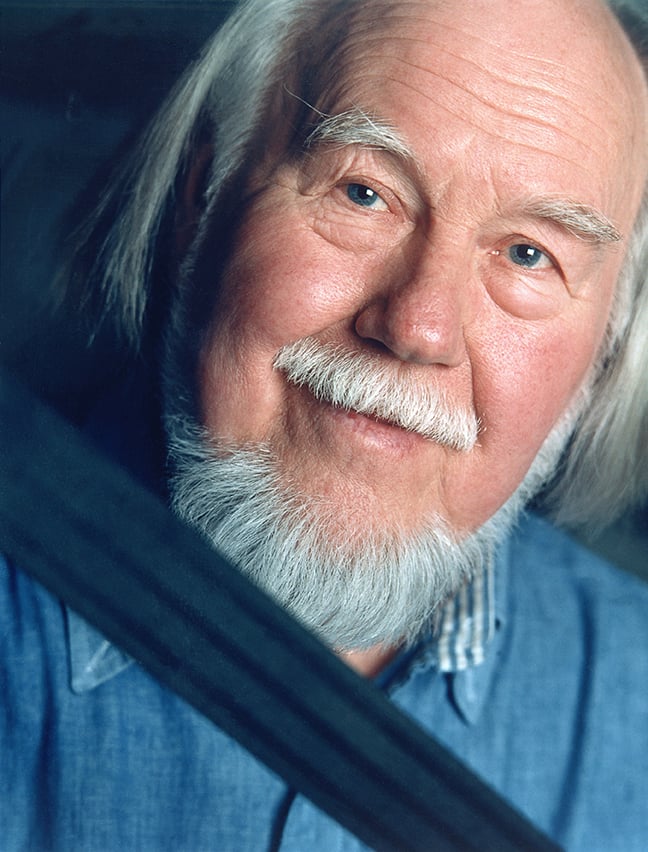
In 1959, Volvo engineer Nils Bohlin invented the three-point seatbelt, the V-shaped design that’s now standard in every car. Volvo made the patent freely available to all automakers, prioritizing safety over profit.
Bohlin’s invention has saved hundreds of thousands to over a million lives since its introduction, yet he remained virtually unknown outside automotive engineering circles. He reportedly received more letters of gratitude from people whose lives were saved by seatbelts than any formal recognition.
Clair Cameron Patterson
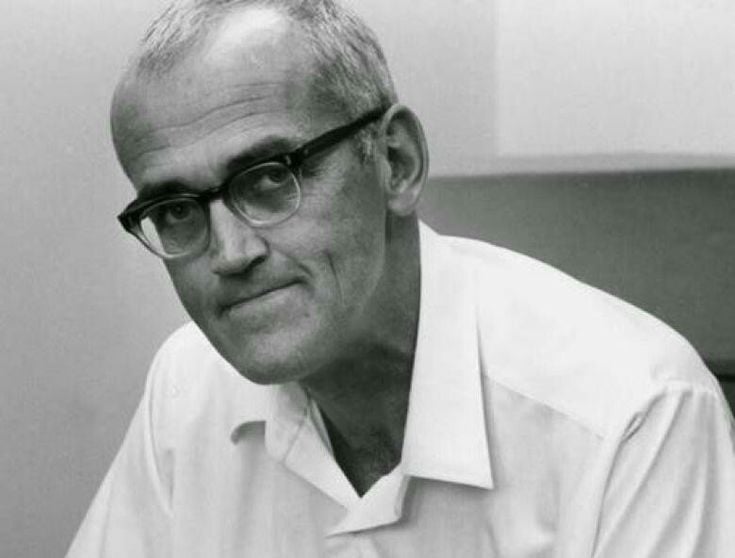
This American geochemist set out in the 1950s to determine Earth’s age by measuring lead isotopes in meteorites. His work required eliminating lead contamination from his samples, which led him to discover that lead pollution was far more widespread than anyone realized—and that leaded gasoline was the primary culprit.
Patterson became the leading scientific voice in the decades-long fight against the lead industry, helping build the case that eventually led to the ban on leaded gasoline in the United States. He wasn’t trying to become an environmental activist; he just wanted accurate measurements for his age calculations.
The Quiet Catalysts

Whether they were accidental discoveries, rash decisions, or unrecognized contributions, these 15 individuals’ actions had a profound effect on the world even though they had no intention of altering the path of human history. While some died unaware of their impact, others went on to become famous.
Their stories serve as a reminder that ordinary people whose seemingly insignificant actions have far-reaching consequences they never would have imagined are just as much a part of history as those striving for fame or power.
More from Go2Tutors!

- The Romanov Crown Jewels and Their Tragic Fate
- 13 Historical Mysteries That Science Still Can’t Solve
- Famous Hoaxes That Fooled the World for Years
- 15 Child Stars with Tragic Adult Lives
- 16 Famous Jewelry Pieces in History
Like Go2Tutors’s content? Follow us on MSN.