The 15 Strongest Currencies in the World
Money makes the world go round, but not all money is created equal. While most people think of the U.S. dollar as the king of currencies, there are actually several others that pack even more punch when it comes to their value.
Let’s take a look at the currencies that hold the most value on the international stage right now.
Kuwaiti dinar
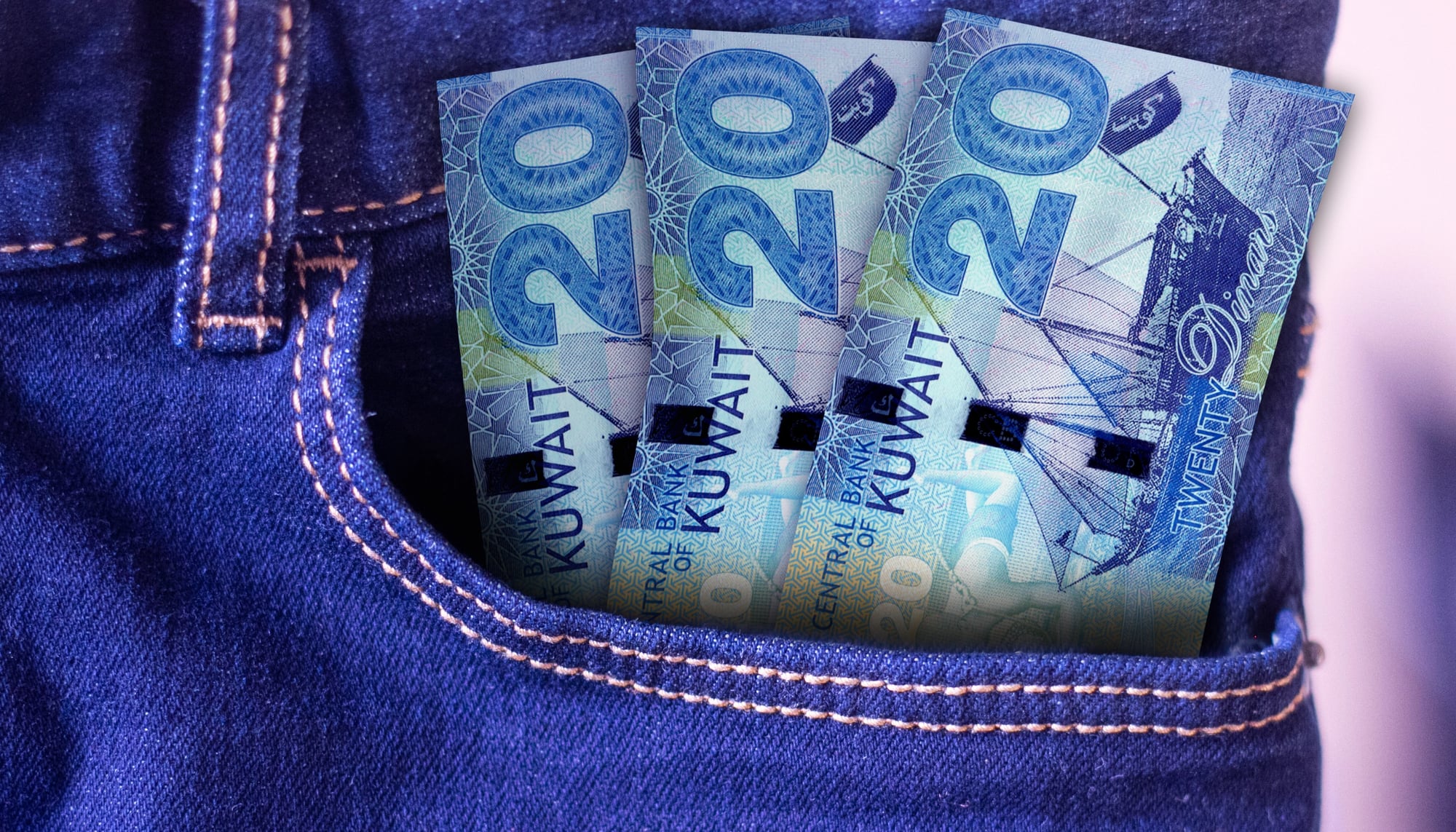
The Kuwaiti dinar sits at the top as the world’s strongest currency, and it has held this position for quite some time. One Kuwaiti dinar equals around 3.25 U.S. dollars, which means this small Middle Eastern nation’s money goes further than any other.
Kuwait built its economic strength on massive oil reserves discovered in the 1930s, and the country has managed these resources carefully ever since. The government pegs the dinar to a basket of currencies rather than just the dollar, which helps keep it stable and valuable.
Despite being a small country with a population under five million people, Kuwait punches way above its weight in the currency world.
Bahraini dinar
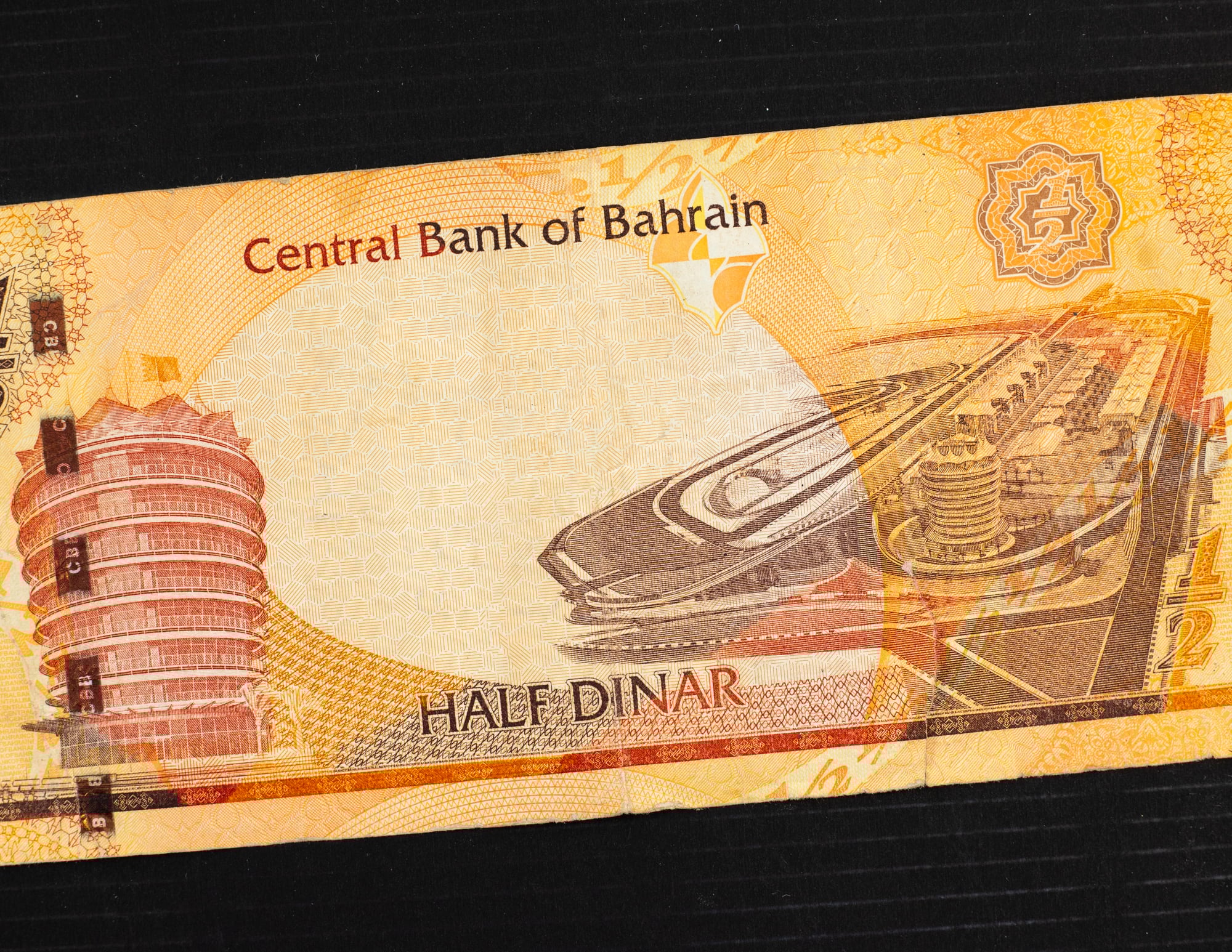
Bahrain’s currency comes in second place with one dinar worth about 2.65 U.S. dollars. This island nation in the Persian Gulf also relies heavily on oil and gas exports, though it has worked hard to branch out into banking and tourism over the past few decades.
The Bahraini dinar has been pegged to the U.S. dollar since 1980, which creates stability for investors and businesses operating in the region. The country keeps tight control over its currency supply, and this careful management has paid off in maintaining high value.
Omani rial
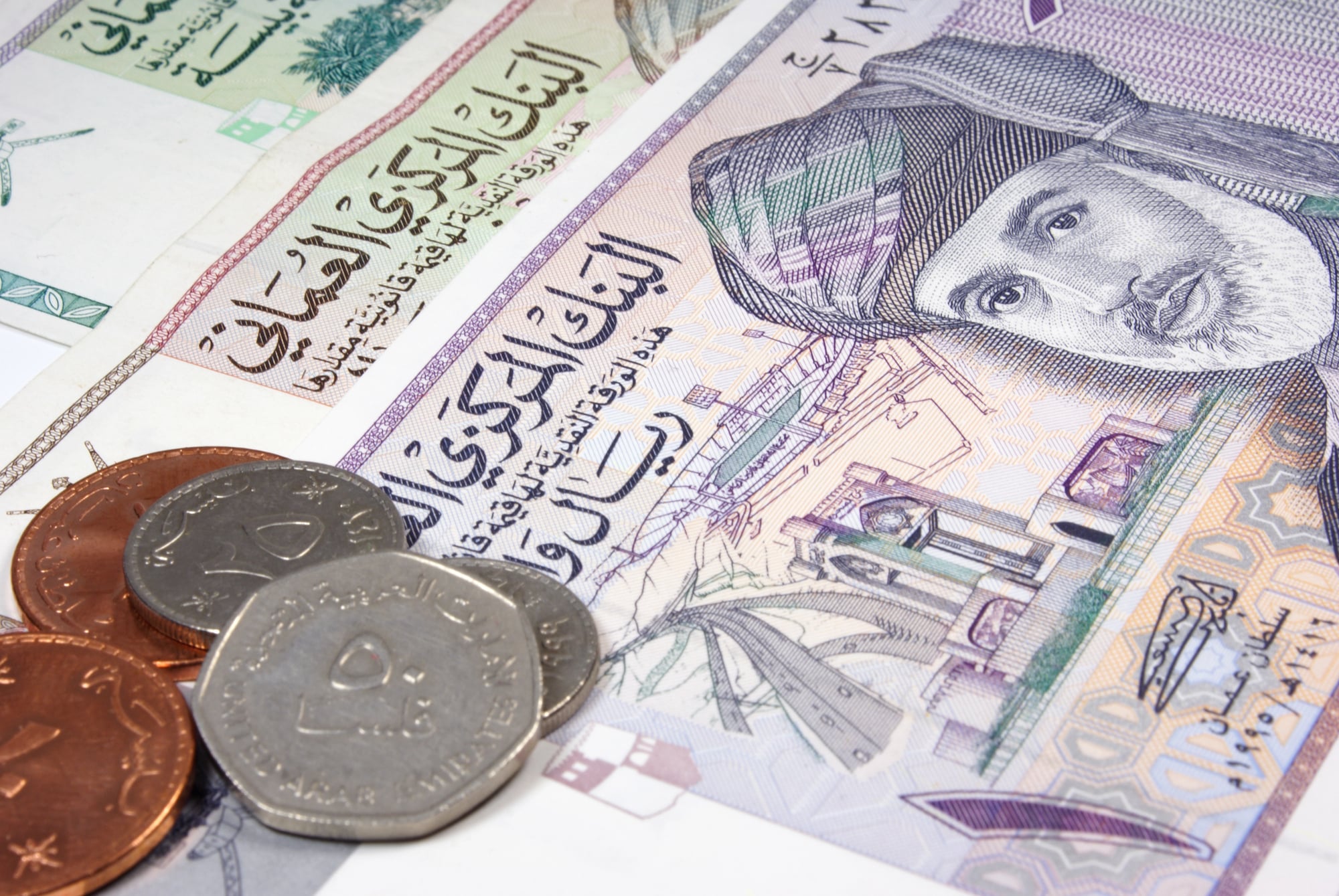
The Omani rial ranks third globally, with one rial trading for approximately 2.60 U.S. dollars. Oman sits on the southeastern coast of the Arabian Peninsula and has built its wealth primarily through oil production and exports.
The government decided to peg the rial to the dollar back in 1986, and this arrangement has kept the currency rock solid ever since. Oman has been working to reduce its dependence on oil by developing other industries, but petroleum still drives most of the economic engine that keeps the rial strong.
Jordanian dinar

Jordan’s currency might surprise some people because the country doesn’t have oil wealth like many of its neighbors. One Jordanian dinar equals about 1.41 U.S. dollars, making it stronger than the greenback despite Jordan having far fewer natural resources.
The Jordanian government has kept its currency pegged to the dollar since 1995, and this stability has helped attract foreign investment. Jordan’s economy relies more on services, tourism, and foreign aid, yet the dinar remains one of the most valuable currencies worldwide through careful monetary policy and government oversight.
British pound sterling

The pound sterling has a long history as one of the world’s major currencies, dating back over 1,200 years. One British pound currently trades for around 1.27 U.S. dollars, and it remains the official currency for the United Kingdom and several territories.
London serves as one of the world’s leading financial centers, and the pound plays a huge role in international banking and trade. Even after Brexit shook things up, the pound has maintained its position as a currency that commands respect in global markets.
The Bank of England works constantly to balance inflation, interest rates, and economic growth to keep the pound strong.
Cayman Islands dollar
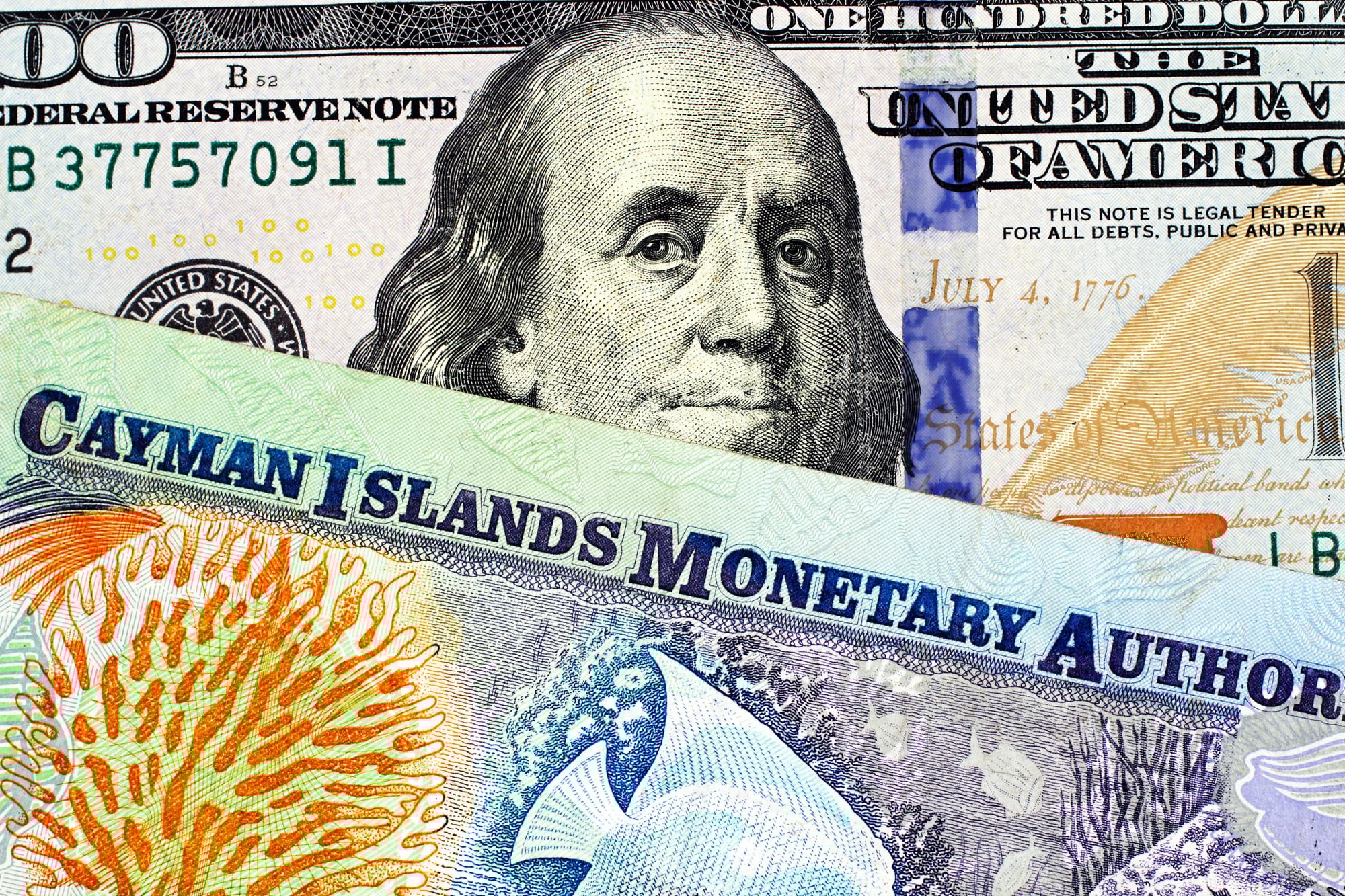
The Cayman Islands dollar comes in as another surprisingly strong currency, with one dollar worth about 1.20 U.S. dollars. These Caribbean islands have become famous as an offshore financial center, hosting thousands of banks, hedge funds, and insurance companies.
The islands don’t have their own central bank but instead follow a currency board system that pegs their dollar to the U.S. dollar at a fixed rate. Tourism also brings in substantial revenue, with beautiful beaches and crystal-clear waters attracting visitors from around the globe.
The combination of financial services and tourism keeps this tiny territory’s currency remarkably strong.
Gibraltar pound
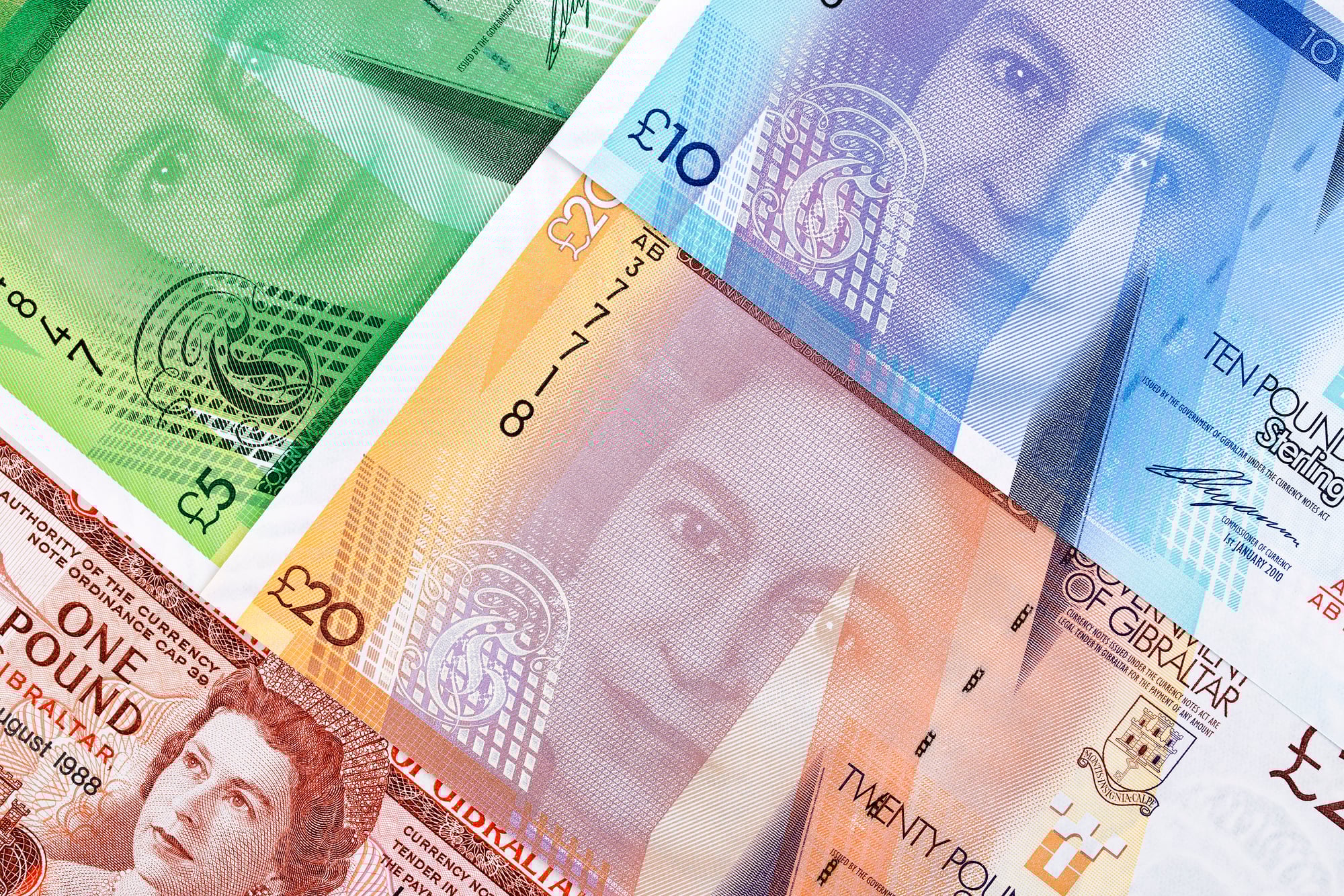
Gibraltar’s currency matches the British pound in value since it maintains a one-to-one peg with sterling. This British territory sits on a tiny peninsula at the southern tip of Spain, covering less than three square miles of land.
The Gibraltar government issues its own banknotes and coins, though British currency also circulates freely throughout the territory. Financial services, shipping, and tourism drive the local economy, and the famous Rock of Gibraltar attracts thousands of visitors each year.
The territory’s strategic location at the entrance to the Mediterranean Sea has made it valuable for centuries, and this geographic advantage continues to support its strong currency today.
Swiss franc

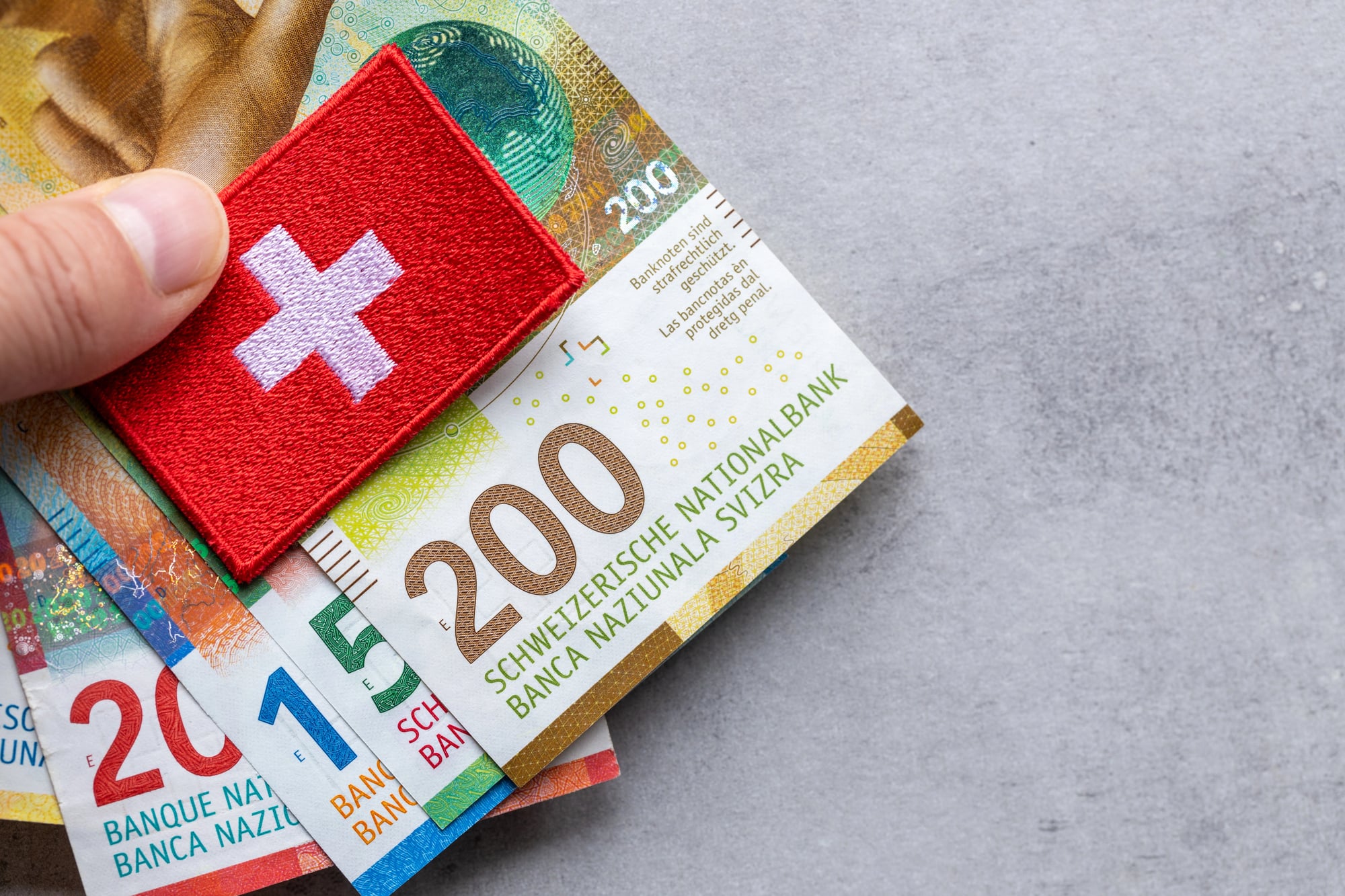
Switzerland’s franc has earned a reputation as one of the safest currencies in the world, worth roughly 1.14 U.S. dollars. The Swiss National Bank maintains strict policies that have kept inflation low and the currency stable for generations.
Switzerland’s political neutrality, strong banking sector, and high-quality manufacturing industries all contribute to the franc’s strength. People and institutions around the world often buy Swiss francs during times of global uncertainty because they trust Switzerland to protect their wealth.
The country’s commitment to financial stability and low debt makes the franc a favorite among international investors.
Euro
The euro serves as the official currency for 20 European Union member countries, making it one of the most widely used currencies globally. One euro currently trades for about 1.05 U.S. dollars, and hundreds of millions of people use it daily for everything from groceries to international business deals.
The European Central Bank manages monetary policy for the entire eurozone, which presents unique challenges since different countries have different economic needs. Despite occasional crises and debates about its future, the euro has established itself as a major player in international finance since its introduction in 1999.
U.S. dollar
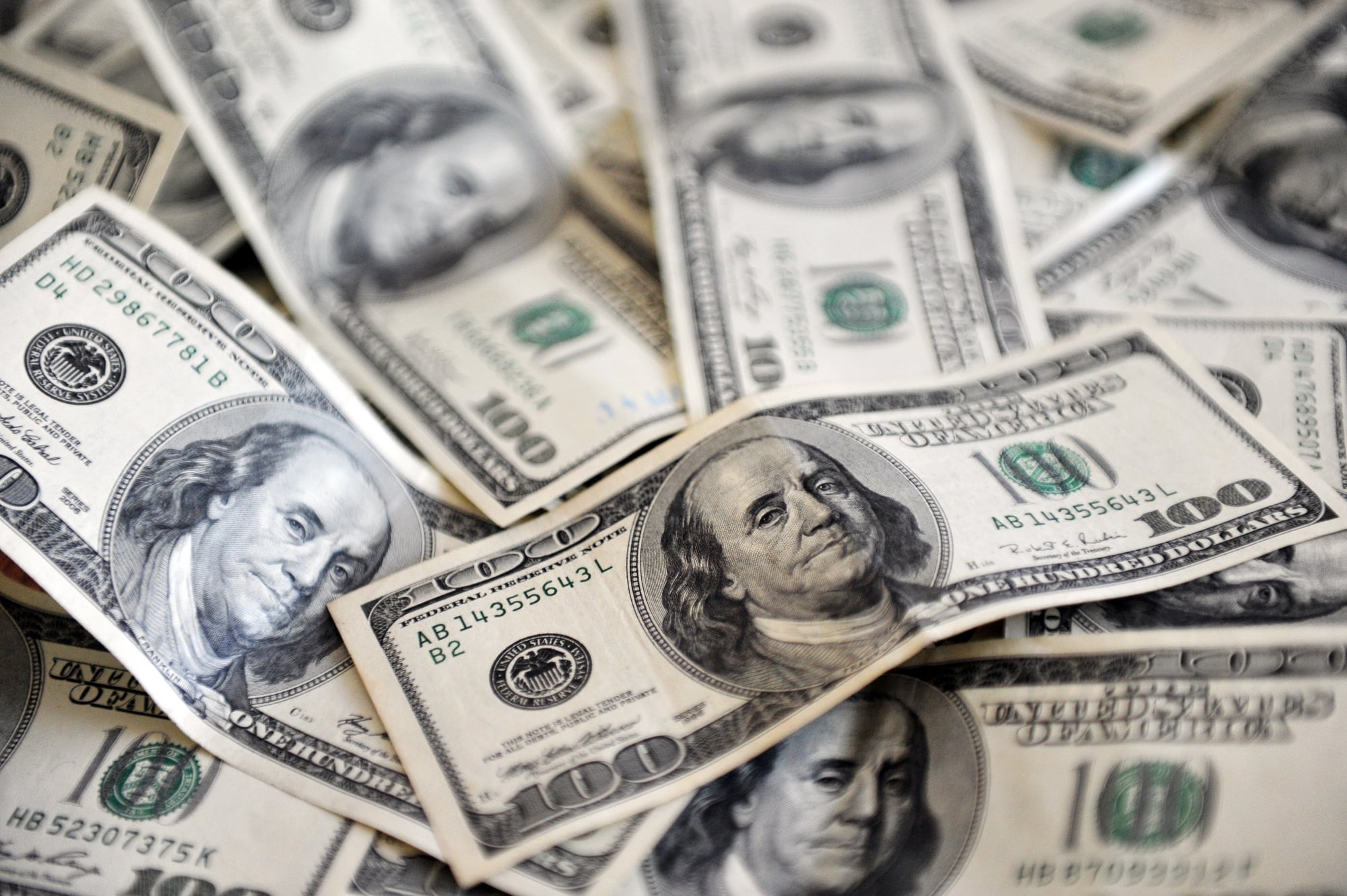
The U.S. dollar might not top the list in terms of pure value, but it holds more influence than any other currency in the world. Central banks everywhere hold dollars as reserves, and most international trade gets conducted in dollars regardless of which countries are involved.
The dollar’s strength comes from America’s massive economy, stable political system, and deep financial markets that can handle enormous transactions. Oil, gold, and many other commodities get priced in dollars, which creates constant demand for the currency.
The Federal Reserve’s decisions about interest rates and money supply ripple across the entire global economy.
Bahamian dollar
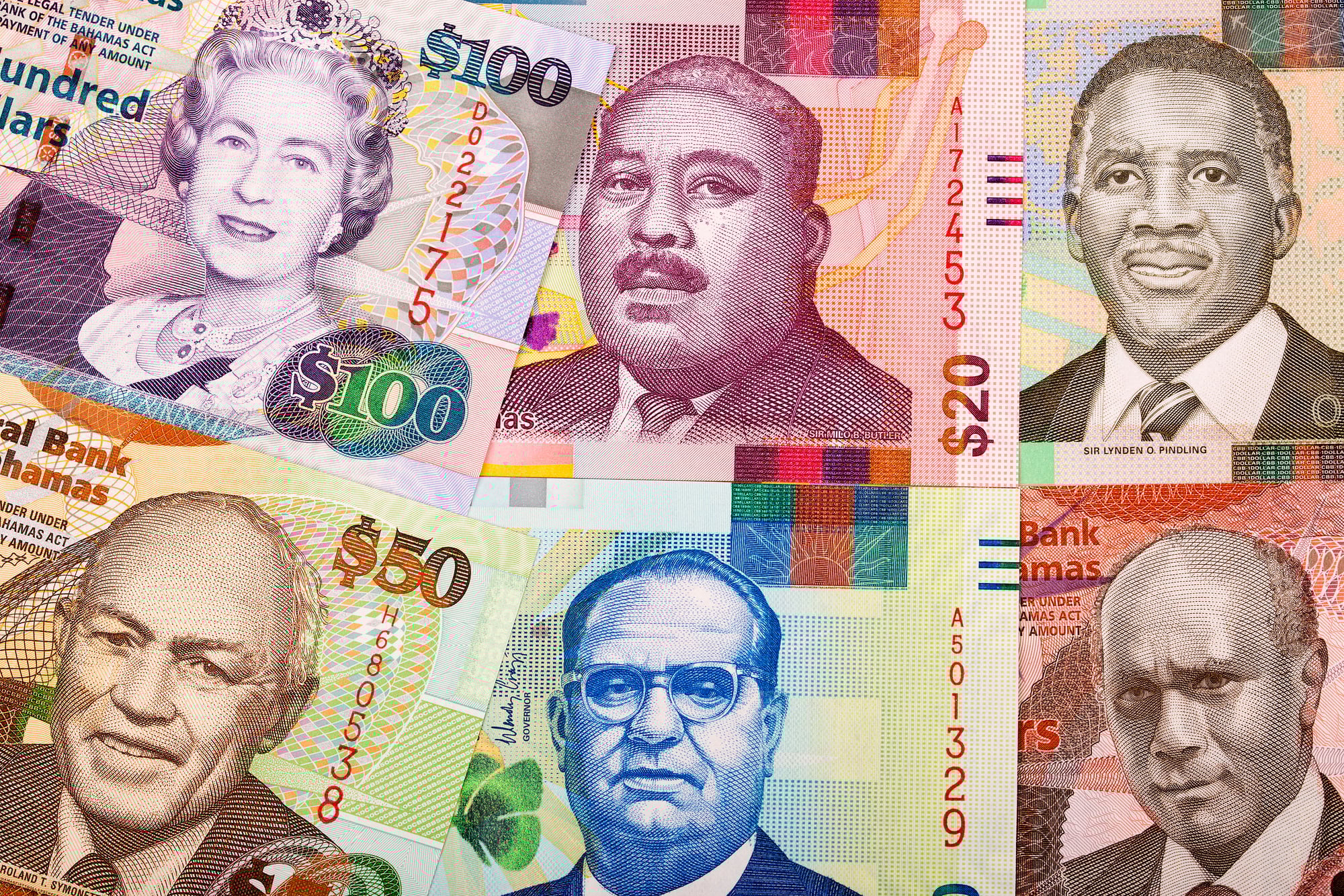
The Bahamas maintains a currency that exchanges one-to-one with the U.S. dollar, making it equal in value. This Caribbean nation relies heavily on tourism, with visitors from North America and Europe flocking to its hundreds of islands each year.
The Central Bank of the Bahamas manages the currency and maintains the fixed exchange rate with the U.S. dollar. Financial services also play a big role in the economy, with many international banks and investment firms operating in Nassau.
The country’s proximity to the United States and its stable political environment help keep the Bahamian dollar strong and reliable.
Bermudian dollar
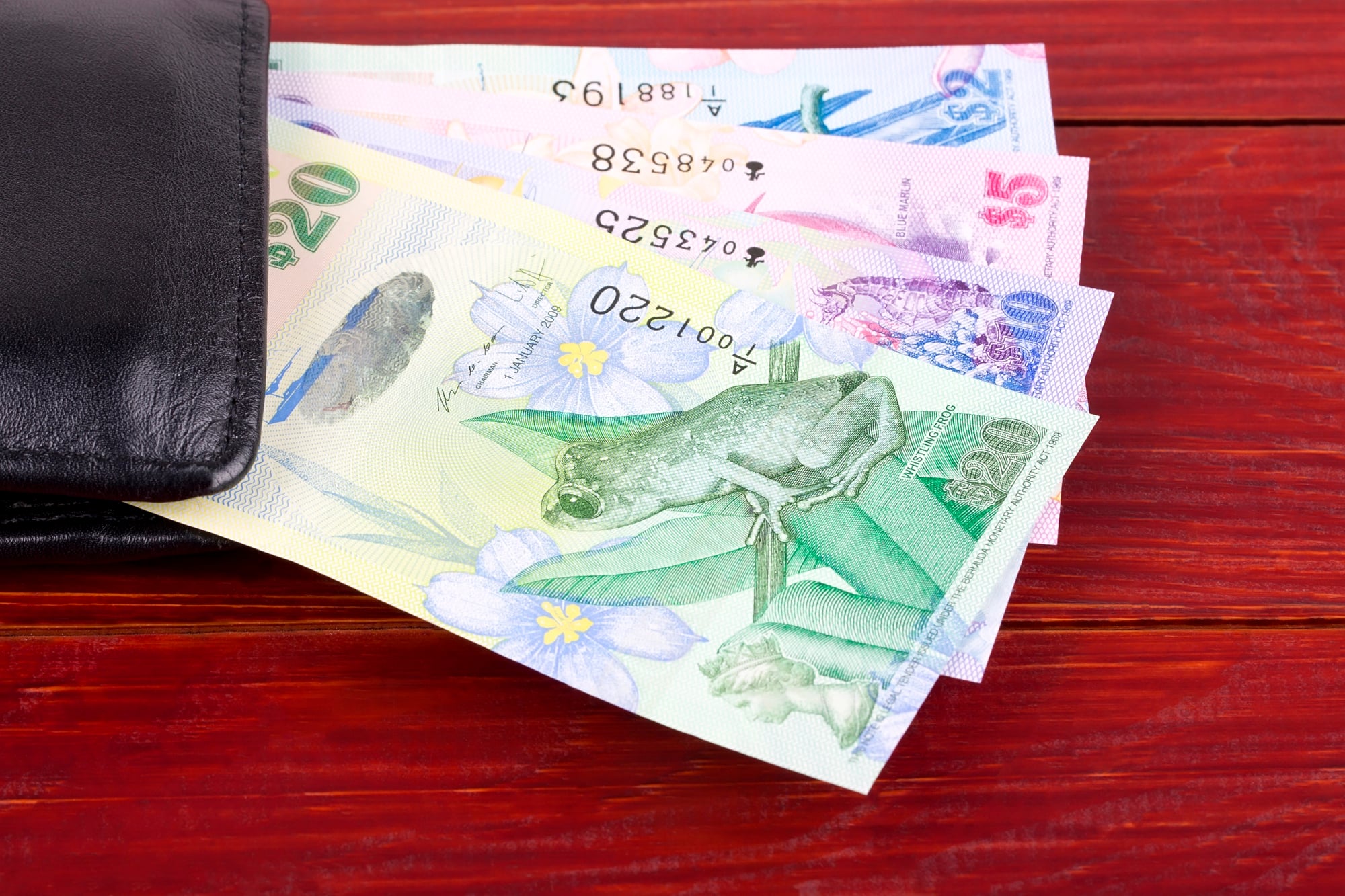
Bermuda’s money is tied directly to the U.S. dollar, so they’re worth the same. This UK-linked spot floats out in the Atlantic, roughly 650 miles off North Carolina’s coast.
Instead of typical industries, big insurance outfits run things here – lots of worldwide names set up shop on the island. Visitors help boost income too, especially those arriving by sea or chasing sunsets on coral-colored shores.
Running behind the scenes, the local financial watchdog keeps tabs on cash flow while holding steady to a stable rate that’s worked just fine for years.
Barbadian dollar
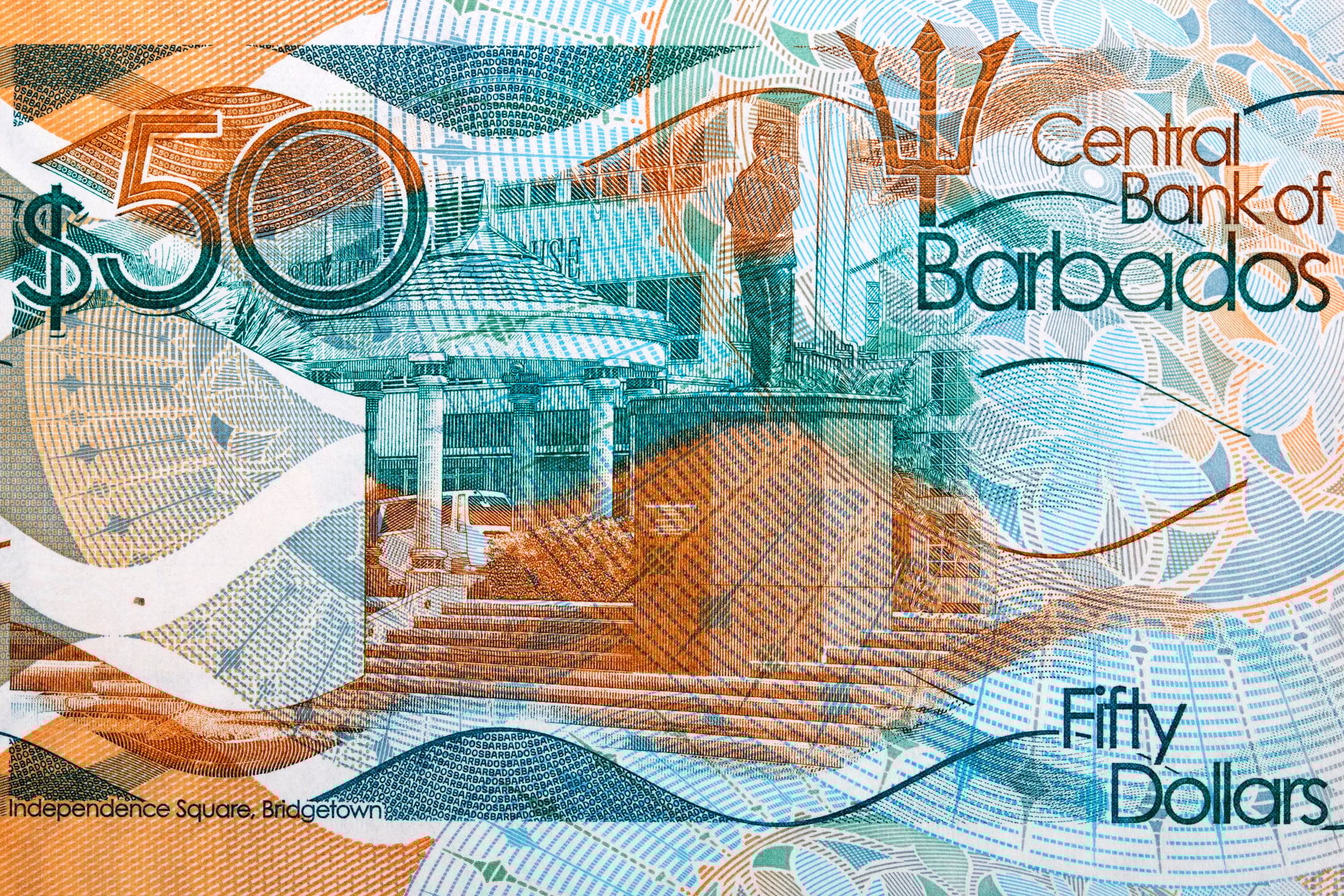
The Barbadian dollar holds steady near two to one against the U.S. dollar, making it one of the stronger regional currencies. Tourism fuels growth – though factories and tech jobs now play bigger roles too.
Instead of floating freely, the Central Bank locks the rate in place while watching prices closely. Long ago, sugar ruled everything; today, farms make up just part of the picture.
Decent schools plus dependable leadership mean people trust the money won’t lose worth fast.
Brunei dollar
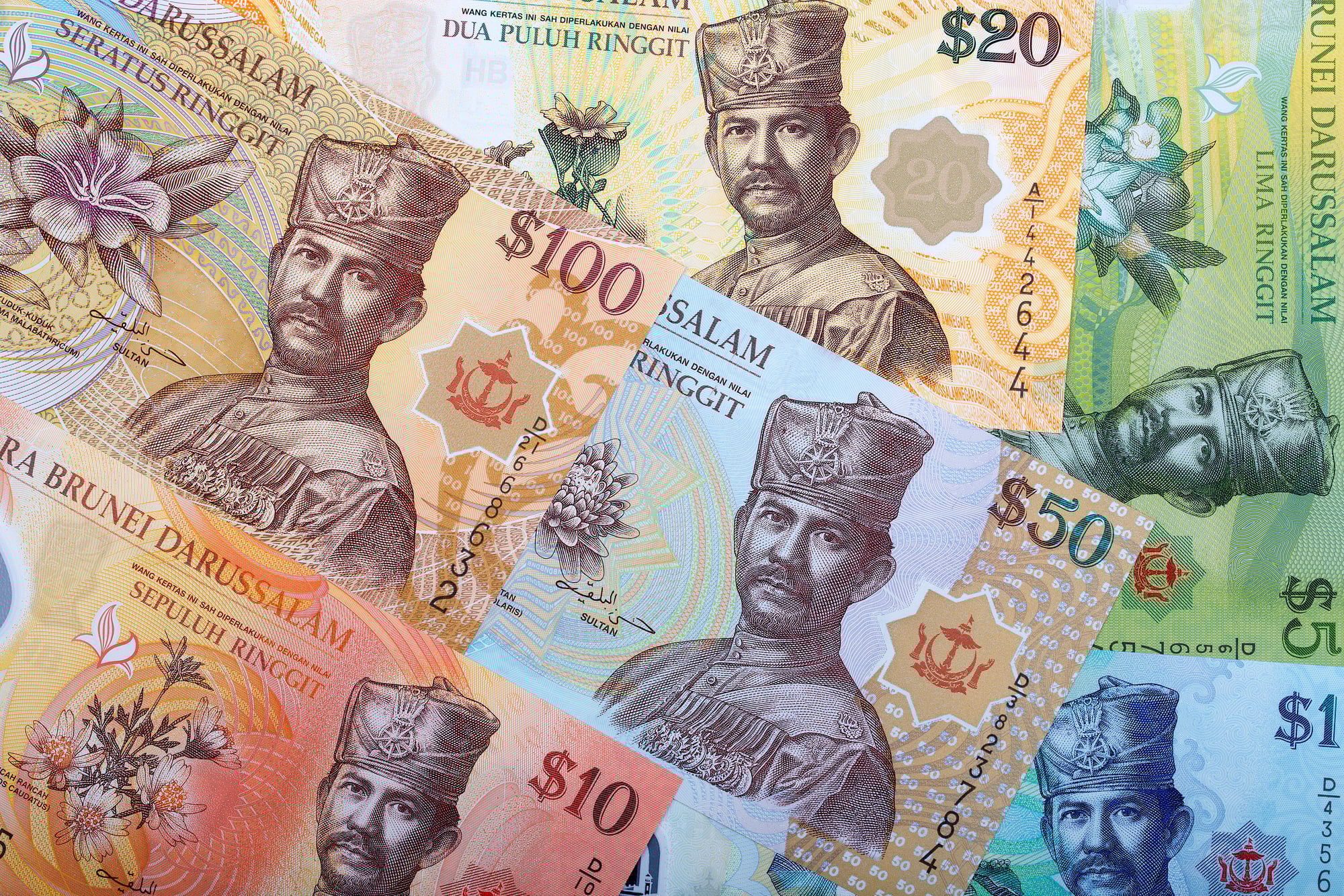
Brunei’s money holds the same worth as Singapore’s dollar because both nations made a deal – so each can swap them evenly. Sitting on Borneo island, this tiny country struck gold – not literally – but through oil and gas buried underground.
The ruler there is one of the planet’s wealthiest people; cash from fossil fuels funds big perks for locals. No one pays income tax here – the state helps cover basics like homes, meals, and medical care for around 450,000 folks.
That strong currency? It shows how rich in resources they are – and how wisely they handle their budget.
Singapore dollar
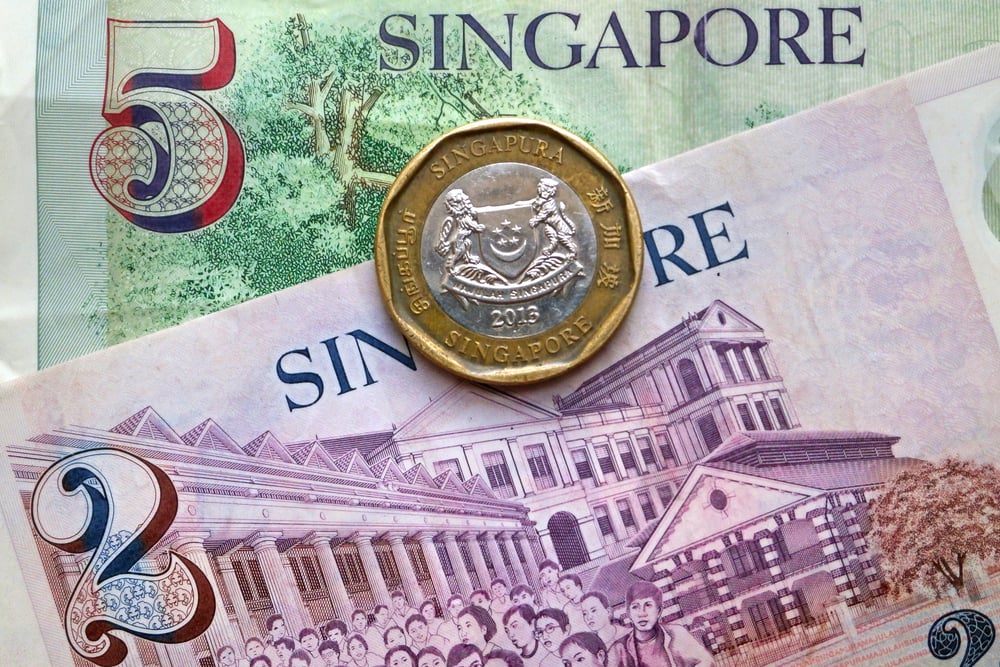
Singapore’s dollar is worth roughly 0.74 U.S. dollars, ranking among Asia’s top-tier money. Despite its small size, this island went from being a struggling harbor town to a wealthy nation in only a short time.
Trade across borders, production industries, along with banking solutions powered its rise – backed by tight yet company-supportive rules pulling in global firms. Instead of adjusting interest, the local monetary body guides value through exchange rate moves to keep prices steady.
Its prime spot on shipping routes, capable workers, coupled with low corruption helped build trust in the currency.
A new sort of riches

Currency strength reveals a curious tale – how countries grow and guard worth in unique ways. While some rely on raw materials, others boost income via commerce, expertise, or smart budgeting choices.
Top-tier coins usually stem from tiny states that carved out a specialty and shielded it well. Checking the leaders proves size isn’t everything; big economies don’t automatically have mighty cash.
Often, little spots shine way beyond what you’d expect.
More from Go2Tutors!

- The Romanov Crown Jewels and Their Tragic Fate
- 13 Historical Mysteries That Science Still Can’t Solve
- Famous Hoaxes That Fooled the World for Years
- 15 Child Stars with Tragic Adult Lives
- 16 Famous Jewelry Pieces in History
Like Go2Tutors’s content? Follow us on MSN.



