13 Clothing Brands That Faded Away Fast
The retail industry is always changing, with brands becoming well-known and then abruptly going out of business. These clothing brands caught our attention before disappearing from the scene, ranging from mall mainstays that defined generations to bold endeavors that failed to withstand shifting consumer preferences.
Their tales provide intriguing insights into the unstable realm of fashion retail. This is a list of 13 apparel brands that showed promise when they first appeared on the market but eventually disappeared more quickly than anticipated.
American Apparel
Once the epitome of hipster chic, American Apparel established its brand on simple, made-in-the-USA clothing with sultry advertising. With cultural cool and devoted clientele, excessive expansion and management scandals resulted in bankruptcy in 2017.
Sold for just $66 million to Gildan Activewear, the brand is now largely online, a pale imitation of its former trend-setting self.
Delia’s

Delia’s revolutionized teen fashion marketing in the 1990s with its distinctive catalog approach that teenage girls eagerly anticipated in their mailboxes. Known for its quirky, colorful Y2K aesthetic, the brand expanded to malls but couldn’t compete in the digital age.
After declaring bankruptcy in 2014, Delia’s closed all physical stores, though it lives on as a sub-brand under online retailer Dolls Kill.
Like Go2Tutors’s content? Follow us on MSN.
Wet Seal

Dominating the mall scene throughout the 1990s and early 2000s, Wet Seal specialized in affordable trend-driven clothing for teens. With over 400 stores nationwide, the retailer thrived until increasing competition and several costly lawsuits pushed it toward financial ruin.
By 2015, Wet Seal filed for bankruptcy, with all physical locations closing by late 2017, leaving only a modest online presence today.
The Limited

At its height, The Limited had over 750 stores and was a pioneer in specialty retail for working women. It gave rise to prosperous subsidiaries like Victoria’s Secret and Express.
Despite this remarkable history, the company was unable to adapt to the shifting needs of fashion and consumer behavior. Although Sycamore Partners later purchased the brand for online sales, The Limited abruptly closed all of its remaining locations and declared bankruptcy in January 2017.
Ruehl No.925
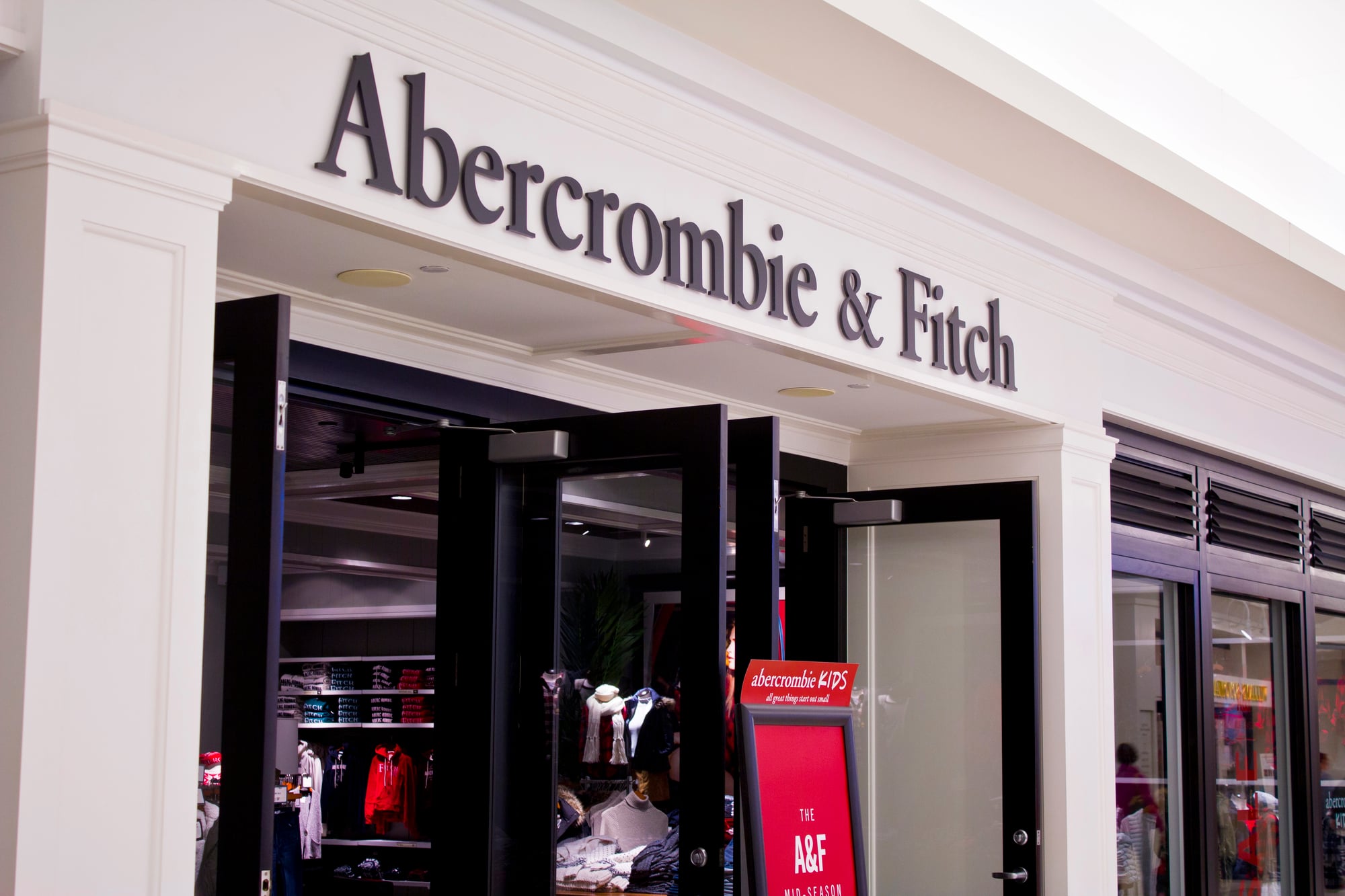
Launched in 2004 by Abercrombie & Fitch, Ruehl No.925 attracted young professionals through high-end casual clothing and over-the-top storefronts that replicated Greenwich Village brownstones. It had a new concept and luxury branding, but did not take off with the target market.
With the growing losses, A&F shut down the entire 29 Ruehl stores in 2009, just five years after the grand opening.
Like Go2Tutors’s content? Follow us on MSN.
Anchor Blue
Beginning as Miller’s Outpost in 1972, Anchor Blue rebranded to focus on youth-oriented casual clothing and denim. At its height, the chain operated over 300 stores, primarily on the West Coast.
The 2009 economic downturn proved fatal, with the company filing for bankruptcy twice before permanently closing all locations in 2011. Perry Ellis International later acquired the intellectual property, but the physical stores never returned.
Gadzooks
This mall-based fashion retailer grew from a 1983 T-shirt shop to approximately 250 locations selling the latest youth trends. In a disastrous strategic move, Gadzooks eliminated its menswear section in 2003 to focus exclusively on women’s clothing.
This alienated a significant portion of customers without growing its female demographic. By 2005, bankruptcy led to acquisition by Forever 21, with most locations closed or converted, erasing the brand from mall directories across America.
Limited Too
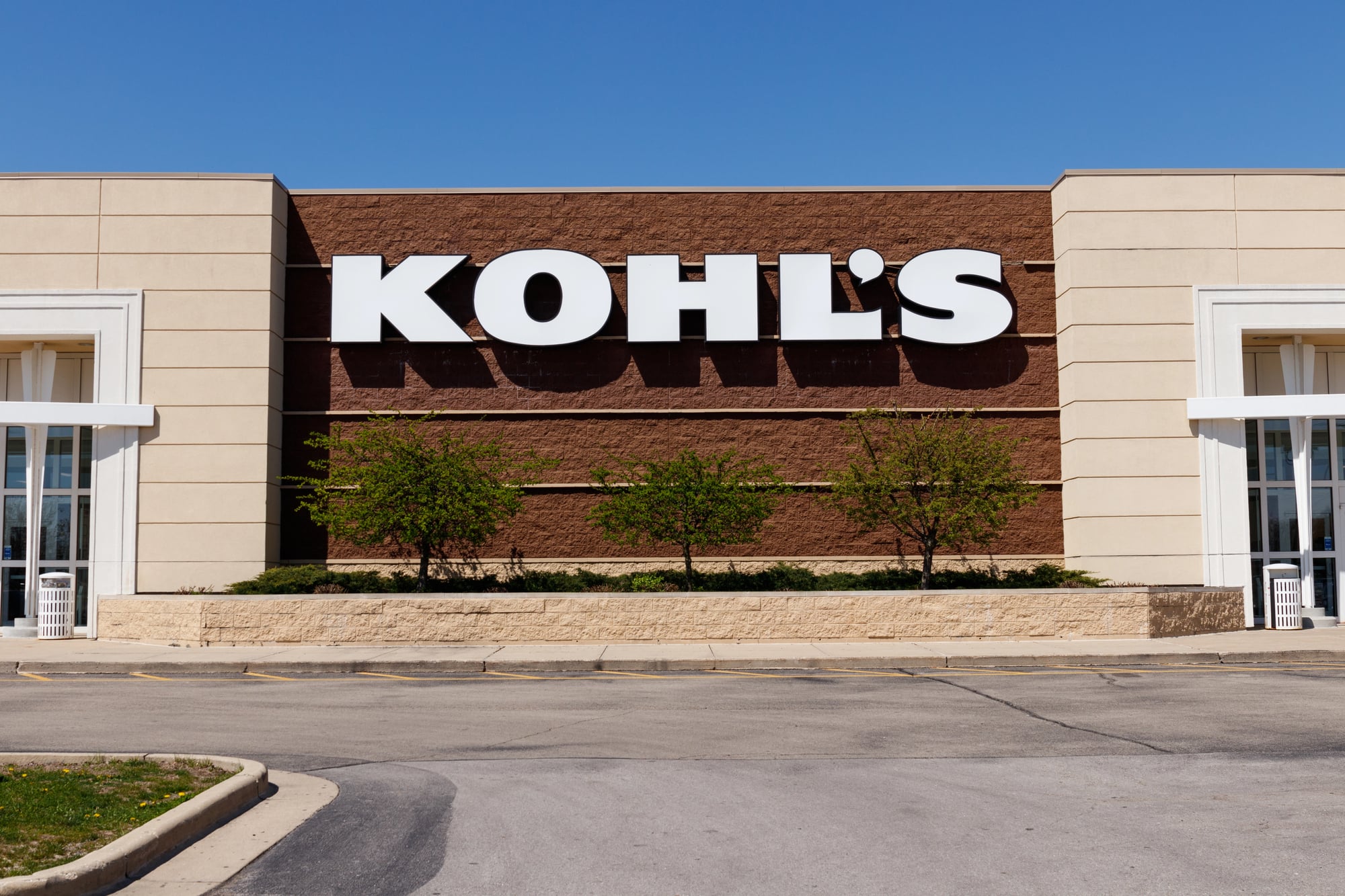
The colorful younger sister brand of The Limited captured the tween market throughout the 1990s with its glitter-infused merchandise and playful atmosphere. Reaching over 600 locations, Limited Too defined a generation of young shoppers before parent company Tween Brands converted most stores to the more value-oriented Justice format in 2008.
The final locations closed by 2010, briefly resurfacing in 2017 as a Kohl’s exclusive that never recaptured its former glory.
Like Go2Tutors’s content? Follow us on MSN.
Martin + Osa
American Eagle Outfitters launched this sophisticated concept in 2006 for 28 to 40-year-old professionals who had outgrown their core brand. Despite quality fabrics, distinctive wooden fixtures, and considerable investment, Martin + Osa never achieved profitability.
After losses exceeding $44 million in 2009 alone, American Eagle closed all 28 locations in 2010, ending the experiment after less than four years.
Charlotte Russe
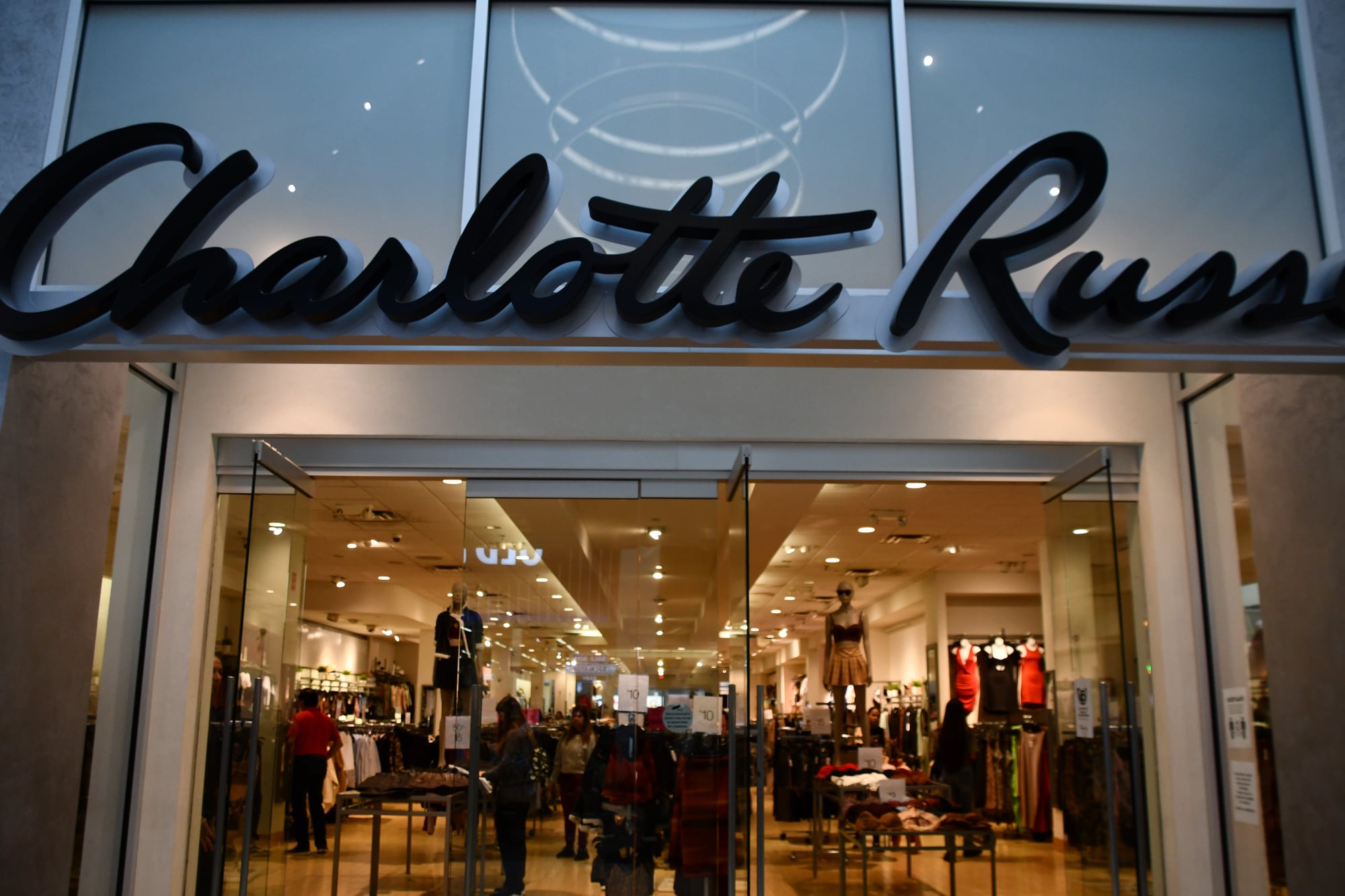
Since 1975, Charlotte Russe has built a reputation for trendy, affordable fashion for young women, expanding to approximately 560 locations. Mounting debt and declining mall traffic created significant challenges, leading to a Chapter 11 filing in February 2019.
When a liquidator purchased the company in bankruptcy court, all stores closed. Though revived under new ownership with limited locations, its sudden disappearance shocked loyal customers who had relied on its accessible fashion.
Like Go2Tutors’s content? Follow us on MSN.
Cache
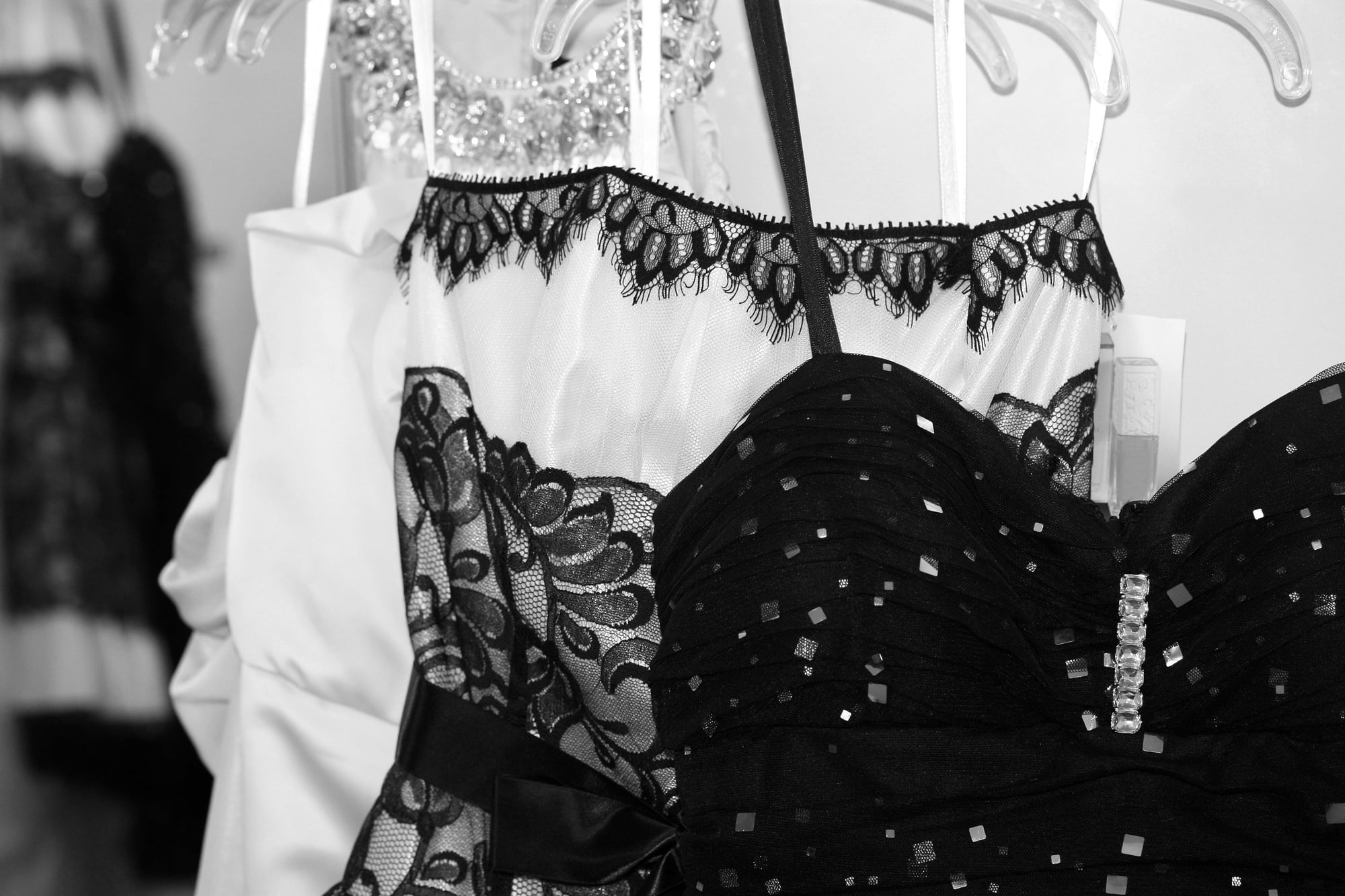
Established in 1976, Cache carved out a unique niche between mass-market and luxury, becoming known particularly for evening wear and prom dresses. With 250 stores at its height, the brand maintained a significant presence in upscale malls nationwide.
The post-recession retail environment proved challenging as competitors invaded its market space from both higher and lower price points, leading to bankruptcy in 2015 and the closure of all locations.
Like Go2Tutors’s content? Follow us on MSN.
Steve & Barry’s

Growing from a campus store to over 270 locations, Steve & Barry’s revolutionized affordable fashion with most items under $10, including celebrity partnerships with Sarah Jessica Parker and NBA star Stephon Marbury. Their rapid expansion relied on landlord incentives and thin margins, a model that collapsed during the 2008 financial crisis.
Despite massive popularity, the company filed for bankruptcy twice that year, liquidating all stores by early 2009.
Forever 21
While not entirely defunct, Forever 21’s dramatic fall from retail dominance saw it shrink from a 700-location global empire with $4.4 billion in annual sales to bankruptcy in 2019. Aggressive expansion into oversized spaces, coupled with online competition and concerns about fast fashion’s environmental impact, created perfect storm conditions.
Though continuing under new ownership with a significantly reduced footprint, its days as a mall anchor ended with remarkable swiftness.
Looking Beyond the Racks

The rapid demise of these once-thriving clothing brands reveals the fickle nature of retail success and the consequences of failing to adapt to changing consumer preferences. Many fell victim to overexpansion, taking on unsustainable debt to fuel growth that proved impossible to maintain when market conditions shifted.
Others simply lost touch with their target audiences, continuing to offer styles that had fallen out of favor. The digital revolution claimed additional casualties as brands struggled to transition from physical stores to meaningful online presences.
Though these retailers have disappeared from our malls and shopping centers, their legacy lives on in fashion archives, vintage collections, and the memories of loyal customers who once lined up to shop their latest arrivals.
Like Go2Tutors’s content? Follow us on MSN.
More from Go2Tutors!

- 18 Unexpectedly Valuable Collectibles You Might Have Lying Around
- 15 Things Every Teenager in the ’70s Did That Teens Today Wouldn’t Understand
- 15 Strange Things People Have Tried to Ban (And Failed)
- 15 Inventions That Were Immediately Banned After Being Created
- 20 Actors Who Were Almost Cast in Iconic Roles
Like Go2Tutors’s content? Follow us on MSN.