Coldest Inhabited Towns
Frozen air changes everything – only when it never stops do you truly see how deep it goes. Where snow rules nine months straight, chill isn’t some passing note; it steers every step, every wall, every meal, every thought.
Still, up near the top of the world, villages hold on tight even though frost isn’t visiting – it lives there. A spot earns its title as one of Earth’s chilliest homes not just by hitting a record low.
Year after year, deep freeze shapes how things are built, jobs get done, lives unfold. Concrete splits under frost, engines cough in the dark, daily tasks demand foresight.
Yet folks stay, building lives where few could last. Bearing that in view, take a moment to explore places where people live year-round despite extreme cold.
Life moves differently there, shaped by conditions most would find unbearable. These settlements stand far north, locked in ice much of the time.
Still, homes remain heated, children go to school, routines unfold. Survival is built into each day, quiet and steady.
What seems harsh from afar becomes normal ground up close.
Oymyakon, Russia
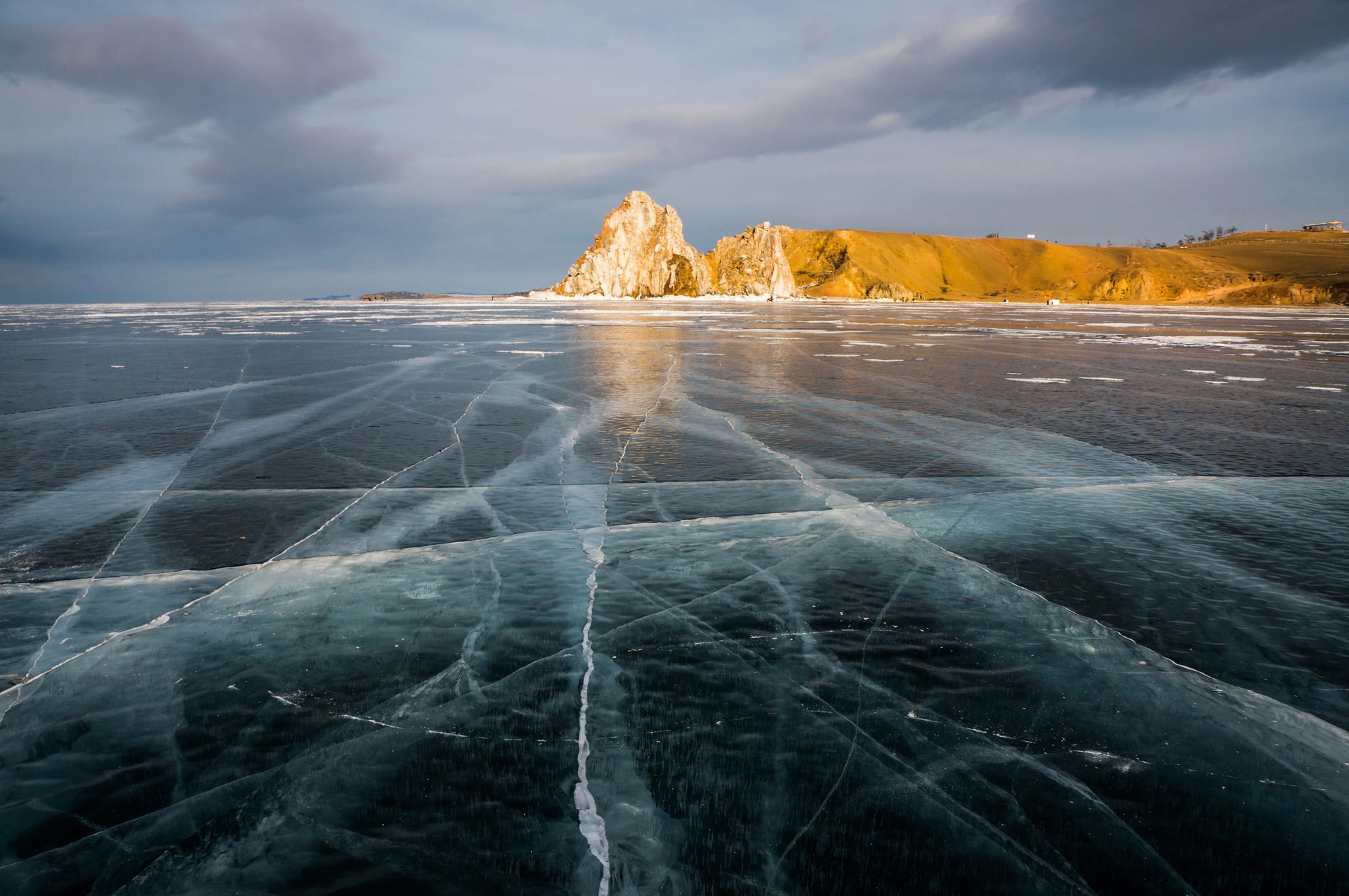
Oymyakon is often cited as the coldest permanently inhabited town in the world, and its climate supports that claim. Located in eastern Siberia, this remote settlement experiences winter temperatures that frequently drop below minus 50 degrees Fahrenheit.
The town sits in a valley where cold air settles and lingers, creating prolonged periods of extreme cold that can last for weeks. Daily life in Oymyakon revolves around anticipation and routine.
Vehicles are often left running to prevent engines from freezing, and outdoor tasks are planned carefully to avoid extended exposure. Traditional farming is nearly impossible, so food relies heavily on preserved items and local animal products suited to the climate.
Despite these challenges, schools remain open, families stay rooted, and community life continues with quiet determination.
Verkhoyansk, Russia
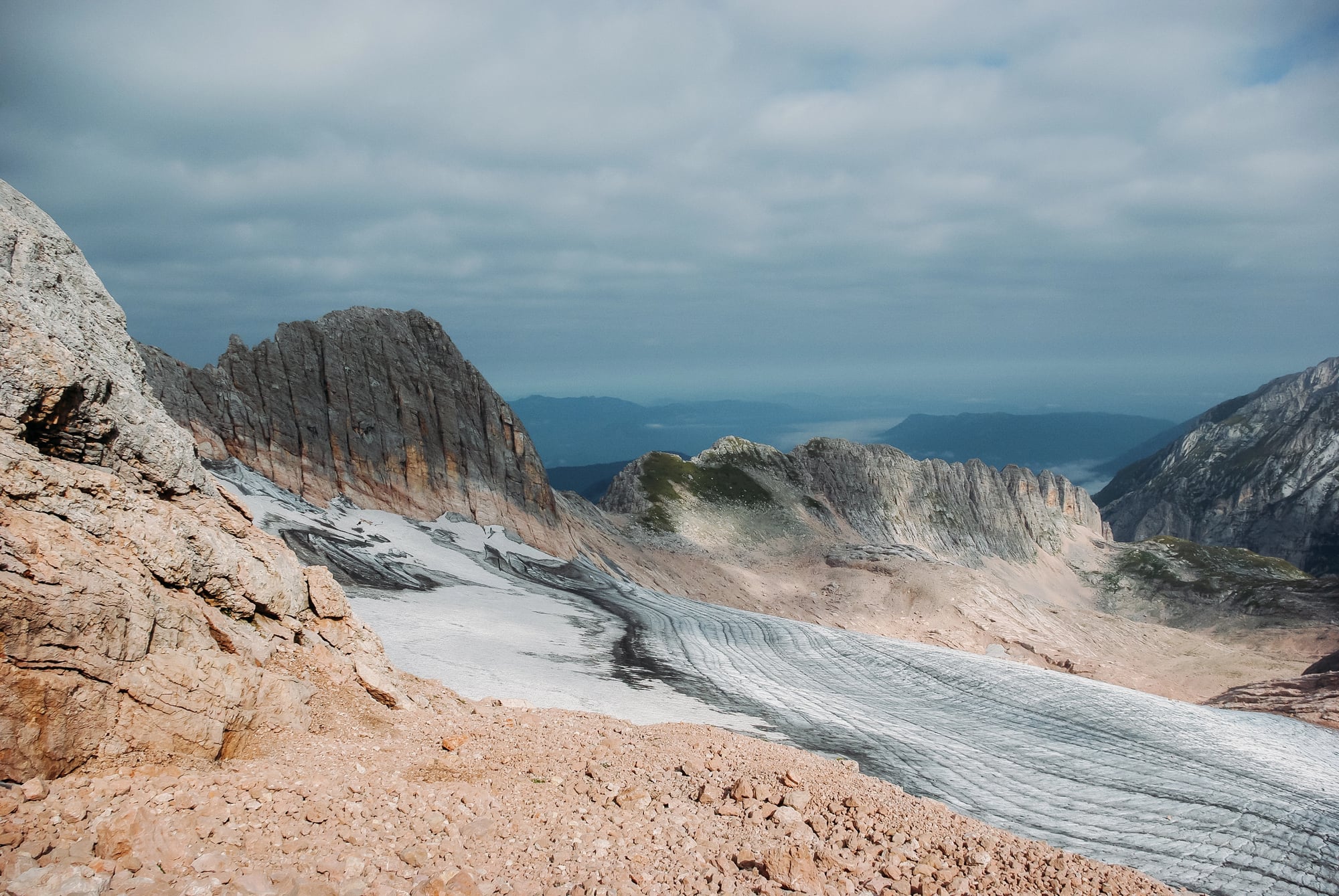
Verkhoyansk lies northwest of Oymyakon and shares a similarly severe climate. It has recorded winter temperatures rivaling those of its colder neighbor, earning its place in discussions about the coldest inhabited locations.
Winter here is long and unrelenting, with months spent well below minus 40 degrees Fahrenheit. What makes Verkhoyansk particularly striking is the dramatic contrast between seasons.
Summers can be unexpectedly warm, creating one of the largest annual temperature ranges on Earth. This sharp shift compresses construction, repairs, and travel into a narrow seasonal window.
Residents learn to work quickly during warmer months, knowing that winter will soon reclaim the landscape.
Yakutsk, Russia
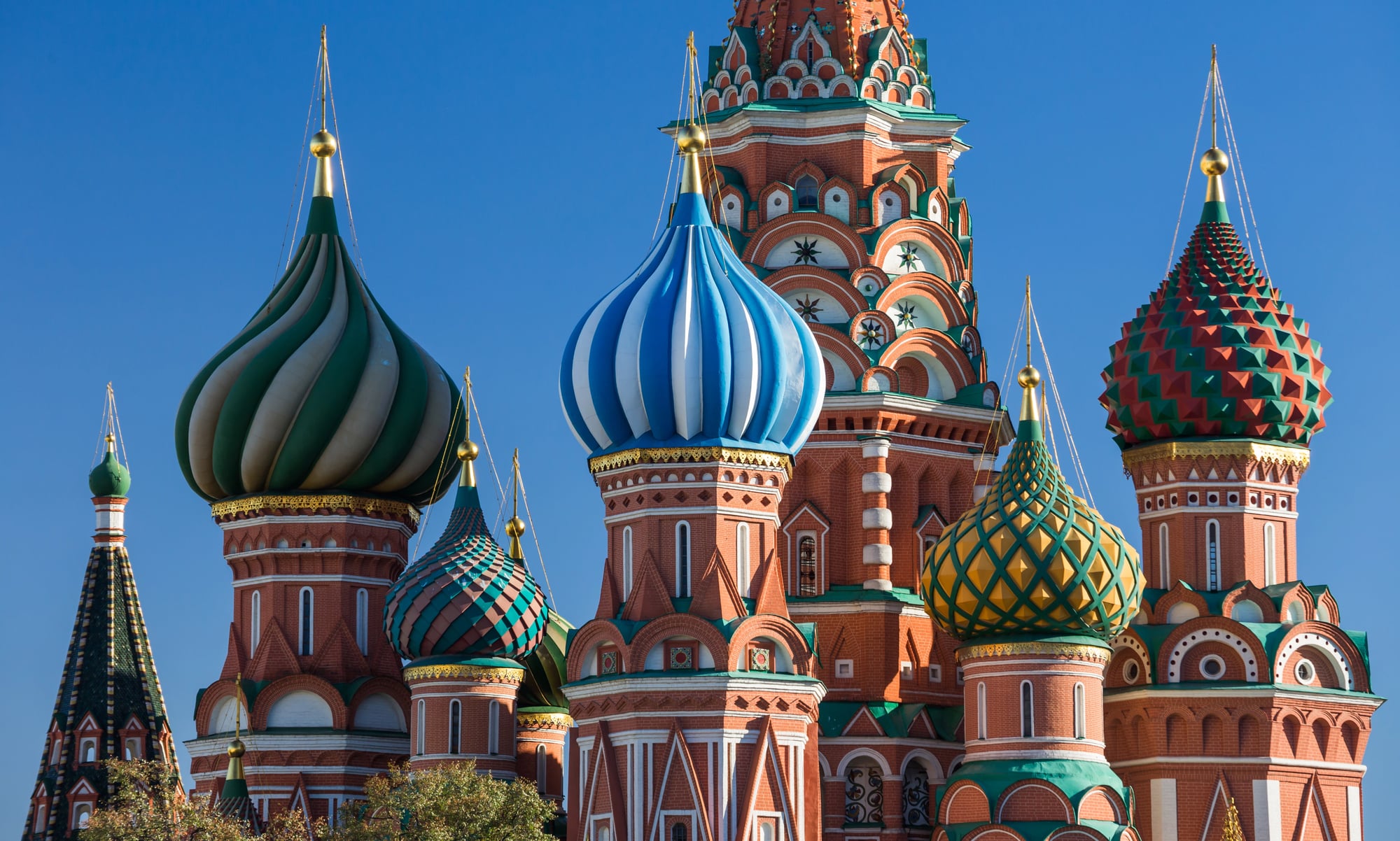
Yakutsk stands apart from other cold towns because of its size. With a population exceeding hundreds of thousands, it is the coldest major city in the world.
Located on continuous permafrost, Yakutsk experiences average winter temperatures around minus 30 degrees Fahrenheit, with colder spells common and persistent. Urban life here requires constant adaptation.
Buildings are raised on stilts to prevent heat from destabilizing the frozen ground beneath them. Water systems are engineered to resist freezing, and roads demand continuous maintenance.
Despite the cold, Yakutsk functions as a cultural and economic center, complete with universities, theaters, and research institutions. The city demonstrates that extreme cold does not limit complexity, only how that complexity must be managed.
Norilsk, Russia
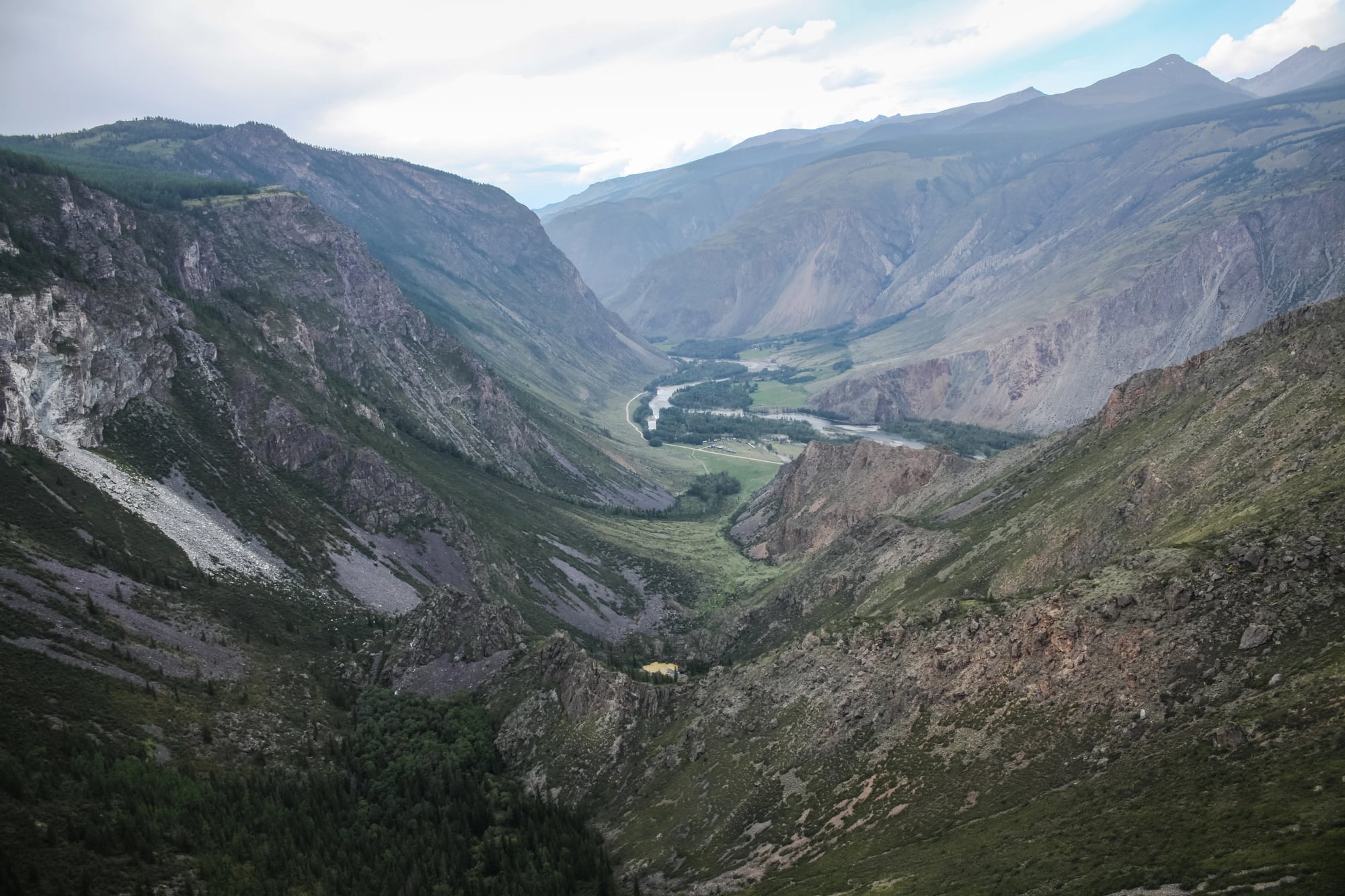
Norilsk sits well above the Arctic Circle and is one of the northernmost permanently inhabited cities of its size. Winter temperatures frequently remain below minus 20 degrees Fahrenheit, accompanied by strong winds and long periods without sunlight.
The polar night, when the sun does not rise for weeks, adds psychological weight to the already harsh climate. Originally developed for industrial purposes, Norilsk exists largely because of its mineral resources.
Its isolation is extreme, with no direct road connections to the rest of Russia. Residents rely on careful planning, enclosed walkways, and compact urban design to reduce exposure.
Life in Norilsk is demanding, yet thousands continue to live there year-round, sustained by work, community, and necessity.
Fairbanks, Alaska, United States
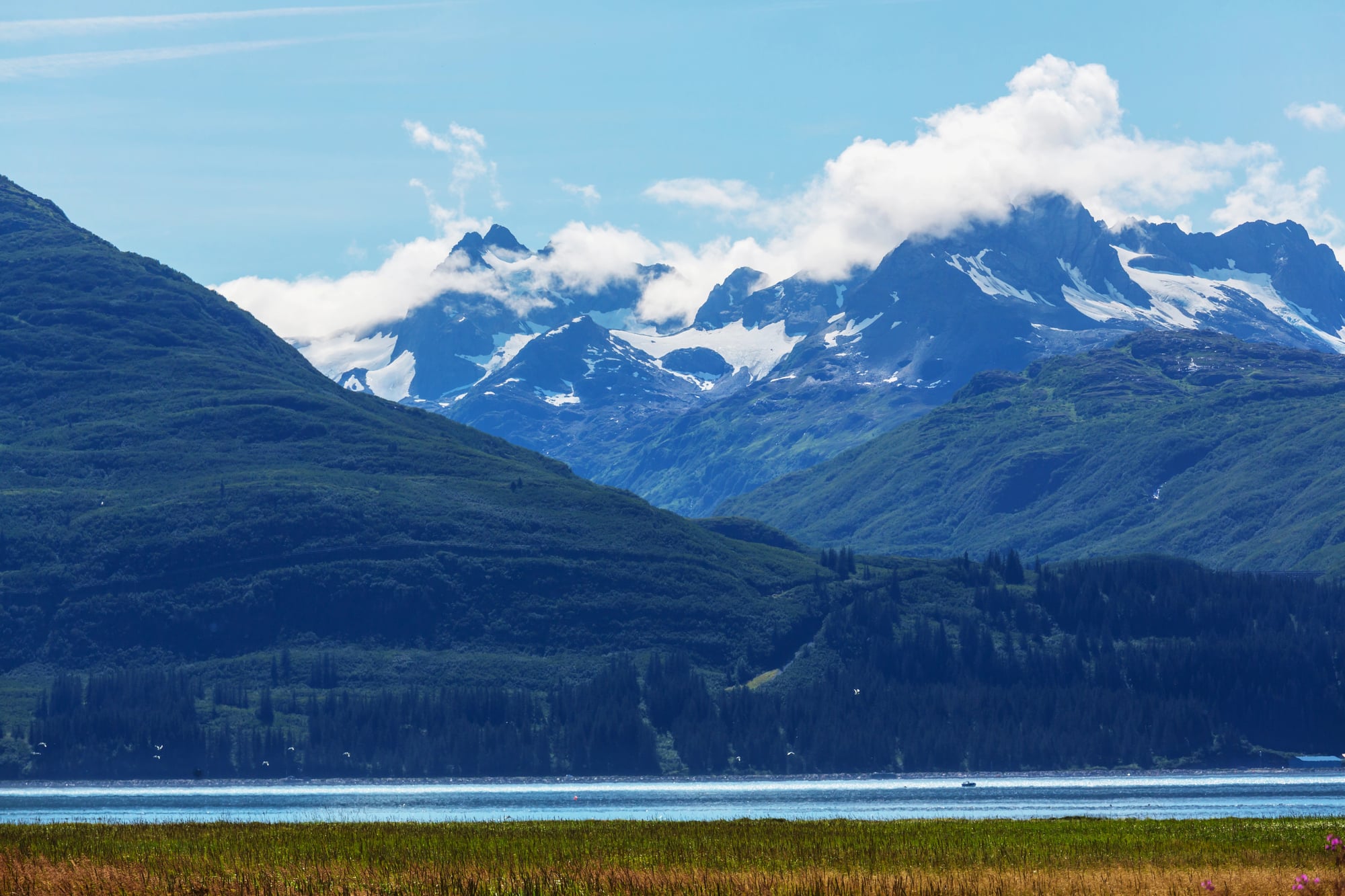
Fairbanks is widely regarded as the coldest city in the United States. Located in Alaska’s interior, it experiences long winters where temperatures regularly fall below minus 40 degrees Fahrenheit.
Cold air settles in surrounding valleys, creating temperature inversions that trap frigid conditions close to the ground. Despite this, Fairbanks functions as a regional hub.
It supports hospitals, schools, research facilities, and a vibrant local culture. Residents prepare meticulously for winter, relying on specialized heating systems, insulated housing, and winter-ready vehicles.
The cold shapes daily life, but it also fosters resilience and a strong sense of independence among those who call the city home.
Utqiagvik, Alaska, United States
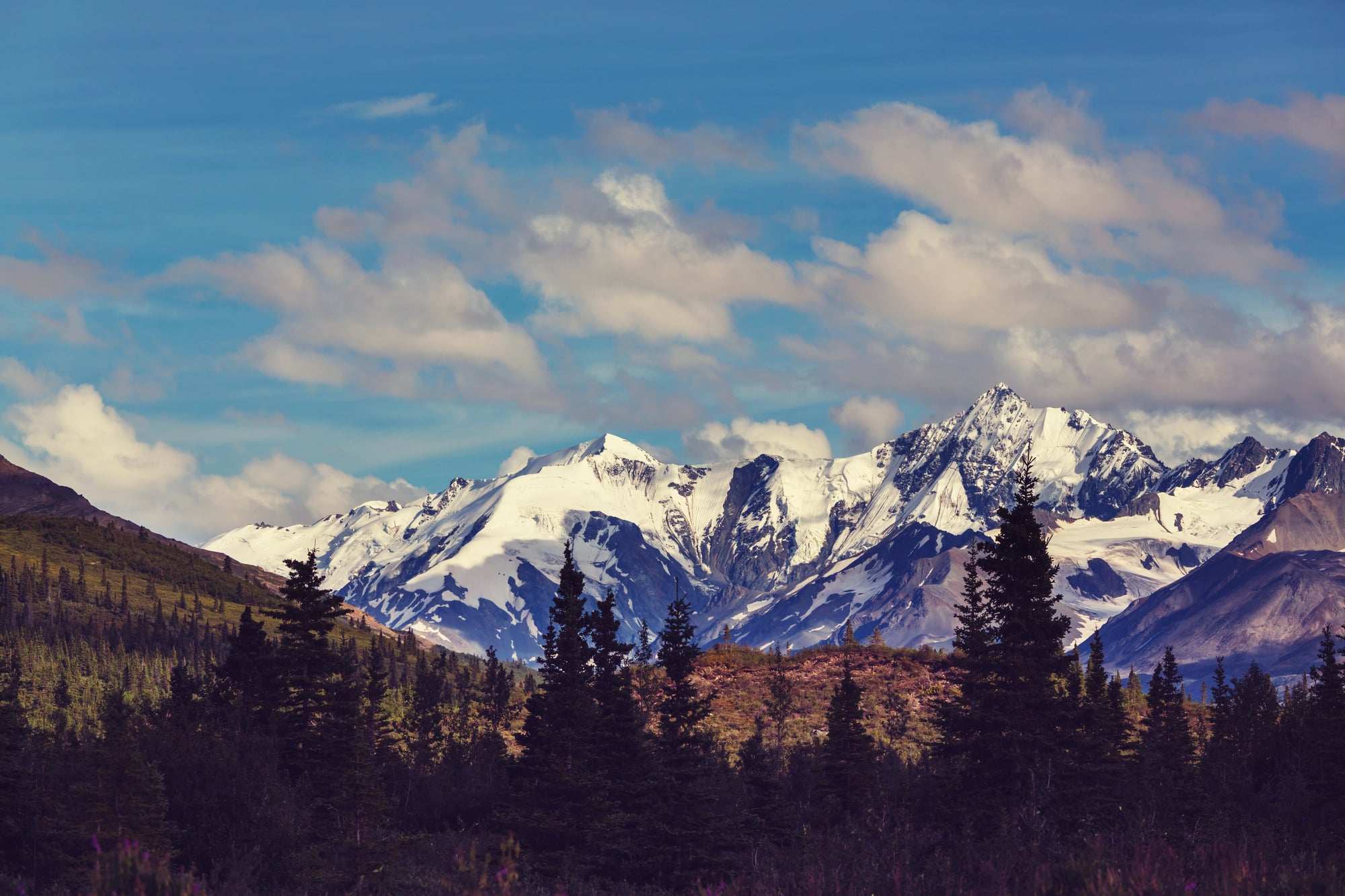
Utqiagvik is the northernmost permanently inhabited town in the United States. Located along the Arctic coast, it faces persistent cold, strong winds, and months of darkness during winter.
Temperatures remain well below zero for extended periods, and wind chill intensifies already severe conditions. Traditional knowledge plays a vital role in daily life.
Indigenous practices influence food preparation, travel, and seasonal activities, blending seamlessly with modern infrastructure. Buildings are designed to withstand both cold and wind, and supply planning is critical due to the town’s remote location.
Living in Utqiagvik requires respect for the environment and careful coordination, particularly during winter storms.
Yellowknife, Canada
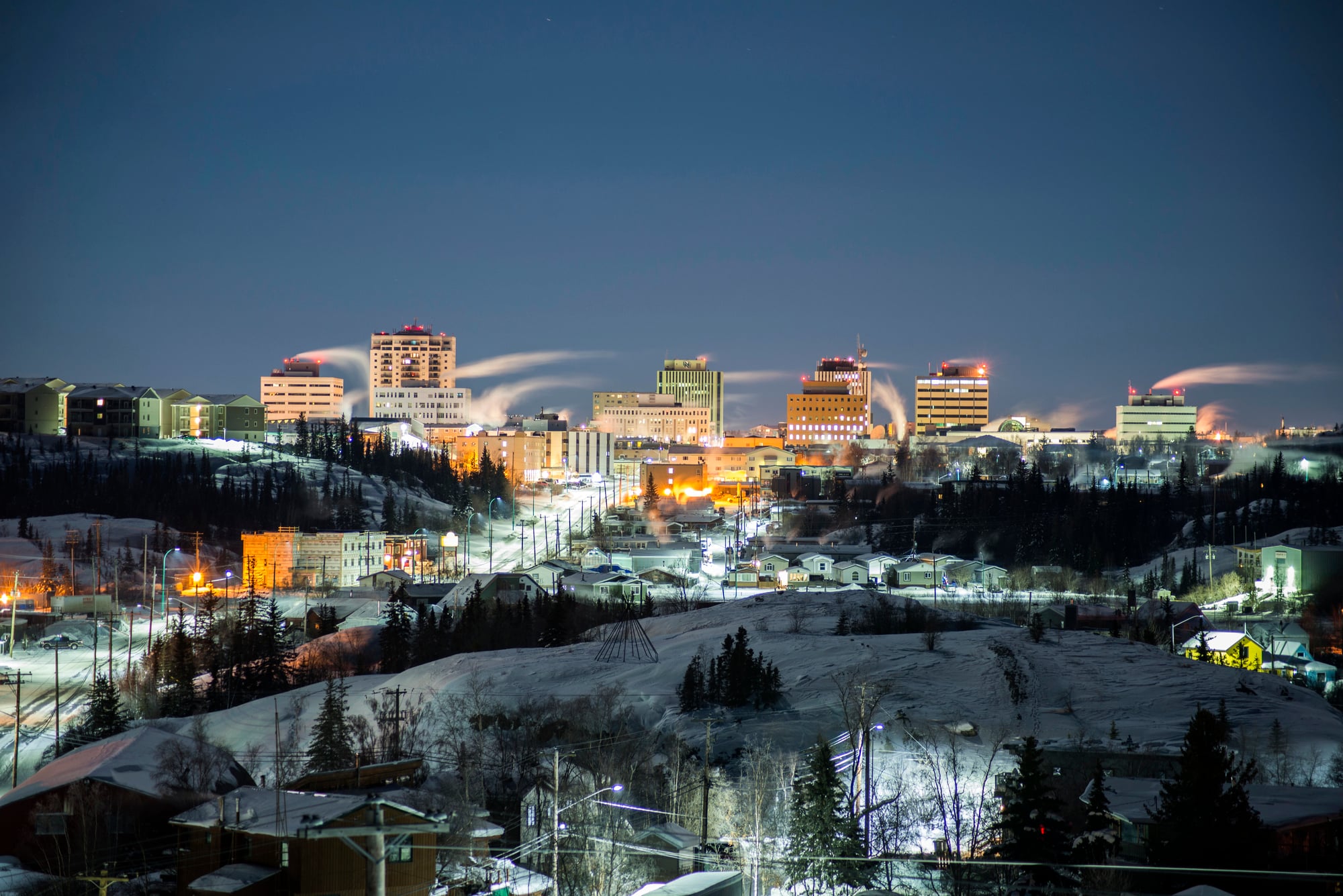
Yellowknife, the capital of Canada’s Northwest Territories, experiences long winters with temperatures frequently dropping below minus 30 degrees Fahrenheit. Situated near large lakes, the city contends with cold combined with wind and heavy snowfall.
As a regional center, Yellowknife supports government offices, businesses, and a diverse population. Residents rely on insulated housing, reliable heating, and winter-specific transportation.
Cold shapes daily routines, but it also influences cultural life, with winter festivals and outdoor activities adapted to extreme conditions rather than avoided altogether.
Snag, Yukon, Canada
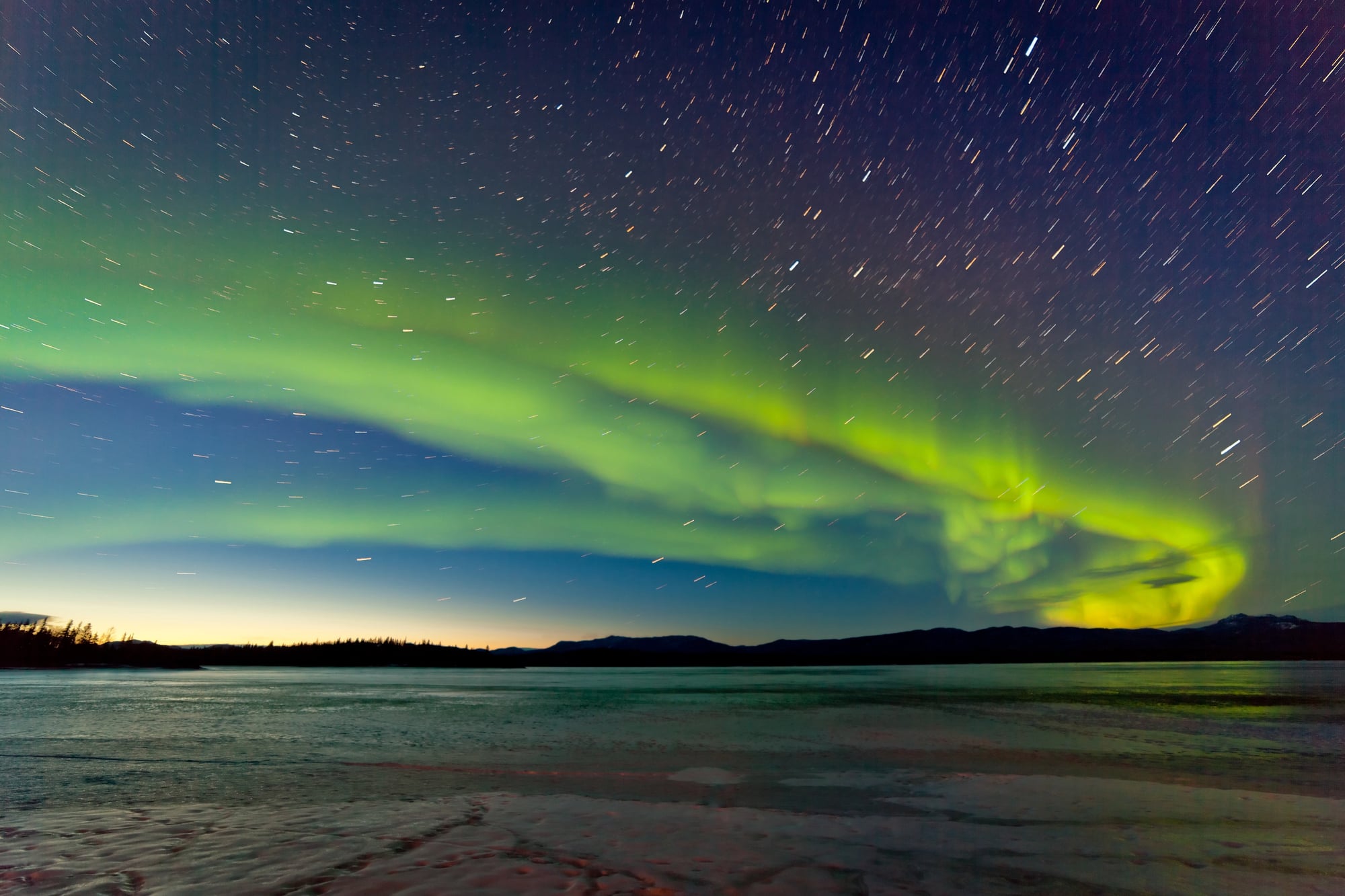
Snag is a small settlement in Canada’s Yukon Territory that holds one of the lowest recorded temperatures in North America. Though its population is limited, it remains permanently inhabited and represents the outer edge of livable cold in the region.
Life in Snag is shaped by isolation as much as temperature. Supplies must be carefully managed, and travel can be difficult for long stretches of winter.
Residents rely on strong community ties and practical knowledge passed down over generations. The cold here is not an event, but a constant presence that frames every decision.
Harbin, China
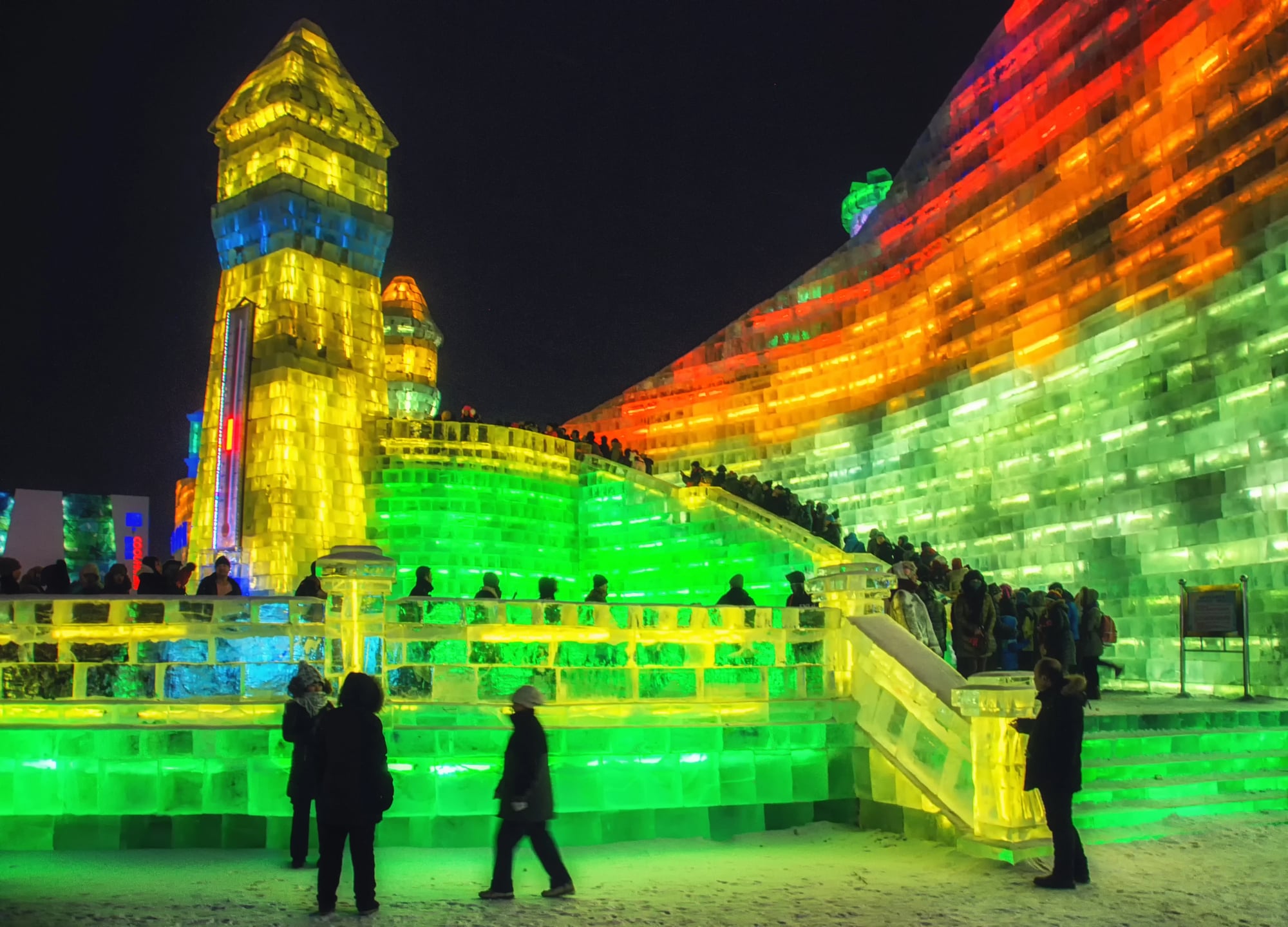
Harbin stands out as one of the coldest large cities in East Asia. Located in northeastern China, it experiences long winters where temperatures frequently fall below minus 20 degrees Fahrenheit.
Cold dominates much of the year, shaping architecture, clothing, and daily routines. Rather than resisting winter, Harbin has incorporated it into its cultural identity.
Seasonal traditions celebrate ice and cold, turning harsh conditions into moments of collective experience. The city’s continued growth shows that extreme cold does not limit urban life, only how it is expressed.
International Falls, Minnesota, United States
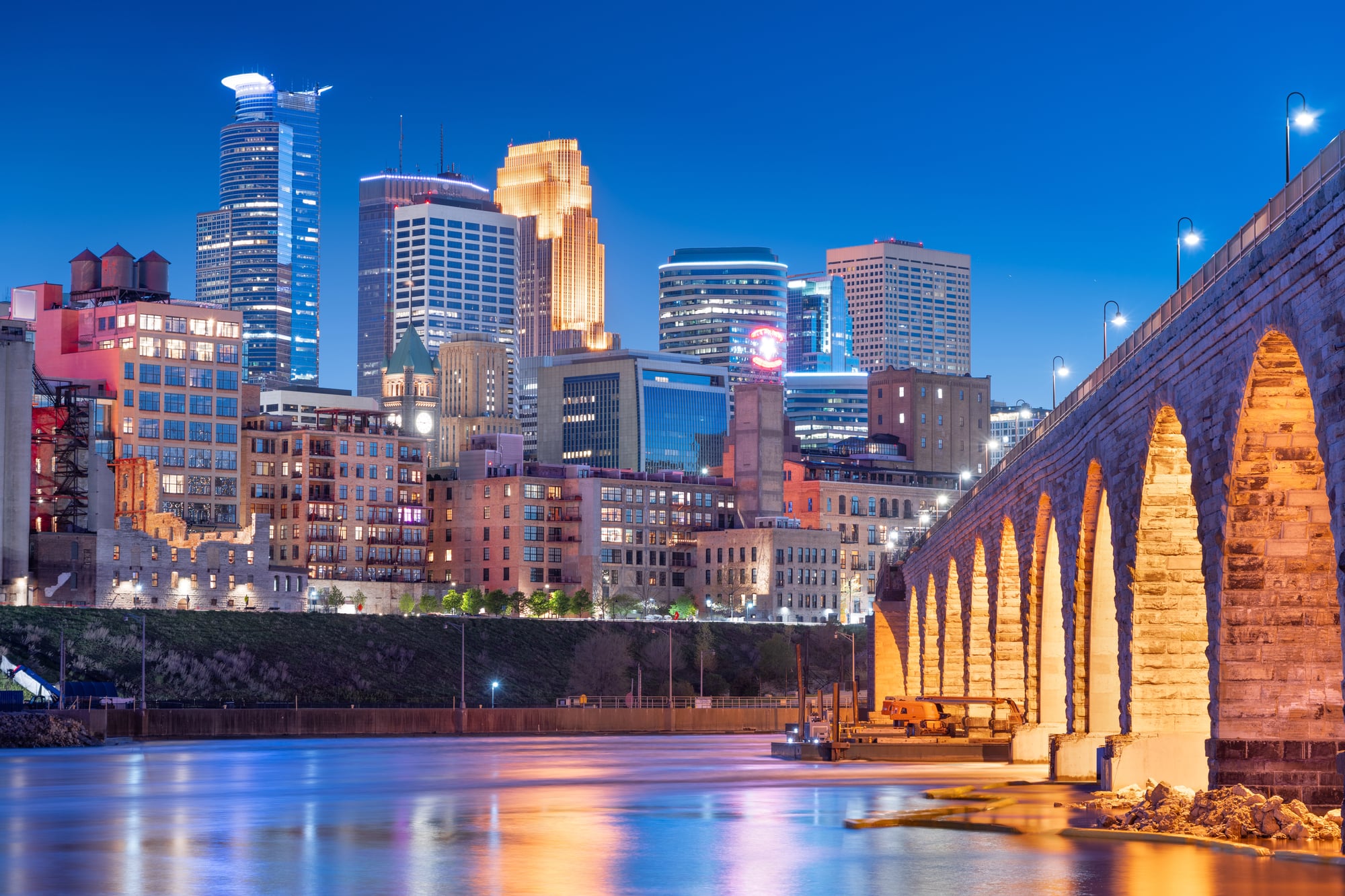
Frost bites the air most months in International Falls. Nestled close to Canada, winter grips the place hard, holding tight for weeks on end.
Zero degrees becomes routine, not rare. Though nowhere near the Arctic’s deep freeze, life still bends around the chill.
Pipes wrap in insulation. Cars start remotely. People move with purpose, not pause.
When homes go up, they’re built tight to hold heat. Folks who work outside plan their hours around the chill.
Getting ready for snow and ice? Everyone knows it’s part of life here. Take International Falls – this place shows freezing towns aren’t just near the North Pole.
They pop up far south too, stuck between mild zones where winter refuses to quit.
Why People Remain
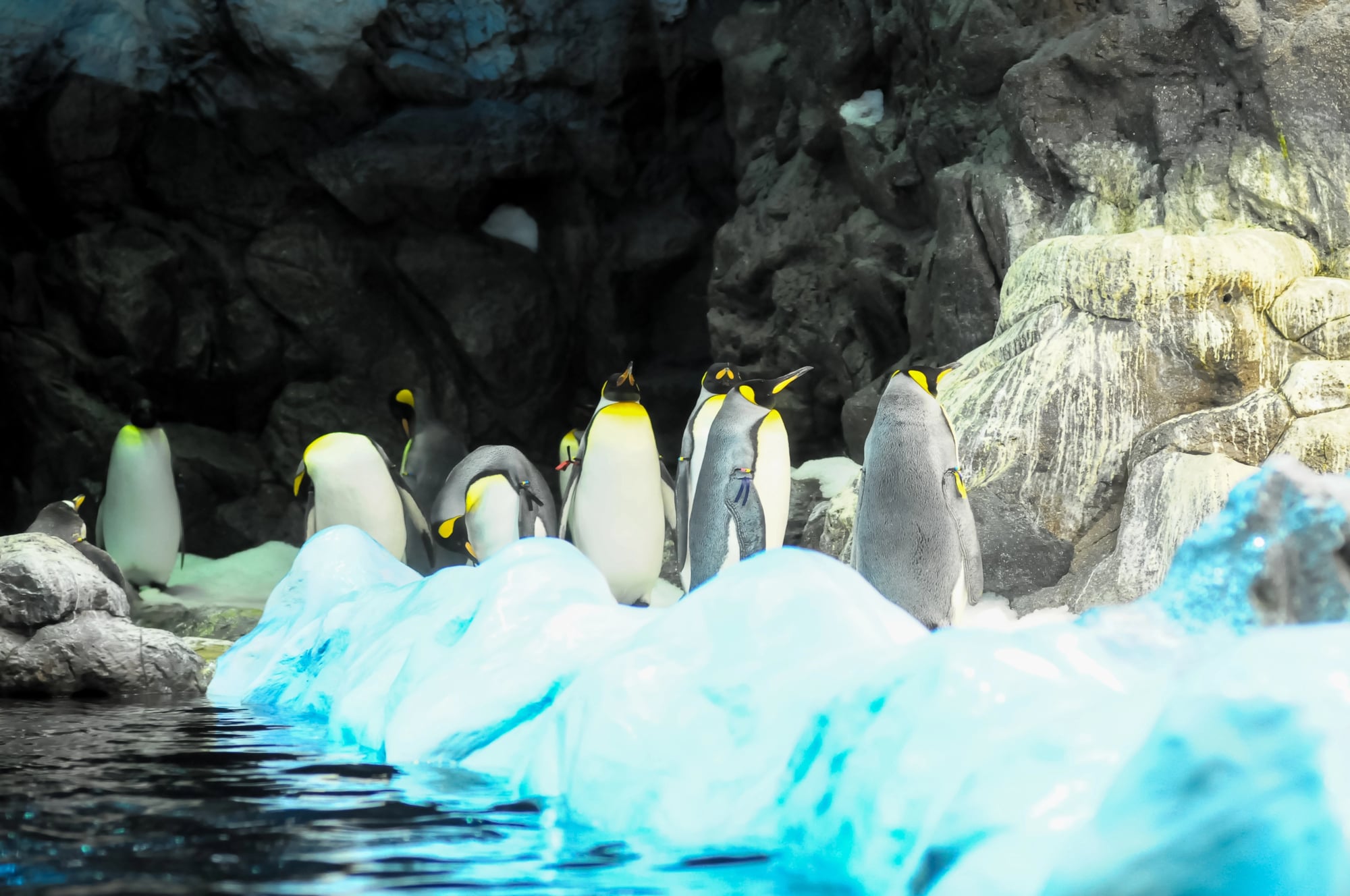
In those places, cold shapes how people live – it weaves into buildings, habits, routines. Systems change to handle it, days unfold at a quieter pace, getting ready feels automatic.
With years, harsh winters push folks to value what holds up, what saves, what brings them together. It’s the steady rhythm that catches attention, not just tough conditions.
Life moves forward – kids learn, shops open, customs hold on, despite winters that never seem to quit. Survival here comes from adapting quietly, fitting into nature’s boundaries instead of fighting them head-on.
Where weather seems far away or hard to grasp, freezing villages show how flexible humans can be. Not due to kind environments, life goes on – through change, through endurance, through making sense of existence in the chilliest corners of home.
More from Go2Tutors!

- The Romanov Crown Jewels and Their Tragic Fate
- 13 Historical Mysteries That Science Still Can’t Solve
- Famous Hoaxes That Fooled the World for Years
- 15 Child Stars with Tragic Adult Lives
- 16 Famous Jewelry Pieces in History
Like Go2Tutors’s content? Follow us on MSN.



