13 Controversial Statues in US History
Statues and monuments tell stories about who we choose to honor and remember as a nation. Over the years, many of these bronze and stone figures have sparked heated debates about history, race, and what values America should celebrate. Some statues have stood for over a century, while others have been removed or toppled in recent years.
These monuments have divided communities and started important conversations about our past and future. Let’s look at 13 statues that have caused the biggest stir across the country.
Robert E Lee statue in Richmond, Virginia
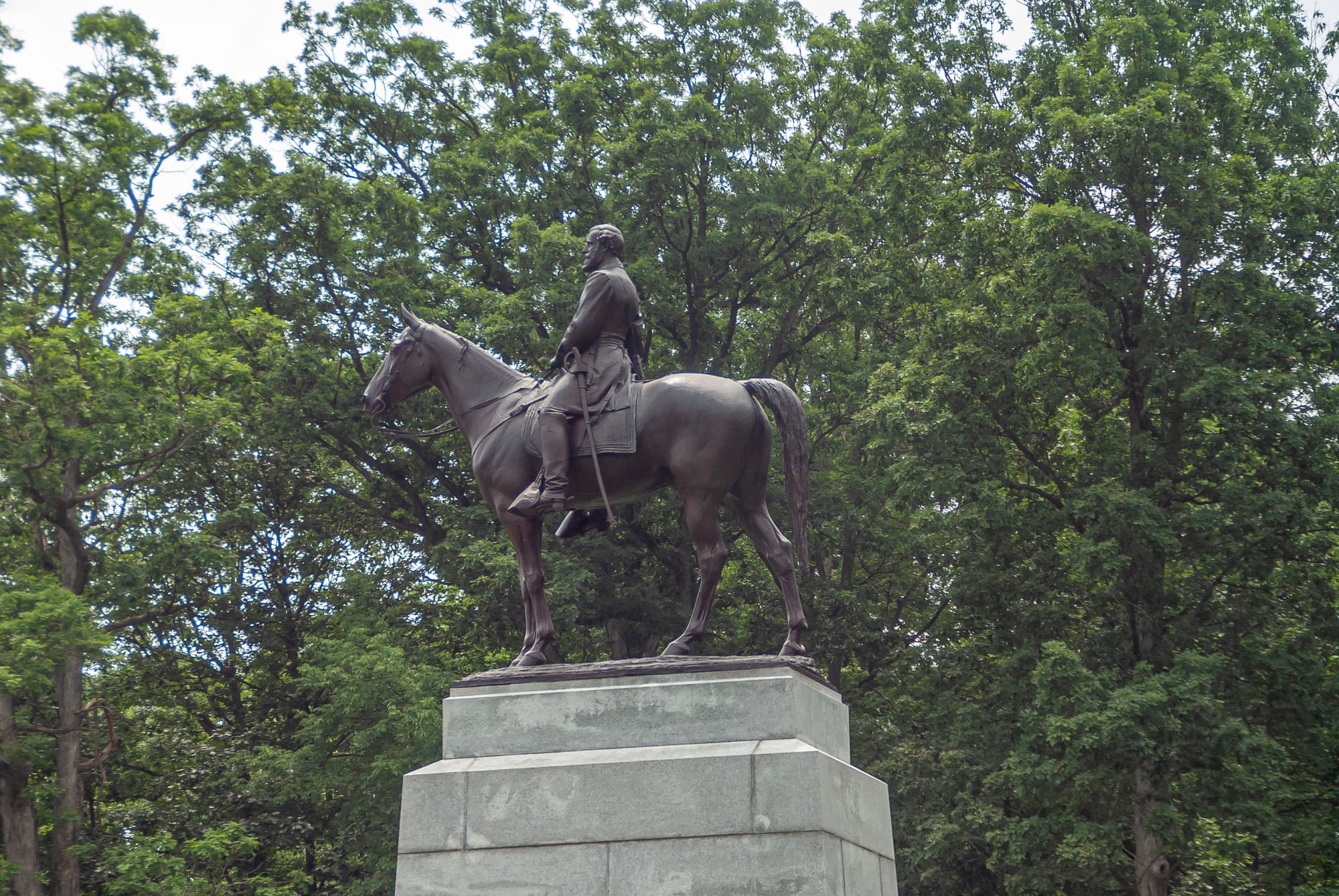
The massive Confederate general stood 60 feet tall on Richmond’s Monument Avenue until September 2021. The divisive Confederate monument, the focus of the deadly Unite the Right rally in 2017, was melted down in secret and will become a new piece of public art.
For over 130 years, this statue dominated the former Confederate capital’s skyline. The monument became a focal point for protests after George Floyd’s death, with graffiti covering its base for months.
But the Confederate general Robert E. Lee himself never wanted such monuments built. The statue’s removal marked the end of an era for Monument Avenue, which was once lined with Confederate memorials.
Silent Sam at University of North Carolina

This Confederate soldier statue stood guard at UNC-Chapel Hill for over 100 years before protesters toppled it in August 2018. The racist rhetoric spewed at the statue’s unveiling ceremony and the symbolism of the statue itself fueled decades of protests at UNC.
The 1913 dedication speech openly celebrated white supremacy and intimidating Black students. Students and faculty had protested the statue for decades, arguing it created a hostile environment on campus.
After protesters pulled it down, the university struggled with what to do with the damaged bronze figure, eventually deciding not to restore it to campus.
Like Go2Tutors’s content? Follow us on MSN.
Christopher Columbus statues nationwide
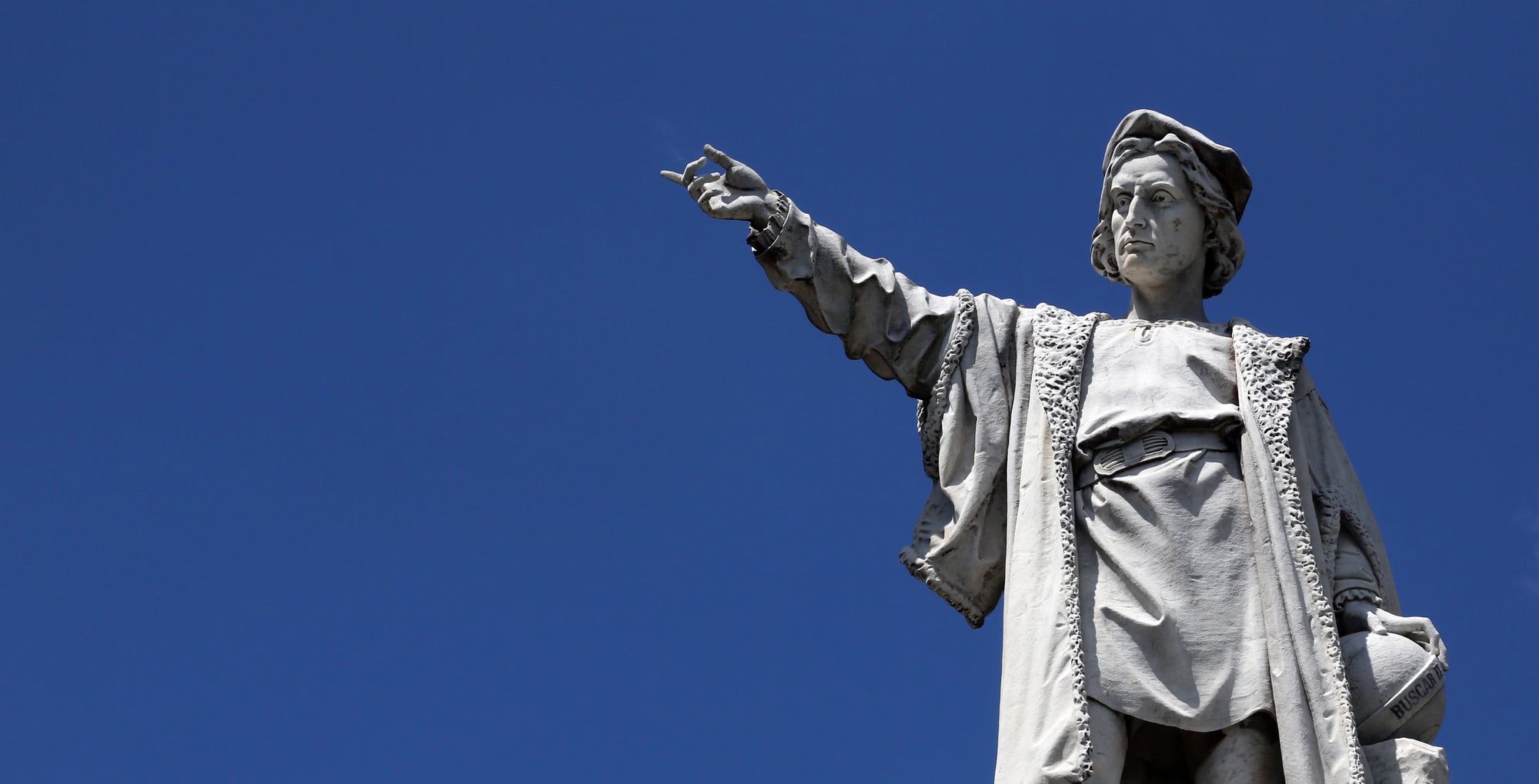
Columbus monuments in cities across America have faced intense scrutiny as people reconsider his legacy of colonization. As the scope of the protests broadened to include other forms of systemic racism, many statues of other controversial figures such as Christopher Columbus, Junípero Serra, Juan de Oñate and Kit Carson were targeted for removal.
Italian Americans often view these statues as symbols of their heritage and contributions to America. However, Native American groups see Columbus as someone who initiated centuries of genocide and cultural destruction.
Cities like Boston, Baltimore, and Providence have removed their Columbus statues, while others remain under heavy guard or police protection.
Jefferson Davis monuments in multiple cities
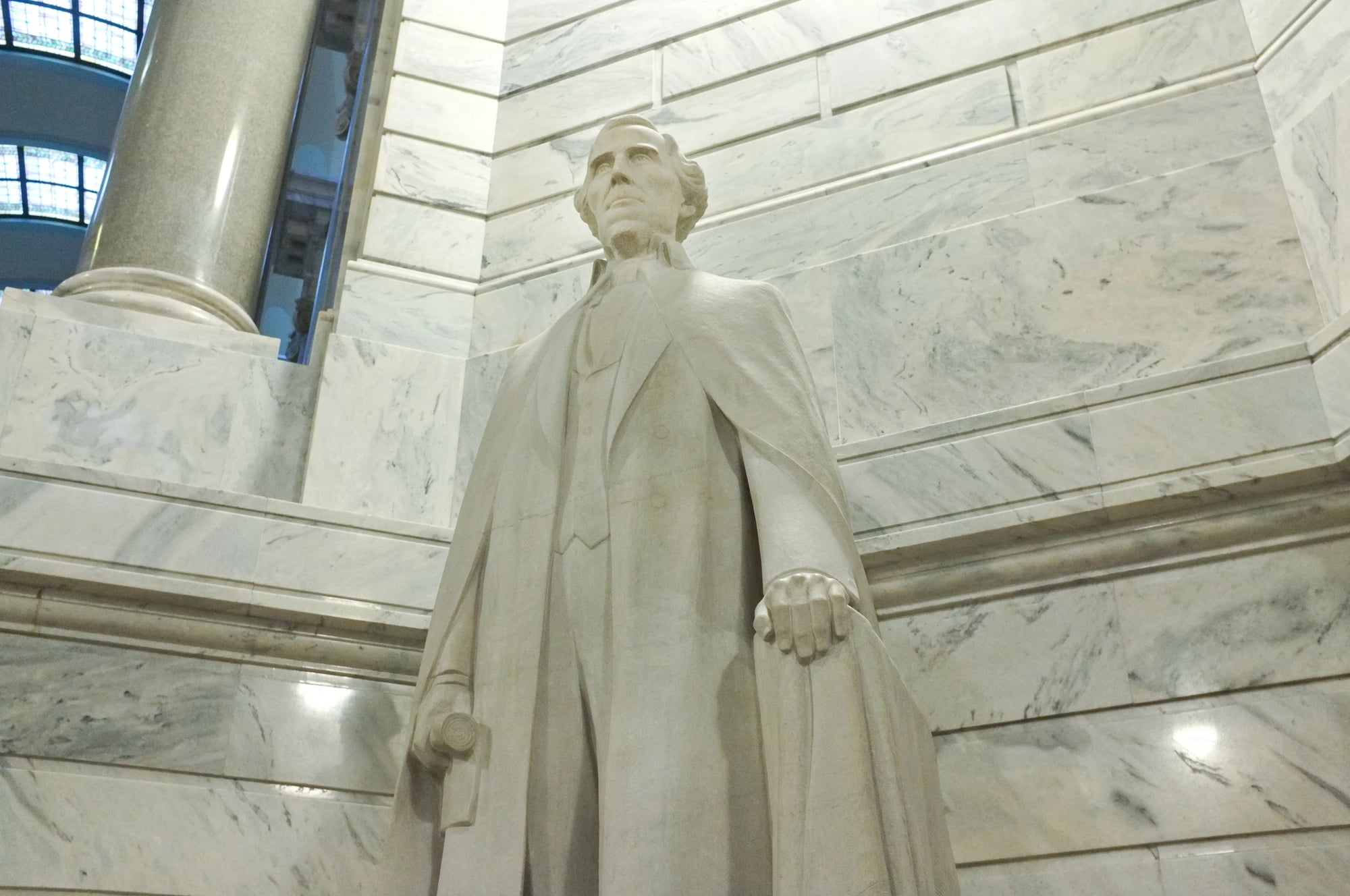
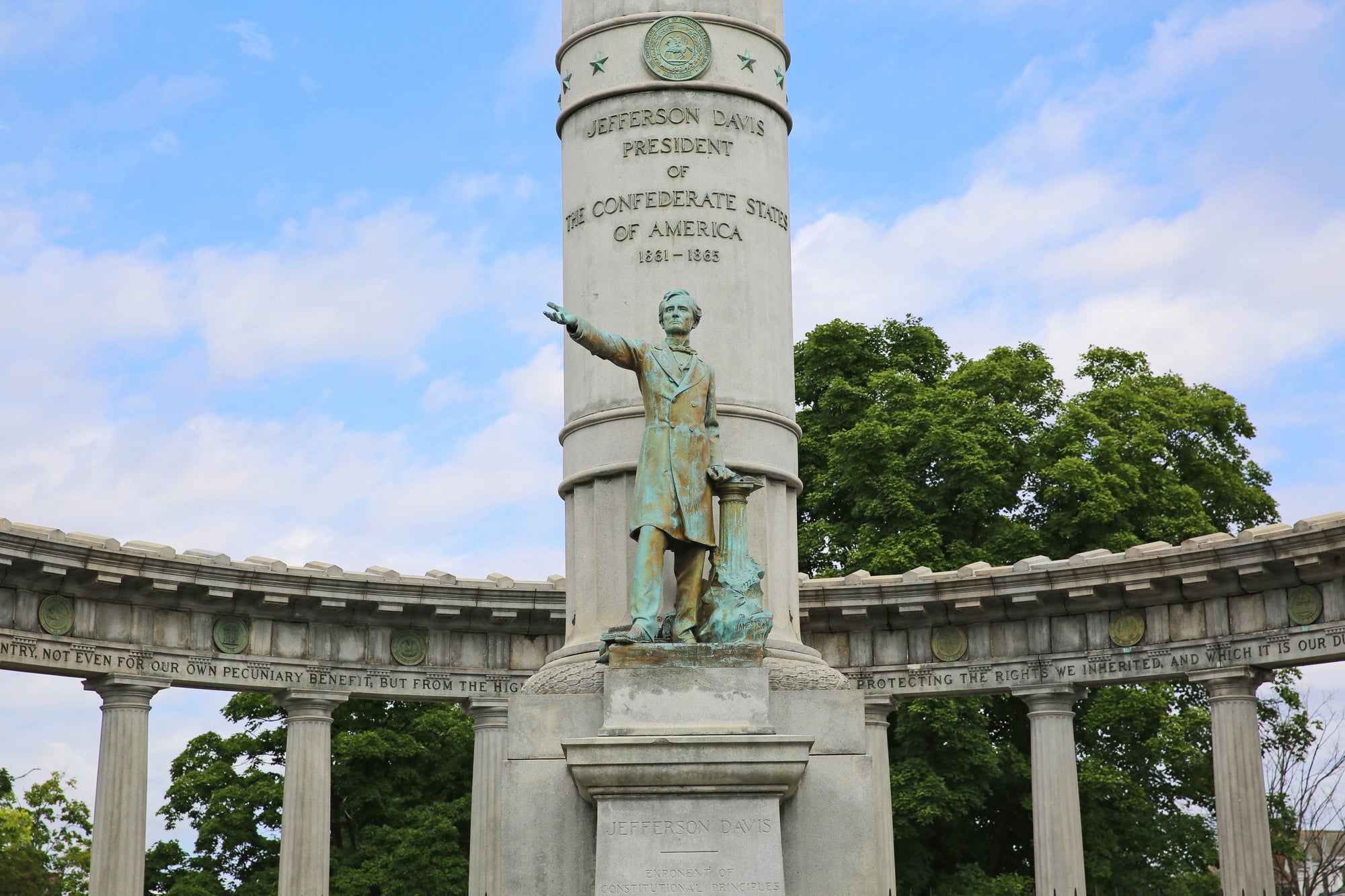
The Confederate president’s statues have been removed from New Orleans, Richmond, and other Southern cities in recent years. Davis led the rebellion against the United States and defended slavery as essential to Southern society.
Many of these monuments were erected during the Jim Crow era to intimidate African Americans rather than honor history. New Orleans removed its Davis statue in 2017 amid protests and death threats against city officials.
The removals sparked lawsuits and heated city council meetings about preserving versus erasing controversial history.
Stonewall Jackson statues across the South
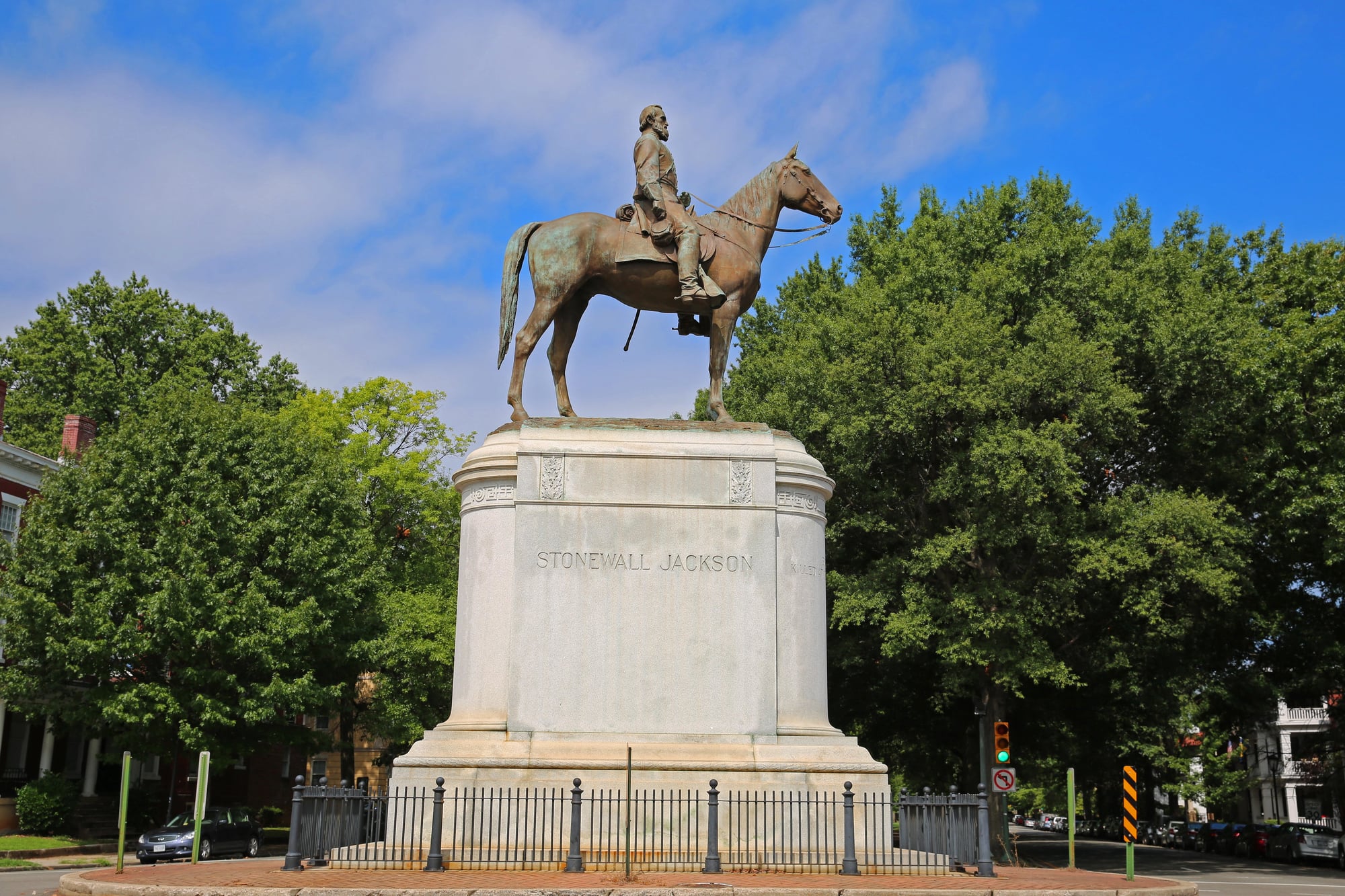
Confederate General Thomas “Stonewall” Jackson monuments have disappeared from public squares throughout Virginia and other Southern states. Jackson was considered one of the Confederacy’s most skilled military leaders before his death in 1863.
Charlottesville’s Jackson statue became the center of the deadly Unite the Right rally in 2017. The city of Charlottesville voted to remove both Lee and Jackson statues, leading to the violent white supremacist gathering.
Many communities have moved Jackson statues to museums or cemeteries rather than destroying them completely.
Like Go2Tutors’s content? Follow us on MSN.
Nathan Bedford Forrest statues in Tennessee

Monuments to this Confederate general are especially controversial because of his post-war role as the first Grand Wizard of the Ku Klux Klan. Forrest was involved in the massacre of Black Union soldiers at Fort Pillow during the Civil War.
Tennessee removed a Forrest bust from its state capitol building after years of protests. His military tactics made him famous, but his KKK leadership made him a symbol of white terror during Reconstruction.
Private statues on highway roadsides have also sparked legal battles between property owners and local governments.
Stone Mountain Confederate carving in Georgia
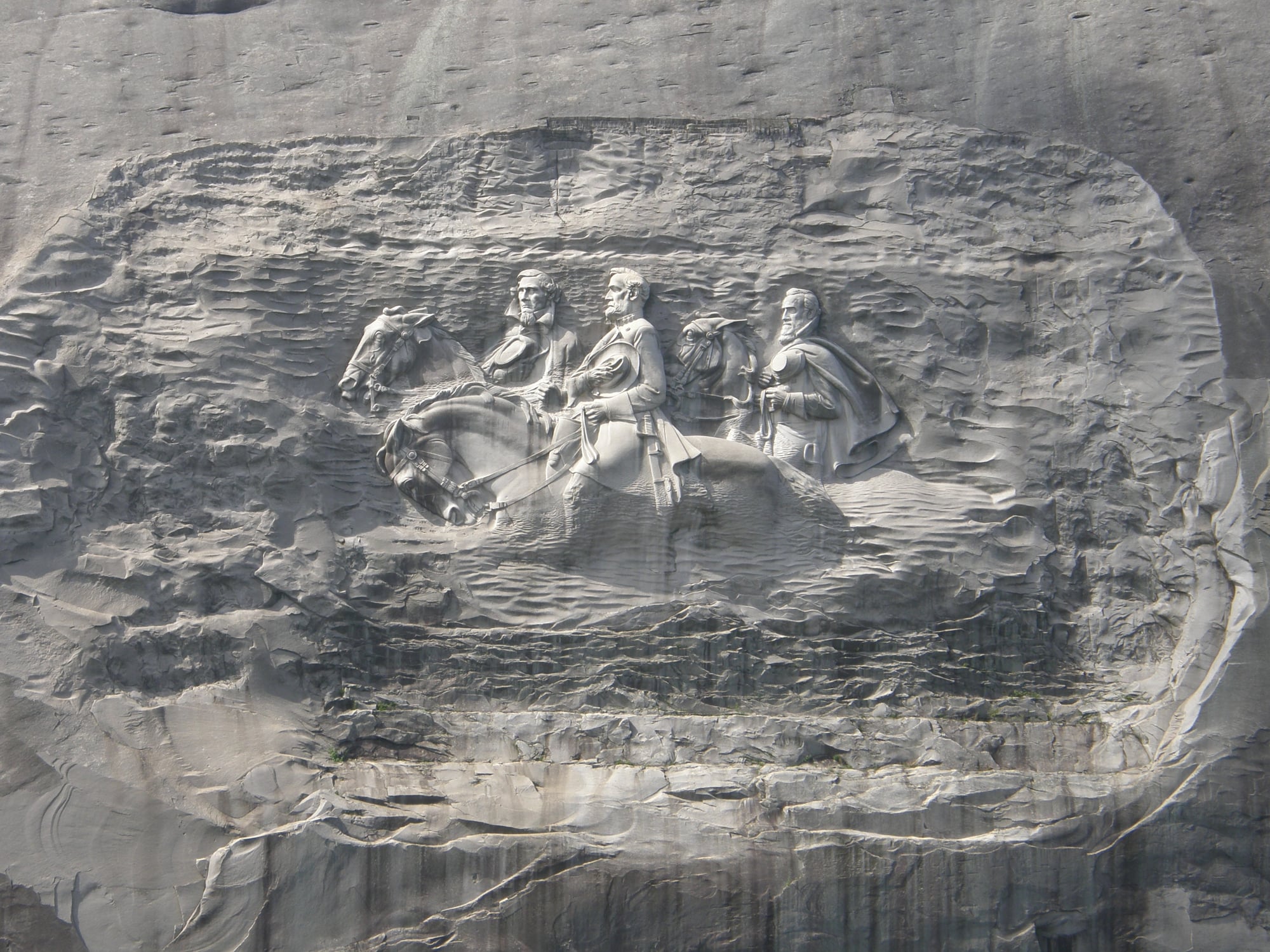
This massive carving into a Georgia mountainside features Jefferson Davis, Robert E Lee, and Stonewall Jackson carved into living rock. The monument covers three acres of mountainside and took decades to complete, finishing in 1972.
The mountain has a dark history as a meeting place for KKK rallies and cross burnings. Removing the carving would be extremely expensive and technically challenging due to its size and location.
Georgia officials have resisted calls to alter or remove the carving, arguing it’s part of the state’s tourism industry.
Albert Pike statue in Washington DC
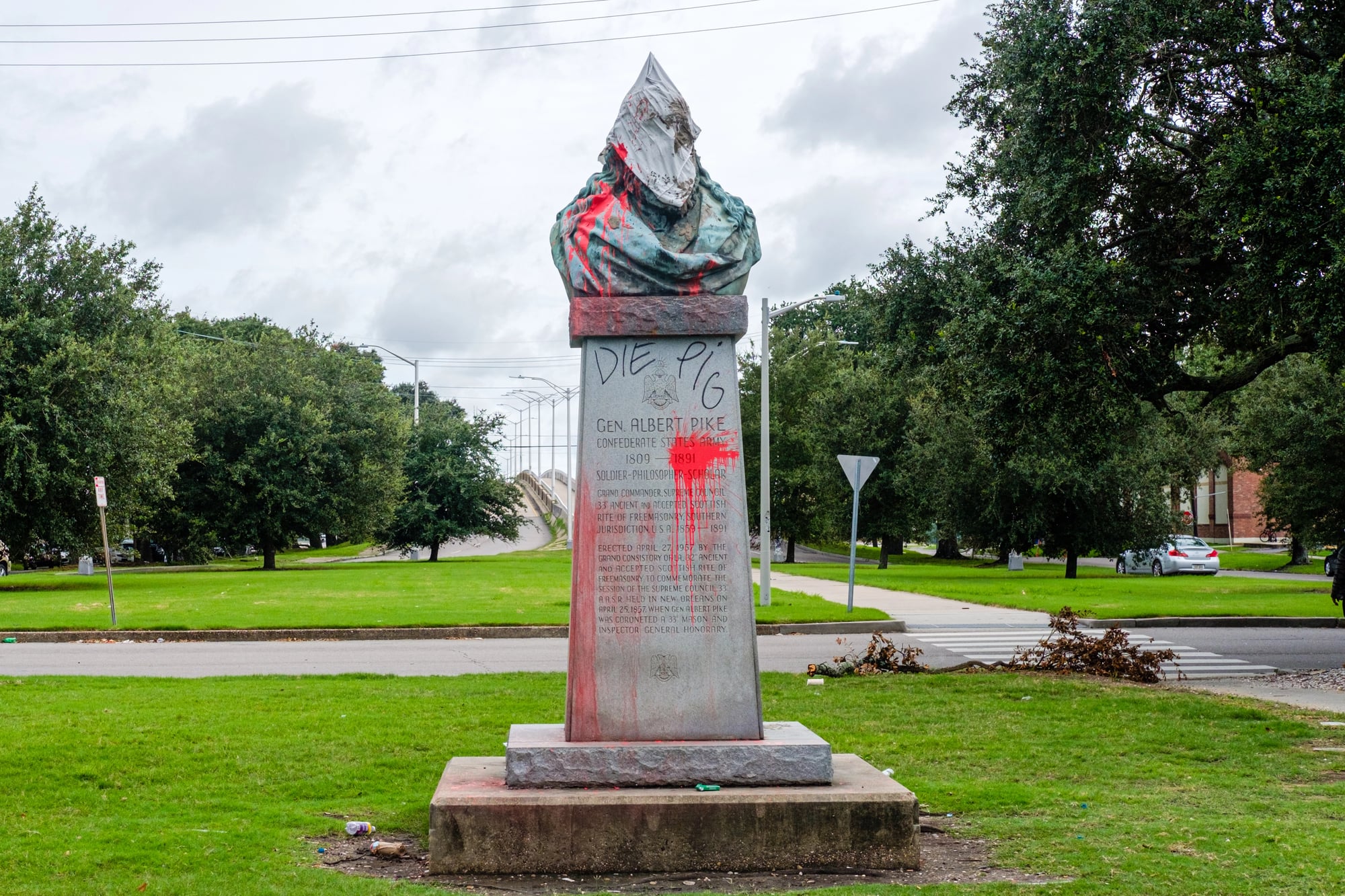
On June 19, 2020, protesters in the movement protesting the murder of George Floyd tore down the statue of Albert Pike, doused it with a flammable liquid and ignited it. Pike was a Confederate general but also a prominent Freemason, which complicated the statue’s symbolism.
The monument had stood in Judiciary Square since 1901, making it the only outdoor Confederate statue in the nation’s capital. Critics argued that having a Confederate memorial in DC sent the wrong message about American values.
The statue was toppled during nationwide protests following George Floyd’s death, and it was not restored.
Like Go2Tutors’s content? Follow us on MSN.
Emancipation Memorial in Boston
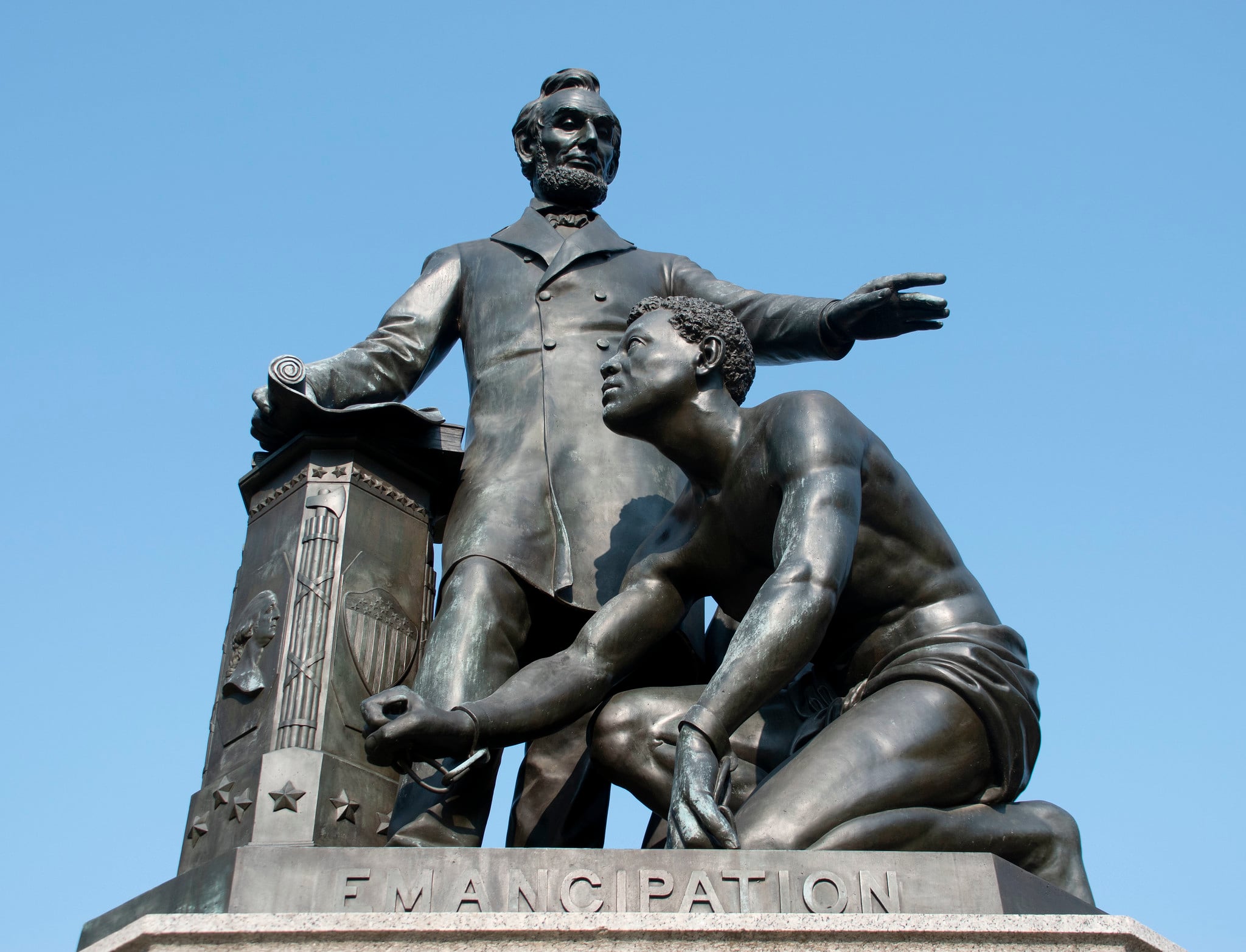
A statue of a freed slave kneeling at the feet of Abraham Lincoln was removed from downtown Boston on December 29, 2020. Critics said it downplays the role African Americans had in the Civil War.
The statue, also known as the Freedman’s Memorial, showed Lincoln standing over a kneeling enslaved person. Many African Americans found the imagery offensive, arguing it portrayed Black people as passive recipients of white benevolence rather than active participants in their own liberation.
The original version still stands in Washington DC’s Lincoln Park, where it continues to generate controversy. Boston’s removal came after a campaign by local activists who raised money for a new memorial honoring different aspects of the freedom struggle.
Junípero Serra statues in California

Spanish missionary Junípero Serra’s statues have been targeted by protesters who view him as a symbol of colonialism and cultural genocide. Serra established 21 Catholic missions in California during the 18th century that converted Native Americans to Christianity.
Critics argue the mission system enslaved indigenous people and destroyed their traditional cultures and languages. The Catholic Church defends Serra as someone who tried to protect Native Americans from worse treatment by Spanish soldiers.
Several Serra statues have been toppled in San Francisco, Los Angeles, and other California cities during recent protests.
Theodore Roosevelt statue at American Museum of Natural History
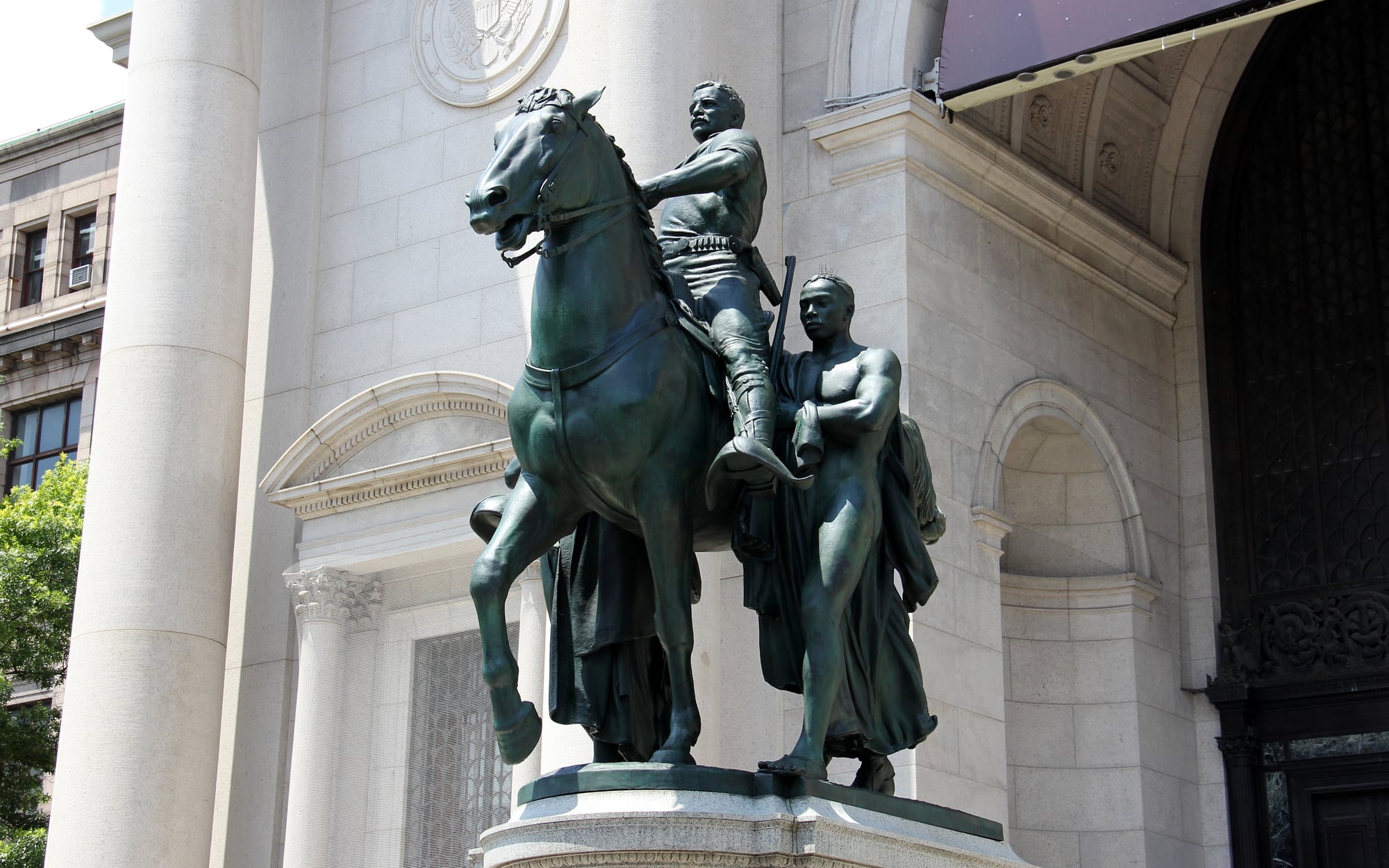
The equestrian statue outside New York’s natural history museum showed Roosevelt on horseback flanked by a Native American and African man on foot. The museum decided to remove the statue in 2020, citing its hierarchical composition that seemed to suggest racial superiority.
Roosevelt himself wasn’t the primary concern, but rather how the statue depicted relationships between different races. The museum emphasized that Roosevelt remained an important historical figure worthy of study and commemoration.
The statue was relocated rather than destroyed, allowing for future educational use in a different context.
Like Go2Tutors’s content? Follow us on MSN.
Kit Carson statues in the Southwest
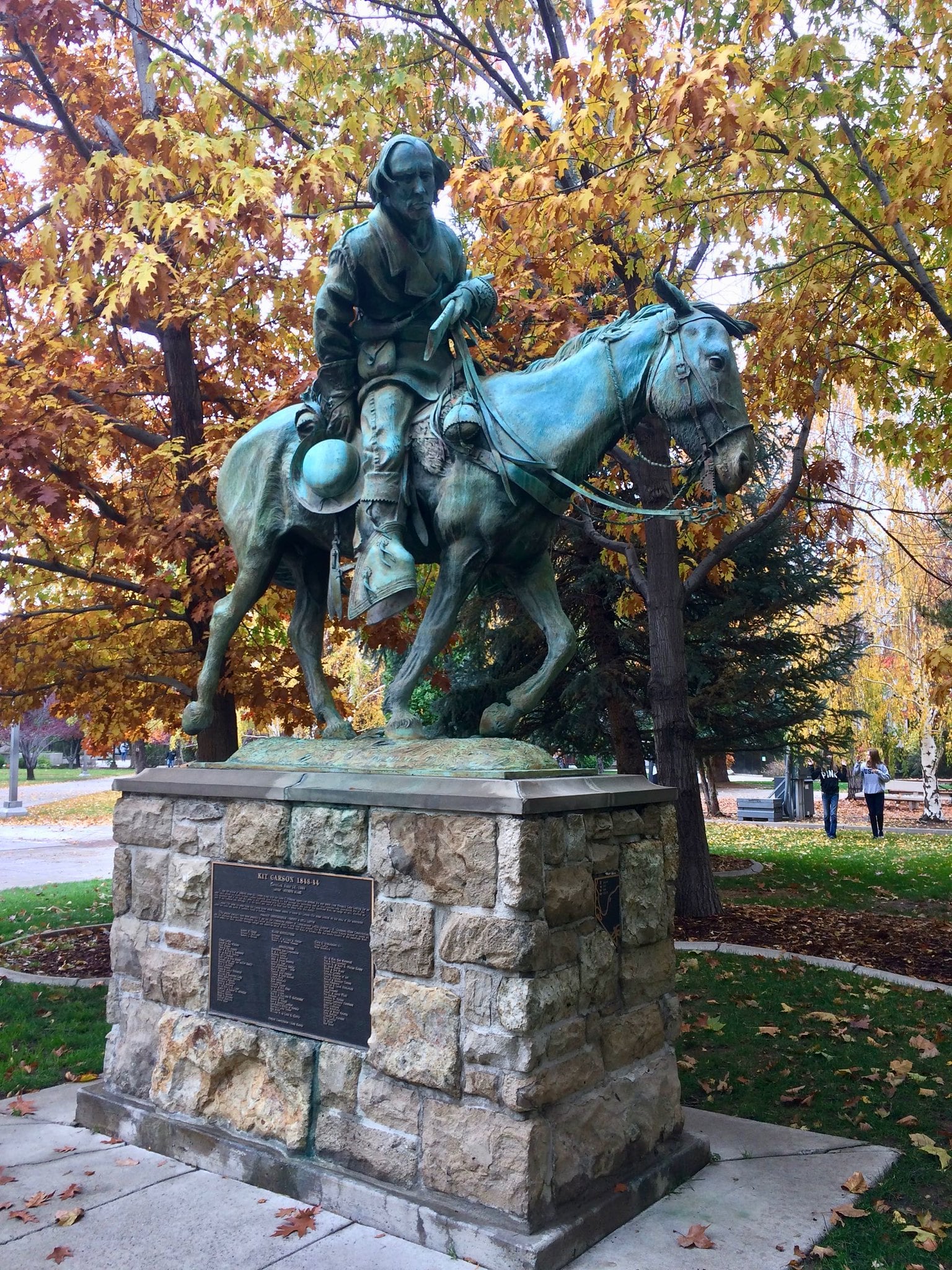
Monuments to this frontiersman and military leader have been removed or vandalized in New Mexico and Colorado. Carson is remembered as an explorer and guide, but also led campaigns against Native American tribes.
His role in the forced relocation of Navajo people to Bosque Redondo remains controversial among indigenous communities. Some view Carson as a product of his time, while others see him as a symbol of westward expansion that displaced Native peoples.
Taos, New Mexico removed its Carson statue after heated community debates about his complex legacy.
Taney statue in Maryland
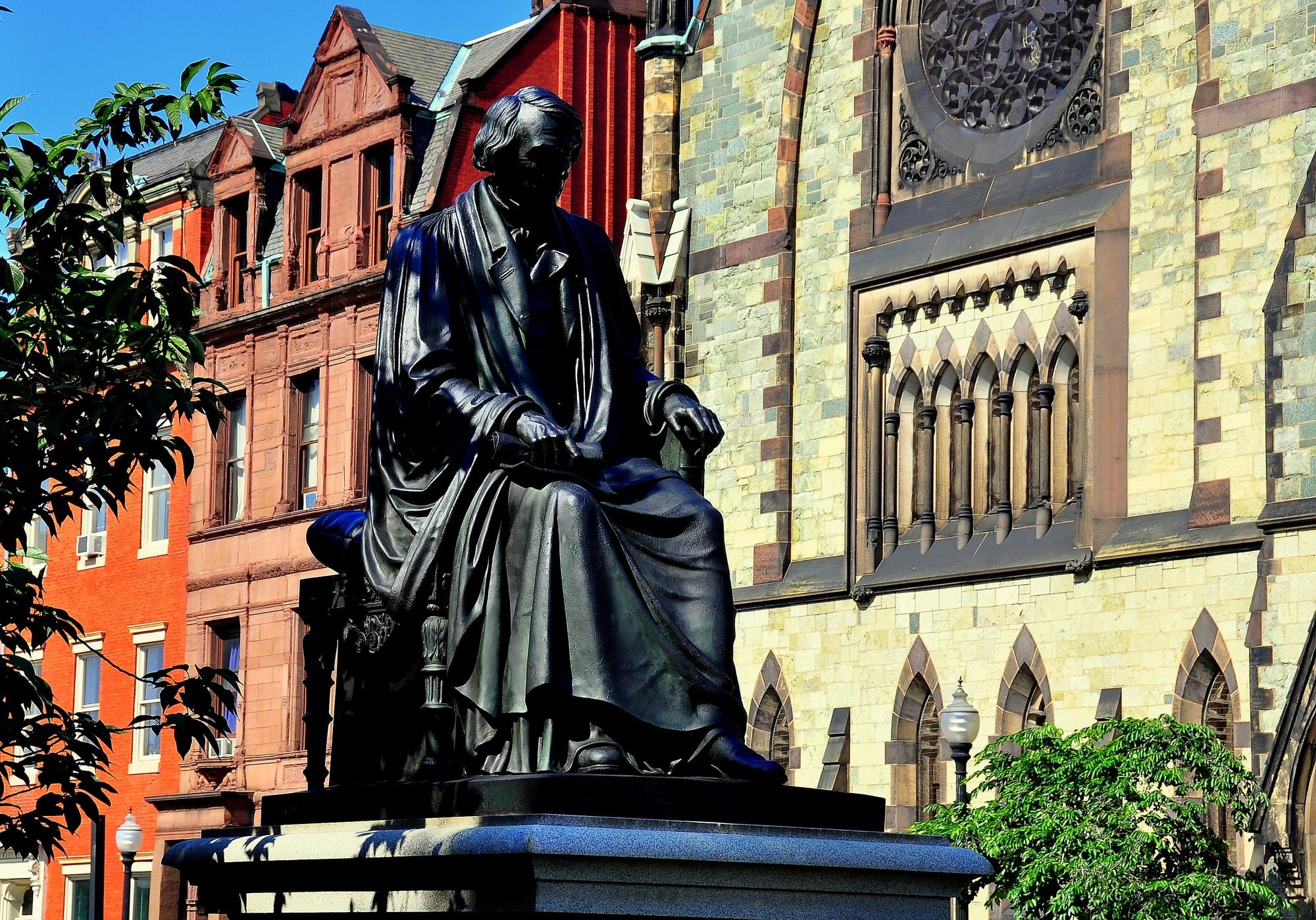
Chief Justice Roger Taney’s statue was removed from the Maryland State House grounds in 2017. Taney wrote the infamous Dred Scott decision that declared Black people could not be American citizens.
The 1857 Supreme Court ruling helped push the country toward civil war by denying constitutional rights to African Americans. Maryland Governor Larry Hogan ordered the statue’s removal during nighttime hours to avoid protests.
Taney served as Chief Justice for nearly three decades, but his legacy remains tied to one of the court’s most shameful decisions.
From bronze to burden in modern America
These 15 controversial statues reflect America’s ongoing struggle with how to remember its complex and often painful history. Following the so-called racial reckoning that came after the murder of George Floyd in 2020, numerous statues depicting white supremacists or colonialists were removed or vandalized.
What seemed appropriate to honor in past generations now strikes many Americans as celebrating the wrong values or ignoring the experiences of marginalized communities. The statue debates aren’t really about bronze and stone, but about whose stories get told in public spaces and which values communities want to represent.
Whether removed, relocated, or reimagined with additional context, these monuments have forced Americans to confront difficult questions about justice, memory, and what it means to be united as a nation. The conversations sparked by these statues may prove more valuable than the monuments themselves ever were.
Like Go2Tutors’s content? Follow us on MSN.
More from Go2Tutors!

- 16 Historical Figures Who Were Nothing Like You Think
- 12 Things Sold in the 80s That Are Now Illegal
- 15 VHS Tapes That Could Be Worth Thousands
- 17 Historical “What Ifs” That Would Have Changed Everything
- 18 TV Shows That Vanished Without a Finale
Like Go2Tutors’s content? Follow us on MSN.



