13 Drive-Thru Drinks Chains Quietly Retired
Long before espresso stands took over strip mall parking lots, the American roadside ran on root beer. Carhops on skates carried frosted mugs out to idling cars, oversized rooftop mugs spun in the wind to catch a driver’s eye from the highway, and a handful of regional syrup recipes built entire small empires one drive-in stand at a time.
Almost none of that world survives in its original form. The brands below built hundreds of stands apiece at their peak and now cling to a scattering of independently run locations, if they exist at all.
Dog n Suds
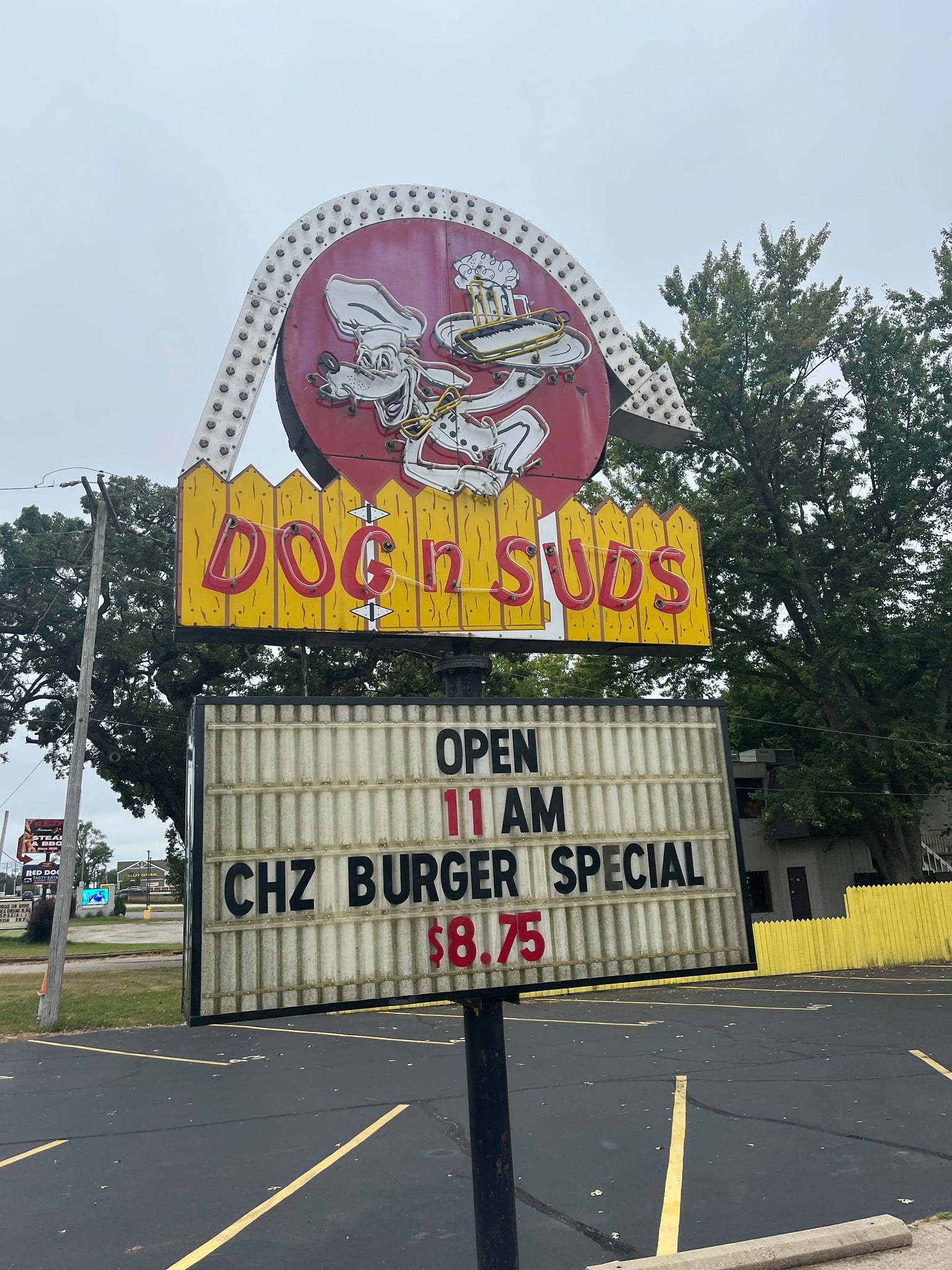
Two Illinois music teachers opened the first Dog n Suds root beer stand in Champaign in 1953, and the carhop-service chain grew to roughly 650 locations across 38 states by 1968. A 1970 sale began a long decline through repeated ownership changes and an eventual bankruptcy, and the brand now survives at fewer than 20 independently run stands, mostly in the Midwest, with the original root beer recipe licensed out for grocery store bottling.
Frostop
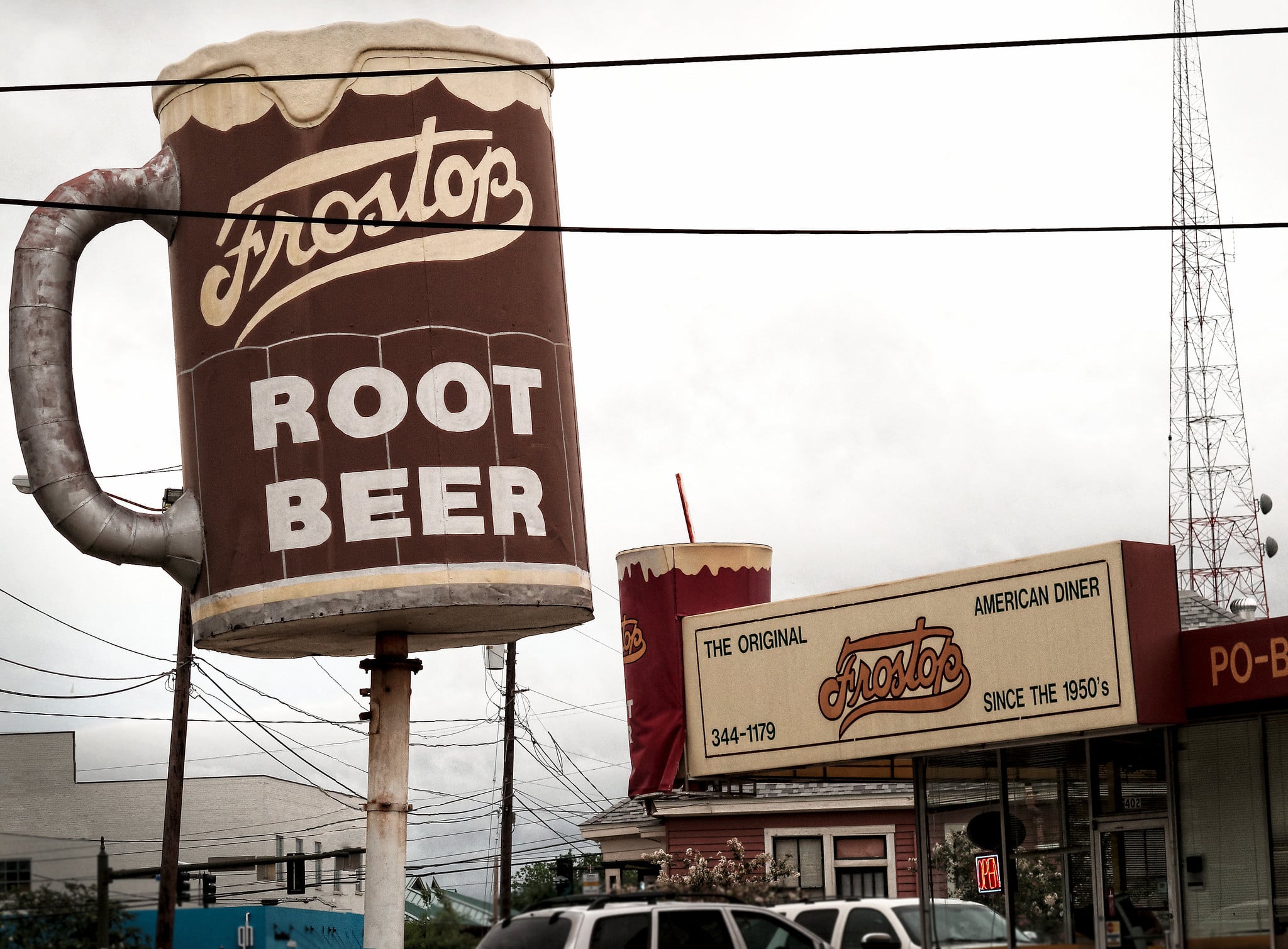
Frostop opened its first stand in Springfield, Ohio, in 1926 and became known nationwide for the oversized, motorized root beer mug spinning atop each location, a design patented by a New Orleans franchisee in the 1950s. The chain reached roughly 350 stands at its late-1950s peak with concentrations in the Midwest and Deep South, and today only a handful remain, scattered across states including Louisiana, West Virginia, and Utah.
Weber’s Root Beer
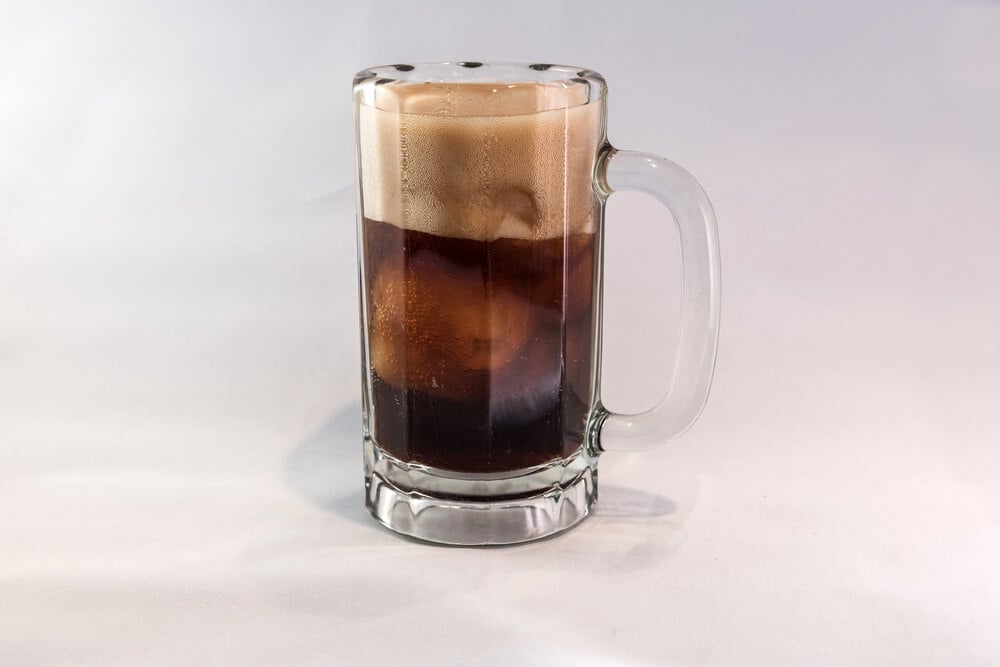
Founded in Tulsa in 1933, Weber’s grew to about 67 stands concentrated in the Midwest before contracting sharply over the following decades. The original Tulsa location still operates, alongside three independently run New Jersey stands that carry the name, but the once-regional footprint has shrunk to a handful of holdouts.
KN Root Beer
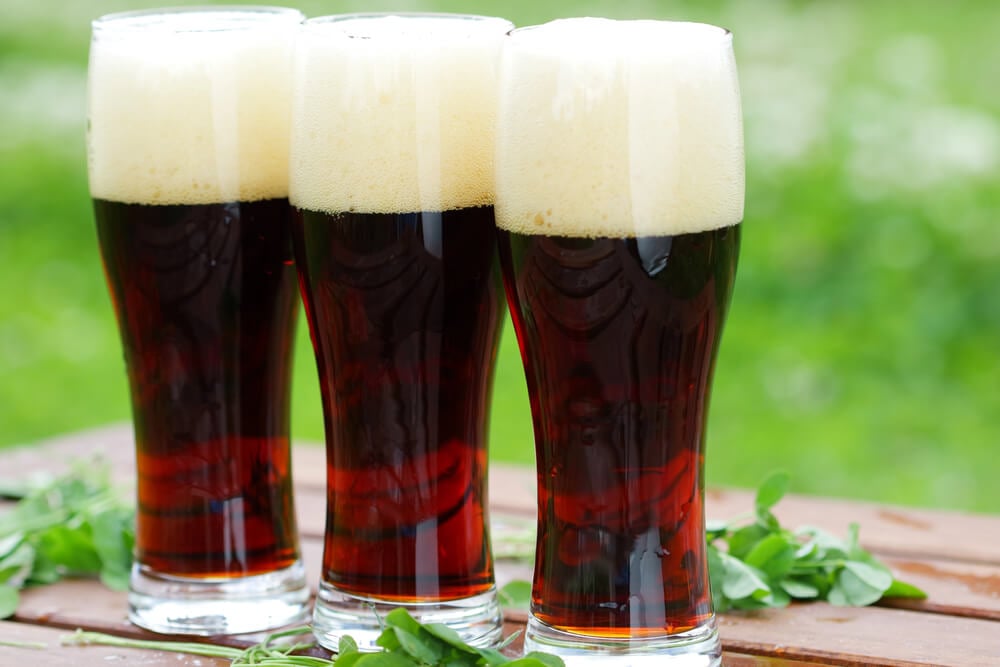
Leslie Knutson opened the first KN Root Beer drive-in in Longview, Texas, in 1948, building the name from his own initials, and the chain reached about 30 locations across Texas, Louisiana, Colorado, Oklahoma, Arkansas, and Tennessee by 1975. Most of those stands have since closed outright, leaving only isolated survivors still pouring the original recipe from behind a car-hop window.
B&K Root Beer
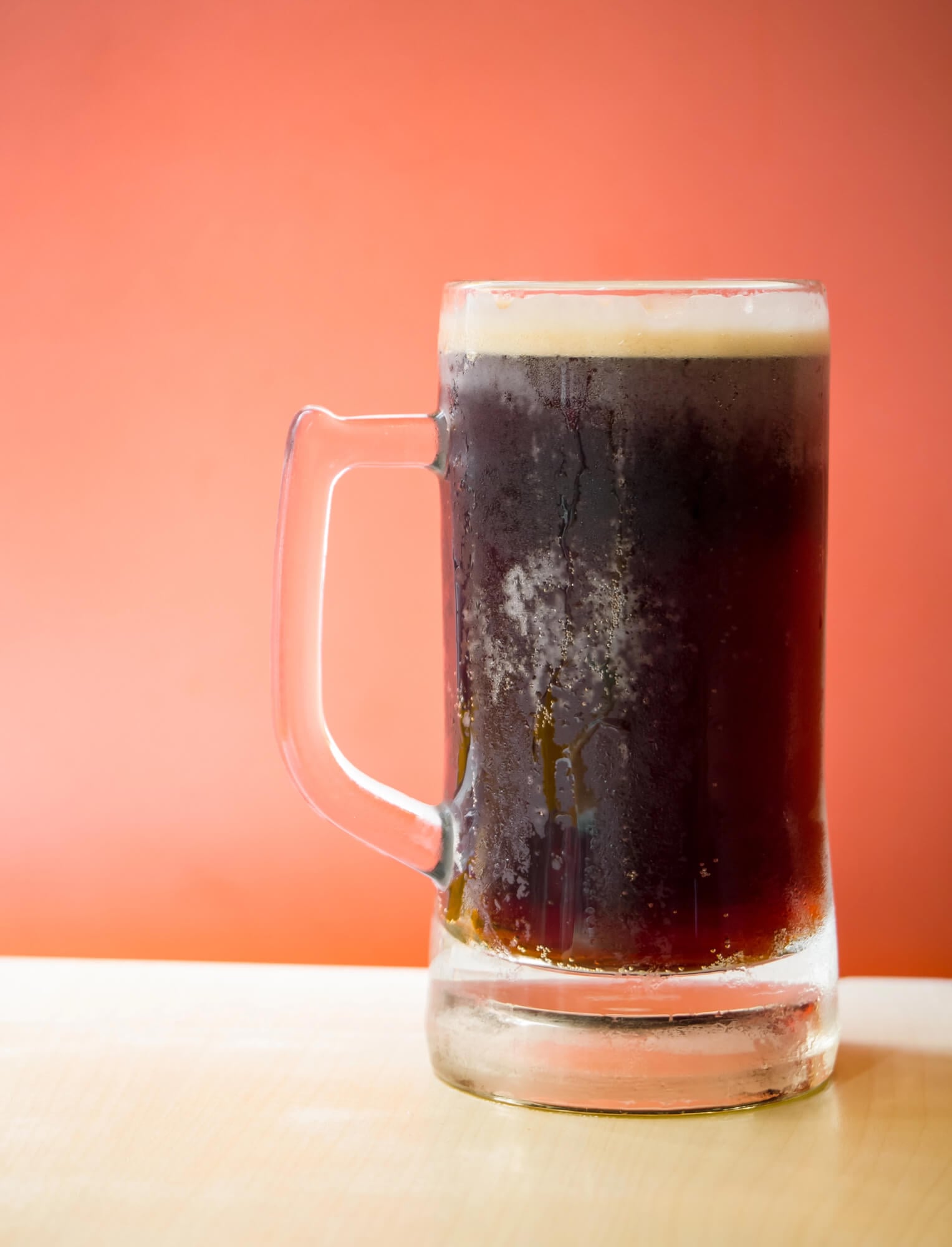
B&K began in Michigan City, Indiana, in the mid-1940s and expanded to roughly 238 stands across Indiana at its height, more than any other regional root beer chain in the state. The corporate chain itself has effectively dissolved, and the buildings still standing operate independently under a patchwork of local owners, some of whom have swapped in new names entirely while keeping the old drive-in canopy.
Triple XXX Root Beer
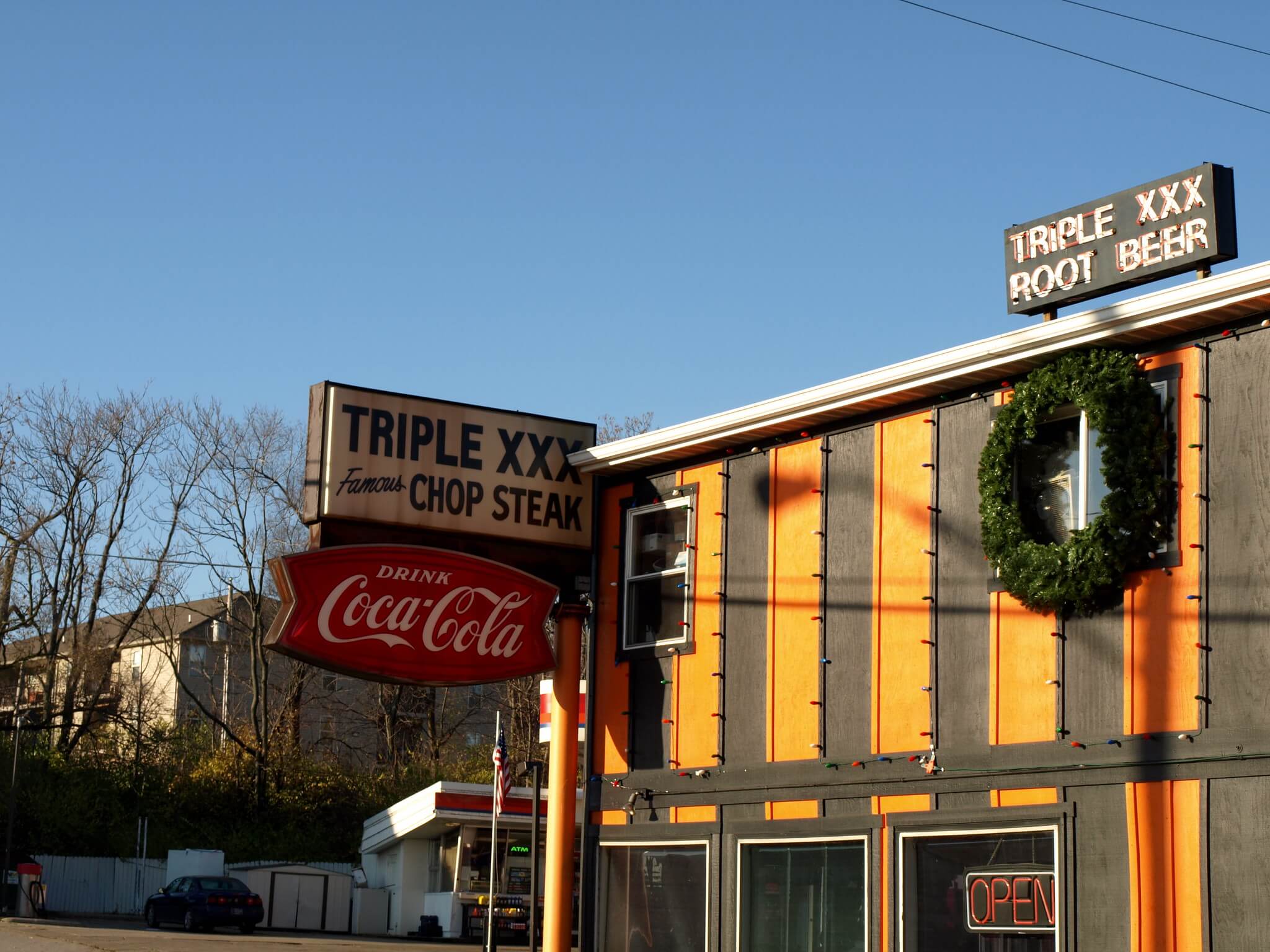
Developed around 1908 in Galveston, Texas, Triple XXX root beer was distributed nationally by the 1920s through roughly 100 branded “Thirst Stations” built specifically to sell it, some designed to look like giant wooden barrels. Only two of those original stands remain in operation today, one of them a landmark restaurant in West Lafayette, Indiana, that still mixes the original formula.
A&W’s Original Root Beer Stand Format
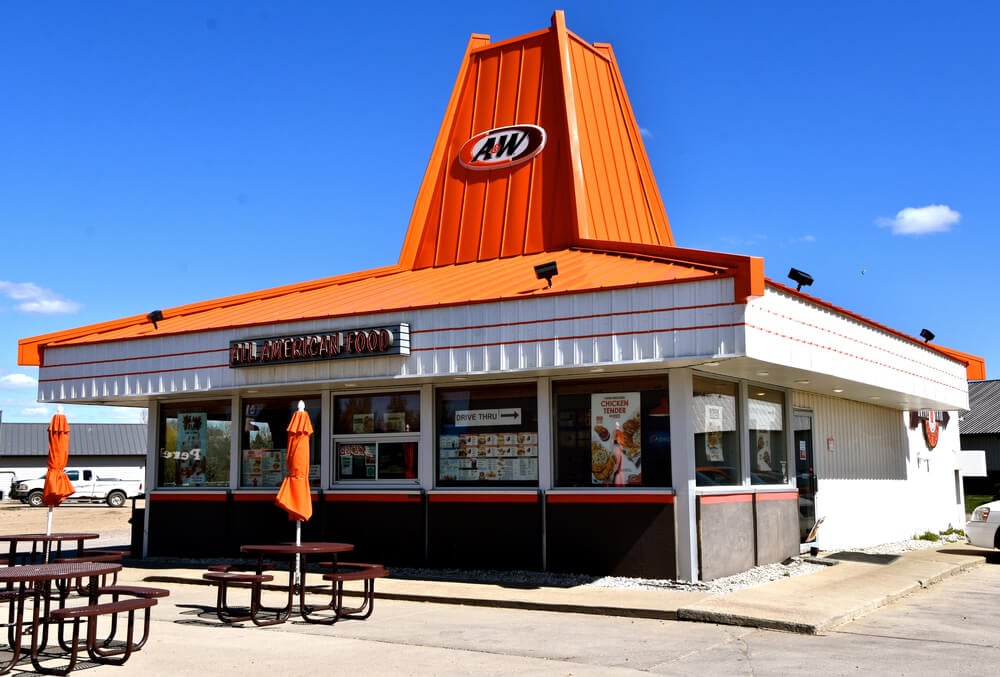
A&W popularized both bottled root beer and the drive-in stand format after its 1919 founding, franchising aggressively through the 1920s and growing to roughly 2,400 outlets by the 1960s. The fast-food brand still exists today, but the pylon-roofed, carhop-service stand format that built its reputation has almost entirely disappeared, with former A&W buildings across the country now demolished or repurposed as unrelated businesses.
Sno-White Drive-In
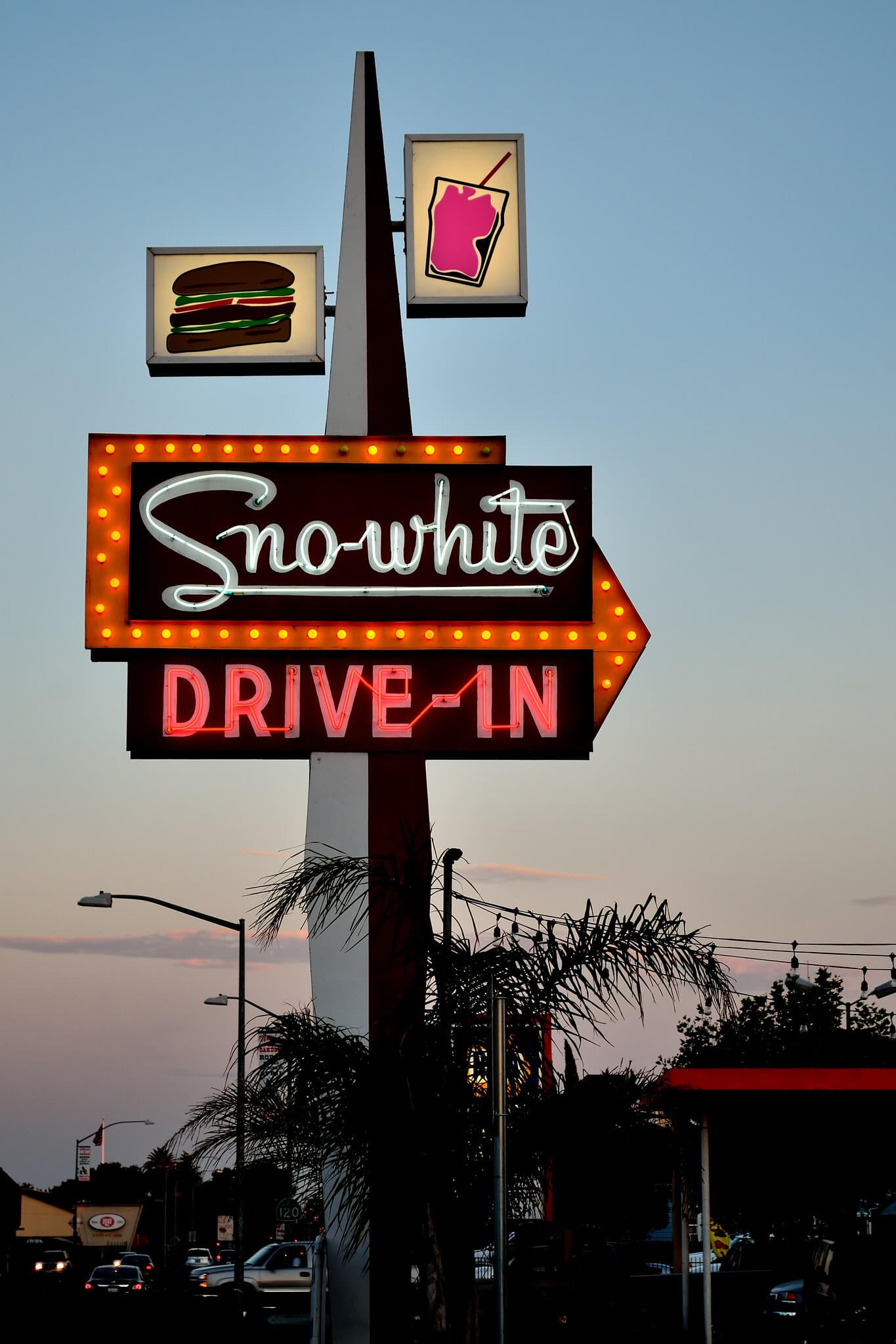
Sno-White began as a licensed offshoot of the Zesto ice cream and drink chain in California, converting several Zesto stands after 1962 before growing to roughly 200 locations statewide at its peak. Housing developments, highway realignments, and the slow decline of the ice-cream stand format left only a small number of Sno-White buildings standing today, several of them repainted and repurposed under other names.
Zesto
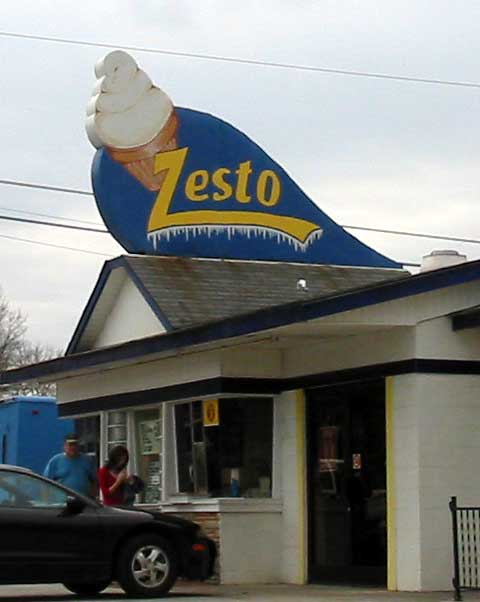
Zesto introduced its soft-serve and drink drive-in format to Northern and Central California beginning with a Lodi location in 1949, with plans for roughly 40 locations across the state at its most ambitious. Several early Zesto stands were later converted into the competing Sno-White chain, and the brand’s freestanding California footprint has been reduced to a small handful of independently run stands.
Foster’s Freeze
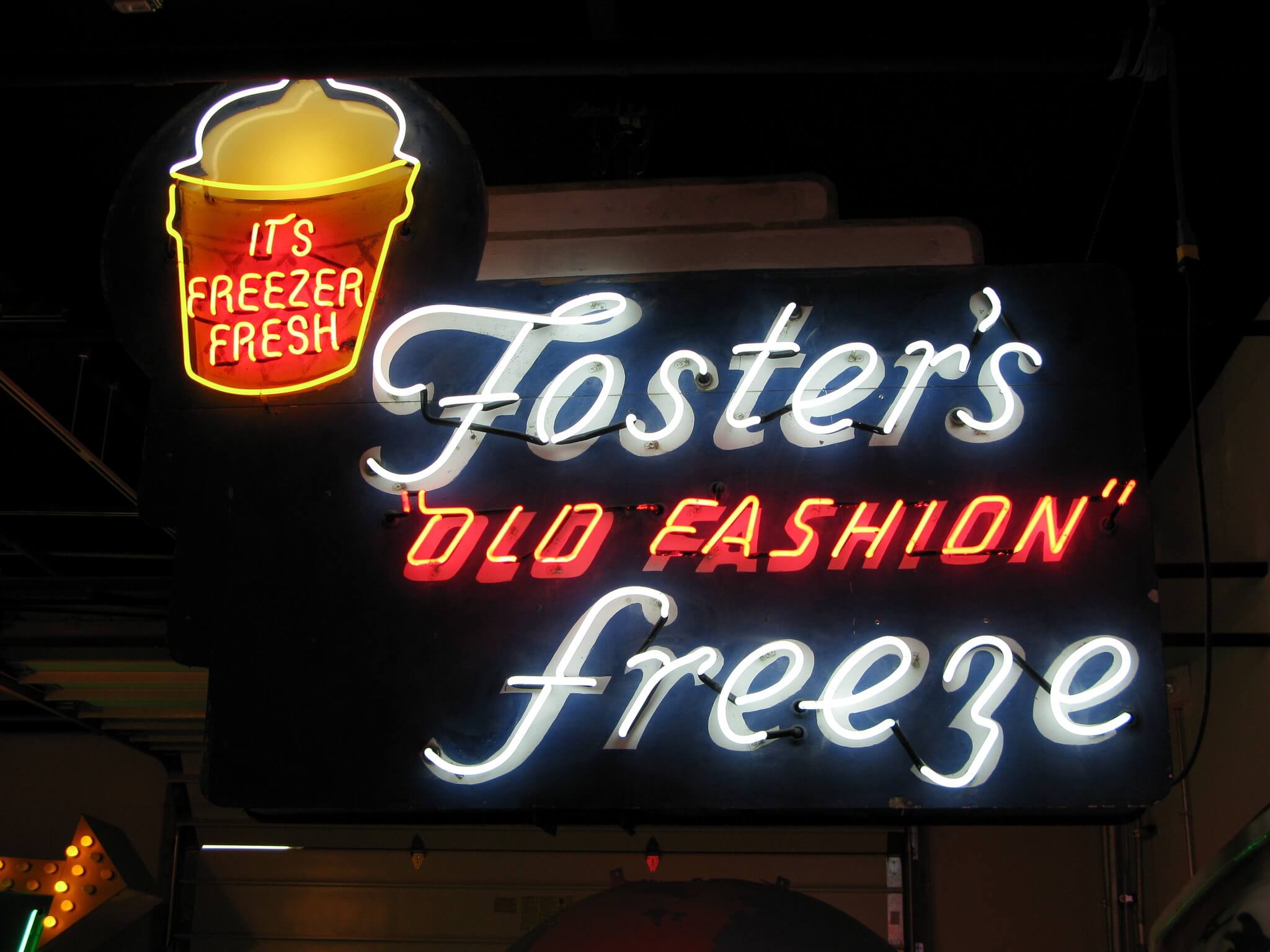
George Foster opened the first Foster’s Freeze in Inglewood, California, in 1946 after California dairy regulations blocked him from using the Dairy Queen name he had originally licensed. The chain grew into a dense regional presence across California, but rising costs and closures have steadily thinned its footprint over the past two decades, leaving well under a hundred locations open where there were once many hundreds.
Tastee-Freez
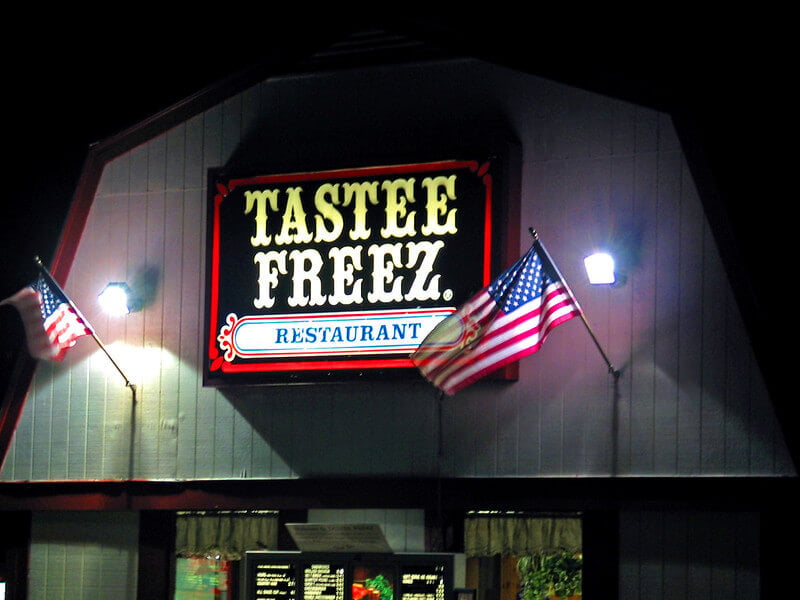
Tastee-Freez built its identity on soft-serve drinks and shakes sold from small drive-up stands that spread rapidly across the country beginning in the early 1950s, at one point rivaling the scale of the largest fast-food chains of the era. Decades of consolidation eventually left the brand a fraction of its former size, and it was acquired by the parent company of the Wienerschnitzel chain, folding what remained of Tastee-Freez into a much smaller operation than the one that once dotted small-town main streets.
Orange Julius Standalone Stores
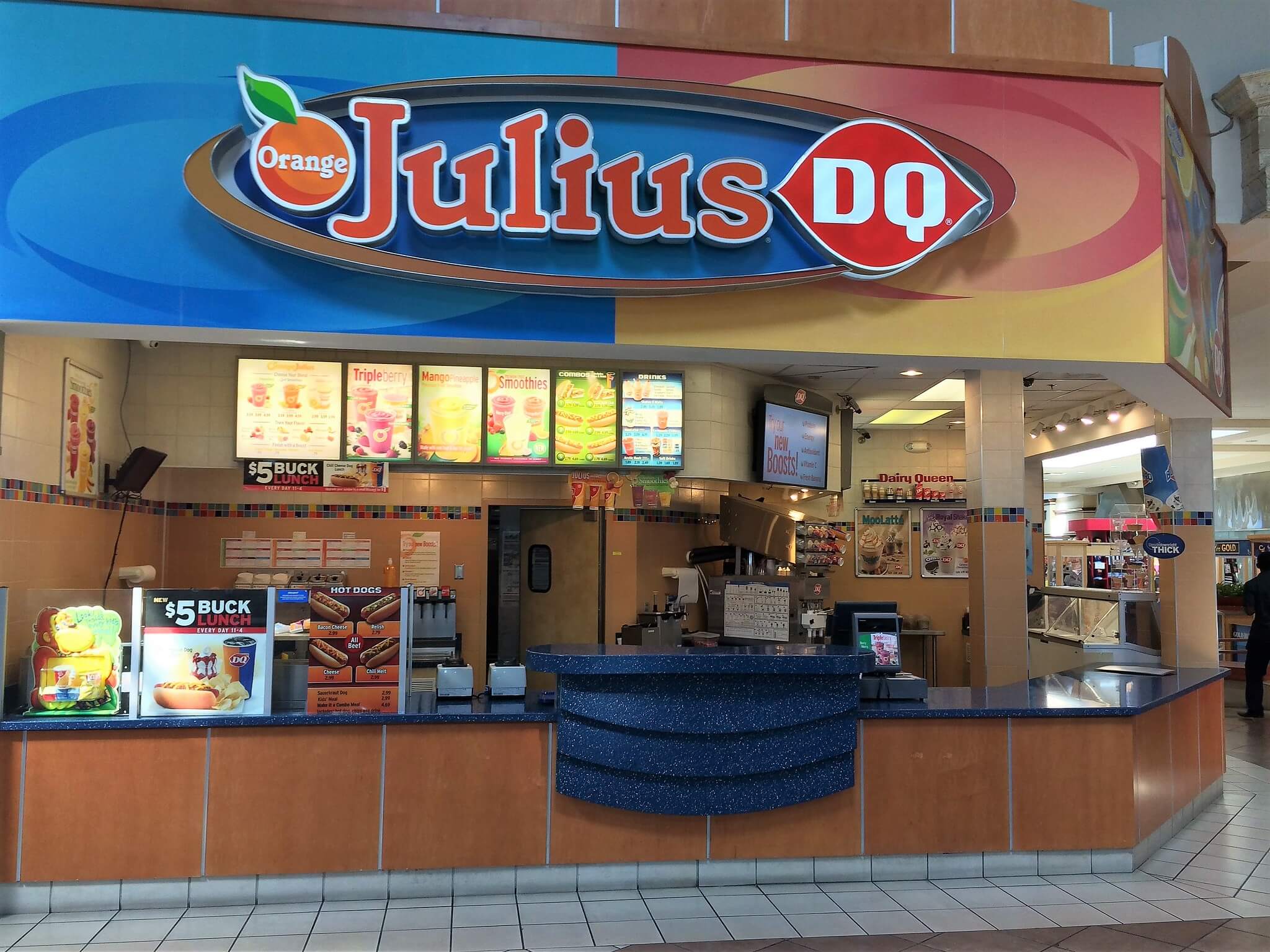
Julius Freed began selling orange juice from a Los Angeles stand in the 1920s, and after a business partner developed the frothy, egg-white-blended version of the drink, the concept grew into a mall and roadside chain with hundreds of freestanding locations by the 1960s. Dairy Queen purchased the brand in 1987 and has spent decades folding the drink into its own Treat Center counters, and freestanding Orange Julius stores have all but vanished, with even longtime holdouts in cities like Portland, Oregon, closing their doors for good in 2025.
Mason’s Root Beer
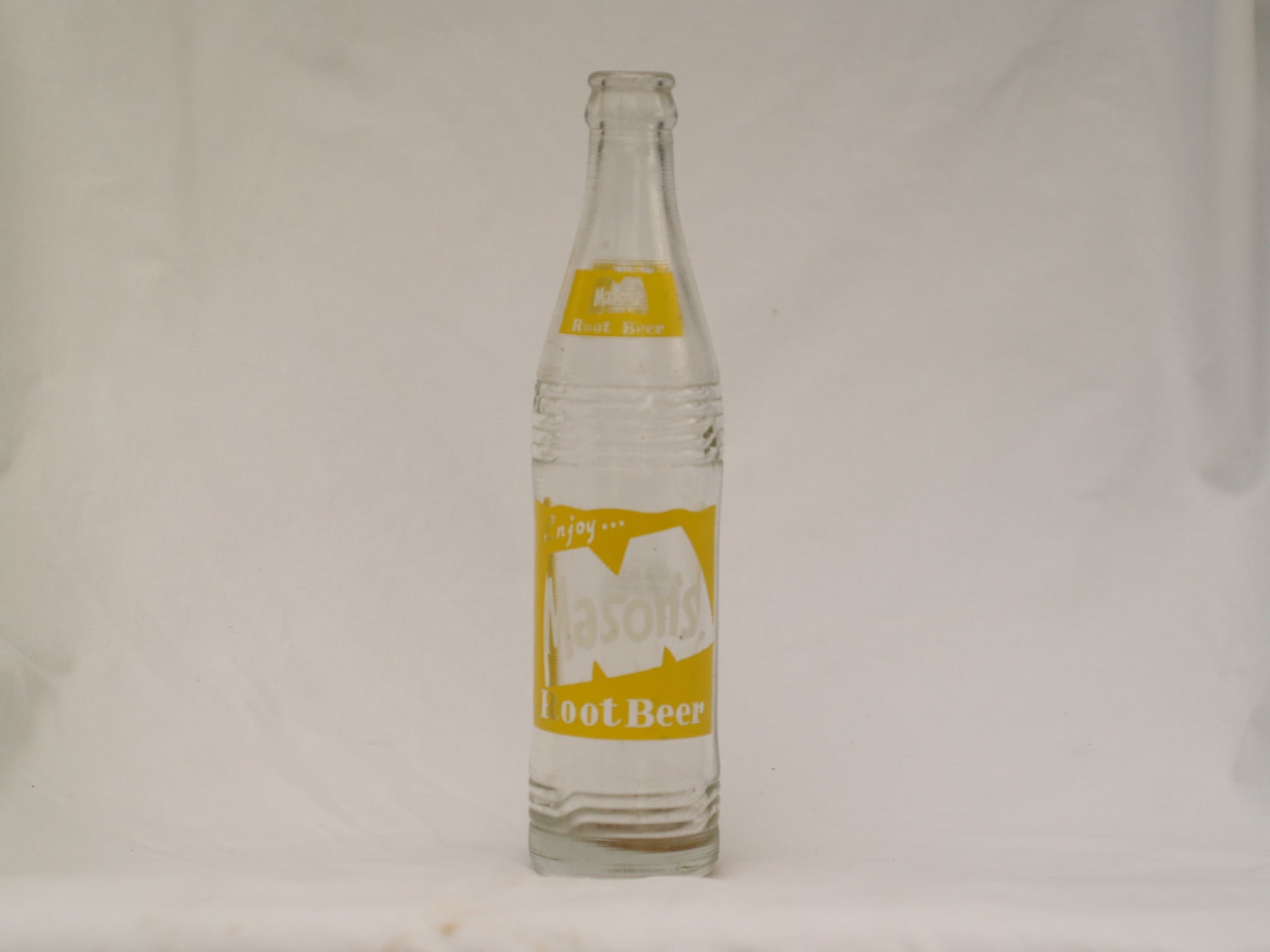
Mason’s Root Beer was first produced in Chicago in 1947 and distributed widely enough to supply drive-in stands across the Midwest through the mid-20th century. The Mason’s brand itself is no longer produced, and the few surviving stands that once served it, including one still operating in Washington, Indiana, now brew their root beer from house recipes instead.
What the Spinning Mugs Left Behind
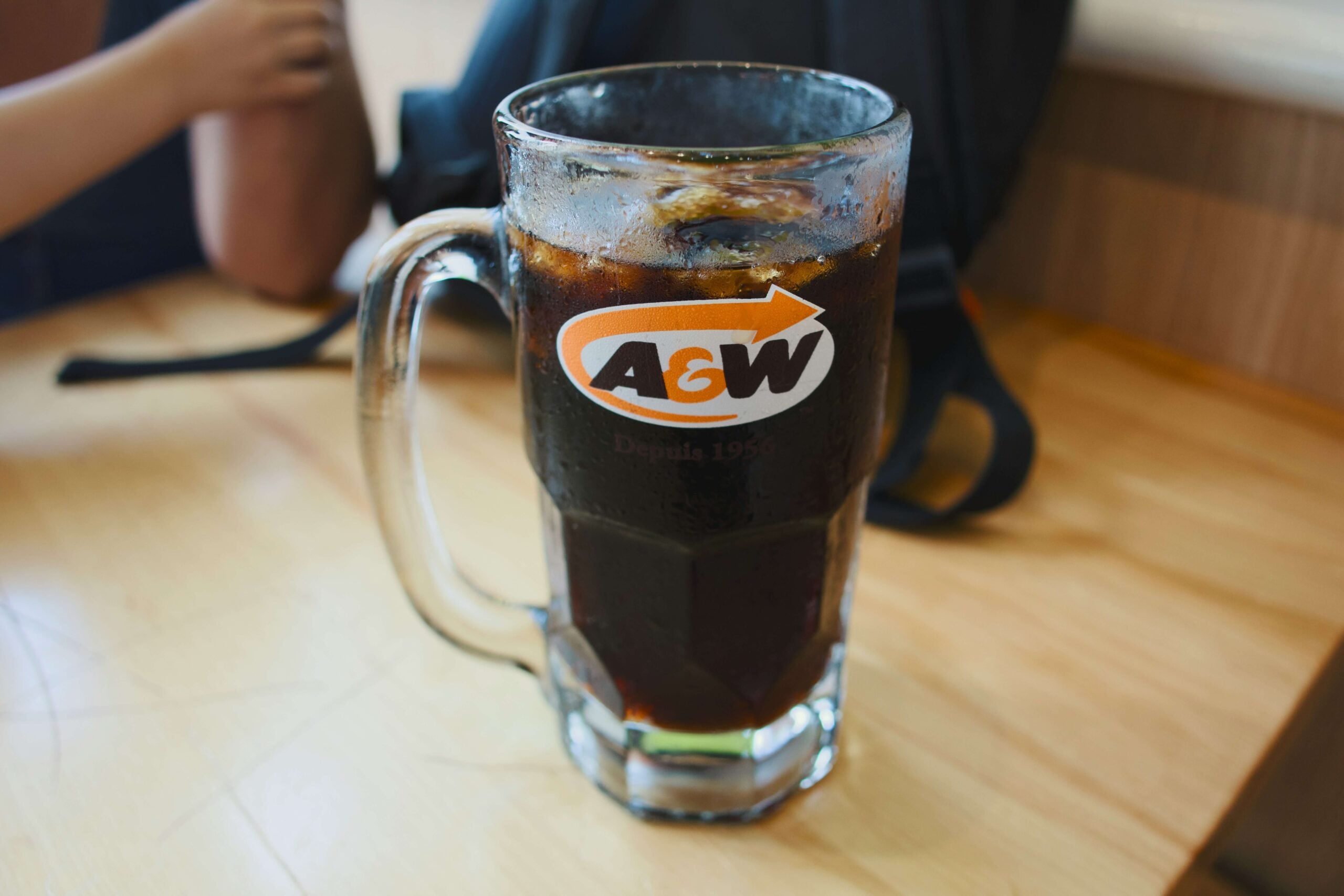
Every one of these chains grew the same way: a single family stand, a good syrup recipe, a distinctive rooftop sign, and a franchise agreement that let the format spread faster than any single owner could manage alone. That same rapid, low-capital expansion made them just as easy to abandon once car culture changed, indoor dining replaced curb service, and national burger chains with deeper marketing budgets moved into the same real estate.
What is left is mostly signage, quite literally: a spinning mug bolted to a roofline long after the company behind it stopped existing, or a canopy design repainted for a business with no connection to the brand that built it. The drink survives in bottles on grocery shelves far more often than the building that made it famous does, which is its own kind of epitaph for an entire category of American roadside architecture.
More from Go2Tutors!

- The Romanov Crown Jewels and Their Tragic Fate
- 13 Historical Mysteries That Science Still Can’t Solve
- Famous Hoaxes That Fooled the World for Years
- 15 Child Stars with Tragic Adult Lives
- 16 Famous Jewelry Pieces in History
Like Go2Tutors’s content? Follow us on MSN.