29 Protests That Started Small and Ended Up Making History
Most revolutions do not announce themselves. They begin as local grievances, small gatherings, or acts of individual defiance.
What follows are twenty-nine moments when a handful of people said no and refused to be ignored—and history pivoted around their courage.
The Montgomery Bus Boycott
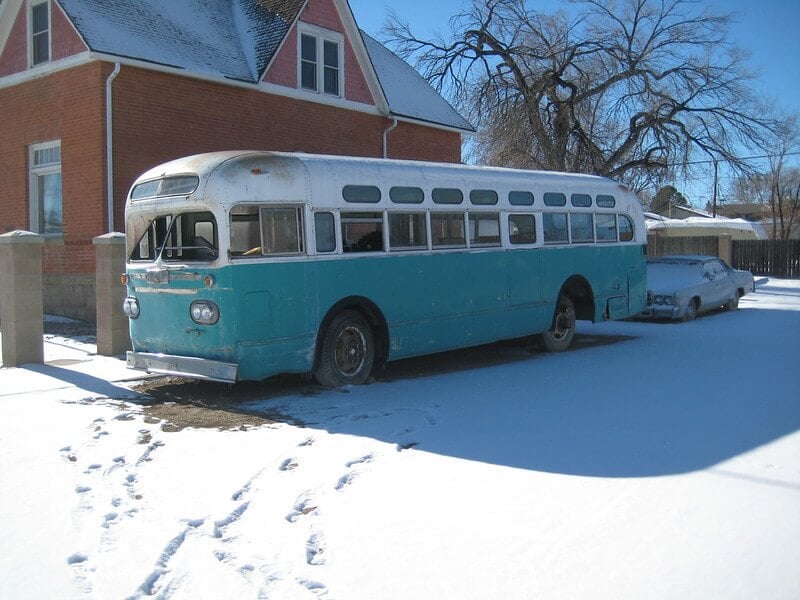
Rosa Parks’s refusal to give up her seat on December 1, 1955, was intended as a single act of resistance. The Women’s Political Council had been planning a boycott, and Parks was the catalyst.
The boycott, meant to last a few weeks, lasted 381 days and transformed the civil rights movement from legal challenge into mass action.
The Stonewall Uprising
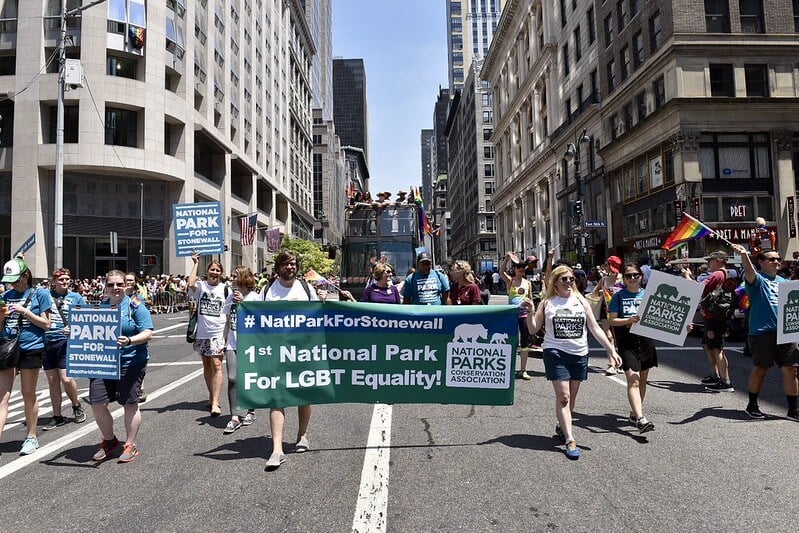
On June 28, 1969, police raided the Stonewall Inn, a gay bar in Greenwich Village. The raid was routine; police harassment of LGBTQ+ establishments was constant.
But on this night, patrons and street youth resisted. The uprising lasted several nights and became the symbolic beginning of the modern gay rights movement.
The annual Pride march traces directly to those first moments of defiance.
The Salt March
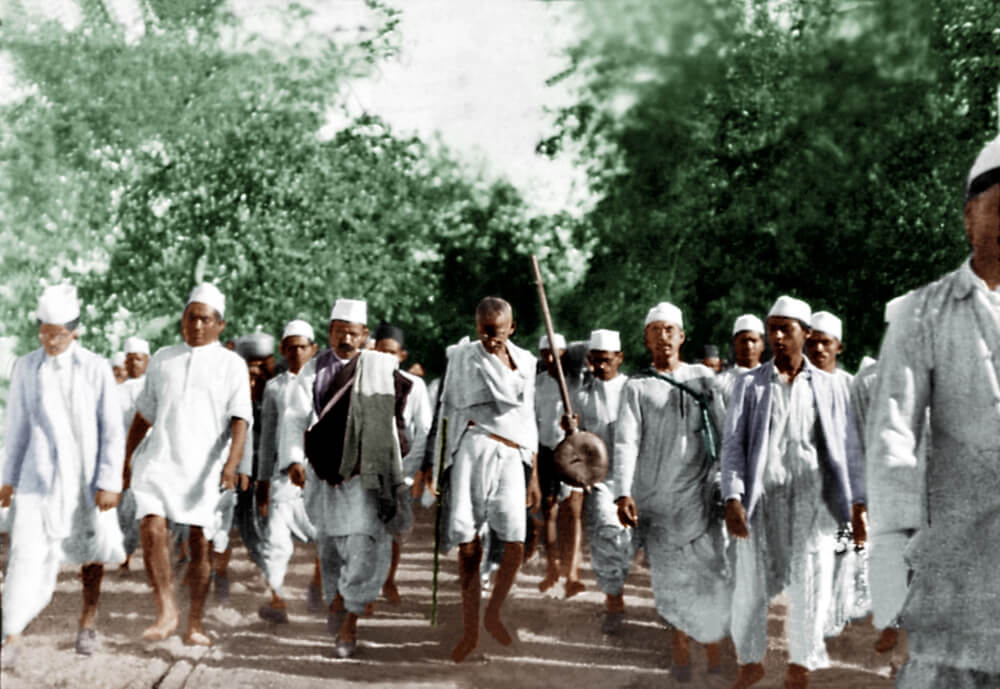
Gandhi’s March 1930 walk to the Indian coast to make salt in protest of British monopoly began with fewer than eighty followers. By the time he reached the sea, thousands had joined.
The march demonstrated that nonviolent civil disobedience could challenge imperial power and became the template for global decolonization movements.
The Tiananmen Square Protests
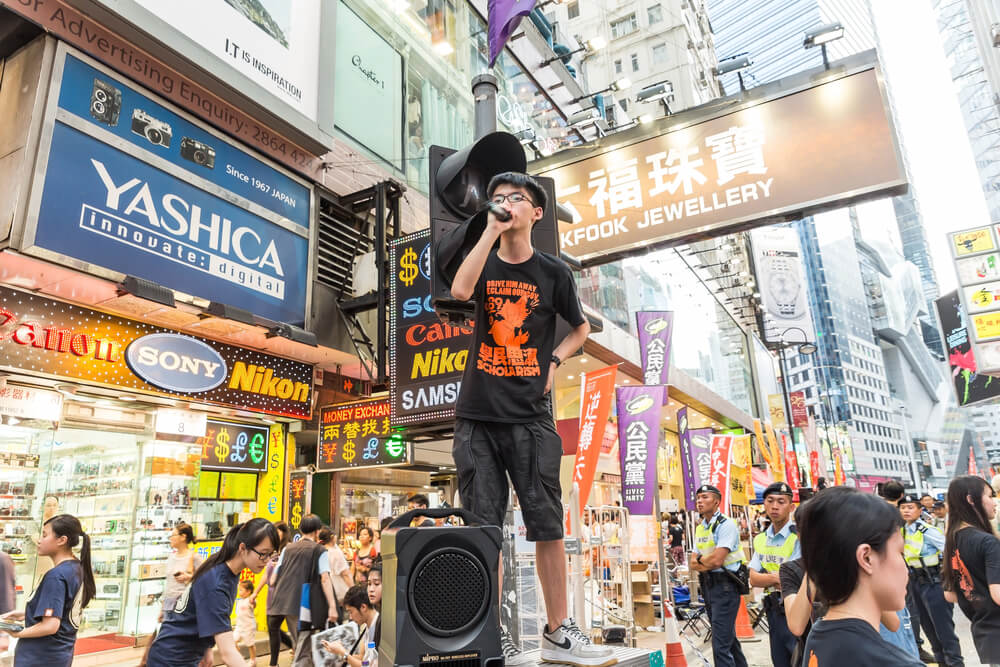
What began in 1989 as mourning for a deceased liberal official evolved into demands for democratic reform. The student-led protest grew to a million participants and lasted seven weeks.
Though the Chinese government suppressed the movement militarily, the protests created a permanent symbol of resistance to authoritarianism.
The Warsaw Ghetto Uprising
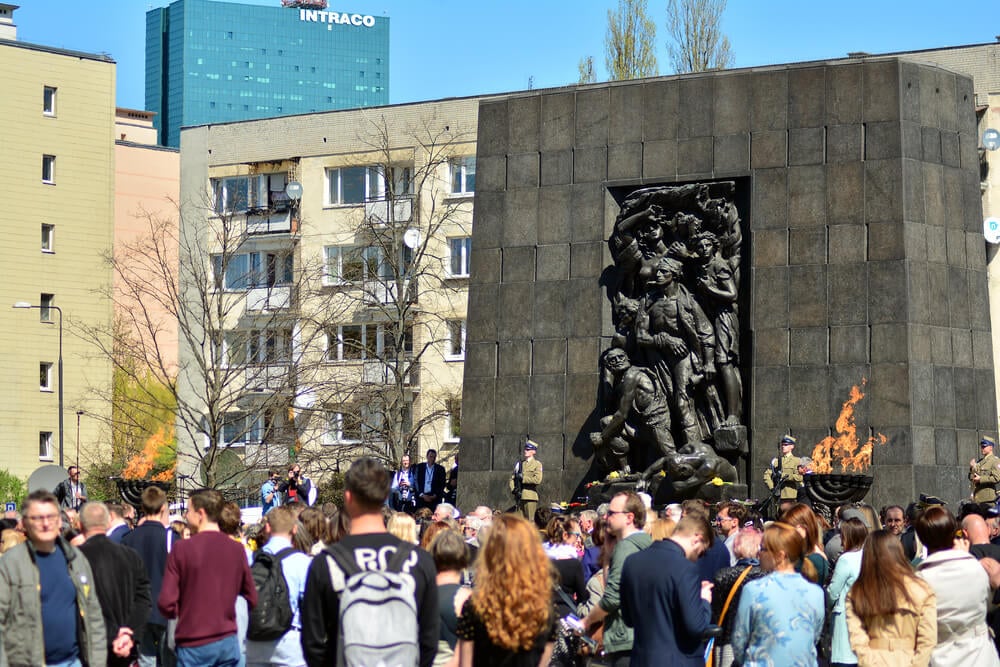
In 1943, a few hundred armed Jews in the Warsaw Ghetto rose against Nazi deportation.The uprising lasted nearly a month and resulted in relatively few Nazi casualties—approximately 300 according to subsequent research (official German records claimed only 16)—before being suppressed.
Over 7,000 Jews were killed during the fighting or in hiding. Though it failed militarily, the uprising became a symbol of Jewish resistance and fundamentally altered how the Holocaust was remembered.
The Haymarket Affair
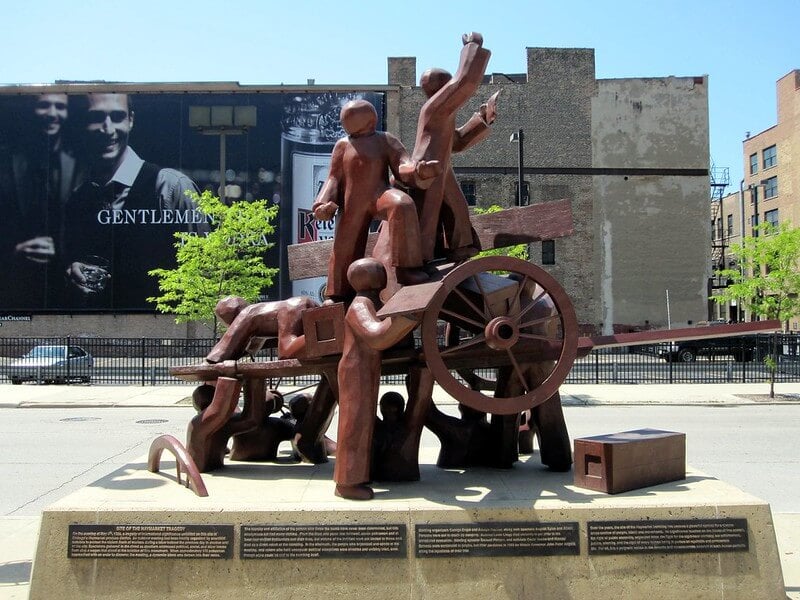
On May 3, 1886, Chicago police fired on striking workers at the McCormick plant. The next day, anarchists organized a protest at Haymarket Square.
When someone threw a bomb, police panicked and fired into the crowd, killing multiple people. The incident became the symbolic beginning of the international labor movement and the reason May 1 is celebrated as International Workers’ Day in most countries.
The Selma to Montgomery Marches
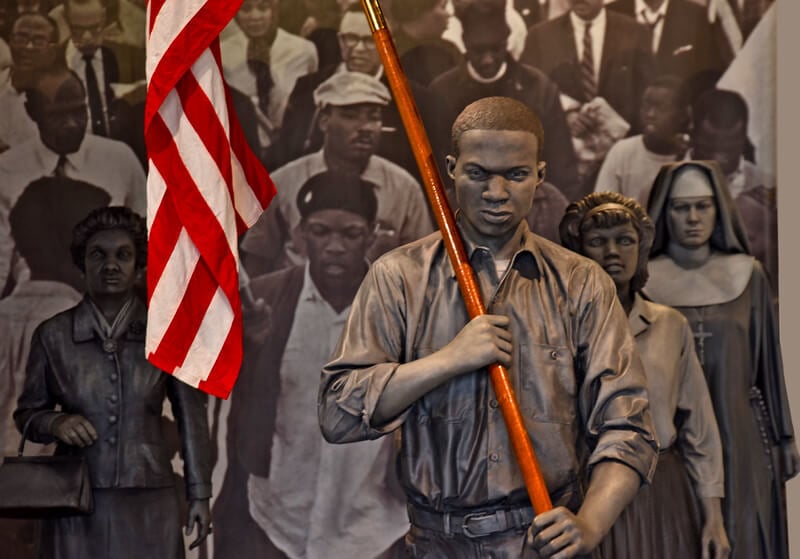
On March 7, 1965, roughly 600 civil rights marchers attempted to cross the Edmund Pettus Bridge out of Selma, Alabama. Police beat them mercilessly in an attack broadcast nationwide.
The images of violence against peaceful marchers shifted public opinion toward voting rights legislation and led directly to the Voting Rights Act.
The Suffragettes’ 1913 Parliament Procession
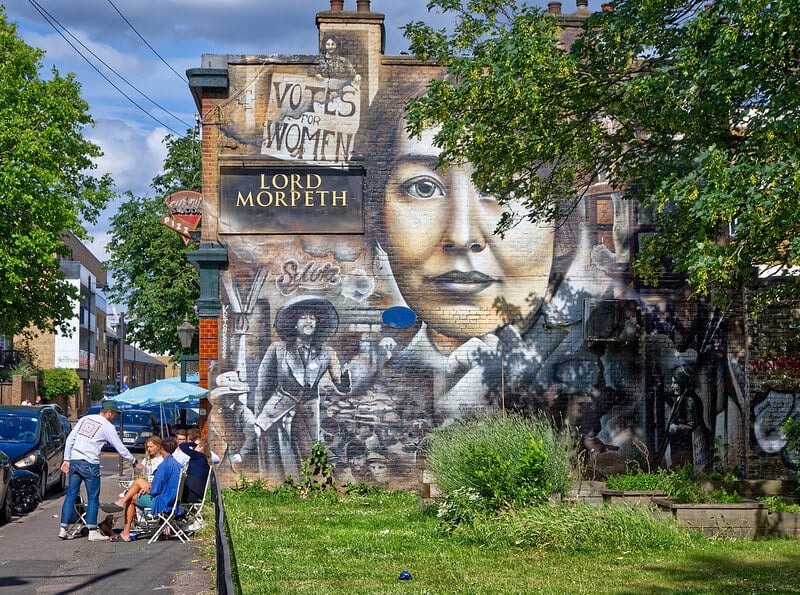
On June 17, 1913, over 40,000 suffragists marched through London to demand voting rights. The march was meant to be peaceful, but suffragettes’ willingness to be arrested and endure force-feeding in prison had already radicalized the movement.
The march demonstrated the breadth of support for women’s suffrage and accelerated the legislative timeline.
The Boxer Rebellion
In 1900, a militia movement in China rose against foreign occupation and Christian missionary activity. What began as peasant protest against foreign domination became a nationalist uprising.
Though suppressed by international military force, the rebellion demonstrated that foreign power could be challenged and influenced subsequent Chinese revolutionary movements.
The Henoko Protests
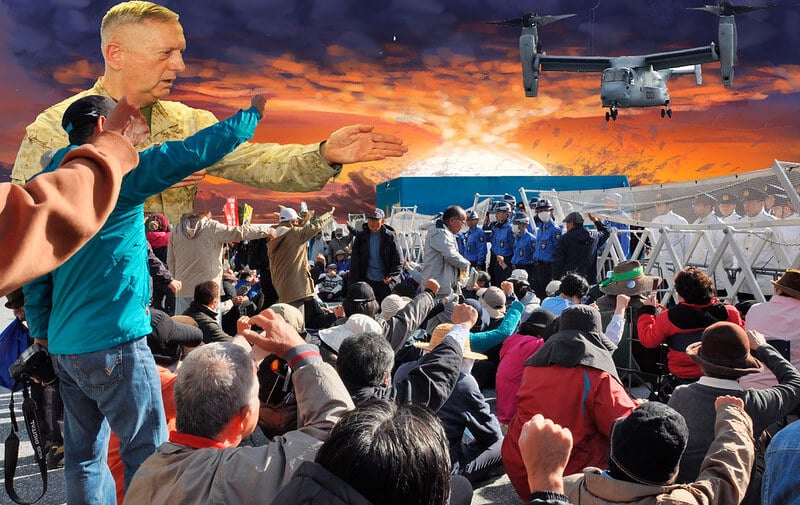
Beginning in 1996 and continuing through the 2010s, Okinawans protested against the expansion of American military bases on their island. What started as neighborhood opposition evolved into a symbol of postcolonial resistance to American military presence in the Pacific.
The protests have not succeeded in halting construction, but they reshaped Okinawan politics and Japanese foreign policy.
The Rwandan Genocide Resistance
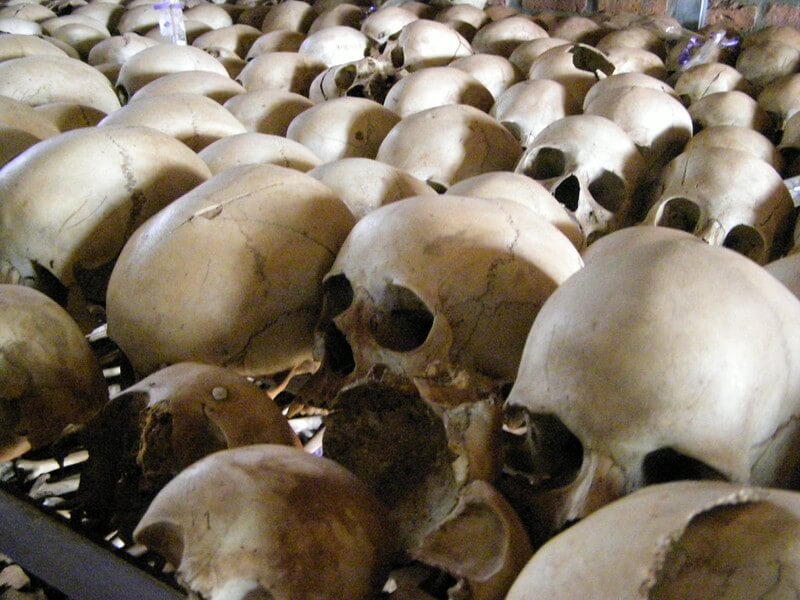
In 1994, Hutu militias attempted to exterminate the Tutsi minority. Moderate Hutus, Tutsi survivors, and external forces resisted.
The resistance was scattered and often individual; a schoolteacher protecting students, a pastor hiding families in churches. These acts of defiance, though overwhelmed by the genocide’s scale, became symbols of human resistance to mass atrocity.
The Solidarity Movement
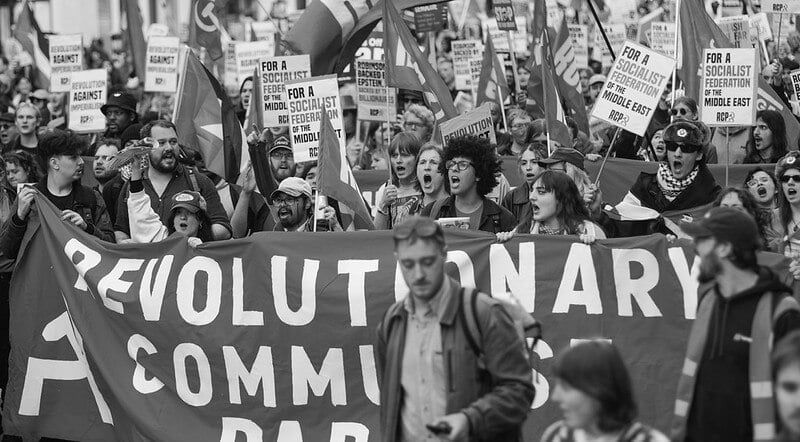
In Poland in 1980, Lech Wałęsa led a strike at the Gdańsk Shipyard that grew into a nationwide independent trade union. Solidarity challenged communist authority through strikes and demonstrations.
Though suppressed, the movement became the vehicle for Poland’s eventual break from the Soviet sphere and influenced democratic movements across Eastern Europe.
The Iranian Revolution
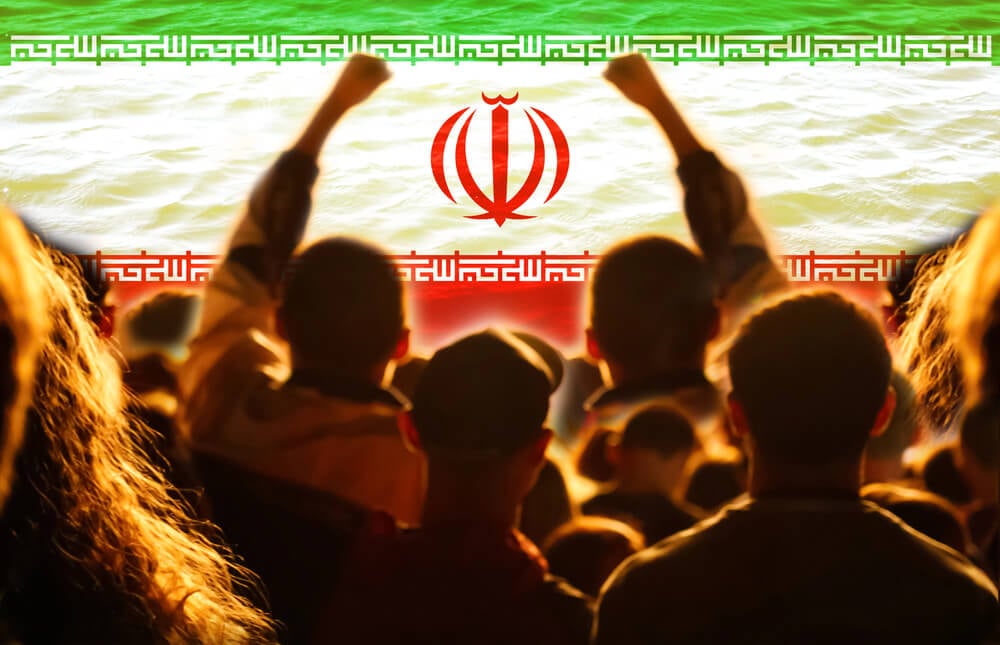
Beginning in 1978 with small protests against Shah Mohammad Reza Pahlavi, the movement grew into a nationwide uprising that toppled a dictator. The revolution was not planned by a single organization but emerged from diffuse local grievances.
It demonstrated that mass protest could overwhelm state security apparatus and inspired revolutionary movements globally.
The Tiananmen Tank Man
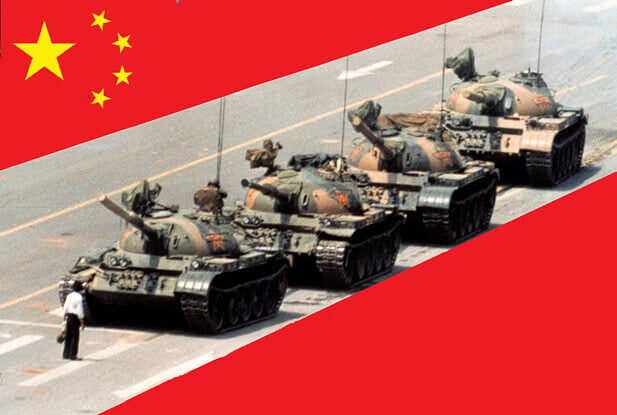
On June 5, 1989, a single unidentified protester stood before a column of military tanks leaving Tiananmen Square. His refusal to move, captured on film, became an image of individual resistance to state power.
The image’s power lay partly in its obscurity—Tank Man was never identified—which made him everyone’s symbol of resistance.
The Hong Kong Umbrella Movement
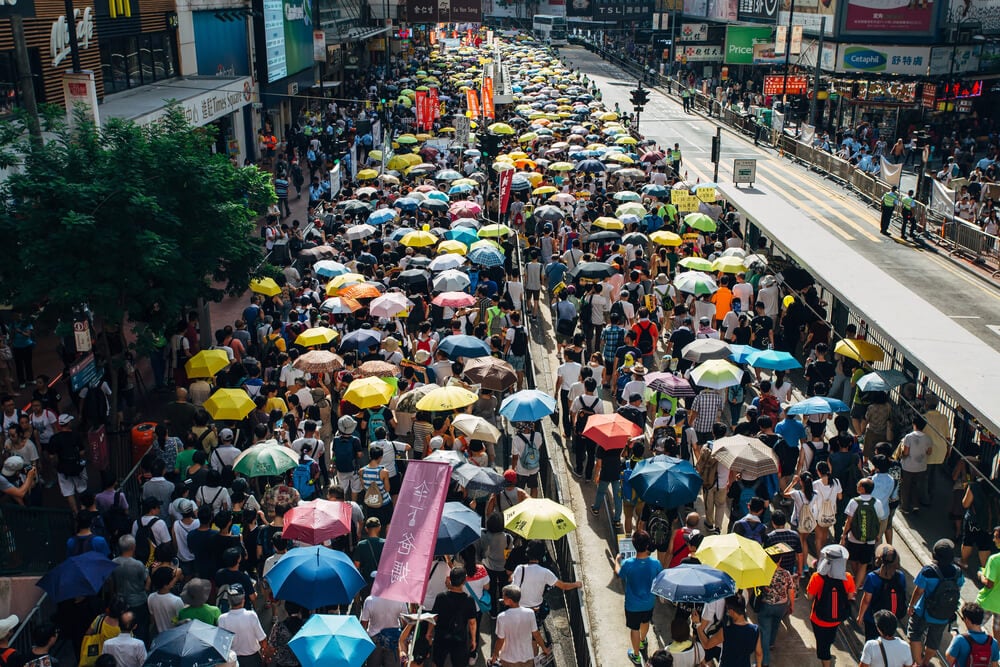
Beginning in 2014 as a protest against Beijing’s restrictions on Hong Kong elections, the movement grew to hundreds of thousands. Protesters occupied streets for months using umbrellas against police pepper spray.
Though the movement did not achieve its immediate goals, it demonstrated sustained civil disobedience in a crowded urban space and influenced subsequent protest tactics globally.
The Standing Rock Sioux Resistance
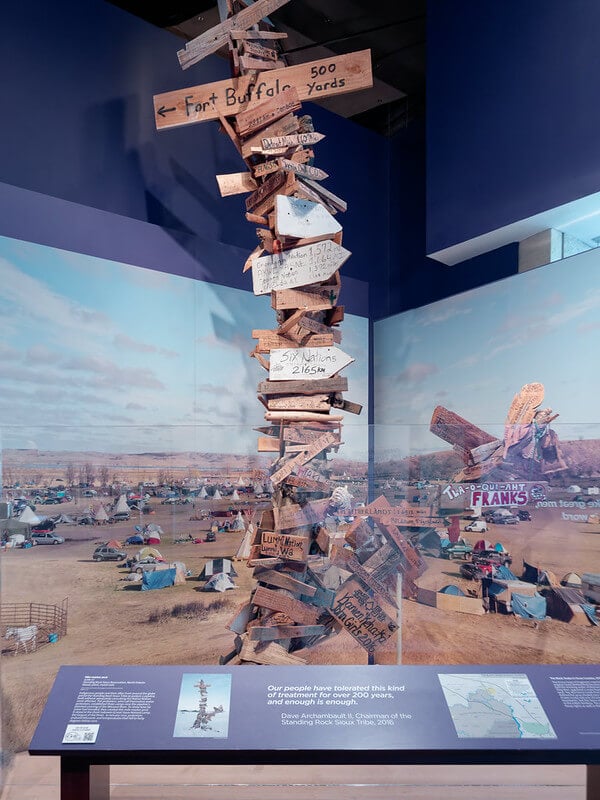
In 2016, the Standing Rock Sioux Tribe and allies gathered to prevent construction of the Dakota Access Pipeline. The encampment grew to thousands and lasted months.
Though the pipeline was eventually completed, the protest created a template for Indigenous environmental resistance and shifted national conversation about pipeline safety.
The 2011 Egyptian Revolution
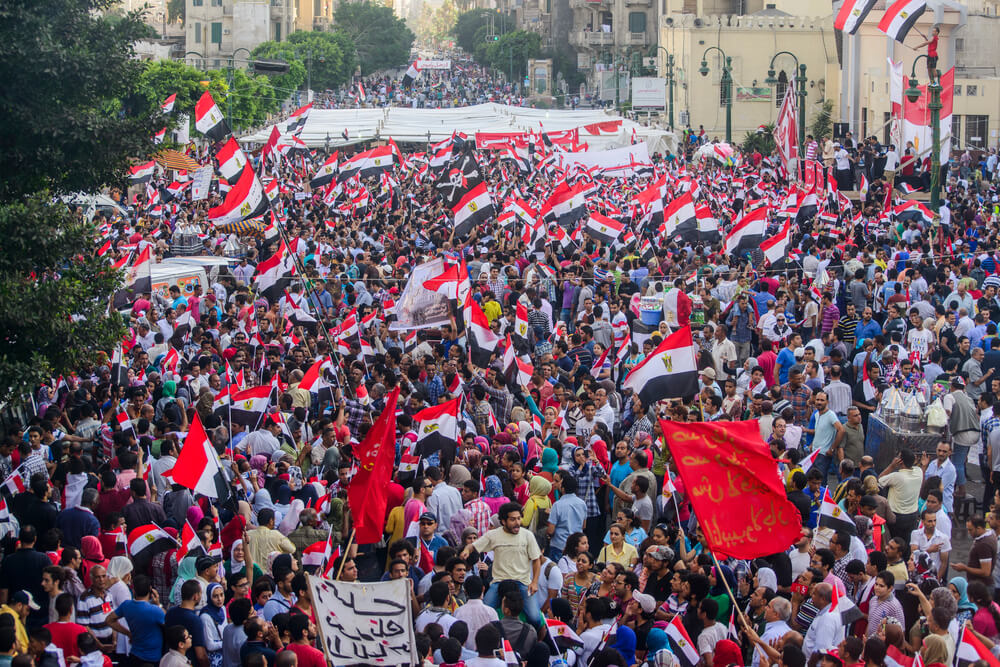
What began on January 25, 2011, as a national holiday protest in Tahrir Square grew into an uprising that toppled Hosni Mubarak’s regime. The movement was decentralized, coordinated through social media, and involved Egyptians across class and religious lines.
The revolution became a model for how digital communication could organize mass protest.
The Kent State Uprising
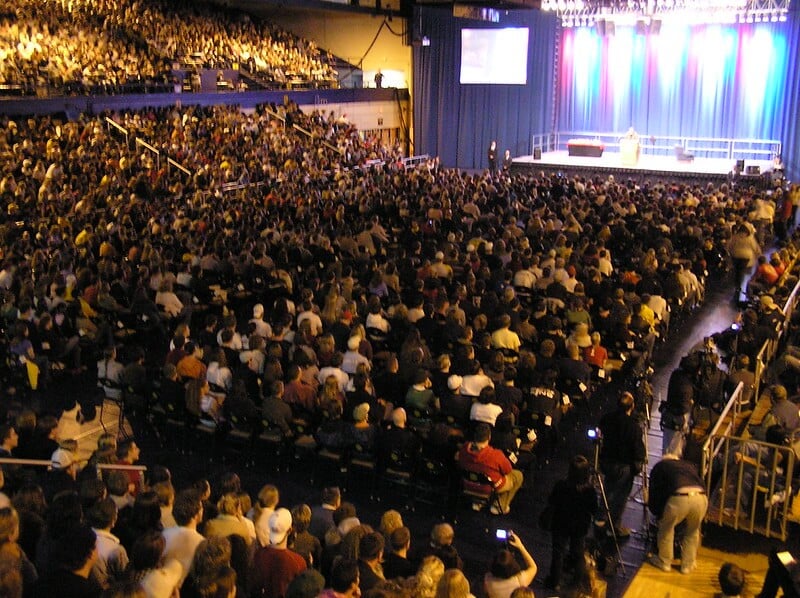
On May 4, 1970, Ohio National Guard soldiers fired into a crowd of student antiwar protesters, killing four. The tragedy was meant to suppress dissent but instead amplified it.
Antiwar protests exploded nationwide, colleges closed, and the incident became the emotional center of 1960s antiwar activism.
The Velvet Revolution
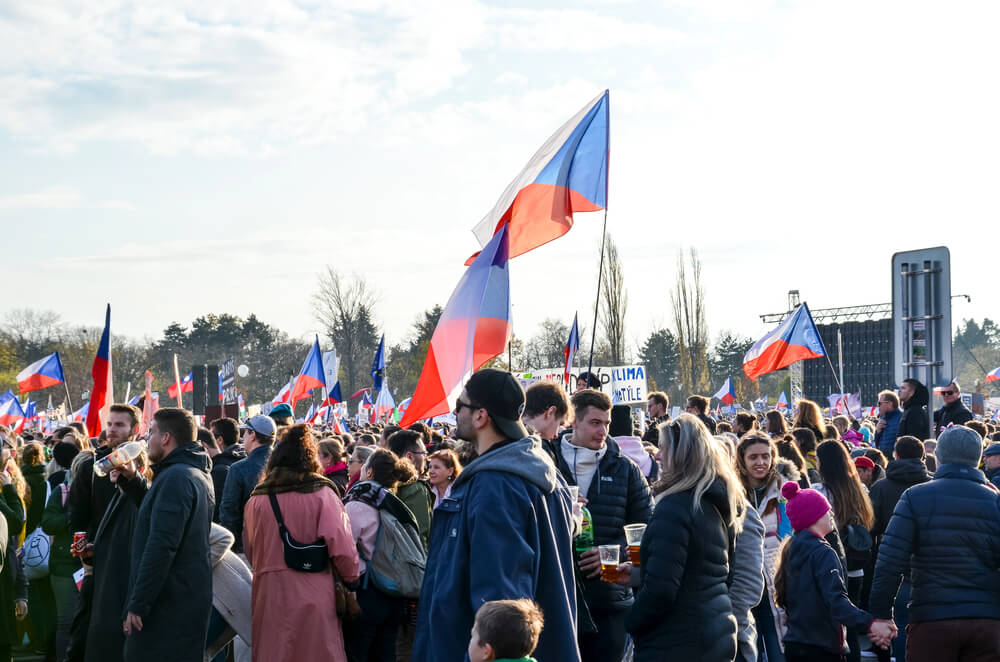
In 1989, Czechs and Slovaks took to the streets against communist authoritarianism. The movement was called “velvet” because it was nonviolent.
In a matter of weeks, the communist government fell without military confrontation. The revolution demonstrated that entrenched authoritarian power could be displaced through peaceful resistance.
The Chilean Peso Rejection
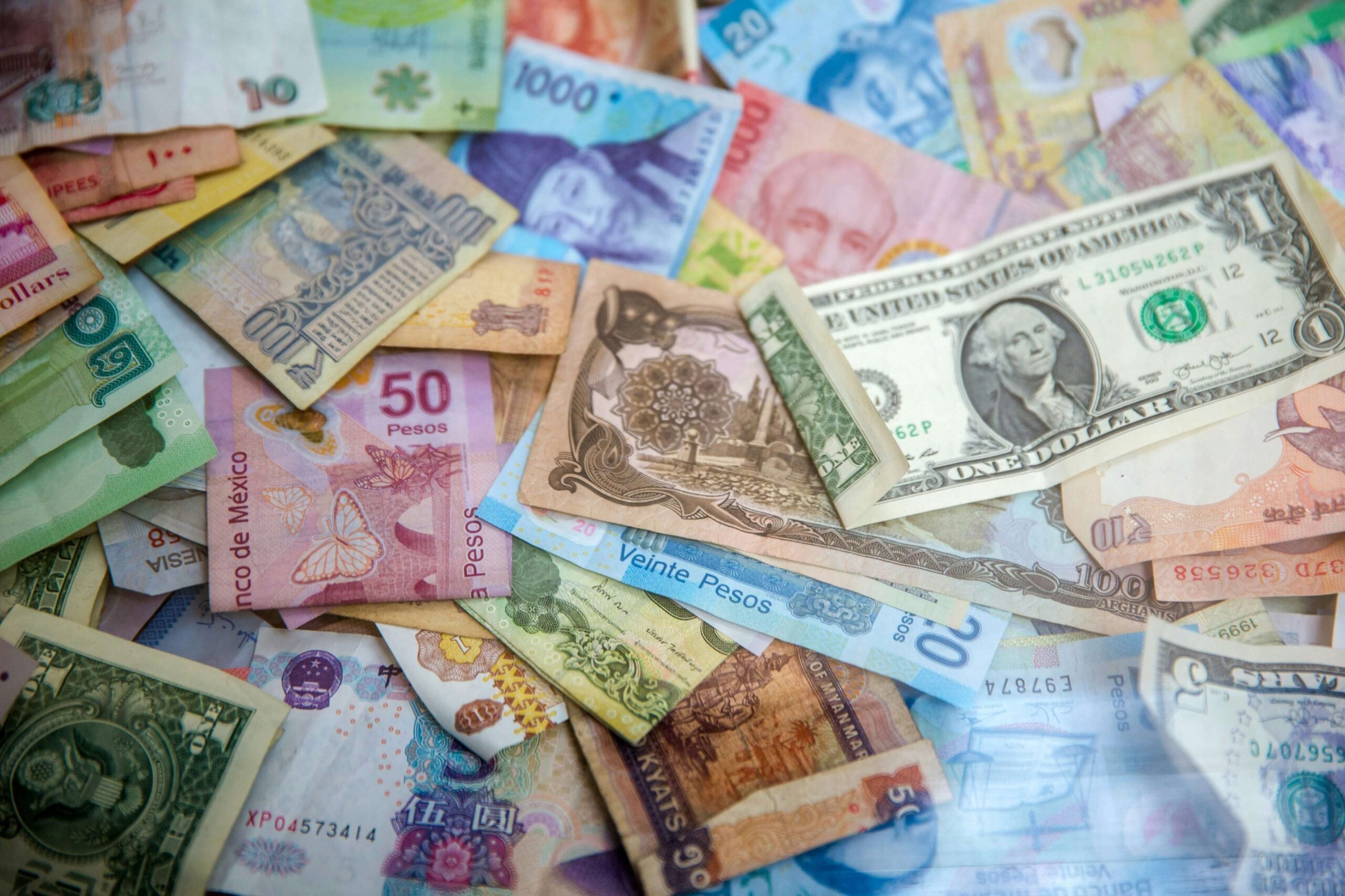
In 2019, a small hike in metro fares sparked protests in Chile. Within weeks, hundreds of thousands were protesting inequality and privatization.
The movement forced the government to withdraw from international trade agreements and to draft a new constitution. A single price hike had mobilized a nation’s resentments.
The Myanmar Monk Uprising
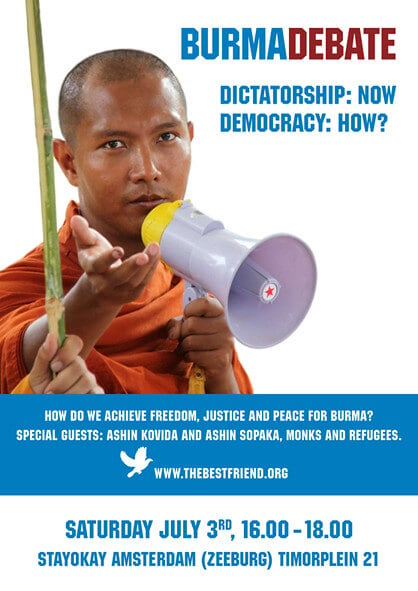
In 2007, Buddhist monks in Myanmar took to the streets in saffron robes to protest military rule. The “Saffron Revolution” inspired millions and created a symbol of religious resistance to authoritarianism.
Though suppressed, the uprising laid groundwork for later democratic movements.
The ACT UP Demonstrations
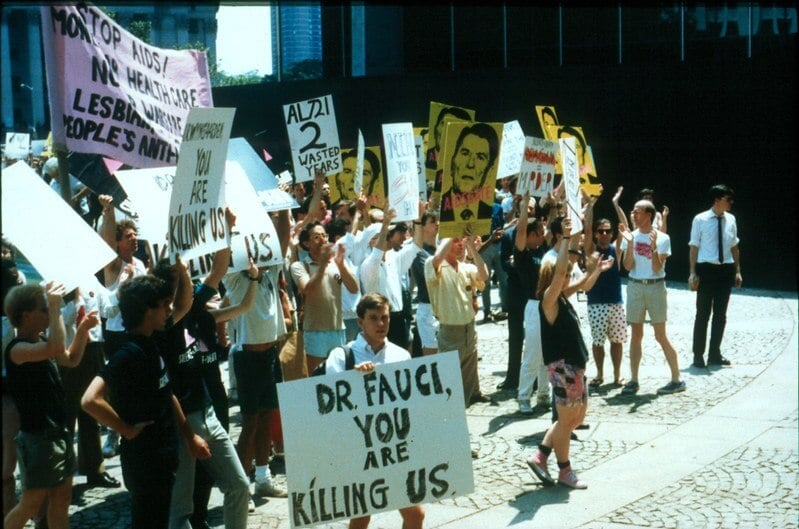
Beginning in 1987, ACT UP (AIDS Coalition to Unleash Power) organized guerrilla protests against government inaction on the AIDS crisis. Protests were disruptive and confrontational—interrupting church services, blocking traffic, occupying hospitals.
Though small in initial numbers, ACT UP’s tactics accelerated government response and became a model for issue-based activism.
The Suffragettes’ Pillar Box Campaign
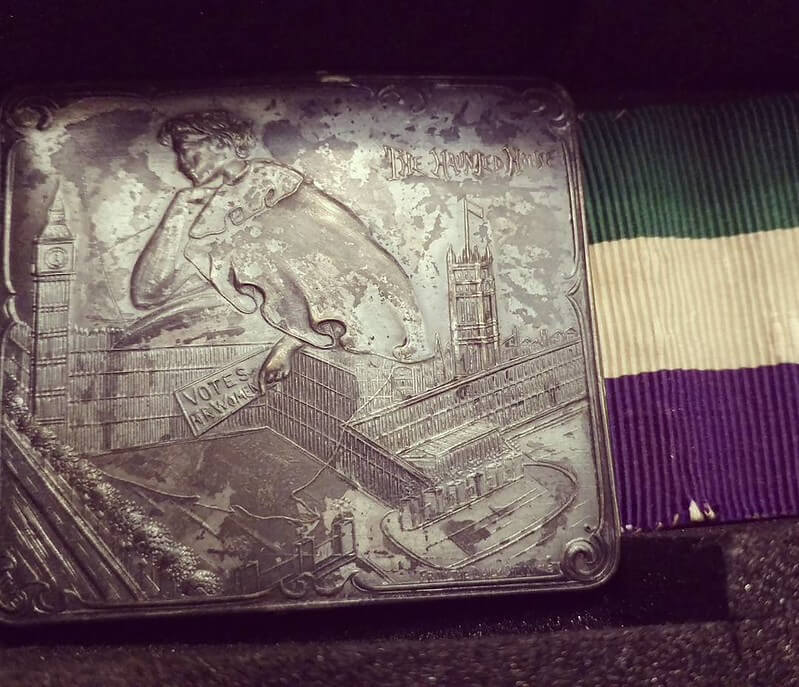
In 1912, suffragettes began posting incendiary devices in British pillar boxes to protest voting restrictions. The campaign damaged property but hurt no one.
The escalation shocked the British establishment and demonstrated that property destruction could be employed as political speech. The campaign influenced subsequent radical environmental and animal-rights activism.
The Malaysian Chinese Immigration Protest
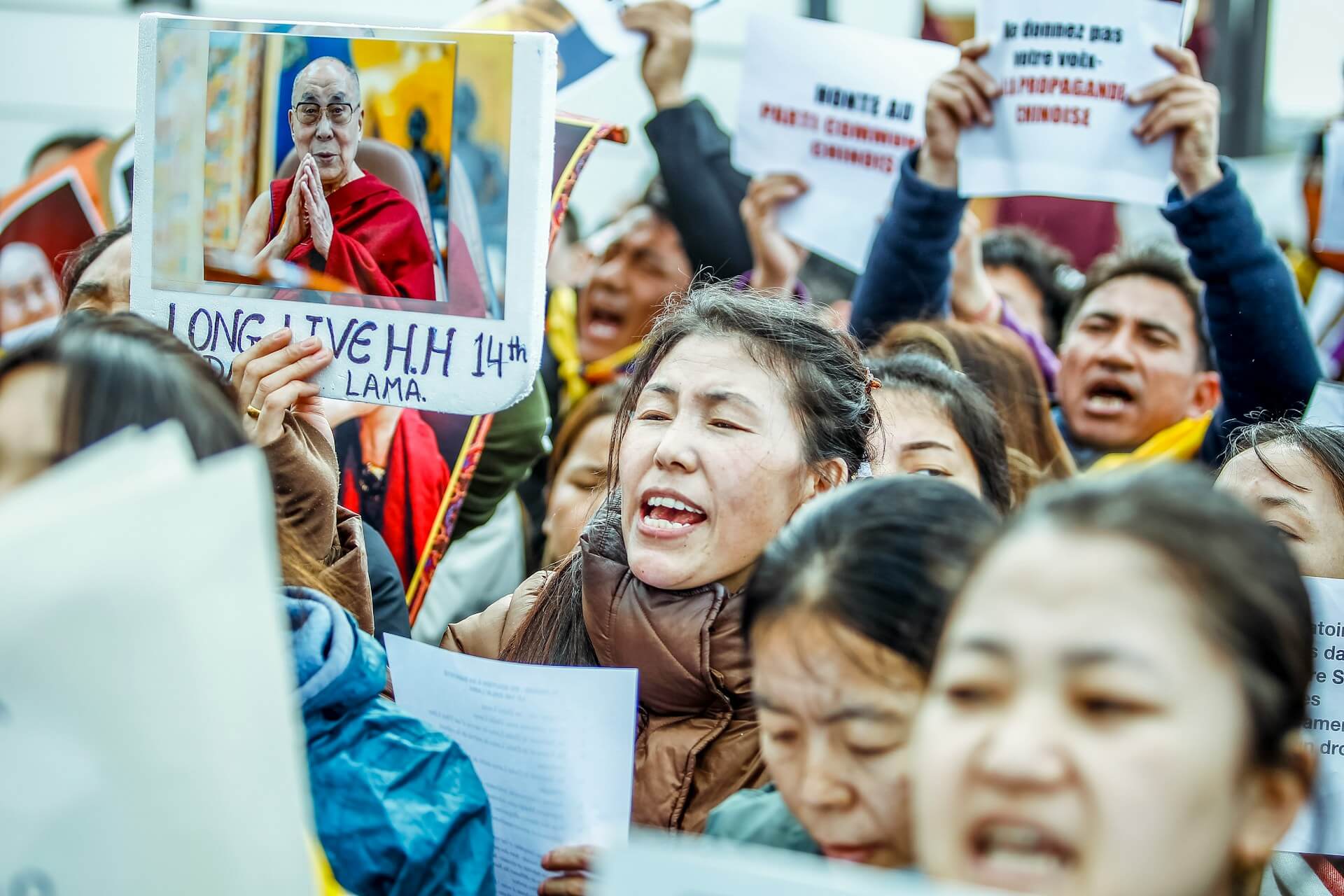
In 1969, Malaysian Chinese took to the streets in Kuala Lumpur to protest Malay-dominated policies. The protest sparked communal violence and triggered military intervention.
Though the immediate protest failed, it forced Malaysia to restructure its political economy around multiethnic bargaining.
The Taiwan Sunflower Movement
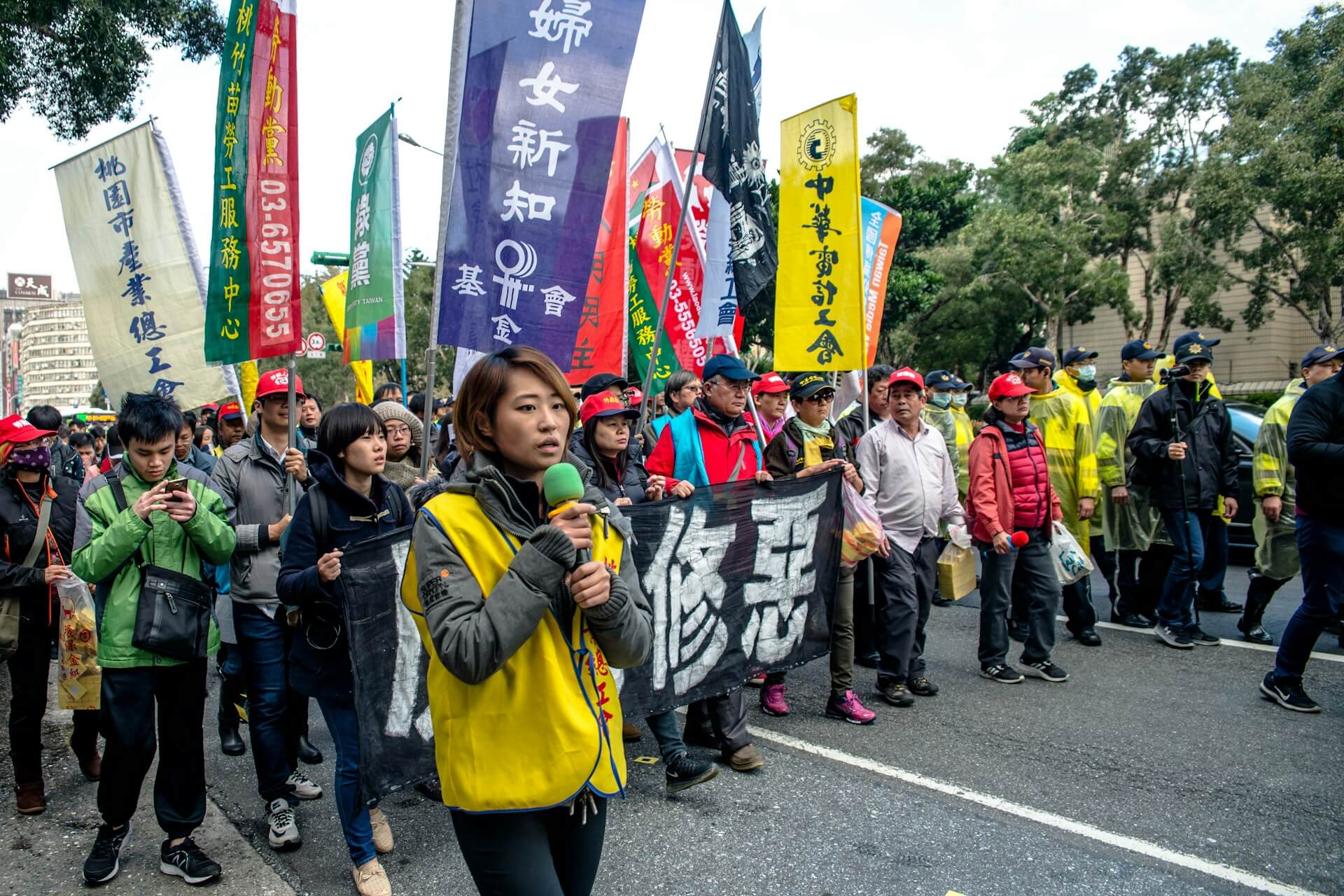
In 2014, students occupied Taiwan’s parliament to protest a trade agreement with China. The occupation lasted nearly a month and grew to hundreds of thousands.
The movement shifted Taiwan’s youth toward independent political identity and altered cross-strait relations. A single disagreement over trade had mobilized an identity.
The Hong Kong 2019 Extradition Protests
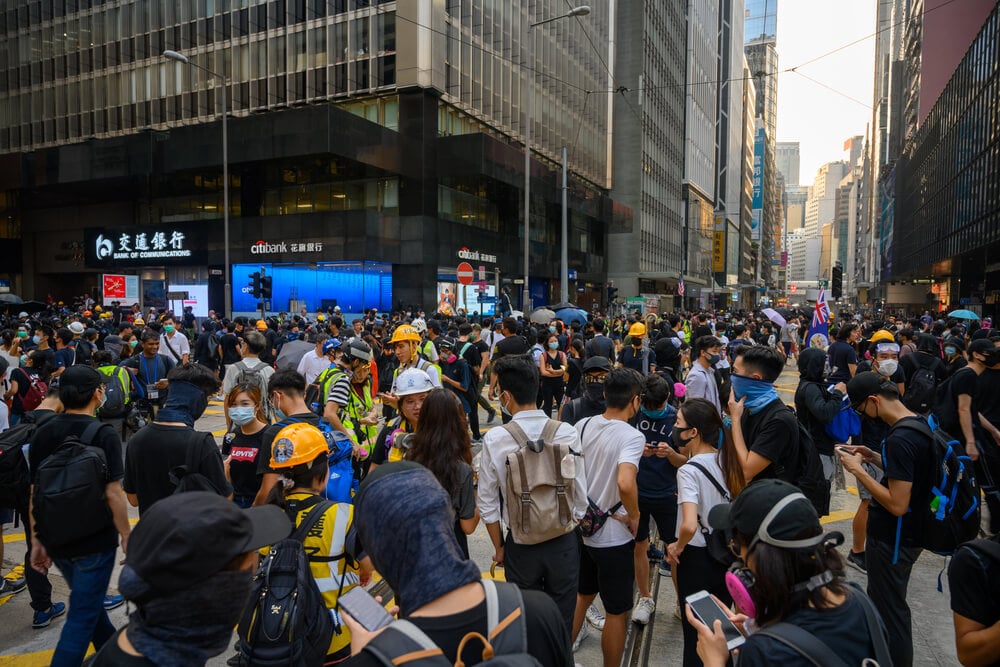
Beginning in March 2019 as opposition to an extradition bill that would allow Hong Kong to send suspects to mainland China, the protests grew into a broader pro-democracy movement. Protests involved millions over months and revealed deep generational divides.
The movement demonstrated that procedural concerns could mobilize political consciousness.
The Indian Salt Satyagraha
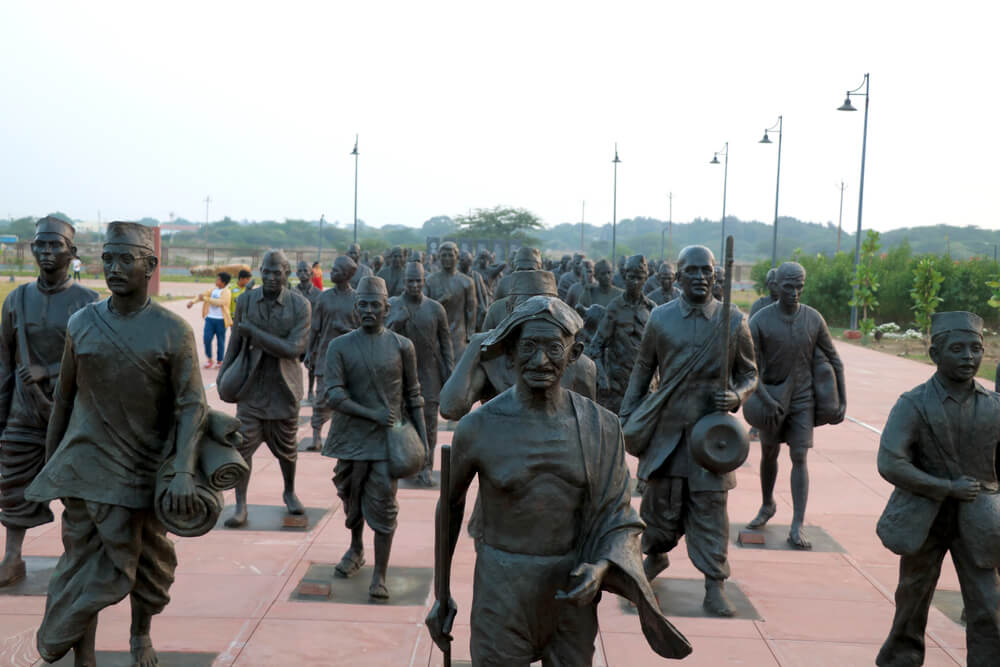
Following Gandhi’s Salt March, Indians across the subcontinent made salt in protest of the British monopoly. Thousands were arrested.
The campaign demonstrated that an entire colonial apparatus could be challenged through coordinated civil disobedience and influenced anti-colonial movements globally.
The Paris Riots of 2005
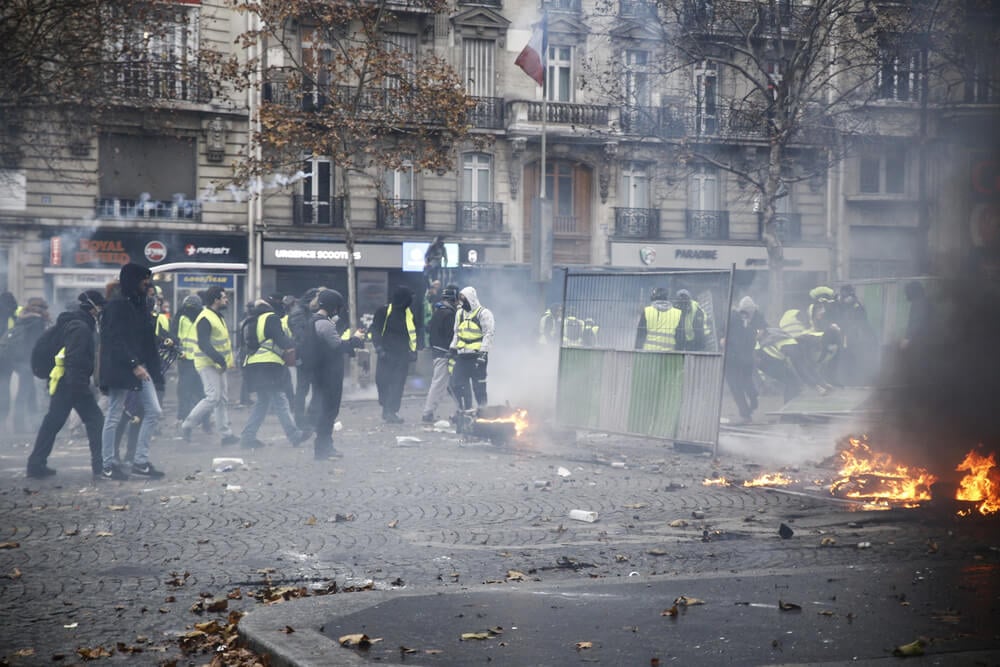
Following the death of two teenagers in a police chase in the Paris suburb of Clichy-sous-Bois, riots erupted in the banlieues. The riots lasted three weeks and spread to hundreds of neighborhoods.
Though violent, the uprising forced France to confront suburban inequality and immigrant marginalization.
The Dakar Uprising
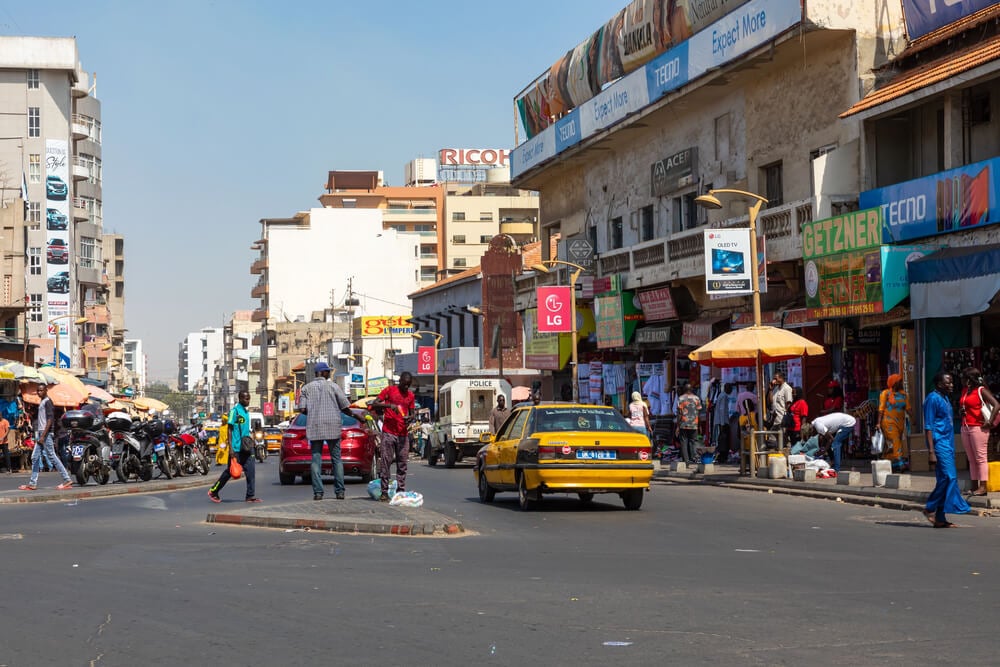
In 2011, Senegalese students took to the streets against government corruption and economic decline. What began as education-focused protest evolved into a broader political uprising.
Though the incumbent president was reelected, the movement transformed Senegalese civil society and demonstrated that protest could reshape politics without immediate regime change.
How Small Acts Become Movements
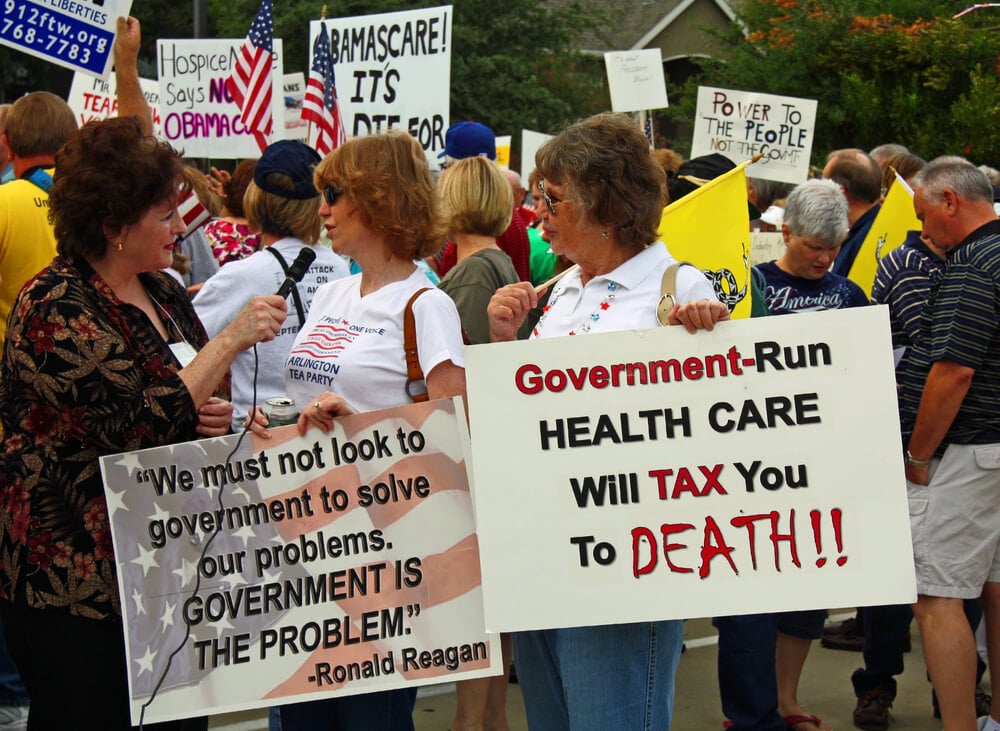
The protests that reshape history are rarely planned by distant leaders. They emerge from immediate grievance, local courage, and the decision to say no.
What begins as a few hundred often becomes millions, and those first moments of defiance—the refusal to move, the willingness to be arrested—become immortal.
More from Go2Tutors!

- The Romanov Crown Jewels and Their Tragic Fate
- 13 Historical Mysteries That Science Still Can’t Solve
- Famous Hoaxes That Fooled the World for Years
- 15 Child Stars with Tragic Adult Lives
- 16 Famous Jewelry Pieces in History
Like Go2Tutors’s content? Follow us on MSN.