Fruits You Probably Haven’t Tried
Fruits are a regular part of meals in many homes, but most people stick to the same ones—apples, bananas, grapes, maybe a mango now and then. What gets missed are the lesser-known fruits growing in different corners of the world, quietly full of flavor, texture, and surprise.
There are thousands of fruits out there. Some look wild, some smell strange, and a few might even look like they belong in a science lab—but they’re all real and edible.
Salak

Also called snake fruit, salak has a rough, scaly skin that looks like snake skin. But peel it open, and the inside is creamy and slightly crunchy.
It has a mix of sweet and sour flavors with a hint of apple and banana. It’s common in Indonesia but rarely seen in grocery stores outside Southeast Asia. It’s best eaten fresh but can also be pickled.
Jabuticaba
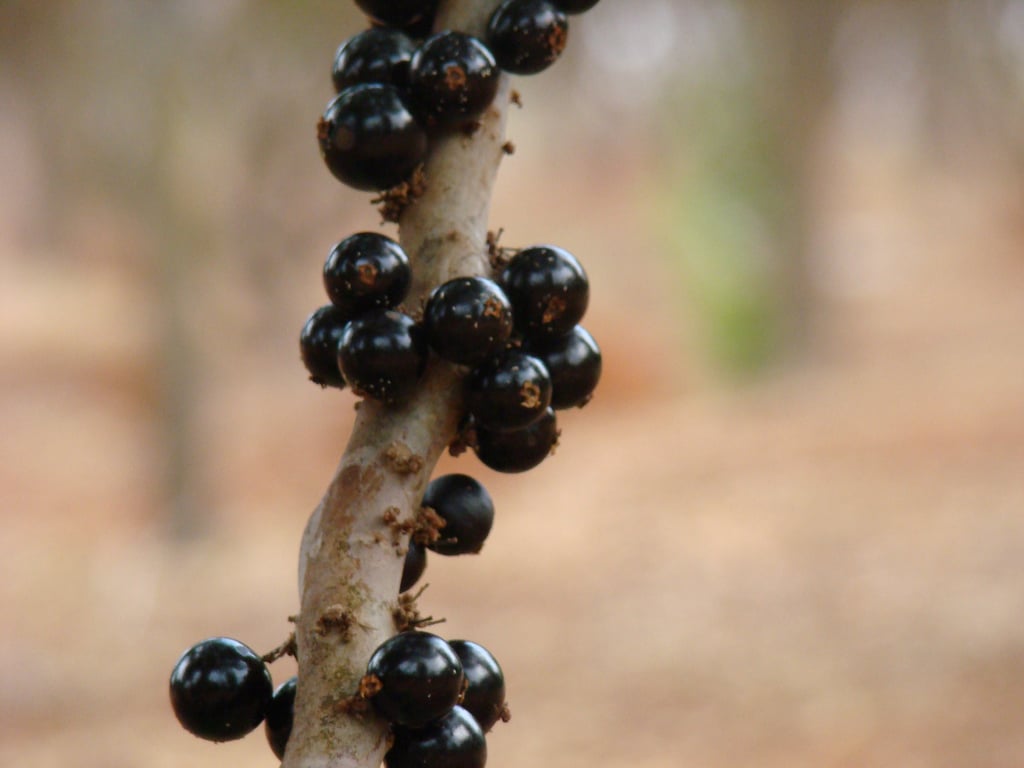
This one looks like a grape, but it grows right on the trunk of the tree, which makes it look a bit odd at first. Native to Brazil, jabuticaba has thick skin and a juicy, jelly-like inside.
The taste is sweet with a tiny bit of bitterness. People often turn it into jams, juices, or wine. It spoils quickly, which is why it’s not exported much.
Like Go2Tutors’s content? Follow us on MSN.
Miracle fruit
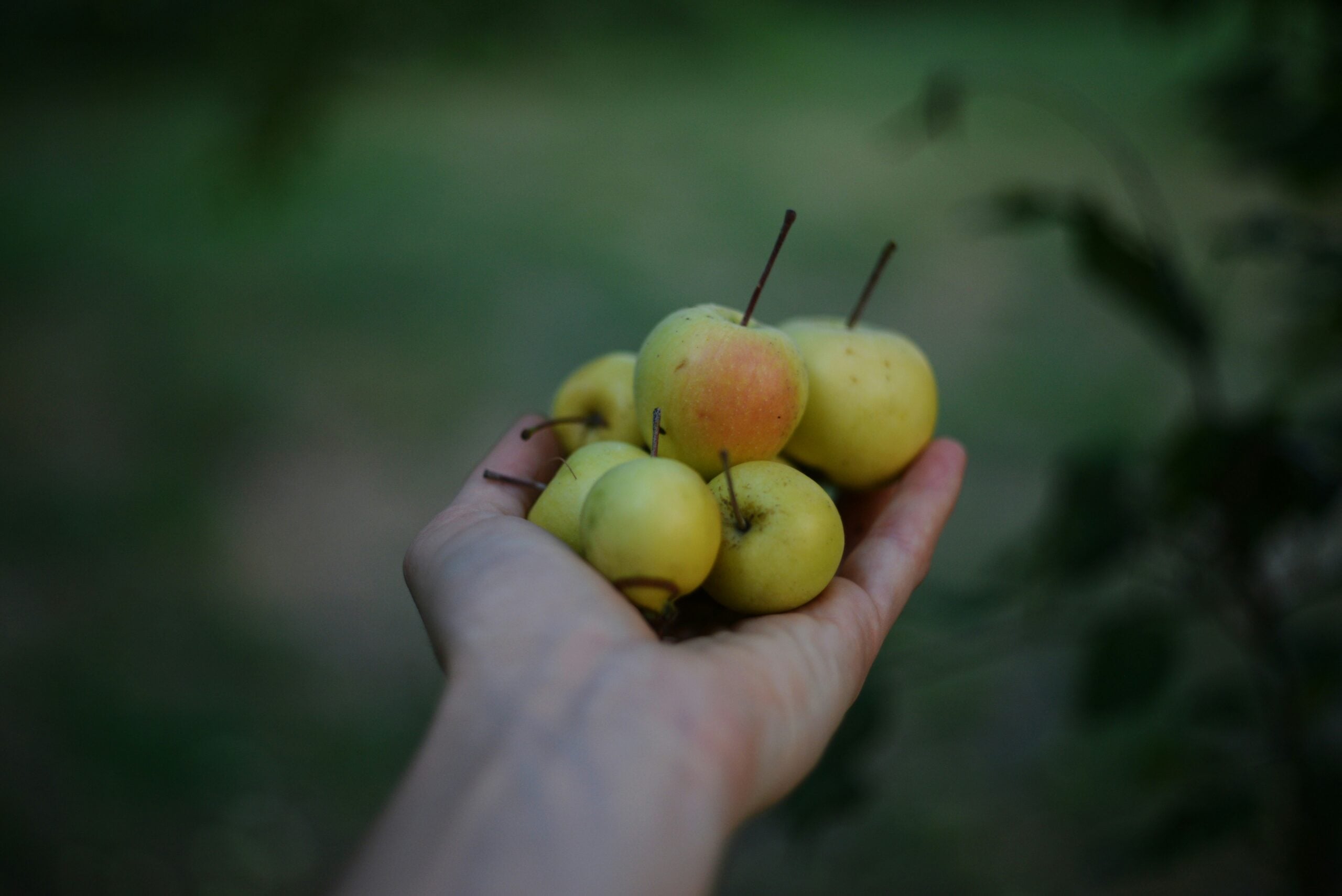
It’s not very flavorful by itself, but what makes it interesting is what happens after eating it. For about half an hour, sour things like lemons and vinegar taste sweet.
This is because of a compound that tricks the taste buds. It’s used in food experiments and tasting parties for fun. The fruit is originally from West Africa.
Rambutan
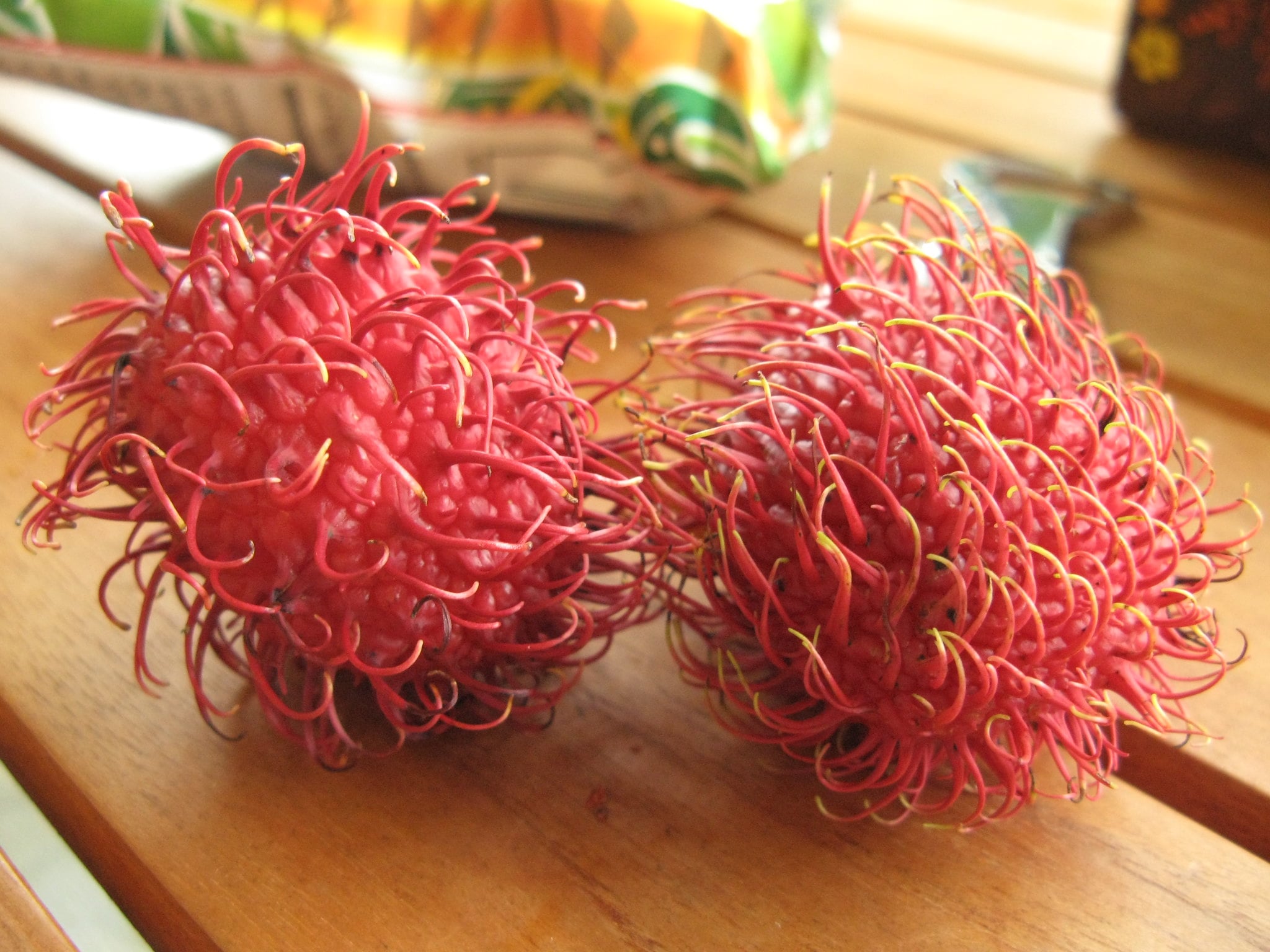
Covered in hairy skin, rambutan looks like a sea creature more than a fruit. Once peeled, it reveals a soft, juicy flesh that’s similar to lychee.
It tastes sweet, slightly floral, and refreshing. Grown in Southeast Asia, it’s sold fresh in markets and eaten as a snack.
Some say the flavor is better than its cousin, lychee.
Sapodilla
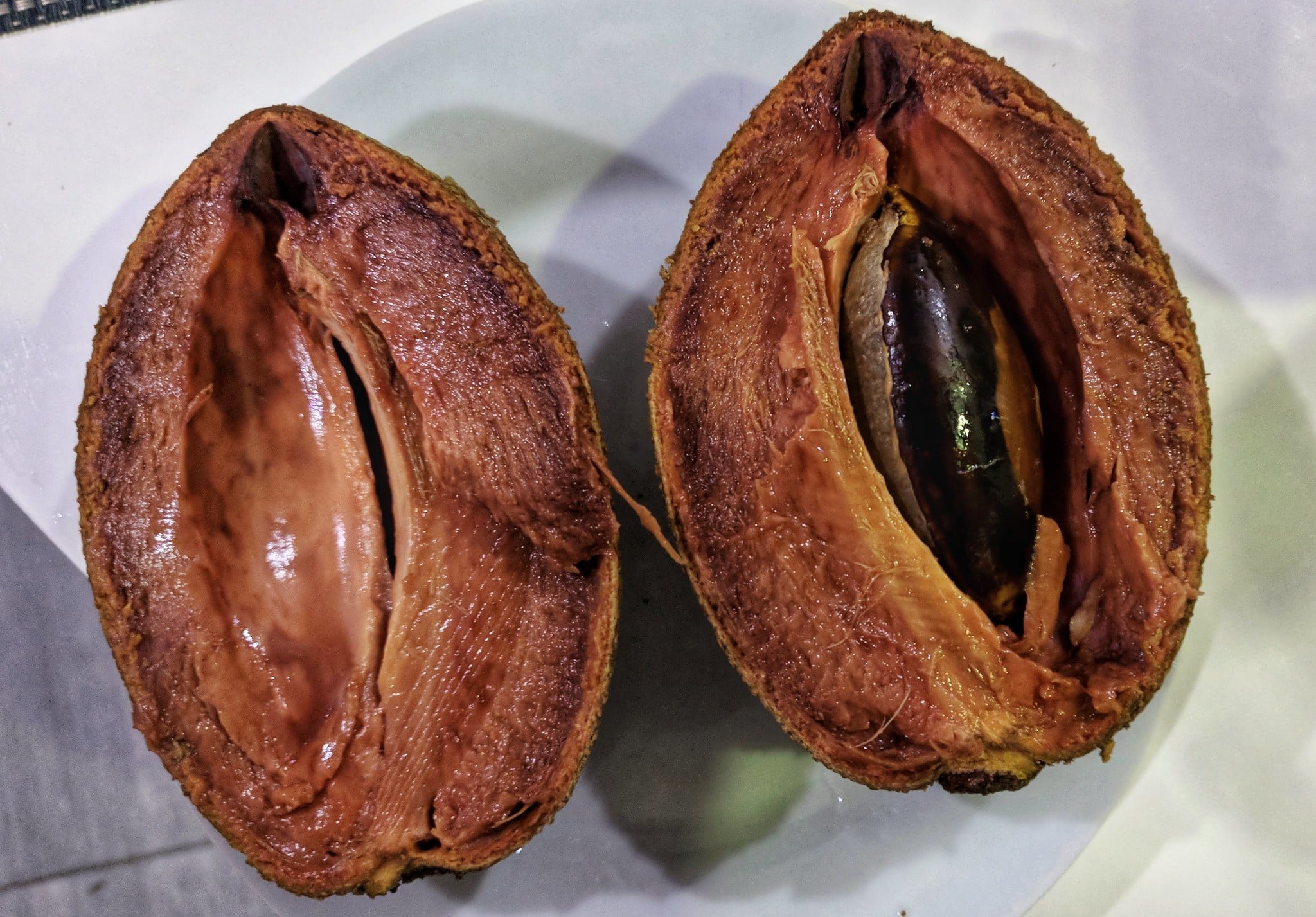
At first bite, sapodilla tastes like brown sugar and a little like pear. Its soft brown flesh hides inside rough, sandpaper-like skin.
The texture is grainy but smooth, almost like a baked pear. It’s popular in Central America, India, and the Philippines.
It’s also full of natural sugar, so it’s often used in desserts.
Like Go2Tutors’s content? Follow us on MSN.
Noni
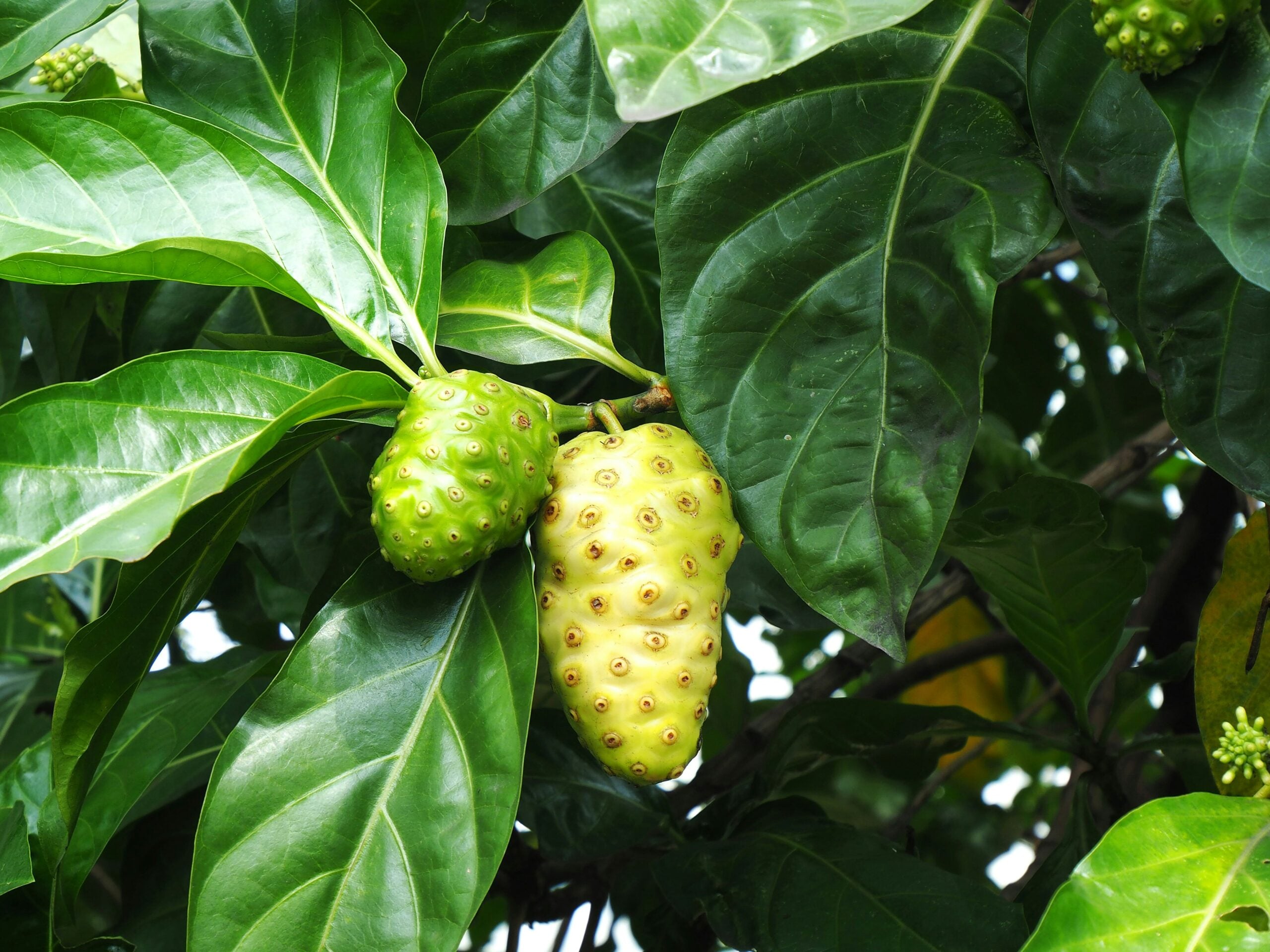
Noni has a strong smell that many people find hard to get past. But it’s been used in traditional medicine for centuries, especially in Polynesia.
The fruit itself is soft and pale, with a bitter taste. It’s usually made into juice, which is often mixed with other fruits to make it easier to drink.
People say it’s good for the immune system.
Chayote
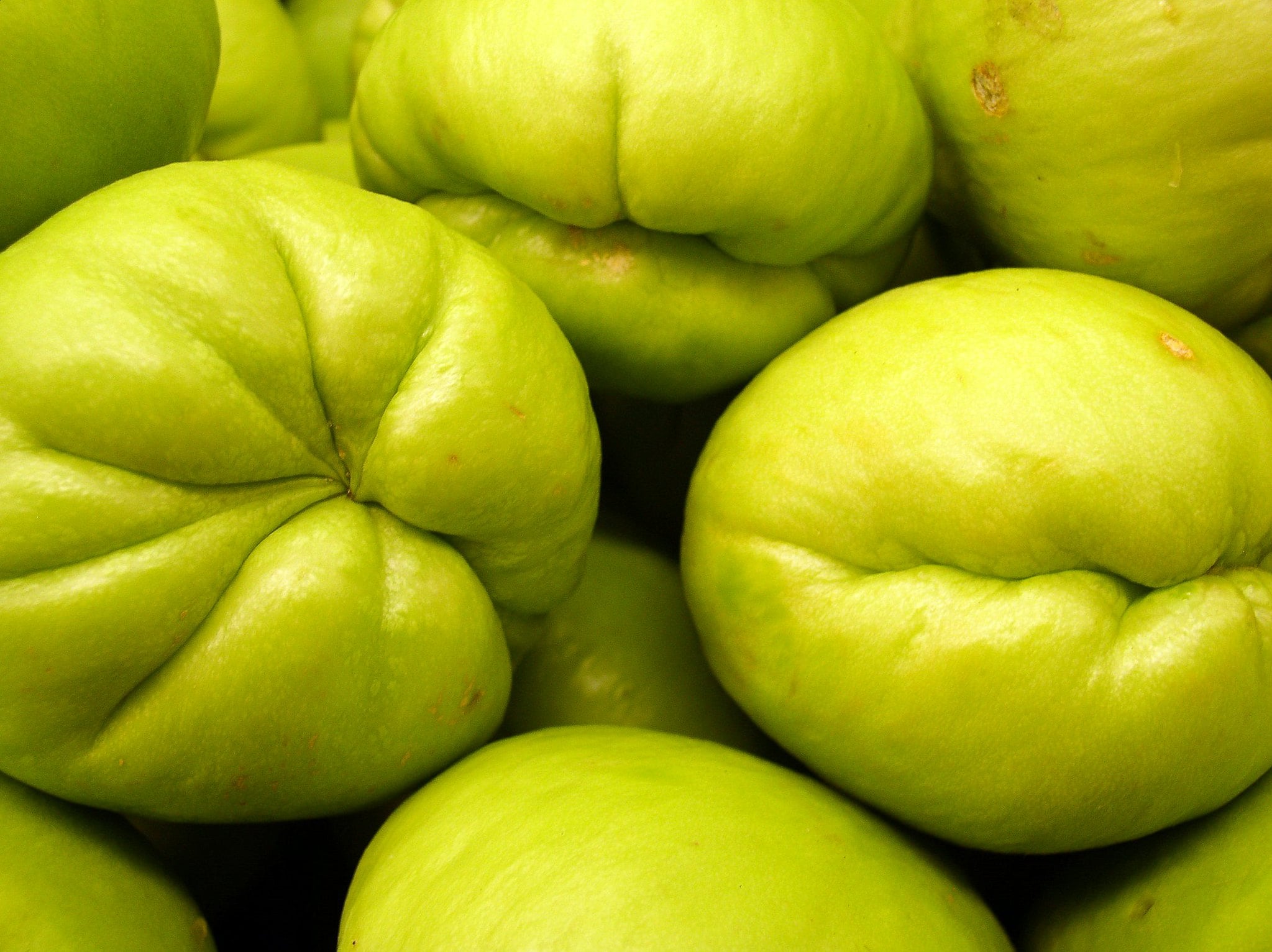
It looks like a wrinkled green pear but is actually a fruit that’s treated like a vegetable. Chayote is crisp and mild in taste, kind of like a cucumber or squash.
It’s usually cooked, but it can also be eaten raw in salads. Grown widely in Latin America, it’s often stir-fried, boiled, or stuffed.
It’s full of fiber and easy to digest.
Lucuma
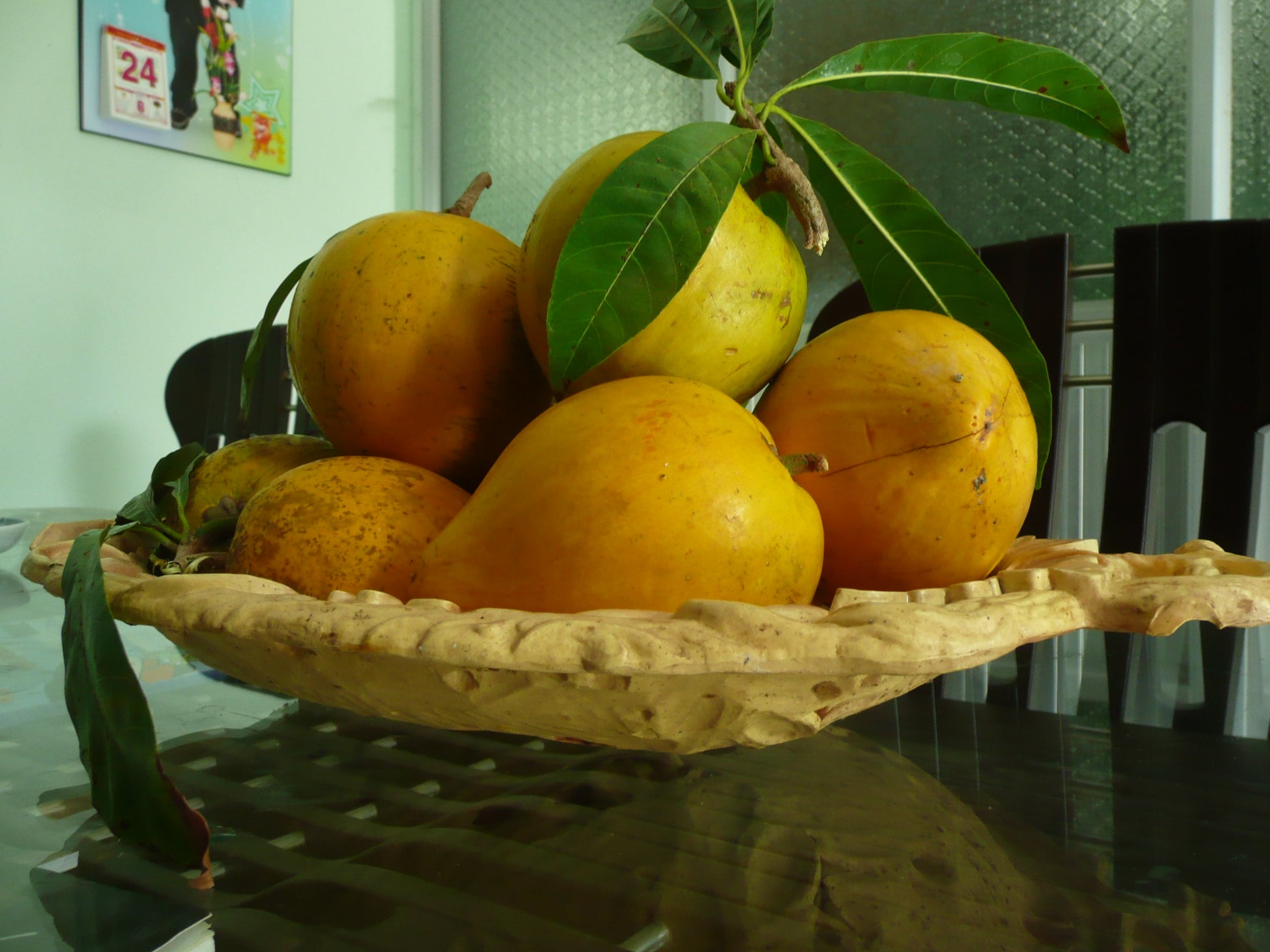
Lucuma has a dry texture, almost like sweet potato, but the taste is more like maple and caramel. The fruit isn’t juicy at all, which surprises people expecting something soft and moist.
It’s mostly used as a flavoring in smoothies, ice cream, and baked goods. Peru and Chile use it a lot in traditional dishes. It’s becoming popular in health food circles too.
Like Go2Tutors’s content? Follow us on MSN.
African horned melon
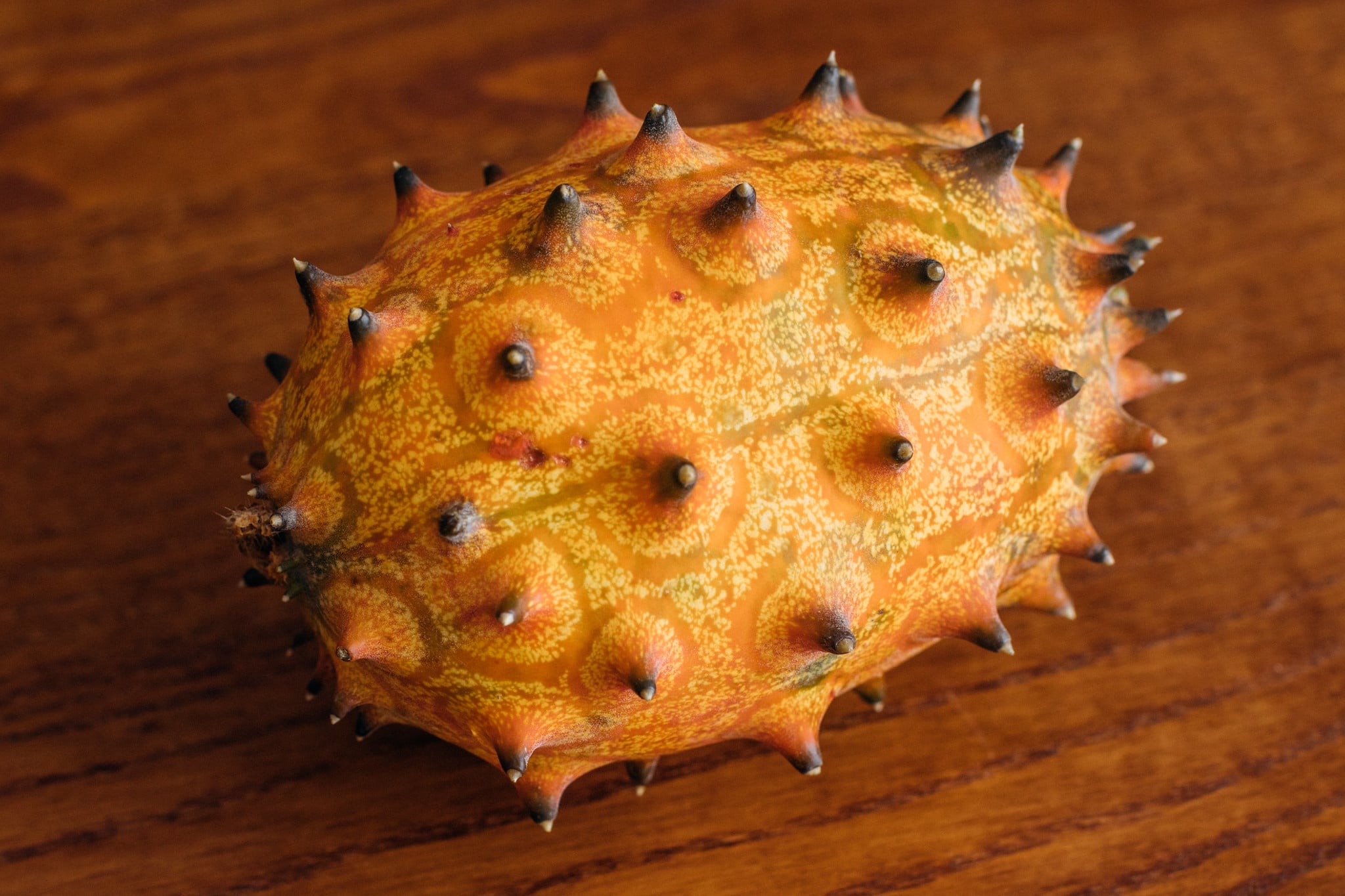
Also called kiwano, this fruit looks like a spiky yellow football on the outside. Cut it open, and the inside is bright green and filled with jelly-like seeds.
The taste is a mix of cucumber, banana, and lime. It’s grown in Africa but now also appears in New Zealand and the U.S.
It’s often eaten raw or added to fruit salads.
Langsat
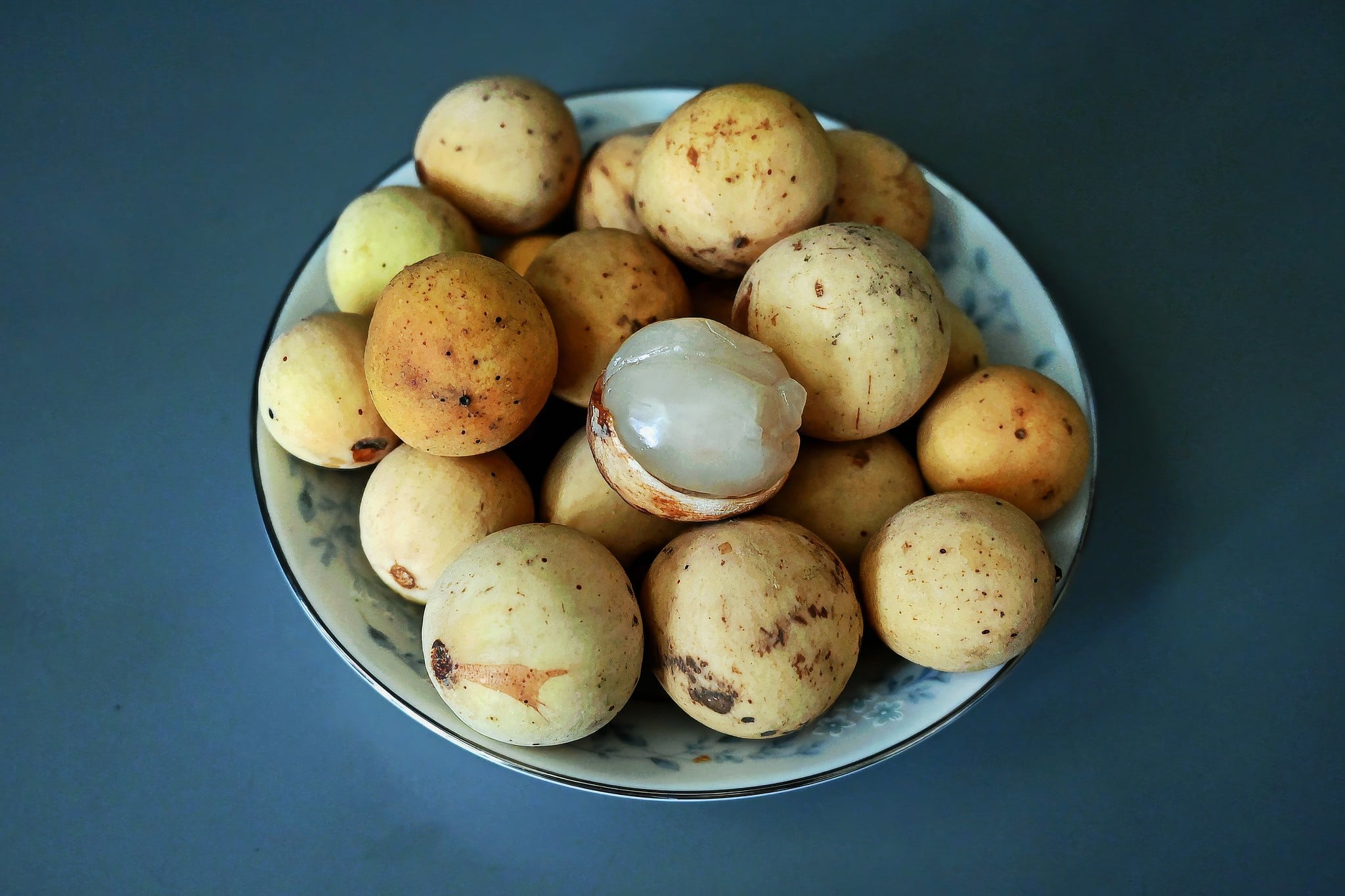
Langsat looks like a small potato, but it peels easily and reveals juicy segments inside. The flavor is sweet with a slight tartness, similar to a mix of grapefruit and grape.
It grows in clusters, kind of like grapes. Popular in Malaysia and Thailand, it’s mostly eaten fresh.
It doesn’t last long after harvest, which is why it’s rarely shipped far.
Mamey sapote
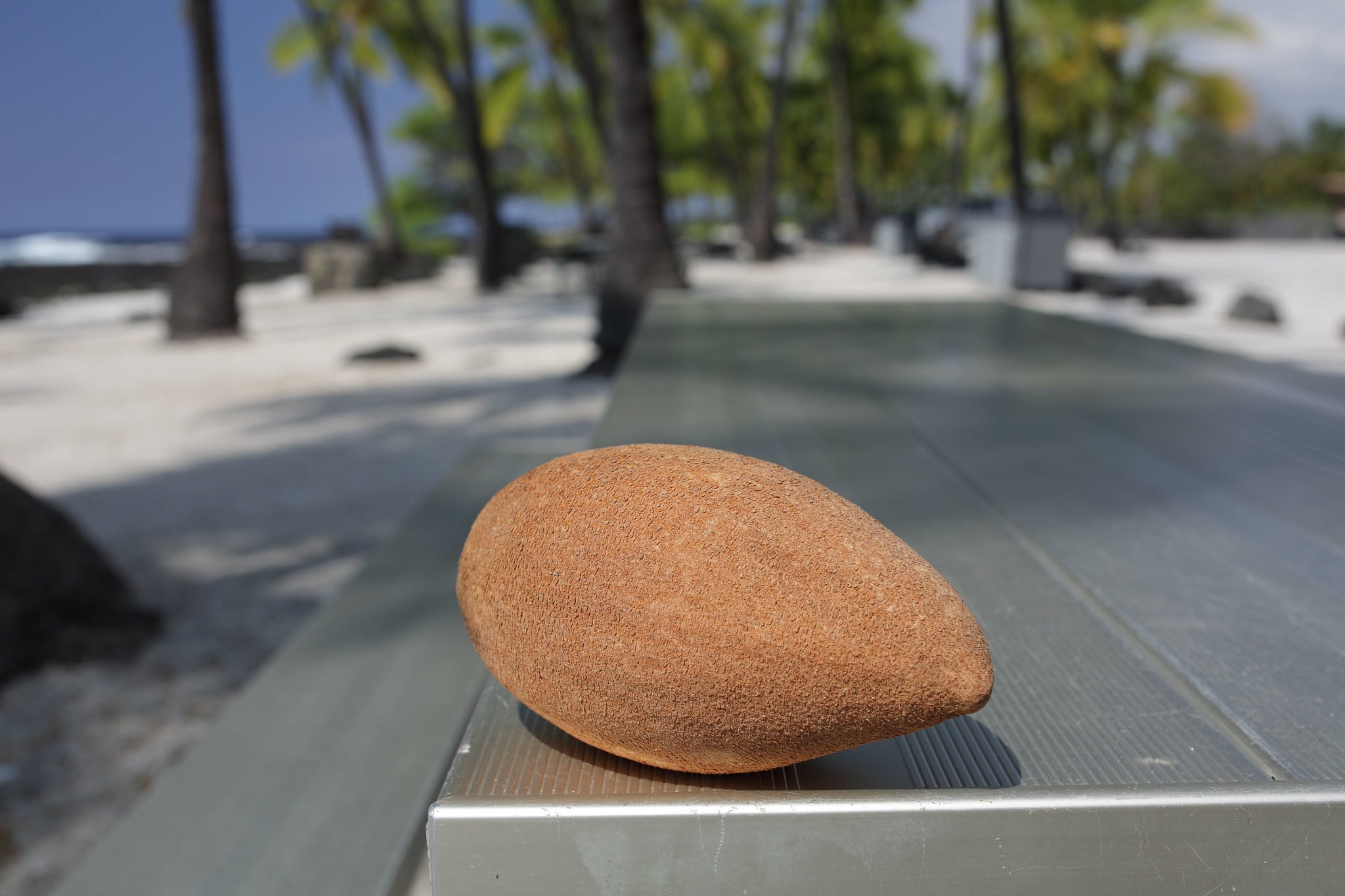
With bright orange flesh, mamey tastes like pumpkin pie mixed with a hint of almond. It’s soft, creamy, and very sweet when ripe.
Found mostly in Central America and the Caribbean, it’s a common ingredient in milkshakes and ice cream. The outer skin is rough and dull, hiding the vibrant inside.
It’s high in fiber and vitamins.
Like Go2Tutors’s content? Follow us on MSN.
Cupuacu
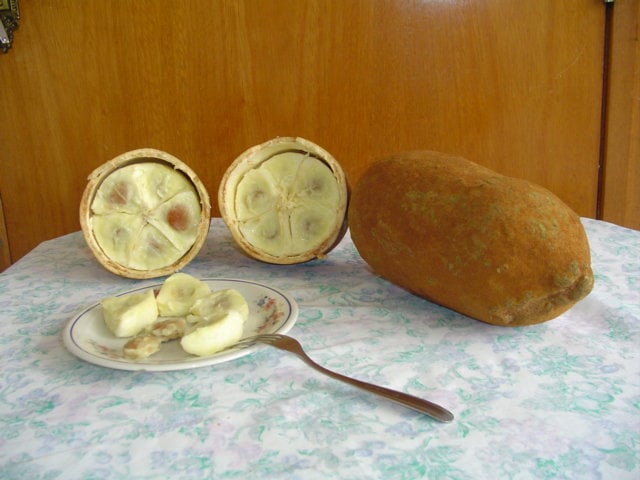
This fruit is a cousin of cacao and smells a bit like chocolate and pineapple. The pulp is soft and creamy, and the taste is tropical and tangy.
Cupuacu is used in sweets, juices, and even beauty products. It grows in the Amazon rainforest and is a big part of local diets.
Its butter-like pulp is also used as a natural moisturizer.
Santol
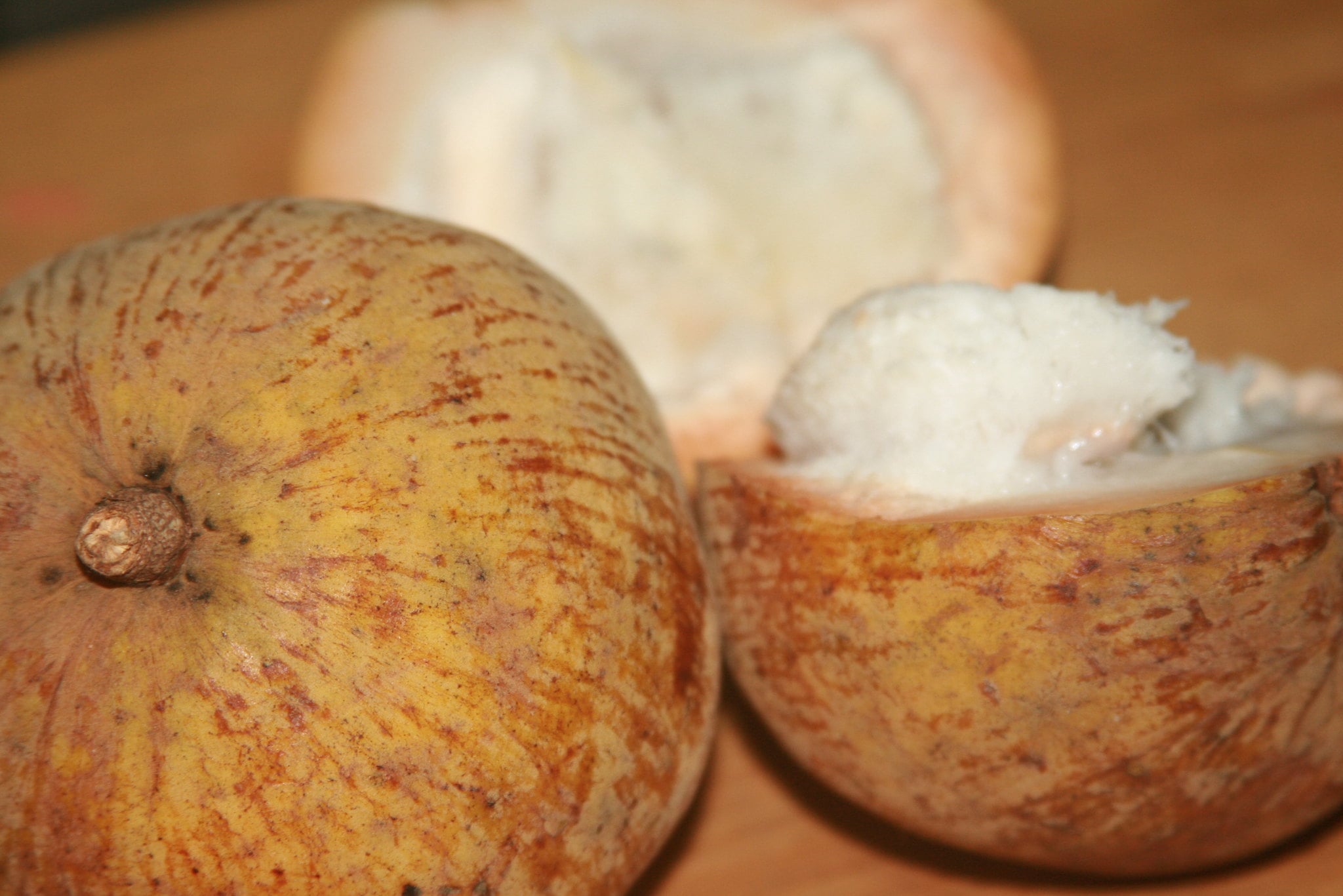
This fruit has a thick rind and white, cottony flesh inside. The taste can be sour or sweet, depending on the variety.
It’s eaten fresh, with salt or chili, or used in savory dishes in Southeast Asia. The large seeds inside are not edible, but the flesh clings to them.
It’s very popular in the Philippines and Thailand.
Making room for new flavors
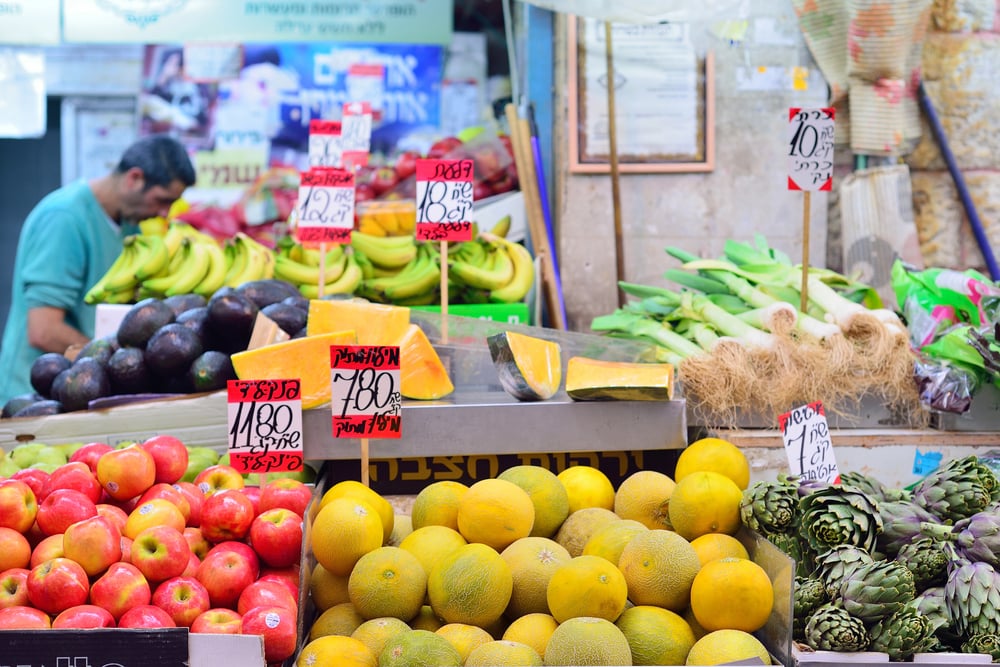
Many of these fruits may not look familiar or show up in everyday grocery stores. But each one carries a bit of history, culture, and surprise with it.
Trying something new isn’t just about taste—it’s about stepping into a story from another place. Today, it’s easier than ever to explore flavors from around the world.
With so much out there, fruit might just become your next big adventure.
Like Go2Tutors’s content? Follow us on MSN.
More from Go2Tutors!