13 Historical Mysteries That Science Still Can’t Solve
History has a way of leaving us with more questions than answers. Despite all our modern technology and scientific advances, some ancient puzzles continue to baffle researchers and archaeologists around the world.
These aren’t your typical cold cases—they’re mysteries that have stumped the brightest minds for decades, sometimes centuries. Here is a list of 13 historical mysteries that science still can’t solve.
Voynich Manuscript
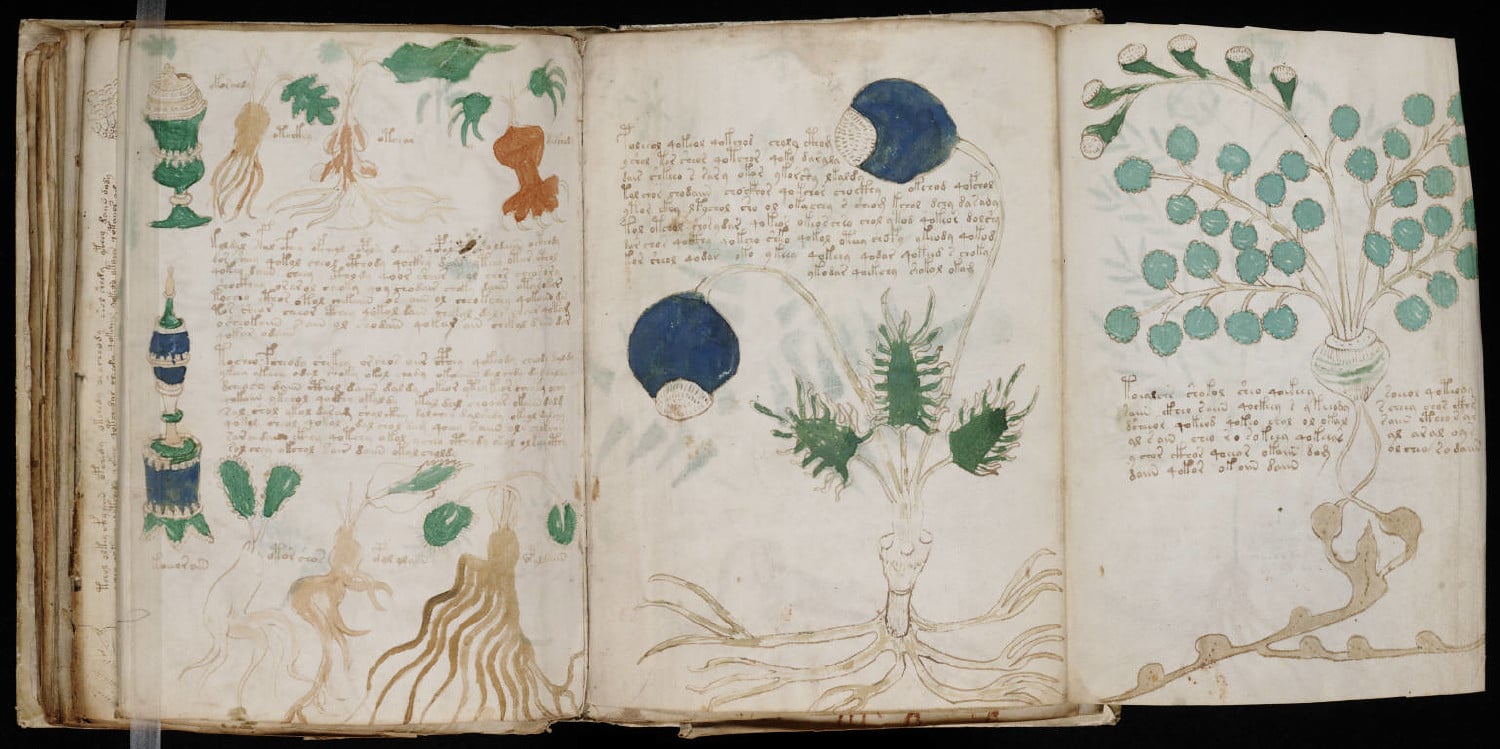
This medieval book has stumped linguists and cryptographers since 1912, and no one has provided a widely accepted, verified deciphering of its contents. Carbon-dating places the vellum between 1404 and 1438, but the unknown script could be a cipher, a constructed language, or even an elaborate hoax.
The manuscript’s bizarre illustrations of unidentifiable plants and strange astronomical diagrams add to the puzzle, making it one of history’s most perplexing documents.
Stonehenge
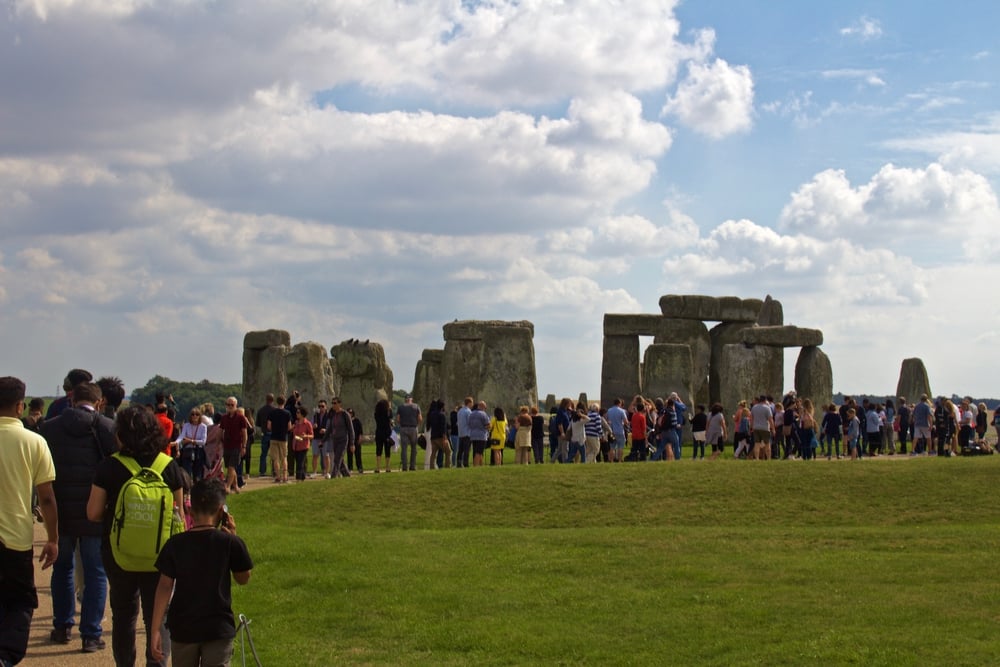
Everyone knows Stonehenge, but nobody really knows why it was built. Sure, we can figure out that ancient Britons constructed it around 5,000 years ago and somehow transported massive stones from miles away.
What we can’t determine is whether it was a temple, an astronomical observatory, a healing center, or something else entirely. The purpose of this iconic monument remains one of archaeology’s most frustrating unsolved questions.
The Roanoke Colony

The word ‘CROATOAN’ was carved into a wooden post after more than 100 English settlers disappeared from Roanoke Island in 1587. Three years later, Governor John White returned from England to find his entire family gone, including his granddaughter Virginia Dare, the first English child born in America.
Although conclusive evidence is still lacking, recent archaeological excavations raise the possibility that the colonists divided and blended in with nearby Native American tribes.
Antikythera Mechanism
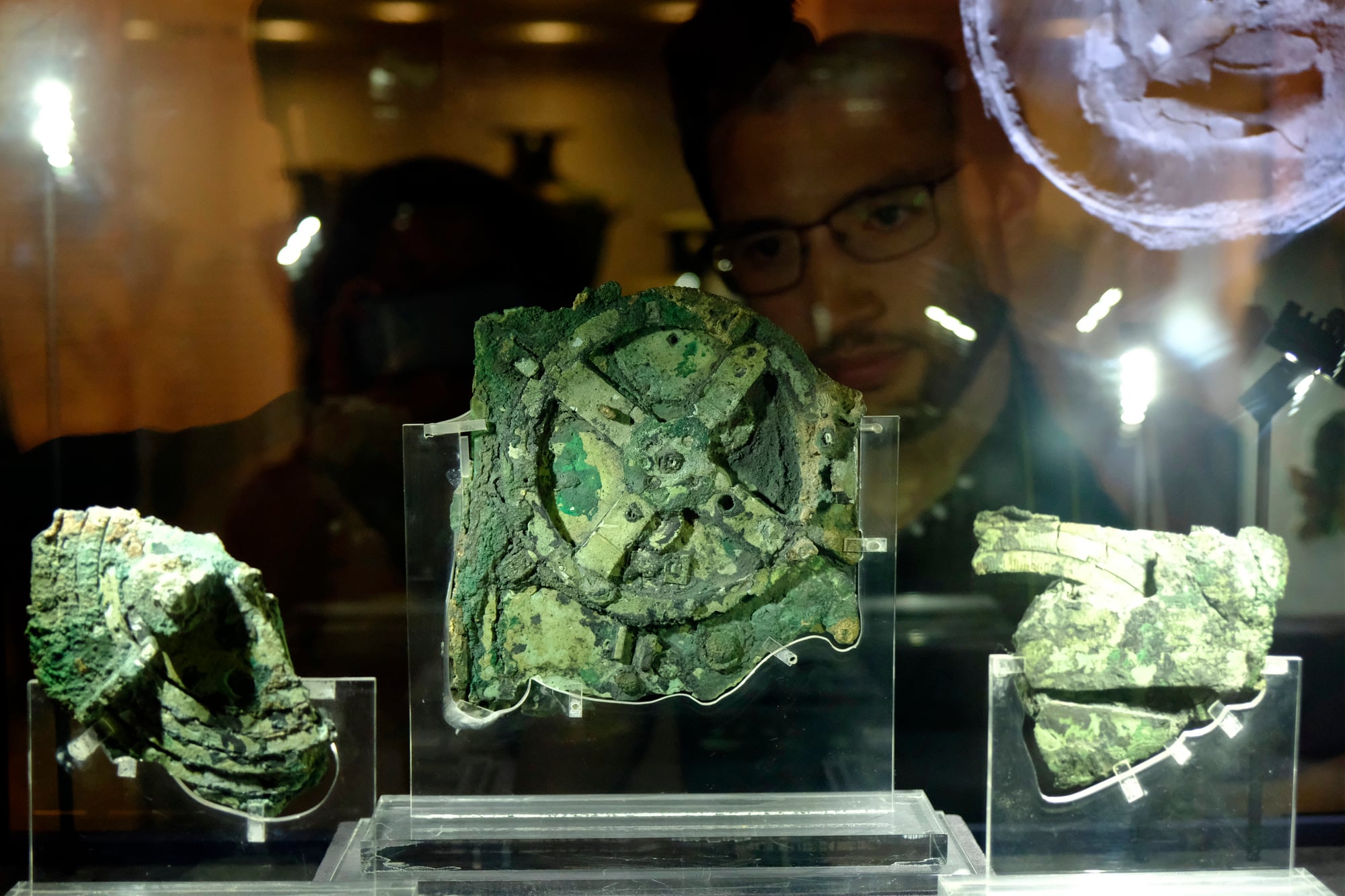
Divers pulled this corroded bronze device from a shipwreck in 1901, and it turned out to be a 2,000-year-old analog computer that could predict astronomical events. The ancient Greeks built something with gear technology that wouldn’t be seen again for over a millennium.
While researchers have figured out much of how it worked, questions remain about who built it, how widespread this technology was, and why such sophisticated engineering disappeared for so long.
Nazca Lines
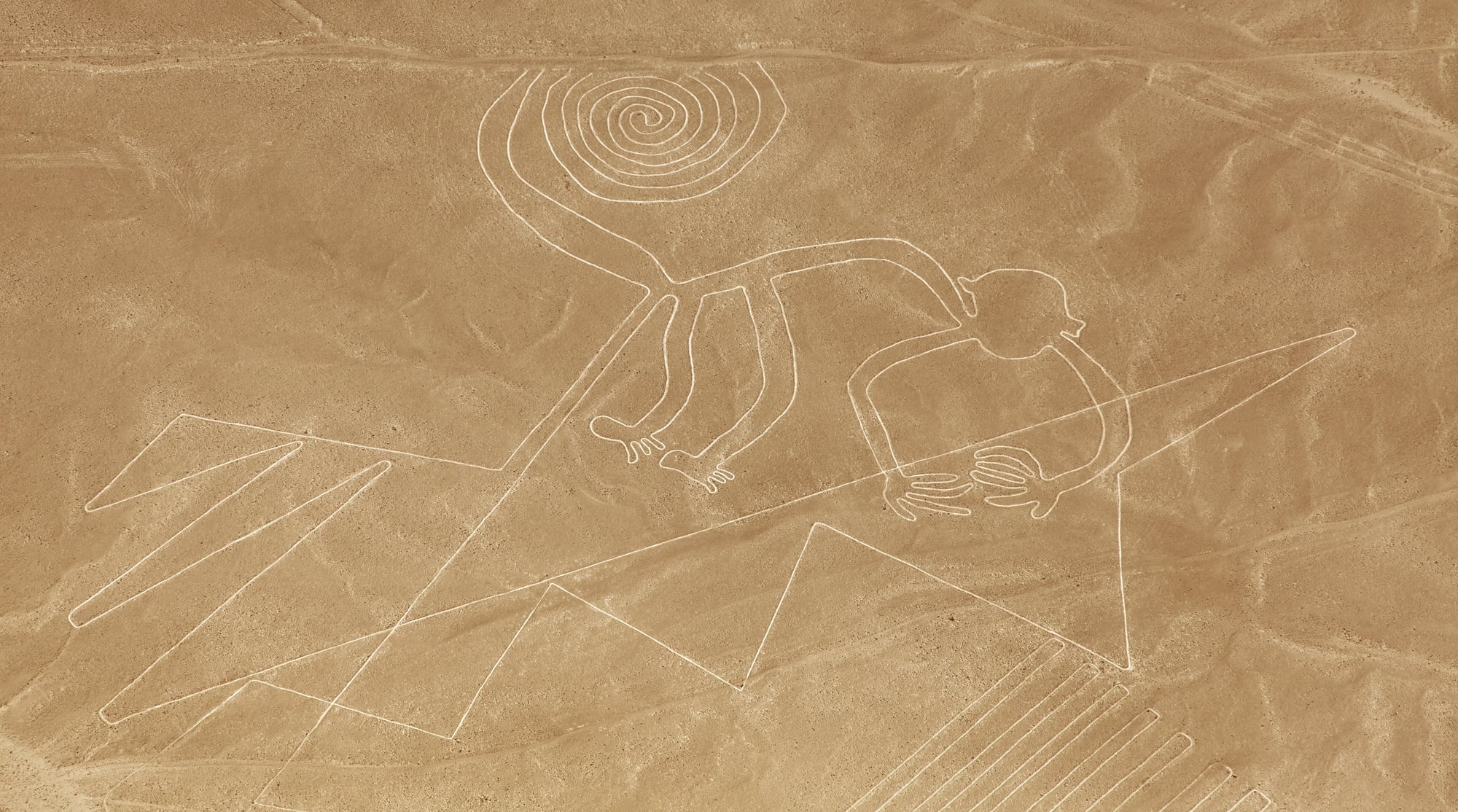
Massive geoglyphs carved into the Peruvian desert depict animals, plants, and geometric shapes that are best viewed from the air—which is odd considering they were created between 500 BCE and 500 CE. Recent research using AI has uncovered over 300 new geoglyphs in the region, showing that discoveries are still being made.
While leading theories suggest the lines served ritual or ceremonial purposes, acted as astronomical markers, or indicated irrigation systems, their full purpose remains unresolved and continues to fascinate researchers.
Cleopatra’s Tomb
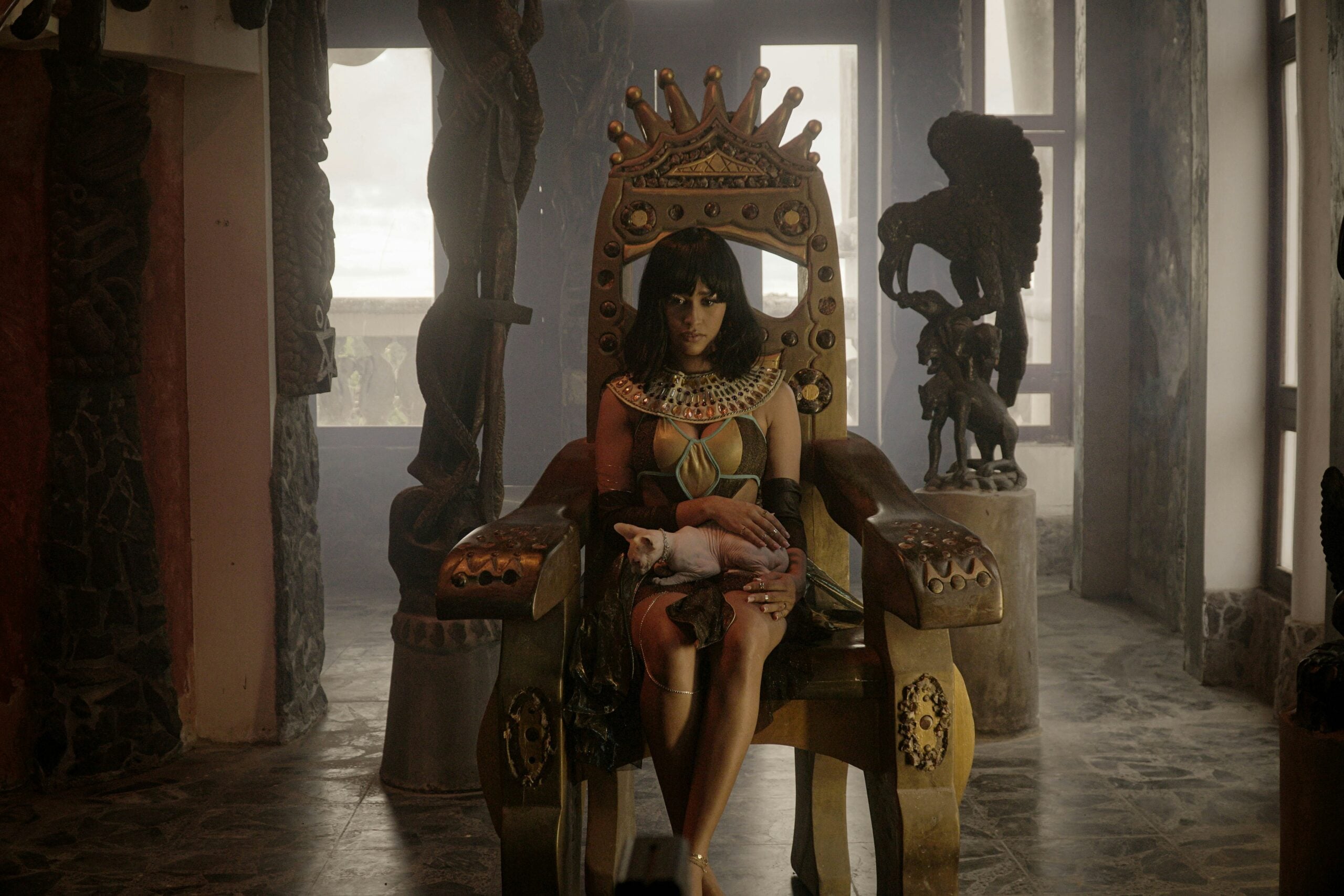
One of history’s most famous rulers disappeared after her death in 30 BCE, and nobody can find where she’s buried. Cleopatra VII, the last queen of Egypt, was supposedly entombed with Mark Antony after their defeat and deaths.
Some think the tomb is somewhere in Alexandria, possibly destroyed by a tsunami in 365 CE, while others believe it’s hidden in the Nile Delta. Despite modern technology and countless searches, the location remains a complete mystery.
Plain of Jars
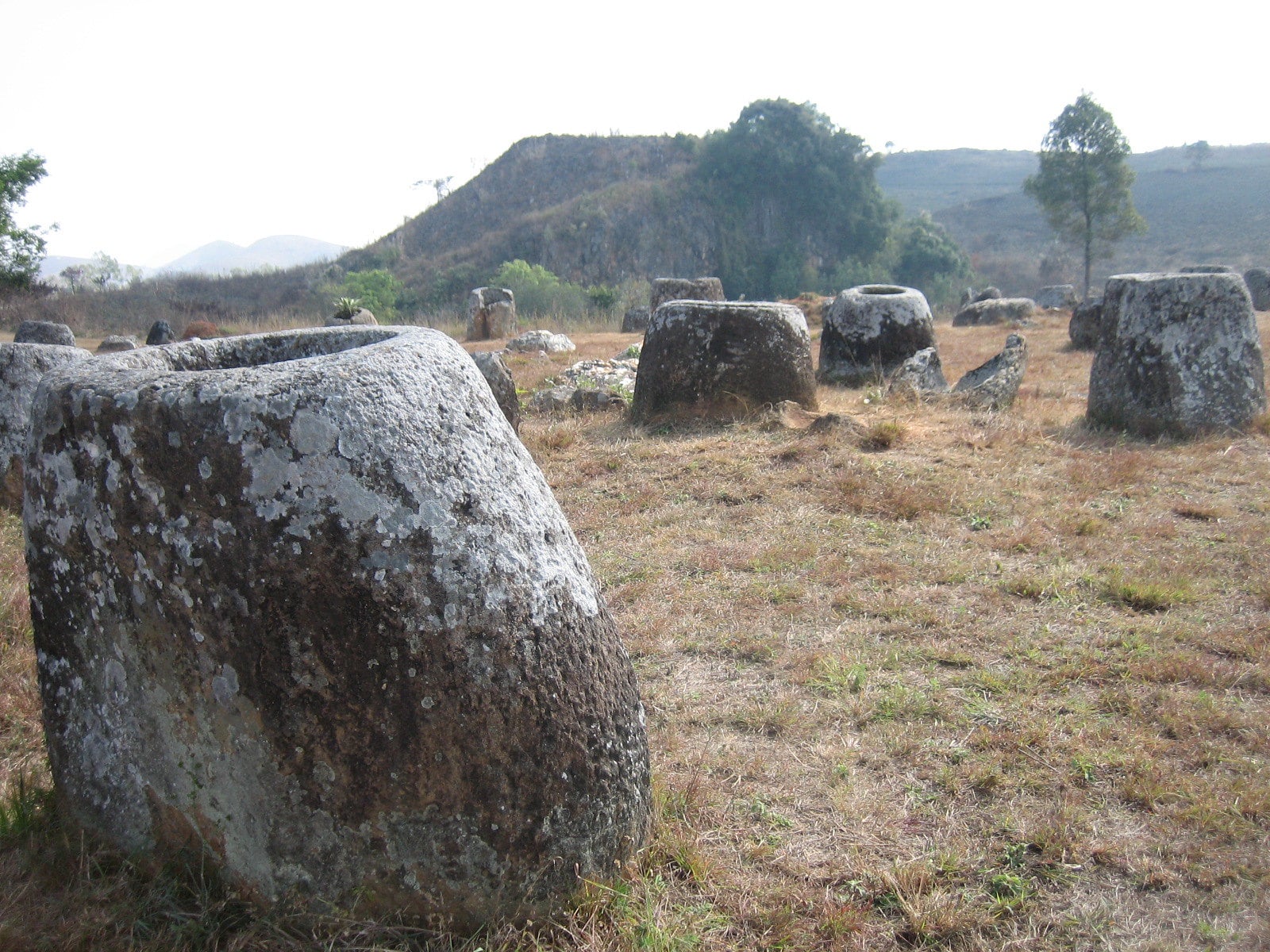
The Laotian landscape is dotted with thousands of enormous stone jars, some of which date back to 1240 BCE. These are also not tiny containers; many of them weigh several tons and are several feet tall.
Though theories range from ancient rice wine fermentation vessels to funeral urns, no one is certain who made them or why. Studying them is especially difficult because many of them are located in active minefields from the Vietnam War.
Sacsayhuaman
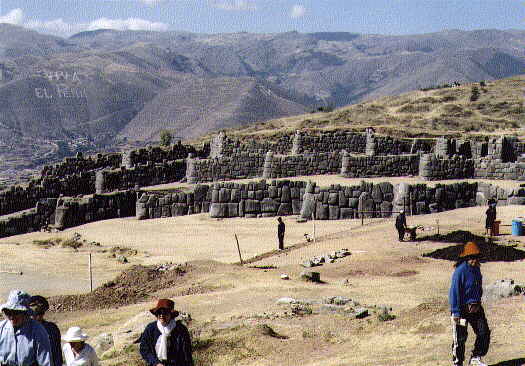
This Incan fortress near Cusco, Peru, showcases stonework so precise that you can’t fit a piece of paper between the massive blocks—and they did it without mortar. Some stones weigh over 100 tons and were somehow transported and fitted together with such accuracy that the structure has survived major earthquakes.
Whether Sacsayhuaman was a fortress, a ceremonial site, or something else is still debated, as is the question of exactly how the Incans achieved such remarkable construction.
Linear A Script
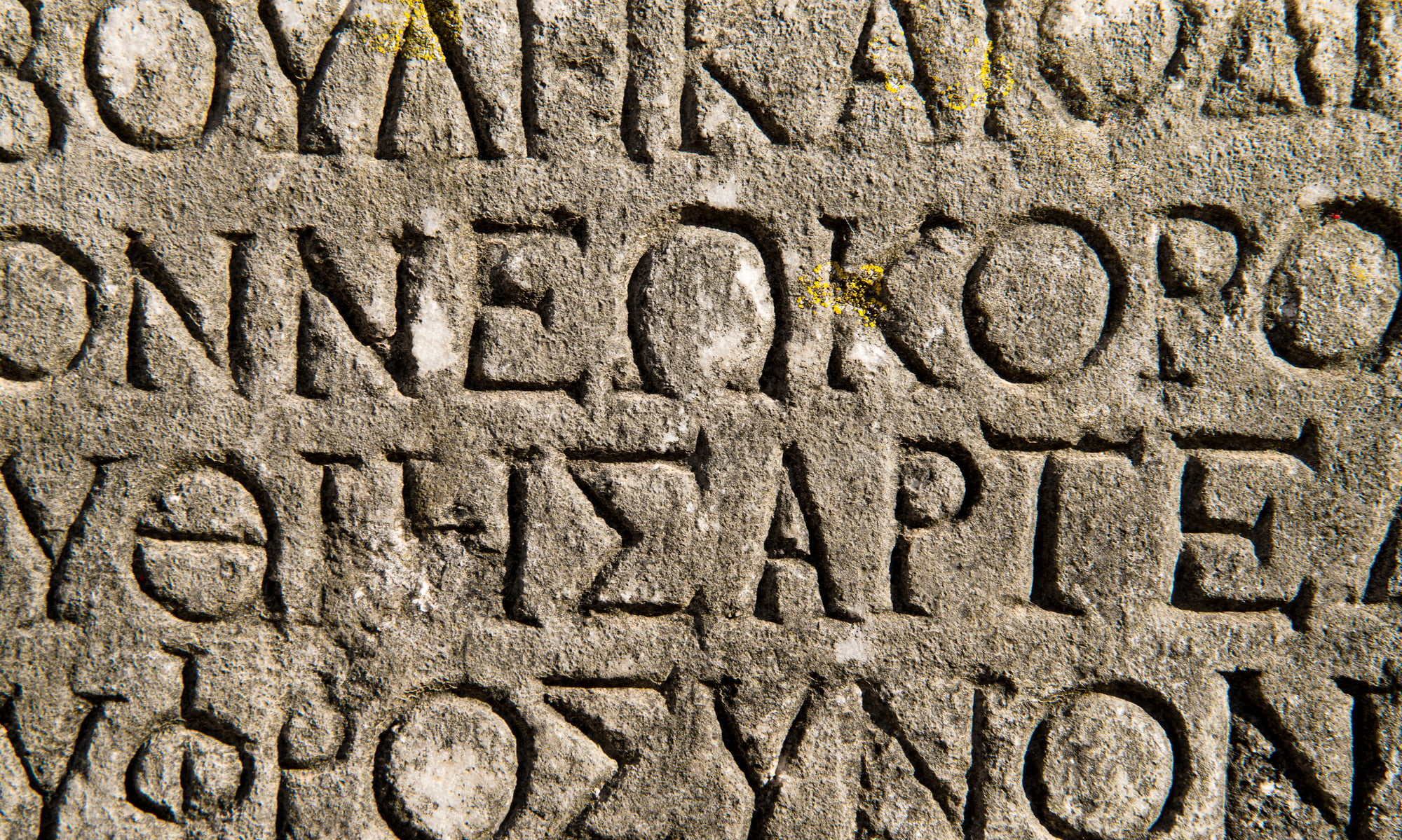
The ancient Minoans used this writing system between 1800 and 1450 BCE, and despite knowing what their later script (Linear B) says, we still can’t read Linear A. It’s like having the key to one door but not the other, even though both doors are in the same house.
Thousands of clay tablets covered in these mysterious symbols sit in museums, their messages locked away forever unless someone cracks the code.
Roman Dodecahedrons
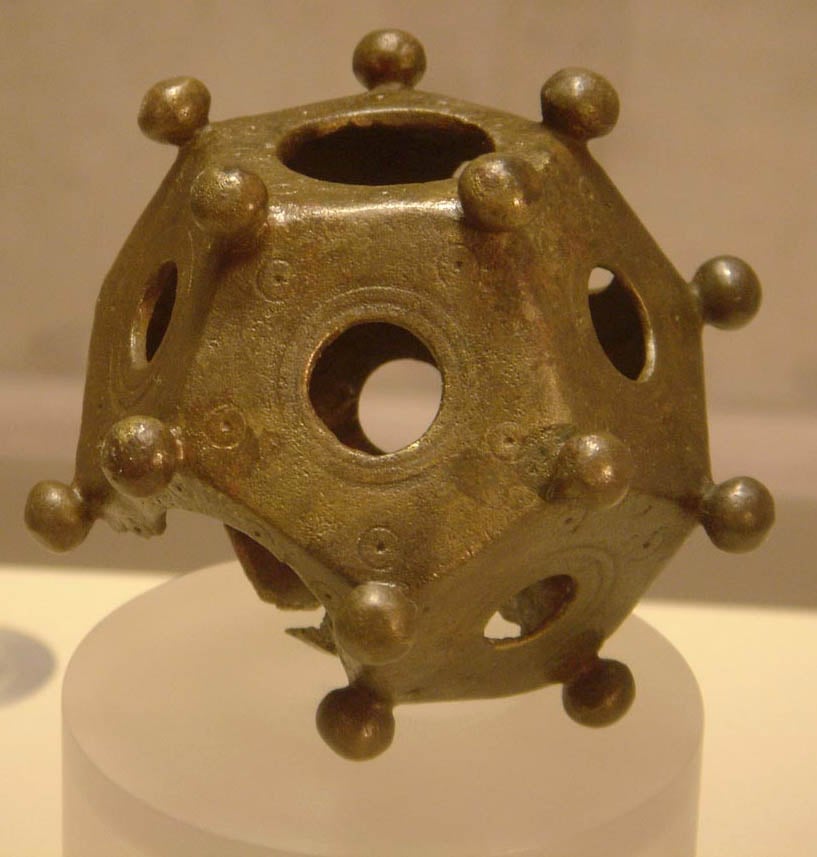
These objects have twelve faces, twelve knobs, and absolutely no clear purpose. Romans made them between 100 and 300 CE from bronze or stone, but left no written records explaining what they were for.
Theories about their use range from religious symbols to astronomical tools to something as mundane as knitting aids. The fact that dozens have been found across the Roman Empire but nobody wrote down their purpose makes this everyday mystery particularly baffling.
Thonis-Heracleion

Before Alexandria was established, this important Egyptian port city flourished as a trading center before disappearing from all historical accounts for thousands of years. Around 800 CE, the entire city seems to have fallen into the Mediterranean Sea, perhaps as a result of liquefaction of the soil, earthquakes, or tsunamis.
In the early 2000s, divers found it largely undamaged, with bridges and 16-foot statues still visible underwater. It’s unclear what caused such a thriving city to abruptly collapse.
Yonaguni Monument

Off the coast of Japan lies an underwater rock formation that looks suspiciously like a stepped pyramid with flat terraces and right angles. Discovered in 1987, it sparked heated debate about whether it’s a natural formation shaped by tectonic activity or the remains of an ancient civilization dating back over 10,000 years.
Geologists and archaeologists remain split, with some insisting it’s too geometric to be natural while others argue that unusual geological processes can create such shapes.
Dyatlov Pass Incident

In February 1959, nine experienced Russian hikers died under mysterious circumstances in the Ural Mountains, cutting their way out of their tent in freezing temperatures and fleeing into the night. When their bodies were found weeks later, some had severe injuries, others were barely clothed, and the scene defied easy explanation. While a 2021 scientific study proposed that a rare slab avalanche could explain the events, and Russian authorities officially closed the case citing natural causes, many researchers remain unconvinced, noting inconsistencies that keep this chilling mystery alive.
Where the Knowledge Went
The most haunting aspect of these mysteries isn’t what we don’t know—it’s realizing how much knowledge has been lost over time. Ancient peoples possessed engineering skills, astronomical understanding, and technological capabilities that disappeared for centuries, only to be slowly rediscovered.
These unsolved puzzles remind us that civilizations rise and fall, taking their secrets with them. Today’s cutting-edge technology might be tomorrow’s archaeological mystery, and the things we take for granted could become incomprehensible to future generations.
More from Go2Tutors!

- The Romanov Crown Jewels and Their Tragic Fate
- 17 Halloween Costumes Once Considered Taboo
- Famous Hoaxes That Fooled the World for Years
- 15 Child Stars with Tragic Adult Lives
- 16 Famous Jewelry Pieces in History
Like Go2Tutors’s content? Follow us on MSN.



