13 Indigenous Engineering Marvels Using Living Plants
Most people think engineering started with concrete and steel, but that’s completely wrong. Indigenous communities figured out how to turn living plants into incredible structures centuries ago.
They weren’t just building simple huts or weaving baskets. These were complex, lasting solutions that modern engineers are still trying to understand. What makes these techniques so fascinating is how they work with nature instead of against it.
Plants keep growing, getting stronger, adapting to weather and time. Here is a list of 13 amazing examples where indigenous peoples created bridges, homes, and other structures using living plants that are still working today.
Living Root Bridges of Meghalaya

In India’s northeastern forests, the Khasi people have a wild way of crossing rivers – they grow their own bridges. It starts simple enough: stretch some bamboo across the water. But then comes the crazy part. They take these thin rubber tree roots and coax them along the bamboo, year after year, until the roots get thick enough to walk on.
The whole process takes about fifteen years. That’s longer than most people stay in one job, but these bridges last for centuries. Some are over 100 feet long and have been carrying people for 500 years.
The roots actually get stronger as they age, unlike any bridge made from dead materials.
Wichita Grass Houses
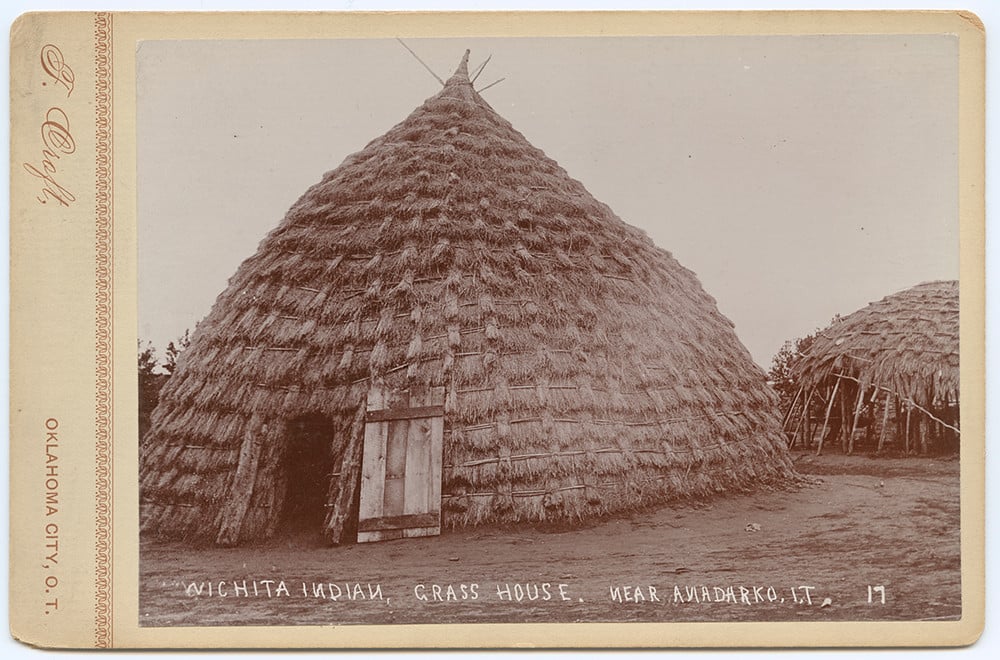
Prairie grass grows everywhere on the Great Plains, so the Wichita people figured out something clever. Instead of cutting grass and trying to build with it, they planted it in circles and trained it to grow upward into dome shapes.
The grass stayed alive, kept growing through seasons, and naturally insulated their homes. These weren’t flimsy structures either.
Living grass could handle prairie storms that would flatten conventional buildings. The houses got stronger each year as the root systems deepened and the grass thickened.
Like Go2Tutors’s content? Follow us on MSN.
Maori Flax Weaving Structures

New Zealand’s Maori people took plant weaving to another level entirely. They’d work with flax plants while they were still rooted in the ground, splitting and braiding the long leaves as the plants kept growing.
It’s like trying to braid someone’s hair while they’re running – timing had to be perfect. The result was living walls and windbreaks that provided privacy and protection.
But mess up the timing, damage the roots, and you’d kill the whole plant. It required generations of knowledge passed down through families.
Balinese Bamboo Architecture
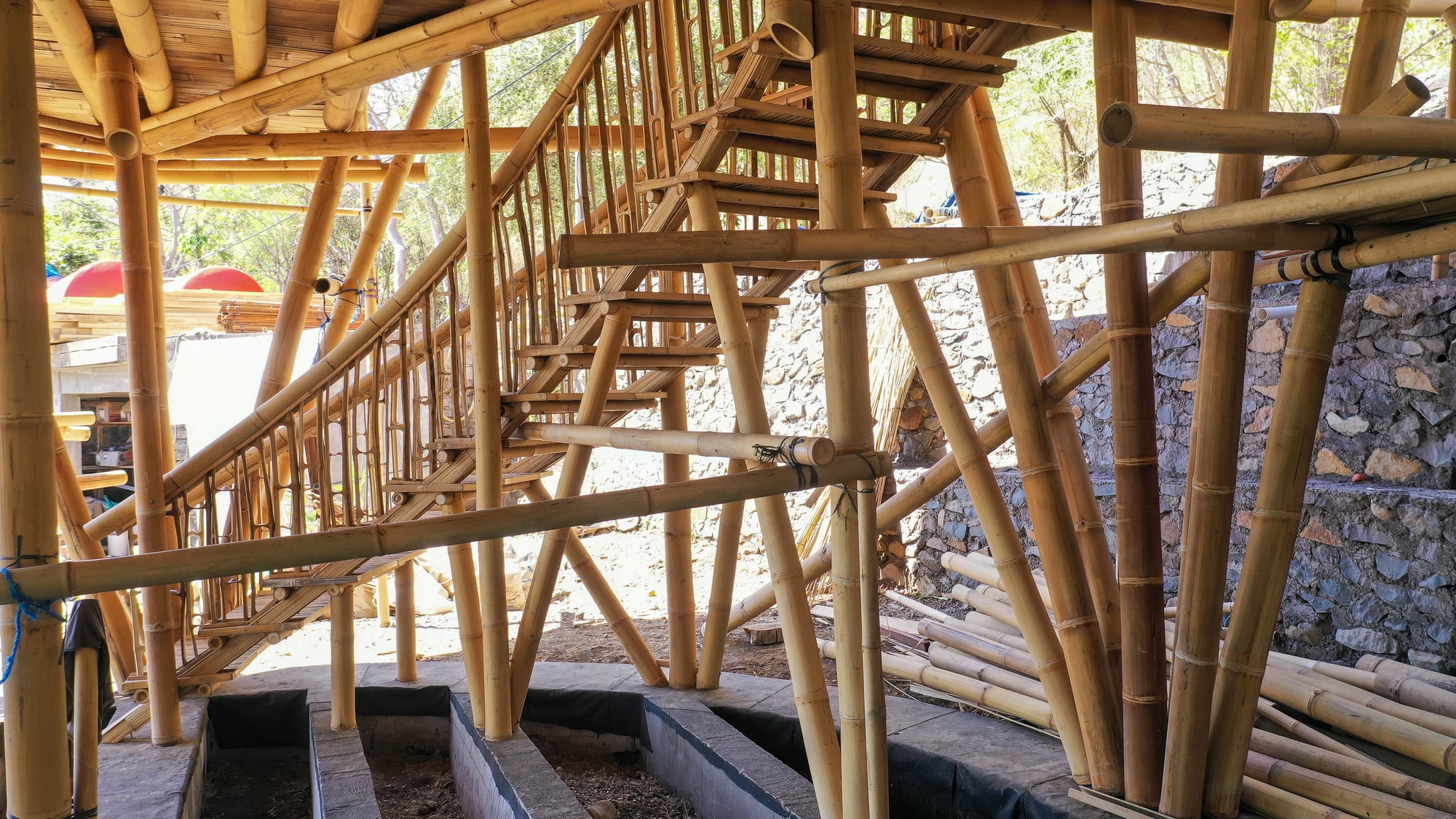
Bamboo grows fast in Bali, sometimes several feet in a single day. Traditional builders learned to work with this rapid growth, planting bamboo in specific patterns and then bending the young shoots as they emerged.
Rather than cutting mature bamboo and trying to assemble it, they shaped it while it was still flexible and alive. These buildings continue strengthening over time. When earthquakes hit, they flex and sway instead of cracking.
It’s engineering that actually improves with age, something most modern buildings can’t claim.
Aboriginal Fire-Stick Farming

Australian Aboriginal peoples basically rewrote entire landscapes using fire. They’d burn specific areas at precise times of year to encourage certain plants and discourage others.
Over time, this created natural infrastructure – pathways, barriers, water channels – across thousands of square miles. This wasn’t random burning. It was landscape-scale engineering that required intimate knowledge of plant life cycles, weather patterns, and animal behavior.
They were programming ecosystems decades before anyone invented computers.
Like Go2Tutors’s content? Follow us on MSN.
Andean Potato Terraces

The Inca built those famous stone terraces, but here’s what most people miss: they used specific potato varieties with incredibly deep root systems to hold everything together. The potatoes weren’t just crops – they were part of the structural engineering.
These root systems prevented soil erosion on steep mountain slopes while producing food. Two functions from one plant.
The terraces have lasted centuries because the living roots kept reinforcing the soil even as stones shifted and weathered.
Pacific Islander Coconut Palm Modification

Coconut palms naturally grow straight up, but Pacific Islander communities learned to train them into useful shapes. They’d bend young palm trunks and secure them with rope made from plant fibers, forcing them to grow into arches, walkways, even basic shelter frameworks.
The palms would maintain these modified shapes for their entire lifespan – often decades. It’s like training a bonsai tree, except the result is functional architecture instead of decorative art.
Cherokee River Cane Structures

River cane grows thick along southeastern waterways, and the Cherokee treated it like a living construction material. They’d plant it in deliberate patterns, then weave the growing shoots together while they were still green and flexible.
The finished walls and partitions got stronger as the cane matured. Unlike wooden structures that rot and weaken over time, these living walls kept improving year after year.
Like Go2Tutors’s content? Follow us on MSN.
Amazonian Stilt Root Systems
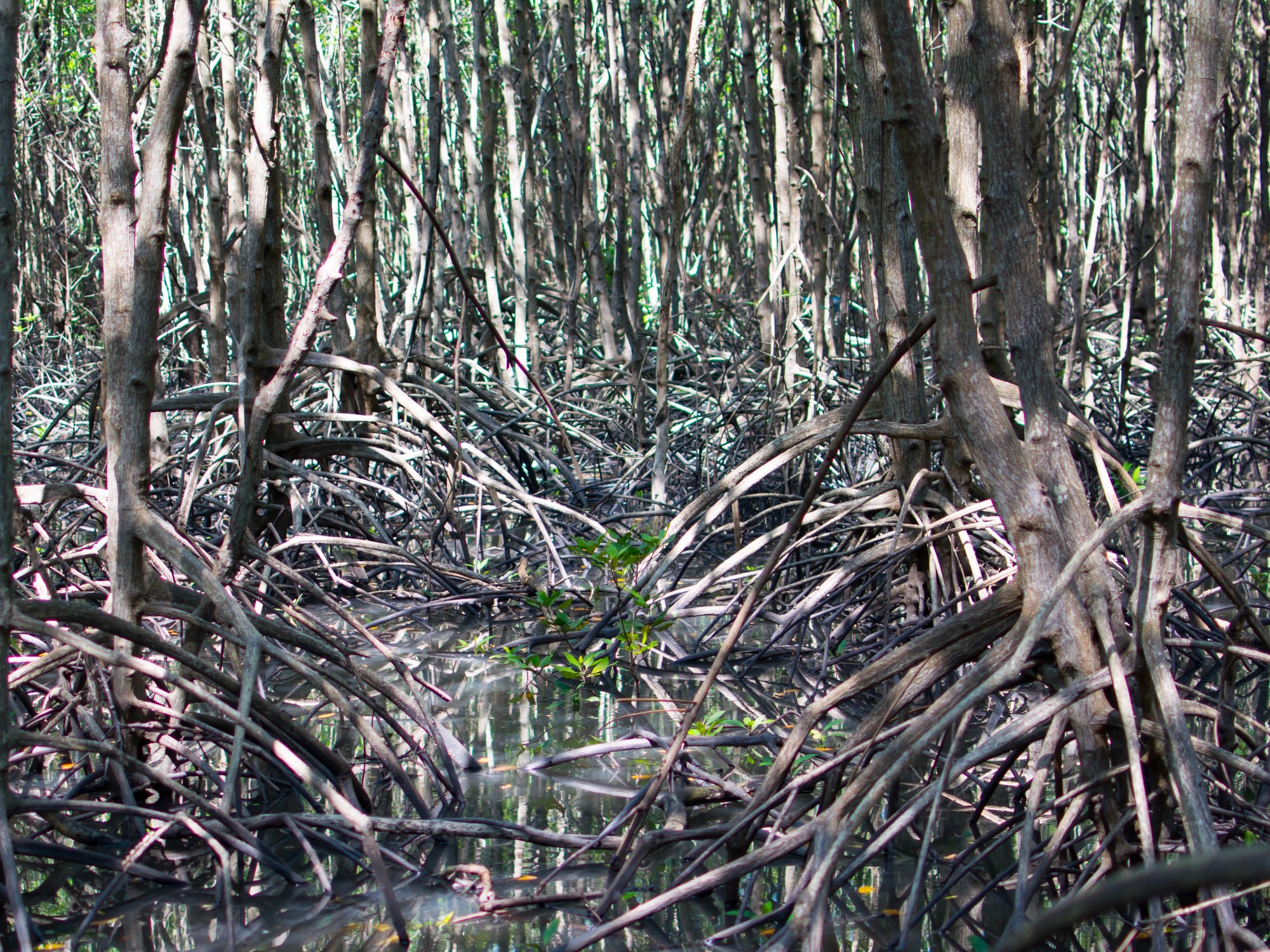
Some Amazon trees grow these weird aerial roots that look like stilts holding up the trunk. Different indigenous groups learned to work with this natural tendency, encouraging trees to sprout additional roots exactly where they needed them.
The result was elevated platforms and walkways through the forest canopy. They essentially grew their own highway system thirty feet off the ground, using nothing but patient guidance of natural root growth.
African Baobab Tree Modifications

Baobab trees have massive, hollow trunks that can live for thousands of years. Several African communities figured out how to carefully hollow out interior spaces without killing the tree.
They’d remove wood strategically, creating storage rooms and shelter inside the living trunk. The trees would continue growing around these modifications, eventually healing over and strengthening the hollowed areas.
It’s like performing surgery on a tree and having it thank you by getting stronger.
Native American Three Sisters Agriculture
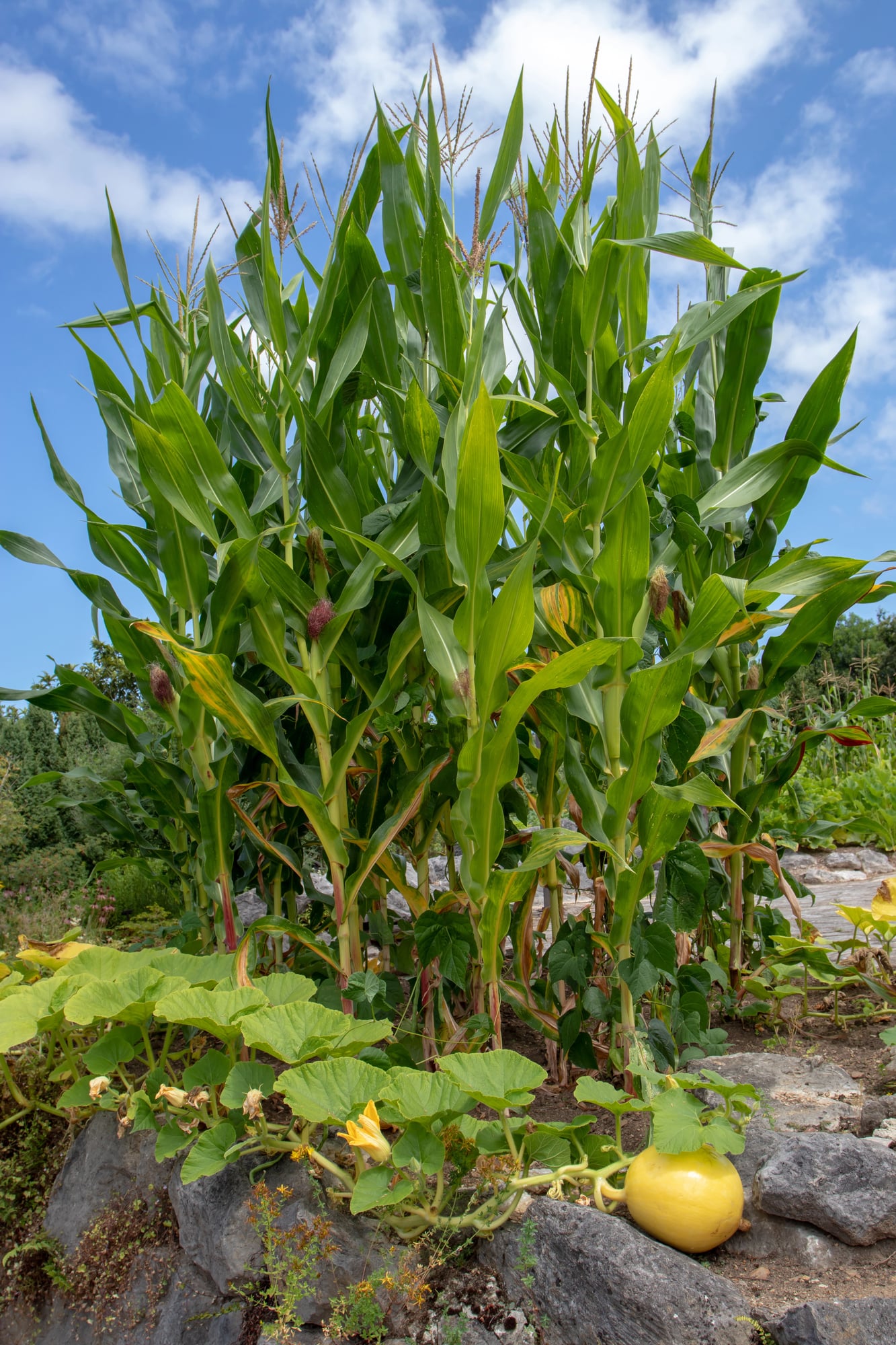
Most people think of the Three Sisters – corn, beans, and squash – as farming, but it’s actually architecture. The corn grows tall and provides natural poles for beans to climb.
Squash spreads along the ground, preventing weeds and keeping moisture in the soil. The whole system is self-supporting and self-maintaining.
Each plant helps the others, creating a living structure that serves multiple functions simultaneously. It’s permaculture before anyone coined the term.
Like Go2Tutors’s content? Follow us on MSN.
Scandinavian Living Fences
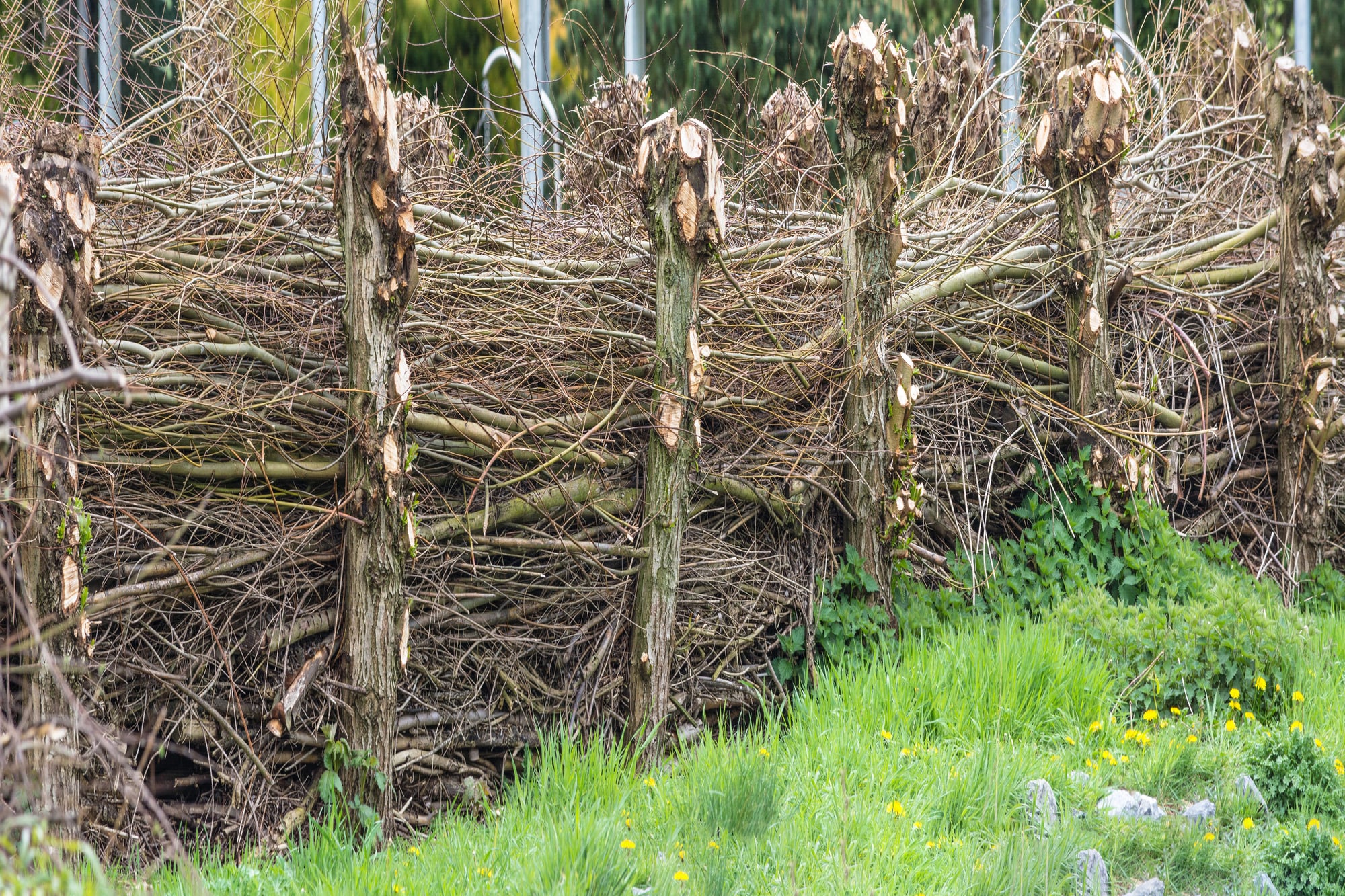
The Sami people in northern Scandinavia created fences by planting birch trees in rows and braiding their branches together as they grew. These weren’t temporary barriers – they lasted for generations while requiring almost no maintenance.
The trees kept growing and strengthening the fence structure over time. Dead wood fences rot and fall down, but living fences actually improve with age.
Melanesian Sago Palm Platforms

Sago palms have thick, sturdy trunks that indigenous Melanesian peoples learned to modify while keeping the trees alive. They’d carefully shape the palm growth to create flat, horizontal surfaces that could support considerable weight.
These living platforms lasted much longer than anything built from cut lumber. The palms continued growing and strengthening the platform structure throughout their lifespan.
Nature’s Blueprints for Tomorrow
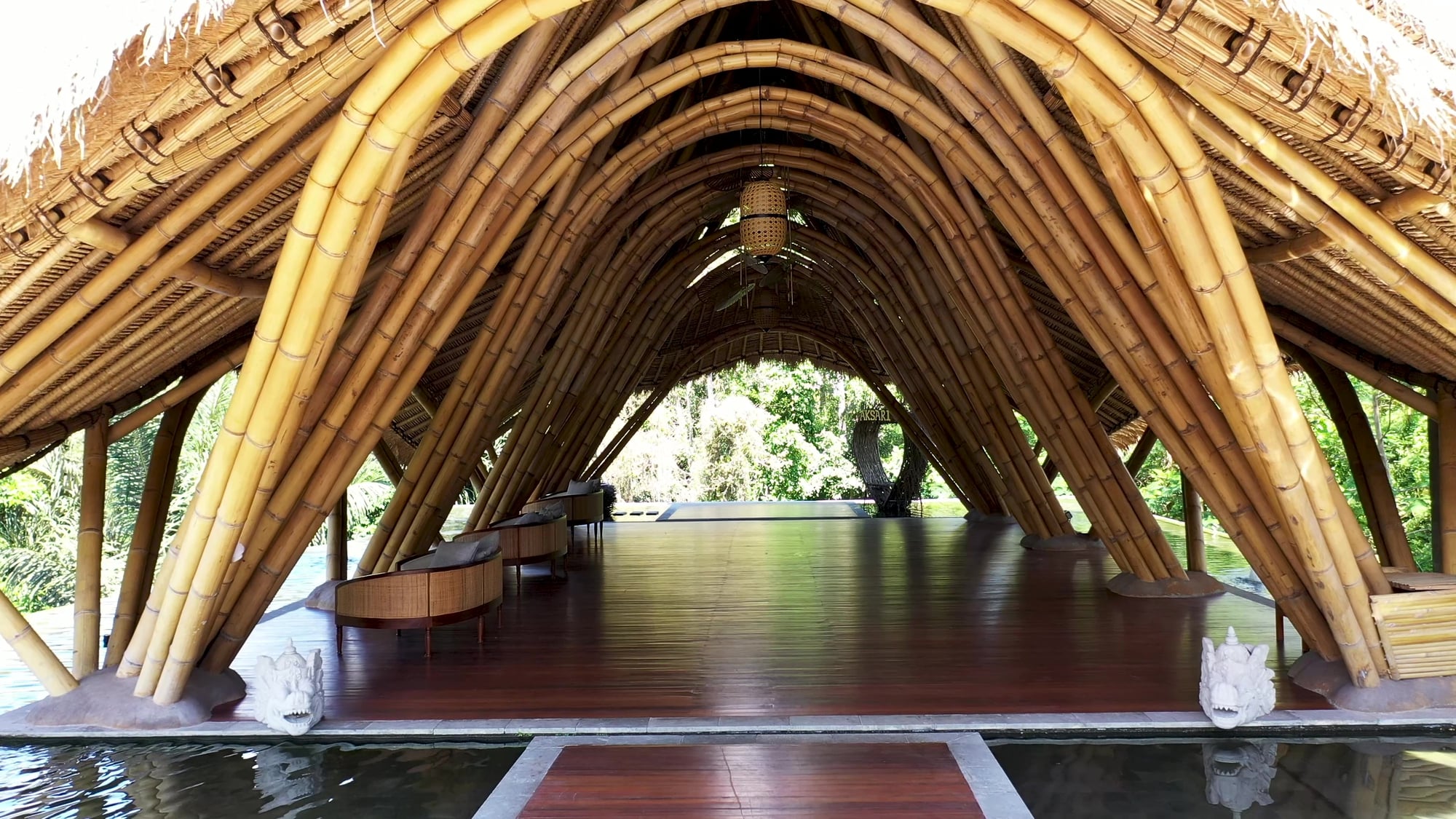
Modern architects are finally catching on to what indigenous peoples knew centuries ago. MIT researchers study those Indian root bridges to develop new bioengineering techniques.
Architecture firms experiment with buildings that literally grow themselves. The key insight is treating plants as partners rather than just raw materials.
These living structures work with natural systems instead of fighting them, creating solutions that actually improve over time. In an era of climate change and resource scarcity, maybe it’s time to learn from communities who figured out sustainable engineering long before sustainability became a buzzword.
More from Go2Tutors!

- 16 Historical Figures Who Were Nothing Like You Think
- 12 Things Sold in the 80s That Are Now Illegal
- 15 VHS Tapes That Could Be Worth Thousands
- 17 Historical “What Ifs” That Would Have Changed Everything
- 18 TV Shows That Vanished Without a Finale
Like Go2Tutors’s content? Follow us on MSN.



