17 Groundbreaking Special Effects in Old Movies
Before computer graphics transformed Hollywood, filmmakers relied on ingenuity, craftsmanship, and sometimes dangerous stunts to create movie magic. These pioneering artists developed techniques that would influence cinema for decades.
Their innovations often came from necessity — limited budgets and primitive technology forced creative solutions that became industry standards. Many of these groundbreaking effects still hold up today, testament to the skill of their creators.
Here is a list of 17 special effects from classic films that changed moviemaking forever. These techniques laid the foundation for modern cinema’s visual storytelling.
Trip to the Moon magic
Georges Méliès revolutionized cinema with his 1902 masterpiece ‘A Trip to the Moon,’ introducing multiple exposure techniques and elaborate painted backdrops. The famous shot of the rocket hitting the moon’s eye required precise timing and innovative camera work.
Méliès essentially invented the concept of cinematic illusion, transforming simple stage tricks into film magic that audiences had never witnessed before.
King Kong stop motion
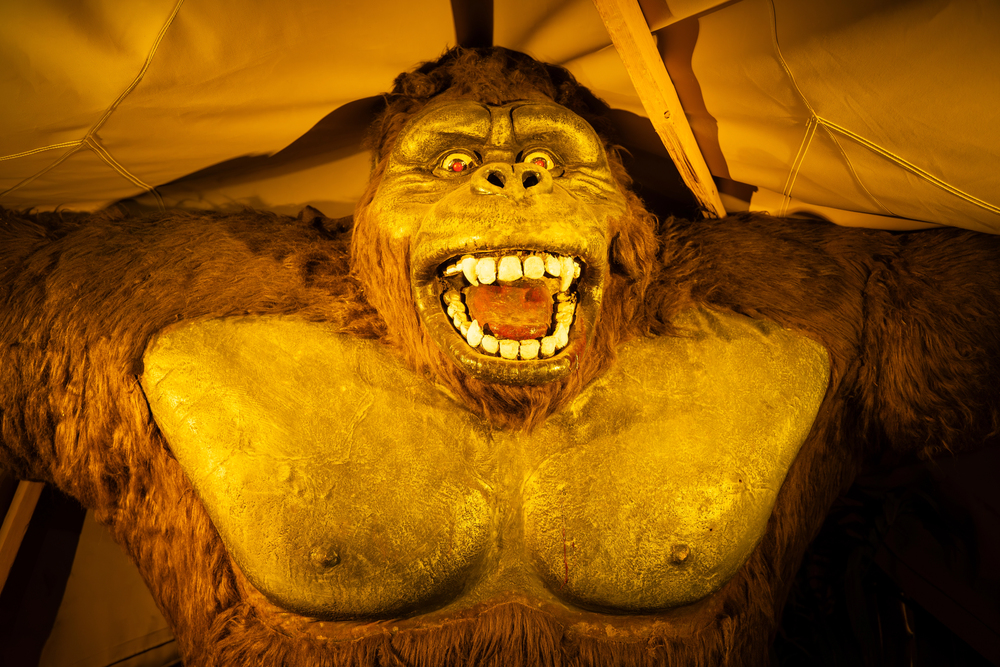
Willis O’Brien’s painstaking stop-motion animation for 1933’s ‘King Kong’ brought the giant ape to life frame by frame. Each second of footage required 24 individual photographs of the 18-inch model, with O’Brien moving Kong’s joints slightly between each shot.
The technique created believable interaction between the creature and live actors through rear projection — a process so convincing that audiences genuinely believed in the beast.
Invisible Man bandage removal

James Whale’s 1933 ‘The Invisible Man’ achieved its title character’s gradual disappearance through meticulous wire work and precise choreography. Claude Rains wore black velvet clothing against matching backgrounds while invisible wires pulled away his bandages.
The effect required multiple takes and careful lighting to ensure the wires remained unseen, creating one of cinema’s most memorable transformation sequences.
Wizard of Oz tornado
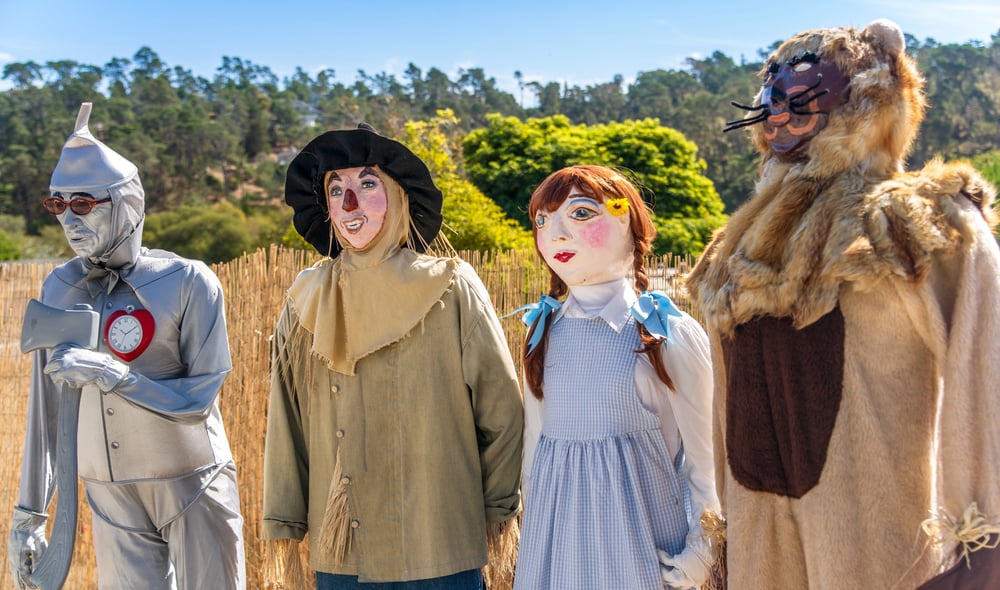
The cyclone in 1939’s ‘The Wizard of Oz’ was actually a 35-foot muslin sock filled with dust and debris, photographed against miniature landscapes. Special effects artists manipulated the cloth tornado from above while cameras captured its movement from below.
Though simple by today’s standards, the effect perfectly conveyed the destructive power that would transport Dorothy to a magical land.
Citizen Kane deep focus
Gregg Toland’s revolutionary deep focus photography in ‘Citizen Kane’ allowed foreground and background elements to remain sharp simultaneously. This technique required specially modified lenses and intense lighting setups that pushed 1941 technology to its limits.
The result transformed how directors could stage scenes, creating visual depth that drew viewers deeper into Kane’s world.
Like Go2Tutors’s content? Follow us on MSN.
Fantasia multiplane camera
Disney’s 1940 ‘Fantasia’ showcased the multiplane camera — a device that filmed multiple layers of artwork at different distances to create realistic depth. The contraption stood 14 feet tall and weighed over 1,000 pounds, yet produced animation with unprecedented three-dimensional quality.
This innovation would become standard in animated filmmaking for decades.
Black Narcissus matte paintings

The breathtaking Himalayan vistas in 1947’s ‘Black Narcissus’ were actually matte paintings created in a London studio. Artist Walter Percy Day painted detailed mountain landscapes on glass, which were then combined with live action through careful camera positioning.
These painted backdrops saved production costs while creating some of cinema’s most convincing exotic locations.
Treasure of Sierra Madre gold

John Huston’s 1948 adventure used real gold dust mixed with brass flakes to create convincing prospector finds. The metallic mixture caught studio lights perfectly, creating the glittering effect that drove the characters to madness.
This practical approach proved more effective than any painted substitute, adding authentic weight to the story’s central obsession.
Destination Moon rocket models
The 1950 science fiction film ‘Destination Moon’ employed detailed miniature rockets and painted space backgrounds to depict lunar travel. These model shots, combined with wire work for weightlessness effects, created surprisingly realistic space sequences.
The film’s commitment to scientific accuracy influenced how Hollywood would portray space travel for years to come.
When Worlds Collide destruction
Paramount’s 1951 disaster epic achieved its apocalyptic flood scenes through elaborate miniature work and water effects. Model cities were systematically destroyed while cameras captured the devastation from multiple angles.
The combination of practical destruction and optical printing created genuinely terrifying images of civilization’s end.
War of Worlds Martian machines
The floating war machines in 1953’s ‘The War of the Worlds’ were suspended on nearly invisible wires while their heat rays were added through animation. The Martian ships’ cobra-like design became iconic, yet they were simply lightweight models manipulated by skilled puppeteers.
Their otherworldly movement patterns convinced audiences of an alien intelligence behind the controls.
Forbidden Planet Robby

Robby the Robot from 1956’s ‘Forbidden Planet’ required a seven-foot suit operated by actor Frankie Darro, though the character appeared much larger on screen. Camera angles and forced perspective made Robby seem imposing while practical lighting effects brought his electronic brain to life.
The robot’s design became a template for countless science fiction films that followed.
Bridge on River Kwai explosion

The climactic bridge destruction in 1957’s ‘The Bridge on the River Kwai’ used a real railway bridge rigged with controlled explosives. Director David Lean captured the sequence with multiple cameras positioned at safe distances, knowing they’d only get one chance.
The spectacular explosion combined practical pyrotechnics with careful editing to create one of cinema’s most memorable action sequences.
Vertigo dolly zoom
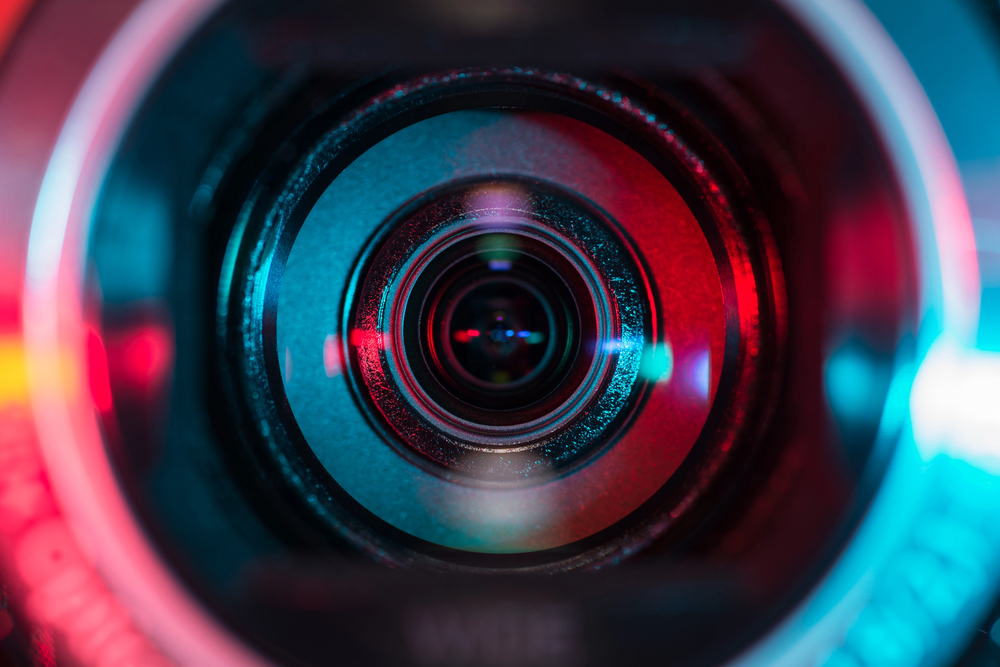
Alfred Hitchcock’s ‘Vertigo’ introduced the dolly zoom technique — moving the camera backward while zooming forward to create a disorienting perspective shift. This effect, achieved through precise mechanical coordination, perfectly conveyed the protagonist’s acrophobia.
The technique became known as the ‘Vertigo effect’ and remains a staple of suspenseful filmmaking.
Ben-Hur chariot race
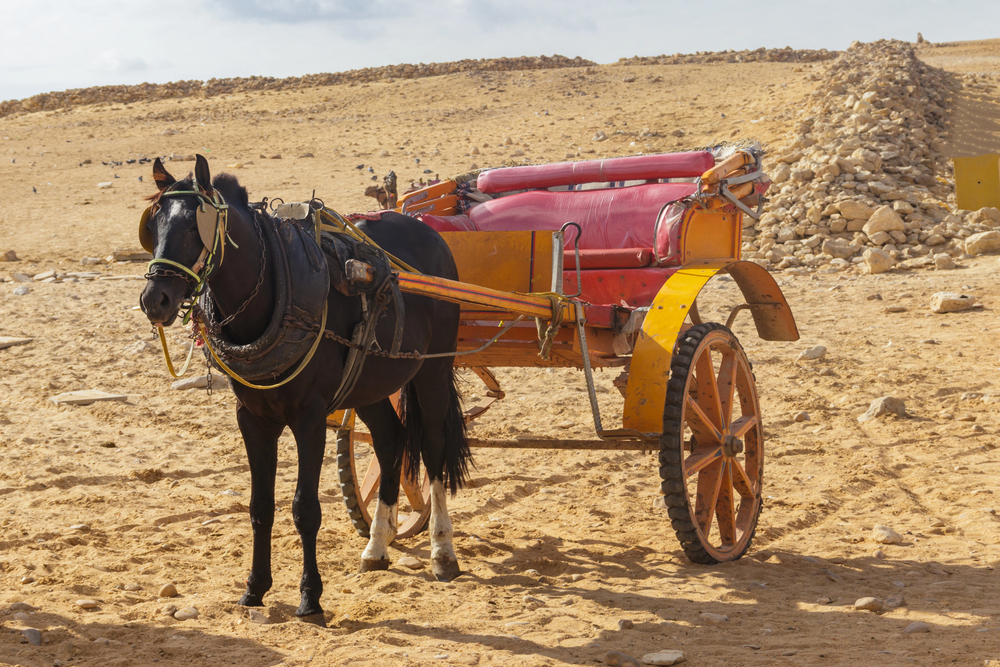
The 1959 ‘Ben-Hur’ chariot race employed elaborate practical effects including concealed ramps, breakaway wheels, and carefully choreographed crashes. Stunt performers drove real chariots at dangerous speeds while hidden mechanisms created dramatic accidents.
Though no one died during filming — contrary to popular myth — the sequence required months of preparation and multiple camera crews.
Psycho shower scene
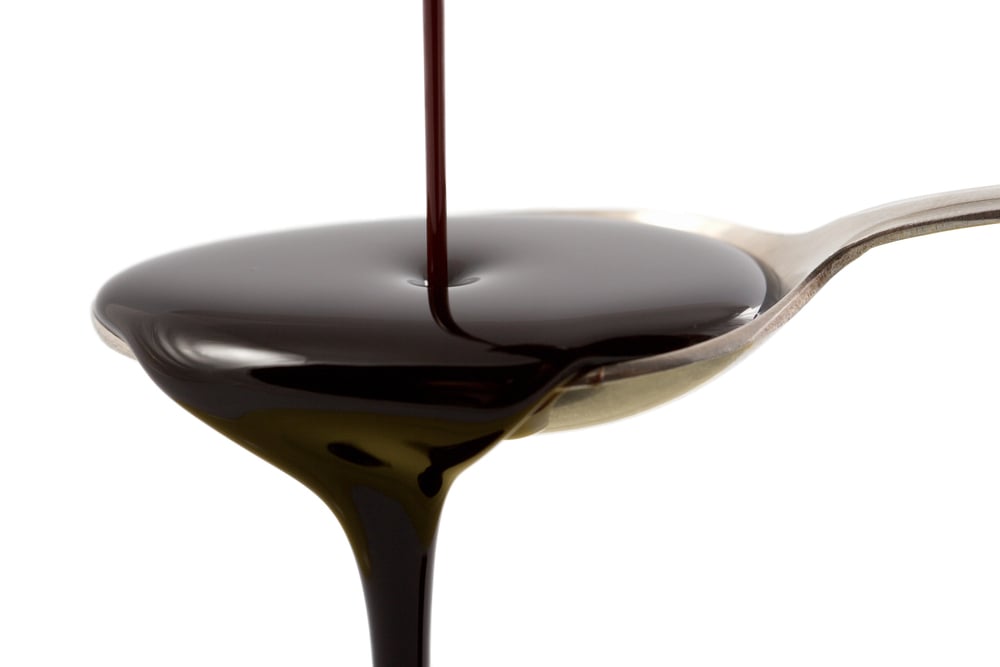
The famous shower murder in Hitchcock’s ‘Psycho’ used chocolate syrup for blood, a body double, and rapid-fire editing to create violence without showing explicit gore. The effect relied more on suggestion than graphic imagery, proving that psychological impact often trumps visual spectacle.
This restrained approach influenced how filmmakers would depict violence for decades.
Time Machine time travel

George Pal’s 1960 ‘The Time Machine’ achieved its time-lapse effects through stop-motion photography of changing sets and costumes. Actors held poses while crew members adjusted props and lighting between exposures, creating the illusion of accelerated time.
The technique required extraordinary patience and precision, yet produced convincing time travel sequences that modern CGI often struggles to match.
The magic lives on
These pioneering effects artists worked without computers, digital compositing, or modern safety equipment — yet their innovations continue influencing contemporary filmmakers. While today’s CGI can create anything imaginable, many directors still prefer practical effects for their tangible authenticity.
The craftsmanship behind these classic techniques reminds us that movie magic doesn’t always require the latest technology. Sometimes the most powerful effects come from human creativity, determination, and a willingness to try something that’s never been done before.
More from Go2Tutors!

- The Romanov Crown Jewels and Their Tragic Fate
- 13 Historical Mysteries That Science Still Can’t Solve
- Famous Hoaxes That Fooled the World for Years
- 15 Child Stars with Tragic Adult Lives
- 16 Famous Jewelry Pieces in History
Like Go2Tutors’s content? Follow us on MSN.



