13 Medieval Punishments for Petty Crimes
Medieval justice was public, practical, and often cruel, but most daily offenses were not capital crimes. Selling a spoiled capon, ignoring a hue and cry, or demanding better wages could land a person in a town square or before a manor court.
These 13 punishments show how communities policed small crimes by making them visible.
Standing in the Pillory for a League’s Journey

In 1351, a London court sentenced Henry de Passelewe to the pillory for selling a putrid capon, ordering that he remain there for the time it would take to walk a league. The spoiled bird was carried before him on his way, and proclamation was made at the pillory explaining the offense.
Time was measured by distance because public clocks were scarce.
Burning Spoiled Goods Beneath the Offender

London records from 1348 describe a man sentenced to the pillory at Cornhill for selling meat taken from a dead sow, with the flesh burned beneath him while he stood there. Similar sentences burned a spoiled rabbit in 1364 and fake powders in 1394.
The smoke and smell made the crime impossible to ignore.
Putting Feet in the Stocks

The Statute of Laborers of 1351 ordered every town and village to build stocks, to be used on offenders such as unruly artisans and runaway laborers. Drunks and vagabonds followed.
Stocks stayed in use for centuries, with the last recorded use in England in June 1872 at Newbury.
Dragging Dishonest Bakers on a Hurdle

In 1318, London bakers complained that Mayor Henry le Galeys had introduced a new punishment for defective bread, being dragged through the city on a hurdle like a traitor, and asked to have their flour confiscated instead. The practice persisted.
In December 1425, baker John Tonard was spared on a first offense but condemned to the hurdle on Christmas Eve after a second.
Sitting on the Cucking Stool

The Domesday Book of 1086 records the use of a cucking stool at Chester to punish dishonest brewers and bakers as well as quarrelsome women. Offenders sat on a chair, sometimes mounted on wheels, and were paraded through town to be jeered at.
The name comes from an old word for filth, which hints at how much shame the punishment was meant to deliver.
Paying Fines Under the Assize of Bread and Ale

The Assize of Bread and Ale, introduced in 1266, tied the weight and price of loaves to the price of grain and set standards for ale. Bakers who broke the rules were typically fined for the first three offenses, and after the fourth could face the pillory.
The system gave towns a steady, if grudging, way to police the food supply.
Smashing a Baker’s Oven

According to the Worshipful Company of Bakers, a third warning for a repeat offender meant a visit from the company’s beadle and a bailiff, who smashed the baker’s ovens so no more bread could be made. Earlier punishments included being pelted with rotten fruit in the pillory.
Losing an oven meant losing a livelihood.
Collective Fines on a Tithing

Under the system of frankpledge, men were grouped into tithings of about ten households, each responsible for producing any member accused of a crime. If the accused failed to appear, the entire group could be fined.
The rule made neighbors police each other’s behavior.
Fines for Ignoring the Hue and Cry

When a crime occurred, victims and witnesses were expected to raise a hue and cry, and able-bodied neighbors had to join the chase. Those who ignored the call risked punishment themselves, and in Anglo-Saxon times an entire village could face a heavy fine.
The system turned every household into a police force.
Public Penance in a White Sheet

Church courts could not fine offenders or harm the body, so they relied on public shaming. In cases of slander, an offender might have to stand in church in a white sheet and loudly take back what had been said, a practice common in the 15th and 16th centuries.
Penitents were sometimes bare-legged and bareheaded, carrying a white rod.
Æthelberht’s Price List for Injuries
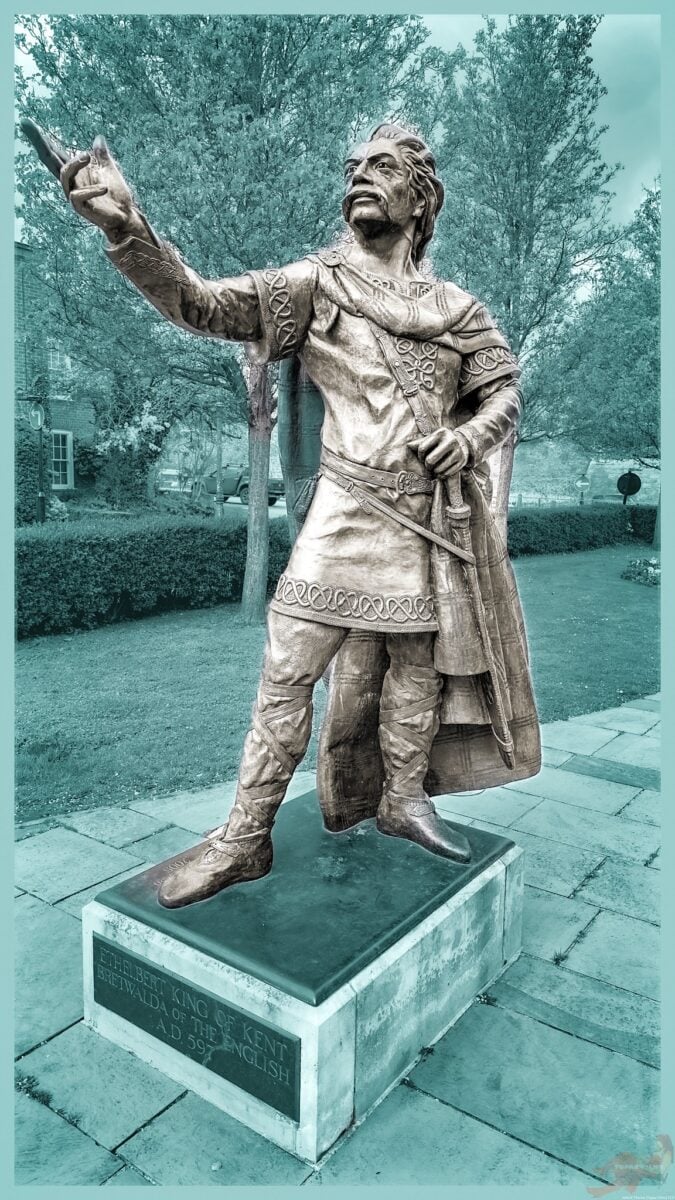
Around 602, King Æthelberht of Kent issued the earliest known written law code in any Germanic language, a list of fines for injuries. A knocked-out front tooth cost six shillings, with lower rates for teeth farther back.
The code treated violence as a debt to be paid, which helped keep feuds from escalating.
Fines Instead of Mutilation in the Royal Forests

Before 1217, taking the king’s deer could mean death or mutilation under forest law. The Charter of the Forest, issued that year, ended those penalties and replaced them with fines.
It is considered the longest-lasting statute in English law, surviving until 1971.
Jail for Demanding Higher Wages

After the Black Death left laborers scarce, the Statute of Laborers of 1351 tried to freeze wages at pre-plague levels. Violators were punished by fines at first, and by 1360 imprisonment had replaced fines as the penalty.
The law proved unenforceable, but it shows how even demands for better pay could count as crimes.
Justice You Could Watch

These punishments shared a theme: a small crime was answered with a public display. Bakers were dragged, butchers stood beside burning meat, and sinners confessed in church.
Communities without police forces relied on shame, and on each other, to keep order. The records also show how much of medieval law was about trade.
Bread, ale, meat, and wages were policed constantly, because spoiled food or inflated prices could hurt an entire town. Some measures, like the fines in the Charter of the Forest, were reforms that replaced much harsher penalties.
More from Go2Tutors!

- The Romanov Crown Jewels and Their Tragic Fate
- 13 Historical Mysteries That Science Still Can’t Solve
- Famous Hoaxes That Fooled the World for Years
- 15 Child Stars with Tragic Adult Lives
- 16 Famous Jewelry Pieces in History
Like Go2Tutors’s content? Follow us on MSN.